Why Kirkland Prices Are Rising — And What Smart Shoppers Can Do About It
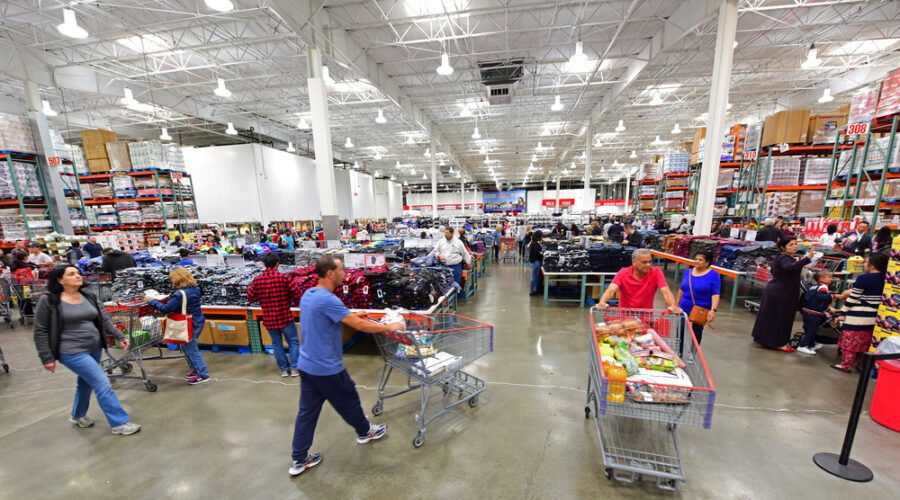
For years, shopping Kirkland Signature products felt like a financial win. You grabbed bulk essentials, trusted the quality, and left Costco feeling confident you’d beaten regular grocery store prices. That sense of comfort and value has long been part of Costco’s appeal, especially for families focused on budgeting, household expenses, and smart grocery shopping.
Lately, however, many shoppers are noticing something different. Over the past two years, Kirkland prices have been inching upward across a wide range of everyday staples. There are no big signs announcing the changes, no dramatic press releases — just quietly higher shelf tags that make routine Costco trips feel more expensive than they used to.
For frequent Costco members, these increases are impossible to ignore. Even small price hikes can strain a monthly grocery budget, especially when you buy the same items week after week. In an era of inflation, rising interest rates, and higher cost of living, every dollar matters — and bulk shopping no longer guarantees automatic savings.
Behind the scenes, Costco faces many of the same pressures affecting the global economy: supply chain disruptions, labor costs, tariffs, and higher transportation expenses. While the company still claims that Kirkland maintains a 15%–20% value advantage over national brands, some price jumps are beginning to test that promise.
Today, we take a closer look at several Kirkland products that have risen in price — and what cost-conscious shoppers can do instead to protect their personal finances.