If you still picture senior health tech as a beige plastic pendant hanging on a lanyard, it is time to update your expectations. The landscape of aging and technology has fundamentally shifted. According to a 2025 technology trends report from AARP, adults over the age of 50 now own an average of seven tech devices—and wearable adoption has surged past 34 percent. Even more telling, nearly half of adults over 80 now actively view technology as a vital ally in maintaining a healthy, independent lifestyle.
For years, the Apple Watch has dominated the conversation around wearable health devices. It is undeniably powerful, packed with sensors, and highly accurate. However, it is not the perfect fit for everyone. The interface can be overwhelming, the daily charging requirement is tedious, and the upfront cost is steep. More importantly, it was designed as an extension of a smartphone, not as a dedicated medical alert device.
If you want the safety of fall detection, the peace of mind of emergency monitoring, and the insights of a fitness tracker without the complexity of a miniature computer on your wrist, you have excellent options. Today’s best wearable health devices for seniors blend discreet styling with life-saving technology.
At a Glance: The Essentials
- Discretion over stigma: Modern medical alert smartwatches look like standard digital timepieces, encouraging daily wear and eliminating the stigma of traditional emergency pendants.
- Standalone cellular power: The best medical alert watches do not require you to own a smartphone; they connect directly to cellular networks for out-of-the-house protection.
- AI-enhanced safety: Newer wearable fall detection devices for seniors use artificial intelligence to distinguish between a dropped arm and a genuine fall, reducing false alarms.
- Medicare is evolving: While Original Medicare typically excludes consumer smartwatches, the 2026 CMS ACCESS Model is actively testing new ways to pay for technology-supported chronic care.

Why the Traditional Medical Pendant is Becoming Obsolete
The biggest flaw of the traditional medical alert pendant is human psychology. Many older adults simply refuse to wear them. They are often left on the bedside table or tucked away in a drawer because they broadcast vulnerability. They scream, “I am frail,” to anyone who sees them.
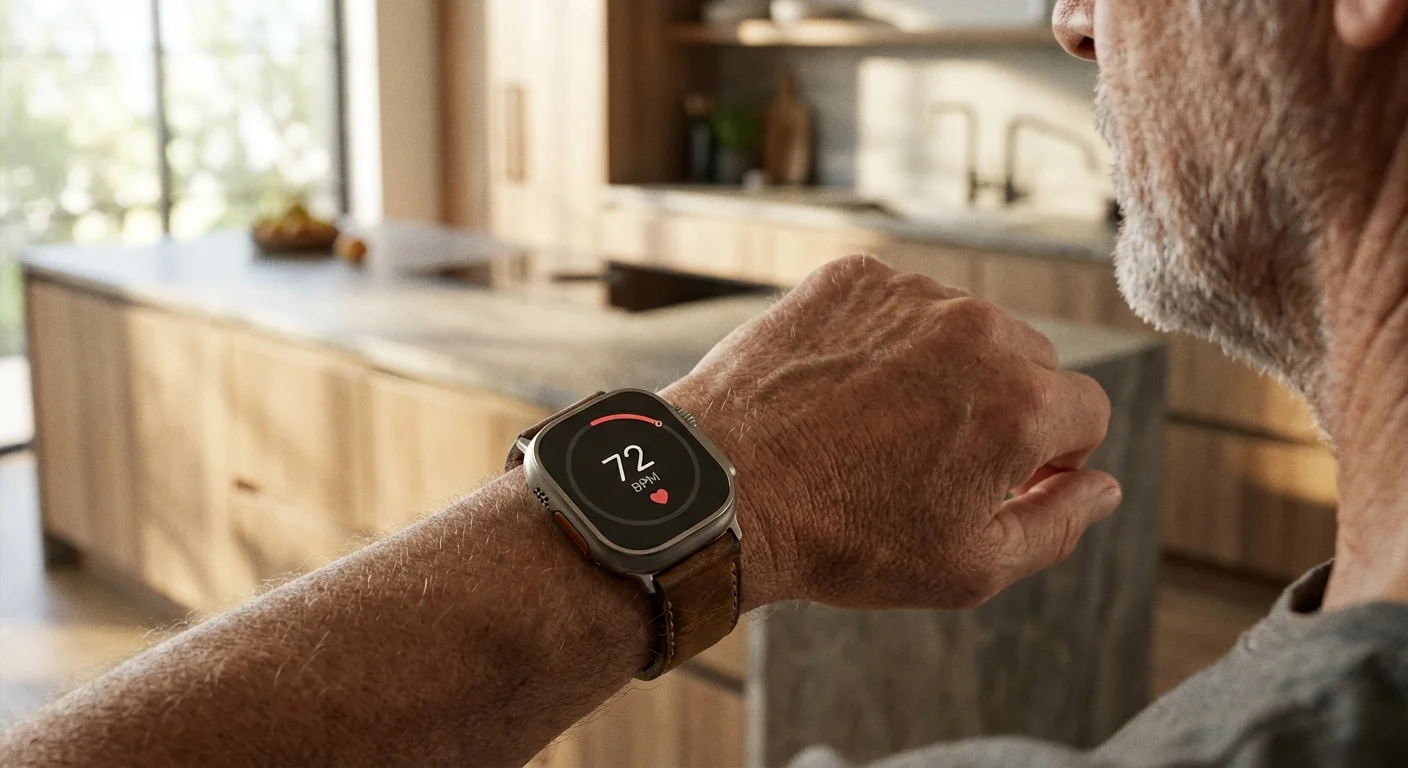
A smartwatch completely flips this narrative. Wearing a sleek, digital watch signals that you are active, tech-savvy, and engaged with your health. Because they look like standard fitness trackers, smartwatches offer total discretion. You get the exact same emergency monitoring capabilities—often improved by GPS tracking and two-way audio—hidden behind a vibrant digital clock face.
Furthermore, traditional pendants only do one thing: call for help after an emergency has already happened. Health monitoring wearables for older adults take a proactive approach. They track your daily steps, monitor your heart rate, and encourage you to meet activity goals. This shift from reactive emergency gear to proactive health management helps you maintain your mobility and independence longer.
Key Features to Look For in a Senior-Friendly Smartwatch
When evaluating a medical alert smartwatch for the elderly, you must look past the marketing jargon and focus on the features that actually impact your daily life and safety. Not all smartwatches are created equal; a device built for marathon runners will frustrate someone who just wants reliable fall protection and step tracking.
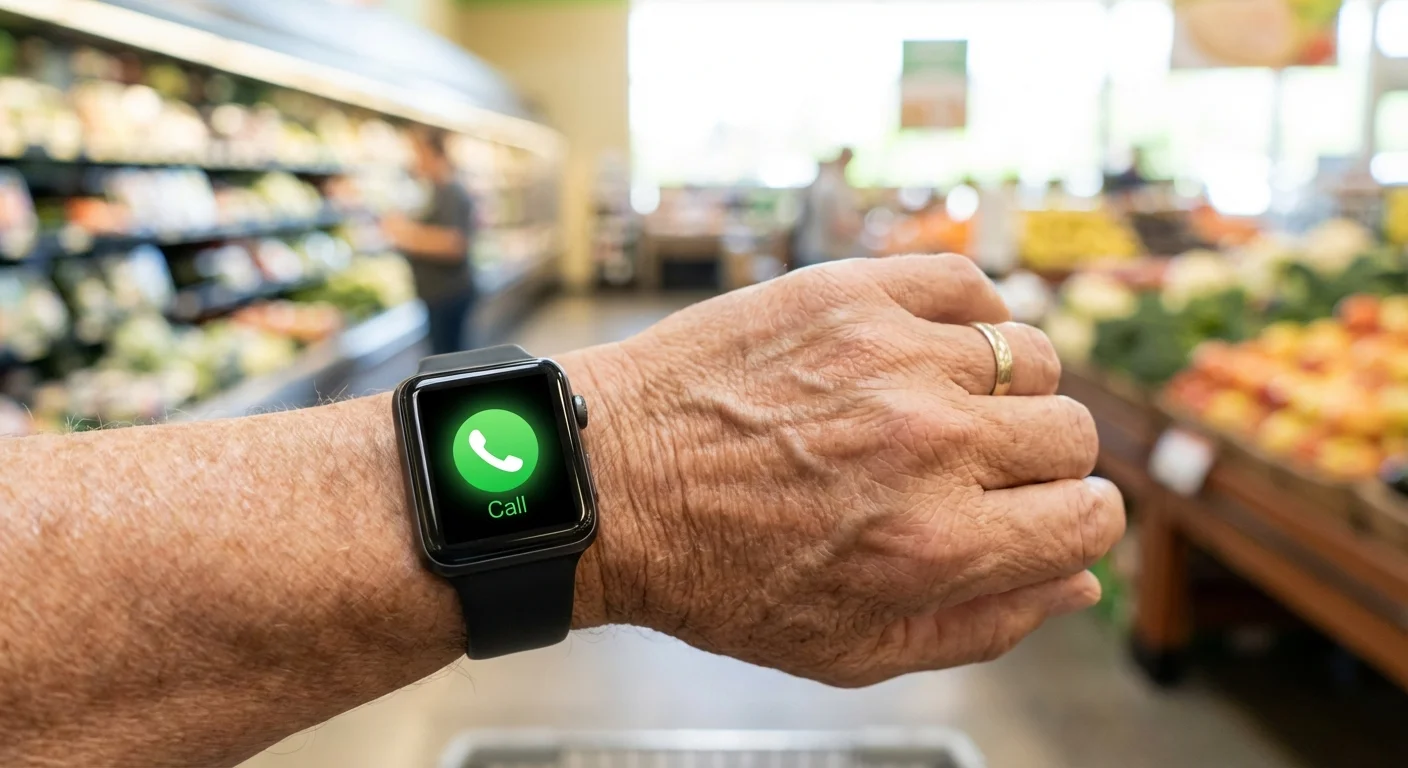
- Built-in Cellular Connectivity: This is non-negotiable if you want protection outside your home. A dedicated cellular connection means the watch can call for help from the grocery store, the golf course, or a walking trail without needing to be tethered to a smartphone via Bluetooth.
- AI-Powered Fall Detection: Early fall detection technology was notoriously sensitive; clapping your hands or dropping into a recliner could dispatch an ambulance. Look for devices featuring AI-driven algorithms. These systems learn your specific movement patterns over time, measuring velocity, impact, and altitude changes to accurately differentiate between a stumble and a severe fall.
- Caregiver Tracking Portals: The best devices pair with a secure mobile app that your trusted family members can access. This allows them to see your real-time GPS location, check your watch’s battery level, and monitor your daily activity—all without having to call and check up on you constantly.
- Simplified User Interface: You should not have to swipe through five menus to find the emergency button. Look for large, high-contrast screens, physical buttons for SOS calls, and minimal distracting apps.
- Adequate Battery Life: Because cellular connections and continuous GPS monitoring drain power quickly, true medical smartwatches rarely last a week on a single charge. However, you should expect at least 18 to 24 hours of battery life to ensure the watch protects you through the night.
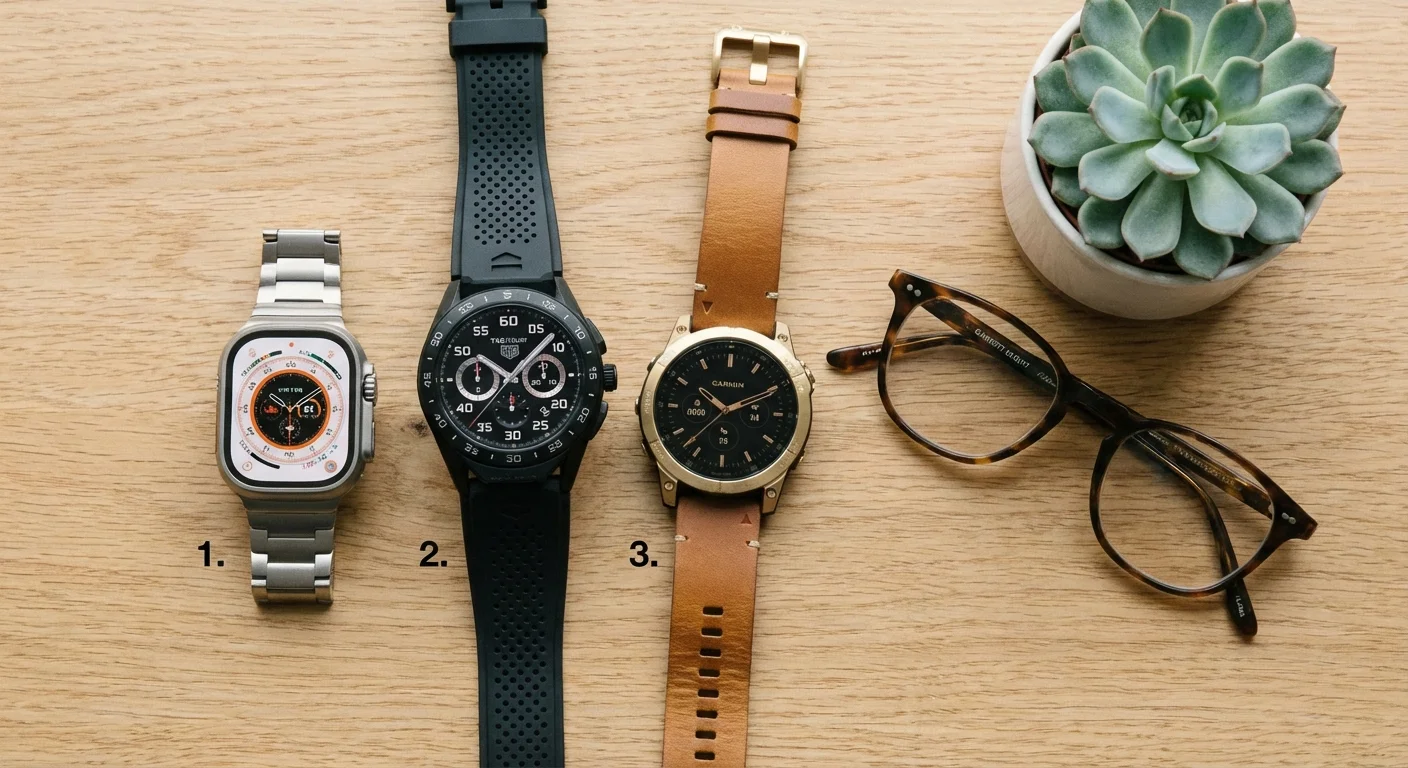
Top Medical Alert Smartwatches for 2026
If your primary goal is emergency protection backed by a 24/7 professional monitoring center, you need a dedicated medical alert watch. These devices are built from the ground up for senior safety. Below is a comparison of some of the leading options on the market right now.
| Device | Estimated Upfront Cost | Monthly Monitoring Fee | Automatic Fall Detection | Best Feature |
|---|---|---|---|---|
| Bay Alarm Medical SOS Smartwatch | $159 – $199 | $39.95 (+$10 for fall detection) | Yes (AI-powered) | Best overall value and user interface |
| Medical Guardian MGMove | $199.95 | $42.95 (Add-ons available) | Available via add-on services | Excellent caregiver communication apps |
| LifeStation Sidekick Smart | Often heavily discounted | $46.95 | No | Simple heart rate tracking and Amazon Alexa support |
Bay Alarm Medical SOS Smartwatch
Consistently ranked at the top by organizations like the National Council on Aging (NCOA), the Bay Alarm Medical SOS Smartwatch is a masterclass in straightforward design. It offers a sleek profile that easily passes for a high-end fitness tracker. Its standout feature is the AI-powered automatic fall detection. During rigorous testing, this watch has proven highly accurate at rejecting false alarms while swiftly connecting wearers to a U.S.-based monitoring center when real falls occur. The interface is incredibly simple, relying on large, bright icons, making it accessible even for those with mild vision impairment.
Medical Guardian MGMove
If you want a device that keeps you connected to your family, the MGMove is an exceptional choice. While it operates on the AT&T cellular network, you do not need an AT&T contract to use it—the connectivity is bundled into your monthly monitoring fee. The MGMove includes basic weather and step-counting apps to encourage daily movement, but its real strength lies in the optional Support Circle apps. These allow your designated care partners to send you daily reminders (such as medication alerts) and text messages directly to your wrist, bridging the gap between an emergency device and a communication tool.

Best Fitness-Focused Wearables for Older Adults
Perhaps you do not need a 24/7 emergency dispatch center. If your goal is simply to track your heart rate, monitor your sleep quality, and count your steps, you can avoid the hefty monthly monitoring fees of medical alert watches by opting for a standard fitness tracker. The best fitness tracker for seniors over 65 prioritizes comfort, clear data, and long battery life.
Fitbit Charge 6
The Fitbit Charge 6 is a streamlined, low-profile band that focuses heavily on cardiovascular health. It features a built-in ECG app that can assess your heart rhythm for atrial fibrillation (AFib)—a crucial feature for older adults managing heart conditions. It also tracks your sleep architecture, giving you a daily “Readiness Score” that tells you if your body is recovered enough for a long walk or if you should take a rest day. Because it lacks a massive, power-hungry color screen, the battery easily lasts up to seven days.
Garmin Vivosmart 5
Garmin devices are renowned for their durability and precise health metrics. The Vivosmart 5 is particularly senior-friendly because it features a physical button just below the screen—a rare find in modern touchscreen devices. This makes navigating the menus much easier if you have arthritis or dry hands that struggle with touchscreens. Garmin’s “Body Battery” feature is an excellent tool for energy management, helping you visualize how your daily activities drain your energy and how restful sleep recharges it.
The Oura Ring (Gen 3 / Gen 4)
For seniors who absolutely hate wearing watches, the Oura Ring is a revelation. Worn on your index or middle finger, this titanium ring tracks temperature, heart rate, blood oxygen, and highly detailed sleep metrics. It has no screen, no notifications, and no alarms to distract you. You simply wear it, and the data syncs quietly to an app on your smartphone or tablet. It is the ultimate unobtrusive health monitor, offering battery life of up to a week.
Does Medicare Pay for Wearable Health Devices?
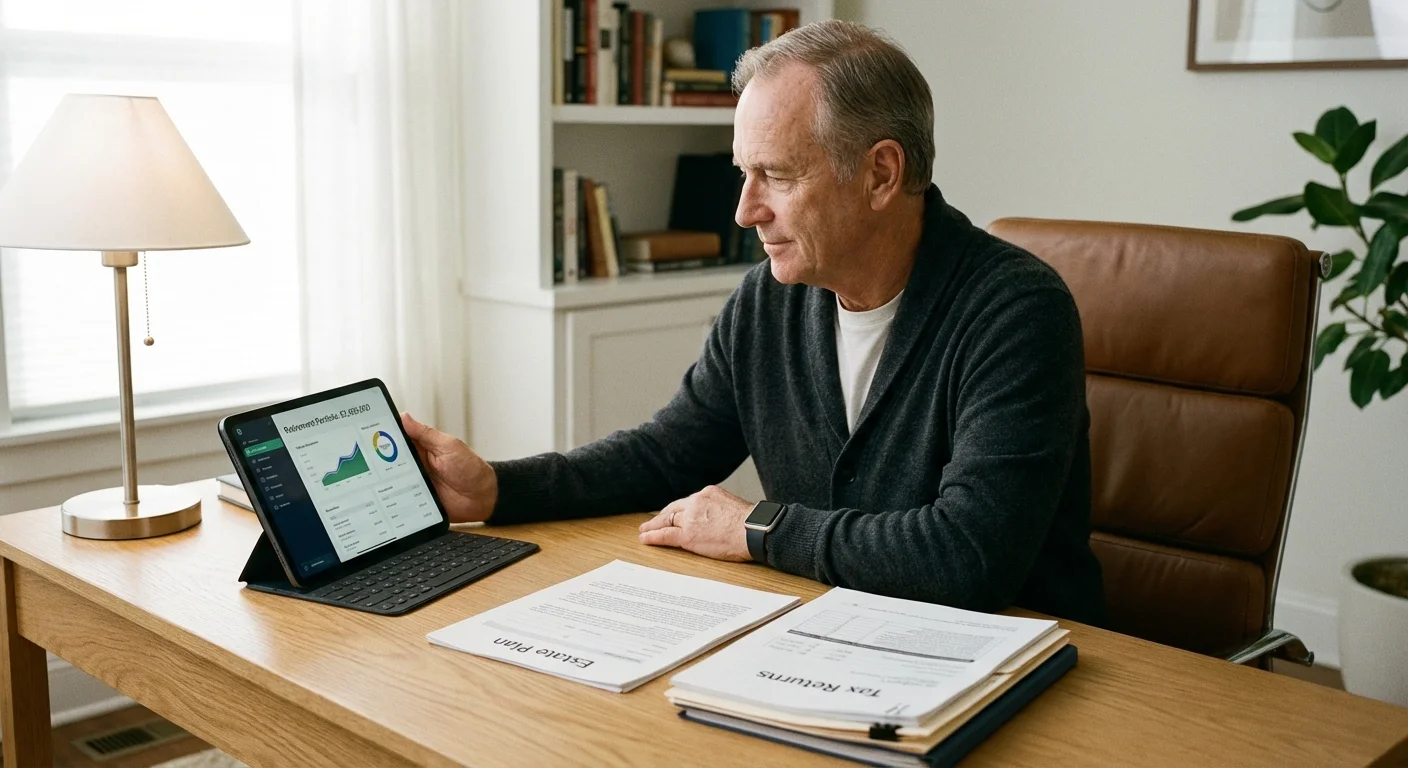
One of the most common questions regarding the best wearable health devices for seniors is whether the government will pick up the tab. Historically, the answer has been a firm no. Under standard rules, Original Medicare (Part A and Part B) does not consider consumer smartwatches or fitness trackers to be Durable Medical Equipment (DME). Therefore, you generally pay out of pocket for an Apple Watch or a Bay Alarm Medical device.
However, we are in the midst of a massive regulatory shift regarding telehealth and remote patient monitoring. Recognizing that preventative tracking saves money in the long run, the Centers for Medicare & Medicaid Services (CMS) recently launched the ACCESS (Advancing Chronic Care with Effective, Scalable Solutions) Model. Kicking off in July 2026, this 10-year pilot program tests an outcome-aligned payment approach in Original Medicare. What does this mean for you? It means that if your primary care physician partners with this program, they may soon be able to prescribe and secure coverage for FDA-authorized wearable devices to help you manage chronic conditions like hypertension, depression, or diabetes.
If you are enrolled in a Medicare Advantage (Part C) plan, you may already have access to financial help. Many Advantage plans offer a quarterly Over-the-Counter (OTC) allowance or a wellness benefit that can be applied to the purchase of basic fitness trackers or medical alert systems. Always check your specific plan’s Evidence of Coverage document before making a purchase.
What Can Go Wrong: The Limitations of Wearables
While wearable tech is life-changing, it is not flawless. You must approach these devices with realistic expectations to avoid frustration.
Subscription Fatigue: Buying the physical watch is only half the battle. If you purchase a medical alert smartwatch, you must budget for the monthly cellular and monitoring fees, which typically run between $40 and $50 a month. Over five years, that monitoring costs significantly more than the hardware itself.
The “Soft Fall” Blindspot: Automatic fall detection is remarkable, but it is not magic. The sensors rely on sudden changes in velocity and impact. If you experience a “soft fall”—such as slowly sliding down a wall or slipping off a low couch onto a carpet—the watch may not register the impact. You must always remember to press the physical SOS button if you are conscious and need help.
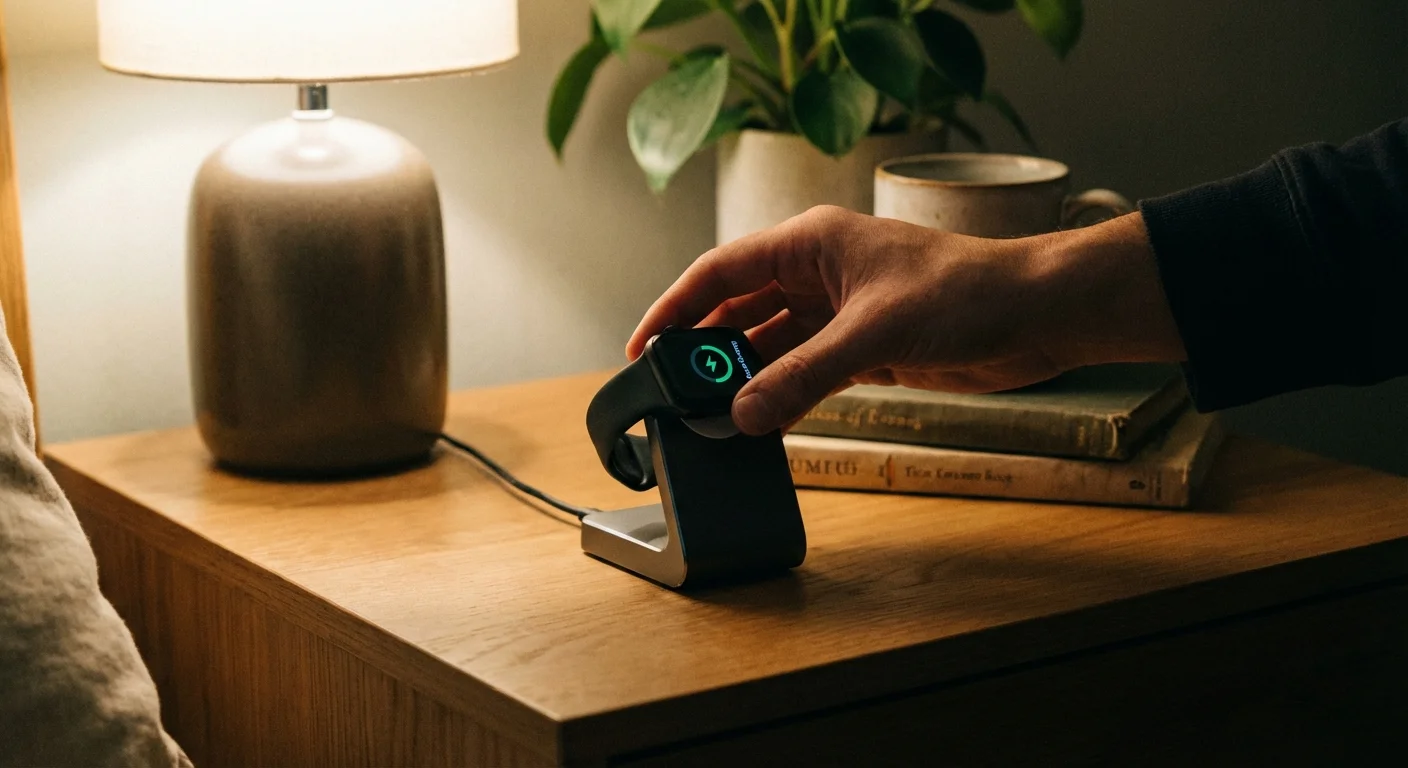
Battery Anxiety: Unlike an old-school pendant with a battery that lasts for years, smartwatches demand active maintenance. If you forget to place your watch on its magnetic charging cradle at night, it will be dead and useless by morning. You have to build a new daily habit to ensure your safety device remains operational.
When to Consult a Professional
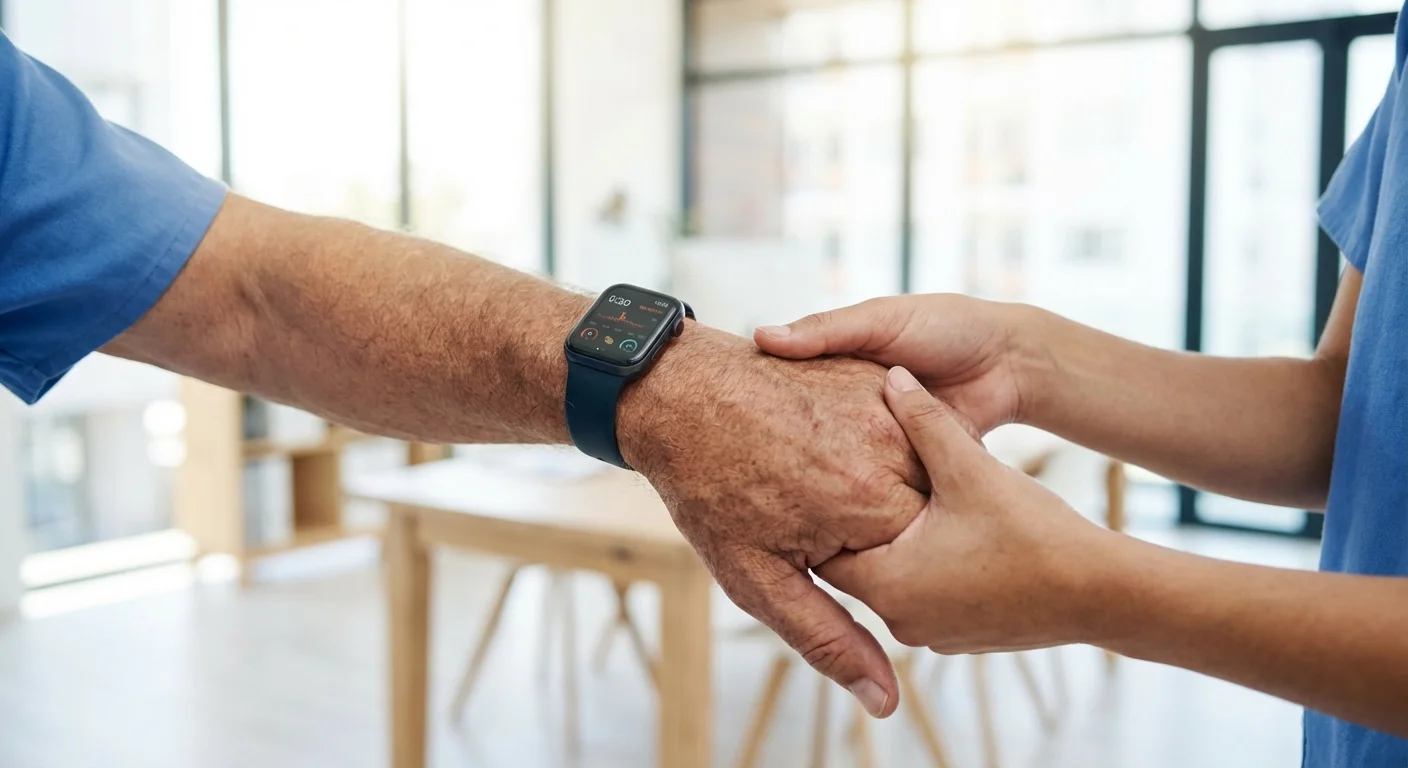
A smartwatch is an incredible tool, but it should never replace professional human guidance. Consider bringing an expert into the loop in the following scenarios:
- Reviewing Heart Data: If your Fitbit or Apple Watch alerts you to an irregular heart rhythm or potential AFib, do not panic, but do not ignore it either. Export the ECG PDF from your app and schedule an appointment with your cardiologist immediately. Wearables provide clues, but doctors provide diagnoses.
- Managing the Financial Impact: If you are living on a fixed income, suddenly adding a $50 monthly subscription for a medical alert watch can strain your budget. Sit down with a fiduciary financial planner to review your cash flow. They can help you identify areas where you can comfortably shift funds to prioritize your safety.
“When it comes to health and financial security, it is impossible to pull the two apart… Millions of dollars won’t mean much if you’re not well enough to enjoy it, and great physical health will deteriorate if you’re stressed about paying the bills.” — Jean Chatzky, Financial Expert and Author
Chatzky’s insight strikes at the core of retirement planning. Investing in a wearable health device is not just a tech purchase; it is an investment in your longevity and financial stability. Catching a heart arrhythmia early or getting immediate help after a fall can prevent extended, ruinously expensive hospital stays.

Making the Right Choice for Your Retirement
Choosing the right wearable health device comes down to honest self-reflection. If you are highly active, carry your smartphone everywhere, and just want to optimize your heart health, a Fitbit or an Oura Ring will serve you beautifully. If you live alone, worry about falls, and want the security of a 24/7 emergency response team right on your wrist, investing in a dedicated medical alert smartwatch like the Bay Alarm SOS is the clear path forward.
Take your time, weigh the monthly costs, and choose the device that you will actually feel comfortable wearing every single day. A safety device only works if it is on your body when you need it.
The information in this guide is meant for educational purposes. Your specific circumstances—including income, savings, health coverage, and goals—may require different approaches. When in doubt, consult a licensed professional.
Last updated: March 2026. Retirement benefits, tech pricing, and healthcare costs change frequently—verify current details with official sources.