
Your golden years are your best years! Make them shine!

  • Home
  • Personal Finance
  • Retirement Life
  • Saving & Spending

Your Complete Retirement Income Plan: A Step-by-Step Guide for Seniors

August 23, 2025 · Personal Finance

Step 2: Assembling Your Income Sources

Once you know your monthly income target, it’s time to look at the other side of the equation: the money you have coming in. Most retirees have income from several different sources, which we can group into three main buckets.

Bucket 1: Guaranteed Income (Social Security & Pensions)

This is your foundation. Guaranteed income sources are reliable, predictable, and typically last for the rest of your life. The two most common are Social Security and traditional pensions.

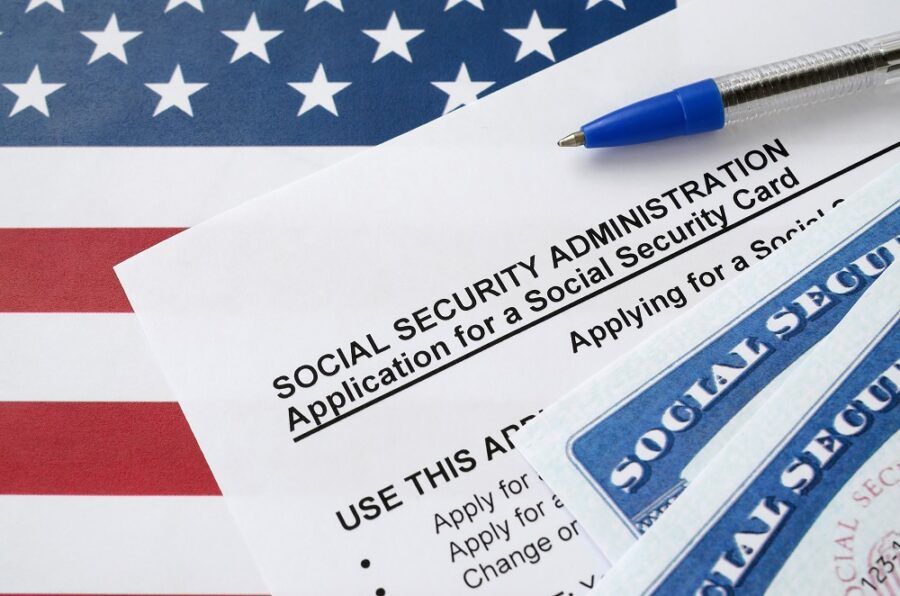
Social Security is the bedrock of retirement for most Americans. The amount you receive depends on your lifetime earnings and when you choose to start benefits. You can claim as early as age 62, but your monthly benefit will be permanently reduced. If you wait until your Full Retirement Age (which is between 66 and 67 for most people) or even longer, up to age 70, your monthly check will be significantly larger. Coordinating your claiming strategy with your spouse is a critical part of retirement planning. You can get your personal estimates and learn more at the Social Security Administration’s website.

Pensions, also known as defined benefit plans, are less common today but provide a powerful stream of guaranteed income if you have one. Your former employer pays you a set monthly amount for life. Be sure you understand your payout options, such as single-life versus survivor benefits.

Bucket 2: Investment Withdrawals (401(k)s, IRAs)

This is the money you’ve saved in accounts like 401(k)s, 403(b)s, and IRAs. Unlike Social Security, this money is not guaranteed to last forever. How you withdraw it is a key decision in your retirement income plan.

For years, a common guideline was the “4% rule,” which suggested you could withdraw 4% of your starting portfolio balance in your first year of retirement, and then adjust that amount for inflation each year after. While it can be a useful starting point for discussion, it’s not a set-it-and-forget-it rule. Your ideal withdrawal rate will depend on your age, asset allocation, and market performance. Being flexible—perhaps taking a little less in a down market year—can greatly improve your portfolio’s chances of lasting.

Bucket 3: Other Sources

This bucket includes everything else. It could be part-time work, rental income from a property, or income from an annuity. Some retirees also plan to use home equity later in life. We’ll discuss annuities and other passive income ideas in more detail later.

Your action step is to make a list of every income source you have. For Social Security and pensions, write down the definite monthly amount. For your investment portfolio, calculate a rough starting withdrawal. For now, you can use a conservative percentage like 3.5% or 4% of your total balance to get an estimated annual income figure. Divide that by 12 for a monthly estimate.


Pages: 1 2 3 4 5 6 7 8 9 10 11

Share this article

Facebook Twitter Pinterest LinkedIn Email

Leave a Reply Cancel reply

Your email address will not be published. Required fields are marked *

Recent Posts

  • medicare
    Medicare Costs Are Rising in 2026 — Here’s What to Expect
  • save money on healthcare
    Could You Qualify For the New $25,000 Health Care Tax Deduction Coming in 2026?
  • Medicare open enrollment
    Missed the Medicare Deadline? Your Options Aren’t Over Yet
  • stimulus check
    Trump Promises $2,000 Tariff Checks: Could You Qualify?
  • social security changes
    5 Social Security Changes Coming In 2026
  • SNAP
    7 Hidden Benefits of SNAP You’re Missing Out On

Related Articles

Social Security changes coming in 2024

2026 Social Security Benefits Increase Brings Biggest Raises in 10 States

How to Make the Most of Your 2026 COLA Increase Even if your raise feels…

Read More →

Mastering Financial Wellness: 4 Essential Tips for Improvement

Did you know you can easily master financial wellness? When it comes to financial wellness,…

Read More →
cheap

NEW: 5 Cheapest States for Retirees This Year

Mississippi Mississippi wins against Arkansas when it comes to the average cost of owning a…

Read More →
insurance

5 Must-Have Insurance Any Retiree Should Own

These insurance policies can make your retirement safer! Retirement should be a time when your…

Read More →
spending money

11 Reckless Ways Seniors Spend Their Money

Not focusing on their health Hear me out: I know signing up for a gym…

Read More →
passive income

10 Amazing Passive Income Ideas For Retirement

Peer-To-Peer Rental Also known as Sharing Economy, this is one of the most effortless passive…

Read More →
housing withdrawing money from your retirement account

5 Tips You Need to Know When Withdrawing Money from Your Retirement Account

Since you’ve become a part of the workforce, all that you heard was accumulate, accumulate,…

Read More →
middle-class

6 Best and Worst States for Middle-Class Retirees

3. Pennsylvania Another state that is a big no-no for middle-class retirees is Pennsylvania. The…

Read More →
health

Health Care Costs and the 6 Painful Effects on Retirees

Are you ready to plan your health care costs?

Read More →
Retired in USA

Your golden years are your best years! Make them shine!

Inedit Agency S.R.L.
Bucharest, Romania

contact@ineditagency.com

Explore

  • Terms and Conditions
  • Privacy Policy
  • Do not sell my personal information
  • Subscribe
  • Unsubscribe
  • Contact
  • CA Privacy Policy
  • Request to Know
  • Request to Delete

Categories

  • Enjoying Retirement
  • Personal Finance
  • Saving & Spending

© 2025 Retired in USA. All rights reserved.