Your 401(k) is likely the engine of your retirement plan. For many Americans, it is the single largest asset they own outside of their home. But unlike a pension plan managed by professionals, the responsibility for managing a 401(k) falls squarely on your shoulders.
The difference between a “comfortable” retirement and a “wealthy” one often isn’t about picking the next hot stock—it’s about avoiding unforced errors. Compound interest is a powerful force, but it cuts both ways. While your contributions compound over time, so do fees, penalties, and tax missteps.
Recent data from Vanguard’s How America Saves 2024 report shows that while average account balances are growing, many participants are still leaving money on the table or exposing themselves to unnecessary risks. Whether you are 35 or 65, fixing these common mistakes today could add hundreds of thousands—or even millions—to your final nest egg.
The Essentials: Quick Summary
- Don’t Miss the Match: Leaving the employer match unclaimed costs the average employee over $1,300 per year in free money.
- Watch the Fees: A 1% fee difference sounds small, but over 30 years, it can erode your portfolio value by nearly 20%.
- Know the New Limits: For 2025 and 2026, contribution limits have increased. If you are aged 60–63, you now have access to a massive “super catch-up” contribution.
- Avoid the Tax Bomb: High earners facing the new “Roth Catch-Up” rule in 2026 and retirees managing RMDs need to plan carefully to avoid unexpected tax hits.

1. Leaving “Free Money” on the Table
The employer match is the closest thing to a guaranteed 100% return you will ever find in investing. Yet, remarkably, about 25% of employees do not contribute enough to get the full match. According to research, the average employee who misses out leaves roughly $1,336 per year unclaimed.
That might not sound like “millions” today, but let’s do the math. If you invest that $1,336 annually for 30 years at a 7% return, it grows to over $125,000. And that’s just the match itself—not counting your own contribution that triggered it.
Action Step: Check your plan’s summary description immediately. If your employer matches 50% of the first 6% you contribute, ensure you are contributing at least 6%. Anything less is a voluntary pay cut.


2. Ignoring the “Silent Killer” of Wealth: High Fees
Investment fees are often buried in the fine print, but they are one of the biggest predictors of your future net worth. Most 401(k) participants pay administrative fees and investment expense ratios.
In 2024, the average expense ratio for equity mutual funds in 401(k) plans was roughly 0.26%. However, many plans still offer funds with fees exceeding 1%.
Consider two investors who both start with $100,000 and contribute $1,000 a month for 30 years, earning 7% annually before fees:
- Investor A pays 0.25% in fees. Their final balance is roughly $1.46 million.
- Investor B pays 1.25% in fees. Their final balance is roughly $1.13 million.
That tiny 1% difference cost Investor B over $330,000. In larger portfolios, this “fee drag” can easily exceed $1 million over a lifetime.
“In investing, you get what you don’t pay for. Costs matter.” — John Bogle, Founder of Vanguard
Action Step: Log in to your 401(k) portal and look for the “expense ratio” of your funds. If you are paying more than 0.50% for a standard stock fund, look for lower-cost index fund alternatives within your plan.

3. Cashing Out When You Change Jobs
When you leave a job, it is tempting to cash out your 401(k), especially if the balance seems small. This is often the single most destructive financial decision a worker can make.
If you cash out:
- You pay taxes: The entire amount is taxed as ordinary income.
- You pay a penalty: If you are under age 59½, the IRS hits you with a 10% early withdrawal penalty.
- You kill the compound interest: You reset the clock on that money’s growth.
A $10,000 cash-out by a 30-year-old doesn’t just cost them the $3,000 or so in taxes and penalties today; it costs them the roughly $100,000 that money would have grown to become by age 65.
Action Step: When changing jobs, always roll your 401(k) over into your new employer’s plan or a private IRA. This keeps the tax shelter intact.

4. Missing the New “Super Catch-Up” Window
For years, “catch-up contributions” were simple: if you were 50 or older, you could put in extra money. But thanks to the SECURE 2.0 Act, the rules have changed, creating a massive opportunity for those near retirement.
For 2025 and 2026, if you are aged 60, 61, 62, or 63, you are eligible for a higher “super catch-up” contribution.
| Category | 2025 Limit | 2026 Limit |
|---|---|---|
| Standard Limit (Under 50) | $23,500 | $24,500 |
| Standard Catch-Up (Age 50+) | +$7,500 | +$8,000 |
| Super Catch-Up (Ages 60–63) | +$11,250 | +$11,250 |
| Total Possible (Ages 60–63) | $34,750 | $35,750 |
If you fall into this specific age bracket, failing to utilize this higher limit is a missed opportunity to shelter tens of thousands of dollars from taxes right before you retire.

5. The “Roth Catch-Up” Trap for High Earners
Starting in 2026, a new rule will force high-income earners to change how they save. If you earned more than $145,000 (indexed for inflation to >$150,000 for the 2026 tax year) in FICA wages from your employer in the previous year, your catch-up contributions must be made to a Roth account.
This means:
- You pay taxes on that catch-up money now, not later.
- You lose the immediate tax deduction on those specific contributions.
- Your money grows tax-free for the future.
The Mistake: If your employer doesn’t offer a Roth 401(k) option and you are a high earner subject to this rule, you might be blocked from making catch-up contributions entirely until the plan is amended.
Action Step: If you are a high earner, verify with your HR department that your plan supports Roth contributions before January 2026 arrives.

6. Mismanaging Required Minimum Distributions (RMDs)
Retirees often trip over the RMD rules, leading to hefty tax bills. As of 2025, the RMD age is 73. (This will eventually rise to 75 starting in 2033 for those born in 1960 or later).
The “Two-in-One-Year” Mistake: You are allowed to delay your very first RMD until April 1 of the year after you turn 73. However, your second RMD is due by December 31 of that same year.
Taking two distributions in a single tax year can push you into a significantly higher tax bracket and potentially trigger higher Medicare premiums (IRMAA). For many retirees, it is smarter to take the first RMD in the actual year they turn 73 to spread out the income.

7. “Set It and Forget It” Allocation Drift
Investing in a Target Date Fund (TDF) is a great “set it and forget it” strategy. However, a common error occurs when investors mix a TDF with other funds.
For example, if you put 50% of your money in a “2030 Target Date Fund” and 50% in an S&P 500 fund, you may be unintentionally doubling your risk. The TDF already owns the S&P 500. By adding more on top, you are defeating the TDF’s purpose of carefully managing your risk as you age.
Action Step: If you use a Target Date Fund, it is usually designed to be 100% of your portfolio. If you want to manage your own allocation, ensure you rebalance annually so your stock/bond mix matches your risk tolerance.

When DIY Isn’t Enough
While many retirees manage their own portfolios successfully, there are specific times when professional guidance is worth the cost. Consider seeking a fiduciary financial advisor if:
- You have a concentrated stock position (lots of company stock).
- You are navigating the “Roth Catch-Up” rules with complex executive compensation.
- You need to plan for tax-efficient withdrawals across 401(k)s, IRAs, and brokerage accounts.
- You are worried about the “Sequence of Returns” risk in the first 5 years of retirement.

Closing Thoughts
Retirement planning isn’t just about saving as much as possible; it’s about keeping as much as possible. By paying attention to fees, maximizing your match, understanding the new catch-up limits, and navigating the tax rules correctly, you can protect your nest egg from “leakage.”
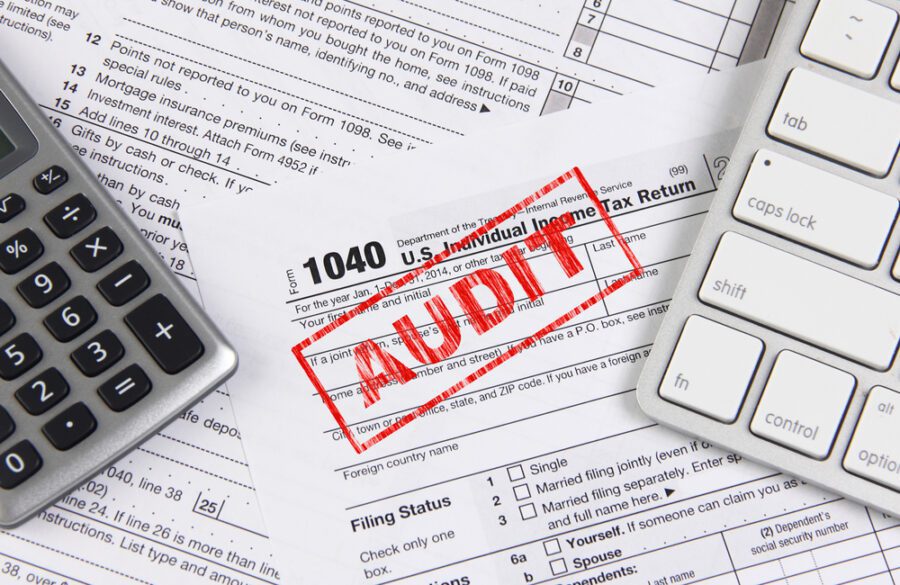
Take an hour this week to audit your 401(k). Check your contribution rate, your expense ratios, and your asset allocation. Your future self—and your millions—will thank you.
This is educational content based on general retirement planning principles and current tax laws as of February 2026. Individual results vary based on your situation. Always verify current benefit amounts, tax laws, and eligibility with official sources like IRS.gov or SSA.gov.
Last updated: February 2026. Retirement benefits, tax laws, and healthcare costs change frequently—verify current details with official sources.