
Your golden years are your best years! Make them shine!

  • Home
  • Personal Finance
  • Retirement Life
  • Saving & Spending

A Deep Dive into Florida’s Most Popular Retirement Communities

August 25, 2025 · Retirement Life

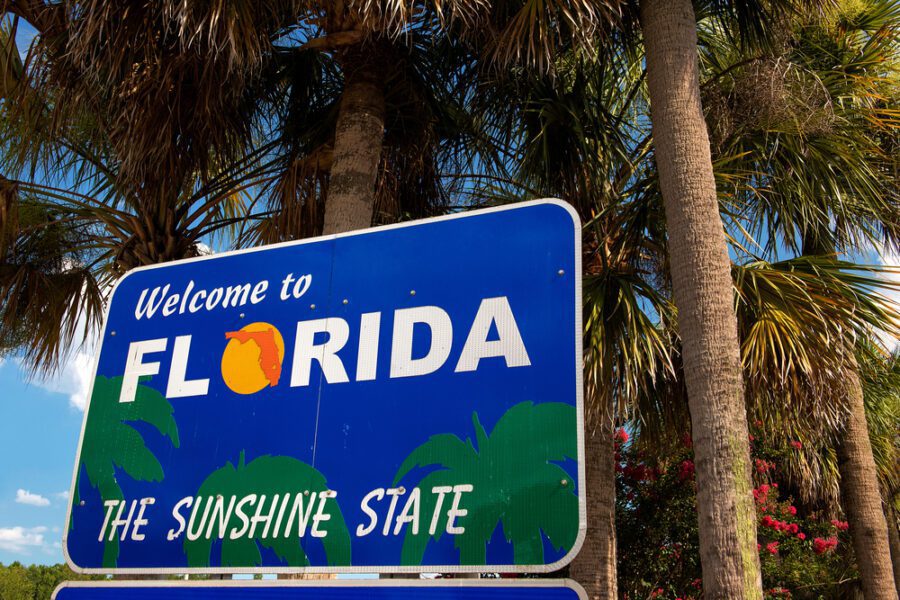
Photo-realistic, senior-friendly scene that visually introduces the section titled 'Understanding the Landscape of Florida Retirement Communities'.

Understanding the Landscape of Florida Retirement Communities

Before we dive into specific locations, it’s important to understand the language. The term “retirement community” covers a wide range of living arrangements, each with its own rules, costs, and culture. Knowing the basic types can help you narrow your search from the very beginning.

The most common type you will encounter is the 55+ active adult community. These are neighborhoods or entire towns where at least one resident in most households must be 55 years of age or older. The focus is on a vibrant, independent lifestyle. They are packed with amenities like clubhouses, swimming pools, fitness centers, pickleball courts, and organized social events. You buy your home, condo, or villa and are responsible for its upkeep, though exterior maintenance is often handled by the community association.

You will also hear about Continuing Care Retirement Communities (CCRCs). These offer a different promise: a continuum of care as you age. You might start in an independent living apartment and then, if your health needs change, move to assisted living or skilled nursing care, all within the same campus. CCRCs typically require a significant upfront entry fee and then a monthly service fee. They provide peace of mind but come at a much higher price point than most 55+ communities.

Beyond these, you’ll find niche communities built around a specific interest, like aviation (with private hangars), RVing (with oversized garages), or equestrian activities. The key is to understand that these are not just places to live; they are structured lifestyles.

Two terms you must get comfortable with are HOA and CDD. An HOA, or Homeowners Association, is the governing body of the community. You pay a monthly or quarterly HOA fee that covers the maintenance of common areas, amenities, and sometimes services like lawn care or cable TV. The HOA also enforces the community’s rules and regulations, which can cover everything from paint colors to overnight parking.

A CDD, or Community Development District, is a bit more complex. It’s a special-purpose government unit that finances and manages the infrastructure for a new community. Essentially, the developer takes out a loan (a bond) to build the roads, sewers, and major amenities. This bond debt is passed on to homeowners and is paid off over many years as an annual assessment on your property tax bill. It is crucial to ask if a community has a CDD and, if so, how much is remaining on the bond for the specific property you are considering. It is a cost on top of your mortgage, HOA fees, and property taxes.

Pages: 1 2 3 4 5 6 7 8

Share this article

Facebook Twitter Pinterest LinkedIn Email

Leave a Reply Cancel reply

Your email address will not be published. Required fields are marked *

Recent Posts

  • social security numbers, downside
    When Will Your Social Security Checks Arrive? (What Beneficiaries Should Know)
  • Things Seniors Should Always Get from Costco
    8 Kirkland Products That No Longer Feel Like a Costco Bargain
  • medicare
    Medicare Costs Are Rising in 2026 — Here’s What to Expect
  • save money on healthcare
    Could You Qualify For the New $25,000 Health Care Tax Deduction Coming in 2026?
  • Medicare open enrollment
    Missed the Medicare Deadline? Your Options Aren’t Over Yet
  • stimulus check
    Trump Promises $2,000 Tariff Checks: Could You Qualify?

Related Articles

A woman smiles while tending to plants in a community garden, other people are visible in the background.

Staying Social After Retirement: How to Build a New Community

Why Your Social Circle Changes After Retirement If you feel like your social life took…

Read More →
worst assets to inherit

These Are the 5 Worst Assets to Inherit!

1. Guns These items are hard to pass from one person to another, and because…

Read More →
Interview

7 Jobs Interview Tips for Older Workers

Facing an Interview After 50? Here’s How to Stand Out as an Experienced Candidate! Let’s…

Read More →
retirement life

8 Surprising Things That Will Cost You Less in Retirement

Transportation Well, if you’re currently working remotely, then you probably don’t have to worry about…

Read More →
Retirement Planning Pitfalls

Retirement Planning Pitfalls: 5 Shocking Reasons Seniors Blow Up Their Golden Years

Before considering spending your nest egg, think about these retirement planning pitfalls! Navigating your golden…

Read More →
tax breaks withdrawal

Learn 4 Tax-Smart Strategies for Your Account Withdrawals

One of the biggest benefits of retirement is that probably for the first time in…

Read More →
retirement active

25 Ways to Stay Active in Retirement

Declutter your home and free your mind Get into those cupboards, wardrobes, drawers, and even…

Read More →
Perfect Weather

The 5 Best States to Retire If You’re Looking for Perfect Weather

These places have the perfect weather for any retiree! Perfect weather doesn’t mean just Florida!…

Read More →
happiest us states

5 Happiest US States for Retirees This Year

1. Hawaii If you want to grow old in a beautiful paradise, Hawaii is a…

Read More →
Retired in USA

Your golden years are your best years! Make them shine!

Inedit Agency S.R.L.
Bucharest, Romania

contact@ineditagency.com

Explore

  • Terms and Conditions
  • Privacy Policy
  • Do not sell my personal information
  • Subscribe
  • Unsubscribe
  • Contact
  • CA Privacy Policy
  • Request to Know
  • Request to Delete

Categories

  • Enjoying Retirement
  • Personal Finance
  • Saving & Spending

© 2025 Retired in USA. All rights reserved.