

Have you ever been the victim of an election scam? Here’s how to avoid one:
Generally speaking, there are three main types of election scams targeted at voters, especially seniors—those trying to pocket money, those trying to steal identity, and those trying to nullify a vote. Think this could never happen to you?
It’s easier than you think to fall victim to an election scam. But fortunately, Retired In USA is here to fill you in on some smart ways to outwit the scammers and ensure your vote and information is secure.
With everything that’s been happening recently, your vote is more important than ever in this year’s election.
So, it’s essential to be aware of some election scams and know how to protect yourself. On that note, continue reading to identify the 5 most common deceptions to protect yourself.

How to avoid fake petitions, surveys, and polls
Opinion polls are almost as standard as campaign rallies when election season rolls around. But be careful when participating in a survey or signing any kind of petition. The process often seems innocent. But it could just be another election scam.
Someone contacts you by email, text, phone, or in person to answer a couple of questions. You may even get an urgent email asking you to sign a petition and make a small contribution.
The issue here is when you’re asked to provide personal information, like your birth date. Some scammers may offer some kind of gift card or other prizes as an incentive to participate in their survey.
That’s probably when they request your Social Security number, home address, and other important information, your credit card number included, to cover shipping costs and taxes for your prize.
A few days later, you find your hard-earned savings missing from your account.
How can you protect yourself against this election scam?
-Don’t click on survey links from unsolicited texts and emails.
-If someone conducting a survey offers a prize, don’t participate. You must understand that accurate political polls rarely offer prizes for participation, and no one asks for a credit card number.
-A legitimate survey may ask how you plan to vote along with your political affiliation, and surveyors may request demographic information, like race or age. Just keep your information private. NEVER provide anyone like this with your name, address, Social Security number, email address, or driver’s license number.
What should you do if you receive a robocall?
Here’s a scary scenario you should be aware of: A few days before the January New Hampshire primary, roughly 25,000 Granite State residents received a robocall from what sounded like Joe Biden but was an AI-generated voice.
The message they received? Don’t vote. In response, the Federal Communications Commission ruled that “voice cloning technology used in common robocall scams” was illegal. Despite this, voters should remain on high alert for AI-generated audio in social media posts or phone calls.
The most prominent genre of misinformation we should all be most worried about for the election is fake audio. In regard to video, visual cues can help signify it’s fake, like speeches where the words don’t match the candidates’ mouths, for instance.
But with robocalls, there aren’t as many obvious red flags to indicate if something is off. Election scammers could use fake audio in many ways, from directing voters to a fraudulent donation site to spreading misinformation.
How can you protect yourself against this election scam?
-If you get a suspicious call from someone trying to influence your vote, hang up. And never trust a robocall that requires you to donate.
-If a robocall tells you that your polling place will be closed on Election Day, don’t believe it. Instead, the best thing to do is to follow up with your local election office.
-Be wary of unexpected calls from anyone claiming to be a celeb or politician. In recent months, scammers have released deepfake videos of famous people like Elon Musk, Tom Hanks and Dolly Parton for fraudulent product endorsements.
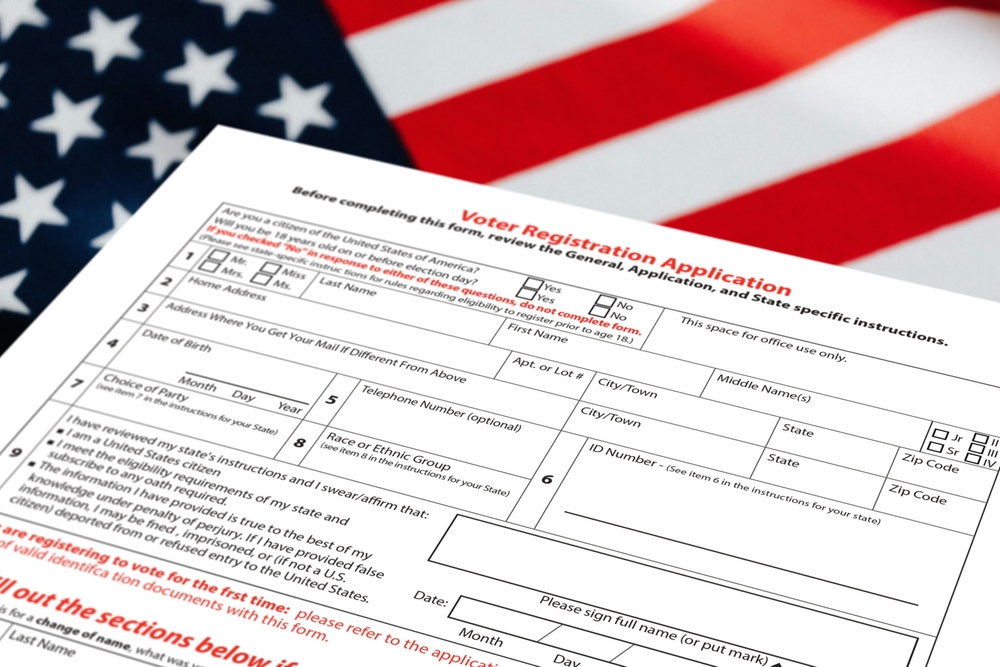
Voter registration scams are on the rise
If an election scammer offers to download a voter registration app on your phone, they would most likely download a malicious app instead, allowing cybercriminals to steal personal data like login credentials and personal information.
Some apps can grab people’s information over Bluetooth or Wi-Fi. The more common problem, though, involves links to fake voter registration forms, which scammers send by email, phone, or text.
Those links may be phishing scams to collect personal data, including Social Security numbers for, allow others to access your devices.
How can you protect yourself against this election scam?
-Voter registration drives often happen at events like farmers markets and festivals. And sometimes the filled-out forms are forgot on tables where anyone can see them. Your best bet is to take a form home, fill it out, and mail it or deliver it in person to an election office.
-If someone claims you’re not registered to vote and offers to register you by phone, hang up immediately. You can’t register by phone, email, or text. In all US states, you can only register to vote by mail, online, or in person at a local election office.
-The safest option is to register at a government location. If you register online, don’t use unsolicited links.
You should also be aware of donation scams
Election scammers also use fake audio to solicit campaign contributions. Sometimes, a supposed candidate might ask for a donation and tell you to press a number on your phone, which directs you to a representative.
An actual person may even call to encourage you to donate. Likewise, you might receive texts or emails with donation links. Just like with fake voter registration links, donation links can also be phishing scams. Some solicitations come from fake political action committees.
The FBI defines scam PACs as “fraudulent political action committees designed to reroute political contributions for personal gain,” and it’s a federal crime.
Their tactics can be compared to phony charities that raise money when natural disasters occur. They usually seem credible and frequently use high-pressure, emotional appeals.
How can you protect yourself against this election scam?
-If you want to donate to your chosen candidate, go to their certified site. Don’t answer any phone calls or click on any links in an email or text, even if they’re from somebody you recognize or might think is reputable. Someone could have taken over their account and started spamming you.
-Visit the Federal Election Commission’s website and search to see if a PAC is registered. If it’s not, it’s not legal. If you’ve been targeted by a scam PAC, contact your local FBI field office and ask to talk to an election crimes coordinator.
-Don’t rely on Caller ID: Scammers can impersonate a political campaign phone number via spoofing. Another reason not to answer calls is that cybercriminals only need a few seconds to record your voice and use AI to create a dialogue that could evade authentication with your credit card company.
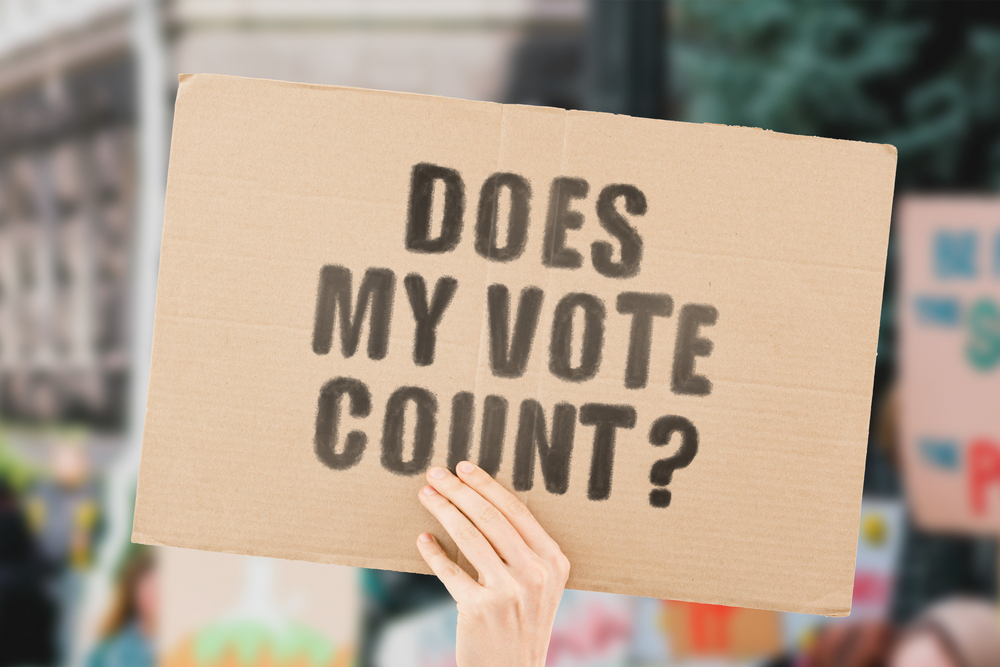
Bonus… Have you heard of this? Saying you MUST vote twice to ensure it counts
Let me explain: Donald Trump recommended his supporters vote by mail and then attempt to vote again in person to ensure their vote is counted at a rally in September 2020. Do NOT do this. Voting twice is illegal in every state and can disqualify your vote entirely.
Many states now let you register your ballot with an online tracker so you can see where your ballot is and ensure it’s counted. Some will contact voters directly if there are any issues with their ballot.
Whichever way you choose to vote, though, you may want to vote early. Anyone who tells you that mail-in ballots don’t count or aren’t reliable is scamming you.
We hope you found this article on election scams informative. Be sure to share your thoughts with Retired In USA in the comments section below.
And if you wish to read more posts like this, we highly recommend checking out: 15 Tips to Protect Your Social Security Number From Scams