
3 Years Out: Deep Dive into Income and Healthcare
Three years from your target date, the picture of your retired life starts coming into sharper focus. This is the year to move from estimates to specifics, especially when it comes to your two biggest challenges: creating a reliable “paycheck” and preparing for healthcare costs.
Part 1: The Income Plan
Your goal is to replace your work paycheck with a retirement paycheck. This income will likely come from several sources, and your job is to figure out how they all fit together. Start by mapping out your guaranteed income streams.
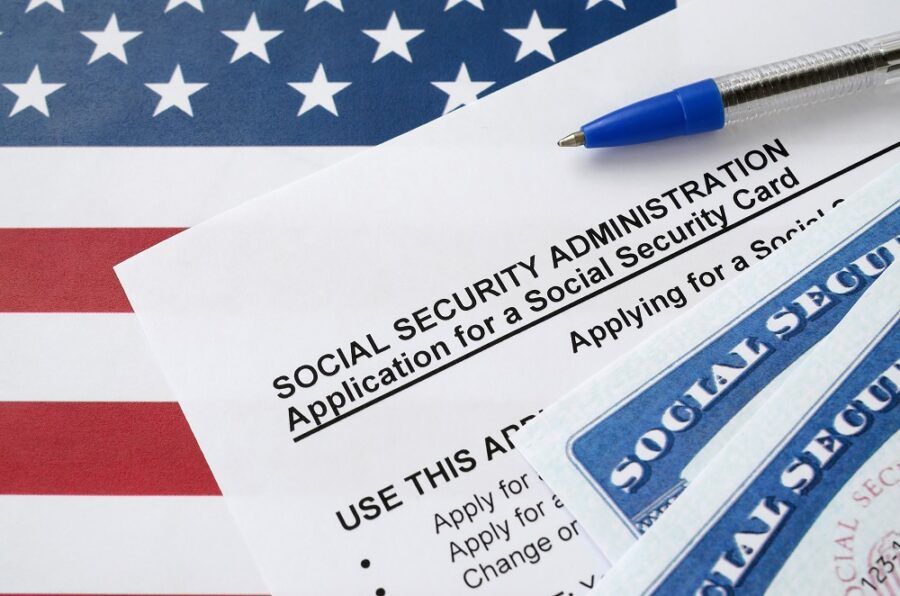
First, get your official Social Security estimate. You can create a secure account on the Social Security Administration’s website, SSA.gov, to see your full earnings history and get a personalized estimate of your benefits at different claiming ages (such as 62, your full retirement age, and 70).
Next, if you are fortunate enough to have a pension, contact your employer’s HR department for a formal estimate of your monthly payout. Ask about your options, such as single-life versus joint-and-survivor payouts.
Now, let’s build a simple income ladder. This is a way to visualize how your essential bills get paid. Let’s look at a mini-example. Imagine your essential, fixed expenses in retirement (housing, food, utilities, insurance) total $3,500 per month. Your Social Security benefit at your chosen claiming age will be $2,200 per month, and your spouse’s will be $1,100. Together, that’s $3,300. This means you are only $200 short of covering all your essential needs with guaranteed income. You could choose to cover that small gap with a withdrawal from your savings or perhaps by purchasing a small annuity that pays out $200 a month for life. This strategy ensures your basic needs are met no matter what the stock market does, freeing up your investment portfolio to cover your variable lifestyle expenses.
Annuities can be a useful tool, but they must be approached with caution. An annuity is an insurance product that you buy with a lump sum of money in exchange for a guaranteed stream of income, often for the rest of your life. They can provide great peace of mind but often come with high fees, complex terms, and surrender charges (penalties for withdrawing your money early). Some have optional features called riders that can provide extra benefits, like income that increases with inflation, but these add to the cost. If you explore annuities, make sure you work with a trusted professional and read the contract carefully. You can learn more about investing principles from government sources like Investor.gov.
Part 2: The Healthcare Plan
Healthcare is one of the biggest and most unpredictable expenses in retirement. At the three-year mark, your priority is education. Medicare is the federal health insurance program for people 65 and older. It has several parts, and enrollment is not always automatic.
Your Initial Enrollment Period for Medicare typically begins three months before your 65th birthday and ends three months after. It is crucial to sign up during this window to avoid potential late-enrollment penalties that can last for the rest of your life. You can find all the official details and timelines at the official U.S. government site for Medicare, Medicare.gov.
You’ll need to make a key choice. You can go with Original Medicare (Part A for hospitals and Part B for doctors), often paired with a separate Part D plan for prescription drugs and a private Medigap policy to cover costs that Medicare doesn’t. Or, you can choose a Medicare Advantage plan (Part C), which is an all-in-one alternative offered by private insurers that bundles these coverages, often with extra benefits like dental and vision.
Finally, consider the possibility of long-term care. This refers to services that help with daily living activities, like bathing and dressing, which Medicare generally does not cover. Long-term care can be very expensive. Some people choose to buy long-term care insurance, while others plan to “self-insure” by setting aside a portion of their assets. This is a deeply personal decision that requires careful thought about your health, family situation, and financial resources.