
As grocery prices continue to climb in 2026, where you choose to live in retirement dramatically impacts your monthly food budget. While the national average household spends roughly $1,080 per month at the supermarket, residents in the ten most expensive US cities for groceries pay significantly more for everyday staples. Geographic isolation, regional transportation expenses, and high local labor costs combine to push these urban markets well above the baseline. Understanding these regional price variations is crucial for protecting your fixed income. Here is a breakdown of the exact cities where your grocery dollar stretches the least, alongside actionable ways to manage these rising costs and keep your retirement budget fully on track.
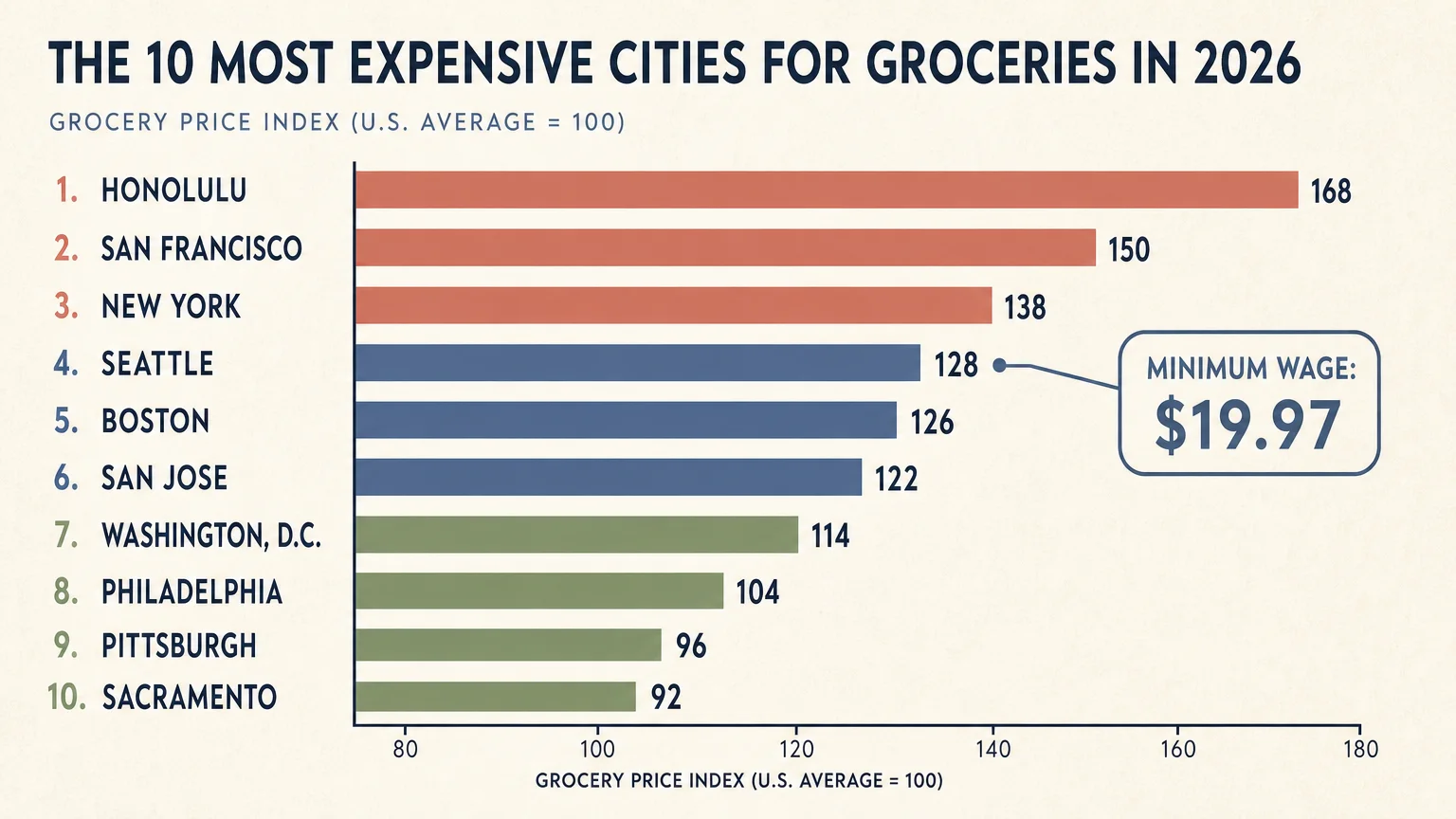
The 10 Cities Where Groceries Cost the Most in 2026
Grocery costs vary dramatically depending on your zip code. Recent 2025 and 2026 data compiled from cost-of-living indexes—which use New York City as a baseline score of 100—reveals a stark contrast in what Americans pay at the checkout counter. If you live in or plan to relocate to one of these ten metropolitan areas, you need to budget accordingly.
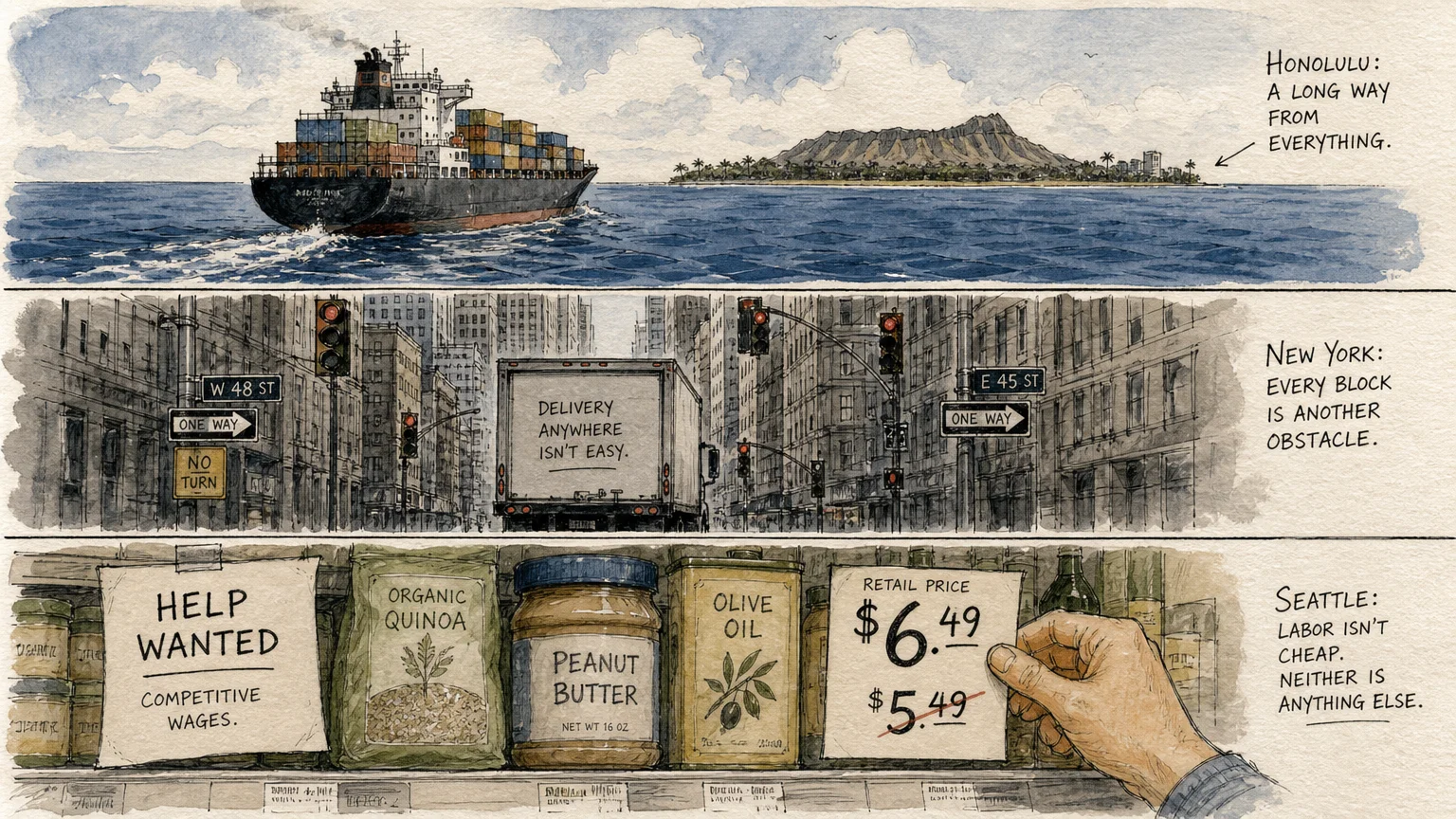
- Honolulu, Hawaii: Honolulu consistently ranks as the most expensive city in America for groceries. Because Hawaii is an isolated island chain, nearly all food must be shipped across the Pacific Ocean. This geographic reality adds massive transportation overhead to everyday staples like eggs, milk, and bread.
- San Francisco, California: San Francisco edges out New York City due to incredibly high commercial real estate prices and robust local minimum wage laws. Supermarkets pass these operational costs directly to consumers.
- New York, New York: Serving as the national baseline, New York City presents unique logistical hurdles. Delivering fresh produce into Manhattan and the surrounding boroughs requires navigating tolls, heavy traffic, and limited warehouse space, all of which drive up retail prices.
- Seattle, Washington: Seattle recently implemented substantial minimum wage increases, surpassing $19.97 per hour. While this benefits workers, local grocers offset their higher payroll expenses by increasing the prices on store shelves.
- Boston, Massachusetts: High real estate costs and a reliance on imported foods during the long New England winters keep Boston securely in the top five most expensive grocery markets.
- San Jose, California: Located in the heart of Silicon Valley, San Jose suffers from general cost-of-living inflation. High property values mean supermarkets pay a premium for retail space.
- Washington, D.C.: The nation’s capital features a dense, affluent population and limited space for large, discount warehouse stores within city limits, forcing many residents to rely on smaller, higher-priced neighborhood grocers.
- Philadelphia, Pennsylvania: Philadelphia faces a combination of state taxes on certain goods, unionized labor costs in the supply chain, and aging infrastructure that makes food distribution more expensive.
- Pittsburgh, Pennsylvania: Similar to Philadelphia, Pittsburgh deals with regional distribution challenges and localized inflation that disproportionately affects meat and dairy categories.
- Sacramento, California: While less expensive than coastal California cities, Sacramento still feels the pressure of the state’s stringent agricultural, environmental, and labor regulations, which elevate food prices statewide.
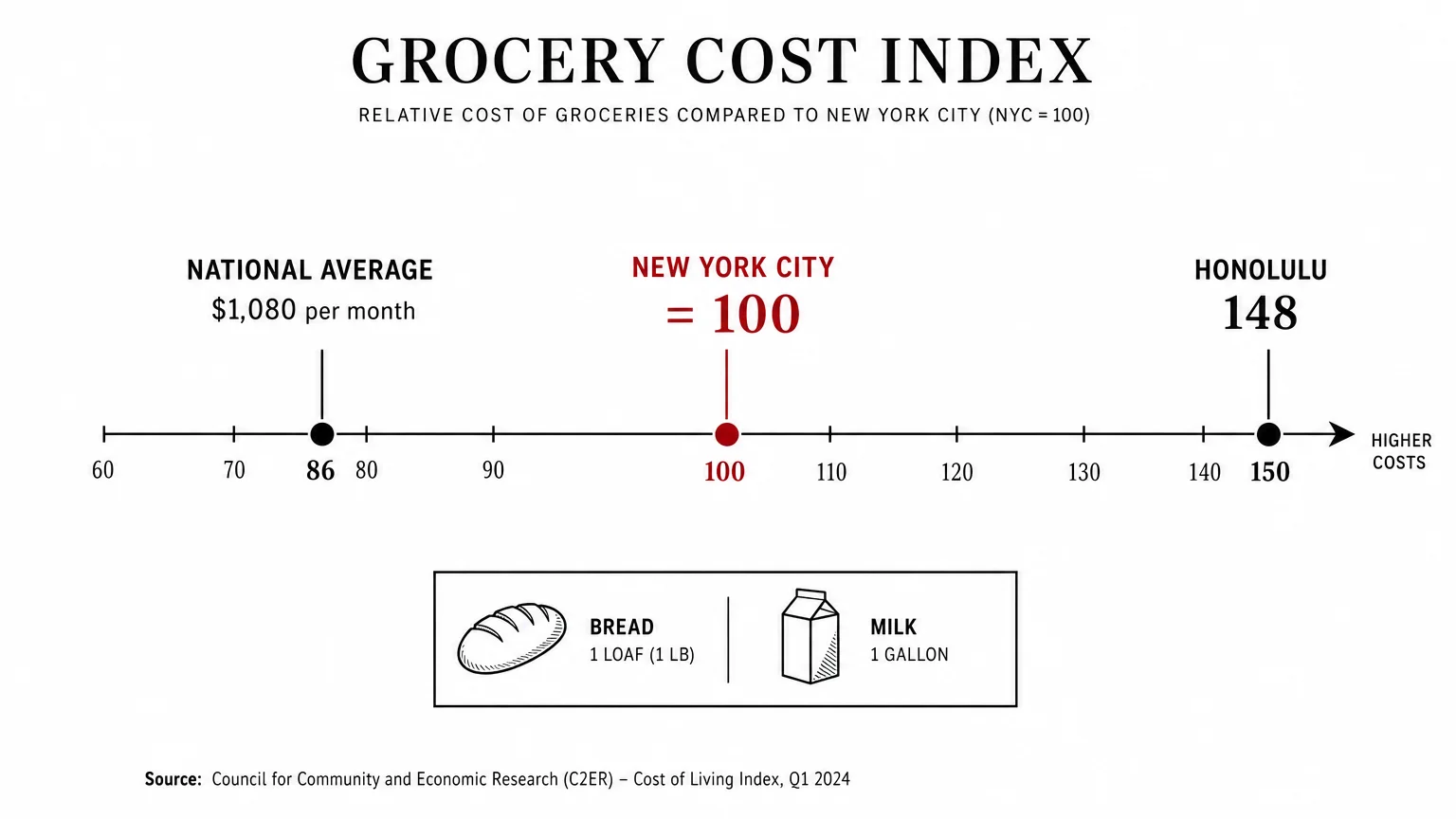
Cost Comparison: At a Glance
To put these differences into perspective, researchers use a Grocery Cost Index. This index sets New York City at exactly 100. A score of 120 means groceries cost 20 percent more than in New York; a score of 85 means they cost 15 percent less.
| Rank | US City | Grocery Cost Index (2025-2026 Data) |
|---|---|---|
| 1 | Honolulu, HI | 120.2 |
| 2 | San Francisco, CA | 100.1 |
| 3 | New York, NY | 100.0 |
| 4 | Seattle, WA | 95.3 |
| 5 | Boston, MA | 90.5 |
| 6 | San Jose, CA | 89.8 |
| 7 | Washington, D.C. | 87.2 |
| 8 | Philadelphia, PA | 85.7 |
| 9 | Pittsburgh, PA | 83.1 |
| 10 | Sacramento, CA | 81.8 |
Why Are Grocery Prices Higher in Certain Areas?
Understanding the macroeconomic forces behind your grocery bill helps you anticipate future price hikes. Food prices rarely exist in a vacuum; they reflect the broader economic realities of your local community.
First, consider geography and transportation. The farther you live from agricultural hubs and major distribution centers, the more you pay for fuel, trucking, and shipping. This is why Honolulu and Anchorage frequently top lists of the most expensive places to buy food.
Second, real estate and retail overhead play a massive role. A supermarket in San Francisco or Boston pays significantly more for rent, utilities, and local taxes than a grocery store in rural Arkansas. Grocers operate on notoriously thin profit margins—usually between 1 and 3 percent—so any increase in their rent or electricity gets passed directly to you.
Finally, state and local labor laws impact retail prices. Cities that mandate higher minimum wages, comprehensive health benefits, and paid leave naturally see an increase in the cost of goods sold. While these policies support the local workforce, retirees on fixed incomes must adjust their budgets to absorb the resulting retail inflation.
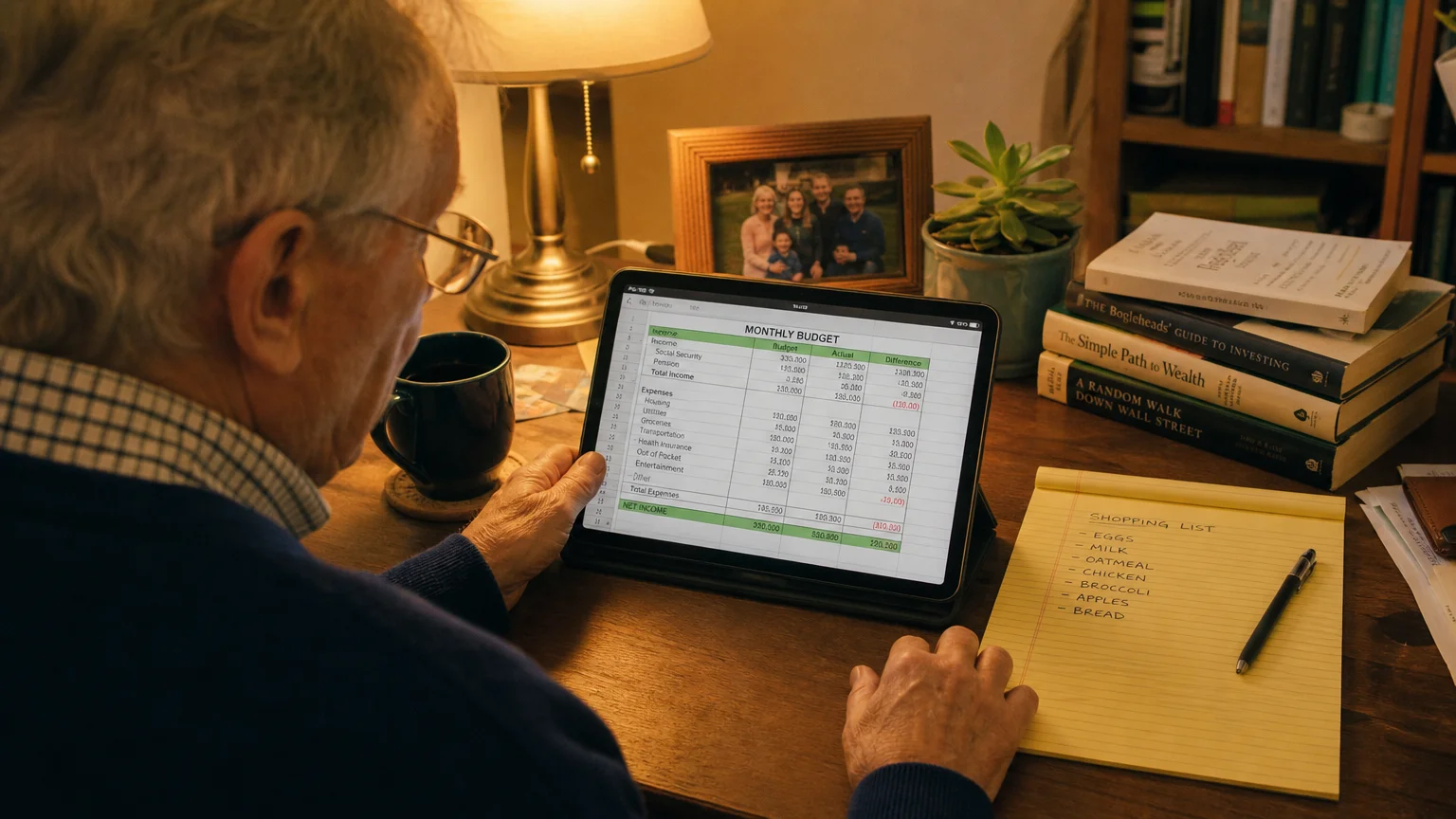
How to Adjust Your Retirement Budget for High Grocery Costs
If you live in one of these expensive markets, your standard retirement withdrawal strategy might need an update. Federal programs attempt to help seniors keep pace with inflation, but localized price spikes often outpace national adjustments.
For example, the Social Security Administration announced a 2.8 percent Cost-of-Living Adjustment (COLA) for 2026. While this increase provides welcome relief, a 2.8 percent bump to your monthly benefit may not fully cover the cost of a grocery run in Seattle or San Jose, where food inflation can easily exceed the national average.
To benchmark your spending, you can review the USDA Food and Nutrition Service monthly food plans. The USDA publishes four tiers of food budgets: Thrifty, Low-Cost, Moderate, and Liberal. For a single older adult, a Moderate plan typically ranges between $390 and $465 per month. However, if you live in Honolulu (Index 120.2), you need to multiply that national average by 1.2, pushing your required food budget well over $500 per month. Review your bank statements from the last three months, calculate your actual average grocery spend, and update your retirement cash flow projections accordingly.

Strategies for Retirees in Expensive Grocery Markets
Living in a high-cost city does not mean you have to abandon your budget. With a few intentional shifts in your shopping habits, you can protect your portfolio while still enjoying nutritious meals.
- Leverage senior discount days: Many regional grocery chains offer specific days of the week—often Tuesdays or Wednesdays—where shoppers aged 55 or 60 and older receive 5 to 10 percent off their entire purchase. Check with your local store manager for details.
- Audit your pantry before shopping: The average American household wastes hundreds of dollars a year on spoiled food. Take ten minutes to inventory your refrigerator and pantry before heading to the store.
- Shift to private labels: Store brands have improved drastically in quality over the last decade. Switching from name brands to private labels on staples like oats, canned beans, and cleaning supplies can reduce your bill by 15 to 20 percent.
- Incorporate frozen produce: Fresh berries and vegetables carry a massive premium in cities like Boston and New York, especially out of season. Frozen vegetables are picked at peak ripeness and flash-frozen, preserving their nutrients while costing significantly less.
- Use cash-back apps and store loyalty programs: Download your supermarket’s official app to clip digital coupons before you arrive. Many stores offer targeted discounts based on the items you purchase most frequently.
“A budget is telling your money where to go instead of wondering where it went.” — Dave Ramsey, Personal Finance Expert
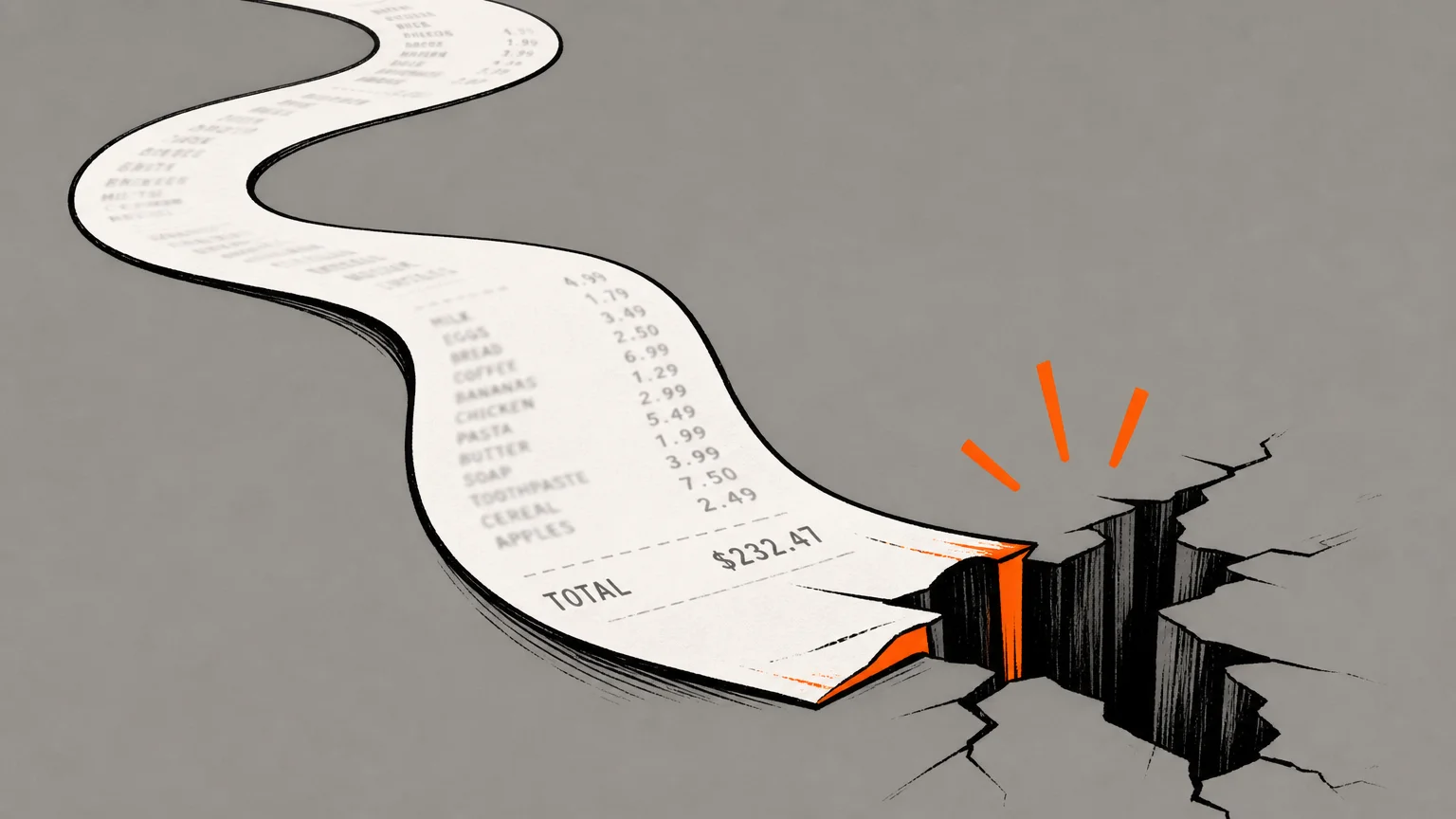
What Can Go Wrong: Budgeting Traps to Avoid
Even cautious retirees can fall into spending traps that quietly drain their fixed income. The most common mistake is using convenience stores or corner pharmacies for staple items. While grabbing a gallon of milk or a carton of eggs at the local pharmacy saves time, the markup in urban centers is exorbitant.
Another frequent error is shopping without a structured grocery list. Supermarkets are intentionally designed to encourage impulse purchases, placing high-margin items at eye level and near the checkout aisles. If you walk into a store in a high-cost city without a firm plan, you leave yourself vulnerable to buying items you do not need.
Finally, avoid the trap of ignoring portion sizes. Buying in bulk at warehouse clubs only saves you money if you actually consume the food. If you live alone and buy family-sized packages of perishable goods, the resulting food waste entirely negates your initial savings.

When to Consult a Professional
While minor budget adjustments are easy to handle on your own, certain situations warrant outside expertise. You should consider speaking with a professional if you experience any of the following:
Your withdrawal rate exceeds safe limits: If rising food and living costs force you to withdraw more than 4 to 5 percent of your investment portfolio annually just to cover basic expenses, consult a Certified Financial Planner. You may need to adjust your asset allocation or explore alternative income streams.
You are considering relocating: If the cost of groceries, housing, and taxes in cities like San Francisco or New York is straining your peace of mind, a financial advisor can help you run a cost-benefit analysis on moving to a more affordable state.
You need help navigating benefits: If you struggle to afford nutritious food, contact a counselor through the National Council on Aging (NCOA). They can help you determine if you qualify for programs like the Supplemental Nutrition Assistance Program (SNAP) or the Senior Farmers’ Market Nutrition Program.
Frequently Asked Questions
What is the average national grocery bill per person?
Recent data indicates that the average American spends roughly $370 to $400 per month on groceries. However, this figure fluctuates based on your age, specific dietary requirements, and local cost of living.
Do federal food benefits adjust for high-cost areas?
Yes. The federal government recognizes that food costs substantially more in isolated states. For Fiscal Year 2026, the maximum SNAP allotment for a family of four in the 48 contiguous states is $994. In Hawaii, the maximum allotment for that same family size jumps to $1,689 to account for the dramatically higher cost of the Thrifty Food Plan.
Which states generally have the lowest grocery costs?
States in the Midwest and South typically offer the lowest grocery prices. Places like Arkansas, Kentucky, and Iowa benefit from lower local taxation, proximity to agricultural centers, and reduced commercial real estate costs.
Moving Forward
Managing your grocery budget in one of America’s most expensive cities requires vigilance and flexibility. By understanding the regional factors driving up your bill, taking advantage of store-level savings strategies, and staying informed about annual adjustments to your Social Security benefits, you can protect your purchasing power. Take time this month to review your grocery receipts, build a realistic food plan, and ensure your daily spending aligns with your long-term financial security.
The information in this guide is meant for educational purposes. Your specific circumstances—including income, savings, health coverage, and goals—may require different approaches. When in doubt, consult a licensed professional.
Last updated: June 2026. Retirement benefits, tax laws, and healthcare costs change frequently—verify current details with official sources.