Planning for retirement is definitely one of the most critical financial tasks most Americans have to consider. Almost no one wants to work their entire lifetime, but those who fail to plan for their retirement will either have to work into their golden years or be unable to afford the life they want as they age.
While most of us are well aware of the basics of retirement — saving money, investing it wisely, and withdrawing it strategically (easier said than done) — there are many other things retirement savers should consider. To make this situation even more complicated, you often have to keep up with changes to ensure you’re well-prepared for retirement.
Taxpayers, their employers, as well as their financial advisers and tax service providers, should be aware of these retirement changes when making decisions regarding pension plan contributions and other pension plan financing decisions and their tax implications.
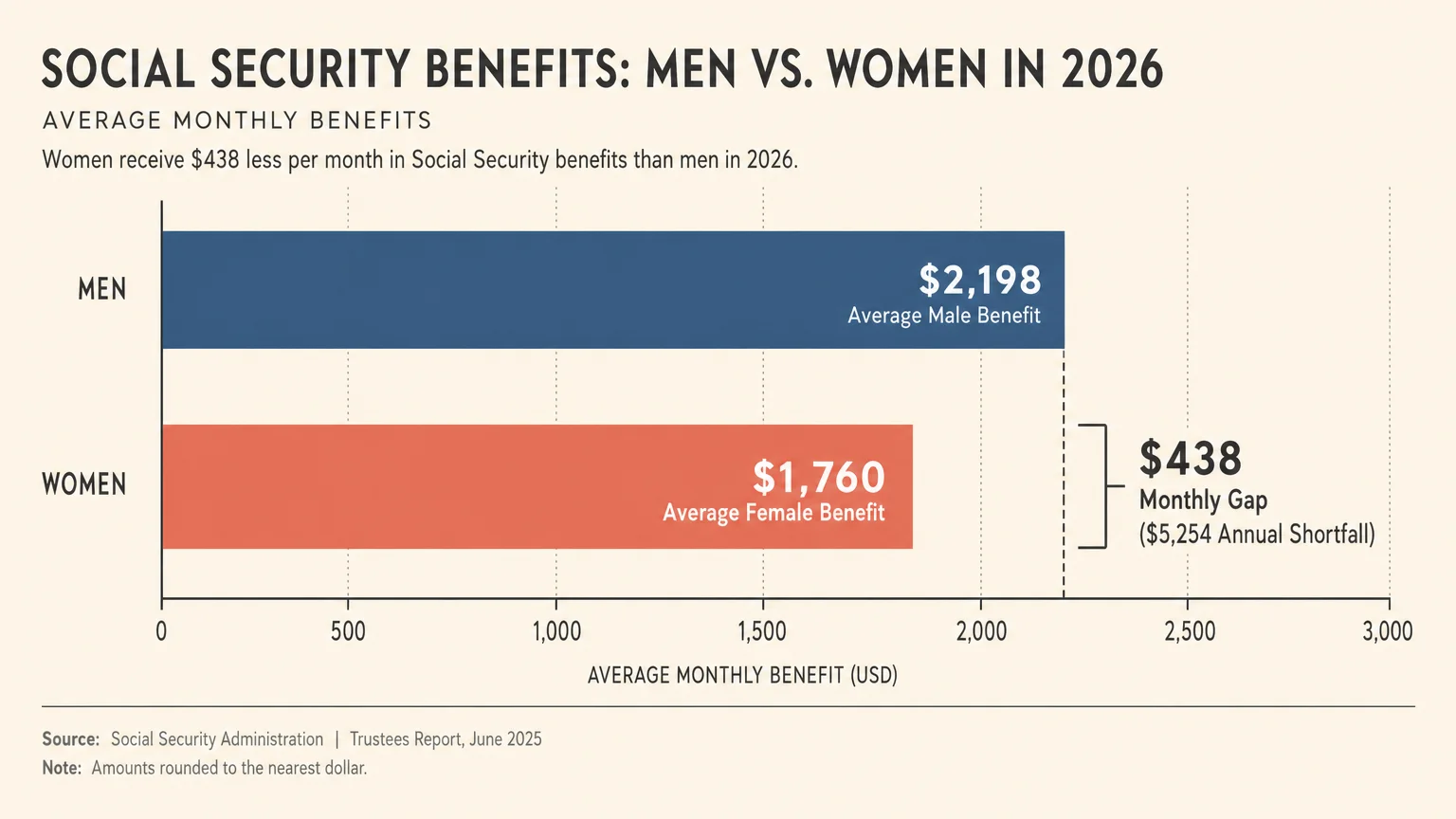
You may already know that the US Social Security Administration will increase its cost of living adjustment (COLA) for retirement benefits in 2023. As a result, seniors will see an 8.7% rise in their monthly benefits.
Specifically, a retired worker will receive $1,827 on average in 2023, up from $1,681 now (2022). The estimated payment for a couple with both partners receiving retirement benefits will increase from $2,734 to $2,972.
As already stated, there are several other retirement changes coming in 2023. For help planning for your golden years or any other financial concerns you may have, consider talking to a financial advisor.
Here are 5 retirement changes that you should be aware of in 2023!

Retirement Change No. 1: New 401(k) Limits
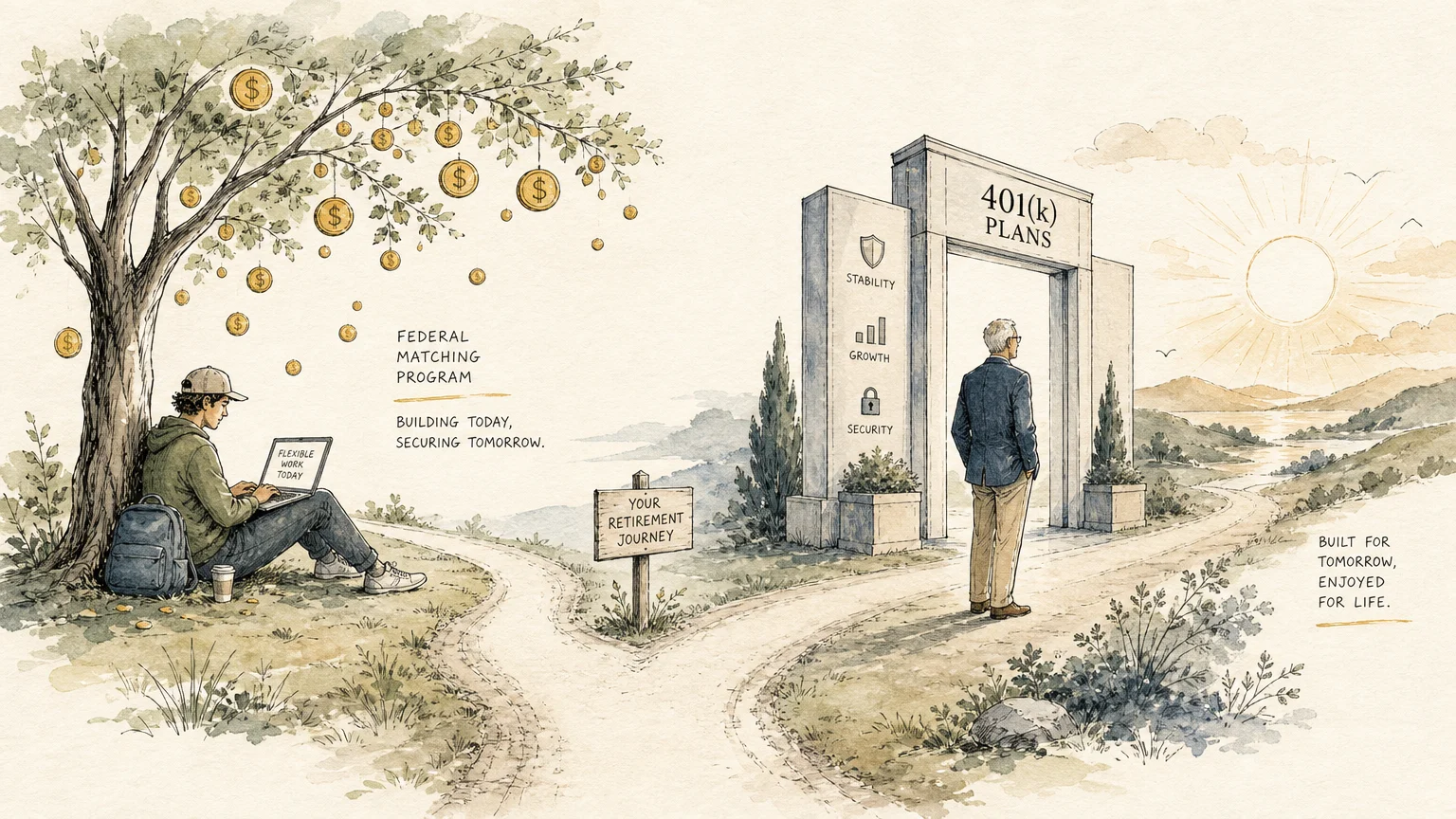
Workplace retirement plans like 401(k) accounts are the most common methods of saving in America. If you have access to one, it’s a handy tool for saving money for your later years. Basically, you decide on a percentage of your income to be deposited tax-free into an account and invest your money in a menu of options.
In 2022, the limit was $20,500; the change for 2023 is that the limit will go up to $22,500. Furthermore, individuals 50 and older can also make catch-up contributions to their 401(k).
This basically means that they can contribute over the $22,500 limit. In 2022, the catch-up contribution value was $6,500. In 2023, it will increase to $7,500, meaning those 50 and older can contribute a total of $30,000. With the annual 401(k) contribution limit increasing, you may feel compelled to set aside more money for your retirement savings.
However, most people don’t contribute up to the maximum amount allowed anyway: according to a recent report, only 14% of those with Vanguard 401(k) accounts contributed up to the limit. The majority (58%) of those individuals were earning more than $150,000 per year.
Retirement Change No. 2: IRA Limits
If your employer doesn’t offer you a workplace retirement plan, an individual retirement plan is another viable option. You lose some of the benefits, such as the chance of having your employer match contributions, but an IRA is still a great alternative if you don’t have access to a workplace retirement plan.
Basically, an IRA works pretty similarly to a 401(k), except that you’re the one who opens it without any involvement from your employer.
You can make contributions to both a 401(k) and Roth IRA at the same time, provided you fulfill the income requirements for a Roth IRA. With a Roth IRA, you pay taxes on your contributions upfront, so you won’t have to pay taxes on your investments and investment gains or investments when you withdraw the funds in retirement.
If you have a retirement account outside of your employer, then you should know that the annual contribution limits will increase for both traditional IRAs and Roth IRAs. This being said, what will change is that in 2023, eligible individuals can make contributions up to $6,500 to their IRAs (the contribution limit is currently $6,000). The total catch-up contribution stays the same ($1,000).

Retirement Change No. 3: IRA Income Phase-Out Range
Americans who have a workplace retirement plan and earn a certain amount of money will have their IRA contribution limits reduced. For traditional IRAs, the 2023 phaseout range starts at $73,000 and ends at $83,000 for those covered by a workplace plan — meaning that single filers making more than $83,000 in 2023 won’t be able to contribute to an IRA if they are in a workplace plan. The 2022 range was $68,000 to $78,000.
For married couples filing jointly, the 2023 IRA phaseout range starts at $116,000 and ends at $136,000 if the one making the contribution is in a workplace retirement plan.
If you or your spouse don’t have a workplace plan but the other does, the one who doesn’t have a retirement plan will have a phaseout range of $218,000 to $228,000 in 2023. The range has changed from $204,000 to $214,000 (2022).
If you’re married and filing a separate return while also having a workplace retirement plan, you have a phaseout range of $0 to $10,000, which is unaffected by annual adjustments.
Keep in mind that these limits only apply to those who have access to a workplace retirement plan.
Retirement Change No. 4: Roth IRA Income Phase-Out Range
A Roth individual retirement account (Roth IRA) is a great way to grow your nest egg for your golden years. Like its cousin, the traditional IRA, the Roth IRA allows your investments to grow tax-free. It also allows you to withdraw your contributions (but not earnings) tax-free at any time.
Under certain circumstances, a Roth IRA also lets you take tax-free withdrawals of your earnings, which are subjected to withholding tax in a traditional IRA. Those criteria include being disabled, reaching the age of 59½, or using the funds to purchase a house as a first-time buyer.
Roth IRAs work similarly to traditional IRAs, except you deposit the money after taxes, and no taxes are collected when you withdraw the money in retirement.
For singles and heads of household, the phaseout range will be $138,000 to $153,000 in 2023 — up from $129,000 to $144,000 in 2022.
The 2023 range for married couples filing jointly is $218,000 to $228,000 — up from $204,000 to $214,000. If both you and your spouse file taxes separately, the phase-out range remains $0 to $10,000.

Retirement Change No. 5: Social Security Changes
Social Security beneficiaries will see an 8.7% COLA increase in 2023. This means that if your monthly payment is $2,000 in 2022, you’ll see that amount go up to $2,174 per month next year.
When it comes to paying into Social Security, there will also be a tax adjustment next year. The 2022 threshold to pay into Social Security is currently $147,000. This number is also known as the taxable minimum — but it really refers to the amount of your earnings that is subjected to Social Security taxation.
Anything you earn above that limit isn’t subject to additional taxation for Social Security. That threshold will also change, so in 2023 it will increase to $160,200. This means that next year, you’ll pay a tax rate of 7.65% for Social Security on the first $160,200 of your income.
You may also like Tax Cuts in 2023: 6 Surprising Ways It Affects Retirees.