
Most of us share a common goal for retirement: staying in the home we love. According to a 2024 AARP survey, 75% of adults aged 50 and older want to remain in their current homes as they age. However, a house that worked perfectly for a growing family might not be the safest environment for your later years. Stairs become steeper, bathrooms feel more treacherous, and lighting that once seemed adequate now leaves dangerous shadows.
Making your home senior-friendly is not about turning it into a clinical space; it is about strategically updating your environment so you can maintain your independence, comfort, and safety. A few well-planned modifications can prevent devastating falls and help you avoid the staggering costs of assisted living facilities. Whether you are proactively planning for your future or adapting to a sudden mobility challenge, upgrading your home requires careful thought and clear budgeting.
High-Impact, Low-Cost Safety Upgrades
You do not need a massive renovation budget to make your home significantly safer. Some of the most effective home safety modifications for seniors are relatively inexpensive and can be completed in a single weekend.
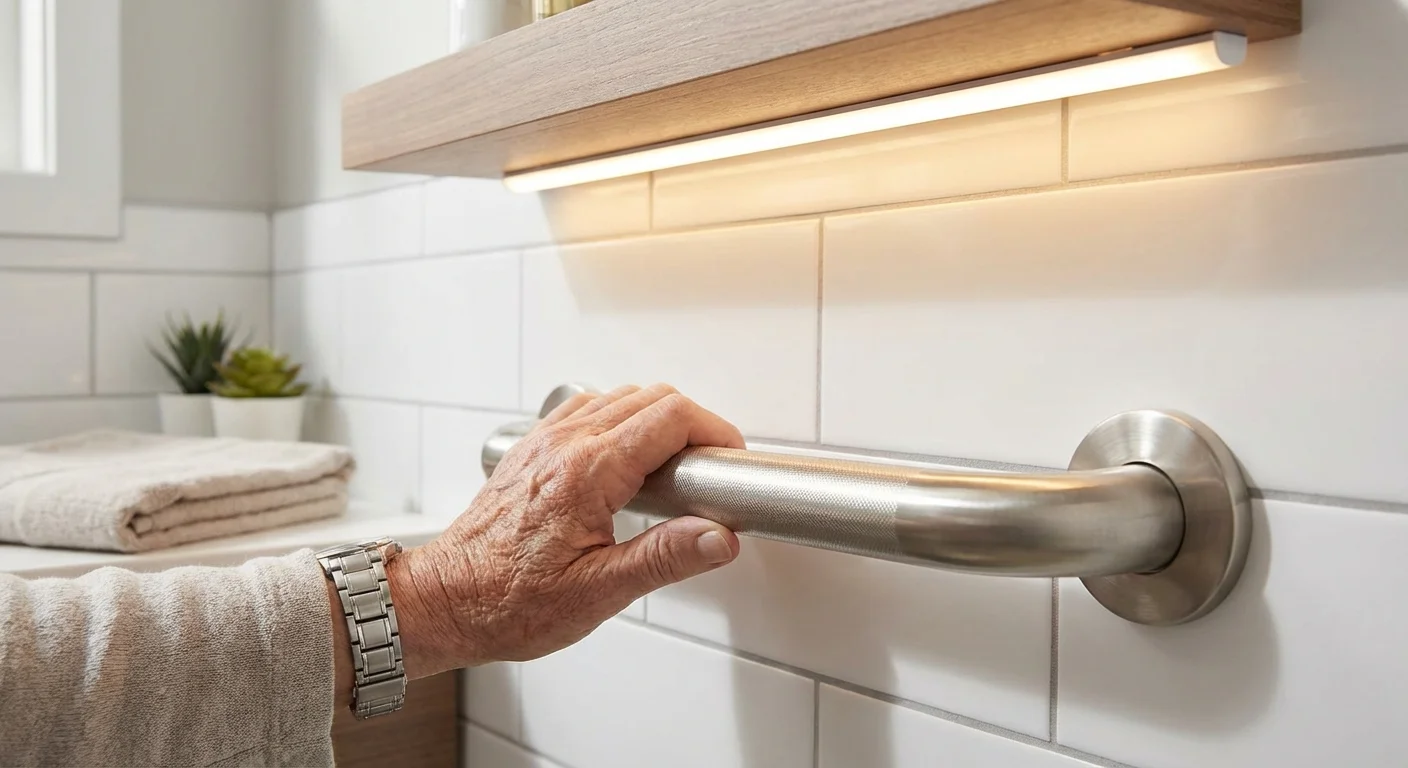
- Grab Bars: The bathroom is historically the most dangerous room in the house due to slippery, hard surfaces. Installing grab bars near the toilet, inside the shower, and at the edge of the tub provides crucial stability. You should expect to pay between $100 and $350 per bar for both the hardware and professional installation.
- Lighting Improvements: Aging eyes require more light to distinguish contrast and spot tripping hazards. Swap out dim bulbs for bright, energy-efficient LED lighting. Add motion-sensor lights in hallways, staircases, and the path from your bedroom to the bathroom to ensure you never have to navigate in the dark.
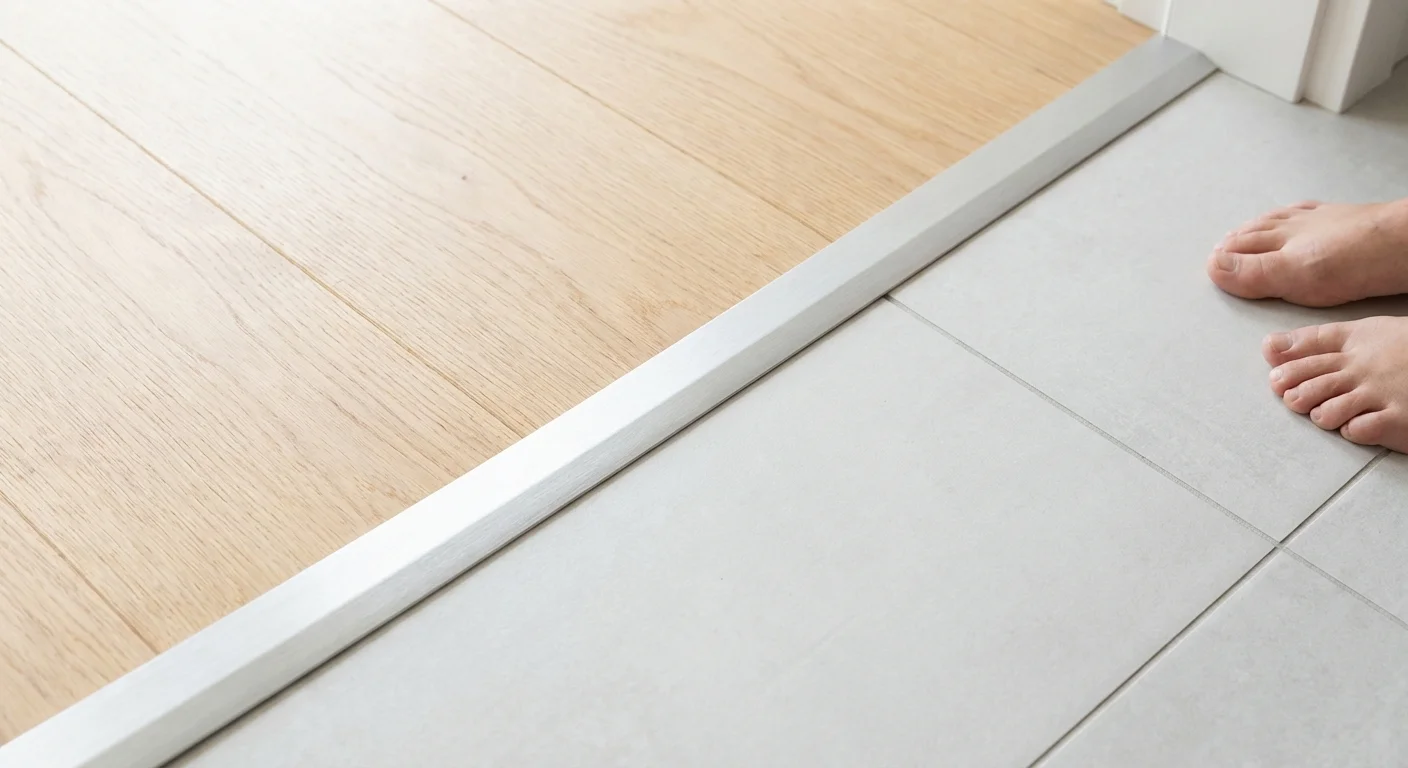
- Trip Hazard Removal: Take a critical look at your floors. Remove all decorative throw rugs, which are notorious for catching the toes of slippers and shoes. Tape down the edges of larger area rugs, and replace high thresholds between rooms with low-profile transition strips to create seamless, wheelchair-friendly pathways.
Major Modifications for Long-Term Independence
If you plan on aging in place for decades, you will likely need to invest in more substantial home improvements. These projects require professional contractors but deliver immense value by keeping you safe and autonomous.
Bathroom Overhauls
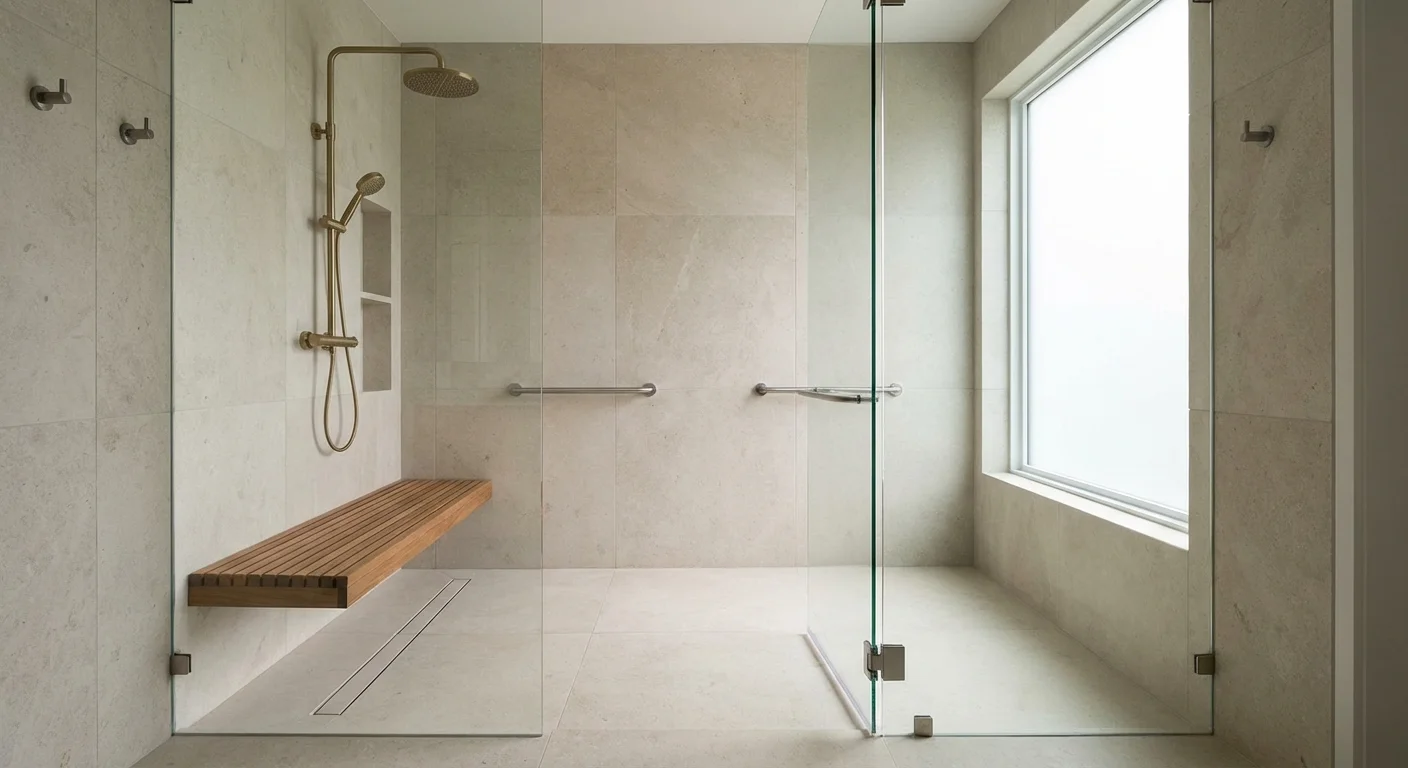
For long-term accessibility, replacing a traditional bathtub is often the smartest move you can make. You generally have two primary options: a walk-in tub or a curbless roll-in shower. A walk-in tub allows you to step over a very low threshold and sit comfortably while bathing, which is excellent for those with balance issues. The average cost for a walk-in tub, including professional installation and basic plumbing adjustments, ranges from $4,000 to $12,000. Alternatively, a curbless shower eliminates the threshold entirely, making it completely accessible for wheelchairs and walkers.
Stairlifts
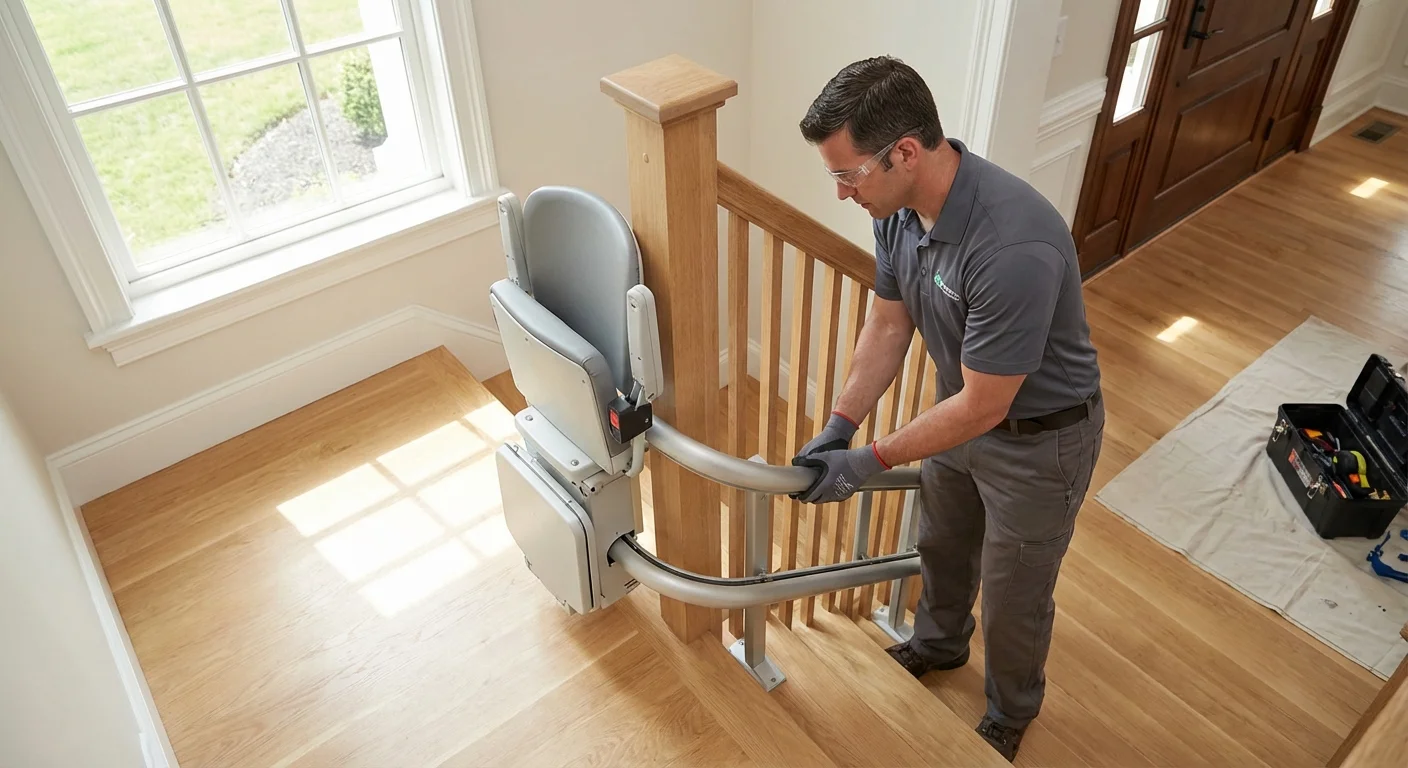
If you live in a multi-story home, stairs can eventually become an insurmountable barrier. A motorized stairlift safely glides you up and down the staircase while you remain seated. For a standard straight staircase, expect to pay between $2,500 and $8,000 for a fully installed unit. If your staircase has curves, landings, or complex angles, you will need a custom curved stairlift, which typically starts around $10,000 to $12,000 and can cost considerably more depending on the required configuration.
Widening Doorways and Installing Ramps
Standard interior doorways are often too narrow to comfortably accommodate a wheelchair or a heavy-duty walker. Widening doorways to at least 32 inches—ideally 36 inches—ensures you can move freely through your home. Additionally, replacing steep exterior stairs with a gently sloping ramp gives you safe, step-free access to your front door regardless of your mobility level.
Creating a Senior-Friendly Kitchen
The kitchen is the heart of the home, but it often requires significant adaptation to remain functional as your mobility changes. Bending down to reach lower cabinets or standing on tiptoes to grab heavy plates can easily throw you off balance.
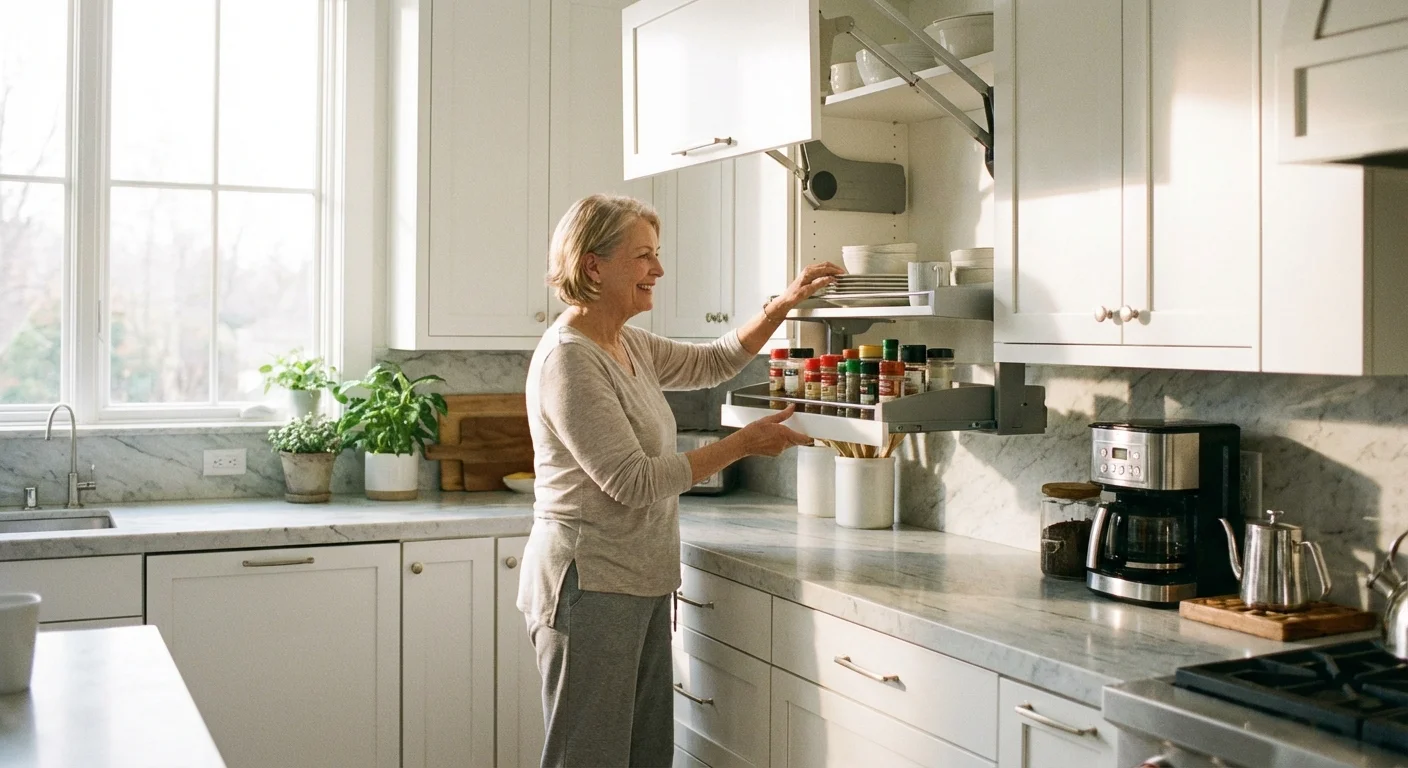
Consider replacing lower cabinet doors with pull-out drawers, which bring your pots and pans directly to you. Swapping out round cabinet knobs for D-shaped pull handles makes opening doors much easier for hands affected by arthritis. If a full kitchen remodel is in your budget, lowering the countertops and creating open space beneath the sink allows you to prep food and wash dishes from a seated position. Finally, upgrading to a lever-style faucet or a touchless smart faucet eliminates the need to grip and turn tight handles.
Leveraging Smart Home Technology
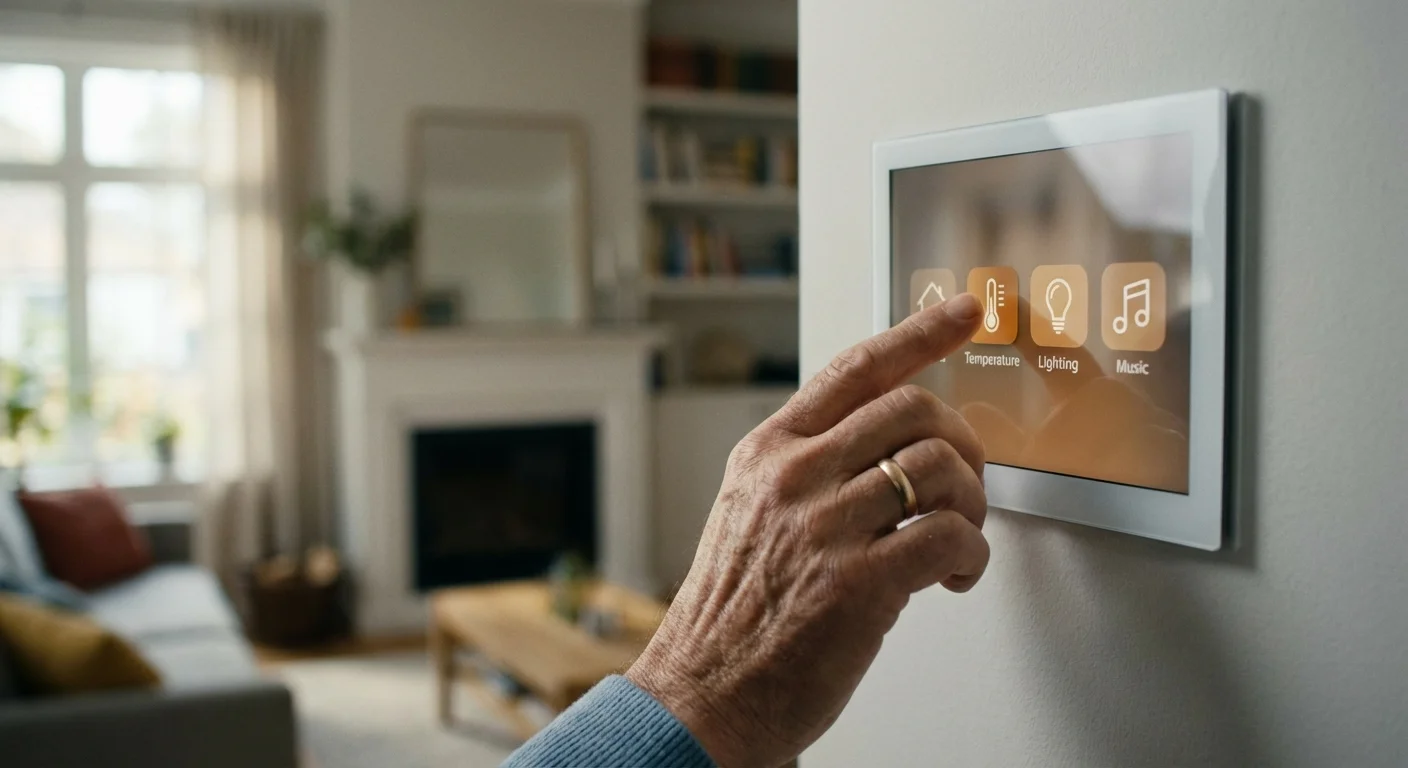
Beyond physical alterations, modern technology offers an incredible layer of security for seniors living alone. Voice-activated assistants allow you to control thermostats, turn on lights, or call for help without needing to reach a phone. Smart locks on your exterior doors eliminate the need to fumble with keys and allow you to grant remote access to family members or caregivers if an emergency arises.
Additionally, medical alert systems have evolved far beyond the basic panic buttons of the past. Today’s wearable devices feature automatic fall detection, GPS tracking, and two-way communication, ensuring that professional help is always just a button press away. When paired with smart smoke detectors and water leak sensors, these technological upgrades provide profound peace of mind for both you and your loved ones.

Comparing Expected Costs of Popular Modifications
Budgeting is a critical component of preparing your home for retirement. Below is a breakdown of what you can expect to spend on common aging in place home improvements over 65 based on 2026 industry averages.
| Modification Type | Average Cost (Installed) | Best For |
|---|---|---|
| Grab Bars | $100 – $350 per bar | Bathroom stability and fall prevention |
| Straight Stairlift | $2,500 – $8,000 | Multi-story homes with simple staircases |
| Curved Stairlift | $10,000 – $18,000+ | Staircases with landings or sharp turns |
| Walk-in Tub | $4,000 – $12,000 | Safe bathing for those with poor balance |
| Wheelchair Ramp | $1,500 – $3,000+ | Step-free exterior home access |

How to Pay for It: Grants and Financial Assistance
Home modifications are an investment, but you do not necessarily have to shoulder the entire financial burden yourself. Several federal and state programs offer grants for senior home modifications across the USA.
USDA Section 504 Home Repair Program: If you live in an eligible rural area and meet specific income requirements, this program offers substantial help. Homeowners aged 62 or older can apply for a grant of up to $10,000 to remove health and safety hazards, or up to $15,000 in presidentially declared disaster areas. You can also combine this with a 1 percent fixed-interest loan of up to $40,000, bringing the maximum total assistance to $50,000.
VA Grants for Veterans: The Department of Veterans Affairs provides several robust programs for those who served. The Home Improvements and Structural Alterations (HISA) grant provides up to $6,800 for medically necessary modifications for veterans with service-connected conditions, and up to $2,000 for veterans with non-service-connected conditions. For veterans with severe, service-connected disabilities, the Specially Adapted Housing (SAH) and Special Home Adaptation (SHA) grants offer even more significant funding. In 2026, the maximum SAH grant limit is $126,526, while the maximum SHA limit is $25,350.
Medicare and Medicaid: Original Medicare generally does not pay for home modifications like ramps or widened doors. However, some Medicare Advantage (Part C) plans now offer specific allowances for safety features like grab bars or basic bathroom remodels. Additionally, if you qualify for Medicaid, many state waiver programs will cover specific accessibility modifications designed to keep you living safely in the community rather than moving into a nursing facility.
“It is important to reassess the decision about aging in place, considering financial, physical, and emotional aspects.” — Suze Orman, Personal Finance Expert
Professional vs. Self-Guided
Knowing when to tackle a project yourself and when to hire an expert can save you time, money, and potential injury.
- When to do it yourself: Swapping out standard light bulbs for smart LEDs, removing trip hazards, applying non-slip tape to stairs, and installing basic smart home devices are excellent self-guided projects. If you have solid carpentry skills, you might even feel comfortable installing a basic threshold ramp over a single step.
- When to hire a professional: Always hire licensed contractors for structural changes, electrical work, and plumbing. Installing grab bars on tile or fiberglass requires specialized tools to ensure the bar can support a person’s full body weight without tearing out of the wall. Walk-in tubs, stairlifts, and doorway widenings also strictly belong in the hands of experienced professionals to ensure they meet building codes and safety standards.
Common Mistakes to Avoid
Rushing into home modifications without a comprehensive plan often leads to wasted money and lingering safety risks. Watch out for these frequent missteps:
- Waiting until after a fall: The most tragic mistake is treating home safety as a reactionary measure. Modifying your home while you are healthy allows you to shop around for the best contractors and prices without the intense pressure of a hospital discharge timeline.
- Using suction-cup grab bars: Temporary suction-cup bars are notoriously unreliable and can detach from the wall precisely when you need them most. Always invest in permanently mounted hardware secured directly to the wall studs.
- Ignoring the exterior: Many people focus entirely on bathroom safety and forget how they will actually get into the house. Ensure your walkways are smooth, brightly lit, and free of uneven concrete slabs.
Frequently Asked Questions About Home Modifications
Are home modifications for seniors tax-deductible?
In some cases, yes. If you itemize your deductions, the IRS allows you to deduct the cost of specific home improvements as a medical expense, provided they are made primarily to accommodate a medical condition or disability. Examples include installing ramps, widening doorways, and adding grab bars. However, these expenses must exceed a certain percentage of your adjusted gross income to qualify. Always consult with a tax professional regarding your specific situation.
Does Medicare pay for walk-in tubs or stairlifts?
Original Medicare (Part A and Part B) generally views walk-in tubs and stairlifts as convenience items rather than durable medical equipment; therefore, they rarely cover the cost. However, some Medicare Advantage plans have begun offering supplemental benefits that may help cover a portion of home safety modifications. It is highly recommended that you review your specific policy details annually to see what new benefits might be available.
How can I find a trustworthy contractor for aging in place modifications?
Look for professionals who carry the Certified Aging-in-Place Specialist (CAPS) designation. This certification, developed by the National Association of Home Builders in collaboration with AARP, indicates that the contractor has been specifically trained in the unique needs of the senior population, universal design principles, and building codes related to accessibility.
Preparing your home for your retirement years empowers you to live life on your own terms. Start by taking a slow, critical walk through your house to identify immediate safety risks, and tackle the low-cost upgrades first. As you map out larger renovations, research the grants and financing options available in your state to make those projects more affordable. This proactive approach ensures your home remains a sanctuary of comfort and independence for decades to come.
This article provides general retirement education and information only. Everyone’s financial situation is unique—what works for others may not work for you. For personalized advice, consider consulting a qualified financial professional such as a CFP or CPA.
Last updated: March 2026. Retirement benefits, tax laws, and healthcare costs change frequently—verify current details with official sources.