

The Foundation: Choosing a Socially-Friendly Location
Where you live has an enormous impact on your ability to build a new community. Before you even think about joining clubs or groups, your physical environment can either support or hinder your social life. This decision is about more than just taxes and weather; it’s about creating opportunities for connection right outside your front door.
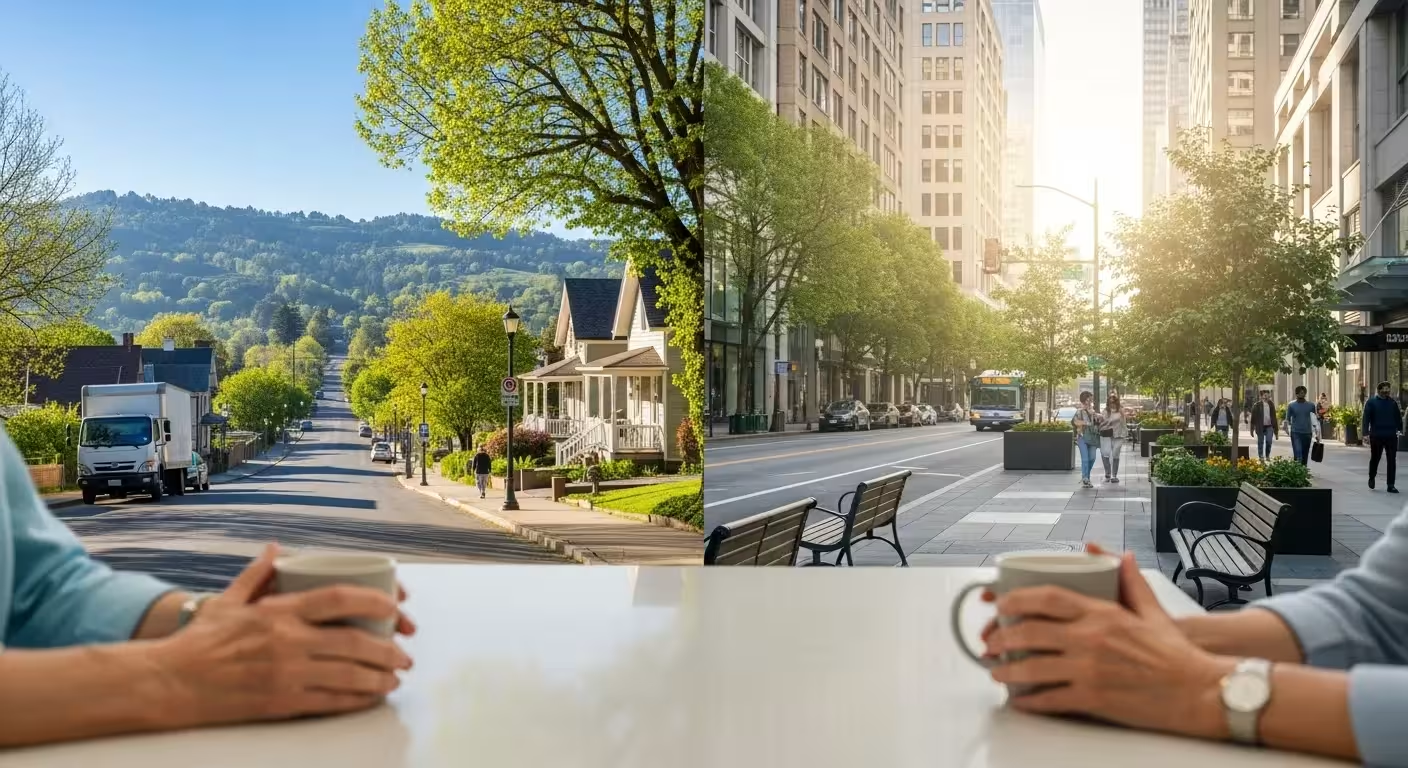
Assess Your Priorities: Proximity vs. Paradise
One of the biggest decisions facing retirees is whether to move “away” or stay “near.” The allure of a warm climate and a lower cost of living in a place like Florida or Arizona is powerful. This is the “paradise” option. However, it often comes with a significant trade-off: distance from your established support system, particularly children and grandchildren. Before making a leap, you must honestly weigh the pros and cons.
Living near family provides a built-in social network and crucial support as you age. Grandkids’ soccer games, family dinners, and easy help during a health scare are invaluable. The trade-off might be a higher cost of living or less-than-ideal weather.
Choosing “paradise” means you are fully committing to building a community from scratch. It can be incredibly rewarding, but it requires effort. Consider the practicalities of travel. How often can you realistically afford to fly back to see family? Will you be physically able to make long trips in five or ten years? Some retirees find a middle ground with a “hub-and-spoke” model, living in an affordable location and budgeting for regular trips. There is no right answer, but it’s a choice that must be made with eyes wide open.
What Makes a Community “Social”?
Some towns and neighborhoods are simply designed better for social interaction. When you are exploring potential locations, look for key indicators of a socially vibrant community. Walkability is a huge factor. Can you safely walk to a coffee shop, a park, or a small grocery store? Neighborhoods with sidewalks, benches, and public squares encourage people to be outside, leading to spontaneous encounters.
Look for a density of what sociologists call “third places”—locations that are not your home or workplace. These are community hubs like libraries, local cafes, senior centers, recreation centers, and farmers’ markets. A town with a bustling public library that offers workshops and events is a town that values community. Before you move, spend a week in the area. Visit these places. Do you see people talking to each other? Is there a bulletin board covered in flyers for local events? This is the evidence you are looking for. You can often find this information on a city’s official parks and recreation website or by reading the local online newspaper.
Housing That Encourages Connection
Your specific choice of housing can also supercharge your social life. The options range from fully independent homes to highly structured communities.
55+ Active Adult Communities: These are purpose-built for retiree social life. They often feature clubhouses, pools, golf courses, and a full calendar of planned activities, from pickleball tournaments to card games and social dinners. The primary pro is that you are surrounded by people in a similar life stage who are also looking to connect. The community does much of the heavy lifting for you. However, there are cons. Homeowners Association (HOA) fees can be high, and there are often strict rules to follow. The environment can also feel like a “bubble,” lacking the age diversity of a traditional neighborhood.
Traditional Neighborhoods: Living in a standard, all-ages neighborhood offers more independence and diversity. You’ll interact with young families, working professionals, and other retirees. This can be wonderful, but it requires more personal effort to build connections. You have to be the one to wave to your neighbor, organize a block party, or seek out clubs in the wider town. Success here depends on your own initiative and the overall friendliness of the neighborhood.
The RV Lifestyle: For some, community is found on the open road. Full-time RVing creates a unique social dynamic. RV parks are often filled with fellow travelers eager to share stories, tips, and a happy hour by the campfire. This lifestyle offers immense freedom and a constantly changing set of neighbors. The challenge is maintaining deep, long-term friendships when you or your new friends are always on the move. Another significant consideration is healthcare. Accessing consistent medical care, especially from specialists, can be a major logistical puzzle when your address changes every few weeks. You must have a solid plan for managing prescriptions and finding in-network doctors through your insurance, like that offered by Medicare.







i retired earlyat 62 2000 due to an ailment. do I get some king of incease.