
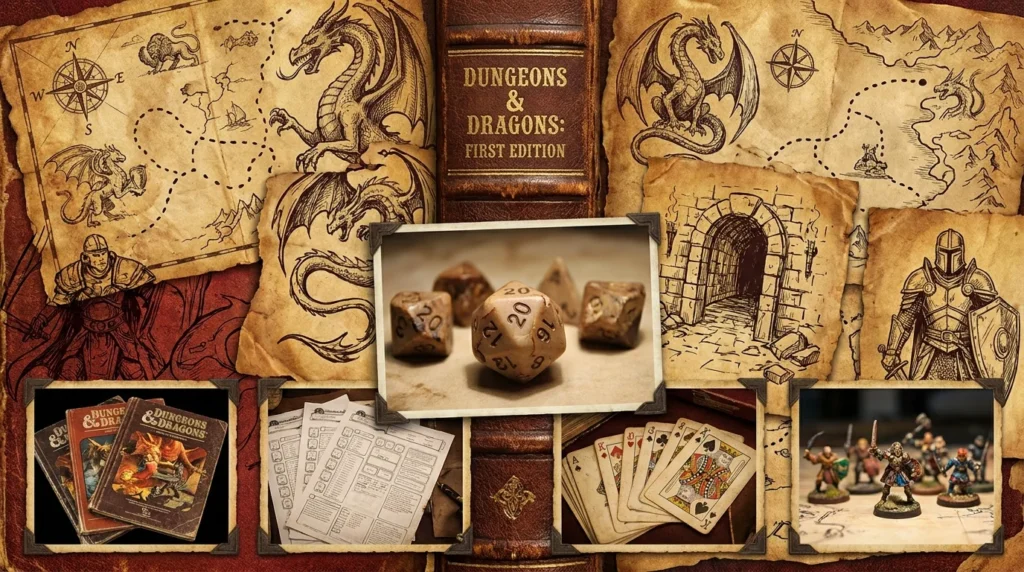
9. First-Edition Roleplaying and Board Games
Tabletop gaming experienced a massive renaissance recently. Original, early editions of Dungeons & Dragons—particularly the woodgrain or white box sets from the 1970s—are exceptionally rare and valuable. Similarly, early cards from the game Magic: The Gathering (specifically cards printed in 1993 and 1994) can sell for astonishing amounts.
Even conventional board games hold value if they are complete and represent niche pop culture moments from the 1960s to the 1980s. The key requirement for any vintage game is completeness; missing a single piece or the rulebook dramatically slashes its market value.









I’m in my 80s now, and recently acquired a number of family items of furniture after my (older) sister passed away. I was not responsible for state or federal inheritance taxes on the financial items she willed to me, but — IF I were to sell all or some of the furniture items (a few might be antiques, others not) — would I be liable for “capital gains” taxes on whatever money I receive from their sale?
I’m conflicted. On one hand, some of these are “family items” that my children might want someday, but I personally have no real connection to them in that respect. Further, they have been cluttering my basement for over a year. So being aware of the possible tax ramifications might influence my decision on how to proceed (or whether to proceed) in disposing of the items.