How One-Time Windfalls Affect Medicare Part B and D Premiums
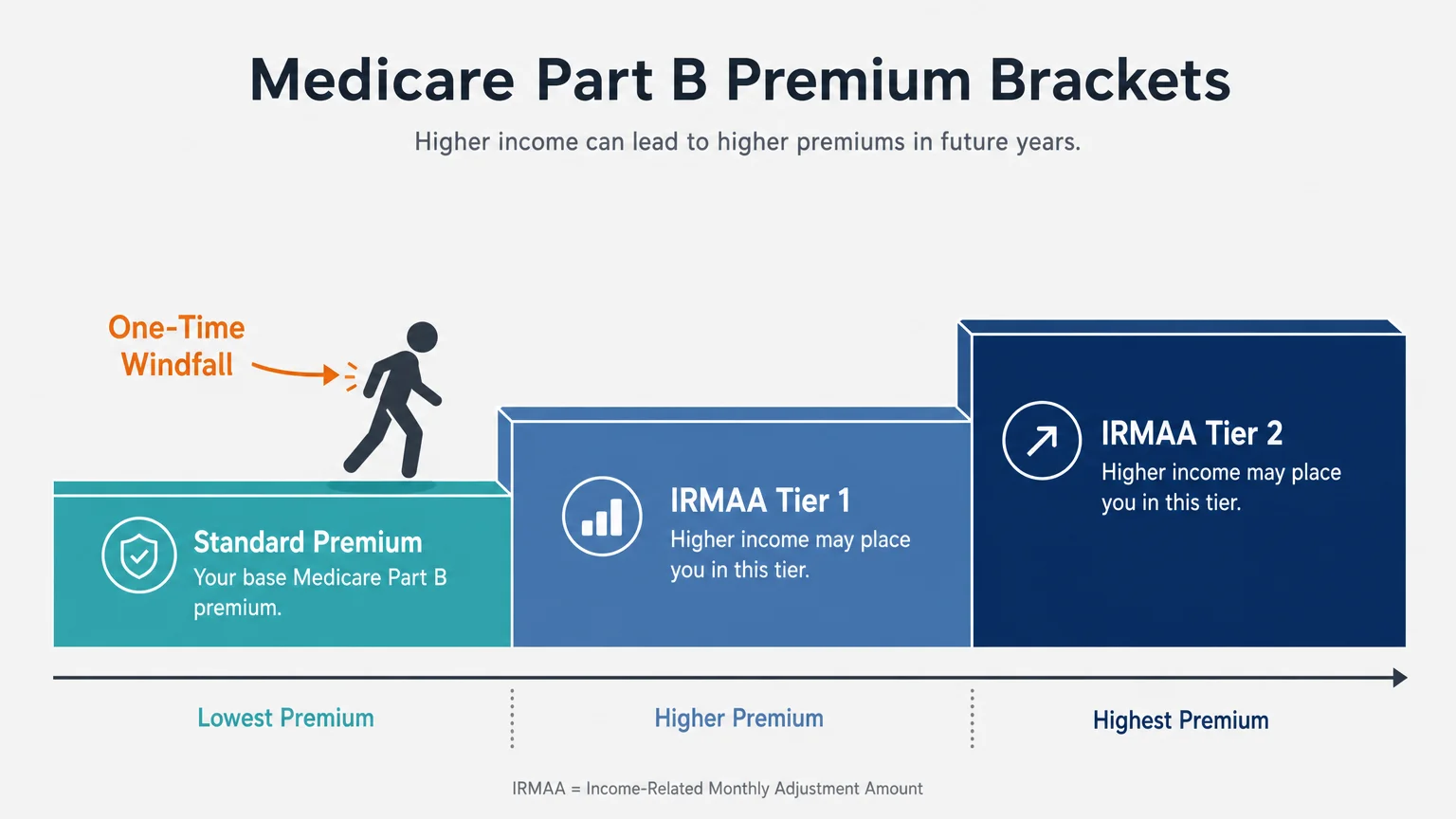
Your tax return dictates more than just your obligation to the IRS; it also controls your healthcare costs. Medicare evaluates your modified adjusted gross income (MAGI) to determine if you must pay an Income-Related Monthly Adjustment Amount (IRMAA). This surcharge applies to both Medicare Part B (medical insurance) and Part D (prescription drug coverage) for retirees with higher incomes.
Medicare employs a two-year lookback period. The income you report on your tax return in 2026 will dictate the Medicare premiums you pay in 2028. IRMAA thresholds operate as sheer cliffs rather than gradual slopes. Earning just one dollar over a threshold pushes you into the next premium bracket, which can cost you hundreds of dollars in additional healthcare fees over the course of a year.
If the proposed $2,000 payment is deemed taxable, it increases your MAGI. If that increase pushes you over an IRMAA cliff, the resulting Medicare surcharges could easily wipe out the value of the original payment. Should you find yourself facing an IRMAA surcharge due to a one-time payment, the Medicare.gov official guidelines outline a specific appeals process. You can file Form SSA-44 to request a premium reduction if you experience a life-changing event, though contesting a general government stimulus usually requires proving a permanent reduction in your ongoing income.