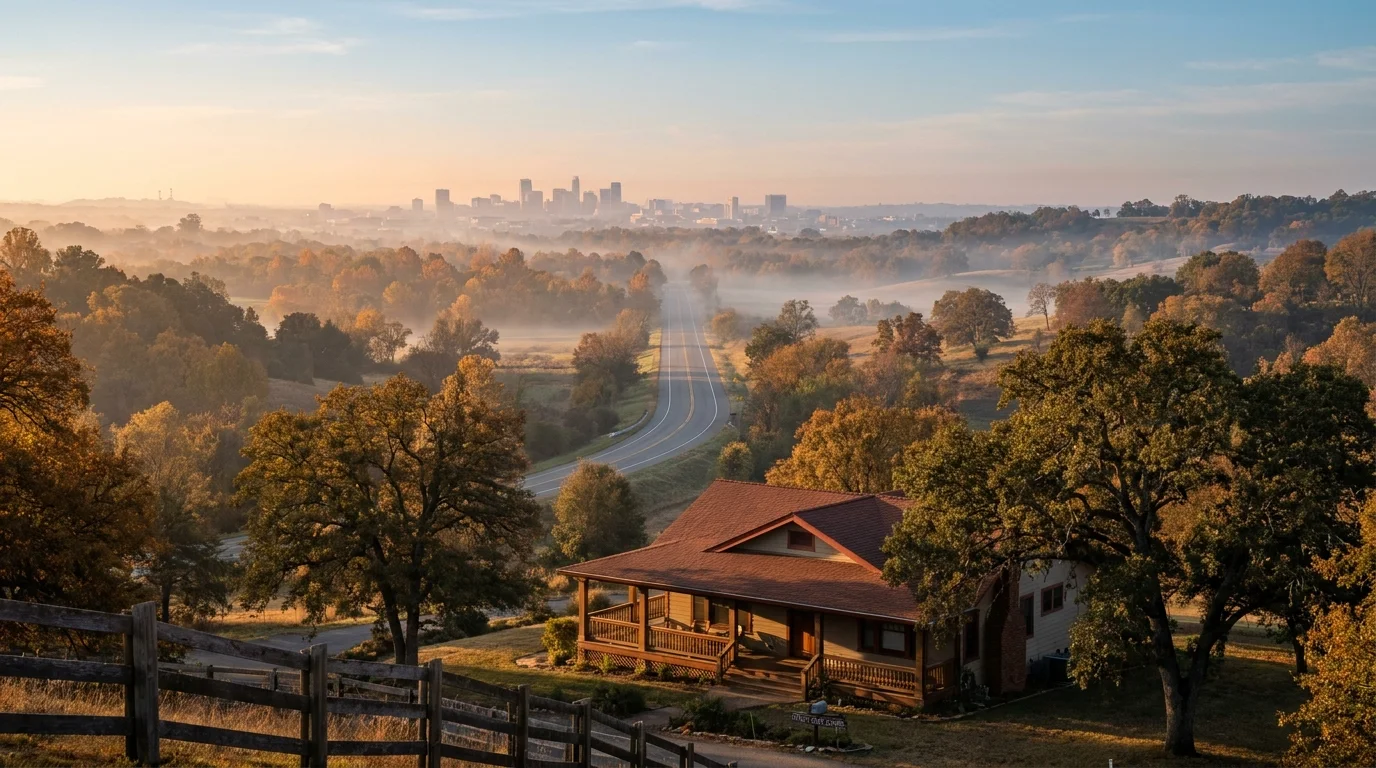
Relocating to a climate that stays pleasant during the hottest months allows you to maintain an active, outdoor lifestyle year-round without the physical strain of extreme heat. While many retirees instinctively head south, you can find incredible retirement destinations across the United States that offer surprisingly cool, refreshing summers. Choosing a location with milder weather not only protects your comfort but can also dramatically reduce your seasonal cooling costs. We evaluated dozens of cities based on average July high temperatures, local amenities, healthcare access, and overall livability for seniors. From mountain retreats to breezy lakeside towns, these seven hidden gems provide the perfect backdrop for a comfortable, vibrant retirement safely away from sweltering summer heat waves.
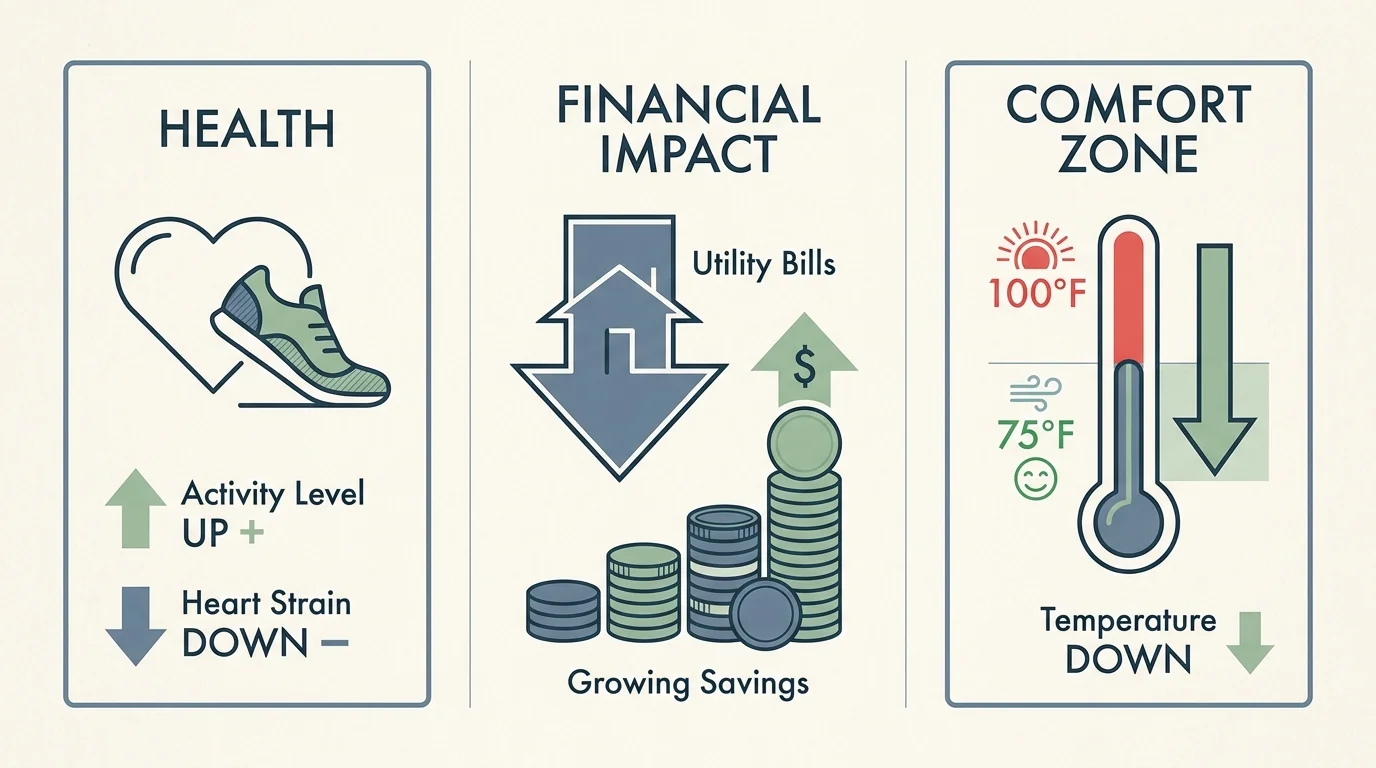
The Health and Financial Perks of Cooler Climates
Extreme summer heat poses genuine health risks as we age. High temperatures can exacerbate cardiovascular and respiratory conditions, making daily walks, gardening, or golfing difficult. When the weather forces you indoors for months at a time, it often leads to a sedentary lifestyle and an increased risk of social isolation. Choosing a climate with a moderate summer empowers you to remain physically active and socially engaged throughout the entire year.
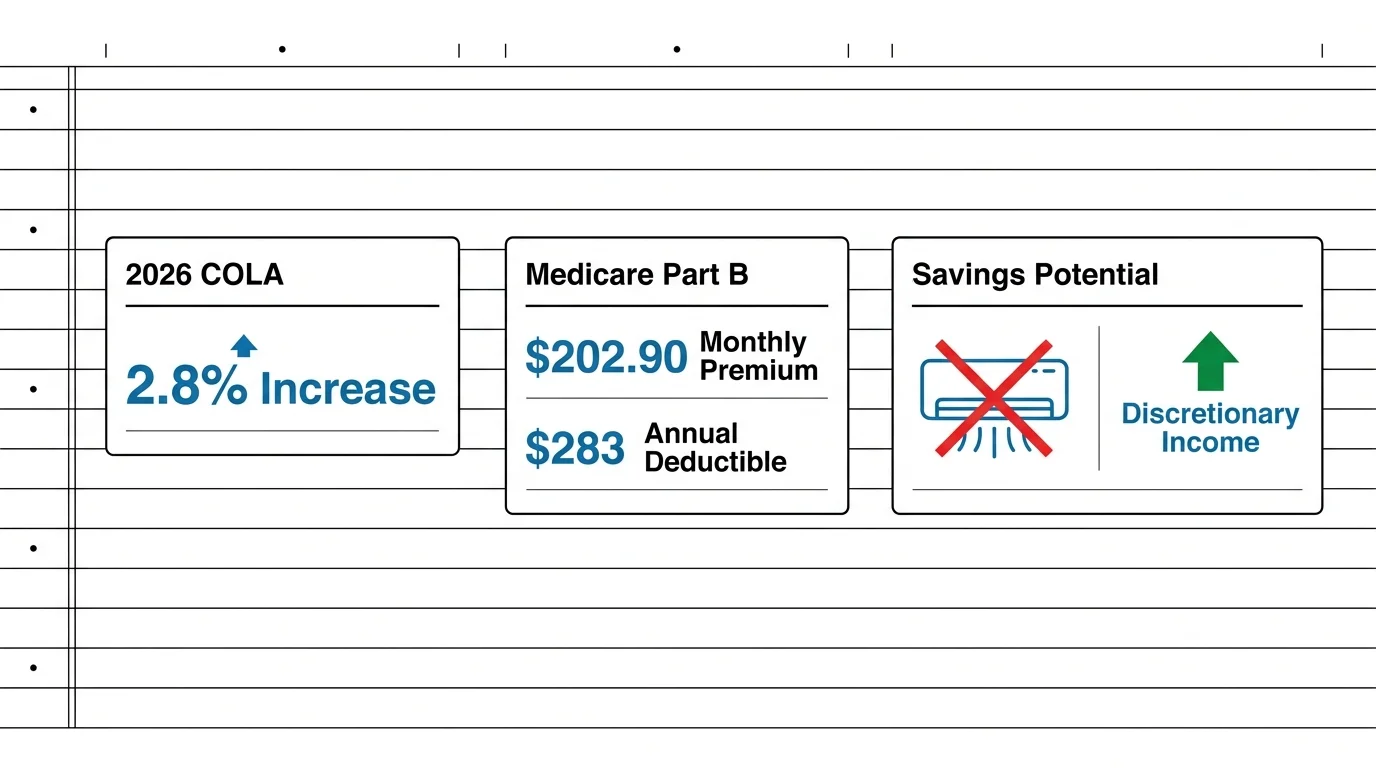
Financially, milder summers translate directly into lower utility bills. While you evaluate the overall cost of living in a new city, it is crucial to factor in recent federal changes that affect your retirement budget. For example, the 2026 Social Security cost-of-living adjustment (COLA) of 2.8% provides a helpful bump in fixed income. Additionally, the standard monthly premium for Medicare Part B sits at $202.90 for 2026, with an annual deductible of $283. You can review your specific coverage details at Medicare.gov. When you spend less of your budget on air conditioning, you free up more of your fixed income to cover these essential healthcare premiums, travel, and everyday hobbies.
1. Flagstaff, Arizona: The High-Altitude Oasis
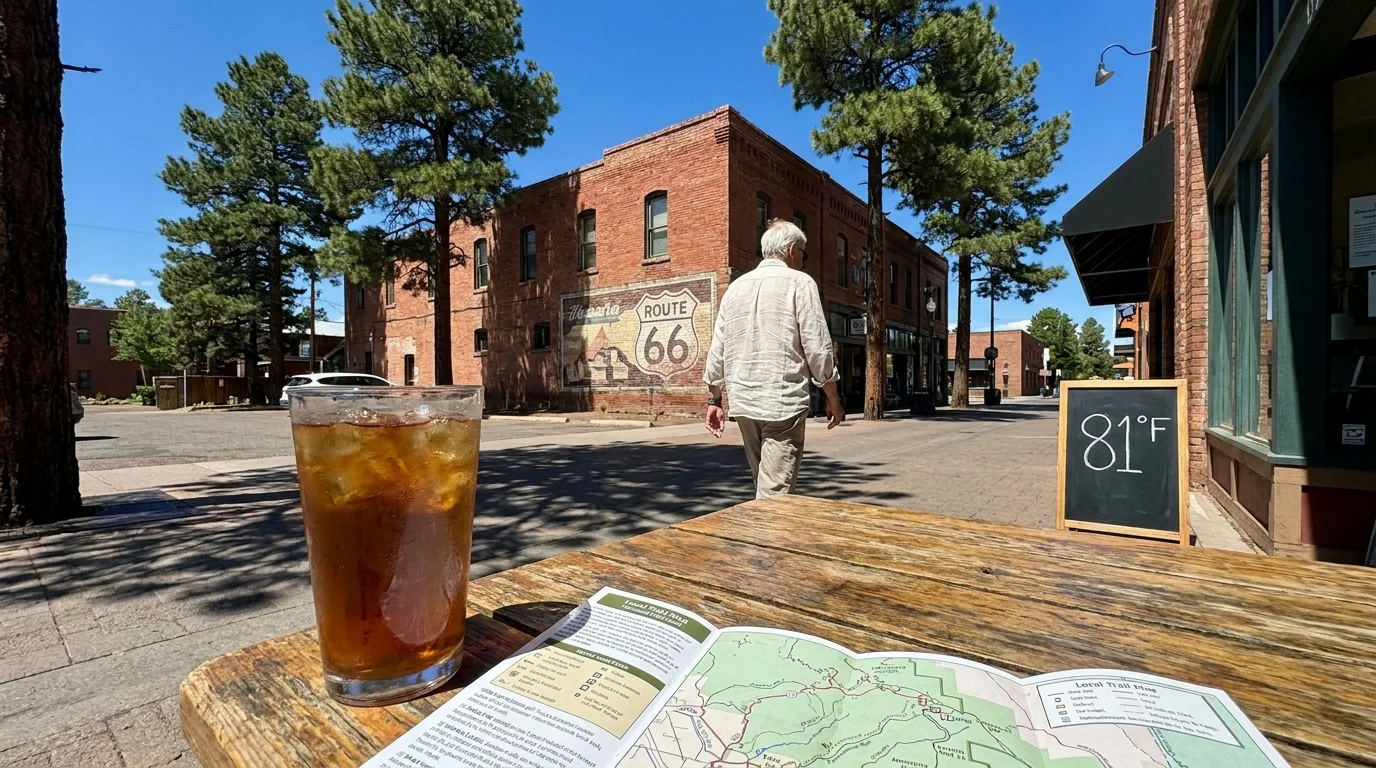
When you hear the word “Arizona,” you likely envision blistering desert heat and endless sunshine. However, Flagstaff sits at an elevation of roughly 7,000 feet, giving it a completely different climate profile than Phoenix or Tucson. Surrounded by the largest contiguous ponderosa pine forest in the world, this vibrant mountain town provides a refreshing, heavily shaded escape.
During the peak of summer, the average July high temperature in Flagstaff hovers around a very comfortable 81 degrees Fahrenheit, with evening lows dipping into the low 50s. This dramatic day-to-night temperature swing means you can enjoy hiking the San Francisco Peaks or strolling through the historic Route 66 downtown without breaking a sweat, and you will rarely need to run an air conditioner at night.
Beyond the weather, Flagstaff offers excellent amenities for retirees. The city boasts reliable medical facilities, including Flagstaff Medical Center, ensuring you have immediate healthcare access. Furthermore, the presence of Northern Arizona University provides locals with access to lifelong learning programs, collegiate sports, and a youthful, energetic community atmosphere.
2. Traverse City, Michigan: The Lakeside Haven
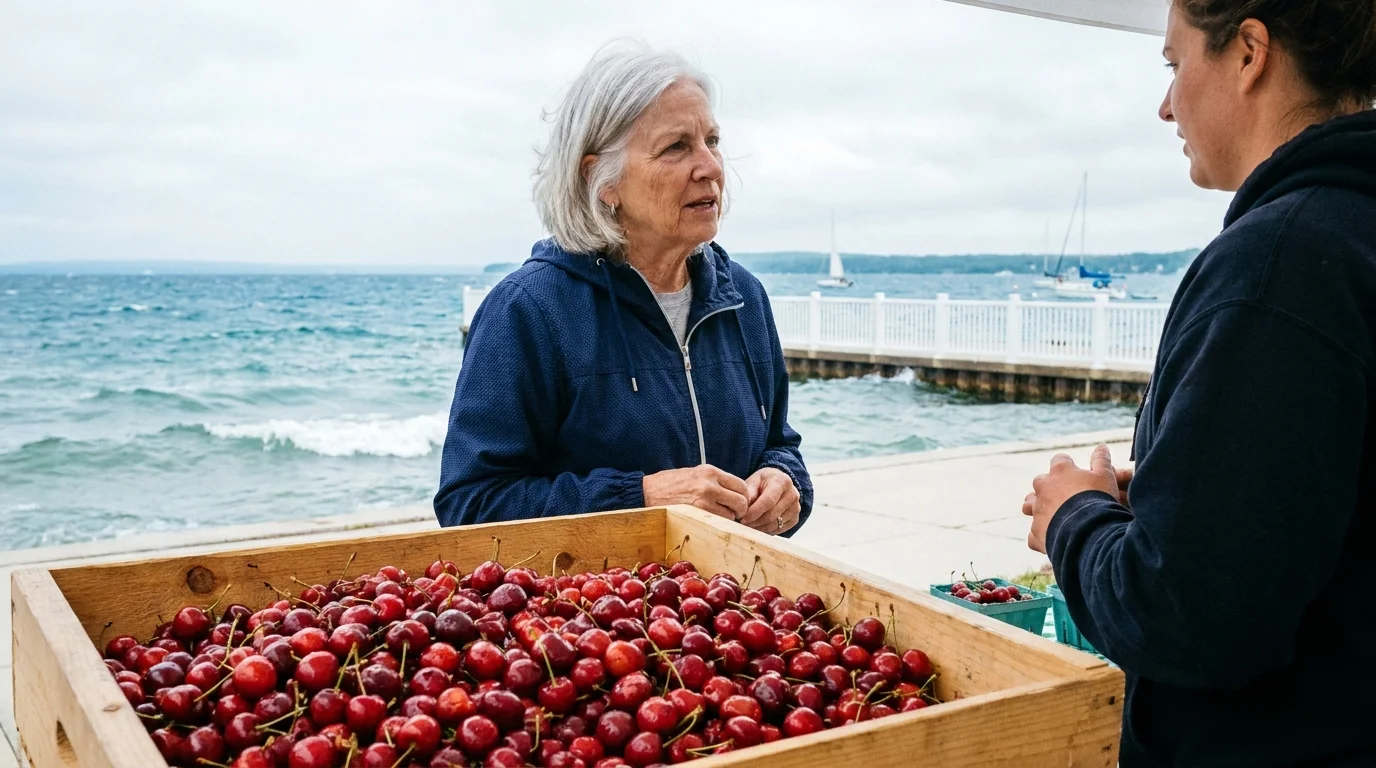
Situated on the shores of Lake Michigan’s Grand Traverse Bay, Traverse City is famous for its cherry orchards, pristine shorelines, and thriving arts scene. The immense body of water creates a localized lake effect that acts as a natural air conditioner, keeping the summer weather spectacular and incredibly comfortable.
July high temperatures average 80 degrees Fahrenheit, paired with highly manageable humidity and constant, cool lake breezes. The area offers hundreds of miles of shoreline, making it an absolute paradise for boating, fishing, kayaking, and beachcombing. During the summer, the community comes alive with outdoor concerts, farmers markets, and the famous National Cherry Festival.
Retirees appreciate Traverse City for its strong sense of community and its walkable downtown area, which is filled with independent boutiques and farm-to-table restaurants. Healthcare is anchored by the Munson Medical Center, a facility highly rated for geriatric care and specialized treatments, giving you peace of mind as you age.
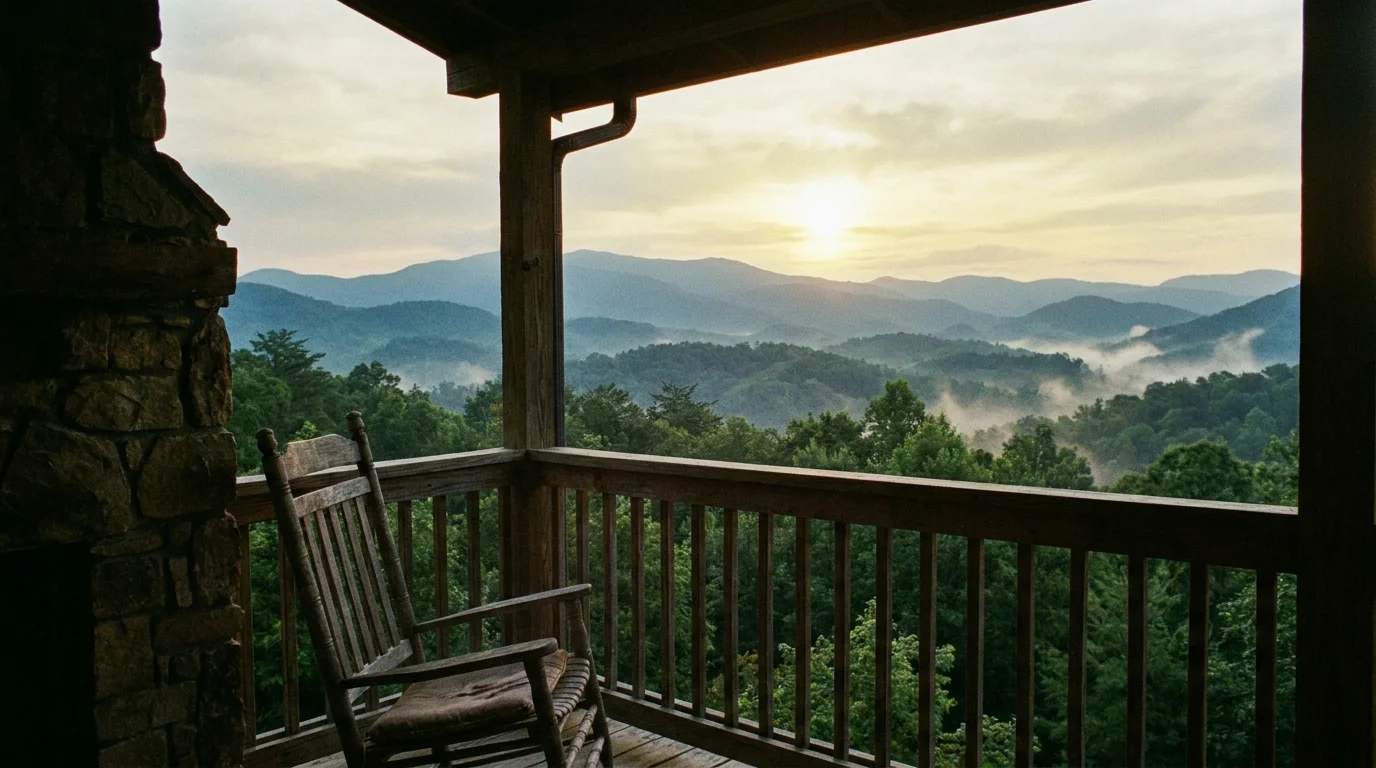
3. Boone, North Carolina: Blue Ridge Breezes
While much of the American South suffers through oppressive humidity and soaring temperatures from June through August, Boone remains a cool sanctuary tucked away in the Blue Ridge Mountains. At an elevation of over 3,300 feet, this vibrant college town offers a distinct culture mixed with rustic mountain charm and spectacular natural beauty.
July average highs peak right around 78 degrees Fahrenheit. You can spend your summers driving the scenic Blue Ridge Parkway, exploring the trails at Grandfather Mountain, or fly-fishing in the Watauga River. The pleasant temperatures mean you can comfortably dine outdoors or attend evening bluegrass concerts without feeling overheated.
The presence of Appalachian State University brings tremendous value to retirees. The university hosts lifelong learning institutes, theatrical performances, and art exhibitions. Additionally, Watauga Medical Center provides comprehensive healthcare services, ensuring that you do not have to drive down the mountain to receive high-quality medical attention.
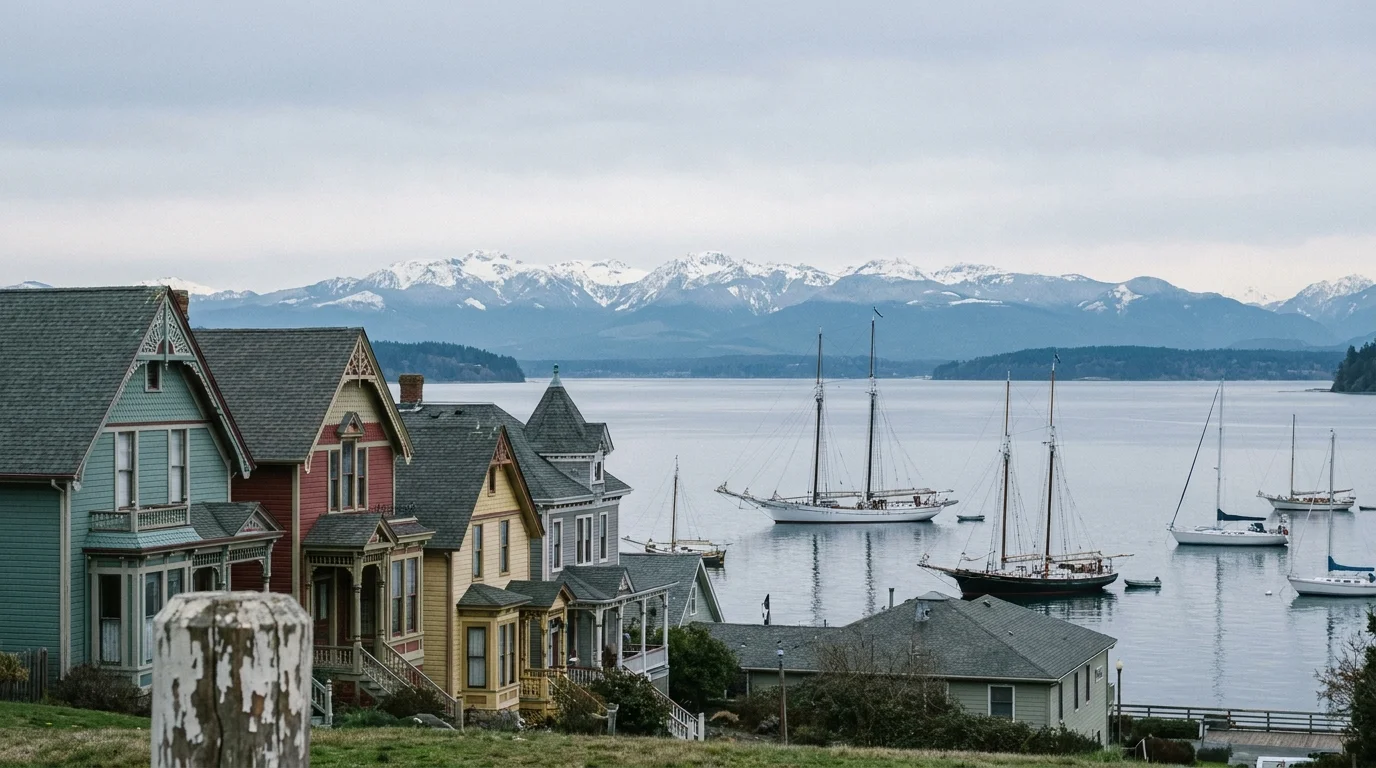
4. Port Townsend, Washington: Maritime Mildness
If you prefer salt air, rugged coastal scenery, and a quirky, creative culture, Port Townsend delivers an exceptional maritime climate. Located on the Quimper Peninsula at the northeastern tip of the Olympic Peninsula, this historic Victorian seaport is a well-known haven for artists, sailors, and active retirees.
Summer weather here is famously mild and pleasant; July high temperatures average a very cool 72 degrees Fahrenheit. Thanks to the rain shadow effect created by the nearby Olympic Mountains, Port Townsend receives significantly less rainfall than Seattle. You get all the lush, green beauty of the Pacific Northwest without the constant drizzle, making it perfect for year-round outdoor enjoyment.
The town itself is highly walkable, featuring beautifully preserved 19th-century architecture, a bustling marina, and Fort Worden State Park. Jefferson Healthcare Hospital serves the local community with award-winning care. Port Townsend is a place where you can spend your mornings beachcombing and your afternoons attending a wooden boat building workshop or a local theater production.

5. Taos, New Mexico: Desert Chill
Taos offers a completely unique blend of Native American history, Spanish colonial architecture, and a thriving arts community. Nestled in the Sangre de Cristo Mountains at an elevation of nearly 7,000 feet, it provides a high-desert climate that surprises many newcomers expecting the intense heat of the lower Southwest.
The July high averages 83 degrees Fahrenheit, but the ultra-low humidity makes the air feel significantly cooler. Once the sun sets, temperatures drop rapidly into the mid-50s, allowing you to comfortably sleep with the windows open. Taos is ideal if you crave a culturally rich, visually stunning environment with massive skies and dramatic sunsets.
Retirees in Taos spend their days exploring hundreds of art galleries, visiting the historic Taos Pueblo, or taking the ski valley chairlifts up the mountain for alpine hiking. Holy Cross Hospital provides local medical care, and the community is known for its strong focus on holistic health, wellness, and spiritual growth.
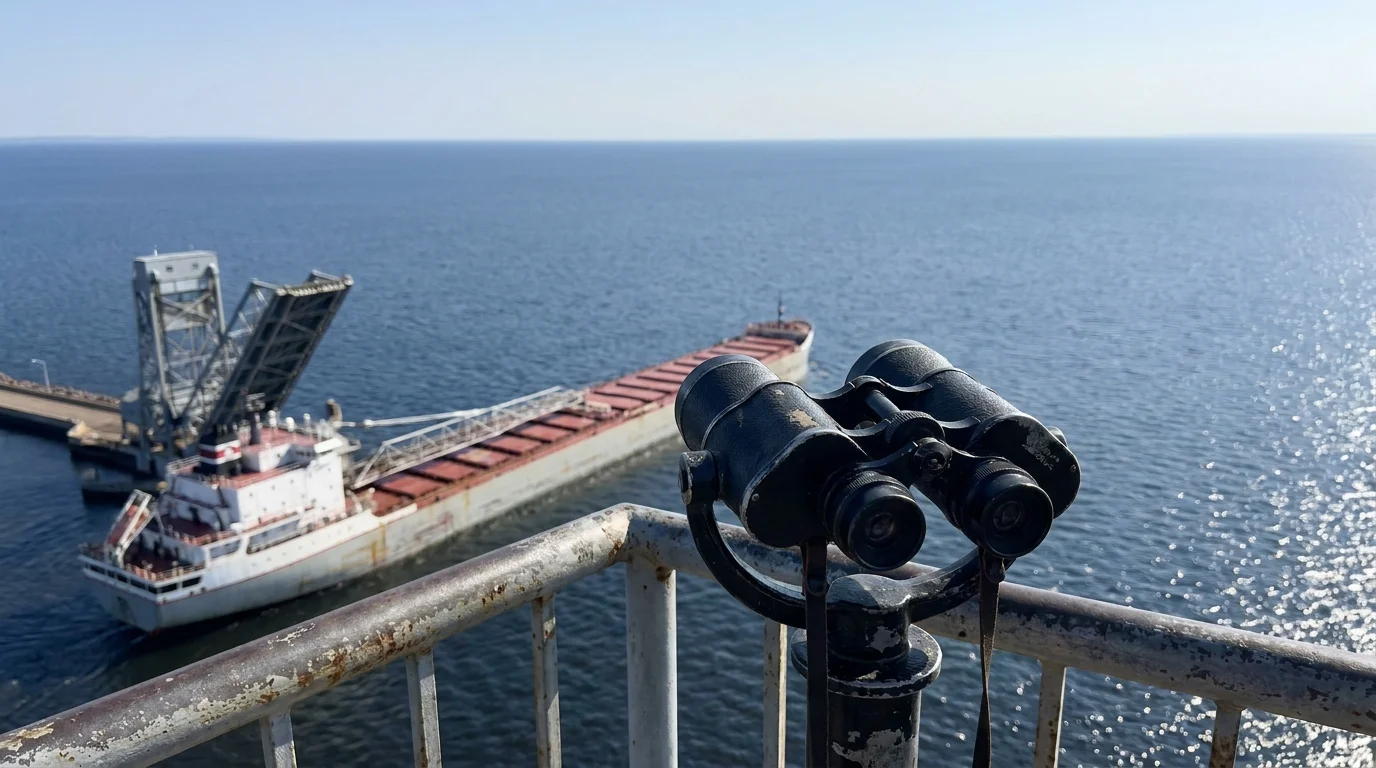
6. Duluth, Minnesota: Superior Summers
Built on a steep, rocky hillside overlooking the vast expanse of Lake Superior, Duluth offers some of the most dramatic and awe-inspiring scenery in the Midwest. The immense depth and cold water of Lake Superior strongly dictate the local weather patterns, creating an incredibly refreshing summer environment that attracts visitors from across the country.
July high temperatures average 77 degrees Fahrenheit. Residents spend their summers walking the Lakewalk in Canal Park, watching massive international freighters pass under the iconic Aerial Lift Bridge, and hiking the rugged Superior Hiking Trail. The air is exceptionally clean, crisp, and invigorating.
While the winters here are admittedly fierce, retirees who split their time—or those who genuinely love four distinct, robust seasons—find Duluth’s summers absolutely unbeatable. The city also features exceptional healthcare infrastructure, anchored by Essentia Health and St. Luke’s, both of which offer comprehensive specialty care for seniors.
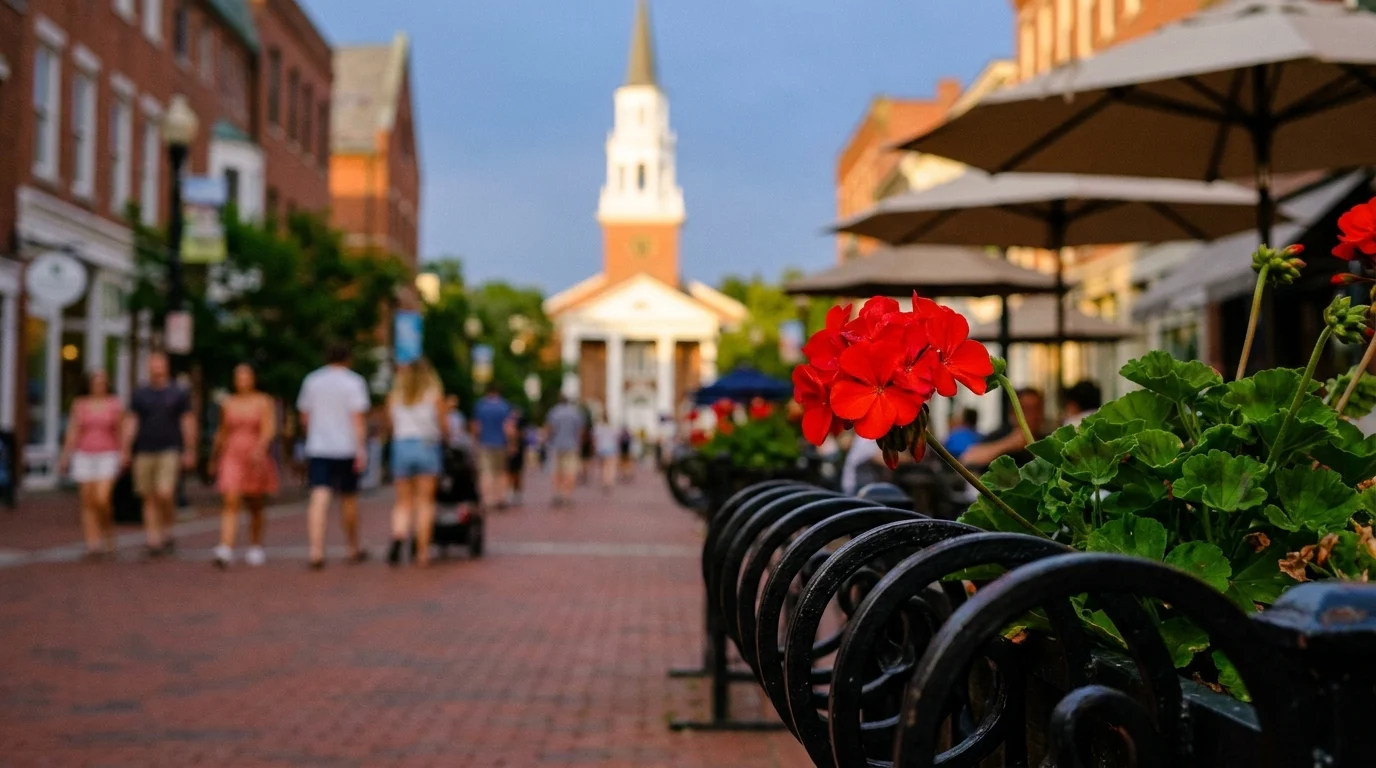
7. Burlington, Vermont: New England Charm
Perched on the eastern shore of Lake Champlain with the Green Mountains in the distance, Burlington frequently ranks as one of the best places to live in the United States. It masterfully combines the amenities and cultural offerings of a larger city with the tight-knit, welcoming feel of a quintessential New England town.
Summers are glorious and highly active, with July highs averaging 81 degrees Fahrenheit. You can spend your days biking the spectacular 14-mile Island Line Trail right along the water, sailing on the lake, or enjoying the pedestrian-only Church Street Marketplace filled with cafes and street performers.
Burlington is a highly eco-conscious community that values local food, outdoor recreation, and environmental sustainability. The University of Vermont (UVM) Medical Center provides top-tier, academic-level healthcare, which is a crucial consideration for any retirement relocation. It is an ideal spot for retirees who want a vibrant, intellectually stimulating community in a breathtaking natural setting.

Comparing Your Cool-Weather Options
To help you weigh your choices, review this quick comparison of our top destinations based on their mid-summer climate and overall atmosphere.
| Destination | Average July High | Average July Low | Retirement Vibe |
|---|---|---|---|
| Port Townsend, WA | 72°F | 53°F | Historic coastal arts community |
| Duluth, MN | 77°F | 60°F | Rugged, scenic outdoor adventure |
| Boone, NC | 78°F | 61°F | Vibrant Appalachian college town |
| Traverse City, MI | 80°F | 60°F | Breezy, lakefront culinary hub |
| Flagstaff, AZ | 81°F | 53°F | High-altitude ponderosa pine retreat |
| Burlington, VT | 81°F | 62°F | Classic New England lakeside charm |
| Taos, NM | 83°F | 54°F | Culturally rich, low-humidity desert |
Financial Considerations for Your Move
When you plan a cross-country move, comparing housing costs and utility bills only tells part of the story. You must also evaluate how a new state treats your retirement income. Some states completely exempt Social Security benefits from state income taxes, while others may heavily tax your pensions or individual retirement account (IRA) withdrawals. Before moving, review the official tax resources at the Internal Revenue Service (IRS) to understand how your specific income streams will be treated.
You can offset the upfront costs of relocating by taking advantage of favorable federal tax deductions. For example, in 2026, the standard deduction for single filers is $16,100, and $32,200 for married couples filing jointly. Furthermore, taxpayers aged 65 and older receive an additional standard deduction of $2,050 for singles and $1,650 per qualifying spouse. Thanks to recent legislation, seniors may also qualify for a new, temporary $6,000 bonus deduction through 2028. Properly applying these deductions can drastically reduce your taxable income, leaving you with more cash on hand to fund your relocation.
“Time is your friend; impulse is your enemy.” — John Bogle, Vanguard Founder
Bogle’s investing wisdom applies perfectly to real estate and relocation. Never rush a move based on a single pleasant vacation. Take your time, run the numbers, and plan your transition strategically.
Common Mistakes to Avoid
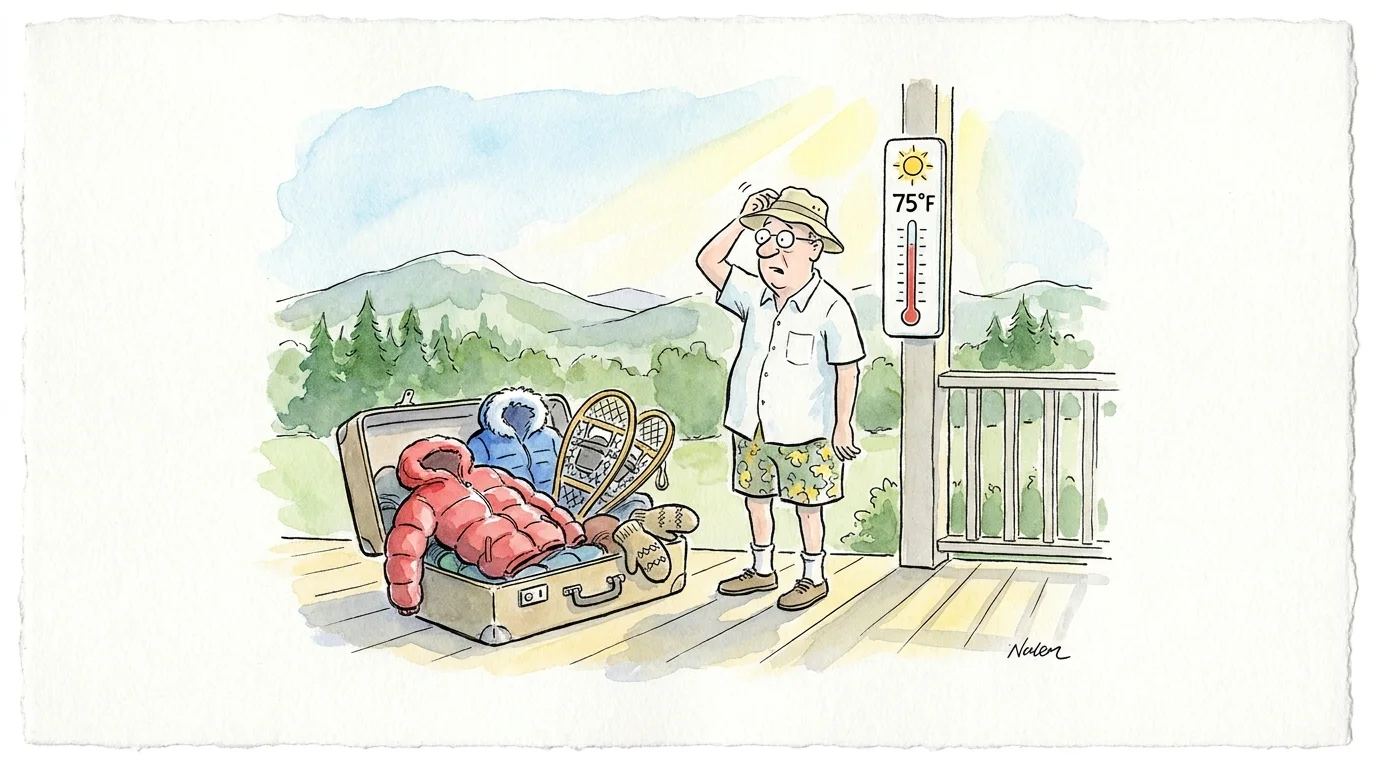
- Ignoring the Winter Months: A city with a beautiful 75-degree summer might experience brutal, heavily snowy winters. If you plan to live there year-round, you must be physically and financially prepared for the cold. Alternatively, consider becoming a “snowbird” and splitting your time between two locations to get the best of both worlds.
- Overlooking Healthcare Quality: Scenic mountain towns are wonderful, but they sometimes lack specialized medical care. Ensure your chosen destination has a highly rated hospital and specialists that accept your specific Medicare plan.
- Forgetting About Property Taxes: A lower overall cost of living can be quickly wiped out by exceptionally high property taxes or state income taxes on your retirement accounts. Always run the math on your specific financial situation.
- Underestimating Social Isolation: Moving away from your established network of friends and family is difficult. Choose a destination with active senior centers, volunteer opportunities, and social clubs to help you build a new community quickly. Check AARP for local chapters and resources in your prospective new hometown.
- Not Doing a Trial Run: Never buy a home in a new city sight unseen. Rent a short-term apartment for a month during the summer, and ideally another month during the winter, to truly experience the local lifestyle before committing.
Professional vs. Self-Guided Relocation Planning
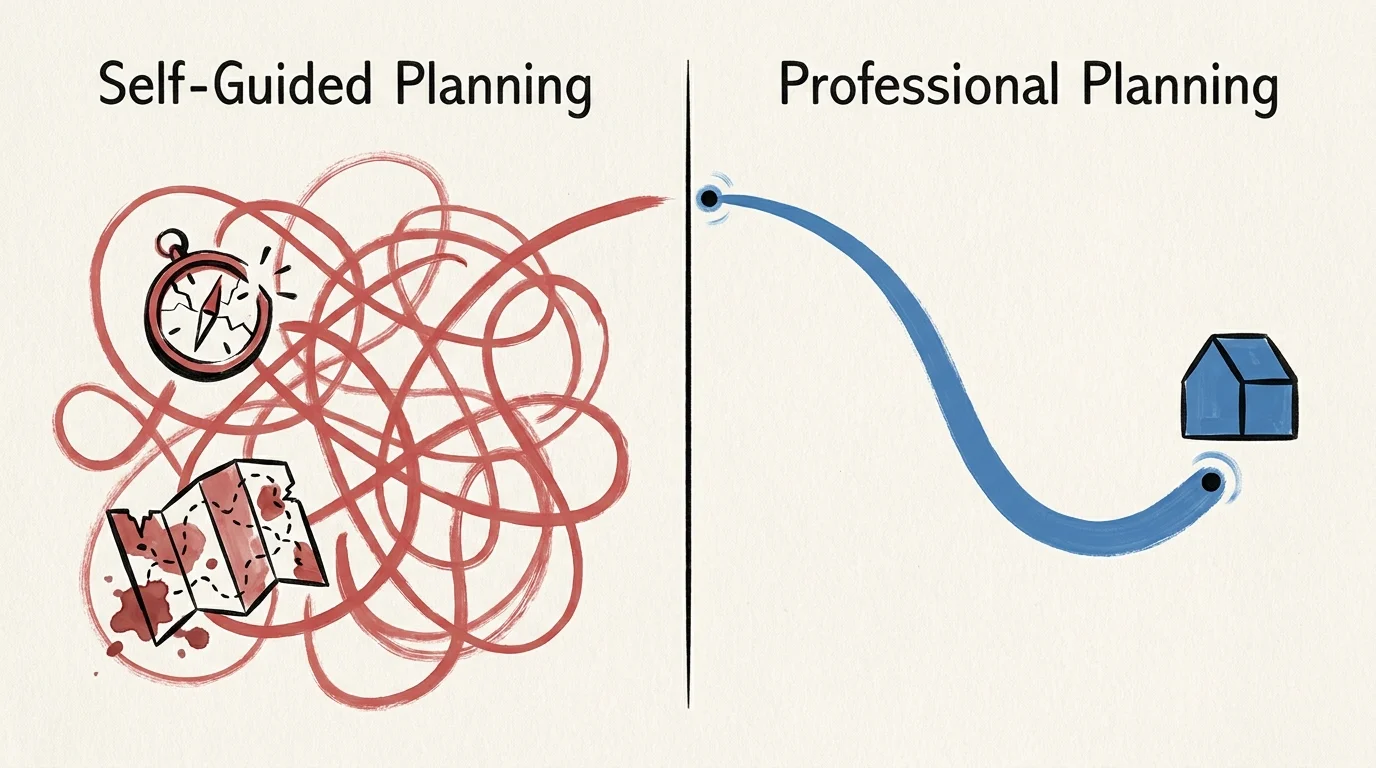
Deciding whether to handle your retirement relocation entirely on your own or hire professionals depends on the complexity of your financial situation. Here are three scenarios where bringing in outside help is highly recommended:
- Selling a Long-Time Family Home: If you have lived in your current home for decades, navigating capital gains taxes and the logistics of downsizing can be overwhelming. A Certified Financial Planner (CFP) can help you structure the home sale to minimize taxes, while a certified senior move manager can handle the physical packing and transition.
- Navigating Multi-State Taxes: If you plan to split your time between a cool-summer destination and a warm-winter state, establishing legal residency becomes critical. A qualified CPA can help you establish domicile in the most tax-advantaged state and ensure you avoid dual taxation.
- Evaluating Medicare Advantage Networks: If you rely on a Medicare Advantage plan, moving to a new county or state means you must enroll in a new plan. A licensed Medicare broker can verify which doctors and hospitals are in-network in your new city before you finalize your move to ensure there are no gaps in your healthcare coverage.
Frequently Asked Questions
Do these cooler cities have a higher cost of living?
It varies widely based on the region. Coastal areas like Port Townsend and highly desirable New England cities like Burlington tend to have higher housing costs. Conversely, Midwest and Southern options like Duluth and Boone often provide much more affordable real estate. While you save money on summer utilities, you must also factor in winter heating costs if you plan to stay year-round.
How does moving affect my Social Security benefits?
Your federal Social Security benefit amount does not change based on where you live within the United States. You can manage your address changes directly through the Social Security Administration portal. However, the state you move to may choose to tax your benefits. Fortunately, most states do not tax Social Security, but you should always verify the specific tax laws of your exact destination state.
Will I need to change my Medicare plan if I move out of state?
If you have Original Medicare (Parts A and B) along with a standardized Medicare Supplement (Medigap) policy, your coverage generally moves with you seamlessly across state lines. However, if you have a Medicare Advantage plan (Part C) or a standalone Part D prescription drug plan, you will likely need to enroll in a new plan that serves your new ZIP code. A permanent move qualifies you for a Special Enrollment Period.
Finding your perfect retirement destination is a deeply personal journey. By prioritizing your climate preferences alongside your financial realities and healthcare needs, you can set the stage for an incredibly rewarding next chapter. Take the time to visit these cool-weather havens, explore their neighborhoods, and envision what your ideal daily life looks like away from the summer heat.
This article provides general retirement education and information only. Everyone’s financial situation is unique—what works for others may not work for you. For personalized advice, consider consulting a qualified financial professional such as a CFP or CPA.