
Trading your morning commute for a sunrise hike through ancient forests and majestic mountains is the ultimate retirement dream for nature lovers. Retiring near a national park gives you immediate access to America’s most spectacular landscapes, but choosing the right home base requires balancing adventure with practical needs like healthcare access, tax friendliness, and everyday affordability. Whether you prefer the dramatic red rocks of Utah, the lush peaks of the Great Smoky Mountains, or the rugged coastal beauty of the Pacific Northwest, these seven towns offer the perfect blend of outdoor recreation and senior-friendly amenities. Here is where you can turn a lifelong vacation dream into an everyday reality.
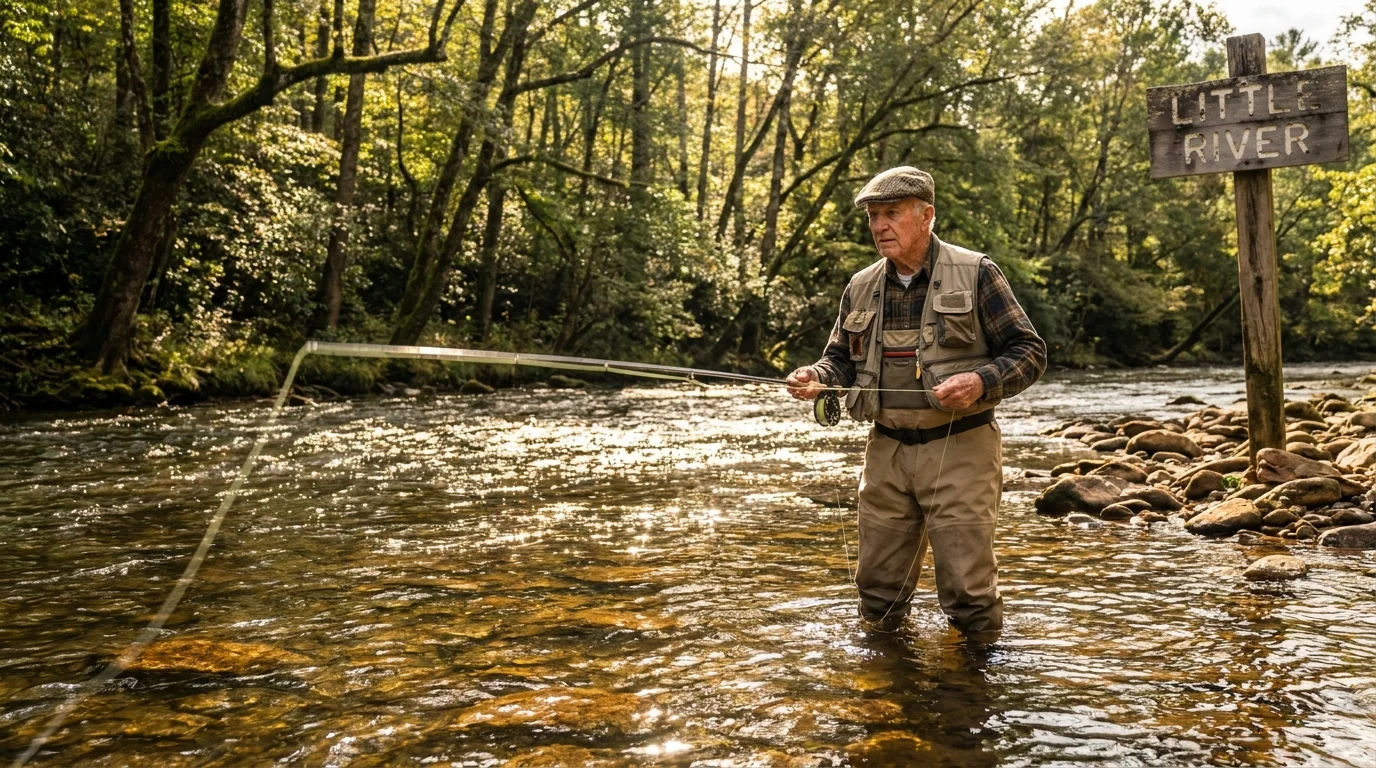
1. Maryville, Tennessee (Near Great Smoky Mountains National Park)
When you settle in Maryville, you avoid the relentless tourist traffic of Gatlinburg while remaining less than an hour from the Cades Cove entrance of Great Smoky Mountains National Park. This vibrant city of roughly 32,000 residents offers a sophisticated balance of Appalachian charm and modern convenience. Spend your mornings walking the Maryville-Alcoa Greenway or fly-fishing in the Little River, then enjoy an evening attending a concert at nearby Maryville College.
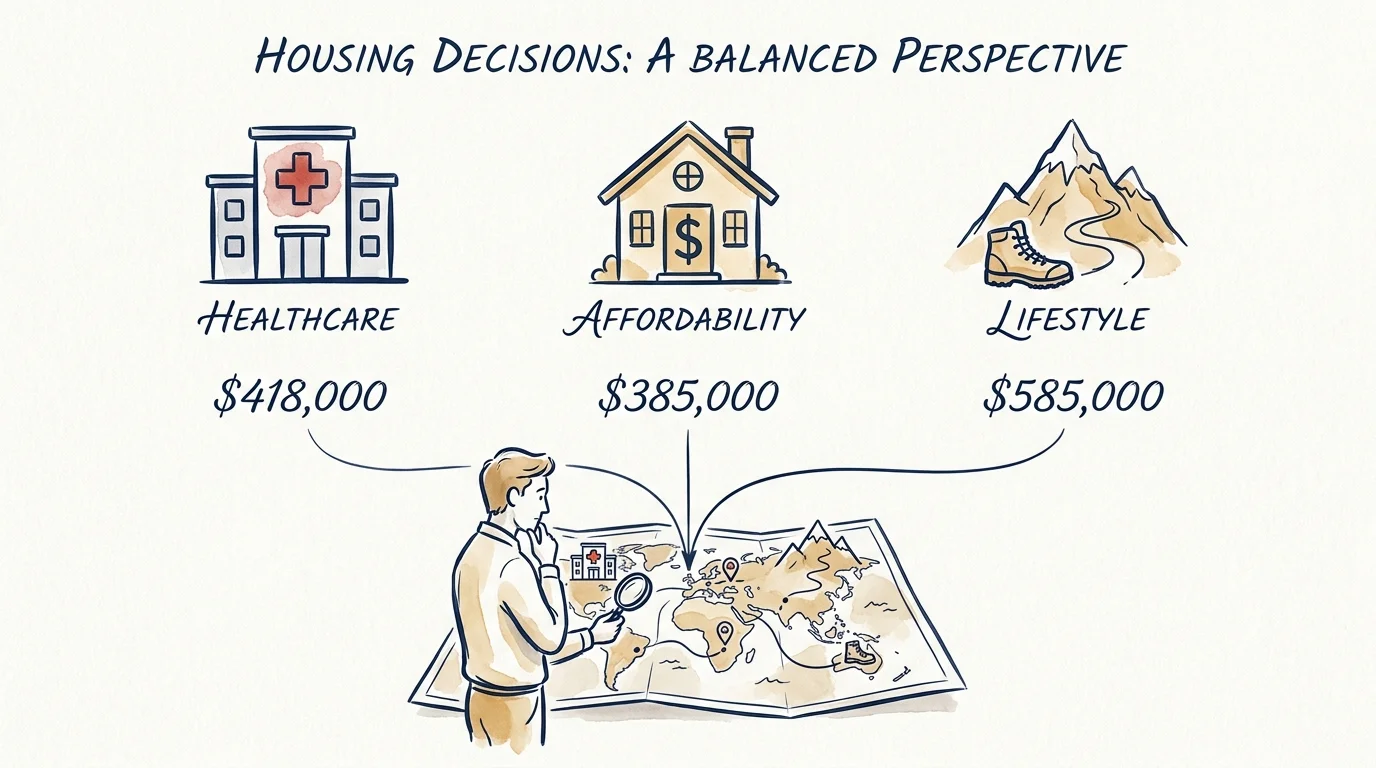
From a financial perspective, Maryville stands out as a highly practical choice. Tennessee completely shields your Social Security benefits from state income tax; in fact, the state levies no income tax at all on standard retirement income. According to recent 2026 housing data, the median list price for a home here hovers around $418,000, making it an accessible option for many retirees. Healthcare access is also robust. You gain immediate access to Blount Memorial Hospital locally, and the vast, specialized medical networks of Knoxville sit just 30 minutes north. Furthermore, the nearby McGhee Tyson Airport makes flying out to visit grandchildren remarkably easy.
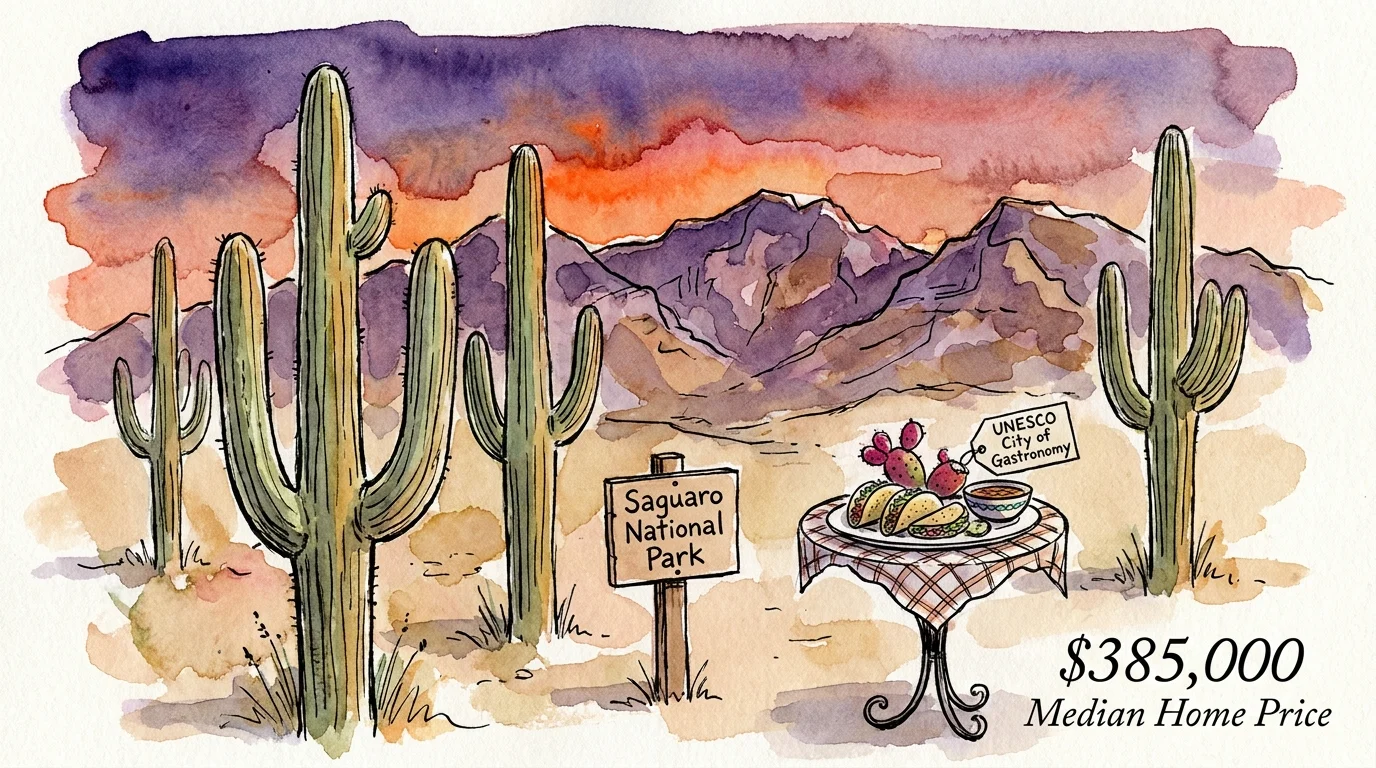
2. Tucson, Arizona (Near Saguaro National Park)
If you prefer striking desert vistas over dense forests, Tucson provides an unparalleled retirement backdrop. Saguaro National Park literally flanks the city on two sides—the Tucson Mountain District to the west and the Rincon Mountain District to the east. This unique geography means you are never more than a short drive from towering cacti and spectacular desert sunsets. Retirees here quickly adapt to the climate, shifting their hiking and biking routines to the cool, early mornings during the peak summer heat to fully enjoy the glorious, mild winters.
Tucson remains highly affordable compared to other Western retirement hubs. Median home prices sit near $385,000 in early 2026, allowing your housing budget to stretch further. Arizona also protects your retirement income by entirely exempting Social Security benefits from state taxation. Beyond the financial perks, Tucson holds the prestigious title of a UNESCO City of Gastronomy, ensuring your dining options remain diverse and exciting. For medical needs, Banner University Medical Center offers top-tier geriatric and specialized care, giving you peace of mind as you age in place.

3. St. George, Utah (Near Zion National Park)
St. George sits in the southwest corner of Utah, serving as the ultimate staging ground for Zion National Park and Bryce Canyon. The city has experienced a massive influx of retirees over the last decade, transforming it into a haven for active seniors. You will find a robust community built around outdoor movement; the area features dozens of championship golf courses, sprawling pickleball complexes, and extensive paved trail systems that wind through stunning red rock formations.
Because of its immense popularity, housing costs have risen, with the median home sale price reaching approximately $585,000 in recent tracking. While Utah does tax Social Security benefits, the state offers a retirement tax credit that mitigates the impact for qualifying middle-income seniors. Healthcare infrastructure has expanded rapidly to meet the growing population, anchored by the highly rated Intermountain St. George Regional Hospital. You also gain the benefit of the Tuacahn Center for the Arts, a spectacular outdoor amphitheater set against a canyon wall, providing Broadway-caliber entertainment just minutes from your front door.

4. Port Angeles, Washington (Near Olympic National Park)
Positioned on the northern edge of the Olympic Peninsula, Port Angeles offers immediate access to the incredibly diverse ecosystems of Olympic National Park. You can explore rugged Pacific beaches, moody temperate rainforests, and glaciated mountain peaks all in the same week. The maritime climate keeps temperatures mild year-round, meaning you rarely deal with extreme heat or freezing blizzards; you simply need to pack a reliable rain jacket for the winter months.
Washington famously levies no state income tax, allowing you to keep a significantly larger portion of your pension and retirement account withdrawals. The median listing price in Port Angeles rests around $525,000, offering a relatively affordable entry point to Pacific Northwest coastal living. Olympic Medical Center handles everyday health needs locally, though residents typically travel to Seattle via ferry or highway for highly specialized medical procedures. Speaking of ferries, the Black Ball Ferry Line operates right out of the downtown harbor, offering an easy and scenic 90-minute trip across the Strait of Juan de Fuca to Victoria, British Columbia.
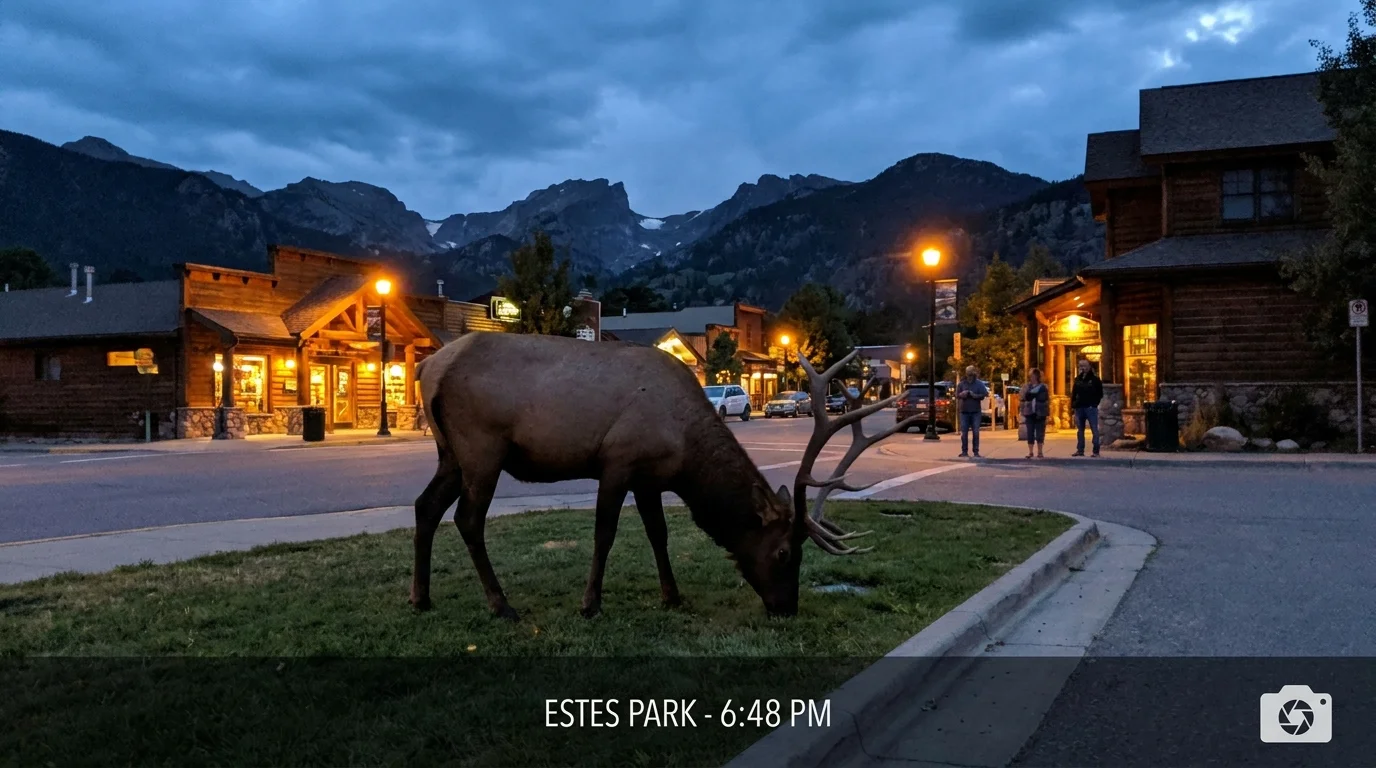
5. Estes Park, Colorado (Near Rocky Mountain National Park)
Perched at an elevation of 7,522 feet, Estes Park sits directly at the eastern entrance to Rocky Mountain National Park. Living in this alpine paradise means sharing your neighborhood with abundant wildlife; it is entirely common to see herds of elk wandering through downtown or grazing in your front yard. The town transitions dramatically from a bustling tourist hotspot in the summer to a serene, snow-covered retreat during the winter months, appealing to retirees who embrace a distinct four-season lifestyle.
Living this close to majestic peaks commands a premium. Median listing prices hover around $715,000 as of early 2026. However, Colorado softens the cost-of-living blow by offering a generous state income tax deduction for retirement income. Before relocating here, you must consider the physical realities of high-altitude living. The thin air can pose challenges for certain respiratory and cardiovascular conditions, making it crucial to consult your physician beforehand. Estes Park Health provides excellent essential services, and larger medical facilities are accessible down the mountain in the Loveland and Fort Collins areas.
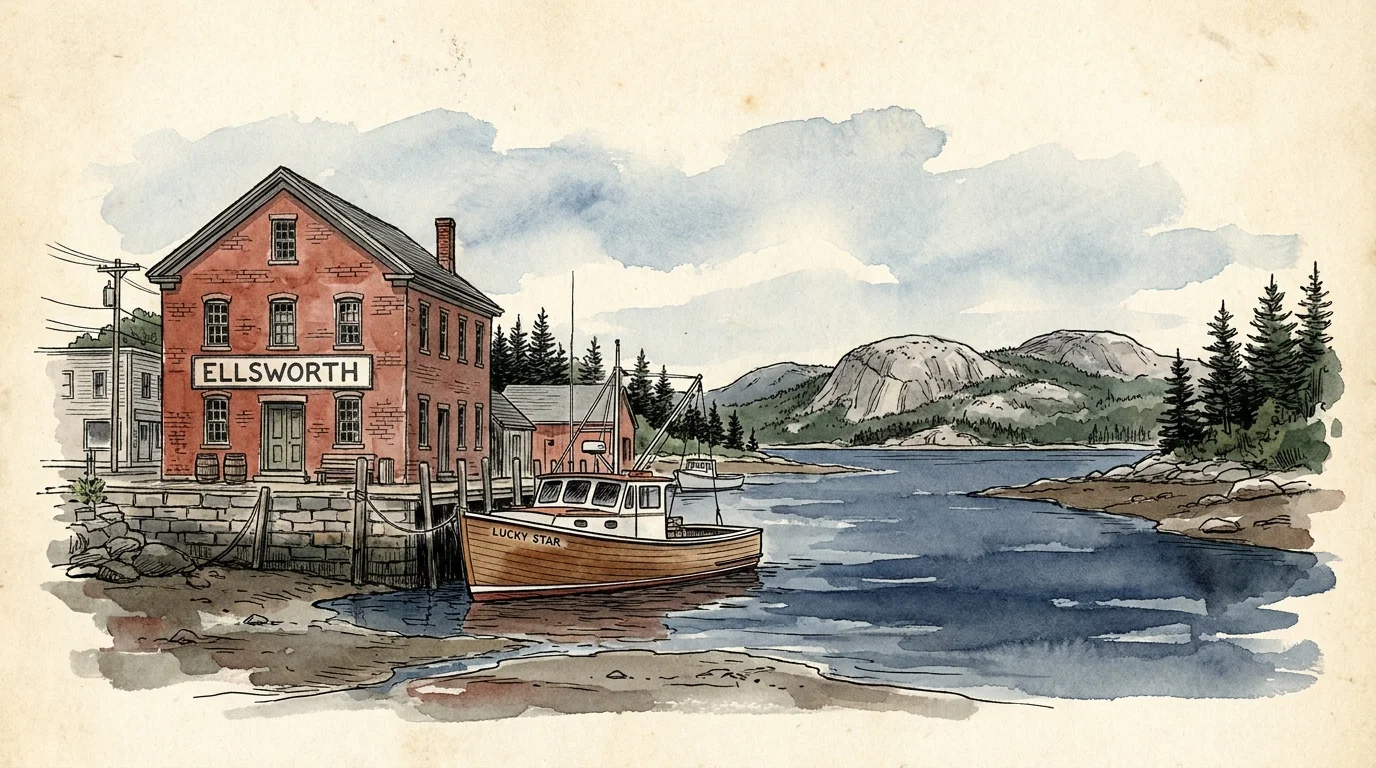
6. Ellsworth, Maine (Near Acadia National Park)
Millions of visitors flock to Bar Harbor every summer, but savvy retirees look 30 minutes inland to Ellsworth. Serving as the year-round commercial hub for Hancock County, Ellsworth offers you easy access to the stunning coastal hikes of Acadia National Park without forcing you to pay the extreme housing costs associated with Mount Desert Island. You can spend your autumns watching the leaves change along the Union River and your summers enjoying fresh seafood at local establishments.
The median home listing price in Ellsworth sits at a reasonable $424,000. Maine supports its aging population by entirely exempting Social Security benefits from state taxation and providing a general pension income deduction. Healthcare is highly accessible through Northern Light Maine Coast Hospital, while Bangor lies just 45 minutes away for broader, specialized medical networks. You must prepare for proper New England winters here; heavy snowfall is the norm. Consequently, many local retirees adopt a snowbird lifestyle, enjoying the glorious Maine summers and heading south from January through March.
7. Waynesboro, Virginia (Near Shenandoah National Park)
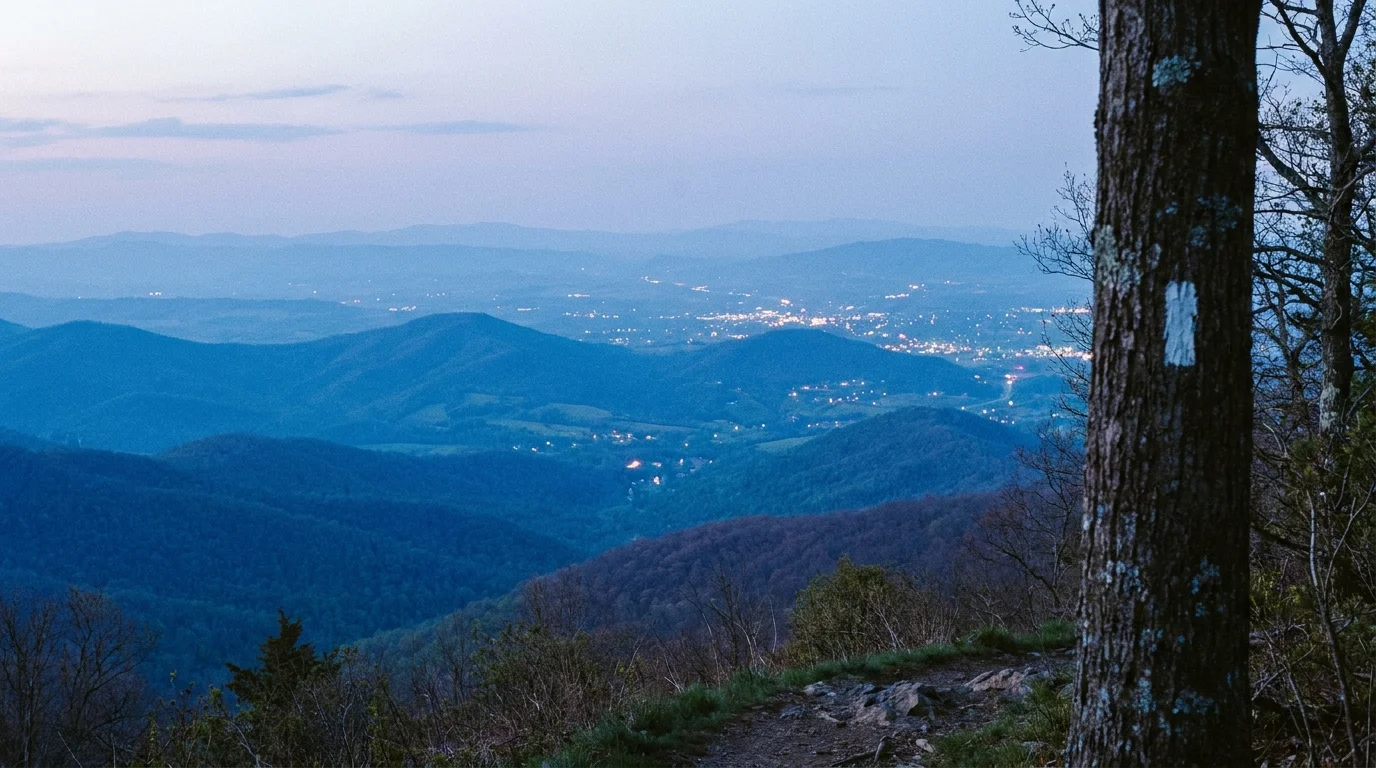
Nestled beautifully in the Shenandoah Valley, Waynesboro sits just three miles from the southern entrance of Shenandoah National Park and the northern terminus of the Blue Ridge Parkway. This Virginia gem stands out for its deep affordability and rich historical charm. The South River runs right through the center of town, offering excellent urban trout fishing, while the nearby Appalachian Trail provides endless opportunities for day hikes.
Financially, Waynesboro is incredibly attractive. Median home sale prices currently sit around $325,000, leaving you with plenty of leftover capital to fund your retirement adventures. Furthermore, Virginia does not tax your Social Security benefits. Augusta Health, located in nearby Fishersville, consistently earns high ratings for patient care, ensuring you do not have to sacrifice medical quality for small-town living. The local culture thrives through venues like the historic Wayne Theatre and the Shenandoah Beerwerks Trail, proving that a quiet mountain town can still offer a vibrant social scene.
What to Consider Before Relocating
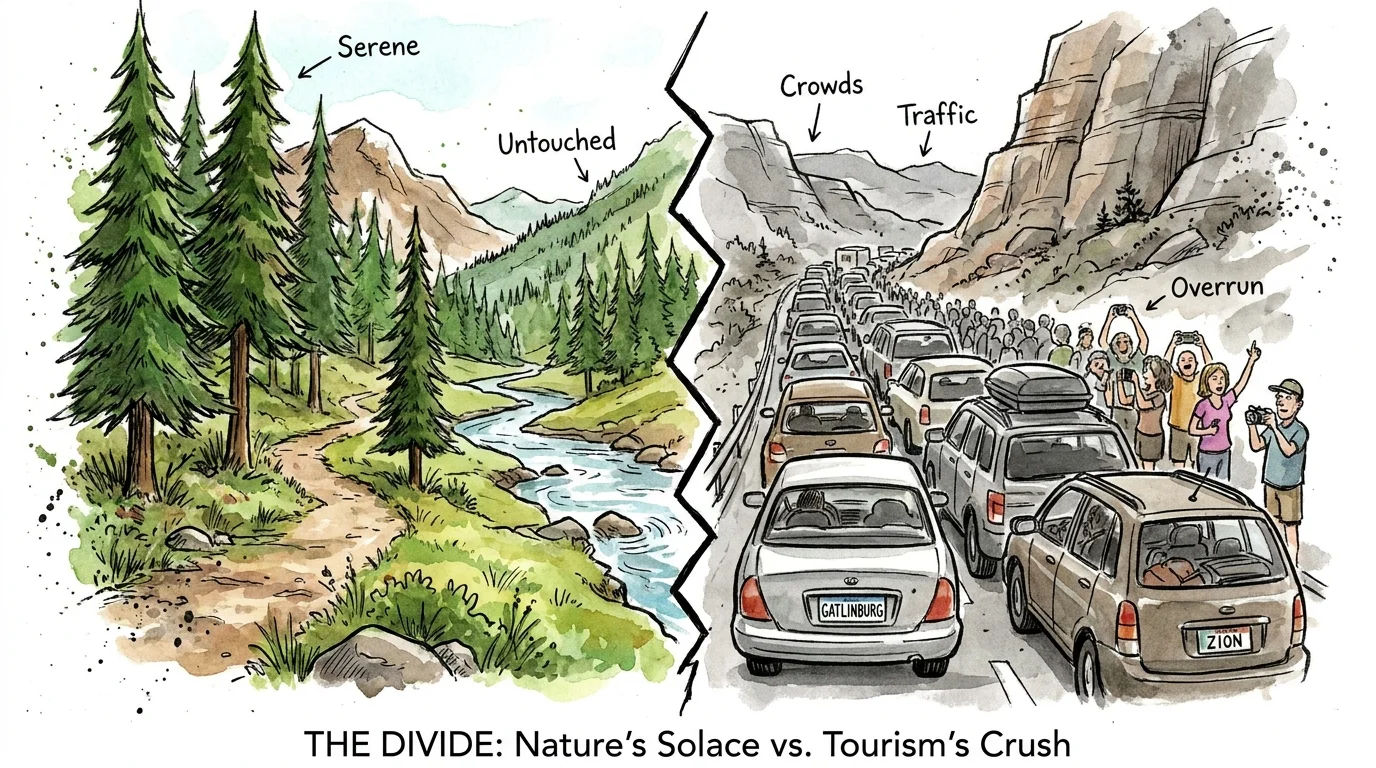
Moving to a gateway town requires different preparation than moving to a traditional suburban retirement community. You must account for the seasonal rhythms that dictate local life. During the summer months, traffic congestion peaks, and grocery stores quickly crowd on holiday weekends. You will quickly learn to time your errands and park visits during off-peak hours to maintain your peace of mind.
Cost of living also fluctuates in these areas. Homes adjacent to national parks carry a definite “view premium.” You may also pay slightly more for local services and dining during the high season. However, the trade-off is immediate access to millions of acres of protected wilderness that most people only see once in a lifetime.
“A good retirement plan is a combination of your financial security and your personal fulfillment. You need to know what you are retiring to, not just what you are retiring from.” — Jean Chatzky, Personal Finance Expert
To help you evaluate these options, review how these gateway towns compare on housing costs and state tax policies regarding Social Security:
| Retirement Town | Nearby National Park | Median Home Price (2026) | State Tax on Social Security? |
|---|---|---|---|
| Waynesboro, VA | Shenandoah | ~$325,000 | No |
| Tucson, AZ | Saguaro | ~$385,000 | No |
| Maryville, TN | Great Smoky Mountains | ~$418,000 | No |
| Ellsworth, ME | Acadia | ~$424,000 | No |
| Port Angeles, WA | Olympic | ~$525,000 | No |
| St. George, UT | Zion | ~$585,000 | Yes (Tax credit available) |
| Estes Park, CO | Rocky Mountain | ~$715,000 | No (Broad deductions apply) |

Maximize Your Park Access with a Senior Pass
One of the greatest financial benefits of turning 62 is gaining access to the America the Beautiful Senior Pass. The federal government provides this remarkable benefit for U.S. citizens and permanent residents, granting entrance to over 2,000 federal recreation sites across the country. When you live just miles from a park entrance, this pass pays for itself within a matter of weeks.
As of 2026, the lifetime Senior Pass costs $80. If you prefer to test the waters first, you can purchase an annual Senior Pass for just $20. Be aware that ordering online or through the mail incurs an additional $10 processing fee, so it is highly recommended to purchase your pass in person at a federal recreation site upon arrival. Beyond simply waving you through the entrance gate, the pass frequently provides a 50 percent discount on expanded amenity fees, such as camping sites, swimming area access, and boat launch fees. You can find comprehensive details and purchase options directly at NPS.gov.

When to Consult a Professional
Consulting experts ensures your relocation plan rests on a solid, legal foundation. Before packing the moving truck, consider seeking professional advice when:
- Moving across state lines: Talk to a certified public accountant (CPA) or tax attorney to establish your proper domicile. You must understand exactly how your new state taxes pension income, 401(k) withdrawals, and property to avoid surprise bills in April. You can verify federal tax brackets at IRS.gov.
- Changing healthcare plans: Medicare Advantage plans rely heavily on specific county networks. Use the Medicare Plan Finder at Medicare.gov to verify that your preferred local doctors and the regional hospital actually participate in your new network before dropping your current coverage.
- Buying highly specialized real estate: Hire a local real estate agent who thoroughly understands specific gateway town issues. They can guide you through complex regional factors like short-term rental zoning laws, wildfire mitigation requirements, and well-water rights.
What Can Go Wrong: The Reality of Gateway Towns
Relocating to a town bordering a national park carries distinct risks that you must plan for. Extreme weather events frequently impact these often-rural communities. This includes overwhelming, multi-foot snowfalls in the Northeast and severe, fast-moving wildfires in the Western states. Because of these environmental risks, securing adequate homeowners insurance has become increasingly difficult. You must aggressively verify that insurance carriers still write affordable policies in your desired zip code before ever making an offer on a home.
Furthermore, off-season isolation surprises many newcomers. Once the summer tourists leave and the heavy snow sets in, some local restaurants, specialized shops, and entertainment venues close their doors for months at a time. You must make sure you genuinely enjoy the quiet, highly secluded pace of small-town living during the winter. Finally, while general healthcare is usually available, highly specialized treatments—like advanced oncology or complex neurosurgery—often require a long drive or a flight to a major metropolitan center. You must factor this travel time into your long-term aging strategy.
Choosing to retire near a national park is a profound commitment to your physical health and mental well-being. It means prioritizing fresh air, daily movement, and a deep connection to the natural world over the hustle of traditional city living. Take the time to rent a home in your target town during both the peak tourist season and the quiet off-season to ensure the lifestyle truly fits your expectations.
The information in this guide is meant for educational purposes. Your specific circumstances—including income, savings, health coverage, and goals—may require different approaches. When in doubt, consult a licensed professional.
Last updated: May 2026. Retirement benefits, tax laws, and healthcare costs change frequently—verify current details with official sources.