
Rumors of a proposed $2,000 payment have been making headlines, leaving retirees wondering if this sudden windfall might disrupt their carefully planned finances. When lawmakers debate issuing direct checks, the immediate question is how it impacts your bottom line.
The good news is that a one-time stimulus payment does not directly reduce your core Social Security benefits. However, a sudden cash bump to your household adjusted gross income could easily trigger unexpected tax liabilities, push you into a higher Medicare premium bracket, or complicate strict asset limits for supplemental benefit programs.
Understanding exactly how this proposed cash infusion interacts with your retirement income is essential for protecting your financial stability.
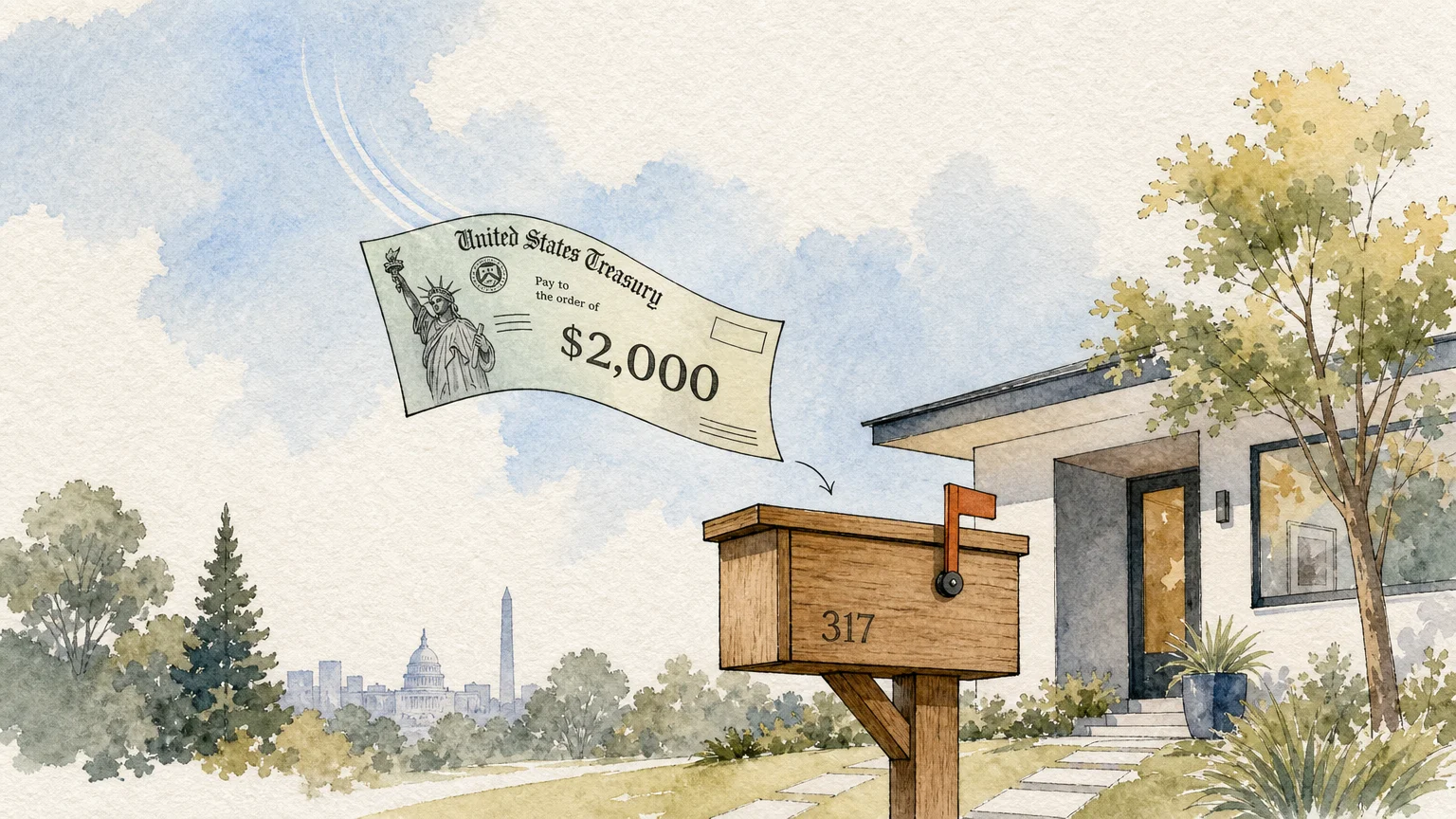
What the Latest Direct Payment Proposals Actually Mean
Federal lawmakers frequently float ideas for direct economic relief; these discussions often surface during periods of high inflation, shifting tariff policies, or major economic transitions. When you hear about a proposed $2,000 payment, it generally refers to a one-time cash disbursement authorized by Congress and distributed by the United States Treasury.
Unlike ongoing pension payouts or standard monthly income, these checks are typically structured as advance refundable tax credits. This legal classification determines exactly how the money interacts with the rest of your financial life.
For retirees, navigating a new influx of cash requires distinguishing between earned income, unearned income, and tax-exempt relief. If Congress structures the legislation similarly to the stimulus checks issued during the early 2020s, the payment acts as a nontaxable credit.
However, if the legislation ties the payment to specific tax revenues or dividend programs, the Internal Revenue Service might classify it as taxable income. This distinction acts as the primary domino that dictates whether your regular Social Security update will carry negative tax consequences later in the year.
You rely on a predictable budget. Introducing a sudden variable—even a highly positive one like a $2,000 check—forces you to recalibrate your tax strategies, Medicare planning, and daily withdrawal rates. Knowledge acts as your best defense against unexpected financial penalties.







I heard I’m eligible for a free roof. Is that true. Also a food card was supposed to be sent to me, still haven’t received it.
The biggest lie in our country is acting like economics on the federal level work the same as they do on a personal level. They do not! They are fundamentally different. The national debt is not what you are told it is and what you think it is. Read Stephanie Kelton’s book: The Deficit Myth.
This is what you get when you vote for criminals.
How do i find out how to receive this
$2;000 payment.
And we thought the tariffs would bring down the national debt. It’s never been so high like 43 billion. Come on, let’s get a grip.
If it was going to congress folks they would get it free of any tax or liability. But because its
going to regular citizens we will have to pay…dbl std as usual…e-i-e-i-o.
Wake me up when the funds are in my account.
I can sure use the $2000.00 payment to pay bills.
I welcome a $2,000 bump as a one-time non-taxable event as it will not effect my social security. Just send it as proposed and as promised and stop kicking the can down the road.