An average monthly Social Security benefit sits right around $2,026 in 2026, forcing millions of retirees on fixed incomes to ask a critical question: where can you actually afford to rent a comfortable home without depleting your savings? While exploding housing costs across major coastal metropolitan hubs squeeze fixed budgets beyond capacity, vast stretches of the American heartland offer vibrant communities where your monthly benefit check comfortably covers full rent payments. Moving to a low-cost state stretches your hard-earned benefits further, leaving substantial income for groceries, healthcare, utilities, and leisure. Discover ten affordable US states where a $2,000 monthly benefit keeps your retirement budget completely intact.
How a $2,000 Monthly Social Security Check Measures Up in 2026
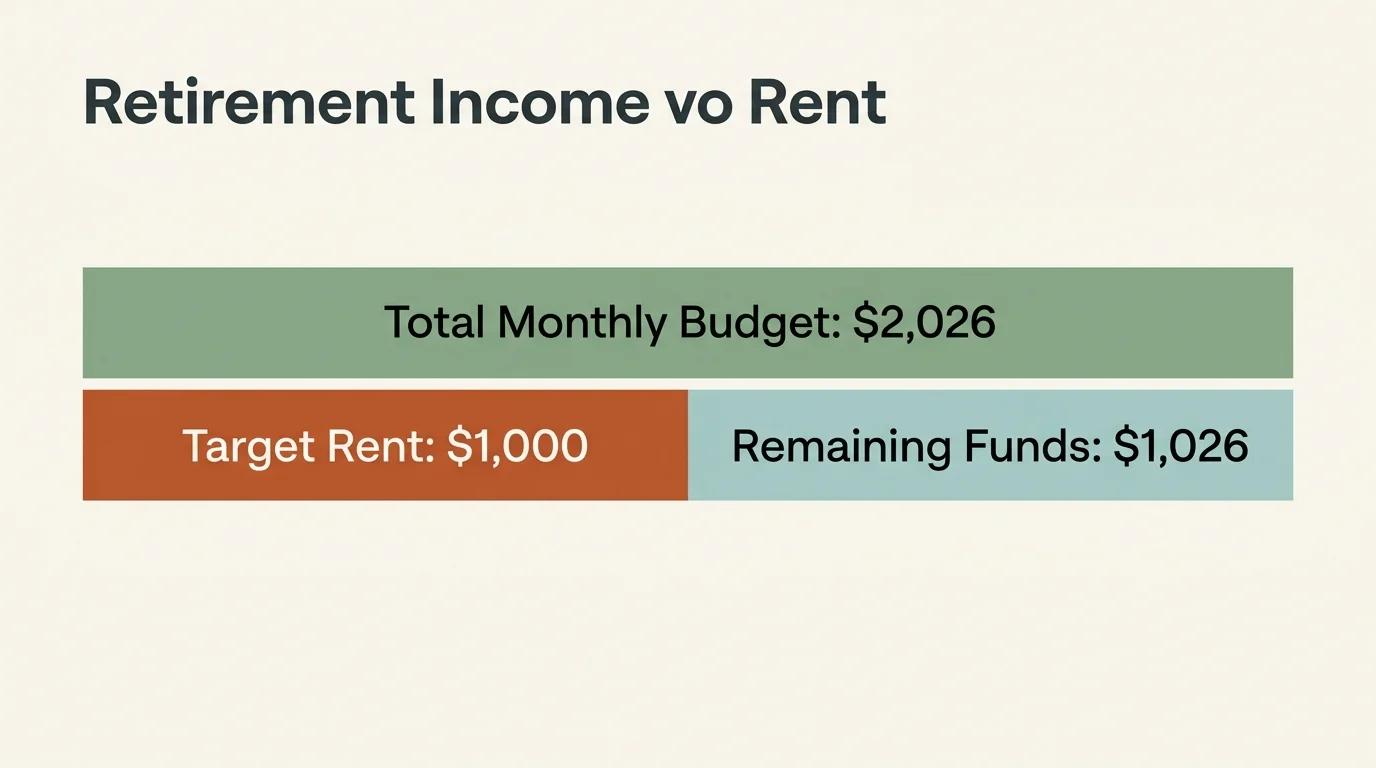
Stretching a fixed budget requires understanding exactly how monthly benefit checks line up against real-world living costs. Following a 2.8% Cost-of-Living Adjustment (COLA) implemented by the Social Security Administration, the average monthly benefit for retired workers sits between $2,026 and $2,082 per month. Meanwhile, national median rent metrics published by major housing trackers range from $1,750 to $2,006 per month, with national average one-bedroom apartments costing around $1,522. When rent swallows 75% to 100% of your gross check, meeting basic living standards becomes impossible without pulling funds from personal nest eggs.
The U.S. Department of Housing and Urban Development (HUD) establishes a foundational guideline for household stability: families should spend no more than 30% of their gross income on housing costs. Renting a home for $1,000 or less on a $2,000 monthly budget uses 50% of your income. While that exceeds HUD’s ideal benchmark, retaining $1,000 in disposable cash each month provides genuine financial relief compared to high-cost markets. Living in a state where median rents sit between $700 and $950 allows you to cover shelter costs outright while reserving ample funds for food, medical care, and transportation.
10 Affordable States Where Your Benefit Check Goes Further
Finding a location that aligns with your lifestyle and budget requires looking beyond headline figures. The following ten states offer housing options where typical rents consume well under half of a $2,000 Social Security payment.
1. West Virginia
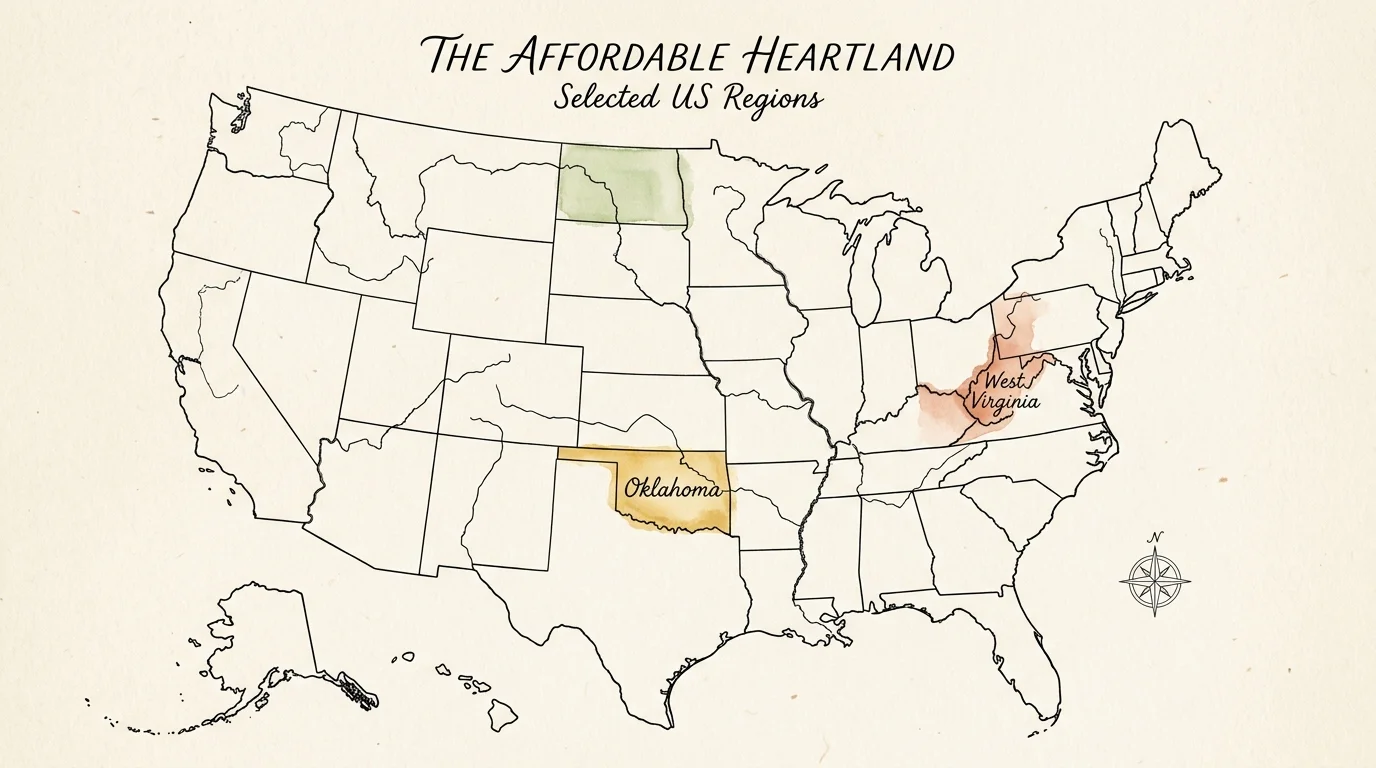
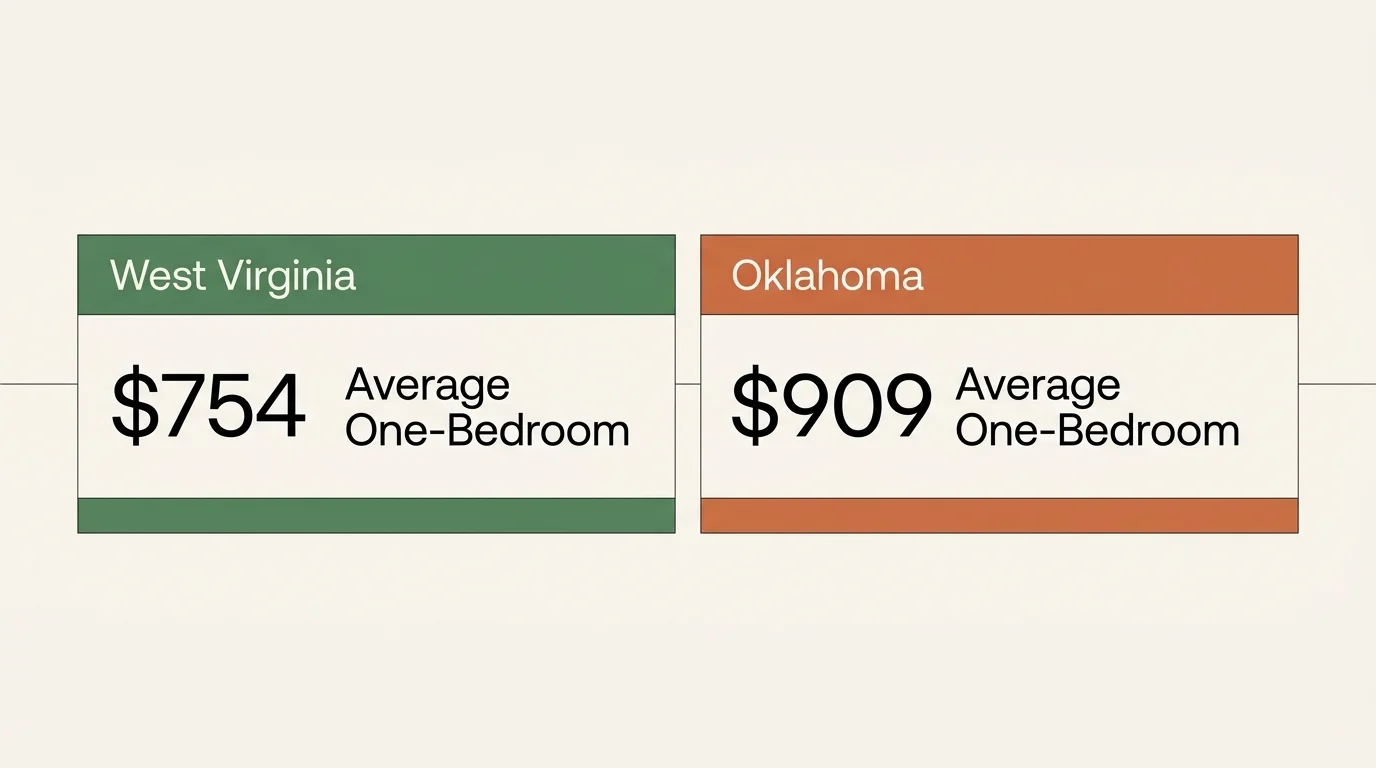
West Virginia offers some of the lowest housing costs anywhere in the nation. Median monthly rents across the mountain state range from $700 to $850, while average one-bedroom units sit around $754 per month. Cities like Huntington, Parkersburg, and Beckley deliver charming, historic living environments framed by stunning mountain scenery. Recent tax reforms phased out state income taxes on Social Security benefits for most retirees, which safeguards your cash flow. Selecting West Virginia allows you to reserve up to $1,246 every month for healthcare, groceries, and local recreation.
2. Oklahoma
Oklahoma delivers exceptional affordability across every major consumer category. The state boasts the lowest average one-bedroom rent in the nation at $909 per month, while comfortable studio apartments average just $798 per month. Urban centers like Tulsa and Oklahoma City feature modern medical infrastructure and rich cultural districts alongside sub-$1,000 rental properties. Furthermore, Oklahoma completely exempts Social Security benefits from state income taxes, ensuring that your full federal benefit stays inside your checking account.
3. North Dakota
North Dakota maintains exceptional economic stability alongside low cost-of-living metrics. Average statewide rents fluctuate between $821 and $831 per month, providing reliable housing options well below half your benefit check. Communities like Fargo, Grand Forks, and Bismarck present low crime rates, excellent healthcare systems, and well-maintained public infrastructure. While winter weather requires adequate heating budgets, low core shelter costs leave significant margin to absorb seasonal utility fluctuations.
4. Iowa
Iowa offers a balanced blend of Midwestern hospitality, top-tier medical care, and low housing overhead. The statewide average monthly rent sits at $895. Regional hubs such as Cedar Rapids, Davenport, and Mason City provide active senior centers, robust public library systems, and accessible transit. Iowa repealed its state tax on retirement income—including pensions, 401(k) withdrawals, and Social Security—making it an attractive landing spot for retirees seeking to maximize retirement dollars.
5. Arkansas
Arkansas combines scenic natural beauty with remarkably low housing costs. Typical one-bedroom monthly rents range between $600 and $1,000, with state median rents averaging approximately $956. Towns like Fort Smith, Jonesboro, and Hot Springs feature outdoor recreation, mild winters, and affordable health facilities. Arkansas does not tax Social Security income, allowing you to settle into a relaxed Southern environment without paying state tax on your primary benefit.
6. Mississippi
Mississippi ranks among the most wallet-friendly states in the nation, with overall housing expenses running 25% below national averages. Average two-bedroom rental units cost approximately $991 per month, meaning single retirees can easily find one-bedroom properties well below $800. Coastal areas like Gulfport and university towns like Hattiesburg offer vibrant cultural calendars. Mississippi exempts all qualified retirement income—including Social Security, IRAs, and private pensions—from state income tax.
7. Kansas
Kansas presents clean, peaceful communities with extremely competitive housing options. Average two-bedroom rents across the state sit around $995 per month. In major markets like Wichita, over 50% of available rental properties lease for under $1,000 per month. Kansas offers efficient highway networks, rich agricultural markets with low grocery prices, and outstanding community health networks. Lower rental overhead leaves significant monthly margin for private healthcare expenses and daily travel.
8. Alabama
Alabama gives retirees access to warm southern weather and gulf coast proximity without high living costs. Average one-bedroom rents range between $900 and $950 per month, with more than 42% of all leased homes renting for under $1,000. Communities like Mobile, Montgomery, and Decatur provide historic appeal alongside expansive healthcare systems. Alabama exempts Social Security benefits and defined-benefit pensions from state income taxation, protecting your monthly check from state tax burdens.
9. Indiana
Indiana serves as a ideal option for retirees desiring proximity to major Midwestern transportation hubs and high-grade medical networks. Average one-bedroom rents statewide consistently sit between $900 and $950 per month. Cities like Fort Wayne, Evansville, and Terre Haute feature diverse housing choices, active civic groups, and affordable dining options. Indiana maintains a flat state income tax structure while exempting Social Security benefits entirely from state taxation.
10. Missouri
Missouri wraps up the list with strong economic value and varied geographic landscapes ranging from quiet farmlands to the Ozark Mountains. Median one-bedroom rents average between $920 and $980 per month. Cities like Springfield, Joplin, and St. Joseph provide affordable healthcare hubs and active senior communities. Missouri recently enacted legislation eliminating state income tax on Social Security benefits, ensuring you preserve your full check each month.
State Rental Comparison: Key Costs at a Glance
Evaluating state housing metrics helps you quickly compare essential financial variables. The table below outlines average one-bedroom rental costs, residual funds remaining from a $2,000 check, and state tax policies regarding Social Security benefits.
| State | Average 1-Bed Rent | Est. Residual Funds ($2,000 Benefit) | Social Security Tax Status |
|---|---|---|---|
| West Virginia | $754 | $1,246 | Exempt for most taxpayers |
| Oklahoma | $909 | $1,091 | Fully Exempt |
| North Dakota | $826 | $1,174 | Exempt for low/moderate income |
| Iowa | $895 | $1,105 | Fully Exempt |
| Arkansas | $956 | $1,044 | Fully Exempt |
| Mississippi | $820 | $1,180 | Fully Exempt |
| Kansas | $880 | $1,120 | Exempt under statutory income thresholds |
| Alabama | $925 | $1,075 | Fully Exempt |
| Indiana | $925 | $1,075 | Fully Exempt |
| Missouri | $950 | $1,050 | Fully Exempt |

Beyond Rent: Calculating the True Cost of Living on Fixed Income
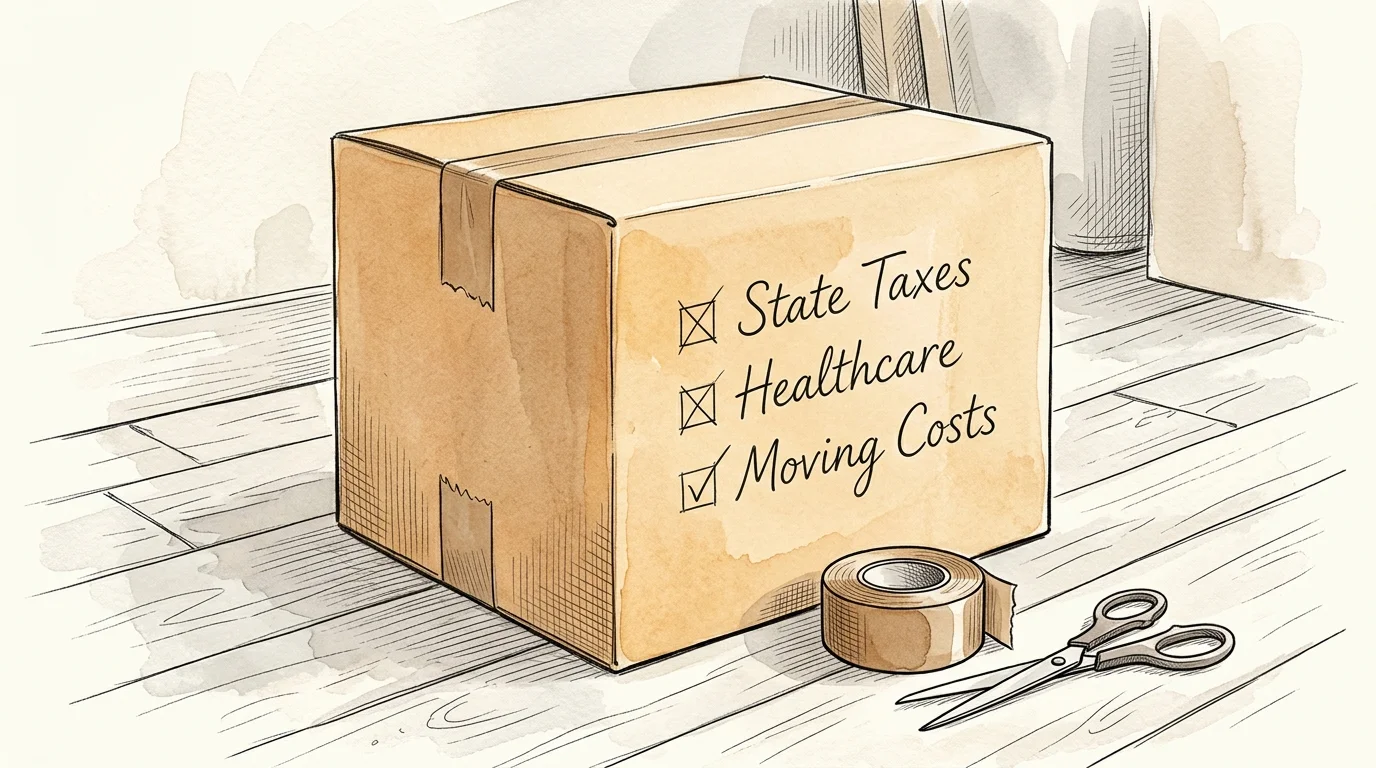
Relocating for affordable rent solves an immediate monthly budget challenge, but housing costs form only one part of your overall expense sheet. To maintain long-term stability, you must evaluate total living costs across your target destination.
Utilities can significantly impact monthly spending. Cold northern winters in North Dakota require higher heating budgets, whereas hot summers in Mississippi or Alabama drive up cooling bills. Furthermore, sales taxes vary widely. Some states balance zero income tax policies by charging high local sales tax on everyday goods and groceries, which quickly erodes your monthly savings.
Healthcare costs demand equal scrutiny. Check whether your target region maintains comprehensive hospital networks and adequate specialist coverage. Enrolling in primary coverage through Medicare provides broad access, but local network depth determines how far you must travel for complex treatments. You must analyze your complete monthly cash flow rather than focusing exclusively on apartment rental listings.
“You must look at your total cash flow, not just the shelter component, because healthcare premiums and local taxes can eat up any savings you gain on lower rent.” — Suze Orman, Personal Finance Author & Host
Pitfalls to Watch For When Relocating in Retirement
Moving across state lines during retirement involves logistical and financial considerations that require careful planning. Steer clear of these common pitfalls when selecting an affordable retirement destination:
- Healthcare Deserts: Selecting a remote rural property with sub-$700 rent might seem appealing initially, but living hours away from quality hospital networks increases emergency risks and transit expenses.
- Local Tax Nuances: Even in states that exempt Social Security, municipal service fees, local personal property taxes, and elevated county sales taxes can diminish expected savings.
- Medicare Coverage Gaps: Original Medicare travels with you anywhere in the nation, but if you rely on a Medicare Advantage plan, moving out of your service area forces you to switch plans. Verify provider network availability before signing a new lease.
- Isolation Costs: Moving far away from family networks can increase travel costs and force you to pay out-of-pocket for assistance that family members previously provided free of charge.
“Simplicity is the key to financial success. Lowering your core fixed expenses gives you immediate freedom and flexibility.” — John Bogle, Founder of Vanguard

Getting Expert Help with Your Retirement Relocation
Relocating on a fixed budget can introduce complex financial variables that benefit from professional guidance. Consider consulting a qualified professional in the following situations:
- Cross-State Tax Transitions: A Certified Public Accountant (CPA) can review how changing state residency affects your overall tax liability, pension distributions, and IRA withdrawals.
- Medicare Network Optimization: An independent health insurance broker can verify whether your preferred medications and physicians align with plans available in your prospective zip code.
- Retirement Cash-Flow Audits: A Certified Financial Planner (CFP) listed through the CFP Board can stress-test your $2,000 monthly benefit against long-term inflation, helping you maintain purchasing power over time.
Frequently Asked Questions About Retiring on Social Security
Does Social Security income get taxed by state governments?
Most states do not tax Social Security benefits. As of 2026, only a small minority of states impose state-level income tax on benefits, and many offer full or partial exemptions depending on your overall income level.
Can I receive my full Social Security check if I move to another state?
Yes. Federal Social Security retirement benefits remain identical regardless of which US state you move to, as benefits depend on your lifetime earnings record rather than your zip code.
How do I transfer Medicare coverage when moving to a lower-cost state?
Original Medicare (Parts A and B) covers you nationwide with any participating provider. However, if you enroll in a Medicare Advantage (Part C) or Prescription Drug (Part D) plan, you must notify Medicare and choose a new local plan operating in your new service area within a special enrollment window.
What is the 30 percent housing rule for retirees on a fixed income?
The Department of Housing and Urban Development recommends spending no more than 30 percent of your gross income on housing. On a $2,000 monthly income, ideal housing costs sit near $600 per month, though finding rents under $1,000 still leaves substantial breathing room compared to national averages.
Taking Your Next Steps Toward Affordable Retirement
Living comfortably on a $2,000 monthly Social Security check is entirely possible when you choose a state that respects fixed budgets. By moving away from hyper-inflated markets into welcoming communities across states like West Virginia, Oklahoma, or Iowa, you can instantly regain control over your financial health. Start by making a detailed list of your healthcare priorities, ideal weather preferences, and social needs, then cross-reference those factors with local rental markets.
Take time to research specific neighborhoods, explore local medical infrastructure online, and visit prospective towns before signing a lease contract. Establishing a stable living situation in an affordable state allows you to spend your retirement years enjoying life rather than stressing over monthly rent payments.
This article provides general retirement education and information only. Everyone’s financial situation is unique—what works for others may not work for you. For personalized advice, consider consulting a qualified financial professional such as a CFP or CPA.
Last updated: February 2026. Retirement benefits, tax laws, and healthcare costs change frequently—verify current details with official sources.