
Entering retirement with debt changes how your money behaves once your regular paychecks stop. Carrying balances into your post-career years reshapes cash flow, alters tax liabilities, and dictates which assets creditors can legally touch.
Understanding federal collection exemptions and account protections allows you to safeguard your nest egg. It also prevents costly withdrawal mistakes that trigger avoidable taxes and higher healthcare premiums.
From Social Security garnishment rules to estate liabilities, specific statutes dictate what happens to your unpaid balances. Here is what you must navigate to protect your retirement security.
The Growing Reality of Debt in Retirement
Entering retirement without liabilities was once the universal standard. Today, carrying debt into your post-working years has become a widespread reality for millions of older Americans.
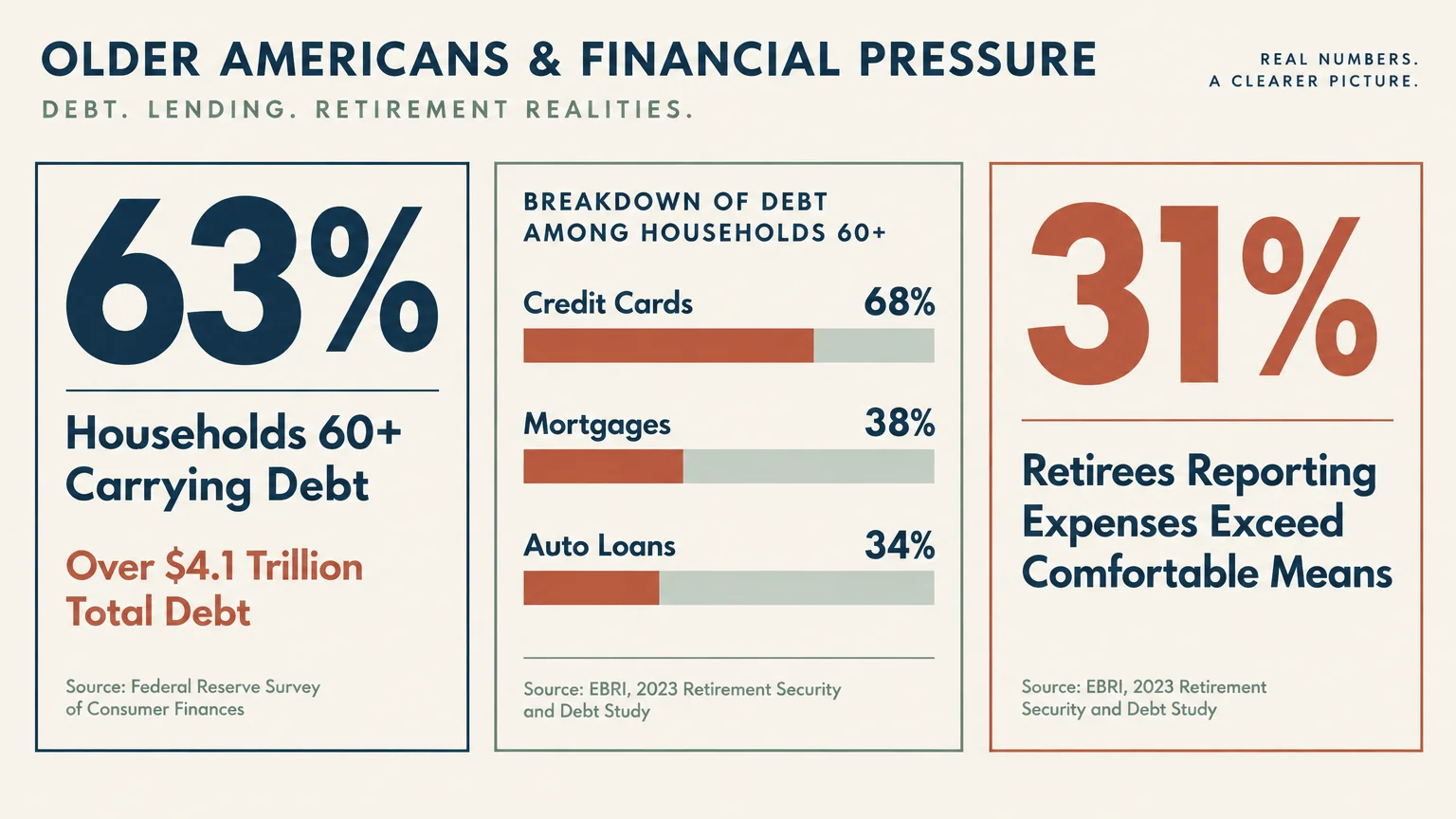
According to the Federal Reserve Survey of Consumer Finances, approximately 63% of American households headed by adults aged 60 and older carry debt. Across this demographic, total household debt exceeds $4.1 trillion.
A study by the Employee Benefit Research Institute found that 68% of indebted retirees carry credit card balances. Meanwhile, 38% carry mortgage debt and 34% maintain vehicle loans.
Additionally, 31% of retirees report that their ongoing expenses exceed what they can comfortably afford. These figures show why managing liabilities requires active, deliberate planning.
1. Fixed Incomes Amplify the Damage of High-Interest Balances
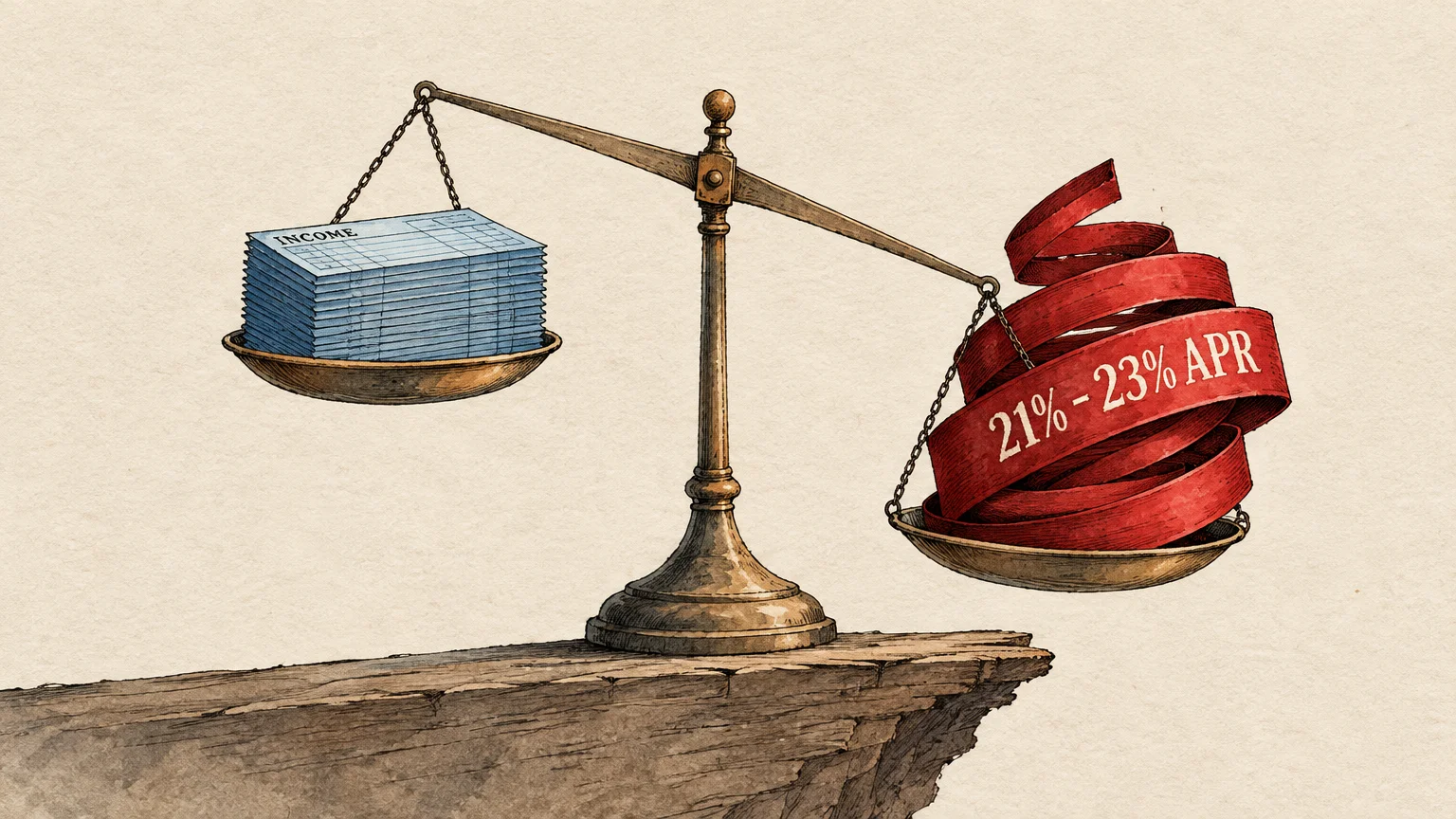
When you earned a regular paycheck, future wage increases or career bonuses could absorb escalating balances. In retirement, your income remains largely static.
Federal Reserve commercial bank data shows credit card interest rates averaging between 21% and 23%. At these rates, minimum monthly payments consume cash needed for essential living expenses.
Unlike mortgages with fixed schedules, revolving credit card debt creates an accelerating deficit. Every dollar diverted toward compounding interest leaves fewer resources for food, housing, and healthcare.
For research on managing everyday living expenses on a fixed budget, consult educational tools from AARP.
2. Social Security Gains Federal Immunity from Consumer Creditors
Retirees often fear that aggressive debt collectors will seize their monthly retirement checks. Fortunately, federal law provides robust safeguards for your guaranteed income.
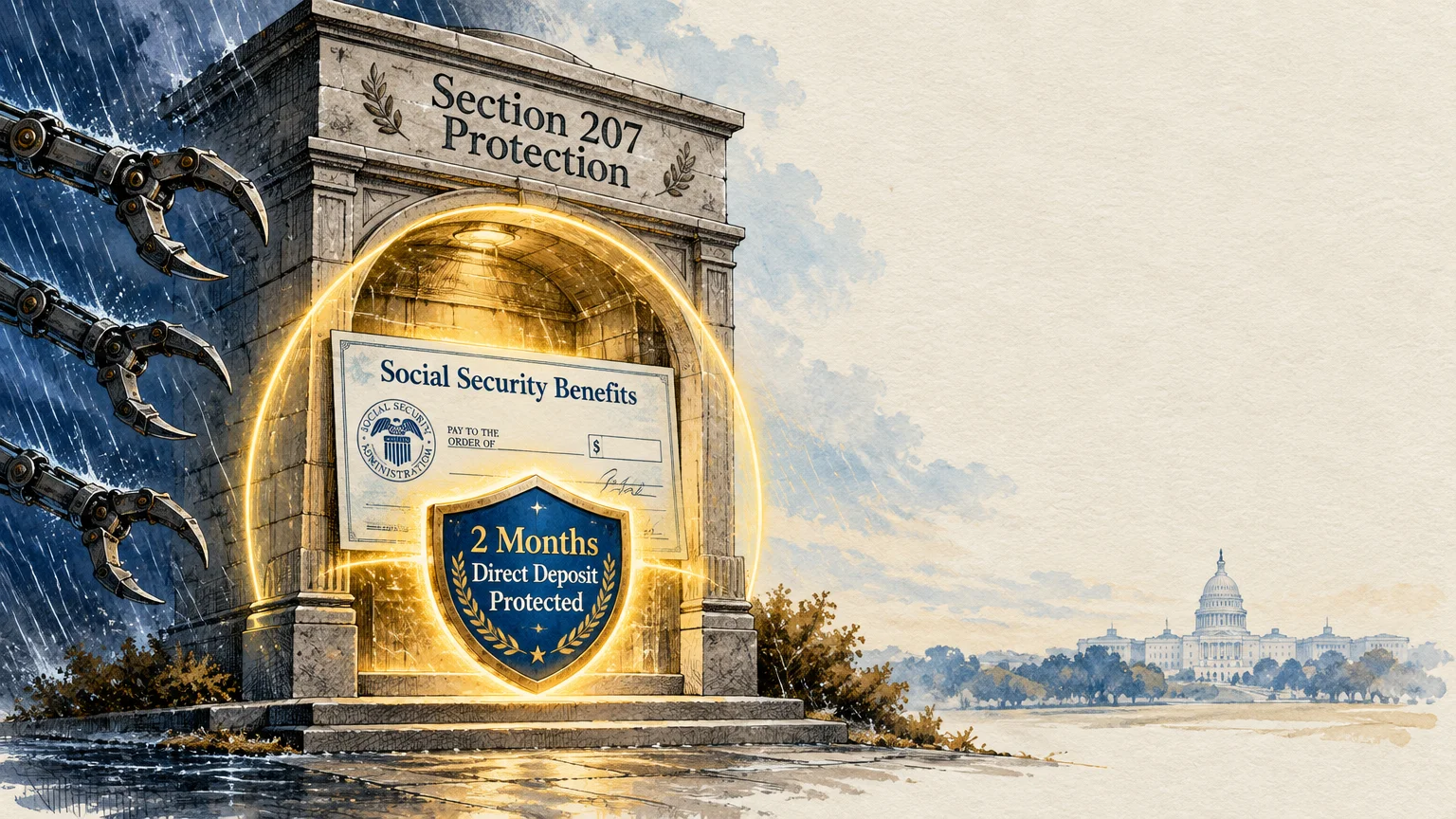
Under Section 207 of the Social Security Act, unsecured commercial creditors cannot garnish your Social Security benefits. This statutory protection covers credit card companies, medical debt collectors, and personal loan lenders.
Creditors cannot obtain court orders to freeze direct-deposited Social Security funds in your bank account. Federal regulations require banks to automatically protect two months of direct-deposited federal benefits.
To learn more about your rights against aggressive collectors, review guidelines published by the Consumer Financial Protection Bureau.
3. Federal Debts and Domestic Obligations Bypass Your Protections
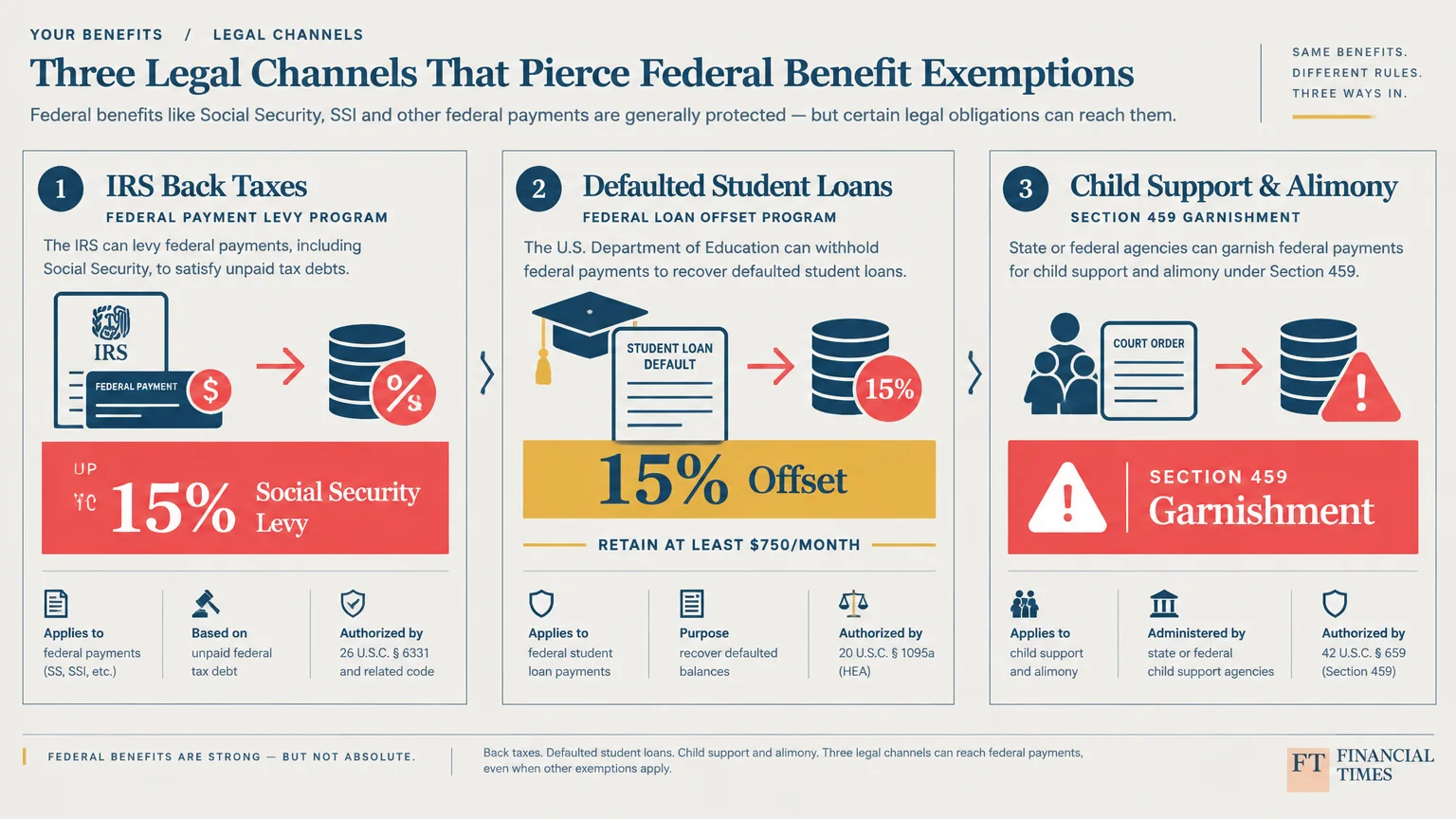
While consumer creditors cannot touch your Social Security check, government entities operate under separate legal authorities. Specific obligations can pierce federal benefit exemptions.
Under the Federal Payment Levy Program, the Internal Revenue Service can levy up to 15% of your monthly Social Security payments for delinquent back taxes.
Defaulted federal student loans are also subject to a Treasury offset of up to 15%. However, federal regulations mandate that you must retain at least $750 per month in benefits.
Court-ordered family obligations carry the most aggressive garnishment allowances. Under Section 459 of the Social Security Act, child support or alimony enforcement can seize between 50% and 65% of your monthly check.
You can review statutory payment reductions and garnishment limitations directly through the Social Security Administration.
4. ERISA Plans Shield Your Nest Egg, but IRAs Depend on State Laws
Your employer-sponsored retirement plans possess powerful legal armor against private creditor claims. These federal protections ensure that creditors cannot seize your workplace savings outside of bankruptcy.
The Employee Retirement Income Security Act (ERISA) includes strict anti-alienation provisions. These rules protect traditional 401(k)s, 403(b)s, and defined-benefit pensions from commercial lawsuits and collection judgments.
Individual Retirement Accounts follow different legal standards. In federal bankruptcy proceedings, the Bankruptcy Abuse Prevention and Consumer Protection Act shields contributory IRAs up to $1,711,975 through March 2028.
Outside of formal bankruptcy, state statutes determine whether commercial creditors can reach your IRA assets. Some states offer unlimited protection, while others expose IRA balances to civil court judgments.
Rollover funds originating from ERISA plans generally retain unlimited bankruptcy protection. Understanding the distinction between account types is vital before moving funds.
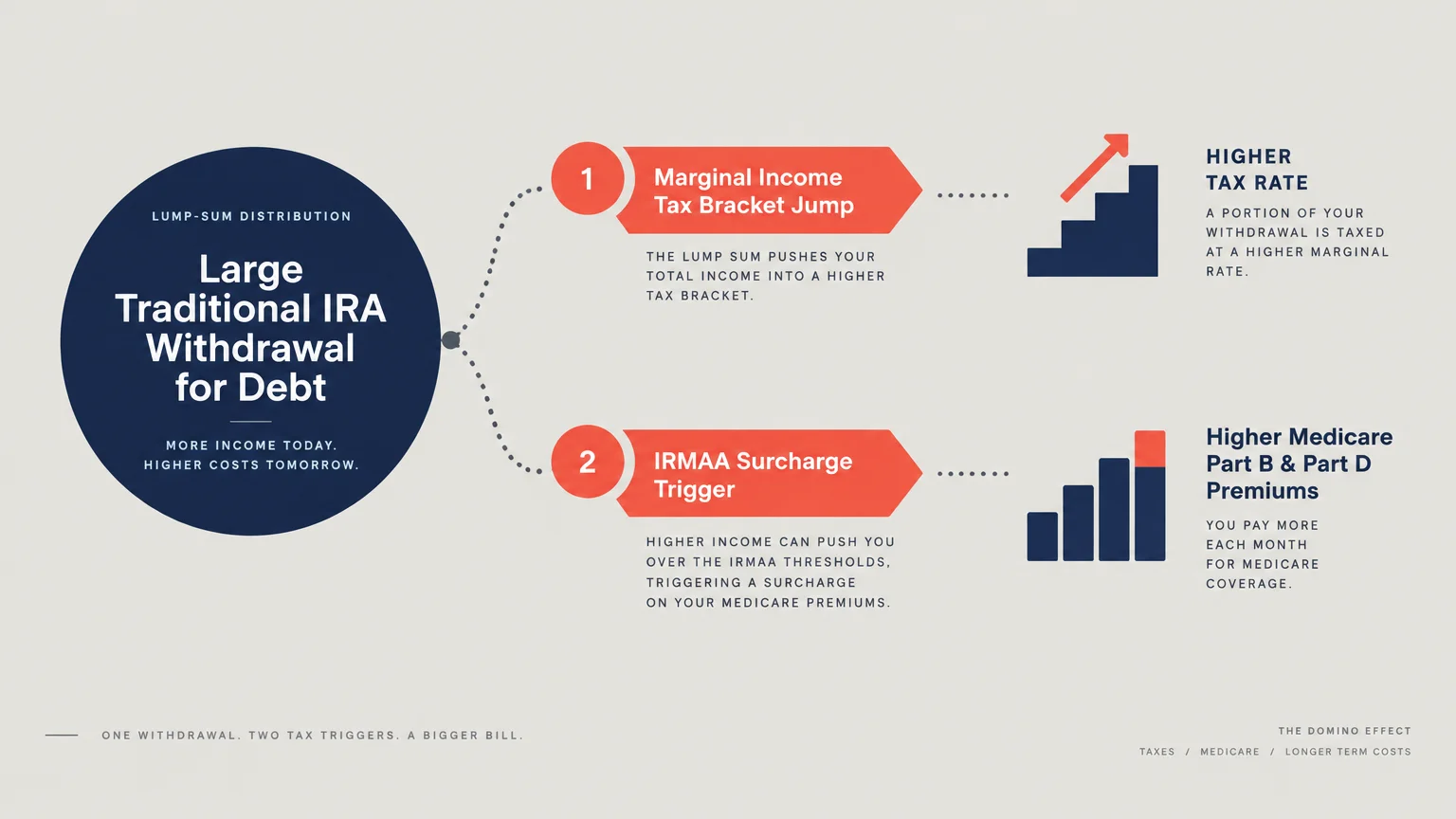
5. Lump-Sum Debt Payoffs Can Trigger Severe Tax and Medicare Penalties
Many new retirees attempt to eliminate outstanding debt by taking large, single withdrawals from tax-deferred accounts. This reactive approach frequently creates catastrophic secondary expenses.
Every dollar withdrawn from a traditional 401(k) or IRA counts as ordinary taxable income. Taking a $60,000 distribution to eliminate debt can instantly push you into a substantially higher federal tax bracket.
Spiking your adjusted gross income can also trigger Medicare Income-Related Monthly Adjustment Amounts (IRMAA). These surcharges significantly increase your Part B and Part D premiums two years later.
Furthermore, elevated income causes up to 85% of your Social Security benefits to become subject to income taxation. Sudden liquidations often cost far more than the underlying debt itself.
“The single biggest mistake retirees make is pulling large lump sums from pre-tax accounts without calculating the tax ripple effect.” — Ed Slott, CPA and Retirement Specialist
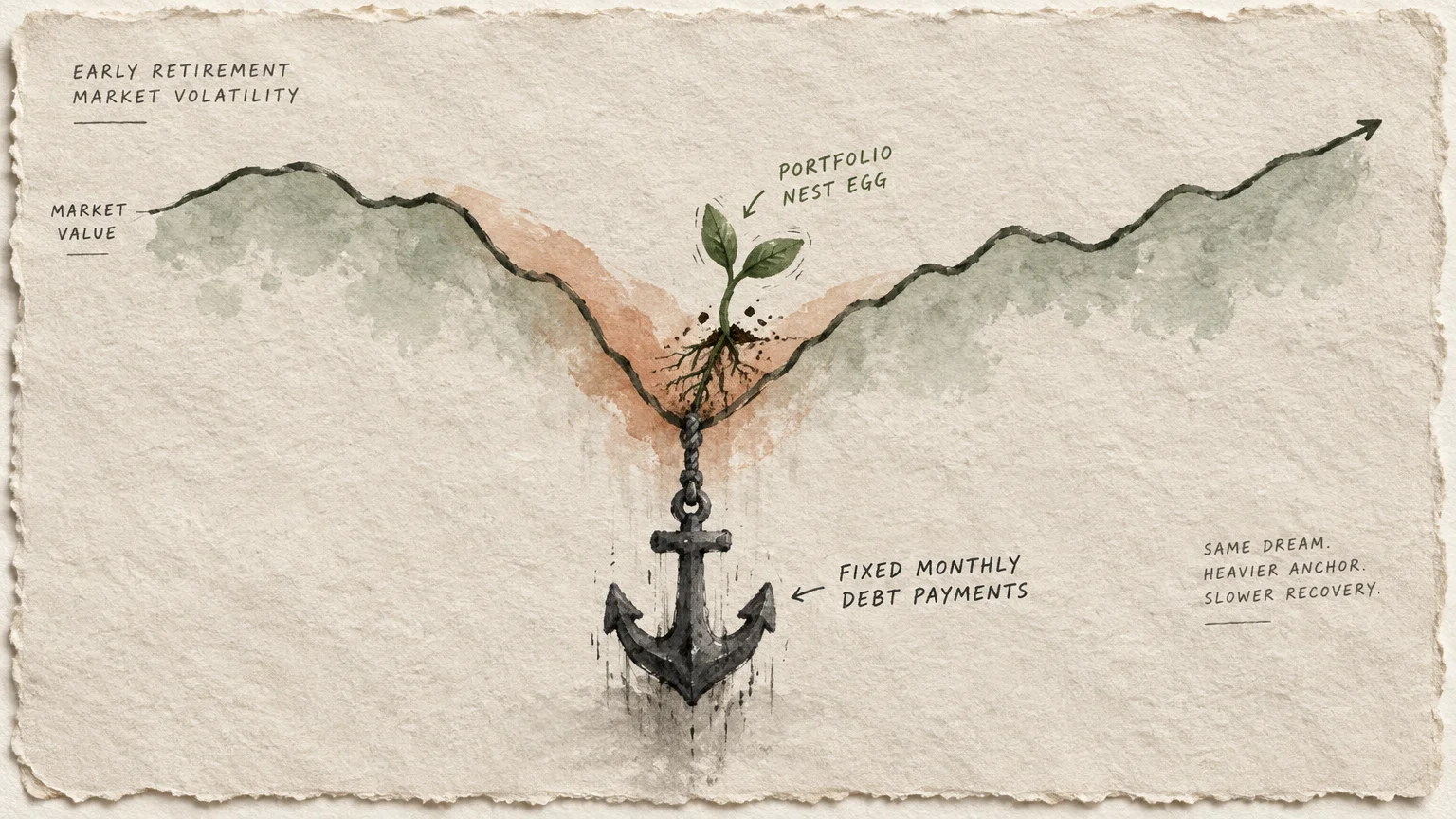
6. Ongoing Debt Service Magnifies Sequence of Returns Risk
Retiring with required monthly debt payments forces you to withdraw a fixed dollar amount from your investment portfolio regardless of market conditions.
When the stock market drops, liquidating depressed equities to cover credit card bills or mortgage payments locks in paper losses. This dynamic is known as sequence of returns risk.
Selling shares at a discount permanently reduces your portfolio’s earning base. Once depleted, your nest egg cannot generate the compound growth required to sustain your lifestyle over a thirty-year retirement.
For technical breakdowns of portfolio withdrawal sustainability during market downturns, review tutorials on Investopedia.

7. Your Unpaid Balances Target Your Estate, Not Your Heirs
Many retirees worry that unpaid credit balances will pass down to burden their surviving children. Under standard U.S. probate law, unsecured consumer debt belongs exclusively to the borrower.
Your children do not inherit your credit card debt or medical bills unless they signed as a co-borrower or joint account holder. Creditors must seek payment solely from your probate estate.
Estate executors must satisfy valid creditor claims using probate assets before distributing remaining property to heirs. If your estate lacks sufficient funds to cover the debt, the balances are written off.
Assets with contractual beneficiary designations—such as IRAs, 401(k) accounts, and life insurance policies—bypass probate entirely. These funds pass directly to your designated heirs, protected from general estate creditors.
However, surviving spouses living in community property states face different rules. In states like California, Texas, and Washington, debts incurred during marriage may legally obligate the surviving spouse.
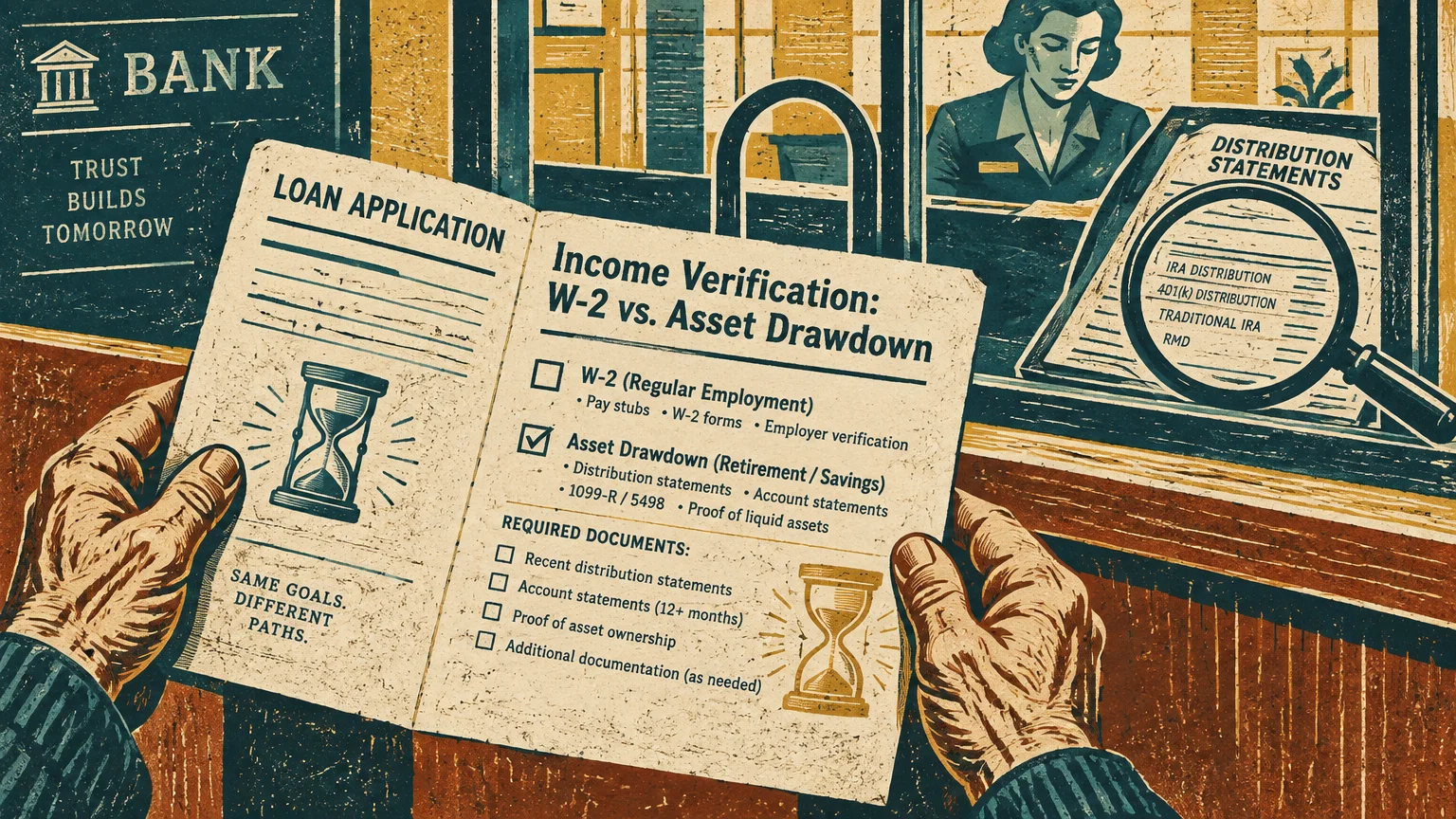
8. Borrowing Options Shrink Due to Stricter Income Verification
Carrying debt into retirement reduces your financial agility if you ever need to refinance or restructure obligations. Lenders evaluate borrowing capacity based on debt-to-income (DTI) ratios.
Because post-career income is often lower than peak working wages, existing monthly payments consume a much larger percentage of your verifiable cash flow.
This elevated ratio makes securing home equity loans, reverse mortgages, or low-interest balance transfer cards much harder. The resources you relied on to manage debt during your career may vanish.

9. Financial Strain Undermines Physical and Emotional Well-Being
Debt does not just strain your bank account; it takes a measurable physical toll. Chronic financial worry elevates cortisol levels, accelerates cognitive decline, and impairs sleep quality among older adults.
Retirees managing unmanageable payments frequently cut corners on critical healthcare needs. Many delay preventive medical appointments or skip prescribed maintenance medications to service monthly bills.
Retirement should provide freedom and security after decades of hard labor. Carrying relentless financial obligations transforms your golden years into an enduring source of daily anxiety.
“Debt is the biggest dream killer in retirement. You cannot afford to carry yesterday’s liabilities when living on tomorrow’s savings.” — Suze Orman, Personal Finance Author and Host

Comparing How Different Debts Behave in Retirement
Not all liabilities carry the same legal weight or financial consequences in retirement. The table below outlines how various forms of debt interact with federal protections and estate administration.
| Debt Category | Social Security Garnishable? | ERISA 401(k) Garnishable? | Transfers to Surviving Heirs? | Primary Financial Risk |
|---|---|---|---|---|
| Credit Card Balances | No (Protected under Section 207) | No | No (Paid only by probate estate) | High interest compounding at 21%–23% |
| Residential Mortgages | No | No | No (Heir must assume loan to keep home) | Foreclosure and loss of home equity |
| Delinquent Federal Taxes | Yes (Up to 15% via Treasury offset) | Yes (Federal tax liens attach to plans) | No (Estate must satisfy tax claims) | Direct loss of monthly guaranteed income |
| Defaulted Federal Student Loans | Yes (Up to 15%, leaving $750 floor) | No | No (Discharged upon death of borrower) | Immediate benefit reduction |
| Past-Due Medical Debt | No (Protected under Section 207) | No | No (Subject to community property laws) | Probate depletion and credit score damage |

Pitfalls to Watch For
Retirees managing liabilities face several dangerous traps that can permanently compromise their long-term solvency.
- Draining Home Equity Prematurely: Taking high-fee cash-out refinances or poorly structured reverse mortgages can leave you without housing options later in life.
- Co-Signing Loans for Family Members: Guaranteeing student loans or auto purchases for children or grandchildren exposes your assets to third-party default risks.
- Paying Unsecured Collectors First: Panicking over aggressive collection calls and prioritizing credit card bills over essential food, medicine, and utilities.
- Ignoring Beneficiary Designations: Failing to name direct beneficiaries on accounts causes assets to pass through probate, exposing them to creditor claims.
- Making Unplanned 401(k) Withdrawals: Forgetting that distributions raise your taxable income, potentially triggering Medicare premium surcharges.

Getting Expert Help
Resolving debt in retirement often requires specialized legal and financial knowledge. You should seek qualified professional guidance in several clear scenarios.
First, consult a fee-only Certified Financial Planner (CFP) if you need a tax-efficient withdrawal strategy to pay down balances without triggering IRMAA surcharges.
Second, meet with an accredited non-profit credit counselor from the National Foundation for Credit Counseling (NFCC) if credit card interest is outpacing your monthly budget.
Third, consult an elder law or estate planning attorney if you live in a community property state or need to protect assets for a surviving spouse.
Finally, speak with a consumer bankruptcy attorney if your unsecured liabilities exceed your non-exempt assets and collection lawsuits threaten your bank accounts.
Frequently Asked Questions
Can credit card companies take my house in retirement?
In most cases, unsecured credit card companies cannot immediately seize your home. However, if a creditor sues you and obtains a court judgment, they may place a judgment lien against your property.
State homestead exemption laws protect varying amounts of equity from forced sales. The creditor typically receives payment only when you sell or refinance the home.
What does it mean to be judgment proof as a retiree?
Being judgment proof means your income and assets are legally exempt from creditor seizure. If your only income is Social Security and you have minimal non-exempt assets, creditors cannot collect on civil judgments.
Collectors can still file lawsuits and damage your credit report, but they cannot legally garnish your protected funds.
Do medical debts disappear when I turn 65 and enter Medicare?
Turning 65 and enrolling in Medicare does not erase prior healthcare debts. You remain personally responsible for any unpaid medical expenses incurred before or after Medicare enrollment.
However, medical debt cannot garnish your Social Security benefits, and recent credit bureau policy changes have removed paid medical collections from credit reports.
Should I pay off my mortgage before retiring?
Eliminating a mortgage removes your largest monthly fixed expense and lowers the income needed to cover basic living costs. This reduction significantly decreases portfolio withdrawal pressure.
However, liquidating pre-tax retirement accounts to pay off a low-interest mortgage can trigger heavy income taxes. Compare your mortgage interest rate against the tax cost of withdrawing funds.
Protecting Your Financial Freedom
Carrying debt into retirement requires you to replace emotional anxiety with an understanding of federal protections, tax rules, and estate laws. Prioritize your essential living expenses, maintain your health coverage, and shield your exempt income streams.
By modeling distributions carefully and using legal exemptions, you can neutralize high-interest balances while keeping your retirement secure.
This is educational content based on general retirement planning principles. Individual results vary based on your situation. Always verify current benefit amounts, tax laws, and eligibility with official sources.
Last updated: February 2026. Retirement benefits, tax laws, and healthcare costs change frequently—verify current details with official sources.