
Finding the right senior living campus protects your financial independence and shapes your daily peace of mind for decades. Looking past polished staging reveals whether a neighborhood genuinely delivers high-quality care and social fulfillment.
The best retirement communities combine fiscal stability, transparent contracts, and an engaged resident culture. Recognizing these qualities early guarantees that your new home can adapt seamlessly as your personal needs evolve.
Here are ten proven signs that a retirement community is genuinely worth joining, backed by industry standards and resident satisfaction benchmarks.
1. Transparent Pricing and Predictable Fee Structures
Clear financial terms separate reputable operators from predatory developments. When choosing a retirement community, you should receive a complete breakdown of base housing expenses, utilities, and ancillary healthcare charges during your first visit.
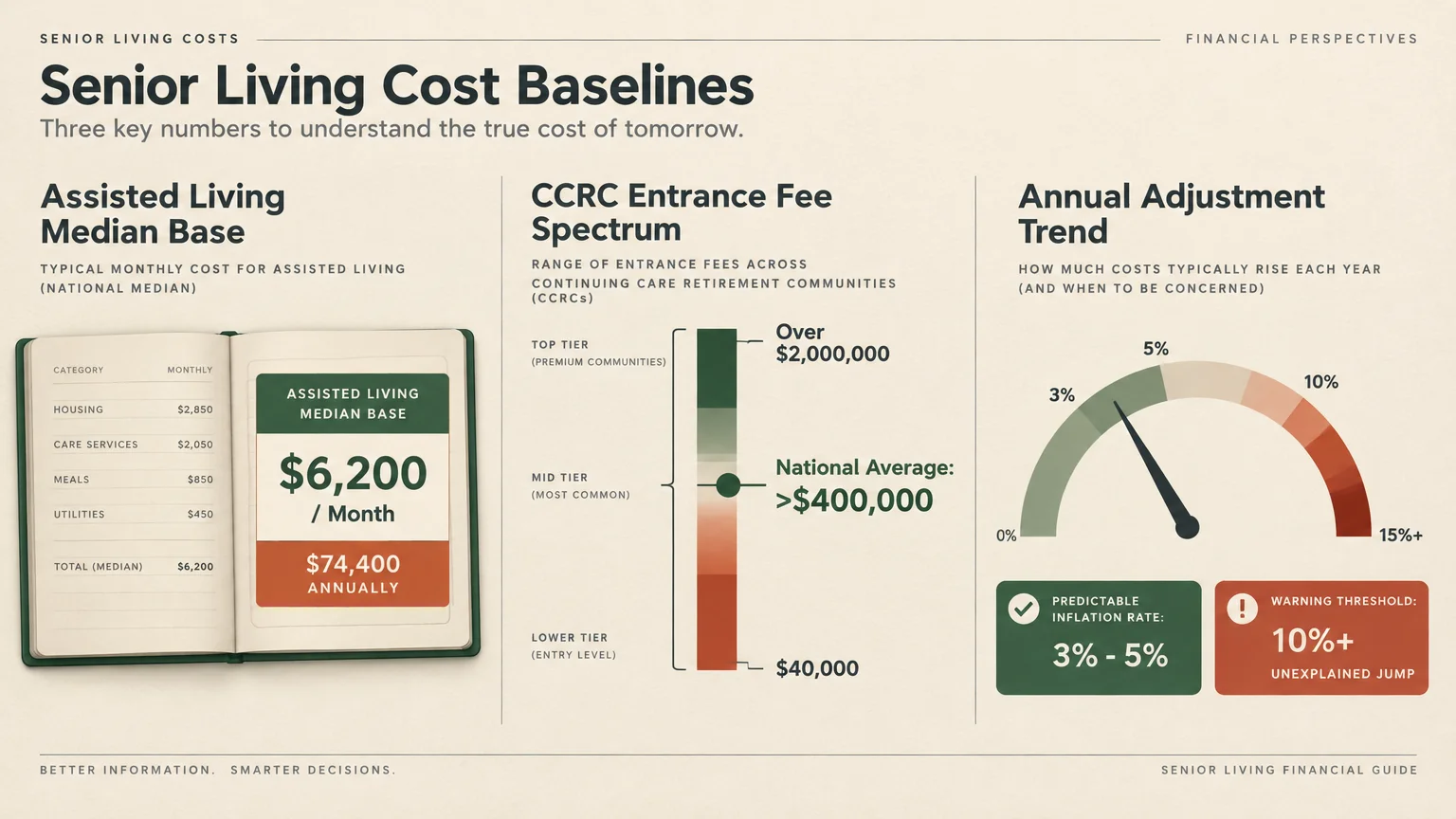
The national median cost for assisted living reached $6,200 per month—or $74,400 annually—according to the CareScout and Genworth Cost of Care Survey. Quality communities outline exactly which services that baseline fee covers.
If you consider a Continuing Care Retirement Community (CCRC), evaluate the entrance fee structure carefully. Entrance fees often range from $40,000 to over $2 million, with national averages exceeding $400,000 according to data from AARP.
Trustworthy operators supply five-year historical records of annual rate adjustments without hesitation. Predictable yearly increases of 3% to 5% match inflation; unexplained jumps of 10% or more signal severe administrative mismanagement.
Inquire specifically about tiered care charges before signing. You must know whether minor medication reminders or mobility help trigger immediate, unbudgeted price increases.
2. Stable Occupancy Rates and Audited Financial Health
A retirement community cannot maintain high clinical and hospitality standards without underlying financial solvency. Occupancy numbers provide an immediate snapshot of market demand, management competence, and resident retention.
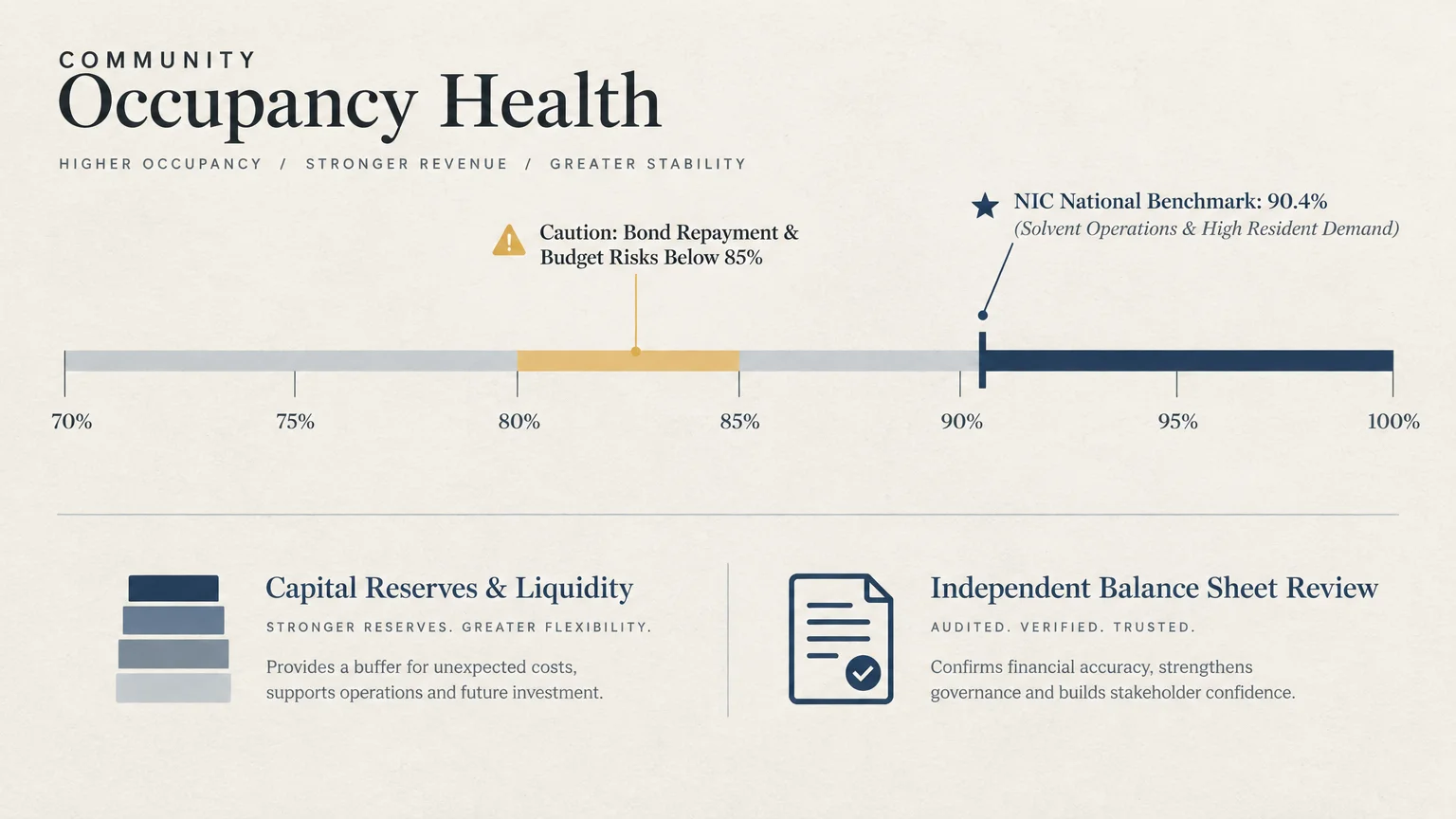
Data from the National Investment Center for Seniors Housing & Care (NIC) shows national senior living occupancy above 90.4%. High occupancy rates demonstrate that families trust the operator and value the living experience.
Conversely, an occupancy rate lingering below 80% to 85% represents a serious red flag. Underpopulated campuses struggle to cover bond payments, which often leads to budget cuts and reduced activity programming.
Ask to inspect the community’s recent audited financial statements and capital reserve studies. Financially resilient organizations willingly share balance sheets that demonstrate sufficient liquidity and manageable debt ratios.
3. Independent Third-Party Accreditation
Meeting baseline municipal building codes and state licensing minimums is mandatory for any commercial property. However, elite senior living providers pursue voluntary, comprehensive accreditations from independent oversight organizations.
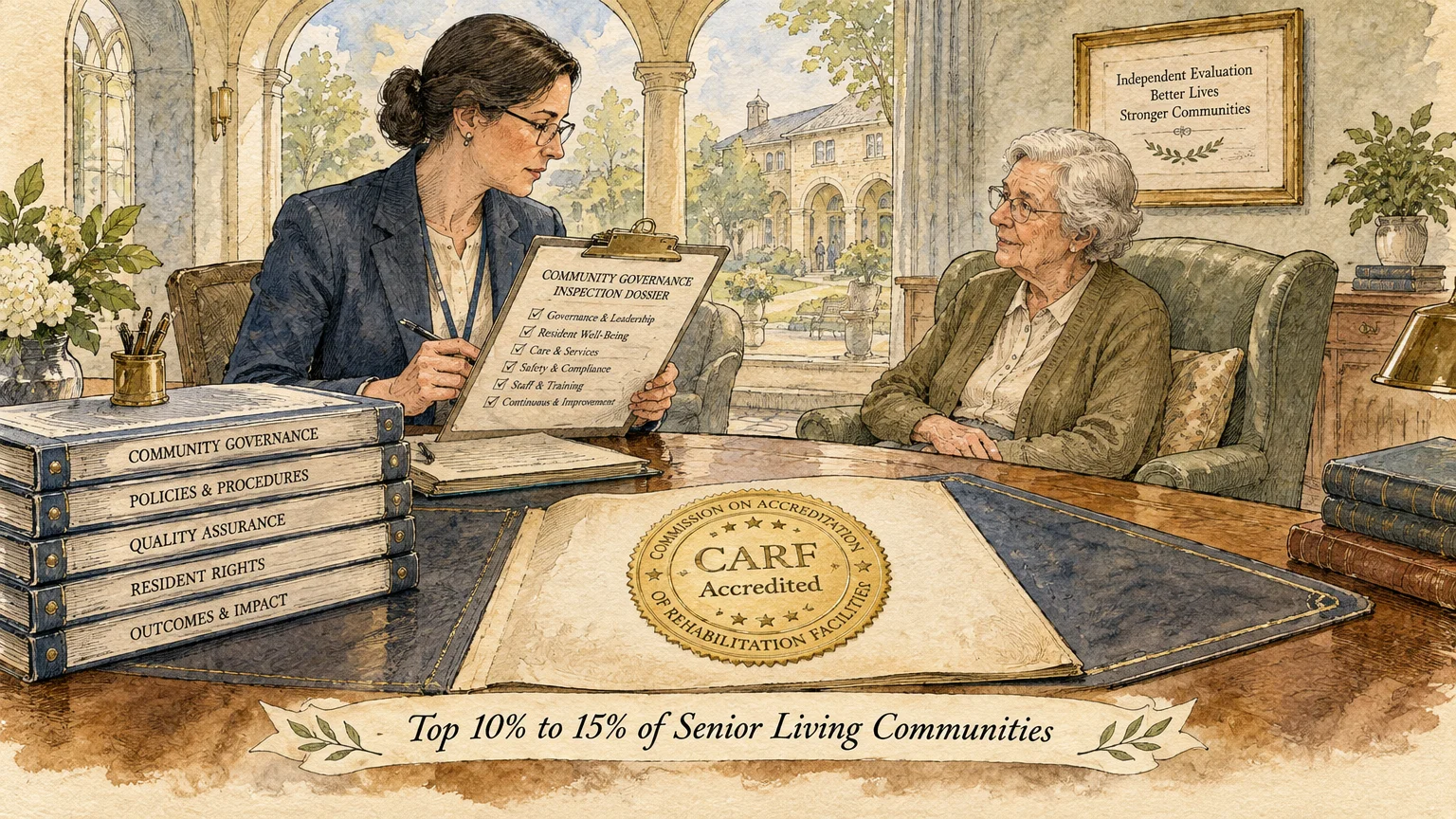
Fewer than 10% to 15% of communities secure third-party accreditation through the Commission on Accreditation of Rehabilitation Facilities (CARF). This credential evaluates financial solvency, risk management, and clinical standards through rigorous on-site reviews.
CARF examiners interview residents, scrutinize governance structures, and inspect care protocols over several days. Earning this accreditation proves that executive leadership values accountability over minimum compliance.
You can consult educational resources from the National Council on Aging (NCOA) to evaluate accredited providers. Always confirm that a community maintains current certification rather than relying on expired credentials.
4. Low Staff Turnover and Visible Caregiver Continuity
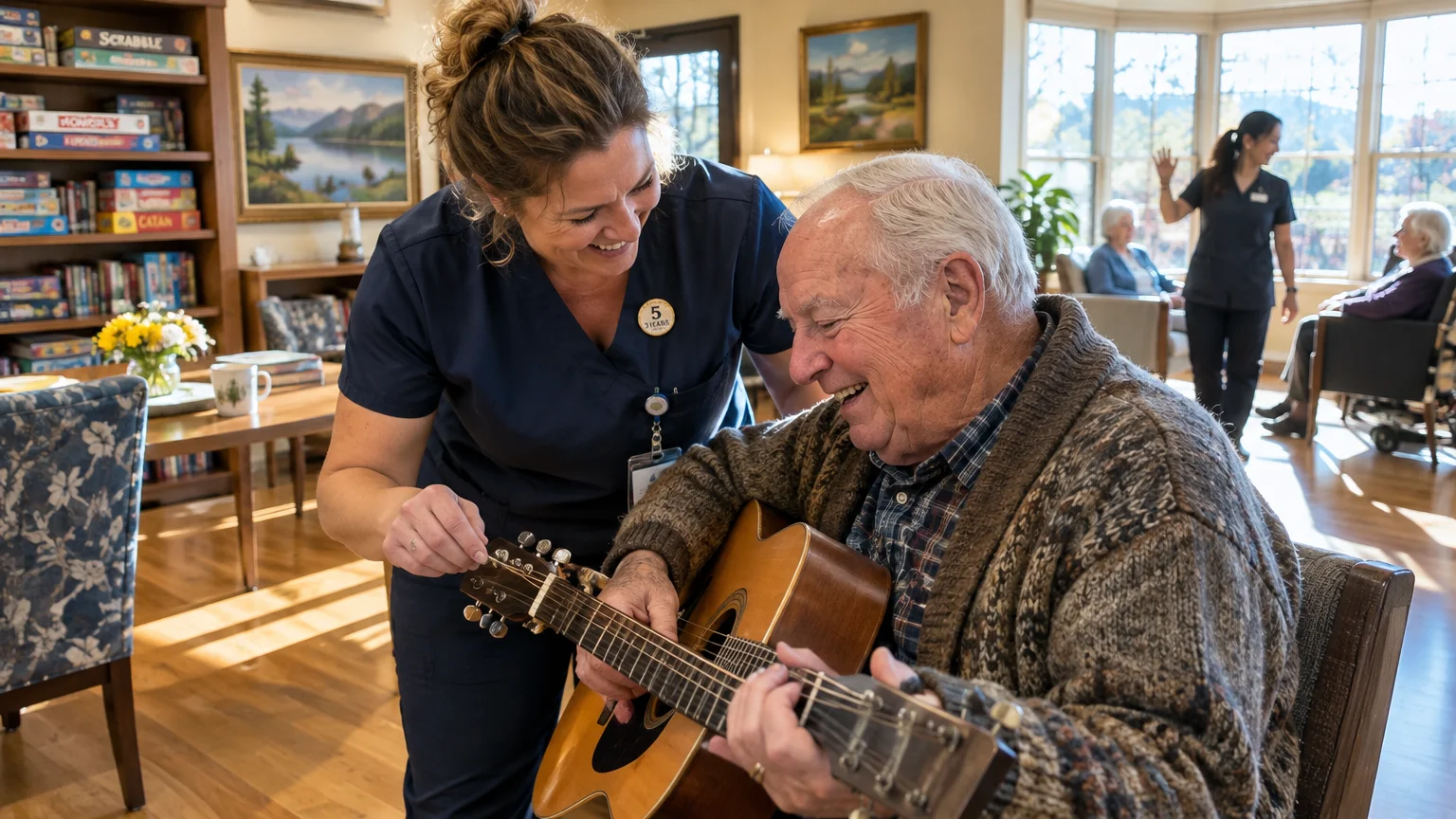
Dedicated caregivers form the heart of any thriving senior living campus. When frontline nurses and hospitality workers stay for years, they build deep personal relationships with residents.
High employee turnover damages routine care schedules and increases administrative confusion. The J.D. Power U.S. Senior Living Satisfaction Study confirms that staff responsiveness directly determines resident and family satisfaction.
Ask executive leadership about their average employee tenure across certified nursing assistants, dining staff, and facilities personnel. Consistent staffing indicates fair wages, respectful management, and higher resident safety.
Observe interactions between workers and residents as you walk through common hallways. Attentive staff members greet residents by name and listen patiently, while overworked employees rush by without making eye contact.
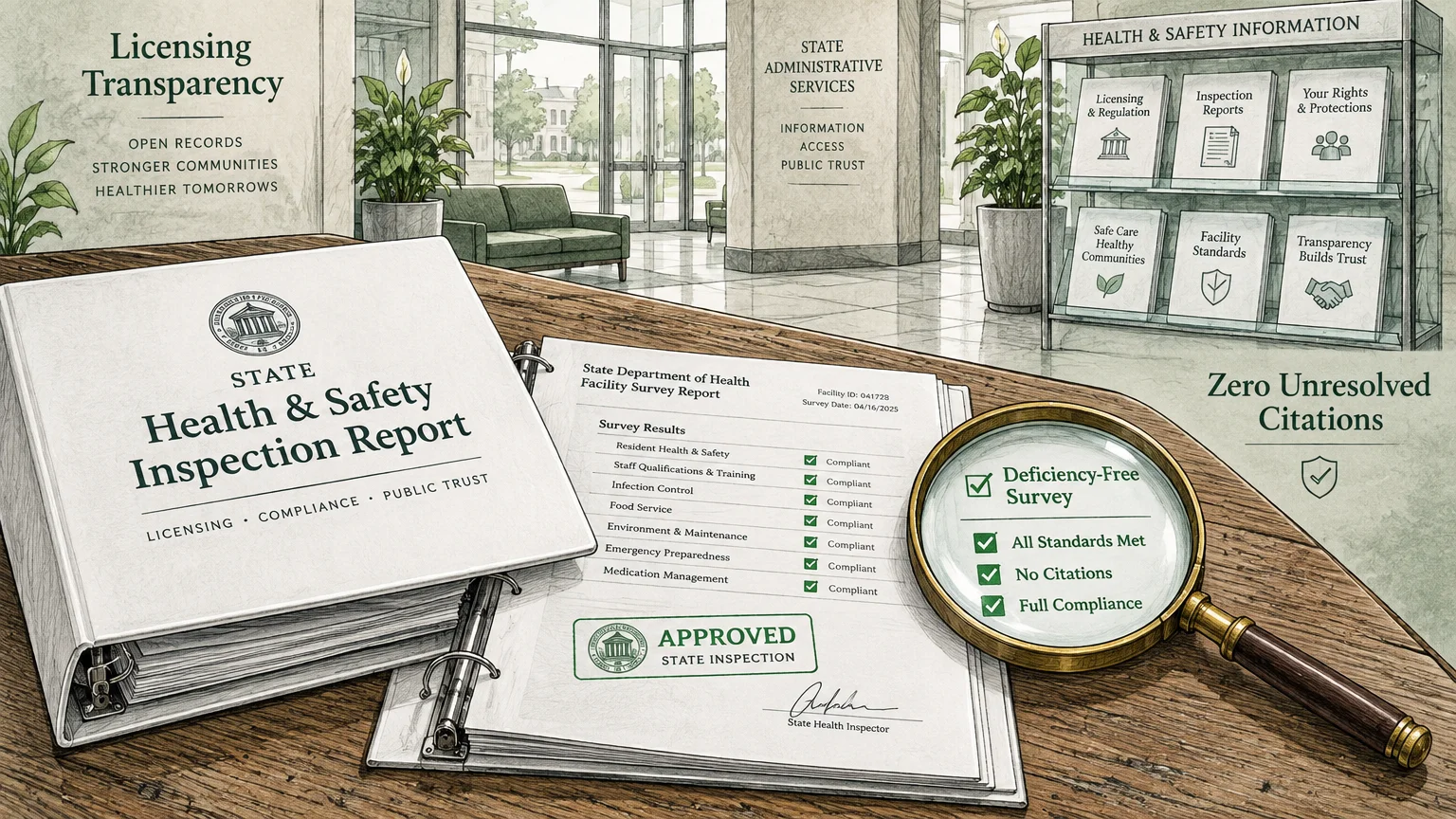
5. Transparent Licensing Disclosures and Clean Inspection Records
While the federal government oversees nursing homes through Medicare.gov, individual state agencies regulate independent living and assisted living facilities. State inspectors conduct periodic surveys to assess sanitation, medication management, and fire safety.
A high-quality community proudly displays its latest state licensing inspection reports in administrative areas. Open disclosure demonstrates operational confidence and respect for your decision-making process.
Review state survey files to see if health inspectors noted repeat citations or severe life-safety infractions. When citations occur, examine how quickly management resolved the problem and enacted preventive safeguards.
If a sales representative hesitates to show you inspection results, view that evasion with extreme skepticism. Honest directors discuss operational challenges directly and explain their remediation steps.

6. Resident-Driven Governance and Genuine Autonomy
Vibrant retirement communities encourage residents to shape their environment rather than treating them as passive customers. You should look for an empowered resident council that meets monthly with the executive director.
Active resident committees oversee dining feedback, landscape enhancements, library collections, and community outreach. Meaningful governance channels ensure that your voice directly influences campus policies and budget spending.
Pay close attention to who organizes campus programming and social clubs. When residents launch their own investment clubs, lecture series, and hobby workshops, the community fosters authentic engagement and intellectual vitality.
Communities that offer only passive, director-led activities often lack social energy. You want an environment that respects your life experience and nurtures your independence.

7. High-Caliber Dining with Fresh, Flexible Menus
Mealtimes represent the social center of senior living, making culinary quality essential to daily happiness. In consumer satisfaction surveys, dining quality consistently ranks as a primary driver of overall contentment.
Superior communities employ experienced executive chefs who prepare nutritious, restaurant-style meals from scratch. They offer multiple dining venues, including casual bistros, formal dining rooms, and grab-and-go cafes.
Review the culinary team’s ability to manage medical dietary restrictions, including low-sodium, diabetic, and plant-based diets. Flavorful substitutions should be standard practice rather than bland afterthoughts.
Ask to eat an unannounced lunch in the main dining room during your visit. Evaluate the freshness of the ingredients, the speed of table service, and the general dining atmosphere.
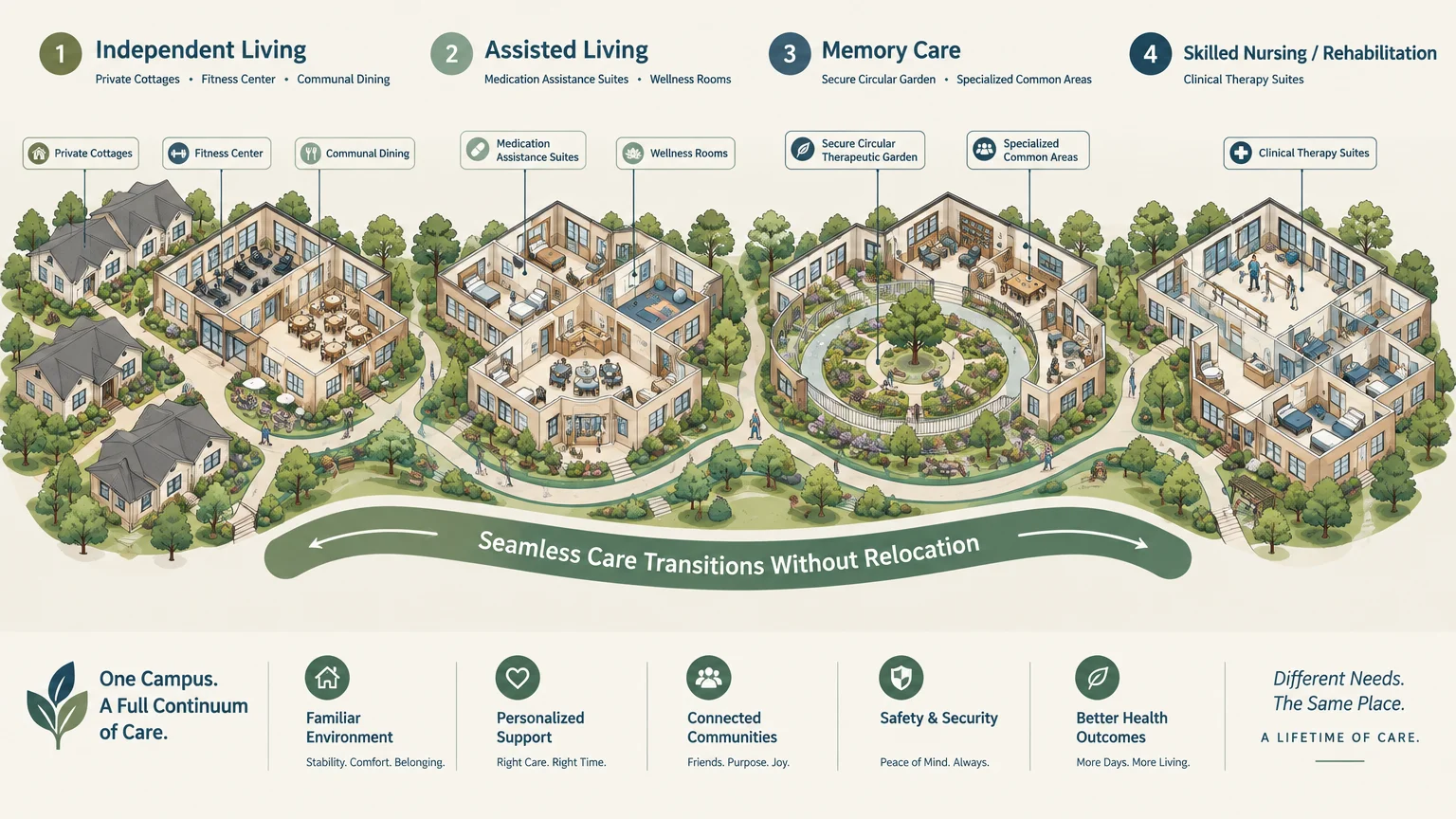
8. A Seamless Continuum of Care on One Campus
Relocating during a medical crisis creates tremendous physical, emotional, and financial strain for older adults. Joining a community with a complete continuum of care prevents disruptive moves as your health needs evolve.
A comprehensive campus integrates independent living, assisted living, specialized memory care, and rehabilitation therapies on a single property. This structure allows couples with differing medical needs to stay together in the same community.
You can examine long-term aging strategies through the Administration for Community Living (ACL). A campus that manages multiple care levels ensures you maintain social continuity throughout retirement.
Inquire about the clinical evaluation process that guides transitions between care levels. Fair communities involve you and your family doctors in transfer decisions instead of imposing arbitrary moves.
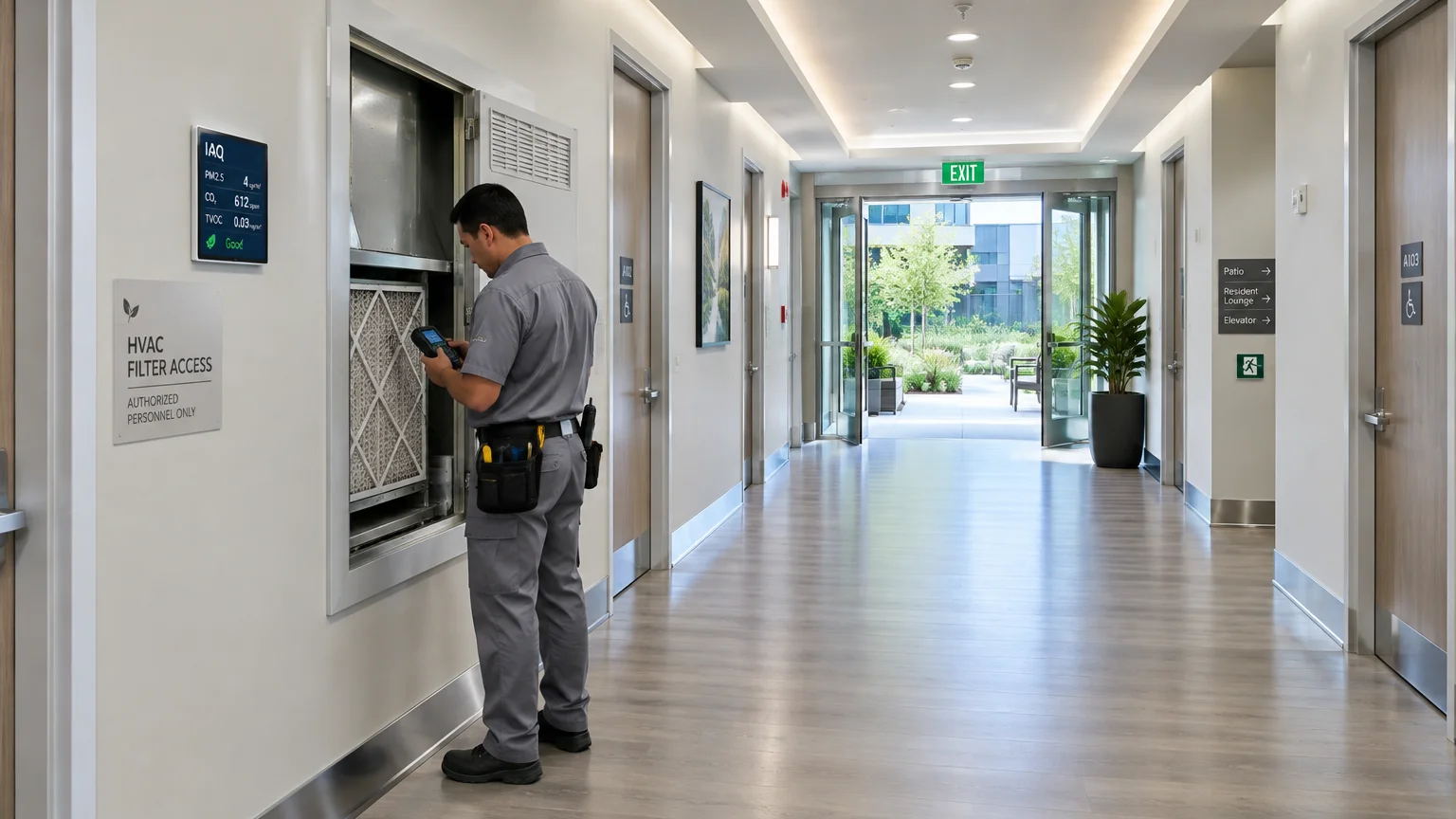
9. Meticulous Physical Maintenance and Modern Infrastructure
A campus’s physical condition reflects management’s financial health and operational discipline. Manicured landscaping, immaculate common lounges, modern lighting, and functioning elevators indicate that leadership funds regular maintenance.
Look beyond the attractive reception desk to evaluate mechanical systems, residential corridors, and outdoor walkways. Peeling wallpaper, water marks on ceiling tiles, and broken handrails reveal deferred capital expenditures.
Inquire about emergency infrastructure, including industrial back-up generator capacity and fire suppression systems. Severe weather events require robust commercial power generation to support oxygen devices, refrigerated medicine, and elevator banks.
Ask when the facility last replaced major components like roofs, HVAC equipment, and plumbing risers. Operators with robust reserve funds replace aging equipment before system failures occur.

10. Clear Contracts with Fair Refund and Exit Terms
Your residency agreement is a legally binding contract that dictates your personal finances and estate distributions. Quality communities produce clear, plain-language contracts that define fee schedules, discharge triggers, and refund mechanisms.
The Consumer Financial Protection Bureau (CFPB) advises seniors to study refund mechanisms carefully before transferring significant capital. Reputable operators explain exactly how entrance fee refunds work if you relocate or pass away.
Watch out for clauses that delay your refund until the community resells your specific unit. Fair contracts specify an explicit calendar deadline for repaying your refund regardless of resale conditions.
Hire an elder law attorney to review every contract provision before signing binding agreements. Professional legal analysis prevents costly surprises and safeguards your family’s estate.
“You want to buy into a community that is well-run, financially sound, and transparent about its future costs.” — Jean Chatzky, Financial Educator and Author

Comparing Senior Living Contract Types
Selecting the right contractual model shapes your retirement cash flow and protects your assets from healthcare inflation. Life Plan Communities generally offer three primary contract formats that manage healthcare risk differently.
Use this side-by-side comparison to determine which contract structure aligns with your financial strategy and health outlook.
| Contract Type | Upfront Entrance Fee | Monthly Fee Structure | Long-Term Healthcare Exposure | Best Suited For |
|---|---|---|---|---|
| Type A (LifeCare) | Substantial ($250,000 to $1,000,000+) | Stable across independent living, assisted living, and nursing | Lowest; full care continuum included with minimal rate adjustments | Seniors seeking maximum financial predictability |
| Type B (Modified) | Moderate ($150,000 to $500,000+) | Predictable up to contracted service limits | Moderate; higher care subsidized for a set duration or discount | Seniors holding long-term care insurance policies |
| Type C (Fee-for-Service) | Lower ($50,000 to $300,000+) | Increases directly as higher care levels are needed | Highest; assisted living and memory care billed at market rates | Seniors seeking lower upfront capital commitments |
| Rental (Month-to-Month) | None ($0 entrance fee; initial deposit) | Adjusts with yearly lease renewals and added care packages | Highest; all assistance billed à la carte at market rates | Seniors desiring maximum geographic and financial flexibility |
Type A contracts provide extensive financial security by capping future care costs; however, they require substantial upfront capital. Conversely, Type C contracts lower initial outlays but expose you to rising assisted living expenses.

Your Senior Living Evaluation Checklist
Navigating senior living tips during a busy facility tour requires an organized, objective framework. Use this practical retirement community checklist to evaluate candidates beyond surface presentations.
- Financial Audits: Request audited balance sheets, proof of reserve funds, and a five-year fee increase history.
- Staff Continuity: Inquire about caregiver turnover percentages, night-shift staffing ratios, and average employee tenure.
- Health Transitions: Clarify the objective medical criteria that require a resident to move into higher care levels.
- Dining Adaptability: Test menu flexibility, evaluate ingredient quality, and review meal allowance rollover rules.
- Accessibility Standards: Verify zero-threshold showers, wide doorways, emergency pull cords, and accessible public restrooms.
- Licensing Transparency: Examine the past three years of state regulatory surveys and fire safety inspections.
- Unscripted Resident Chats: Interview several residents privately to ask about management responsiveness and daily life.
Bring this checklist on every campus tour to compare communities systematically. Keeping objective notes prevents marketing impressions from clouding your financial judgment.

Pitfalls to Watch For
Marketing representatives naturally highlight manicured grounds and luxury amenities while downplaying operational vulnerabilities. Staying vigilant protects you from making an expensive, irreversible housing mistake.
Never accept vague estimates regarding ancillary service costs. Extra charges for medication delivery, laundry assistance, or escorting to meals can quickly add thousands of dollars to monthly invoices.
Beware of promotional move-in discounts that conceal unsustainable pricing models. A community offering steep entrance discounts may face cash-flow shortages that threaten future maintenance and staffing standards.
Avoid properties that restrict external home health caregivers or require exclusive in-house clinical contractors. Flexible communities allow you to hire approved independent aides if you prefer personal care oversight.
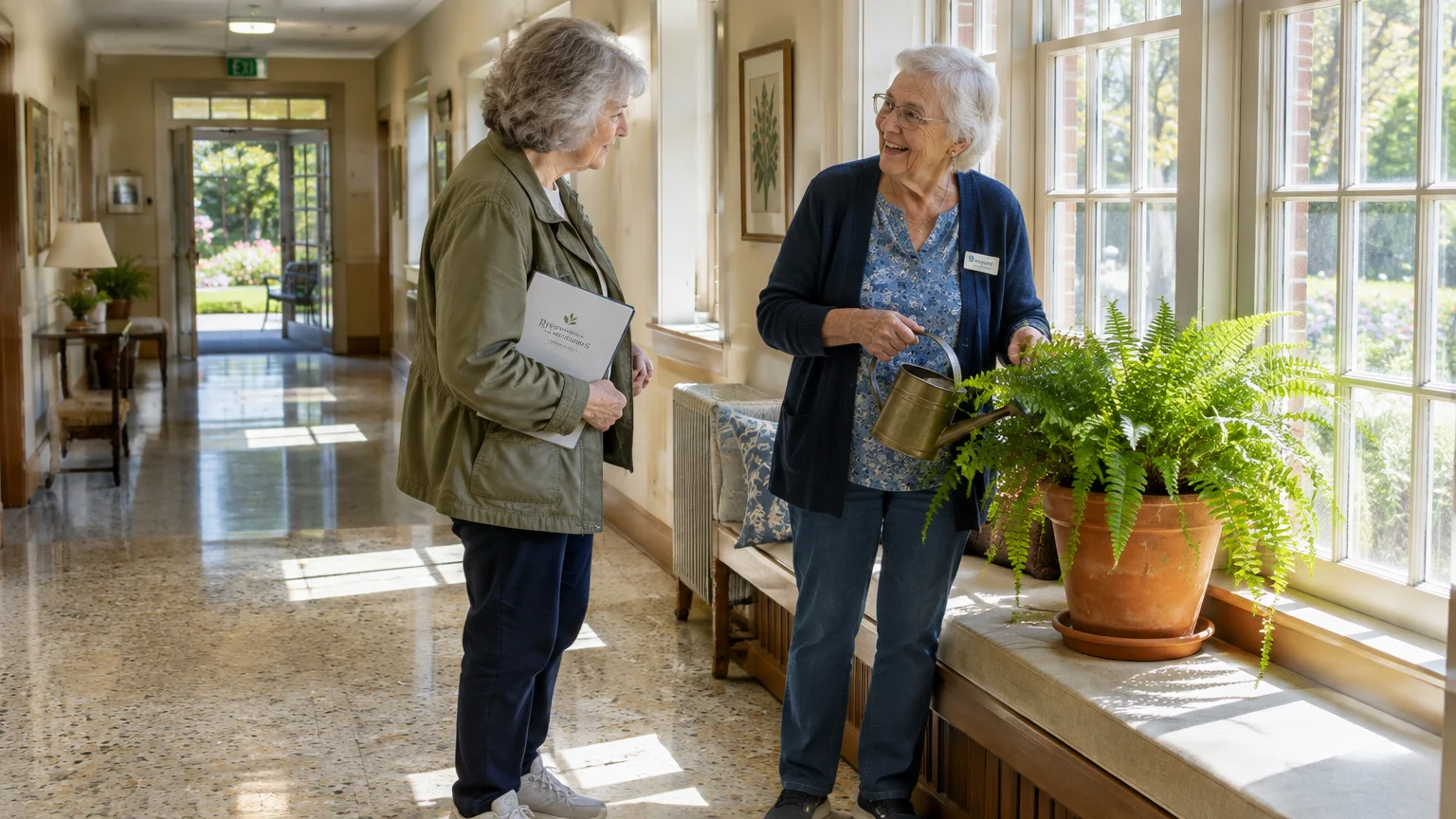
Senior Living Tips for an Effective Tour
Evaluating a property requires looking past staged model apartments and scripted sales presentations. Schedule your initial tour during peak morning activity to observe authentic campus life.
Return for an unscheduled evening visit to check nighttime staffing levels and noise control. Seeing how the campus functions after administrative staff leave reveals true operating conditions.
Request a guest stay in an on-site apartment for two or three nights before committing. Living among residents for a weekend gives you genuine insight into dining quality, acoustics, and culture.
Frequently Asked Questions
What is the average entrance fee for a Continuing Care Retirement Community?
National entrance fees average between $400,000 and $480,000, though costs range from $40,000 to over $2 million. Your fee depends on geographical location, residence square footage, and contract classification.
Does Medicare pay for assisted living or independent living?
Medicare does not cover room, board, or non-medical assistance with daily activities in independent or assisted living. It covers only medically necessary doctor visits, skilled therapy, and hospital care under regular program guidelines.
What occupancy rate indicates that a retirement community is financially sound?
Industry analysts consider an occupancy rate of 90% or higher an indicator of operational health. Occupancies falling below 80% to 85% suggest potential budget difficulties and reduced staffing capacity.
What does CARF accreditation signify in senior living?
CARF accreditation is a voluntary credential demonstrating that a senior community meets rigorous international standards for safety, governance, and clinical care. Fewer than 15% of communities achieve this high distinction.
How can I verify a community’s state inspection record?
You can access licensing inspection records through your state’s Department of Health or Department of Social Services website. Reputable communities will also provide printed copies of their latest surveys upon request.
Making Your Final Decision
Choosing a retirement community is an empowering step toward securing your health, finances, and social connections. Identifying these ten operational signs ensures that you join a neighborhood that enriches your retirement years.
Take your time, tour multiple properties, and review every contract alongside trusted advisors. The information in this guide is meant for educational purposes. Your specific circumstances—including income, savings, health coverage, and goals—may require different approaches. When in doubt, consult a licensed professional.
Last updated: February 2026. Retirement benefits, tax laws, and healthcare costs change frequently—verify current details with official sources.