
Managing blood sugar in your retirement years requires a fresh approach as updated clinical standards redefine senior care guidelines across the nation. Recent updates from the American Diabetes Association emphasize personalized glycemic targets rather than a one-size-fits-all A1C target, recognizing that over-treating high blood sugar often carries greater risks for older adults than modest elevations. With over 29% of Americans aged 65 and older living with diabetes, these updated rules impact how you monitor glucose, adjust daily medications, and utilize Medicare benefits. Understanding these changes helps you protect your long-term independence, prevent dangerous low blood sugar episodes, and lower your healthcare expenses.

At a Glance: Key Shifts in Senior Diabetes Management
Managing senior health requires staying informed about evolving medical consensus and coverage rules. Clinical organizations updated key recommendations for older adults to balance effective diabetes management with overall safety and quality of life. The three main shifts changing diabetes care this month focus on individualizing treatment goals, prioritizing safety over aggressive blood sugar lowering, and expanding access to supportive technology through Medicare.
- Individualized Glycemic Goals: Blanket A1C targets below 7.0% are no longer standard for all retirees. Doctors now establish custom goals based on your health status, cognitive function, and personal life expectancy.
- Focus on Hypoglycemia Prevention: Guidelines strongly urge avoiding low blood sugar (hypoglycemia) rather than pushing for ultra-low glucose numbers. Preventing falls, confusion, and heart strain takes priority over strict blood sugar control.
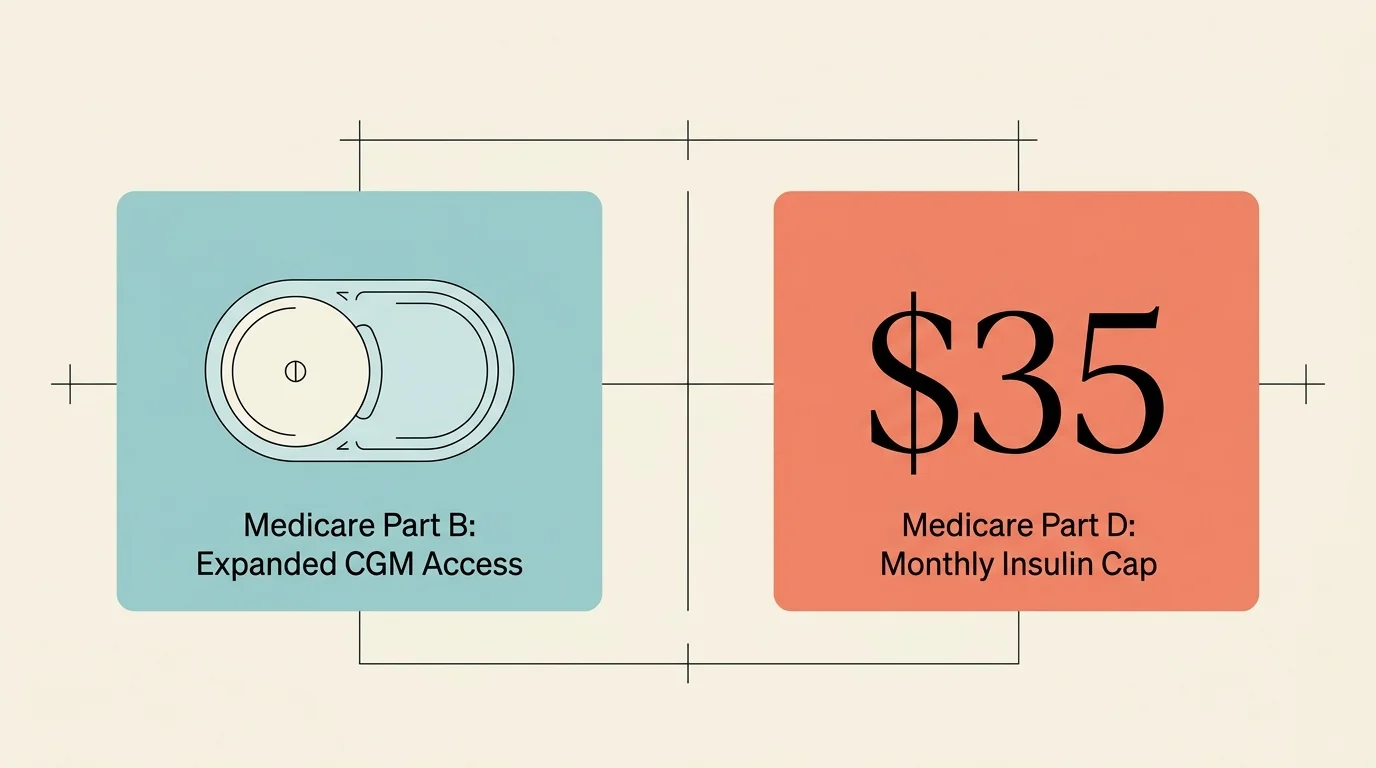
- Expanded Tech and Capped Drug Costs: Medicare Part B expanded access criteria for continuous glucose monitors (CGMs), while Medicare Part D maintains a strict $35 monthly out-of-pocket cap on covered insulin products.
Guideline 1: Personalizing A1C Targets and Adopting Time-in-Range
For decades, medical professionals instructed almost every adult with diabetes to pursue an A1C level below 7.0%. While strict control prevents long-term microvascular complications in younger adults, rigid targets often cause more harm than good as you age. The updated standards from the American Diabetes Association (ADA) recognize that older adults vary widely in physical health, cognitive resilience, and daily independence. Consequently, clinicians now group seniors into distinct health categories to determine safe blood sugar targets.
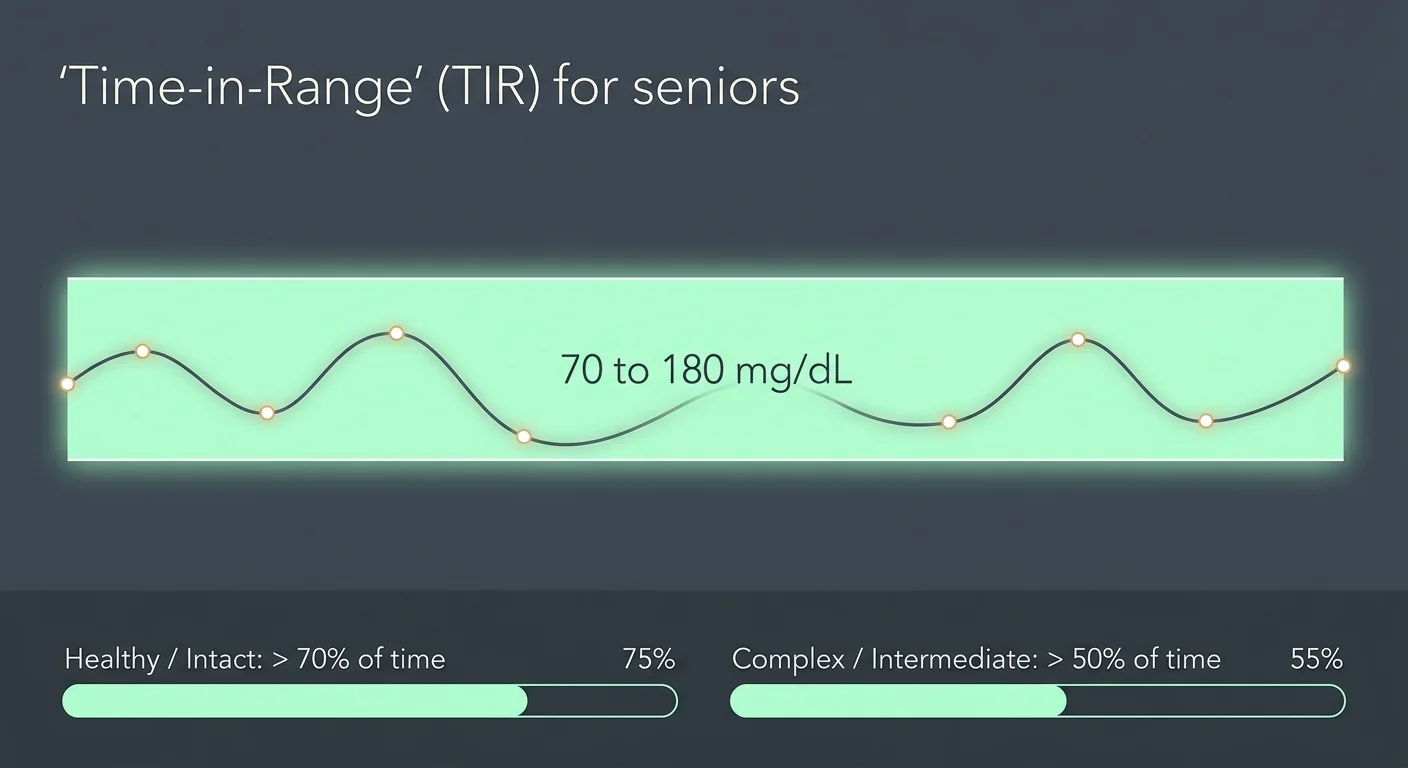
Continuous Glucose Monitoring (CGM) technology also shifts the focus away from relying solely on A1C. While A1C measures a three-month average, it fails to reveal daily blood sugar spikes and dangerous drops. Doctors now emphasize Time-in-Range (TIR)—the percentage of time your glucose stays between 70 mg/dL and 180 mg/dL throughout the day and night.
The updated clinical framework establishes clear glycemic targets based on your overall health status:
| Health Status Category | Clinical Characteristics | Target A1C Goal | Fasting Glucose Goal | Time-in-Range (TIR) Target |
|---|---|---|---|---|
| Healthy / Intact | Few coexisting chronic illnesses, intact cognitive function, independent physical mobility. | < 7.0% – 7.5% | 80 – 130 mg/dL | > 70% of time (70–180 mg/dL) |
| Complex / Intermediate | Multiple chronic conditions, mild-to-moderate cognitive impairment, or dependence for daily activities. | < 8.0% | 90 – 150 mg/dL | > 50% of time (70–180 mg/dL) |
| Very Complex / Poor Health | Severe end-stage chronic illnesses, moderate-to-severe cognitive impairment, or severe functional dependency. | Avoid strict A1C; focus on symptoms | 100 – 180 mg/dL | Prioritize keeping Time-Below-Range < 1% |
If you maintain active hobbies, manage your household independently, and have minimal chronic conditions, a target A1C of 7.0% to 7.5% remains appropriate. However, if you live with arthritis, high blood pressure, or early memory changes, pushing your A1C below 7.0% increases your risk of dangerous low blood sugar episodes. In these cases, your doctor will likely relax your target A1C to less than 8.0%, prioritizing stable glucose without severe fluctuations.

Guideline 2: Prioritizing Hypoglycemia Prevention Over Aggressive Control
The second major guideline shift highlights the extreme danger low blood sugar poses to older adults. Hypoglycemia occurs when your blood glucose drops below 70 mg/dL. While a younger person might experience shakiness, sweating, or hunger during a drop, seniors often experience hypoglycemia unawareness. Age-related changes can mute physical warning signs, allowing blood sugar to drop dangerously low before you notice a problem.
When blood sugar falls too low, the brain suffers from lack of energy. In older adults, sudden hypoglycemia leads to severe consequences:
- Increased Fall Risk: Sudden dizziness, muscle weakness, or loss of coordination causes severe falls, leading to hip fractures and loss of mobility.
- Cognitive Decline: Repeated or prolonged low blood sugar episodes damage brain cells, accelerating memory loss and increasing long-term dementia risk.
- Cardiovascular Strain: Severe hypoglycemia triggers the release of stress hormones like adrenaline, raising heart rate and blood pressure while increasing the risk of heart attacks and dangerous arrhythmias.
To eliminate these risks, updated clinical protocols urge healthcare providers to de-prescribe or reduce dosages of medications that commonly cause hypoglycemia. Older medications, particularly sulfonylureas (such as glyburide, glipizide, and glimepiride) and high-dose insulin regimens, require careful monitoring and frequent adjustments.
If you use a Continuous Glucose Monitor, clinical guidelines recommend keeping your Time-Below-Range (TBR) below 1%. This means your blood sugar should drop below 70 mg/dL for less than 15 minutes total per day. If your monitor records frequent drops below 70 mg/dL, consult your physician immediately to adjust your medication plan.
Guideline 3: Maximizing Medicare Coverage for CGMs and Capped Insulin
The third major change blends updated clinical guidelines with expanded financial support through Medicare. Adopting modern diabetes technology and adhering to prescribed treatments becomes significantly easier when essential supplies remain affordable and accessible.
Under the Inflation Reduction Act, Medicare Part D beneficiaries receive a crucial financial protection: out-of-pocket costs for covered insulin products are capped at $35 per 30-day supply. This price cap applies automatically without requiring you to meet your annual deductible first. If you use an insulin pump covered under Medicare Part B, the same $35 monthly cap applies to your pump insulin supplies as well.
Medicare Part B also maintains accessible coverage criteria for continuous glucose monitors (CGMs), including devices like the Dexcom G7 and Abbott Freestyle Libre 3. You qualify for Medicare Part B coverage for a CGM if you meet the following requirements:
- You have a documented diagnosis of diabetes mellitus.
- You receive treatment with any form of insulin therapy OR have a documented history of severe, recurrent hypoglycemia that puts your safety at risk.
- Your healthcare provider confirms that you received thorough instruction on operating the device and schedules regular follow-up visits every six months to review your glucose data.
By taking advantage of these Medicare benefits, you eliminate the financial burden of costly insulin and secure continuous, real-time access to your blood sugar trends. Having immediate feedback on your glucose levels helps you make confident daily decisions about meal planning, physical activity, and medication timing.

Building Your Personalized Diabetes Action Plan
Updating your daily routine to align with these new guidelines requires practical, step-by-step adjustments. Rather than focusing on restrictive diets or drastic lifestyle changes, concentrate on simple, sustainable actions that promote steady blood sugar levels.
First, review your nutrition choices with a focus on balanced balance and consistency. Pair carbohydrates with dietary fiber, lean protein, and healthy fats to slow down glucose absorption. For example, instead of eating a piece of toast alone in the morning, pair whole-grain bread with scrambled eggs or avocado. This combination prevents sharp glucose spikes after meals while keeping your blood sugar stable for several hours.
Second, incorporate physical activity naturally into your routine. Regular exercise improves insulin sensitivity, allowing your cells to utilize blood glucose more effectively. A 15-minute walk after lunch or dinner helps clear sugar from your bloodstream, reducing post-meal glucose spikes naturally without additional medication.
Third, perform an annual medication review with your primary care provider or endocrinologist. Request a comprehensive evaluation of your current prescription list to identify drugs that increase low blood sugar risks.
“Controlling your healthcare expenses starts with proactive preventive care—managing chronic conditions effectively today prevents devastating financial costs tomorrow.” — Jean Chatzky, Financial Expert
Finally, track your blood sugar patterns consistently. Whether you use a traditional blood glucose meter or a continuous monitor, record your readings alongside meal times and physical activity. Bringing this log to your doctor appointments provides valuable context, making it easy to tailor your care plan precisely to your body’s needs.

What Can Go Wrong: Common Pitfalls to Avoid
Adjusting to updated health guidelines requires avoiding common misconceptions and management errors. Many retirees fall into predictable traps when managing their blood sugar without clear guidance.
- Chasing Unrealistic A1C Goals: Trying to force your A1C below 6.5% when you are in your 70s or 80s often leads to severe nighttime blood sugar crashes. Trust your doctor if they recommend a higher target range.
- Ignoring Nighttime Hypoglycemia: Waking up with a headache, damp nightshirts from sweating, or restless sleep often signals low blood sugar during the night. Adjusting your evening snack or insulin dosage helps prevent dangerous nocturnal drops.
- Failing to Verify Medicare Formulary Coverage: Medicare drug plans (Part D) update their formulary lists annually. Failing to check if your preferred insulin brand or CGM sensor remains covered can result in unexpected out-of-pocket costs at the pharmacy. Compare plan choices during each Open Enrollment period using Medicare.gov.
- Over-treating Low Blood Sugar: When blood sugar drops, eating high-calorie, high-fat foods like chocolate or ice cream slows glucose absorption. Instead, follow the standard 15/15 rule: consume 15 grams of fast-acting carbohydrates (such as 4 ounces of fruit juice or 3 to 4 glucose tablets), wait 15 minutes, and recheck your blood sugar.

When to Consult a Healthcare Professional
Self-managing diabetes requires ongoing collaboration with your healthcare team. While self-monitoring empowers you day to day, specific clinical situations call for professional intervention immediately.
Schedule an appointment with your doctor or endocrinologist if you experience any of the following scenarios:
- Unexplained Low Readings: You record blood sugar readings below 70 mg/dL two or more times in a single week without a clear reason, such as missed meals or unusual physical exertion.
- Persistent High Spikes: Your blood sugar consistently exceeds 200 mg/dL throughout the day despite following your prescribed meal plan and medication routine.
- Changes in Physical or Cognitive Health: You experience frequent dizziness, memory lapses, unsteadiness while walking, or changes in vision that interfere with managing your daily medications safely.
- Navigating Insurance Denials: Your Medicare Part B or Part D coverage claim for continuous glucose monitors or preferred insulin gets denied, requiring a physician’s formal letter of medical necessity.
For additional resources on navigating senior healthcare benefits and managing chronic conditions, explore detailed guidance provided by the National Council on Aging (NCOA) and research tools available through AARP.
Frequently Asked Questions
Why are blood sugar targets less strict for older adults now?
As you age, your body becomes more vulnerable to the severe risks of low blood sugar, including falls, memory impairment, and cardiovascular events. Updated clinical guidelines recognize that maintaining moderate, stable blood sugar levels provides far greater safety and health protection than pursuing lower A1C targets that increase hypoglycemia risks.
Does Medicare cover Continuous Glucose Monitors (CGMs) for non-insulin users?
Medicare Part B covers therapeutic CGMs for individuals who use any insulin therapy, as well as beneficiaries who have a documented history of severe or recurrent hypoglycemia. If you do not take insulin but experience dangerous low blood sugar episodes, your doctor can submit medical documentation to qualify you for coverage.
How does the $35 monthly insulin cap work under Medicare?
Under the Inflation Reduction Act, Medicare Part D and Part B plans cap your out-of-pocket copayment at $35 for a 30-day supply of each covered insulin product. This cap applies automatically at the pharmacy counter, even if you have not met your plan’s annual deductible.
What is Time-in-Range (TIR), and why is it replacing A1C?
Time-in-Range measures the exact percentage of time your glucose stays within a safe target range (typically 70 to 180 mg/dL) throughout the day. Unlike A1C, which only provides a three-month average, TIR reveals daily highs and dangerous lows, giving you and your doctor a clearer picture of your daily blood sugar stability.
Taking Charge of Your Senior Diabetes Strategy
Adapting to these updated diabetes guidelines allows you to manage your health with confidence and peace of mind. By focusing on personalized targets, preventing dangerous glucose drops, and utilizing accessible Medicare benefits, you protect your physical health while reducing your out-of-pocket medical expenses.
Take time this week to review your current glucose readings, check your drug coverage options, and schedule a conversation with your primary care provider. Aligning your routine with these new standards keeps you empowered, active, and independent throughout your retirement years.
This is educational content based on general retirement planning principles. Individual results vary based on your situation. Always verify current benefit amounts, tax laws, and eligibility with official sources.
Last updated: February 2026. Retirement benefits, tax laws, and healthcare costs change frequently—verify current details with official sources.