Deciding where to spend your retirement means weighing housing costs against access to quality healthcare, local tax burdens, and physical safety. While warm climates and sandy beaches often dominate relocation brochures, recent data from the FBI and Medicare reveals a different reality about the true cost of living in certain regions. In 2026, the unsafest states for retirees—including Alaska, New Mexico, and Mississippi—combine alarming violent crime rates with systemic healthcare shortages and high financial fraud risks. Protecting your nest egg and your well-being requires looking beyond scenic views to understand how local infrastructure, state tax laws, and regional crime statistics will actually impact your daily life as a senior.
The Real Definition of Retirement Safety
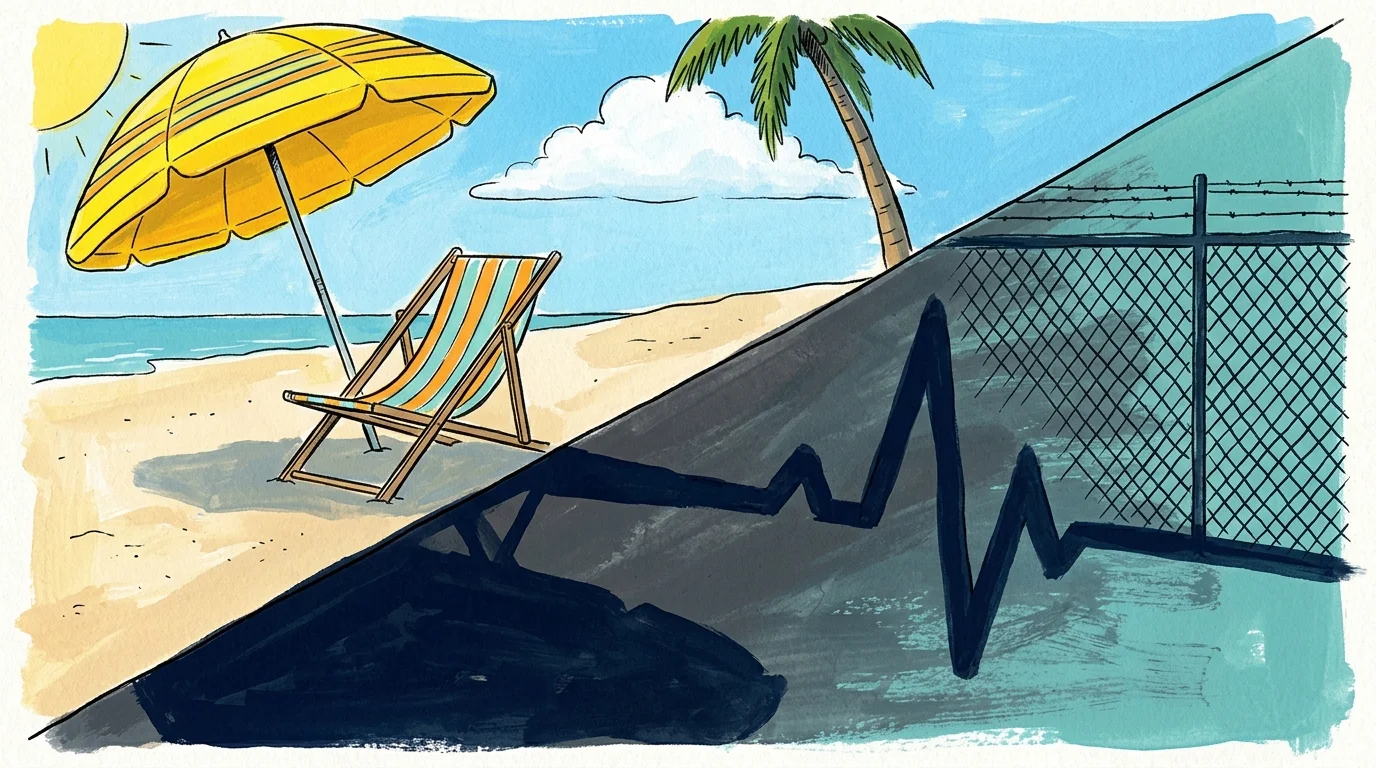
When you pack up your life to move across the country, you carry your financial security and personal vulnerabilities with you. Most relocation guides focus heavily on sunny days and golf courses, brushing past the systemic issues that can turn a dream destination into a nightmare. True retirement safety is multidimensional. It requires a stable environment where you can walk your neighborhood without fear, access top-tier medical specialists within minutes, and protect your assets from sophisticated scams and predatory tax codes.
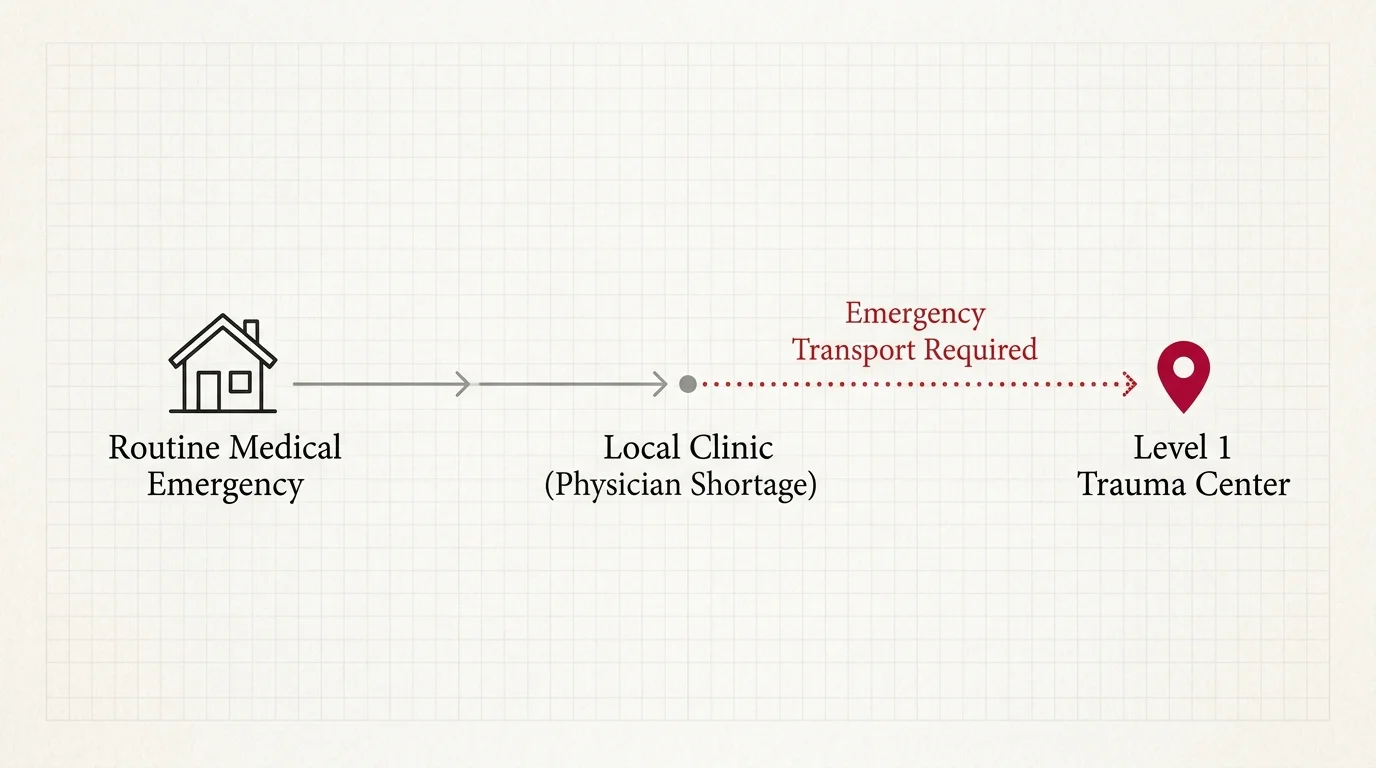
Physical crime statistics offer the most visible indicator of regional instability. High rates of violent and property crime force seniors to spend thousands of dollars on home security systems, elevated insurance premiums, and gated community fees. However, the less visible dangers often cause the most damage. Living in a state with a severely underfunded healthcare system means that a routine medical emergency can quickly snowball into a life-threatening crisis. If you suffer a stroke or a severe fall, an affordable housing market will not save you; a nearby Level 1 trauma center will.
Furthermore, local economies heavily influence your daily safety. States struggling with high poverty rates and underfunded social services typically experience higher rates of property crime and elder abuse. Assessing a state’s safety requires looking at how well it supports its aging population through elder justice laws, medical infrastructure, and economic stability.
Top 5 States to Avoid for Retirees
Based on comprehensive data evaluating violent crime rates, healthcare quality, and overall senior well-being, several states consistently rank at the bottom for retiree safety. Moving to one of these regions requires significant compromises that could jeopardize your golden years.
| State | Primary Risk Factors | Healthcare Ranking (2026) |
|---|---|---|
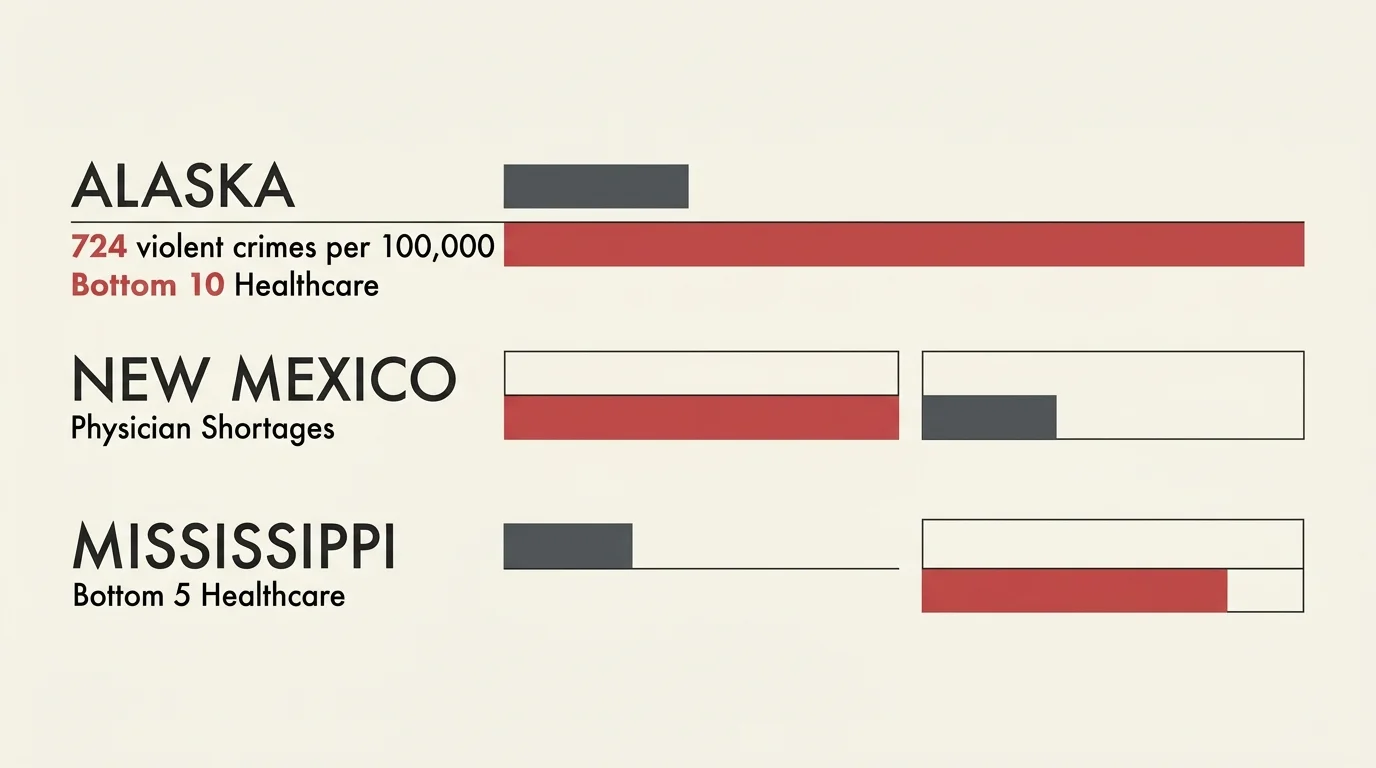
| Alaska | Severe violent crime, extreme isolation, harsh weather | Bottom 10 |
| New Mexico | High property and violent crime, physician shortages | Below Average |
| Mississippi | Worst medical outcomes, low life expectancy | Bottom 5 |
| Louisiana | High poverty rates, severe weather risks, high crime | Bottom 10 |
| West Virginia | Poor health infrastructure, low economic stability | Bottom 5 |
1. Alaska
Despite offering immense natural beauty and zero state income tax, Alaska remains incredibly hazardous for older adults. Recent FBI data from 2024 to 2025 reveals that Alaska holds the highest violent crime rate in the nation, reporting 724 offenses per 100,000 people. Beyond the immediate threat of crime, the sheer geographic isolation poses a massive risk for aging bodies. Harsh winters limit mobility, increasing the risk of social isolation and dangerous falls. Furthermore, the state ranks poorly for healthcare accessibility; securing an appointment with a specialist often requires costly travel to a major city or even out of state.
2. New Mexico
New Mexico attracts retirees with its rich culture and beautiful desert landscapes, but it masks deep-seated safety issues. The state holds the second-highest violent crime rate at 717.1 offenses per 100,000 residents. Property crime is equally rampant, forcing residents to remain constantly vigilant against burglary and vehicle theft. Compounding these physical dangers is a profound healthcare desert. The state suffers from a severe shortage of primary care physicians and geriatric specialists, meaning you may wait months to address pressing health concerns.
3. Mississippi
Mississippi frequently ranks as the most affordable state in the country, but that affordability comes at a steep cost to your physical well-being. In recent 2025 and 2026 scorecard evaluations, Mississippi placed dead last for healthcare outcomes and access. The state struggles with high rates of preventable hospitalizations and offers the lowest life expectancy in the nation. While violent crime may not be as concentrated as in Alaska or New Mexico, the systemic failure of the medical infrastructure makes it an inherently unsafe place to navigate the health challenges of aging.
4. Louisiana
Louisiana presents a complex web of risks for retirees. While the food and culture are unparalleled, the state consistently ranks in the bottom tier for overall senior safety. High poverty rates correlate strongly with elevated property and violent crime levels across many parishes. Additionally, retirement safety must account for natural disasters. The escalating frequency of severe hurricanes has driven homeowners insurance premiums to catastrophic highs, threatening the financial stability of anyone living on a fixed income. When you combine storm risks with a struggling healthcare system, Louisiana becomes a precarious choice for retirement.
5. West Virginia
West Virginia offers scenic mountain living at a fraction of the cost of other states, but it lacks the resources necessary to support a safe retirement. The state ranks near the very bottom for healthcare access and overall health outcomes. A lack of robust medical facilities in rural areas means that emergency response times can be dangerously slow. High regional poverty rates also contribute to community instability, making it difficult to find the reliable support systems and home-care workers that many seniors eventually require.

The Hidden Threat: Financial Fraud and Cybercrime
Physical safety is only half the battle. Today, the most devastating threats to your retirement nest egg arrive through your smartphone, email inbox, and front door. Criminal syndicates explicitly target seniors because they often possess significant home equity, robust retirement accounts, and a trusting nature. Choosing to live in a state with weak consumer protection laws or isolated communities can make you a prime target for exploitation.
“Rule No. 1: Never lose money. Rule No. 2: Never forget Rule No. 1.” — Warren Buffett, Chairman and CEO of Berkshire Hathaway
The numbers surrounding elder fraud are staggering. According to the FBI’s Internet Crime Complaint Center (IC3) 2025 Annual Report, Americans reported more than $20.9 billion lost to internet crimes. Older adults absorbed the brunt of this financial devastation; individuals aged 60 and older reported $7.7 billion stolen last year—a massive 60 percent increase from previous years. Scammers rely on investment fraud, sophisticated cryptocurrency schemes, and aggressive tech support scams to drain life savings in a matter of days.
To insulate yourself from these risks, you must build a financial fortress regardless of where you live. Start by visiting the Consumer Financial Protection Bureau to understand your rights regarding predatory lending and debt collection. Implement strict boundaries regarding your personal data: freeze your credit across all three major bureaus, use multi-factor authentication on your financial accounts, and designate a trusted family member or fiduciary as a secondary contact on your brokerage accounts to flag suspicious withdrawals.
Navigating Healthcare Costs in High-Risk States
Your physical location directly dictates how effectively your Medicare benefits work for you. Moving to a state with a crumbling healthcare infrastructure forces you to pay top-dollar premiums for bottom-tier service. Understanding the current cost of your coverage is essential to evaluating whether a state’s cost of living is truly affordable.
Healthcare costs continue to climb. For 2026, the standard Medicare Part B premium sits at $202.90 per month, representing a significant jump from $185.00 in 2025. Additionally, the annual Part B deductible has increased to $283. If you require a hospital stay, the Part A deductible now costs $1,736 per benefit period.
When you live in a state like Mississippi or West Virginia—where medical facilities struggle with staffing shortages and outdated technology—you run a higher risk of misdiagnosis, surgical complications, and hospital readmissions. Every time you are readmitted, you face additional co-pays, coinsurance, and deductibles. The “savings” you gained from buying a cheaper house can vanish after a single mishandled medical emergency. Before committing to a move, research the regional hospitals using the official Medicare.gov compare tools to ensure you are moving near highly rated, well-staffed medical centers.

Tax Realities You Can’t Ignore
Financial safety is heavily dependent on how aggressively a state taxes your fixed income. You might find a town with low crime and great doctors, but if the local government taxes your Social Security benefits, levies high property taxes, and ignores senior exemptions, you could find yourself slowly going broke.
“Taxes will be the single biggest expense in your retirement.” — Ed Slott, CPA and Retirement Tax Expert
Properly leveraging federal tax codes can help offset the costs of living in a safer, albeit slightly more expensive, state. For 2026, the Internal Revenue Service sets the standard deduction at $15,750 for single filers and $31,500 for married couples filing jointly. More importantly, new legislative changes known as the “One Big Beautiful Bill” have drastically altered the landscape for seniors. For tax years 2025 through 2028, taxpayers aged 65 and older can claim an additional $6,000 deduction per eligible person. For a married couple, this means an extra $12,000 shielded from federal taxes, provided their modified adjusted gross income falls below the phaseout thresholds of $75,000 for singles and $150,000 for joint filers.
To maximize your financial safety, you must review how state laws interact with these federal baseline figures. Nine states currently have no broad income tax, including destinations like Florida, Texas, and Nevada. However, states with no income tax often offset their revenue through steep property taxes or high sales taxes. You must sit down and calculate your exact total tax burden—property, sales, and income—before establishing residency in a new state.
Pitfalls to Watch For
Retirees frequently make critical errors when evaluating the safety and viability of a new home. Avoid these common mistakes to ensure your transition is secure and sustainable:
- Relying exclusively on state-wide averages: Crime is hyper-local. A state might have a terrifying overall violent crime rate, but specific planned retirement communities within that state could be incredibly secure. Conversely, a historically “safe” state might have pockets of severe drug-related property crime. Always research safety data at the ZIP code level using local police reports.
- Ignoring the climate insurance crisis: Moving to a coastal paradise or a heavily forested mountain retreat sounds idyllic until you receive your homeowners insurance renewal. Wildfires, hurricanes, and floods are causing insurers to abandon high-risk states or charge exorbitant premiums. If you cannot afford to rebuild after a disaster, that state is not financially safe for you.
- Underestimating the danger of isolation: A rural farmhouse offers peace and quiet, but aging in place requires community support. Being forty-five minutes away from a grocery store, a pharmacy, or a neighbor creates a dangerous scenario if you suddenly lose the ability to drive safely.

Getting Expert Help
Relocating in retirement is one of the most complex financial and logistical decisions you will ever make. You do not have to untangle the web of state taxes, Medicare networks, and real estate markets alone. Seeking professional guidance can prevent costly missteps.
Consult a Fiduciary Financial Planner: Before you sell your current home, a fiduciary can run a localized cash-flow analysis. They will map out exactly how a new state’s tax laws and cost of living will impact your withdrawal rates over the next twenty years.
Hire an Elder Law Attorney: Estate planning laws vary drastically from state to state. An elder law attorney in your destination state can help you update your power of attorney, living will, and healthcare directives to ensure they comply with local statutes. They can also advise you on protecting your assets from Medicaid recovery programs.
Work with a Medicare Specialist: If you are enrolled in a Medicare Advantage plan or carry a Part D prescription drug plan, moving to a different county or state will likely trigger a Special Enrollment Period. A licensed, independent Medicare broker can verify whether your current doctors are in-network in your new state and help you avoid coverage gaps.
Frequently Asked Questions
What makes a state unsafe for retirees?
A state is considered unsafe when it presents a combination of high violent and property crime rates, poor medical infrastructure, limited access to specialists, and high vulnerability to financial fraud and natural disasters.
Is property crime or violent crime a bigger threat to seniors?
While violent crime poses a severe and immediate physical risk, property crime and sophisticated financial fraud are statistically much more common threats to older adults. Seniors are frequently targeted for burglary, identity theft, and telemarketing scams.
How do regional Medicare costs affect a state’s safety profile?
States with poor healthcare systems often force retirees to travel long distances for specialized care or seek out-of-network treatments. This leads to higher out-of-pocket spending, readmissions, and a faster depletion of retirement savings, directly impacting financial safety.
Where can I find accurate crime data for a potential retirement destination?
You can review the Internet Crime Complaint Center for fraud statistics, use the FBI’s Crime Data Explorer for violent crime trends, and contact local municipal police departments for granular, neighborhood-level reports.
As you map out your retirement strategy, remember that protecting your physical and financial well-being requires diligent research. Look past the marketing materials and dig into the hard data regarding healthcare access, crime rates, and tax policies. By prioritizing strong local infrastructure and robust financial protections, you can choose a destination that allows you to enjoy your golden years with true peace of mind.
The information in this guide is meant for educational purposes. Your specific circumstances—including income, savings, health coverage, and goals—may require different approaches. When in doubt, consult a licensed professional.
Last updated: July 2026. Retirement benefits, tax laws, and healthcare costs change frequently—verify current details with official sources.