
Retirement represents the ultimate finish line, yet replacing your busy career with endless free time often triggers a profound sense of isolation. According to a December 2025 AARP study, 40 percent of middle-aged and older adults report feeling persistently lonely—a significant increase from previous years. Without the built-in social structures of the workplace, the transition can suddenly leave you feeling adrift, lacking daily purpose, and disconnected from your community. Understanding the root causes of this isolation is the critical first step. Here are the six core reasons retirement often feels lonely, along with proven, practical strategies to rebuild a deeply connected and fulfilling life.
1. You Lost Your Built-In Professional Social Network
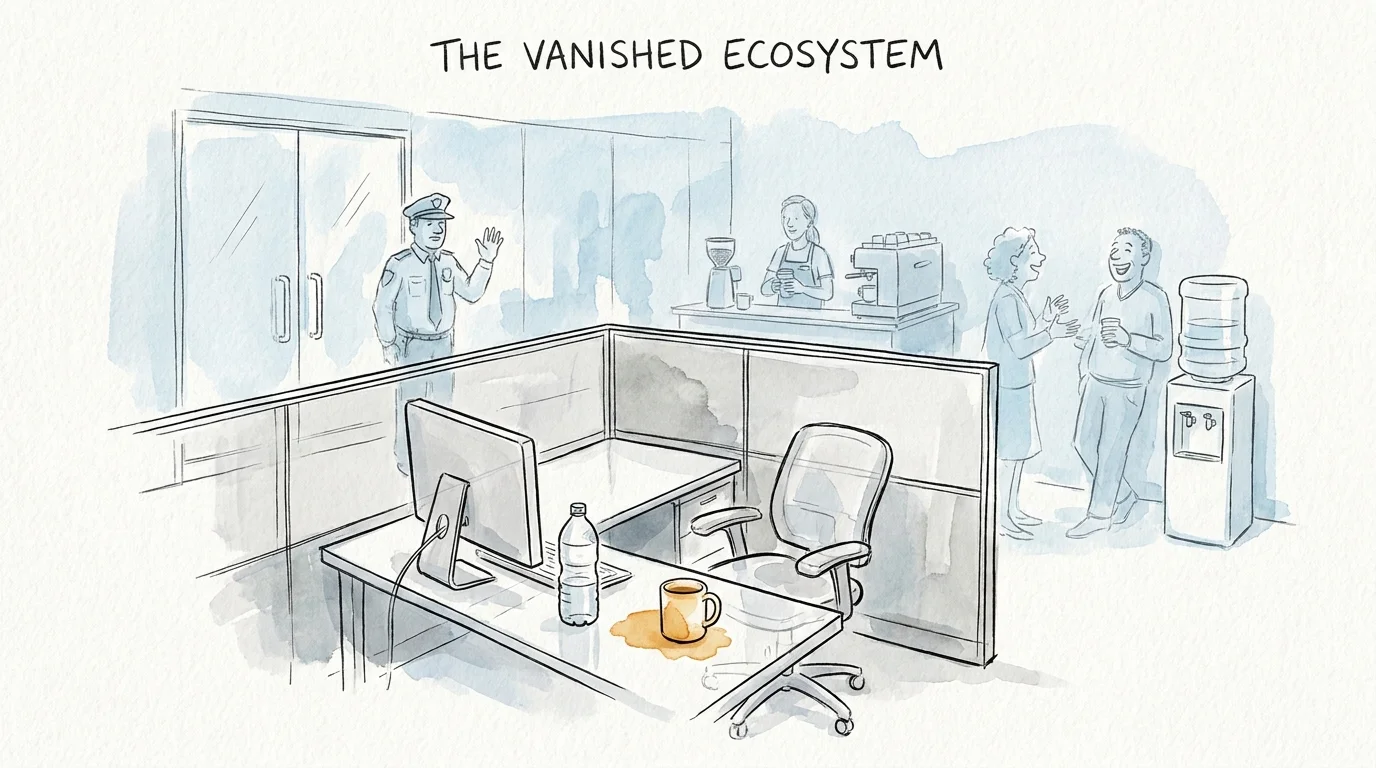
For decades, your workplace provided an effortless stream of daily interaction. You did not have to schedule a coffee date to catch up with a friend; you simply walked over to their desk. You enjoyed inside jokes before team meetings, shared complaints about management, and celebrated milestones together. Furthermore, you benefited from what sociologists call “weak ties”—the security guard who waved every morning, the barista in the lobby, or the colleague from another department you only saw in the elevator. These low-stakes interactions quietly fulfilled your fundamental human need for community.
When you walk out the office door for the last time, that entire ecosystem vanishes. You may promise to stay in touch with your closest colleagues, but without the shared context of daily work, those relationships often fade faster than anticipated. Suddenly, you find yourself at home, realizing that having a social life now requires deliberate, proactive effort. For many retirees, this sudden quiet is jarring.
Exactly What to Do About It: You must intentionally build a new social ecosystem. Treat socializing like an appointment on your calendar. Start by replacing your weak ties; become a “regular” at a local coffee shop, walk your dog at the exact same time every morning, or visit the library on a consistent schedule. Familiarity breeds conversation. To replace your strong professional ties, consider structured environments that force regular interaction. Mentoring younger professionals in your former industry, joining an alumni association, or finding a low-stress, part-time job strictly for the social benefits can rapidly rebuild your sense of belonging.
2. Your Daily Routine Disappeared Overnight
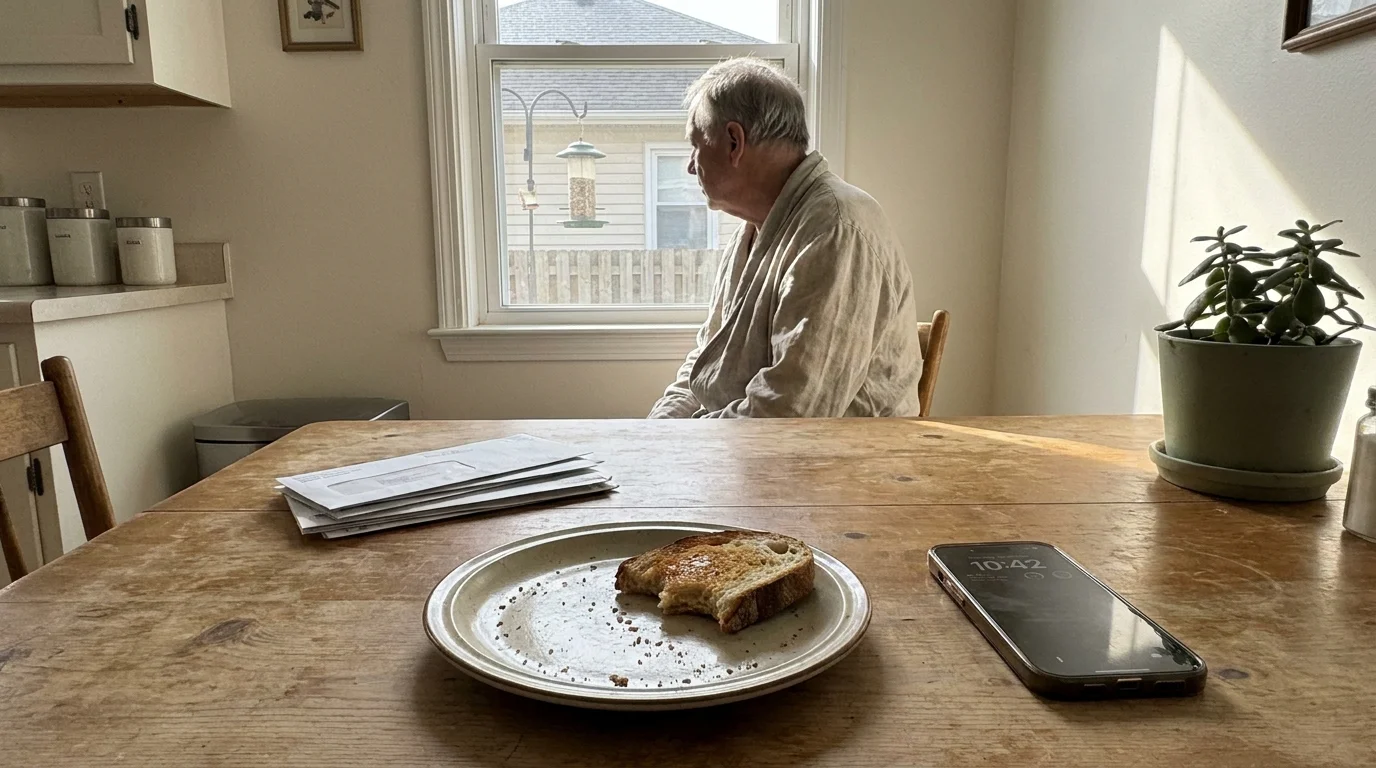
The first few weeks of retirement often feel like an extended vacation. Sleeping in, drinking coffee on the porch, and ignoring the alarm clock are glorious rewards for a lifetime of hard work. However, the novelty of an empty calendar quickly wears off. Without a structured routine, days begin to blur together. You might find yourself waiting for the mail carrier just to have a brief conversation, or relying entirely on television for a sense of engagement.
A lack of routine breeds passivity. When you do not have somewhere to be at a specific time, it becomes incredibly easy to stay in your pajamas and postpone reaching out to friends. This passivity is the breeding ground for profound loneliness. You wait for others to call you, and when they do not—because they are caught up in their own busy schedules—you feel forgotten and isolated.
Exactly What to Do About It: Anchor your days with non-negotiable commitments. You do not need to fill every hour, but establishing one anchor event each day forces you out of the house and into the path of other people. Schedule a recurring Tuesday morning pickleball match, a Thursday afternoon volunteer shift, or a Friday morning breakfast with a neighbor. Structuring your week creates momentum, making it much easier to say yes to spontaneous social opportunities when they arise.
3. Health and Mobility Changes Are Keeping You at Home
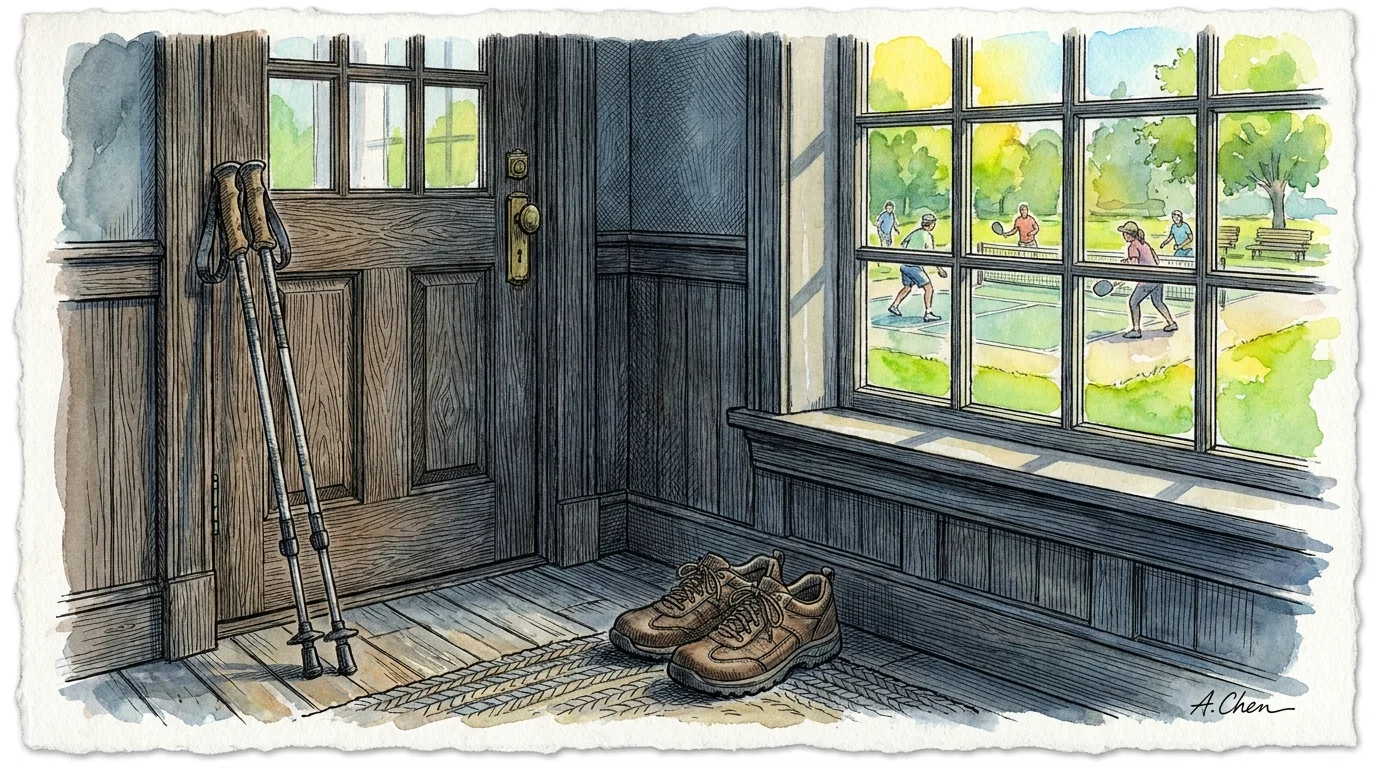
As we age, physical limitations inevitably surface, and they take a heavy toll on our social lives. You might decline a dinner invitation because driving at night has become stressful, or skip a crowded family gathering because untreated hearing loss makes noisy environments exhausting. A stiff knee might keep you from joining a walking group. Over time, as you consistently decline invitations, friends and family may stop asking, mistakenly assuming you simply prefer to be alone.
The health consequences of this isolation are staggering. In 2023, the U.S. Surgeon General issued a landmark advisory warning that prolonged social isolation carries physical health risks equivalent to smoking 15 cigarettes a day, significantly increasing the risk of cardiovascular disease, dementia, and premature death. Letting physical ailments dictate your social life creates a dangerous downward spiral.
Exactly What to Do About It: First, address the physical barriers head-on. Keep up with your medical evaluations, get your hearing checked, and utilize mobility aids if they keep you active. Second, advocate for your needs by modifying how you socialize. If night driving is a problem, suggest lunch dates instead of dinner. If restaurants are too loud, invite a small group to your home for coffee. Real friends will happily adjust the venue to ensure you can participate comfortably. You can also explore resources through the Administration for Community Living, which helps older adults maintain independence and community connection.
4. You and Your Spouse Have Misaligned Retirement Visions
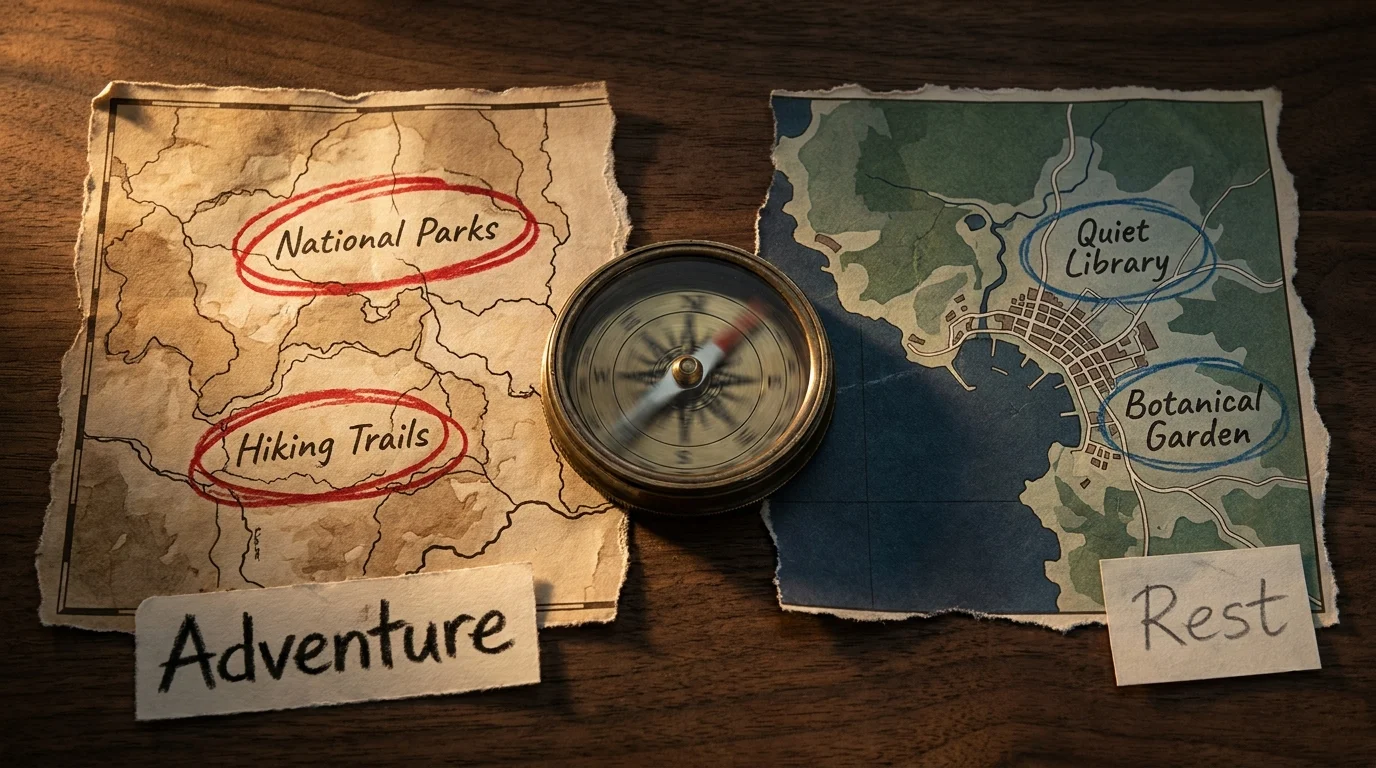
Retirement radically shifts marital dynamics. Going from spending a few hours together in the evenings to being under the same roof 24 hours a day is a massive adjustment. Loneliness within a marriage often occurs when partners have drastically different visions for their retirement years. One spouse might want to buy an RV and travel the country, while the other wants to stay home, tend to the garden, and babysit the grandchildren.
A common trap is expecting your spouse to become your sole source of entertainment, conversation, and fulfillment. When one partner relies too heavily on the other for all social interaction, it causes resentment and leaves the dependent spouse feeling profoundly isolated when their partner pursues independent interests.
Exactly What to Do About It: Have explicit, honest conversations about your expectations. It is entirely healthy—and necessary—to maintain separate friends, hobbies, and activities. Encourage your spouse to take that solo fishing trip or attend their weekly book club, and use that time to cultivate your own independent social circles. A strong marriage in retirement is built on two people bringing fresh experiences and conversations back to the dinner table.
5. Financial Constraints Are Limiting Social Activities
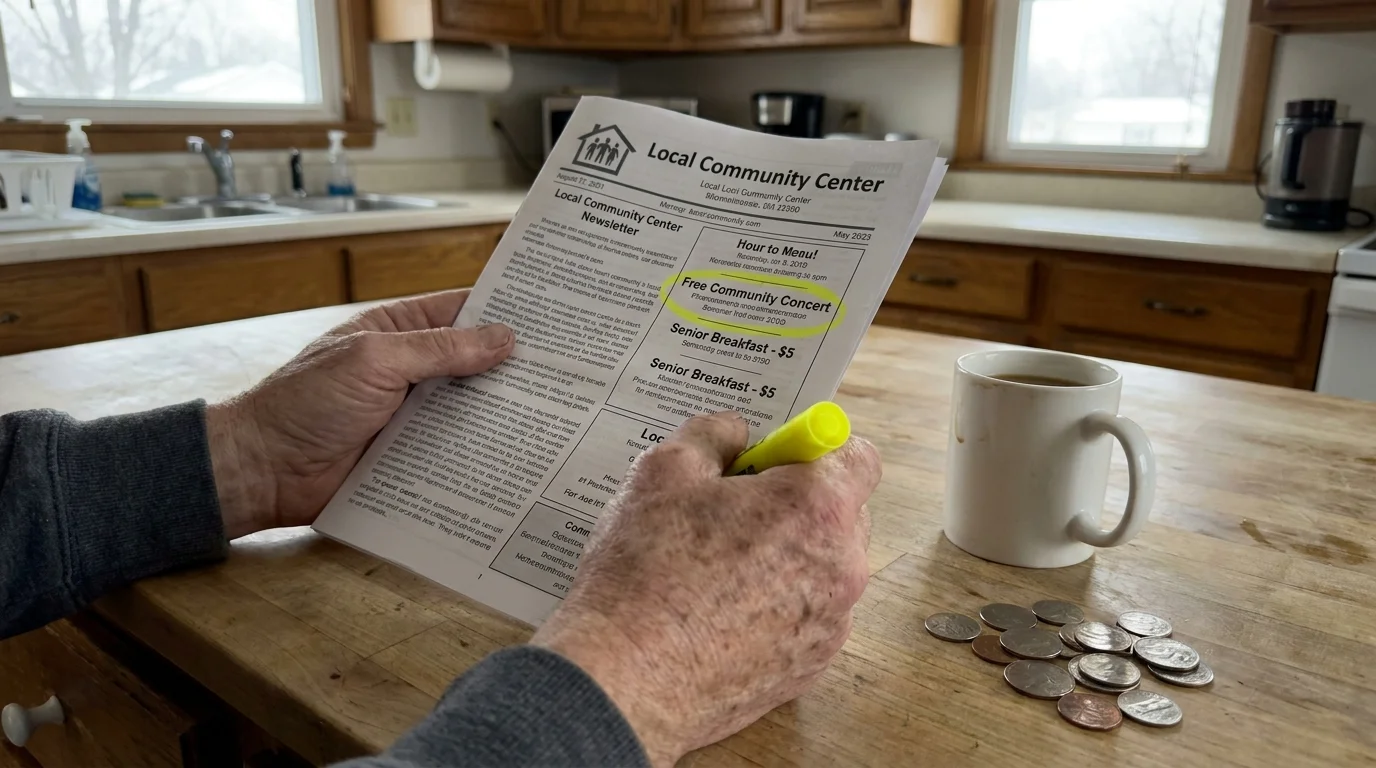
Transitioning from a regular paycheck to a fixed income forces a major psychological shift. You move from an accumulation mindset to a decumulation mindset, where every dollar spent feels heavier. Rising living costs and healthcare expenses only amplify this anxiety. For instance, in 2026, the standard Medicare Part B premium is $202.90 per month, with an annual deductible of $283. When you factor in these baseline healthcare costs, property taxes, and inflation, you might feel compelled to cut discretionary spending entirely.
This financial anxiety often leads retirees to withdraw socially. If your previous social life revolved around expensive dinners, greens fees at the golf course, or pricey theater tickets, you might quietly bow out of activities to protect your nest egg. Financial constraints quickly translate into social constraints.
Exactly What to Do About It: Reframe your social life around low-cost and free activities. Community resources are incredibly robust if you know where to look. Local senior centers, public libraries, and parks departments offer a wealth of heavily subsidized classes, ranging from woodworking to watercolor painting. Instead of meeting friends at a high-end restaurant, host a potluck dinner or organize a weekly card game at your kitchen table. True connection relies on shared experiences, not shared spending. Additionally, remember that your Medicare Part B coverage includes an Annual Wellness Visit, which features a depression screening. If financial stress is severely impacting your mental health, your physician can connect you to covered support resources.

6. You Relocated or Outlived Your Original Peer Group
The dream of relocating to a sunny, tax-friendly state is a cornerstone of American retirement planning. You sell the family home, pack your bags, and move to a beautiful coastal town. However, once the boxes are unpacked, the reality sets in: you left your 40-year support network behind. Building deep, meaningful friendships takes years of shared history, and starting over in a new state can leave you feeling isolated in paradise.
Conversely, if you choose to age in place, you face a different challenge. Over time, your neighbors may move closer to their adult children, or you may experience the profound grief of outliving your closest friends. In either scenario, your social circle shrinks dramatically without any fault of your own.
“When you get to my age, you’ll really measure your success in life by how many of the people you want to have love you actually do love you. That’s the ultimate test of how you have lived your life.” — Warren Buffett
Exactly What to Do About It: You must adopt the mindset of an initiator. You cannot wait for the neighborhood welcome committee to arrive; you have to be the one knocking on doors. Introduce yourself to your neighbors, join local community boards, or leverage your interests to find like-minded people. Volunteering is arguably the fastest way to build a new network of high-quality relationships. Organizations like the National Council on Aging can help connect you with local programs where you will work alongside peers who share your values and commitment to the community.
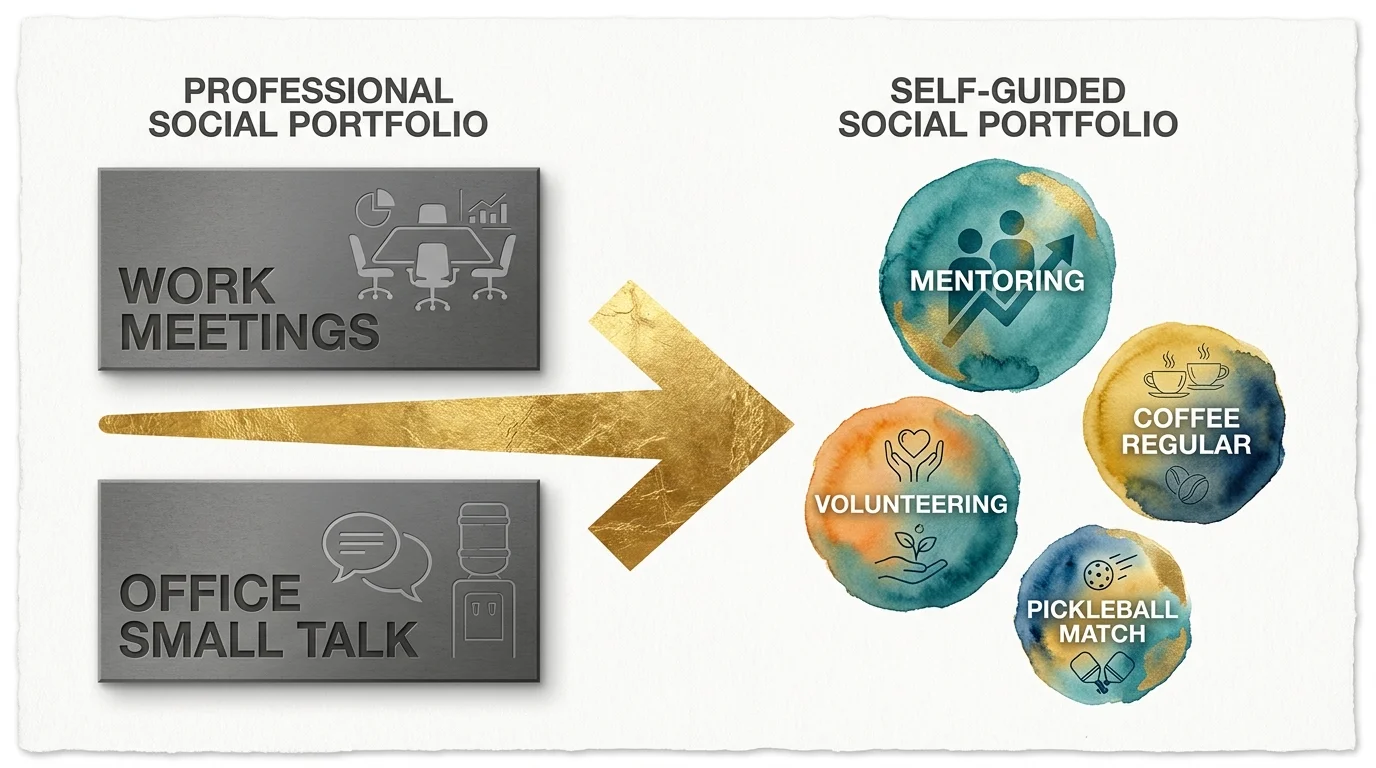
Professional vs. Self-Guided: Rebuilding Your Social Portfolio
While many retirees can successfully navigate the social transition on their own, there are times when bringing in a professional is the smartest move you can make. Knowing when to handle it yourself and when to ask for help can save you months of unnecessary struggle.
| Situation | Self-Guided Strategy | Professional Support |
|---|---|---|
| Mild boredom or lack of structure | Join local hobby clubs, establish a daily walking routine, or audit a class at a community college. | Hire a retirement transition coach to help you map out your goals, interests, and daily schedule. |
| Recent relocation to a new state | Use local Facebook groups or community center bulletin boards to find meetups; introduce yourself to neighbors. | Work with a local real estate agent or community liaison to identify highly active, welcoming neighborhood groups. |
| Persistent sadness, anxiety, or deep isolation | Reach out to trusted family members; prioritize basic self-care like daily sunlight and physical movement. | Consult a licensed mental health therapist. Medicare Part B covers 80% of approved mental health counseling after you meet your 2026 deductible of $283. |
| Declining mobility hindering social outings | Host small gatherings at home; learn how to use video calling platforms to stay in touch with distant relatives. | Consult a Geriatric Care Manager or occupational therapist to adapt your living space and find accessible transportation services. |
Common Mistakes to Avoid When Combating Isolation
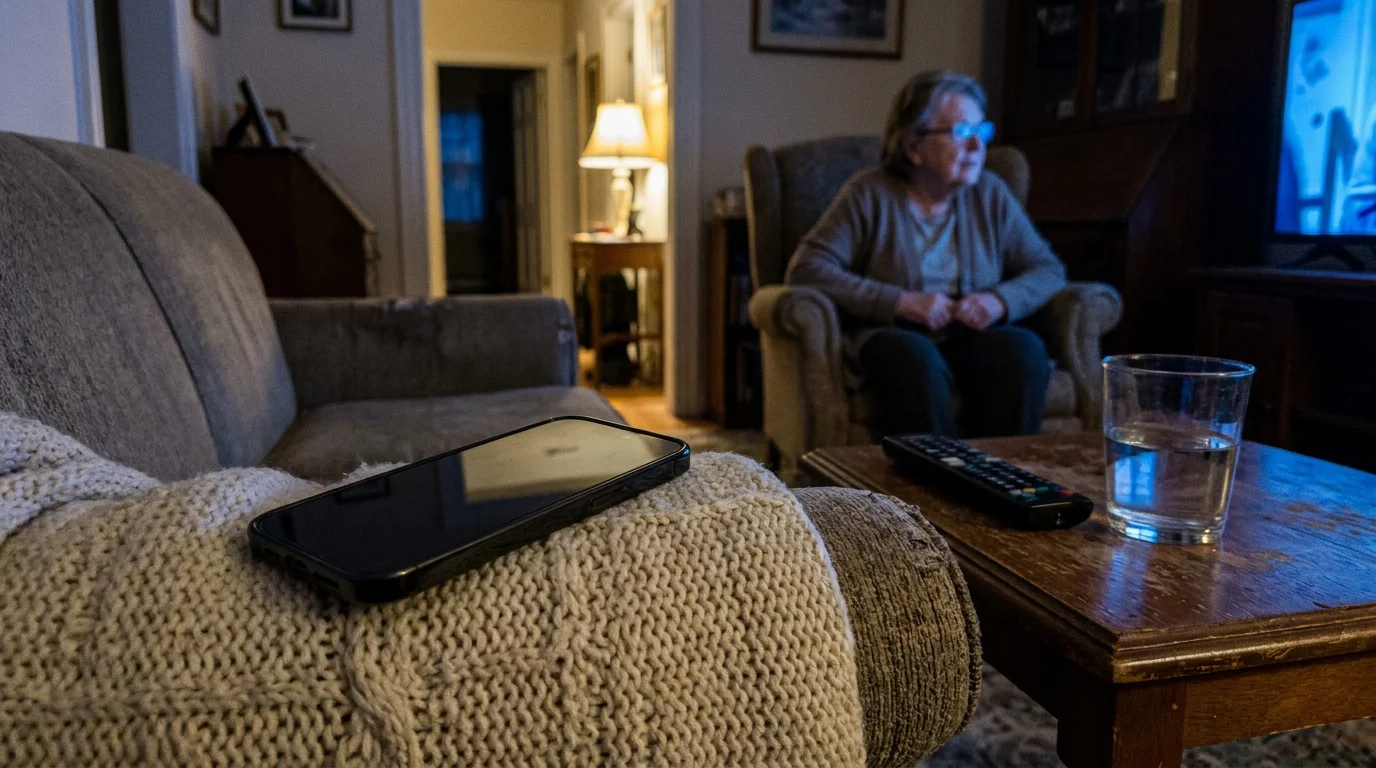
Rebuilding your social life requires vulnerability, and it is easy to make missteps along the way. Be mindful of these common traps that can inadvertently keep you isolated:
- Withdrawing after a perceived rejection: If you invite an acquaintance for coffee and they politely decline due to a busy schedule, do not take it personally. Follow up a few weeks later. Persistence is required when building new friendships later in life.
- Assuming digital connection replaces physical presence: Scrolling through photos of your grandchildren on social media or exchanging text messages is pleasant, but it does not release the same brain-boosting chemicals as an in-person hug or a face-to-face conversation. Use technology to facilitate real-world meetings, not replace them.
- Waiting for someone else to make the first move: Many people your age are sitting in their homes wishing someone would call them. Be the person who picks up the phone. Be the one who organizes the lunch date or the neighborhood block party.
- Refusing to try new things: If you insist that you will only socialize exactly as you did in your 40s, you will miss out on the incredible opportunities available now. Stay open to new hobbies, even if you are a beginner.
Frequently Asked Questions
Is it normal to feel depressed or lost immediately after retiring?
Yes, it is incredibly common. Psychologists often compare the retirement transition to other major life upheavals, such as moving to a new city or becoming an empty nester. You are grieving the loss of your professional identity and the daily structure it provided. Give yourself grace during the first six to twelve months as you establish your new baseline.
Does Medicare cover therapy or counseling for loneliness and depression?
Yes. Medicare Part B covers mental health services, including visits with a psychiatrist, clinical psychologist, or clinical social worker. After you meet your annual Part B deductible ($283 in 2026), you generally pay 20% of the Medicare-approved amount for these services. Furthermore, your Annual Wellness Visit includes a depression screening at no cost to you, provided your doctor accepts assignment.
How long does the transition into a happy retirement usually take?
Research suggests that the full emotional transition into retirement takes an average of one to three years. The “honeymoon phase” of relaxation usually lasts a few months, followed by a period of disenchantment or boredom, and finally a reorientation phase where you build a sustainable, fulfilling routine. Active planning and intentional socializing can significantly shorten the disenchantment phase.
Taking the Next Step Toward Connection
You spent decades meticulously planning the financial aspects of your retirement—funding your 401(k), navigating tax brackets, and selecting the right Medicare plans. Now, it is time to apply that same level of dedication to your social portfolio. Friendships and community ties do not simply appear; they require investment, maintenance, and courage. Start small today. Pick up the phone, take a walk in a public park, or research one local volunteer opportunity. The quality of your retirement depends entirely on the quality of the connections you choose to build.
The information in this guide is meant for educational purposes. Your specific circumstances—including income, savings, health coverage, and goals—may require different approaches. When in doubt, consult a licensed professional.
Last updated: May 2026. Retirement benefits, tax laws, and healthcare costs change frequently—verify current details with official sources.