
When news broke in May 2026 about a cluster of hantavirus cases linked to the MV Hondius cruise ship, many prospective travelers felt a sudden wave of anxiety about their upcoming vacations. The idea of a deadly pathogen spreading on a luxury liner sounds alarming, especially for older adults who prioritize health and safety while traveling. However, understanding the exact nature of the Andes virus strain and how it transmits is the key to protecting your peace of mind. While the global risk remains exceptionally low, the headlines serve as a timely reminder to review your travel insurance, understand your Medicare coverage limits on international waters, and adopt smart hygiene habits before you set sail.
The Recent Hantavirus Cruise Ship Headlines Explained
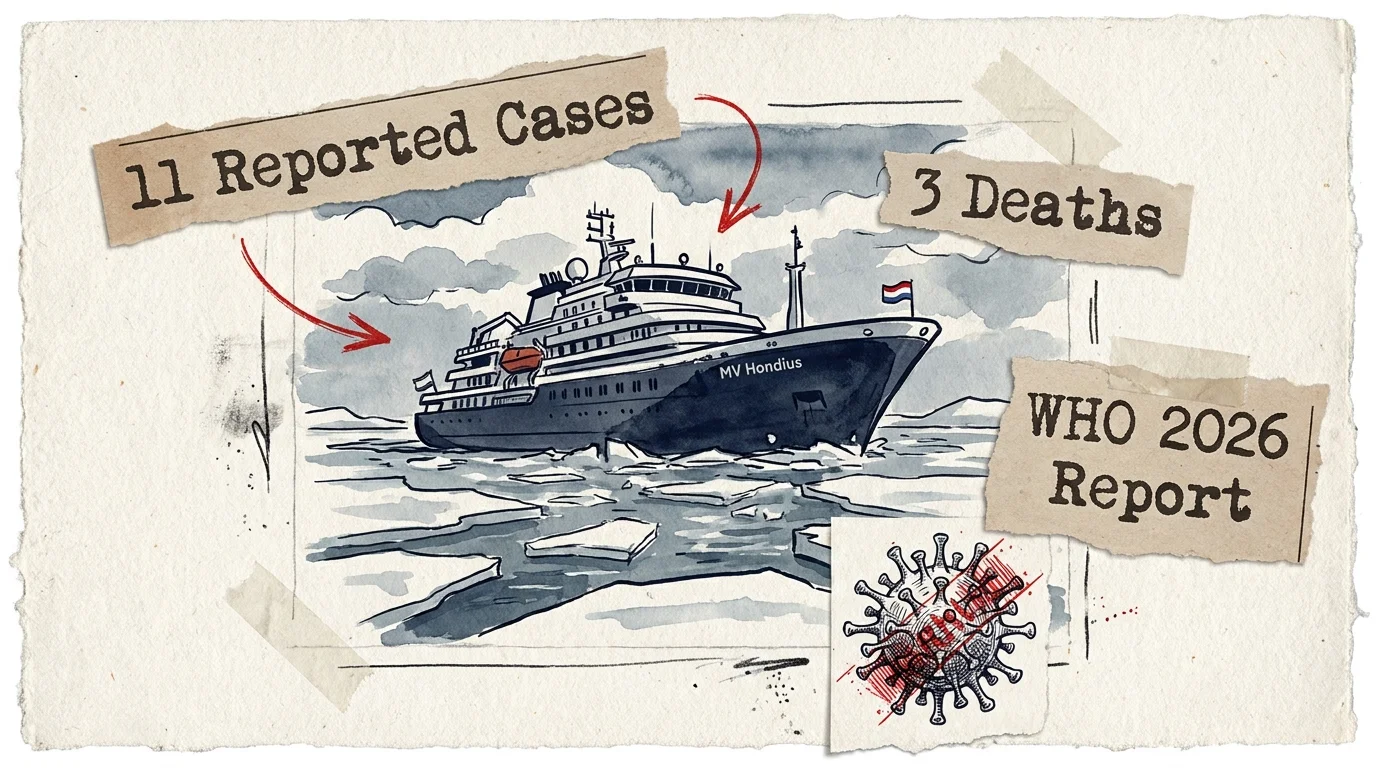
The travel industry was placed on high alert when public health officials identified a cluster of respiratory illnesses aboard the MV Hondius, a Dutch-flagged vessel that sailed from Argentina. According to the World Health Organization (2026), the outbreak resulted in 11 reported cases and three deaths. The specific culprit was identified as the Andes virus, a unique strain of hantavirus native to South America.
Unlike most hantaviruses, which only spread from rodents to humans, the Andes virus is capable of limited human-to-human transmission. This detail understandably generated widespread media coverage; however, infectious disease experts are clear that this is not another global pandemic scenario. Transmission of the Andes strain requires close, prolonged contact with an infected person. Public health authorities have emphasized that the virus does not spread easily through casual interactions in public spaces like cruise ship dining halls, elevators, or theater venues. Consequently, the global risk to the broader traveling public remains incredibly low.
How Hantavirus Actually Spreads
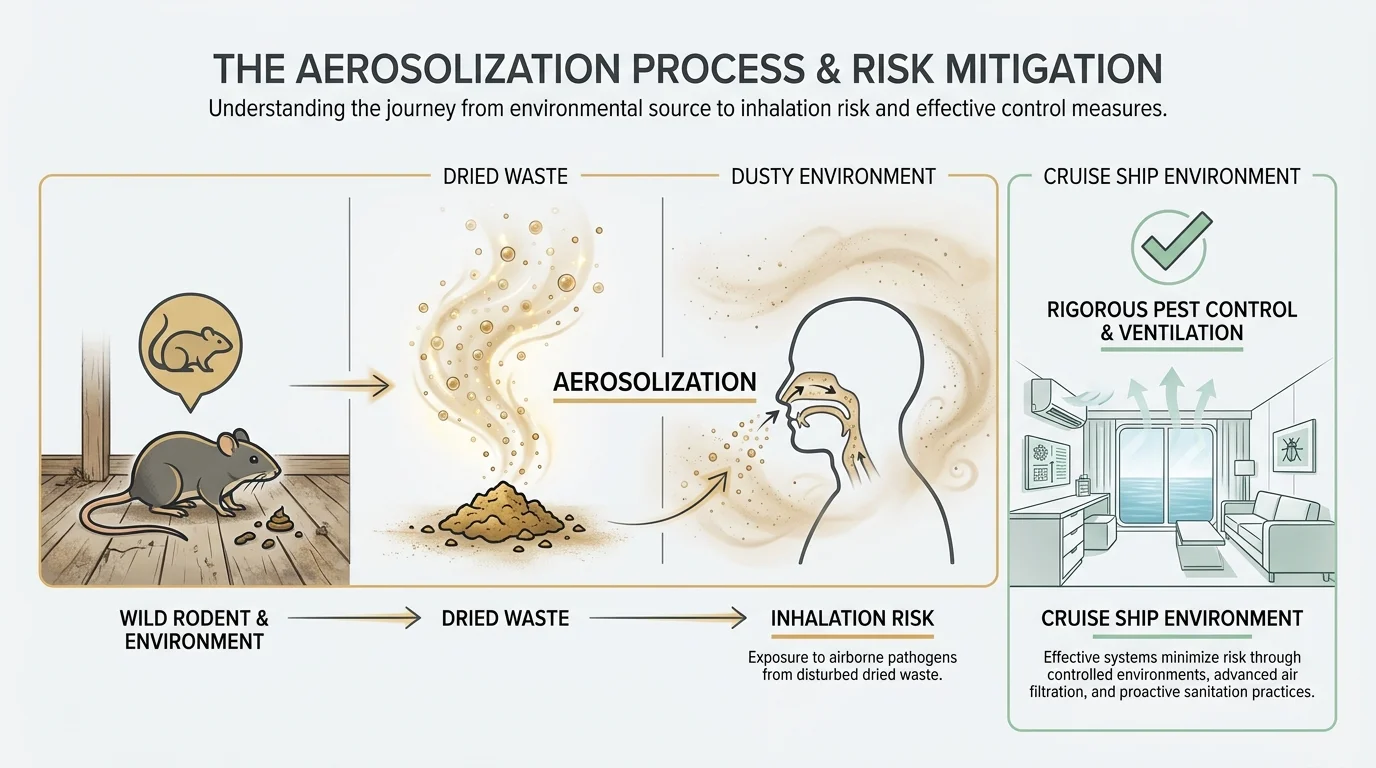
To protect yourself effectively, you must understand how this virus operates in the real world. For the vast majority of hantavirus strains, human infection occurs through environmental exposure rather than interacting with a sick passenger. The virus is primarily carried by certain species of wild rodents, and it is shed in their droppings, urine, and saliva.
When fresh rodent waste dries, the microscopic virus particles can become aerosolized—meaning they become suspended in the air. If you enter a poorly ventilated, dusty environment and disturb these particles by walking or sweeping, you can inhale the virus. This makes hantavirus a significant risk for individuals cleaning out rural barns, abandoned sheds, or opening long-vacant cabins in areas with heavy rodent populations.
Crucially, modern cruise ships are subject to rigorous sanitation and pest control protocols. You are highly unlikely to encounter an environment capable of harboring aerosolized rodent waste while walking the promenade deck or sleeping in your stateroom. The genuine risk for travelers usually arises when they disembark at remote ports of call.
Protecting Yourself During Shore Excursions
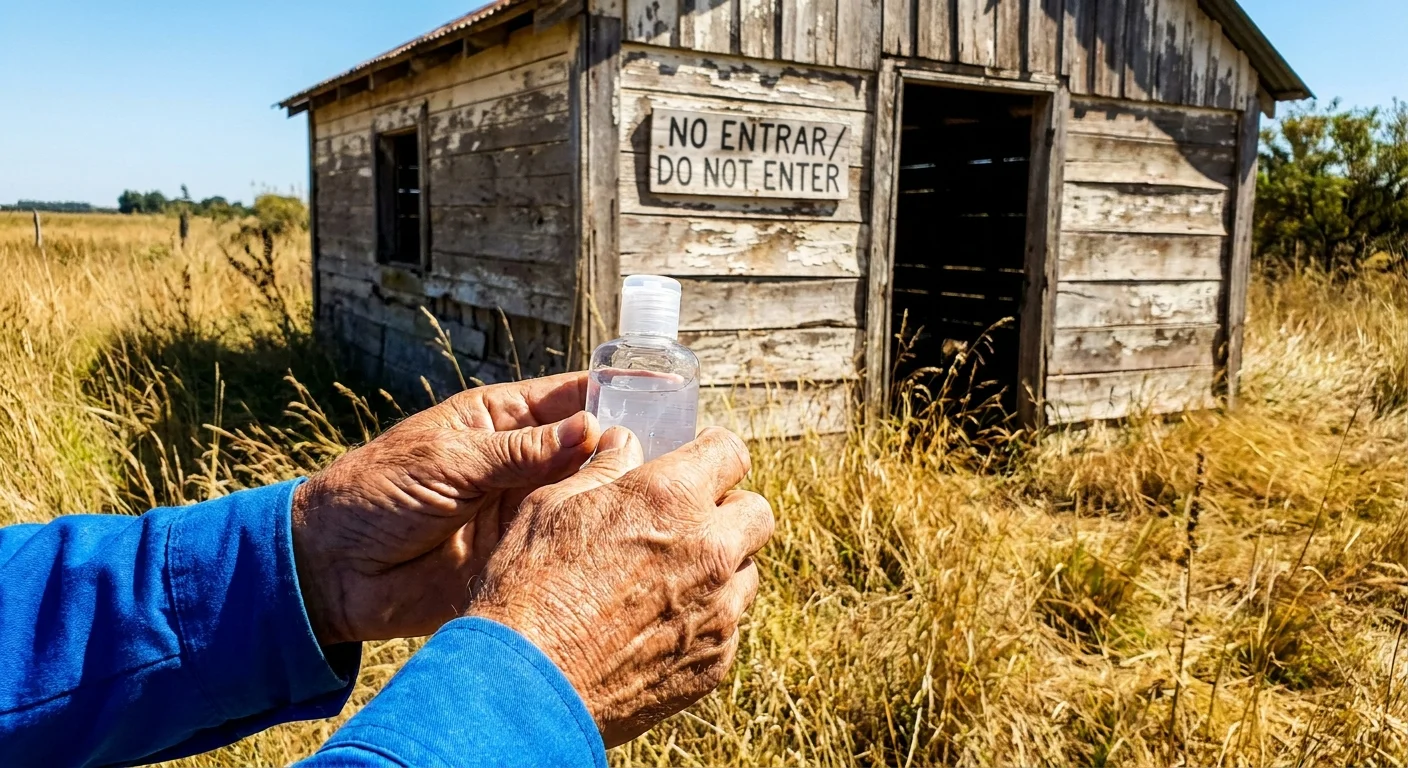
Your off-ship itinerary requires far more vigilance than your time on board. When booking shore excursions—particularly in South American regions where the Andes virus is endemic or the Southwestern United States where the Sin Nombre hantavirus resides—you should be mindful of your surroundings.
- Avoid rustic, abandoned structures: Steer clear of old cabins, barns, and storage sheds during rural and agricultural tours. These are prime nesting grounds for rodents.
- Do not disturb dusty environments: If a tour takes you into an enclosed space that appears poorly ventilated and dusty, do not linger, and certainly do not sweep or disturb the floorboards.
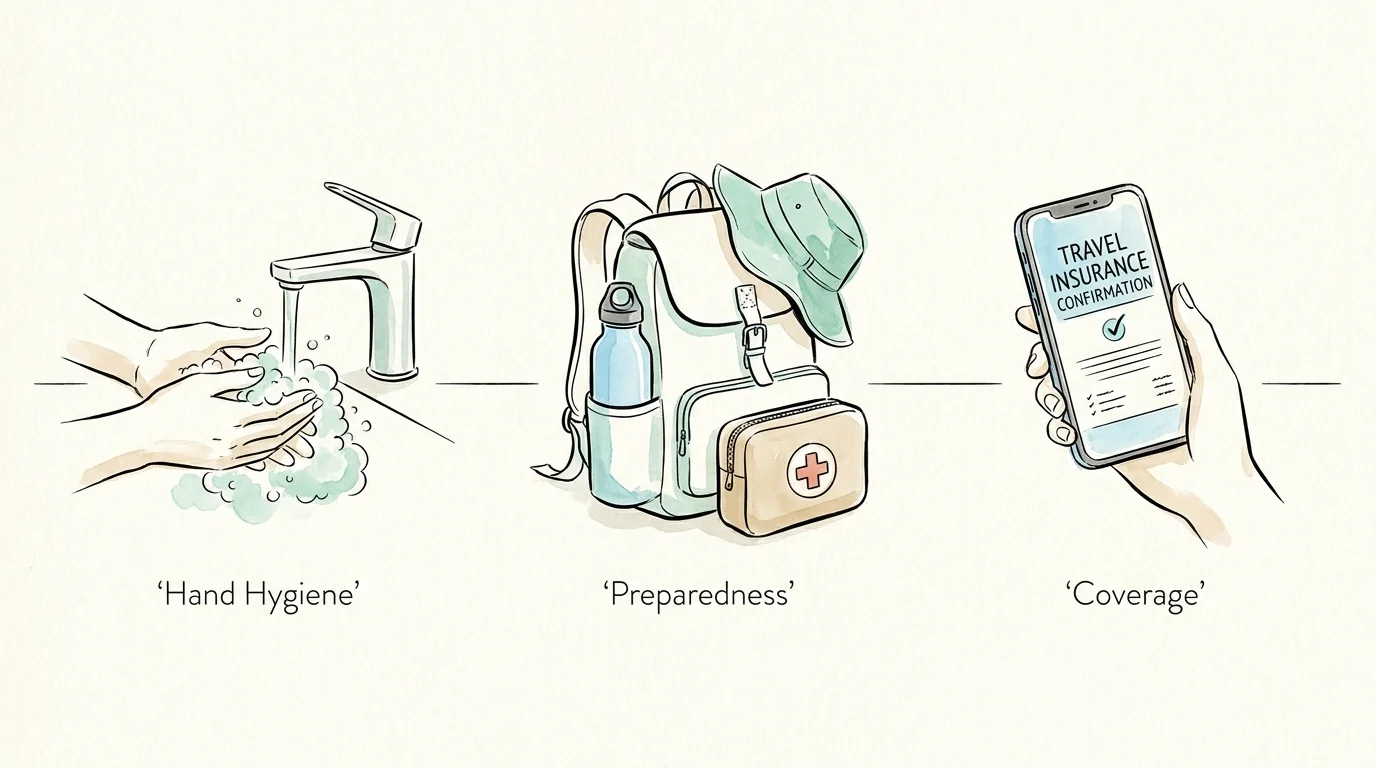
- Practice rigorous hand hygiene: Always wash your hands thoroughly with soap and warm water before eating or touching your face, especially after participating in nature walks or interacting with the local environment.
- Stick to well-trafficked tourist areas: Established historical sites, commercial districts, and well-maintained museums are generally safe and routinely cleaned, drastically reducing any environmental exposure risk.
What to Do if You Develop Symptoms at Sea
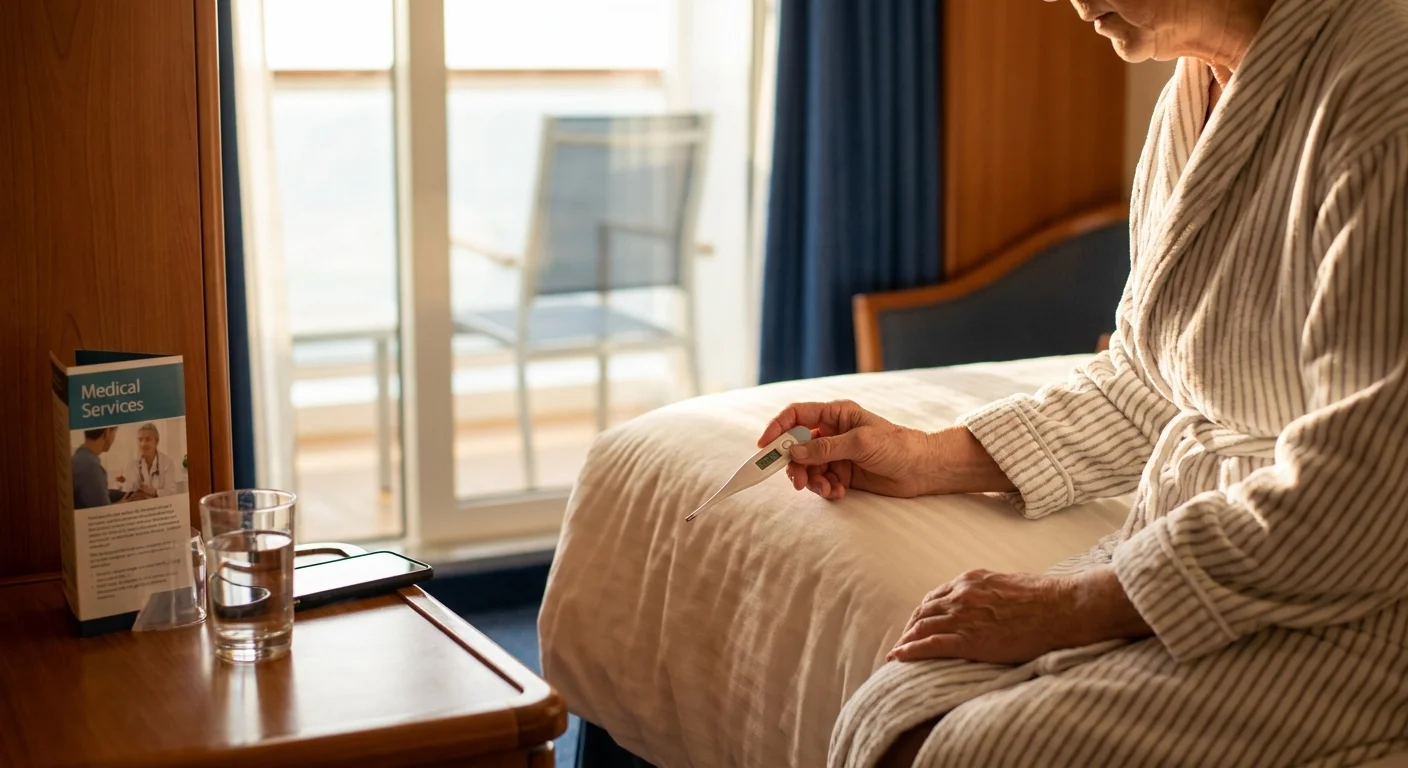
If you start feeling unwell during your voyage, prompt action is critical. The early symptoms of hantavirus—which include fever, severe muscle aches, fatigue, and chills—can closely mimic influenza or COVID-19. Given the overlapping symptoms of these far more common respiratory illnesses, you should never attempt to self-diagnose while confined to your cabin.
Modern cruise ships are equipped with dedicated medical centers designed to handle a wide variety of acute health issues. According to the Centers for Disease Control and Prevention (2026), shipboard facilities can generally provide care comparable to an ambulatory clinic, and many are now equipped with advanced life support capabilities.
If you experience any sudden respiratory distress, high fever, or severe body aches, contact the medical center immediately. Do not walk through public areas to reach the clinic unannounced; instead, call ahead so the medical staff can arrange a safe evaluation, minimizing potential exposure to other passengers. Depending on the severity of your symptoms, the onboard physician will coordinate with public health authorities at the next port of call to arrange a safe medical disembarkation.
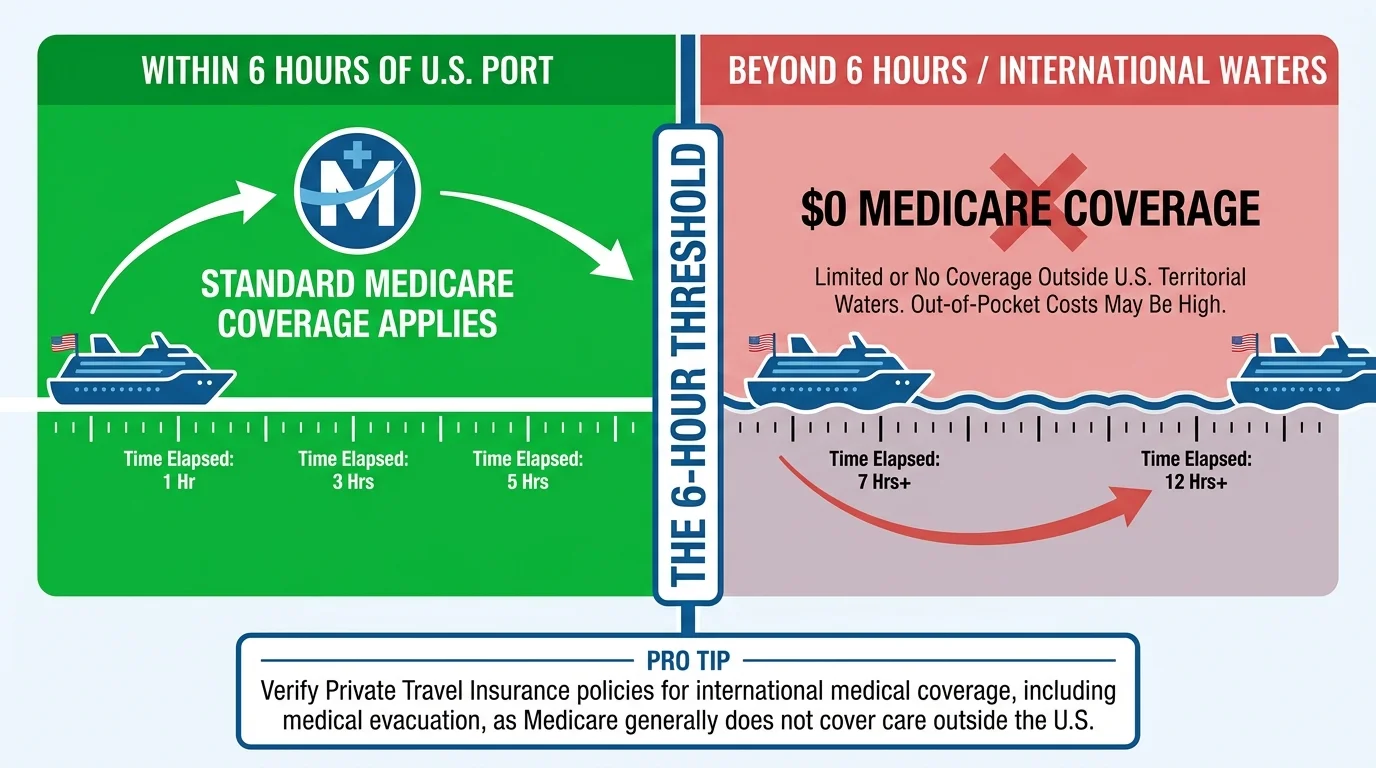
Medicare Coverage on the High Seas: The 6-Hour Rule
While the threat of hantavirus is statistically minor, the reality is that medical emergencies happen frequently at sea. Roughly half of all passengers seeking medical care on cruise ships are over age 65. If you fall ill, assuming that your domestic health insurance will foot the bill is a dangerous financial oversight.
Many retirees are shocked to learn about the strict maritime coverage rules. According to Medicare.gov (2026), Original Medicare coverage generally stops the moment you leave U.S. soil. There is, however, a very specific exception known as the six-hour rule. Medicare may cover medically necessary services you receive on a cruise ship if the doctor is legally authorized to provide them and the ship is either in a U.S. port or no more than six hours away from a U.S. port.
If your ship is deep in the Caribbean, touring the Mediterranean, or crossing the open ocean, you are financially responsible for 100 percent of your medical costs. To mitigate this risk, you must secure alternative coverage before departure.
| Insurance Type | Coverage Details for International Cruise Travel |
|---|---|
| Original Medicare (Parts A & B) | Coverage is strictly limited to services rendered within six hours of a U.S. port. Zero coverage in foreign waters or international ports. |
| Medigap (Plans C, D, F, G, M, N) | These standard supplement plans provide a foreign travel emergency benefit, covering 80 percent of billed charges for certain medically necessary emergency care outside the U.S. after a $250 deductible, subject to a strict $50,000 lifetime limit. |
| Medicare Advantage (Part C) | Coverage varies wildly by provider. Some plans offer limited worldwide emergency coverage, while others offer nothing beyond U.S. borders. You must read your specific policy documents. |
| Comprehensive Travel Medical Insurance | Purchased separately through a third party. Fills the gaps left by Medicare. Can cover onboard medical care, foreign hospital stays, and critically, emergency medical evacuation back to the United States. |
“If you can afford to travel, you can afford travel insurance. A medical evacuation from a cruise ship can easily cost upwards of $50,000—a sum that can devastate your retirement nest egg overnight.” — Suze Orman, Personal Finance Expert
General Health and Safety Tips for Senior Cruisers
While exotic pathogens dominate the news cycle, the most common threats to your health on a cruise are entirely mundane. Respiratory illnesses like influenza, RSV, and COVID-19 spread easily in enclosed spaces, accounting for roughly 30 to 40 percent of onboard medical visits. Gastrointestinal bugs, primarily norovirus, are also notoriously common.
To protect your well-being on your next voyage, adopt these practical habits:
- Update your vaccinations: Before you travel, ensure you are current on your annual flu shot, COVID-19 boosters, and the RSV vaccine if recommended by your primary care physician.
- Use the sanitizing stations: Cruise lines strategically place hand sanitizer outside dining rooms and high-traffic areas. Use them every single time you pass by; however, remember that washing your hands with soap and water is significantly more effective against stubborn viruses like norovirus.
- Pack a comprehensive medical kit: Bring more than enough of your daily prescription medications to last the entire trip, plus a generous buffer in case of travel delays. Include over-the-counter remedies for motion sickness, upset stomach, and minor pain relief.
- Stay hydrated: Older adults are highly susceptible to dehydration, especially when spending time on sun-drenched pool decks or embarking on active shore excursions. Drink bottled water continuously throughout the day, and limit excessive alcohol consumption, which can compound dehydration and increase fall risks.
- Watch your step: Slips, trips, and falls account for up to 18 percent of medical emergencies at sea. Wear sensible, rubber-soled shoes, especially on wet pool decks, steep staircases, or during rough seas.
Pitfalls to Watch For
Planning a seamless retirement vacation requires navigating a few hidden hazards. Avoid these common missteps to ensure your trip remains memorable for the right reasons.
First, never rely solely on your credit card’s travel insurance for complex medical needs. While premium travel credit cards offer excellent trip cancellation and lost luggage benefits, their medical coverage and evacuation limits are often far too low to handle a major maritime emergency.
Second, pay close attention to the pre-existing condition waivers on standalone travel insurance policies. To ensure your current health issues are fully covered, you typically must purchase your travel insurance policy within 14 to 21 days of making your initial trip deposit. Missing this narrow window can leave you incredibly vulnerable if a known medical condition flares up at sea.
Getting Expert Help
If you have complex health concerns or are traveling to remote and exotic destinations, consider seeking professional guidance before you finalize your packing list.
- Travel Clinics: Schedule an appointment with a specialized travel medicine clinic four to six weeks before your departure. They can provide destination-specific advice, prescribe preventative medications like anti-malarials, and administer any required vaccines.
- Insurance Brokers: An independent Medicare insurance broker can help you review your current Medigap or Medicare Advantage policy to determine exactly what is covered abroad, allowing you to fill any coverage gaps with a targeted travel medical plan.
- Government Resources: Always check the U.S. Department of State website for the latest travel advisories regarding your specific ports of call.
Your retirement years should be filled with exciting new horizons, not anxiety over sensationalized headlines. By understanding the true nature of travel risks—whether it is a rare occurrence like the hantavirus or common concerns like navigating Medicare rules—you empower yourself to explore the world with confidence. Book the cruise, pack your bags, and enjoy the adventure knowing you are fully prepared for whatever comes your way.
This is educational content based on general retirement planning principles. Individual results vary based on your situation. Always verify current benefit amounts, tax laws, and eligibility with official sources.
Last updated: May 2026. Retirement benefits, tax laws, and healthcare costs change frequently—verify current details with official sources.