
Retiring to wine country is no longer reserved for multi-millionaires seeking hillside estates. Across the United States, scenic vineyard communities offer rich cultural amenities, farm-to-table dining, and robust healthcare networks tailored to older adults.
Choosing the right town requires balancing scenery with practical finances, including local property taxes and proximity to medical specialists. You can trade hectic city traffic for rolling vines without sacrificing your nest egg.
Discover ten standout wine regions where retirees enjoy active days, welcoming neighbors, and exceptional lifestyle value.

Why Wine Country Living Appeals to Today’s Retirees
Vineyard valleys provide far more than tasting rooms and scenic views. These regions foster community-focused living built around agriculture, seasonal rhythms, and active outdoor lifestyles.
You gain access to vibrant farmers markets, artisan bakeries, and educational programs hosted by local colleges and vintners. Many towns also sponsor walking trails, cycling events, and outdoor concert series year-round.
Living amid open landscapes often reduces daily stress and encourages physical activity. You can spend mornings walking through quiet valley trails and afternoons volunteering with regional conservation trusts.
A supportive community helps retirees build new social connections quickly. As social engagement remains vital for longevity, these tight-knit communities provide welcoming hubs for newcomers.

Evaluating Healthcare and Daily Costs in Wine Regions
Relocating during retirement involves looking past romantic postcards to inspect underlying balance sheets. Real estate values, property tax rates, and local grocery costs fluctuate dramatically across American wine regions.
You must also assess regional healthcare infrastructure before buying property. Routine medical appointments and emergency trauma facilities must fit your evolving long-term care needs.
Reviewing provider networks under Medicare ensures that your preferred specialists accept your coverage locally. Distance to major medical centers remains a critical safety factor as you age.
“A great retirement lifestyle requires intentional alignment between your personal passions and your sustainable withdrawal rate.” — Jean Chatzky, Financial Educator
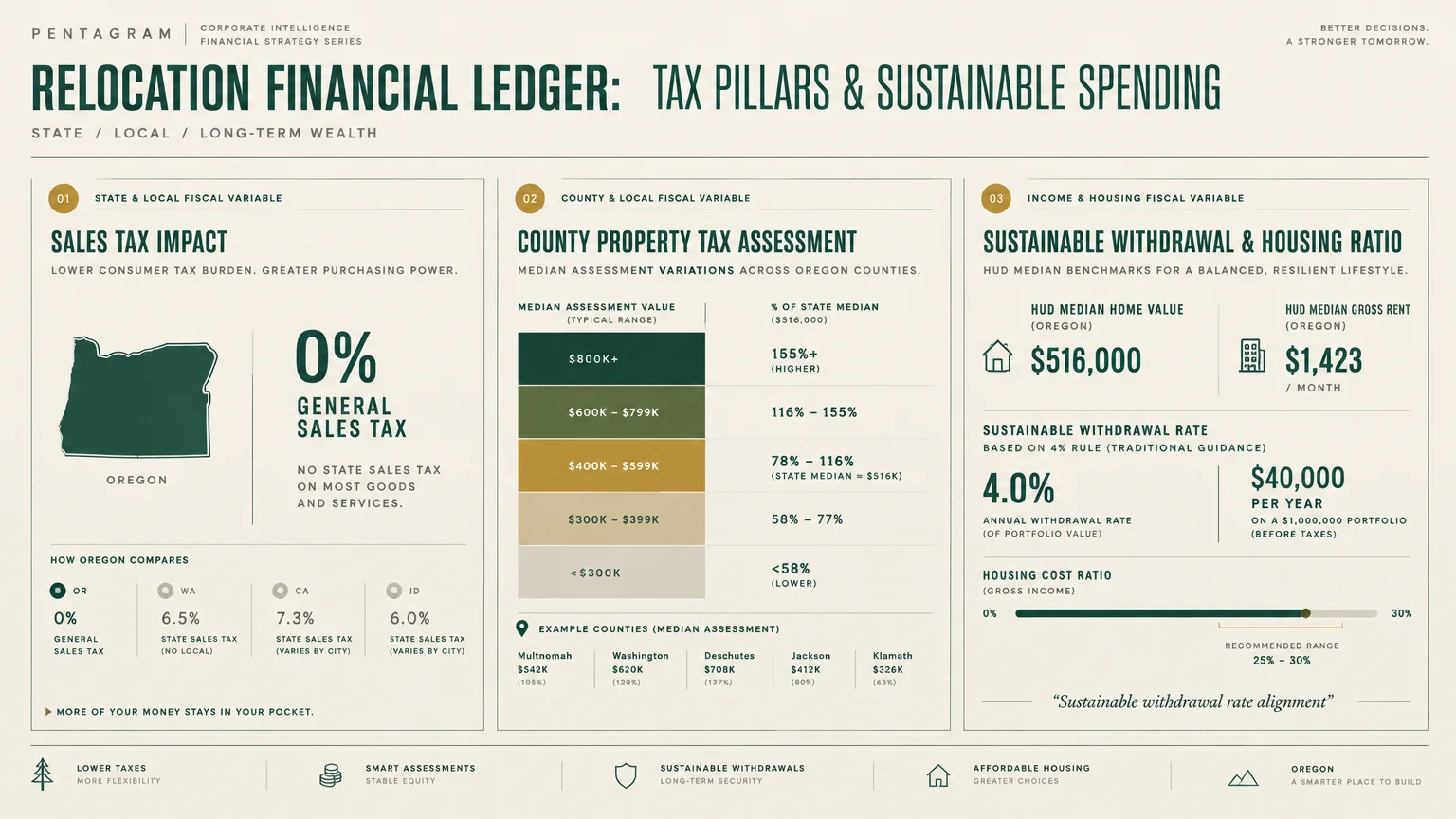
Evaluating housing affordability prevents budget shortfalls later in retirement. Using resources from the Department of Housing and Urban Development helps you evaluate fair market housing patterns across counties.
10 Standout Wine Country Towns for Retirement
From the Pacific Northwest to the Atlantic coast, diverse microclimates host thriving viticultural enclaves. Here are ten top wine country towns attracting retirees today.
1. McMinnville, Oregon
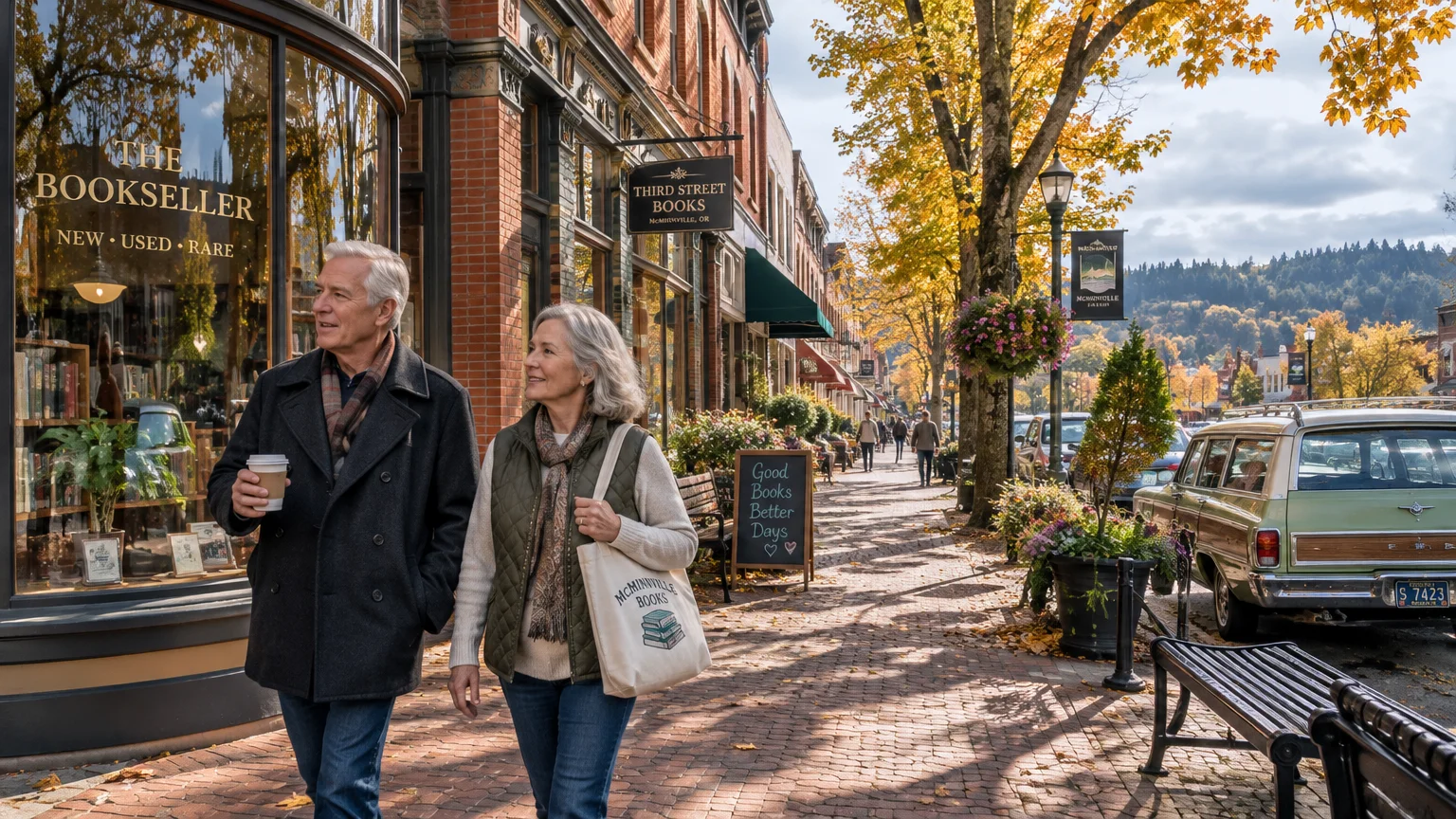
Nestled in the heart of the Willamette Valley, McMinnville offers world-famous Pinot Noir alongside historic charm. Its tree-lined Third Street features award-winning bistros, indie bookshops, and year-round street festivals.
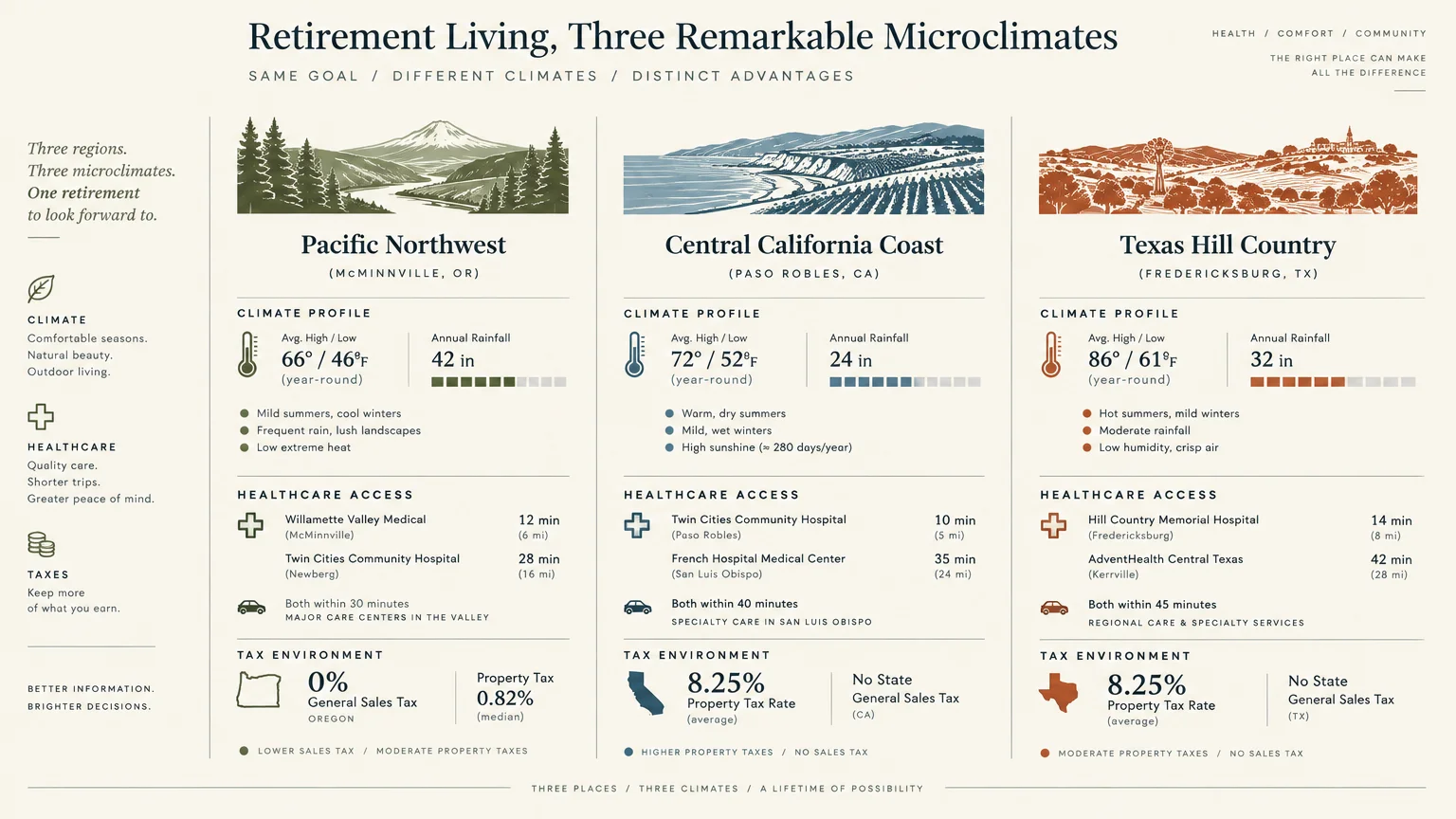
Retirees appreciate Oregon’s lack of a general sales tax, which lowers daily consumer expenses. Willamette Valley Medical Center provides immediate healthcare, while Portland’s extensive hospital systems sit just an hour away.
2. Paso Robles, California
Located halfway between Los Angeles and San Francisco, Paso Robles blends cowboy roots with acclaimed Rhône blends. The historic central park square anchors dozens of tasting rooms, olive oil purveyors, and community gatherings.
Housing costs here remain substantially lower than those found in Northern California wine hubs. Twin Cities Community Hospital provides localized care, while coastal breezes temper the warm summer afternoons.
3. Fredericksburg, Texas
Fredericksburg anchors the Texas Hill Country wine industry along Highway 290. German heritage shapes the town’s architecture, bakeries, and lively cultural festivals throughout the year.
Texas levies no state income tax on retirement withdrawals, pensions, or Social Security payments. Hill Country Memorial Hospital delivers nationally recognized patient care right in town.
4. Walla Walla, Washington
Tucked into southeastern Washington’s rolling wheat hills, Walla Walla yields world-renowned Syrahs and Cabernet Sauvignons. The town’s vibrant downtown features wide sidewalks, public art installations, and restored historic architecture.
Washington retirees benefit from having no state personal income tax. Providence St. Mary Medical Center provides comprehensive medical services, while Whitman College sponsors enriching public lectures and performances.
5. Charlottesville, Virginia
Surrounded by the Monticello Wine Trail, Charlottesville combines early American history with thriving vineyards. Thomas Jefferson first championed viticulture here, and modern winemakers now craft award-winning Viogniers and Cabernet Francs.
Retirees benefit from UVA Health, one of the nation’s premier academic medical centers. The presence of the University of Virginia also guarantees boundless lifelong learning and collegiate athletic events.
6. Traverse City, Michigan
Perched along Grand Traverse Bay, Traverse City serves as Michigan’s premier wine and culinary capital. The Old Mission and Leelanau peninsulas produce crisp Rieslings and Pinot Noirs alongside panoramic freshwater vistas.
Munson Healthcare anchors the regional medical landscape with a comprehensive regional hospital network. Winters bring snow, but warm summers and stunning autumn foliage reward cold-hardy retirees.
7. Sonoma, California
Sonoma offers quintessential California wine country living with a relaxed, historic ambiance. Its massive eight-acre central plaza hosts weekly farmers markets, historic landmarks, and relaxed outdoor dining.
Sonoma Valley Hospital serves local residents directly, with Kaiser Permanente and Sutter Health facilities nearby in Santa Rosa. Real estate commands a premium, but residents enjoy unmatched culinary and agricultural splendor.
8. Geneva, New York
Positioned at the northern tip of Seneca Lake, Geneva anchors the burgeoning Finger Lakes wine region. The area boasts world-class dry Rieslings, dramatic glacial gorges, and remarkably accessible home prices.
Geneva General Hospital offers solid community care, while Strong Memorial Hospital in Rochester sits within an easy drive. The low cost of living allows retirees to stretch fixed investment accounts comfortably.
9. Palisade, Colorado
Located in the sun-drenched Grand Valley, Palisade pairs orchards and vineyards with dramatic desert mesa views. Warm days and cool mountain nights create ideal conditions for fruit growers and boutique wineries.
Retirees enjoy world-class mountain biking, hiking, and fishing immediately outside their front doors. Neighboring Grand Junction houses St. Mary’s Medical Center, the largest medical hub between Denver and Salt Lake City.
10. Napa, California
Napa anchors the most famous wine region in North America with cosmopolitan sophistication. Its revitalized downtown district features the Oxbow Public Market, riverwalk paths, and Michelin-starred dining.
Queen of the Valley Medical Center provides exceptional cardiovascular, surgical, and cancer care locally. While home prices require substantial capital, Napa offers unrivaled luxury amenities and cultural depth for discerning retirees.
Comparing Wine Towns: Cost, Climate, and Healthcare
Evaluating key metrics side by side helps clarify which wine town aligns best with your savings and preferences. Compare these ten destinations across essential lifestyle categories.
| Town and State | State Income Tax | Healthcare Anchor | Climate Profile | Dominant Wine Varietals |
|---|---|---|---|---|
| McMinnville, OR | Yes (No Sales Tax) | Willamette Valley Medical Center | Mild, maritime, wet winters | Pinot Noir, Pinot Gris |
| Paso Robles, CA | Yes | Twin Cities Community Hospital | Mediterranean, hot sunny days | Syrah, Grenache, Zinfandel |
| Fredericksburg, TX | No state income tax | Hill Country Memorial Hospital | Humid subtropical, warm winters | Tempranillo, Viognier |
| Walla Walla, WA | No state income tax | Providence St. Mary Medical Center | Semi-arid, four distinct seasons | Cabernet Sauvignon, Syrah |
| Charlottesville, VA | Yes | UVA Health System | Four seasons, humid summers | Viognier, Cabernet Franc |
| Traverse City, MI | Yes (Flat tax) | Munson Medical Center | Four seasons, snowy winters | Riesling, Pinot Blanc |
| Sonoma, CA | Yes | Sonoma Valley Hospital | Mediterranean, coastal fog | Chardonnay, Pinot Noir |
| Geneva, NY | Yes | Geneva General Hospital | Four seasons, snowy winters | Riesling, Gewürztraminer |
| Palisade, CO | Yes (Flat tax) | St. Mary’s Medical Center | High desert, sunny and dry | Merlot, Cabernet Franc |
| Napa, CA | Yes | Queen of the Valley Medical Center | Mediterranean, dry summers | Cabernet Sauvignon, Merlot |
Tax rules vary widely between states and can impact your annual budget significantly. Make sure you calculate net income after factoring in state levies on retirement distributions.

Key Factors to Consider Before Relocating
Moving across county or state lines involves significant lifestyle adjustments. You should assess several essential factors before packing your household.
- Tourism and Traffic Flow: Popular wine towns experience heavy weekend tourist traffic during peak harvest months.
- Water Security and Climate Risks: Vineyard regions frequently encounter wildfire risks, droughts, or severe winter freezes that affect insurance rates.
- Hospital Distance and Specialist Availability: Rural vineyard towns may lack specialized geriatric care or oncology centers.
- Property Tax Appraisals: Surging popularity can drive up real estate appraisals, raising your annual local tax bill.
- Community Fit: Year-round residency feels distinct from a brief autumn vacation weekend.
Spending an extended stay during the off-season reveals what daily life actually feels like. Renting a furnished cottage for a month gives you direct insight into local infrastructure and community rhythms.
Financial and Tax Considerations for Your Relocation
Your state tax burden can dramatically alter the longevity of your retirement portfolio. States like Washington and Texas levy zero personal income taxes on retirement distributions.
Conversely, states like California and New York impose graduated income taxes that touch higher pension or IRA distributions. Consult guidance from the Internal Revenue Service regarding retirement plan withdrawals.
Reviewing portfolio allocation with guides from Fidelity Retirement helps ensure your withdrawal plan supports your new living costs. Factoring in rising homeowner insurance premiums protects your long-term liquidity.
Retirees should also investigate local property tax exemptions designed specifically for seniors. Many counties offer valuation freezes or homestead credits once you reach age 65.
Explore research from advocacy organizations like AARP to discover local property tax assistance programs. A modest tax break can save thousands of dollars over a lengthy retirement.
Frequently Asked Questions About Retiring in Wine Country
Which wine country town is the most affordable for retirees?
Geneva, New York, offers some of the most affordable real estate among American wine hubs. Median home prices remain well below national averages, providing high living standards on a modest budget.
How do high tourist seasons affect full-time retirees?
Harvest season between August and October brings increased traffic, busy restaurants, and elevated noise. Most full-time residents adjust their routines by running errands on weekdays or exploring quieter surrounding country roads.
Are wine country towns suitable for aging in place?
Many wine towns feature walk-friendly downtown cores with single-story historic homes and local transit. You must confirm that specialized healthcare facilities remain within a reasonable driving radius before settling permanently.
Do wine country communities offer social opportunities for non-drinkers?
Wine country towns offer thriving farmers markets, culinary arts classes, cycling clubs, and volunteer groups. The community lifestyle celebrates agriculture, landscape beauty, and local dining far beyond wine consumption alone.
Making Your Wine Country Move
Retiring to wine country provides an inspiring blend of natural beauty, culinary riches, and active community engagement. Prioritizing affordable housing and dependable healthcare access ensures your retirement years remain peaceful and fulfilling.
The information in this guide is meant for educational purposes; your specific circumstances—including income, savings, health coverage, and goals—may require different approaches. When in doubt, consult a licensed professional.
Last updated: February 2026. Retirement benefits, tax laws, and healthcare costs change frequently—verify current details with official sources.