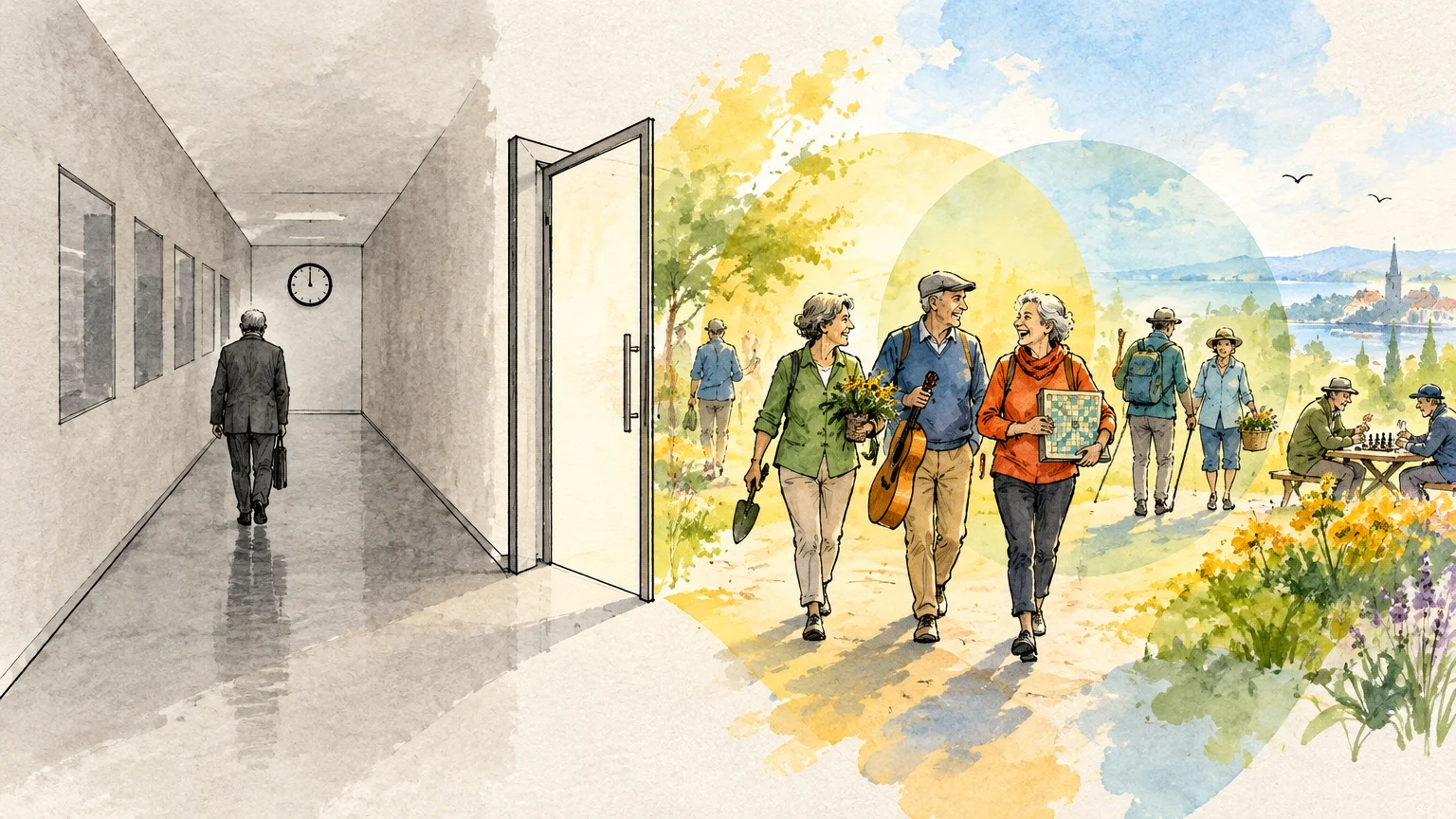
Leaving the workplace strips away your built-in daily network, leaving an unexpected social void. You can rebuild a thriving community quickly by choosing activities centered on teamwork and organic conversation.
The most effective social pastimes combine recurring weekly schedules with shared goals. These pursuits remove awkward introductions entirely, letting genuine connections develop without forced small talk.
Exploring the right group pastimes will revitalize your schedule and fill your calendar with meaningful friendships. Here are eleven proven activities designed to turn strangers into lifelong friends.
Why Social Hobbies Matter More in Retirement
Workplace friendships dissolve faster than most people expect once daily routines diverge. Without intentional effort, days quickly fill with solitary routines that accelerate isolation.
Research curated by the National Council on Aging highlights that active social engagement protects cognitive health and boosts emotional resilience. Regular interaction preserves mental sharpness and gives structure to unstructured days.
Shared activities bypass the dreaded cold introduction. When you focus on a shared objective, natural conversation flows without the pressure of forced networking.
Hobbies with built-in rotation ensure you meet dozens of people within weeks. You do not need charismatic extroversion; the structure of the activity does the heavy lifting.
“The secret to a happy retirement isn’t just financial freedom—it is having places to go and people who are happy to see you when you get there.” — Jean Chatzky, Financial Journalist and Author
1. Pickleball: The Ultimate Fast-Paced Social Icebreaker
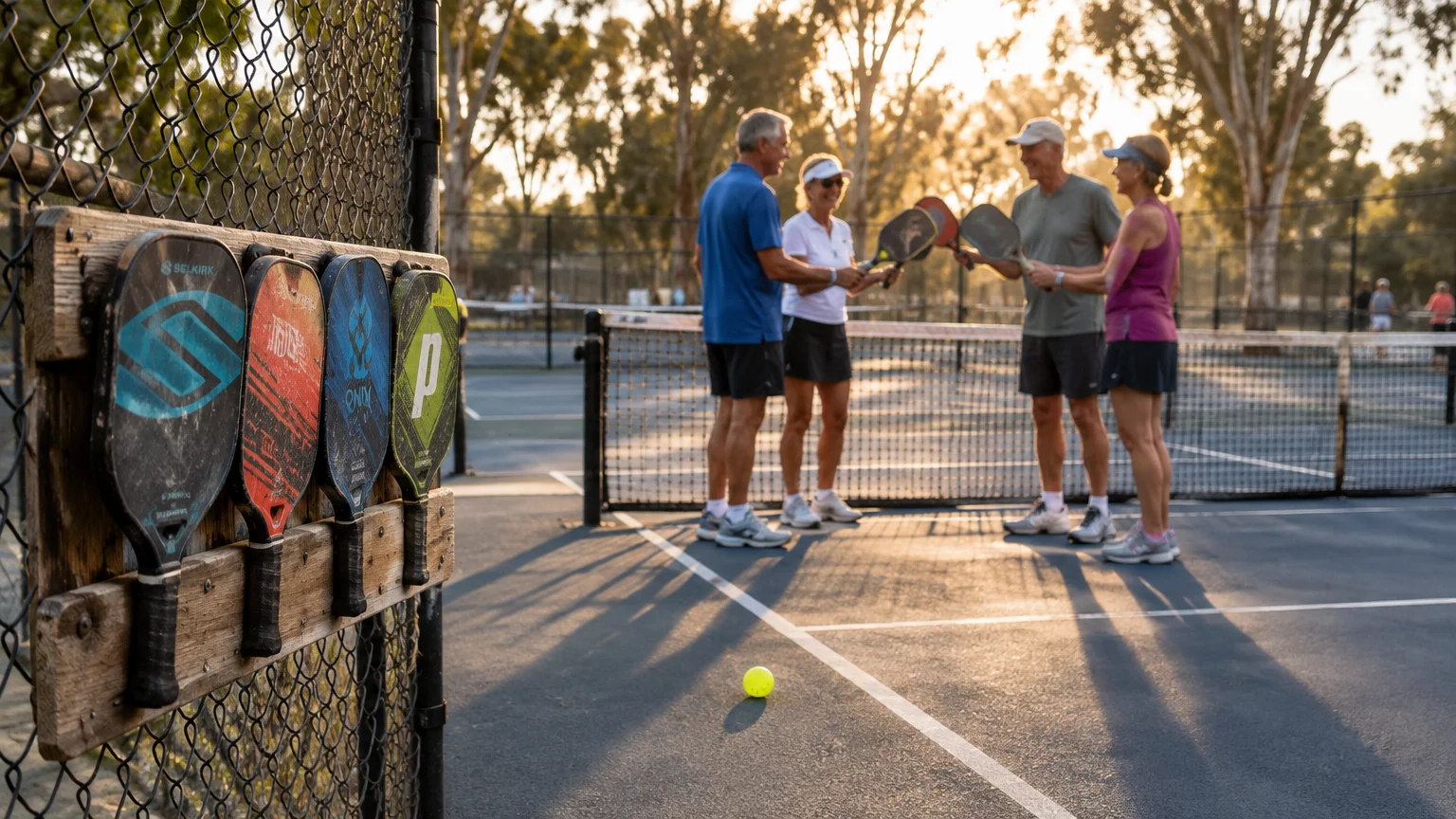
Pickleball has earned its reputation as the most socially accessible sport in North America. Its compact court size places players in close physical proximity, making casual chatter effortless.
Most community courts use an open-play paddle rotation system. You place your paddle in a rack, step onto the court with three strangers, and play a short game.
Because games last twelve to fifteen minutes, you partner with diverse players every hour. Win or lose, players tap paddles at the net and immediately chat about the game.
Beginner clinics at local recreation centers offer an effortless entry point. Everyone in these classes shares the same novice status, which eliminates performance anxiety from day one.
To maximize connections, arrive thirty minutes before morning round-robins. Lounging on the benches between games creates the easiest setting for casual conversations.
- Buy an entry-level composite paddle and court shoes before attending open play.
- Ask experienced players to clarify non-volley zone positioning between points.
- Join the post-game tailgate or local breakfast group that inevitably forms near the courts.
2. Community Gardening: Cultivating Shared Roots and Wisdom
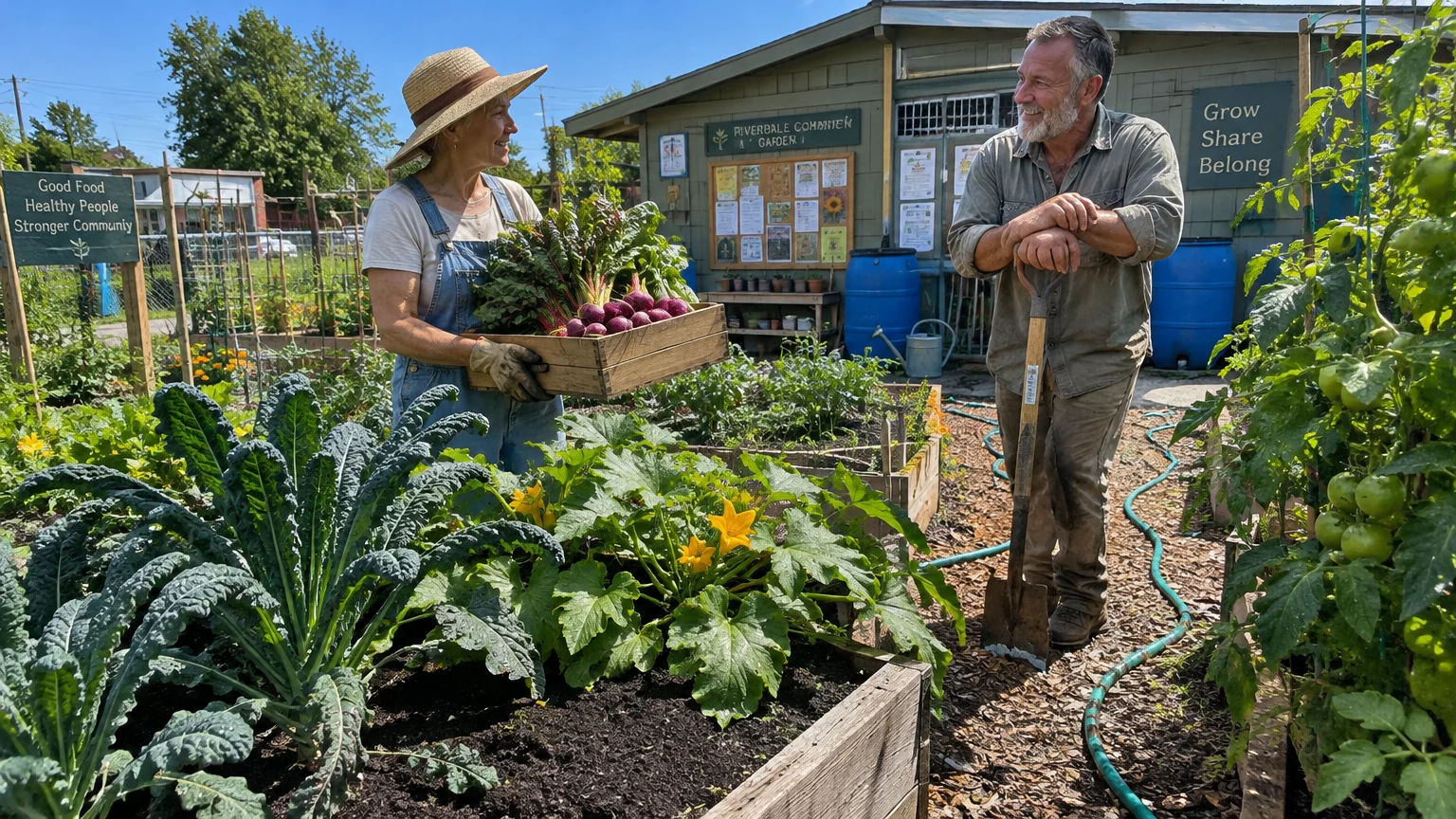
Community gardens bring neighborhood enthusiasts together over shared dirt, sunshine, and homegrown harvests. Working side-by-side provides natural pauses where conversation flows comfortably.
Garden plots demand regular maintenance, establishing consistent weekly schedules among plot holders. You will regularly encounter the same neighbors watering, weeding, and staking tomatoes.
Gardeners love sharing advice, surplus produce, and heirloom seeds. Offering an extra tomato start or asking about pest management breaks the ice instantly.
Many municipal gardens organize communal workdays to mulch pathways, compost waste, and build raised beds. These collaborative work sessions foster teamwork and authentic camaraderie.
Check with your county extension office or city parks department to secure a plot. Even if a waitlist exists, volunteer workdays remain open to everyone.
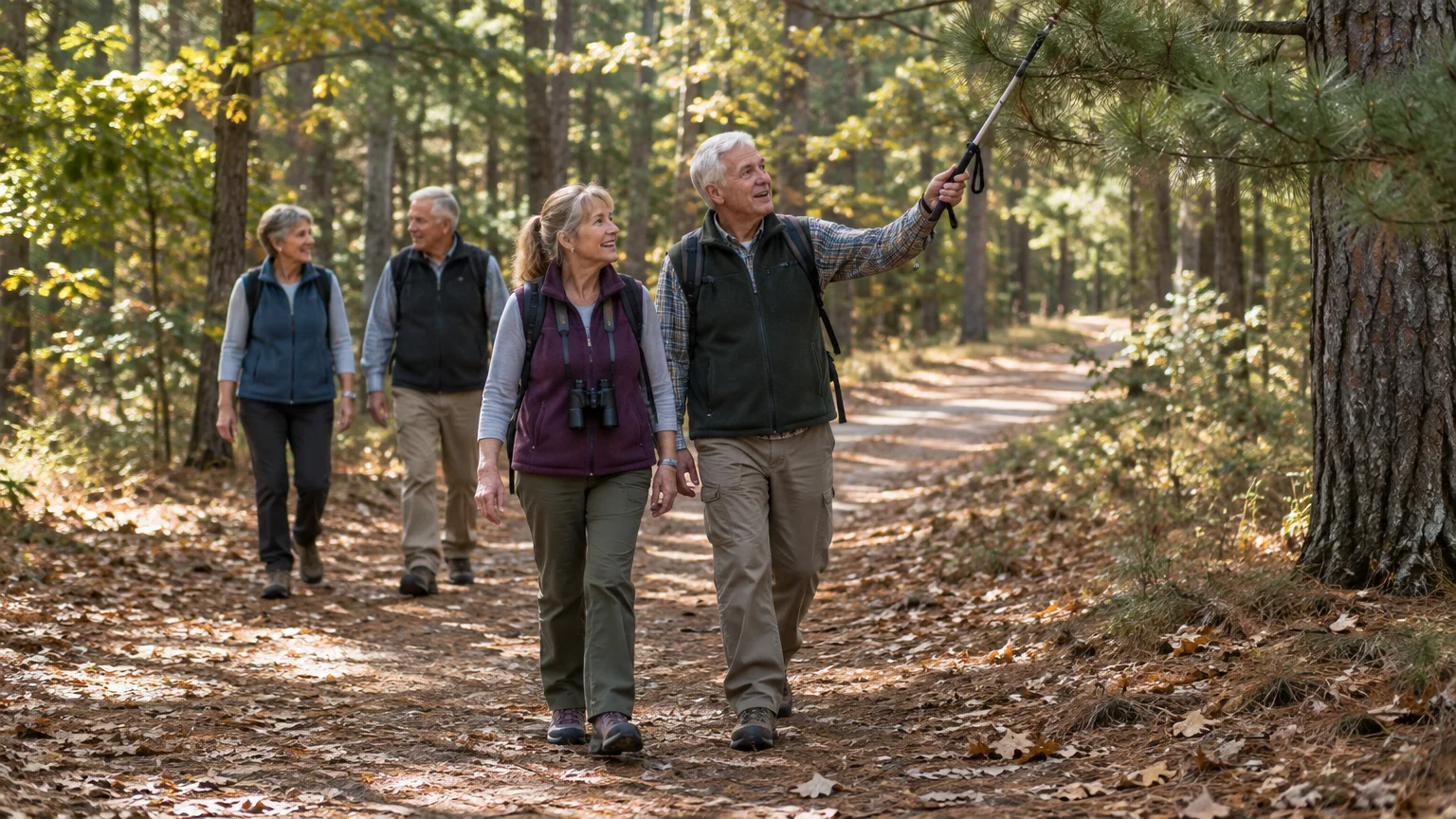
3. Local Walking and Hiking Clubs: Conversation on the Move
Walking alongside someone feels vastly less intimidating than sitting across a table. Walking side-by-side removes constant eye contact, creating comfortable space for organic conversation.
Local walking clubs organize outings based on specific pace categories and terrain preferences. Whether you prefer paved greenways or backcountry trails, you will find peers matching your stamina.
Resources provided by the Administration on Aging emphasize regular physical movement as a cornerstone for maintaining mobility and independence. Joining an organized group pairs these physical benefits with community accountability.
Most groups conclude their treks at a neighborhood diner or coffee shop. This post-walk tradition transforms trail acquaintances into regular social lunch companions.
Look for local chapters of national organizations like the American Volkssport Association. They emphasize non-competitive walks designed explicitly around fellowship and regional exploration.
- Invest in supportive footwear and moisture-wicking socks to stay comfortable.
- Match your walking pace to the mid-pack group where social chatter thrives.
- Offer to assist the trail leader with sweep duties to chat with newcomers.
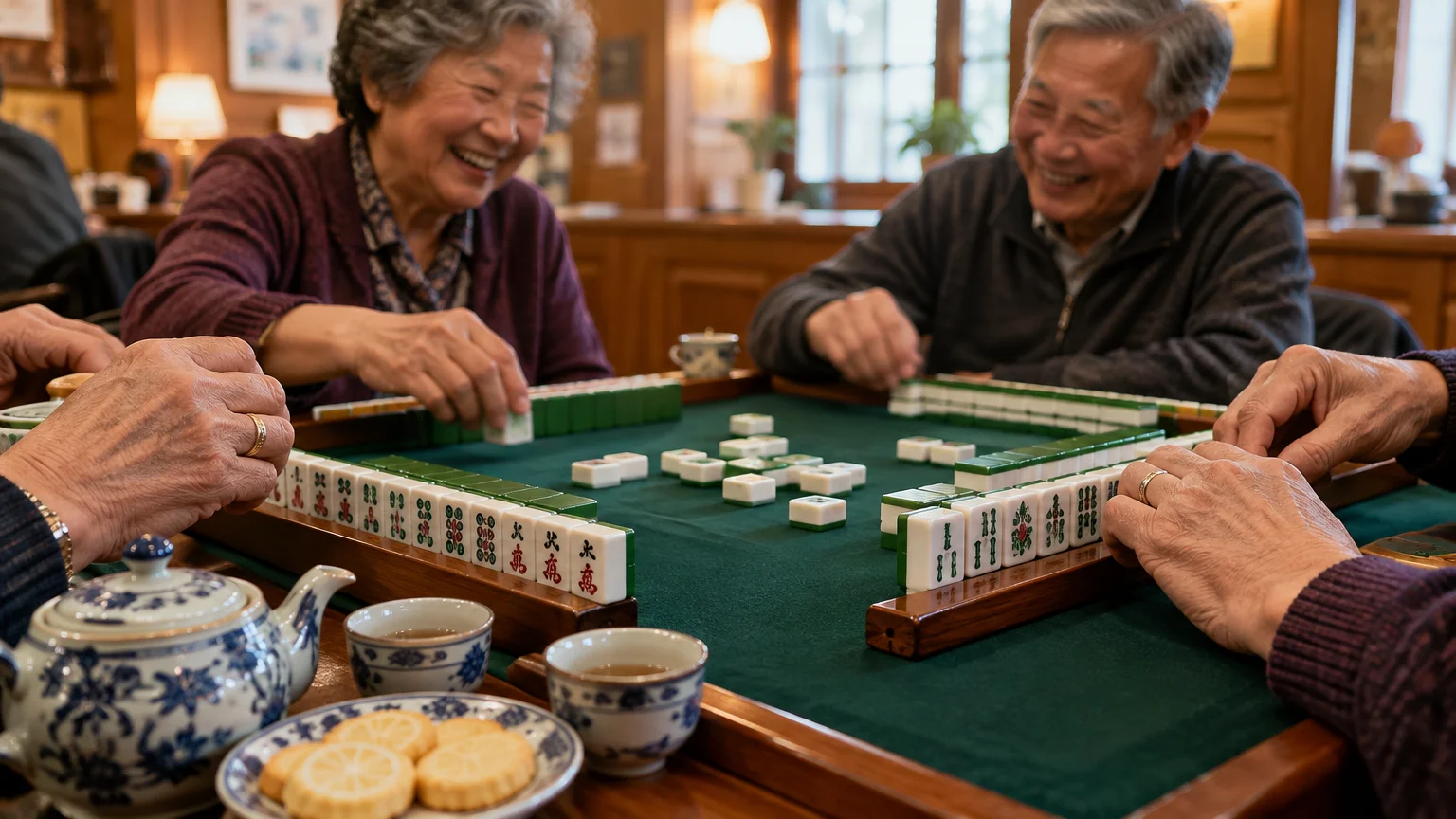
4. Bridge, Mahjong, and Strategy Game Clubs: Built-In Weekly Rotation
Tabletop games provide deep social connection paired with rigorous mental exercise. Games like duplicate bridge and American mahjong require four players, creating an intimate, focused dynamic.
Club directors rotate tables after every round of play throughout the session. This rotation exposes you to a dozen different partners and opponents during a single afternoon.
Strategy clubs operate on strict weekly schedules that foster long-term accountability. When you join a table, your presence is valued and expected each week.
Do not worry if your skills feel rusty after years away from the cards. Most senior centers and game shops host guided novice tables where mistakes are welcomed.
Ask the club coordinator to pair you with an experienced partner who enjoys mentoring. Many veteran players jump at the opportunity to guide an eager learner.
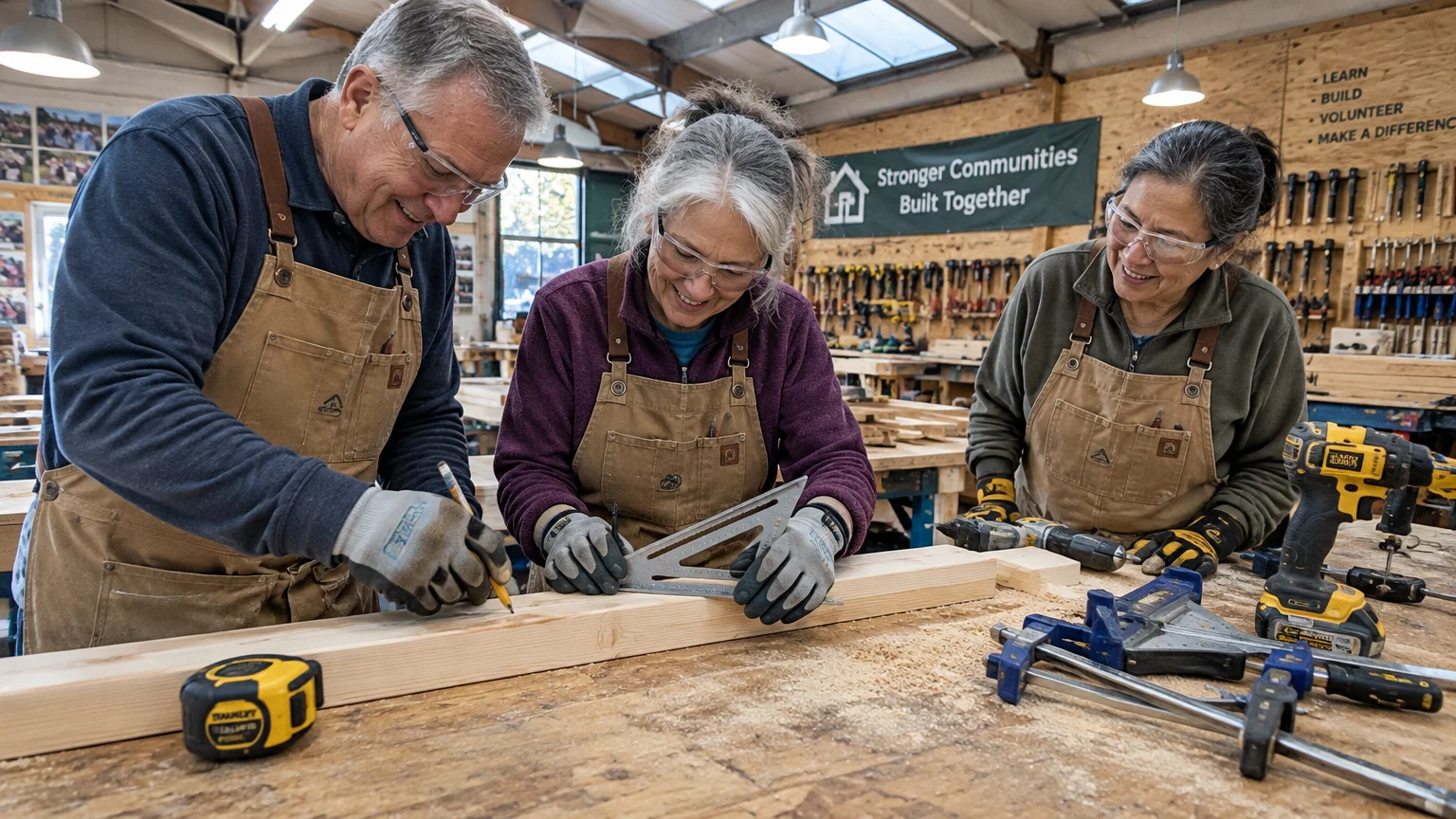
5. Hands-On Volunteer Crews: Bonding Through Shared Purpose
Volunteering unites individuals around shared core values and purpose. Working together toward an altruistic outcome builds mutual respect much faster than conventional socializing.
Focus on hands-on, team-based volunteer roles rather than isolated desk assignments. Habitat for Humanity build sites, food bank packaging lines, and trail maintenance crews demand active cooperation.
According to research from AARP, regular civic volunteering significantly reduces feelings of isolation among retirees. The shared labor naturally dismantles social barriers between participants.
Shifts generally feature scheduled snack breaks where volunteers gather and share stories. These shared breaks provide natural moments to transition from coworkers to personal friends.
Commit to a consistent weekly or biweekly shift on the same crew. Familiarity builds quickly when team members see you rolling up your sleeves regularly.
- Select organizations whose missions align directly with your personal passions.
- Choose physical tasks that match your comfort level and physical capabilities.
- Stay after your shift to help clean equipment and chat with crew supervisors.

6. Niche Book Clubs: Skipping Past the Small Talk
Traditional social gatherings often linger in superficial conversations about weather or sports. Book clubs skip trivial chatter entirely, diving straight into perspectives, values, and philosophies.
A participant’s analysis of a complex plot reveals their life outlook and intellect. You learn how others think, creating deep bonds that ordinary social gatherings rarely produce.
Niche book clubs focused on specific genres—such as biographies, military history, or cozy mysteries—gather people with matching interests. These specialized themes create an instant foundation of common ground.
Independent bookstores and municipal libraries often host multiple monthly reading circles. Attend two or three distinct meetings to discover the group dynamic that fits your temperament.
Come prepared with two open-ended questions about the author’s narrative choices. Engaging questions establish you as an attentive, thoughtful participant whom others want to converse with.
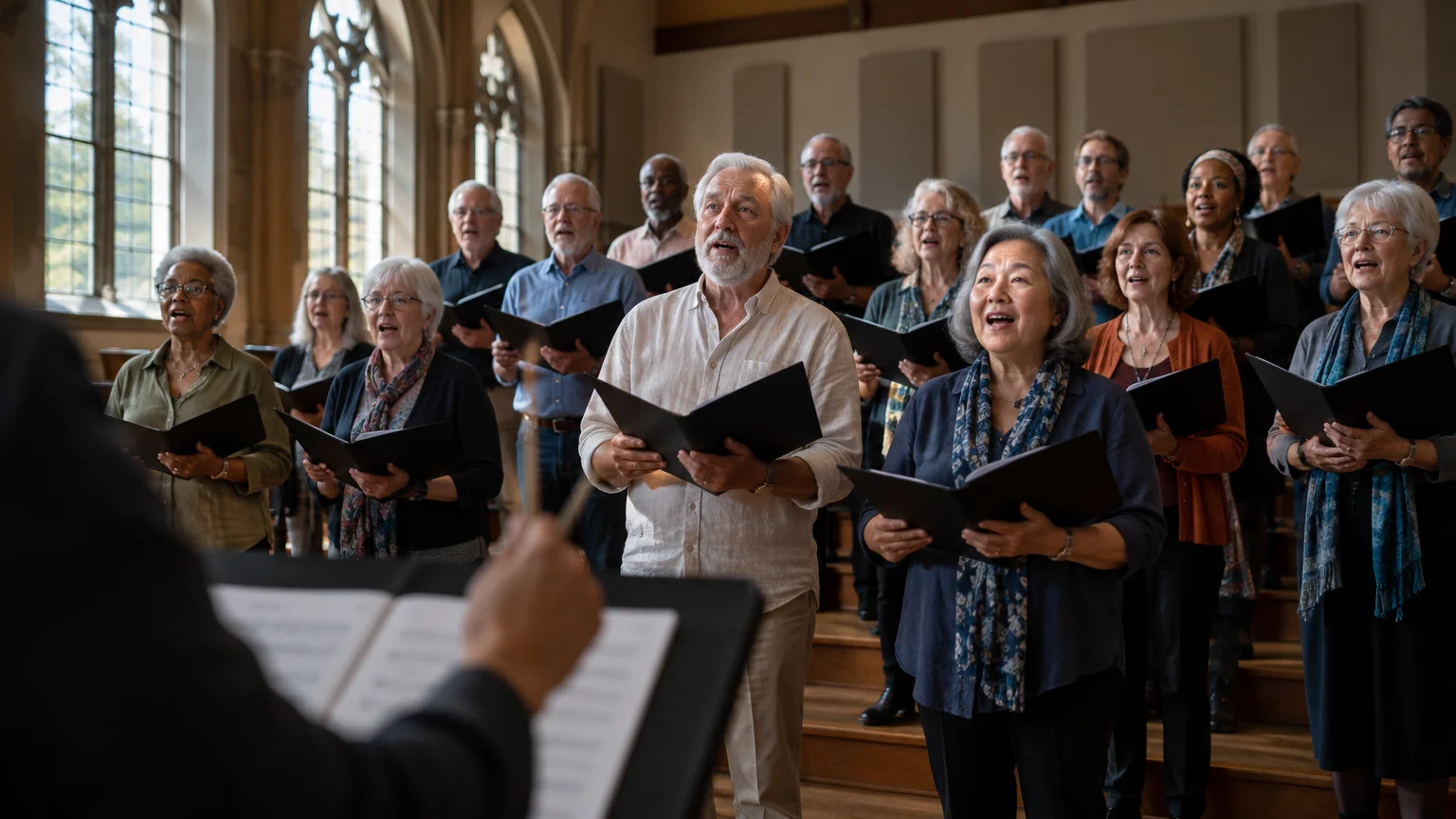
7. Community Choirs and Music Ensembles: Shared Harmony
Singing or playing an instrument in an ensemble demands collective synchronization. This shared sensory focus triggers the release of endorphins, generating a powerful feeling of unity.
Community choral groups and civic bands generally welcome amateur musicians of varying proficiencies. Many non-audition choruses prioritize enthusiastic participation and camaraderie over technical perfection.
Rehearsals require focused listening, followed by social breaks midway through the session. These intermissions provide structured opportunities to connect with section neighbors.
Concert preparations create shared anticipation and collective goals. Celebrating after a successful seasonal performance solidifies friendships forged during weeks of demanding rehearsals.
Sit with your section during rehearsals and ask about challenging sheet music passages. Musicians relish helping seatmates navigate tough rhythms or unfamiliar key changes.
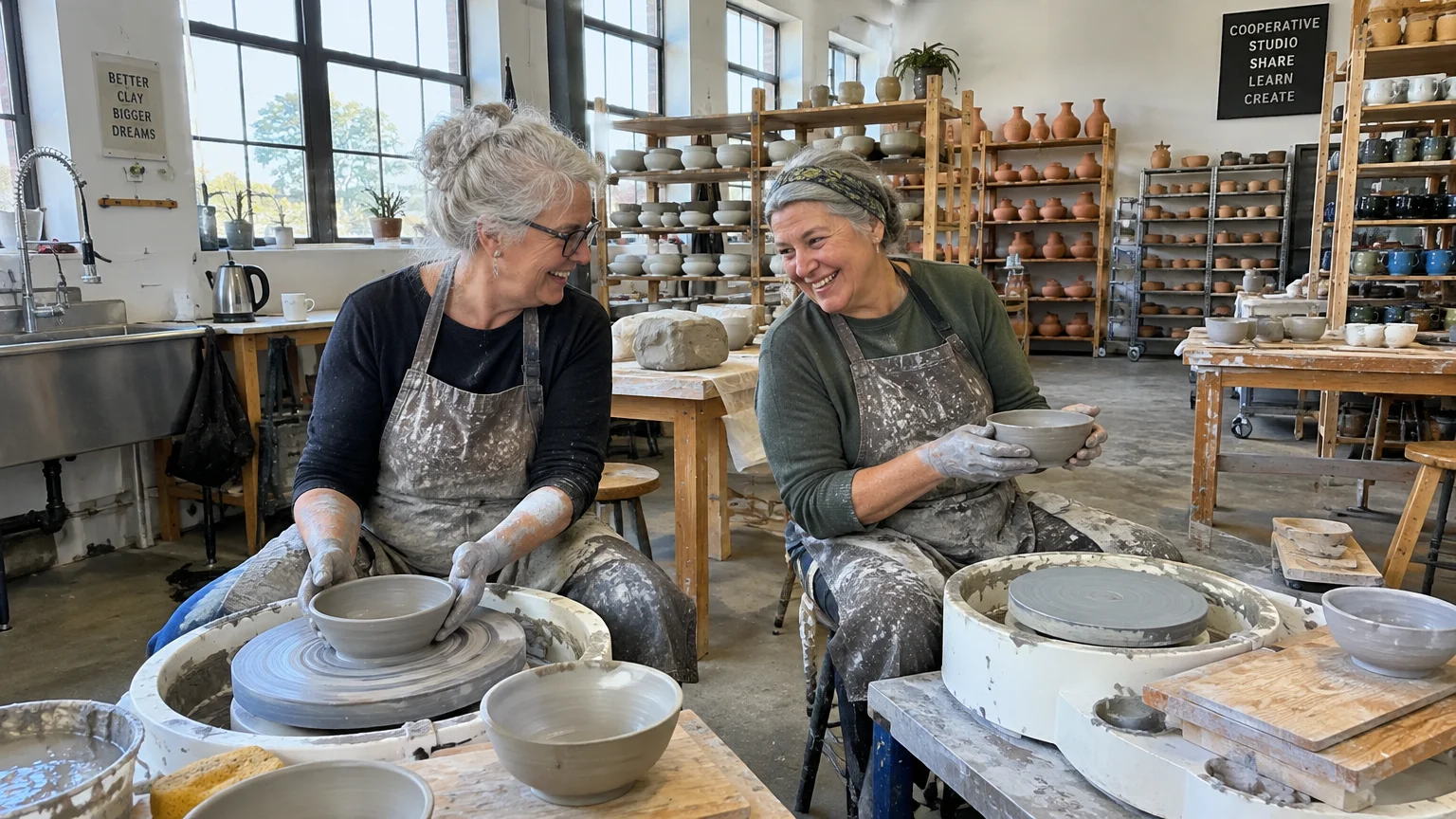
8. Artisan Craft and Studio Collectives: Creativity in Shared Spaces
Solitary crafting at home can feel isolating over time. Relocating your creative projects into shared maker spaces, woodshops, or pottery studios changes everything.
Open studio sessions encourage members to wander, admire projects, and exchange techniques. Seeing someone shape clay or turn wood provides a natural opening for compliments and questions.
Maker guilds often organize collaborative community projects, such as charity quilting bees or public art displays. Working together on a shared artistic goal creates lasting bonds.
Look for local art centers that offer extended studio access alongside beginner classes. These shared creative environments foster mutual encouragement and technical support.
Offer genuine compliments on neighboring projects and ask about the materials they chose. Artists appreciate recognition and happily explain their creative methods.
- Sign up for a beginner ceramics, stained glass, or woodworking workshop.
- Work in communal studio areas rather than solitary corners.
- Bring extra supplies or specialized tools you can lend to nearby creators.

9. Lifelong Learning Institutes: Intellectual Camaraderie
Retirement offers an unprecedented chance to study fascinating subjects purely for joy. Lifelong learning programs gather curious, motivated adults who share an active love for intellectual exploration.
Programs like the Osher Lifelong Learning Institute (OLLI) operate across hundreds of university campuses nationwide. They offer rich non-credit courses free from tests, grades, and academic stress.
Class discussions trigger lively debates on history, philosophy, science, and the arts. Finding someone who shares your passion for obscure historical periods creates an immediate friendship trigger.
Most campus institutes maintain member lounges where participants mingle between morning and afternoon lectures. These spaces act as social hubs for informal intellectual discussions.
Suggest grabbing coffee after class to continue discussing a provocative lecture topic. It feels entirely organic and carries none of the pressure of a traditional social invitation.
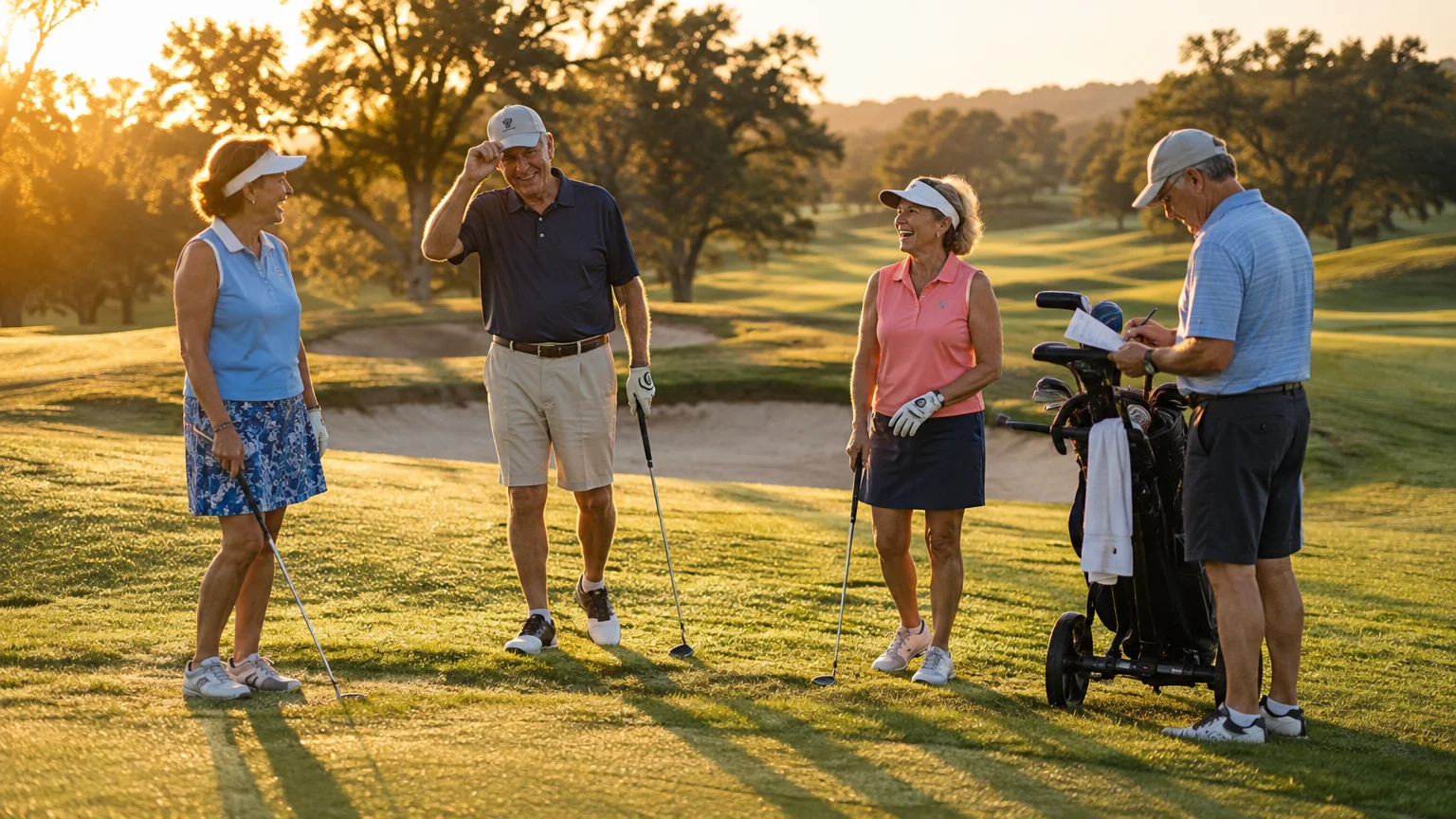
10. Casual Golf and Scramble Leagues: Hours of Shared Time
Few hobbies offer as much uninterrupted time together as a round of golf. Spending four hours navigating eighteen holes creates an unhurried backdrop for building friendships.
Opt for scramble leagues or nine-hole twilight leagues rather than individual stroke-play events. Scramble formats pool everyone’s shots, shifting the focus to collective teamwork and shared laughs.
Riding together in a golf cart guarantees one-on-one conversation across the entire afternoon. You share the frustrations of errant drives and the triumphs of sunk putts.
Public golf courses frequently run senior morning leagues with open pairings. Show up as an individual, and the clubhouse starter will happily match you with a welcoming group.
The nineteenth hole—the clubhouse grill after the round—cements the day’s connections. Always join your group for a beverage to recount the best shots of the day.
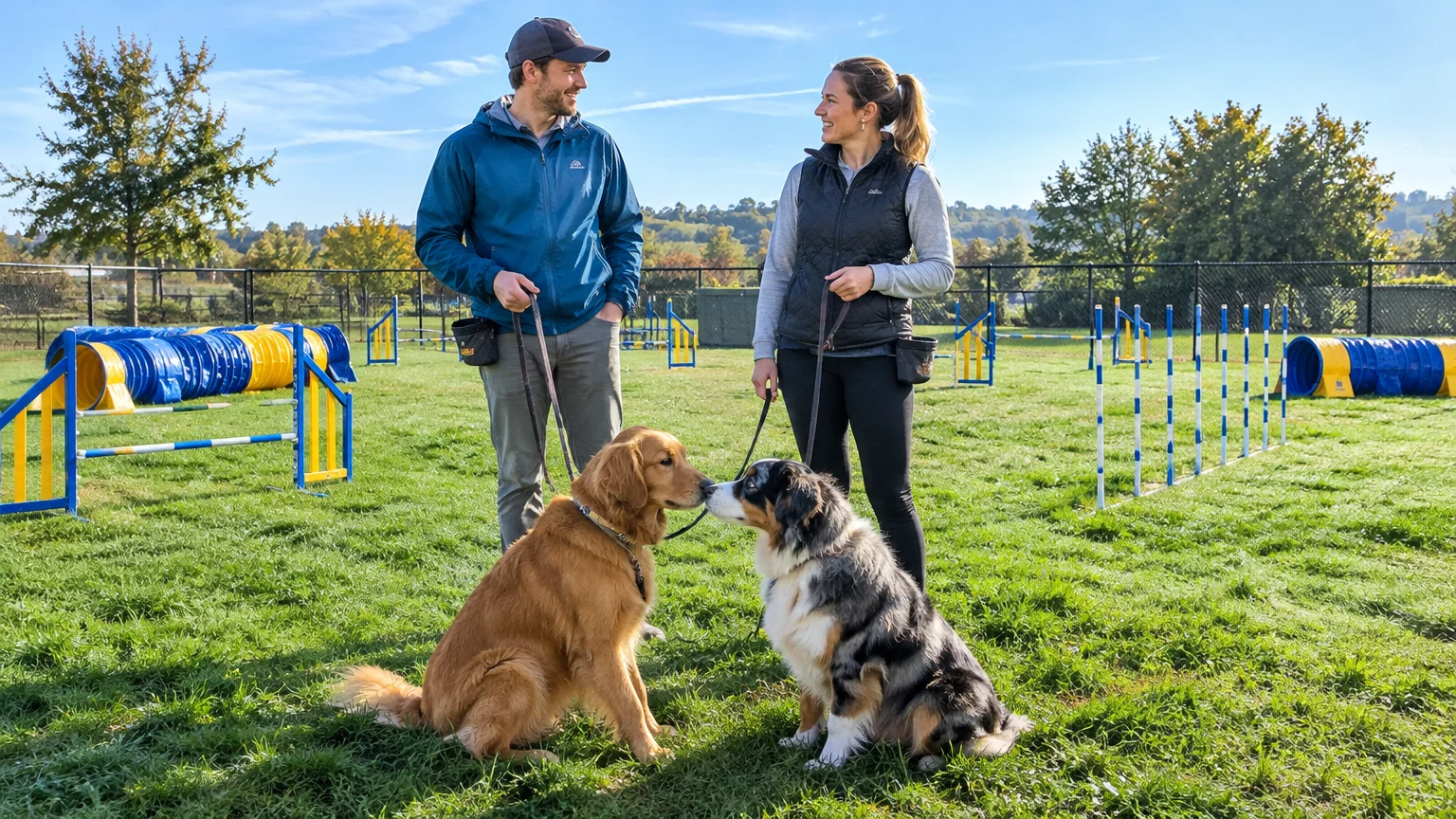
11. Dog Training and Agility Clubs: Canine Icebreakers
Dogs are the ultimate social catalysts because they disarm strangers and prompt joyful interactions. Dog training classes and agility groups channel this energy into a structured social community.
Group obedience or agility classes require handlers to work through obstacles together. Cheering on another handler’s dog builds instant mutual goodwill across the ring.
Canine sports organizations feature regular weekend trials, practice matches, and social picnics. The community revolves around mutual encouragement and celebrating every dog’s progress.
Joining an organized dog club connects you with fellow dog lovers in your area. These contacts naturally blossom into daily walking groups and weekend park outings.
Compliment another handler on their dog’s focus or technical execution on course. Dog owners love talking about their pets, making it the easiest conversation starter in existence.
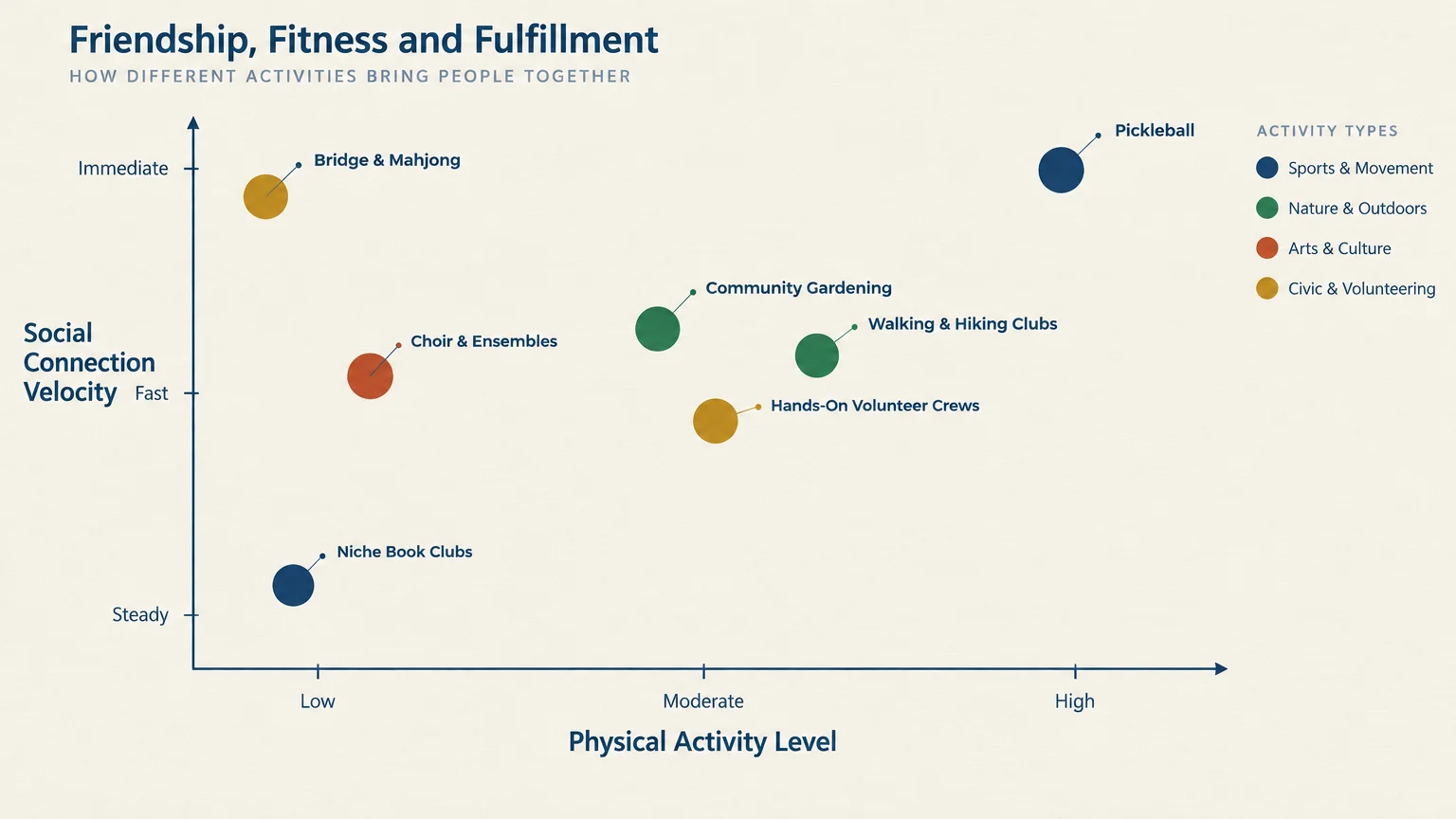
Comparing Retirement Hobbies for Social Connection
Choosing the right social hobby depends on your physical energy, budget, and desired social atmosphere. Review this quick comparison to find the best match for your lifestyle.
| Retirement Hobby | Social Format | Upfront Cost | Physical Demand | Best For |
|---|---|---|---|---|
| Pickleball | Rotational Doubles | Low to Moderate | Moderate to High | Fast, energetic interactions |
| Community Gardening | Side-by-Side Plots | Low | Low to Moderate | Patient, nurturing conversations |
| Walking & Hiking Clubs | Moving Group Packs | Minimal | Moderate | Pressure-free, scenic chats |
| Bridge & Mahjong | Four-Player Tables | Minimal | Low | Mental challenges and weekly routines |
| Hands-On Volunteering | Team Project Crews | None | Varies by Task | Purpose-driven individuals |
| Niche Book Clubs | Structured Roundtables | Minimal | Low | Deep philosophical discussions |
| Community Choirs | Ensemble Sections | Low | Low | Music lovers and expressive types |
| Art & Maker Studios | Open Shared Benches | Moderate | Low to Moderate | Hands-on creative collaborators |
| Lifelong Learning (OLLI) | Classroom & Lounge | Moderate | Low | Curious, academic minds |
| Scramble Golf Leagues | Foursome Carts | Moderate to High | Low to Moderate | Relaxed, unhurried afternoons |
| Dog Training Clubs | Ring & Handler Drills | Moderate | Moderate | Passionate animal enthusiasts |
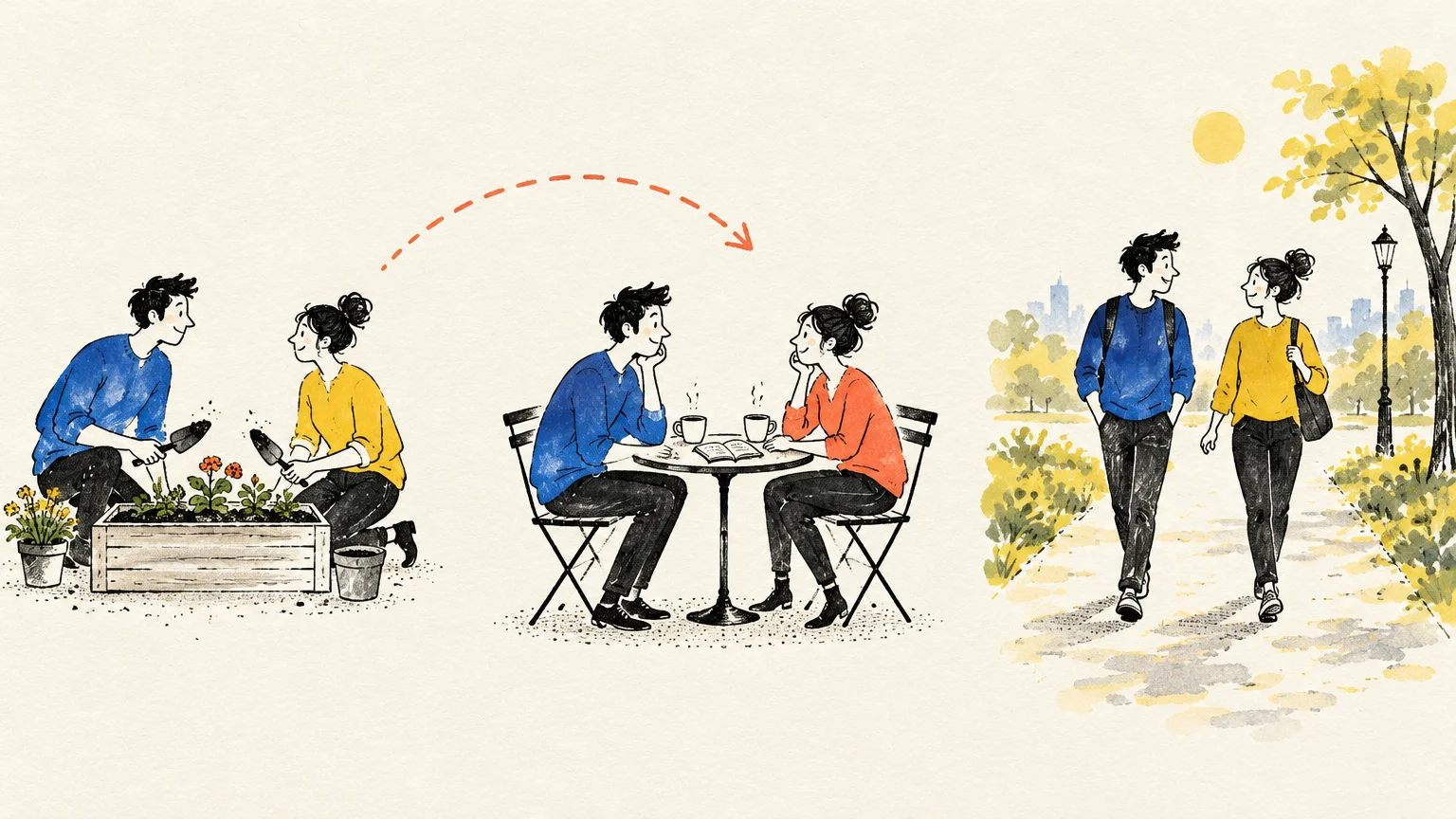
How to Turn an Activity Acquaintance into a Real Friend
Attending group hobbies breaks the ice, but turning friendly faces into real friends requires deliberate action. The easiest bridge is the low-stakes invitation that extends the activity naturally.
Invite someone to grab coffee or an iced tea immediately following your group session. Frame it casually around the activity: “A few of us are heading for coffee after practice, would you like to join?”
Exchange contact information under the pretext of sharing hobby resources. Offer to text a link to a helpful video, a garden clipping schedule, or tournament details.
Once you establish one-on-one rapport outside the activity, branch out into unrelated interests. Invite them to a local farmers market, a museum exhibit, or a casual dinner.
Consistency builds trust over time. Show up to your chosen hobby reliably every week so peers recognize your presence and miss you when you are absent.
Frequently Asked Questions About Social Hobbies in Retirement
What if I am an introvert who feels uncomfortable in large crowds?
Choose hobbies with small, intimate configurations like four-player bridge, community garden plots, or walking clubs. These formats allow you to focus on one person at a time without overwhelming noise.
How long does it take to build genuine friendships from a new hobby?
Research suggests it takes roughly fifty hours of shared time to move from acquaintance to casual friend. Attending a recurring weekly group for two or three months consistently yields genuine friendships.
Are these group hobbies expensive to start on a fixed retirement income?
Many outstanding social hobbies—including walking clubs, library book clubs, and volunteer groups—cost absolutely nothing. Municipal recreation centers also offer low-cost drop-in rates for activities like pickleball.
What if I try a hobby and fail to connect with the existing group?
Group dynamics vary widely from one club to another. If a particular group feels insular, try a different venue, time slot, or organization before abandoning the hobby entirely.
Taking Your First Step Toward New Friendships
Making friends in retirement requires swapping passive waiting for active, routine participation. Pick one hobby from this list that sparks your curiosity, and find an upcoming local meetup this week.
Remember that everyone at a beginner clinic or introductory club meeting shares your desire for social connection. Stepping through the doorway takes a moment of courage, but the resulting friendships will enrich your retirement for years.
This article provides general retirement education and information only. Everyone’s financial situation is unique—what works for others may not work for you. For personalized advice, consider consulting a qualified financial professional such as a CFP or CPA.
Last updated: October 2026. Retirement benefits, tax laws, and healthcare costs change frequently—verify current details with official sources.