
You have probably reviewed your financial projections a hundred times. You know your current 401(k) balance, you have mapped out your withdrawal strategy, and you know the 2026 Social Security cost-of-living adjustment of 2.8% will bump the average monthly retirement benefit to $2,071. But while the financial math might flash a bright green light, your emotional readiness might be flashing yellow.
Recent data reveals a startling reality: a comprehensive meta-analysis on retirement and mental health shows that roughly 28% to 40% of retirees experience depression after leaving the workforce. The transition from a structured, career-driven life to decades of unstructured time is a profound psychological shift. If you are not mentally prepared, the sudden loss of purpose, social connection, and daily routine can easily overwhelm you.
According to the Centers for Disease Control and Prevention, the average life expectancy for the U.S. population has reached 79.0 years. If you retire at age 62—which remains the median actual retirement age according to recent data from Gallup and the Employee Benefit Research Institute—you are looking at nearly two decades of “bonus time.” How will you fill those days? Who will you spend them with?
To ensure a smooth transition, you need to evaluate your psychological preparedness just as rigorously as your financial portfolio. Here are the eight strongest signs that you are genuinely ready to embrace this major life change 60+.
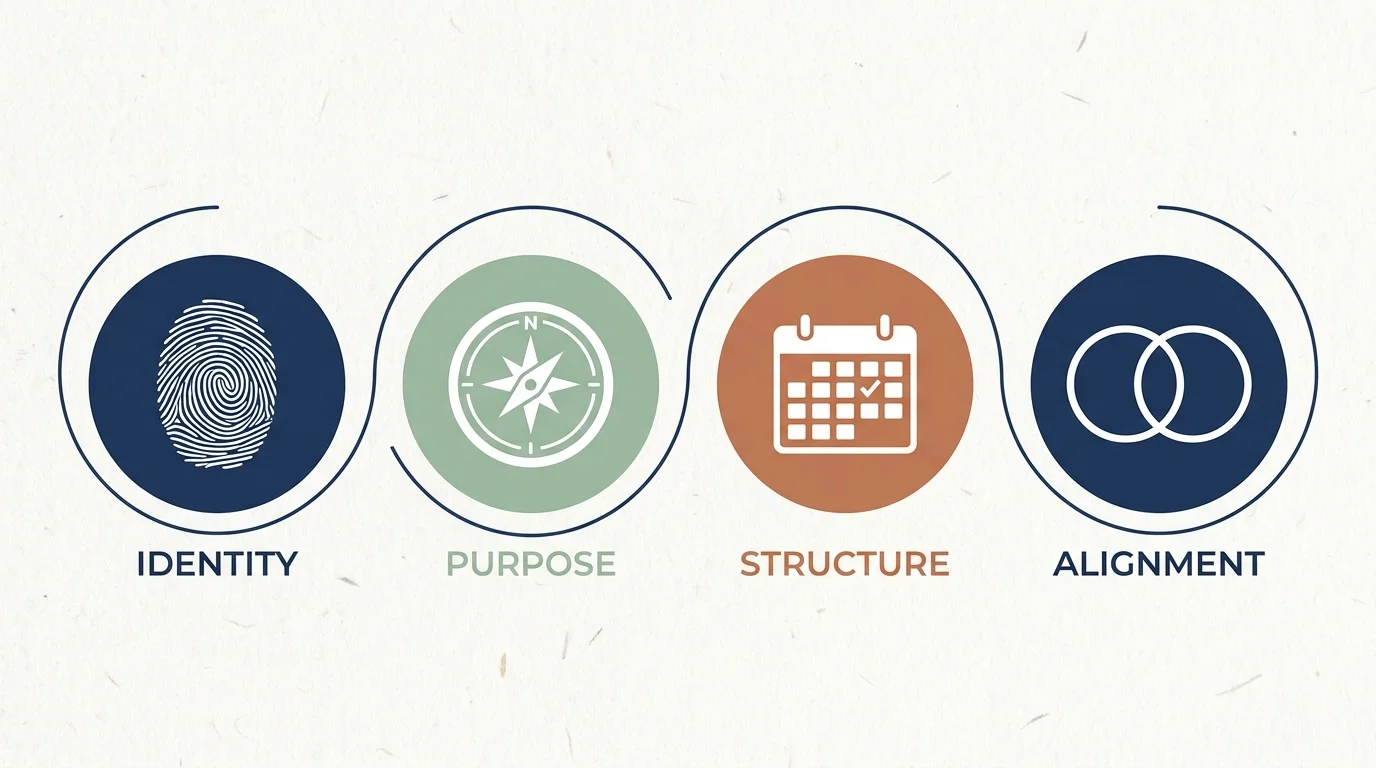
The Essentials: Are You Ready for the Next Chapter?
- Identity: You know exactly who you are without relying on your professional job title.
- Purpose: You feel drawn toward new goals, rather than just fleeing a stressful workplace.
- Structure: You have an actionable plan to replace the 2,000 hours a year your career used to occupy.
- Alignment: You and your spouse or partner share a unified vision for your daily lifestyle.
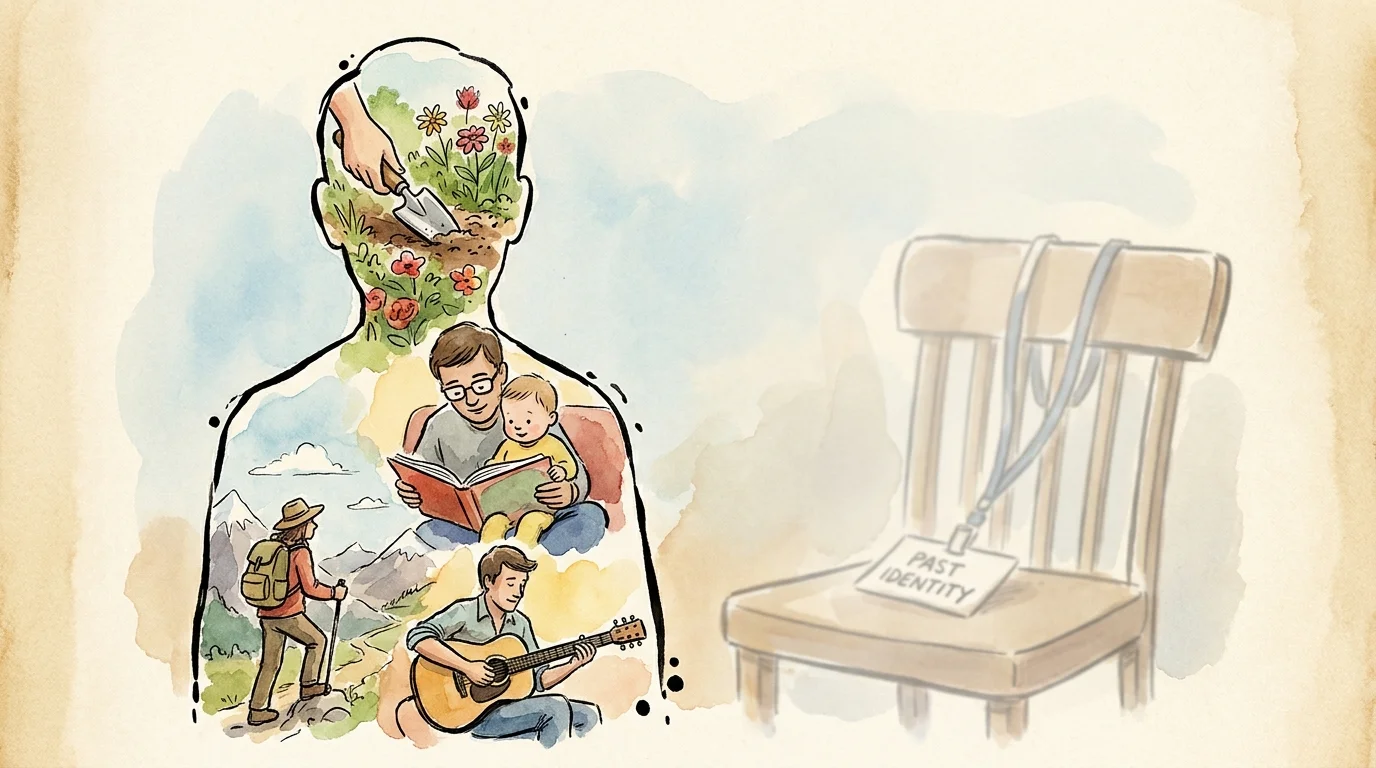
1. You Have a Solid Identity Outside of Your Career
For decades, your professional title has likely served as the easiest way to answer the common question, “What do you do?” When you step away from the workforce, that built-in identity vanishes overnight.
American culture strongly conflates what you do with who you are. If your entire sense of self is tied up in being a manager, a teacher, a nurse, or an engineer, the abrupt shift away from that role can trigger an identity crisis. You know you are emotionally ready when your career represents just one chapter of your story, not the entire book. You have deliberately cultivated hobbies, passions, and a sense of self-worth that do not depend on your next performance review, a promotion, or a bi-weekly paycheck.
To test this, try introducing yourself to new acquaintances without mentioning your current or former profession. If you can confidently describe yourself through your interests, your family roles, or your community involvement, your identity is robust enough to survive the transition.
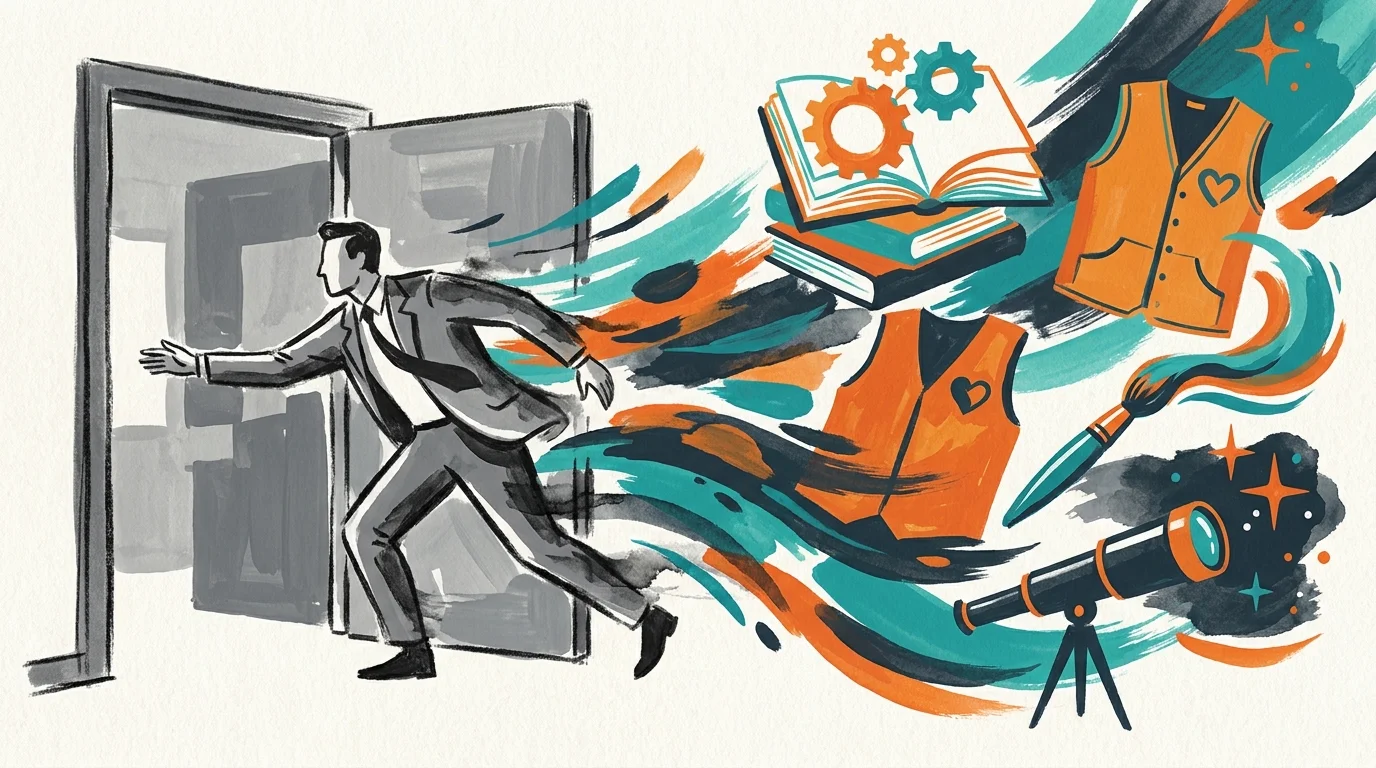
2. You Are Running Toward Something, Not Just Running Away
Burnout is a terrible primary reason to retire. If your main motivation is simply to escape a demanding boss, a toxic work environment, or a grueling daily commute, you are reacting to stress rather than planning for your future.
Emotional readiness means you feel the distinct pull of a new adventure. You are eager to finally dedicate time to writing a novel, starting a small consulting business, volunteering at a local food bank, or actively participating in your grandchildren’s lives. Running away provides only temporary relief; running toward a specific, exciting goal provides long-term fulfillment.
Take time to write down three things you are excited to do that have absolutely nothing to do with resting or recovering from work. If you struggle to list three specific goals, you may need more time to define your next chapter before handing in your notice.

3. You Have a Concrete Plan for Your “Bonus Time”
A standard full-time job consumes roughly 2,000 hours a year. When you retire, you get all that time back. If your only plan is to “relax and figure it out,” you will likely find yourself bored, restless, and dissatisfied within a matter of months.
Emotionally ready retirees treat their time with deep intention. They establish a new, sustainable daily rhythm. Consider structuring your week with a balanced mix of physical activity, mental challenges, and social engagements. Whether it is a Tuesday morning pickleball league, a Wednesday afternoon painting class, or a Friday morning coffee group, having a predictable but flexible schedule keeps you anchored.
Without structure, days easily blur together into endless screen time or aimless wandering around the house. Treat your calendar with the same respect you did during your working years, prioritizing activities that bring you joy and stimulate your mind.

4. Your Social Network Extends Beyond the Office
Work provides a built-in community. You see the same people every day, collaborate on shared projects, and bond over the ups and downs of your industry. Once you retire, those proximity-based friendships almost always fade, no matter how strongly you promise to keep in touch.
Are you relying entirely on your coworkers for social interaction? If so, you need to branch out long before you set your retirement date. The National Council on Aging (NCOA) frequently warns about the health risks associated with senior isolation, equating the physical impact of prolonged loneliness to smoking 15 cigarettes a day.
You can combat this by building a durable support system outside the office. Join local community groups, take continuing education classes at a nearby university, or get involved in a religious or civic organization. Cultivating friendships based on shared interests rather than shared workspaces guarantees your social life will remain vibrant after you leave your job.

5. You and Your Partner Are on the Same Page
If you are married or living with a partner, retirement is a team sport. Transitioning from seeing each other for a few hours in the evening to spending 24 hours a day together in the same house is a massive adjustment.
Have you discussed how you will divide household chores now that you are both home? Do you agree on a monthly travel budget? How much independent “alone time” do you each require to stay sane? Misaligned expectations frequently lead to friction, contributing to the rising rate of “gray divorce” among older adults.
Emotionally ready couples tackle these tough conversations well in advance. They hold dedicated planning meetings to discuss their individual desires and negotiate compromises. They understand that enjoying a successful retirement together requires giving each other space to pursue individual hobbies while maintaining shared goals.
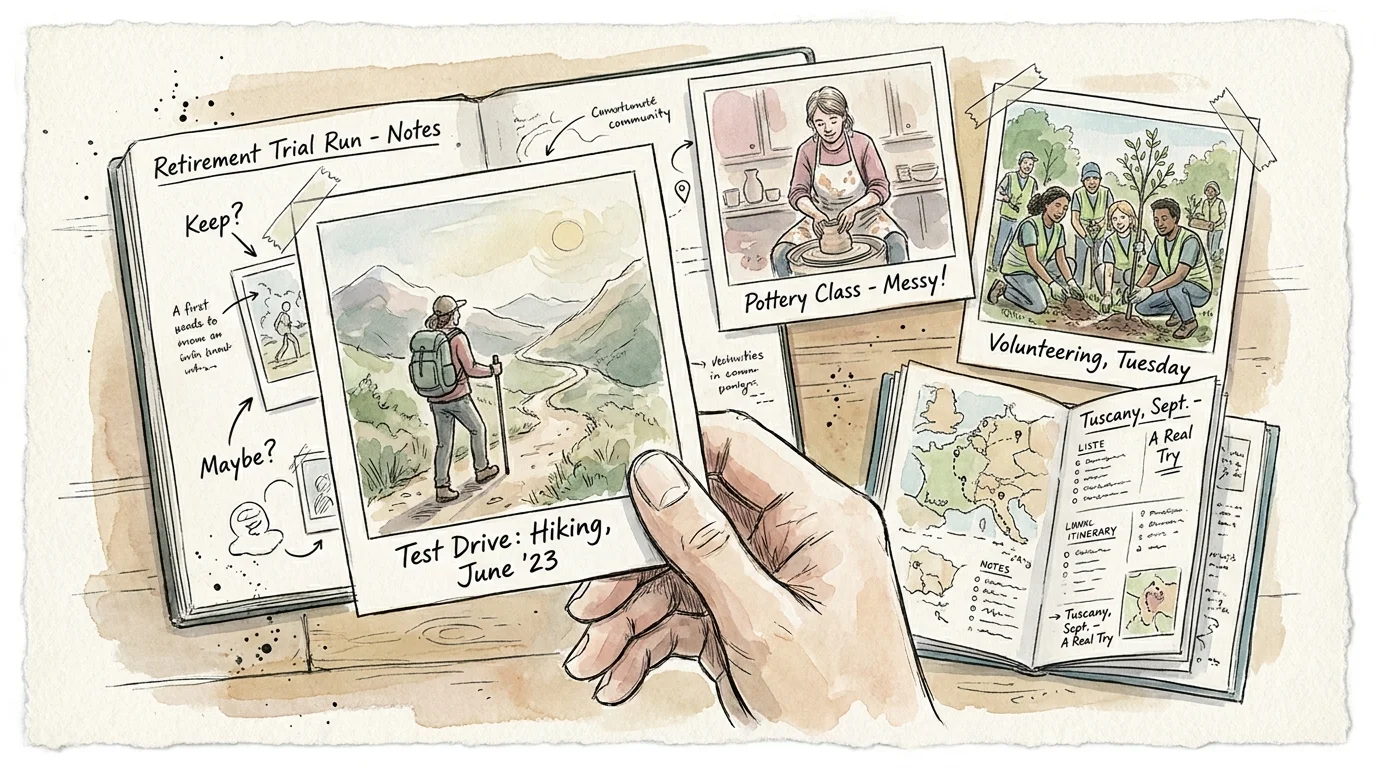
6. You Have Done a “Practice Run” of Your Retirement Lifestyle
A two-week vacation to Florida is not an accurate preview of retirement. Vacations are temporary escapes from reality; retirement is your new everyday reality. Before you make the transition official, test-drive your post-work lifestyle.
Try living strictly on your projected retirement budget for three to six months. Track every dollar to see how it feels to operate on a fixed income. Factor in realistic healthcare costs by setting aside the funds you will need for premiums. For example, the standard Medicare Part B premium is $202.90 per month in 2026, and higher earners must also account for Income-Related Monthly Adjustment Amount (IRMAA) surcharges. Knowing exactly what you will pay out-of-pocket prevents financial stress from bleeding into emotional distress.
If you plan to ease into retirement by working part-time, test-drive the income rules. Remember that if you claim benefits before your full retirement age, the Social Security Administration enforces an earnings limit—which sits at $24,480 in 2026. Earning above that threshold means the SSA will withhold $1 for every $2 earned. Understanding these mechanics during a practice run gives you the confidence to manage your actual retirement without panicking.

7. You Are Comfortable with a Shifting Sense of Purpose
During your working years, society measures your success through promotions, annual raises, and measurable professional achievements. In retirement, these traditional metrics disappear entirely. You must become comfortable trading external validation for internal satisfaction.
This psychological shift from “achieving” to “experiencing” or “giving back” is a massive hallmark of emotional readiness. Instead of focusing on what you can acquire or conquer, your focus naturally shifts to what you can contribute to others or how deeply you can enjoy the present moment.
“The world of retirement, we need a new word. Many people are embarking on this idea of a phased retirement… It’s about having a goal and purpose in life.” — Jean Chatzky, Financial Editor and Author
Many successful retirees find this renewed purpose through “encore careers”—part-time roles that prioritize passion and social impact over maximizing income. Others find it through deep involvement in local charities or by stepping into active childcare roles for their families.

8. You Are Financially Secure Enough to Avoid Constant Anxiety
You cannot separate emotional readiness from financial stability. If you are constantly lying awake at night terrified of running out of money, you will not be able to enjoy your newly acquired freedom.
True emotional readiness arrives when your financial house is in order and you trust your plan. You understand your fixed baseline expenses, you have established a tax-efficient withdrawal strategy for your savings, and you have stress-tested your portfolio against potential market downturns and inflation.
“The key item is to move your money from accounts that are forever taxed… to never taxed. That’s the promised land. That’s where you want to be, where you never have to worry about the uncertainty of what future higher taxes can do to your standard of living in retirement.” — Ed Slott, CPA and Retirement Tax Expert
When you know the money is secure, your brain finally has permission to stop operating in survival mode. You can focus your energy on relationships, health, and personal growth.
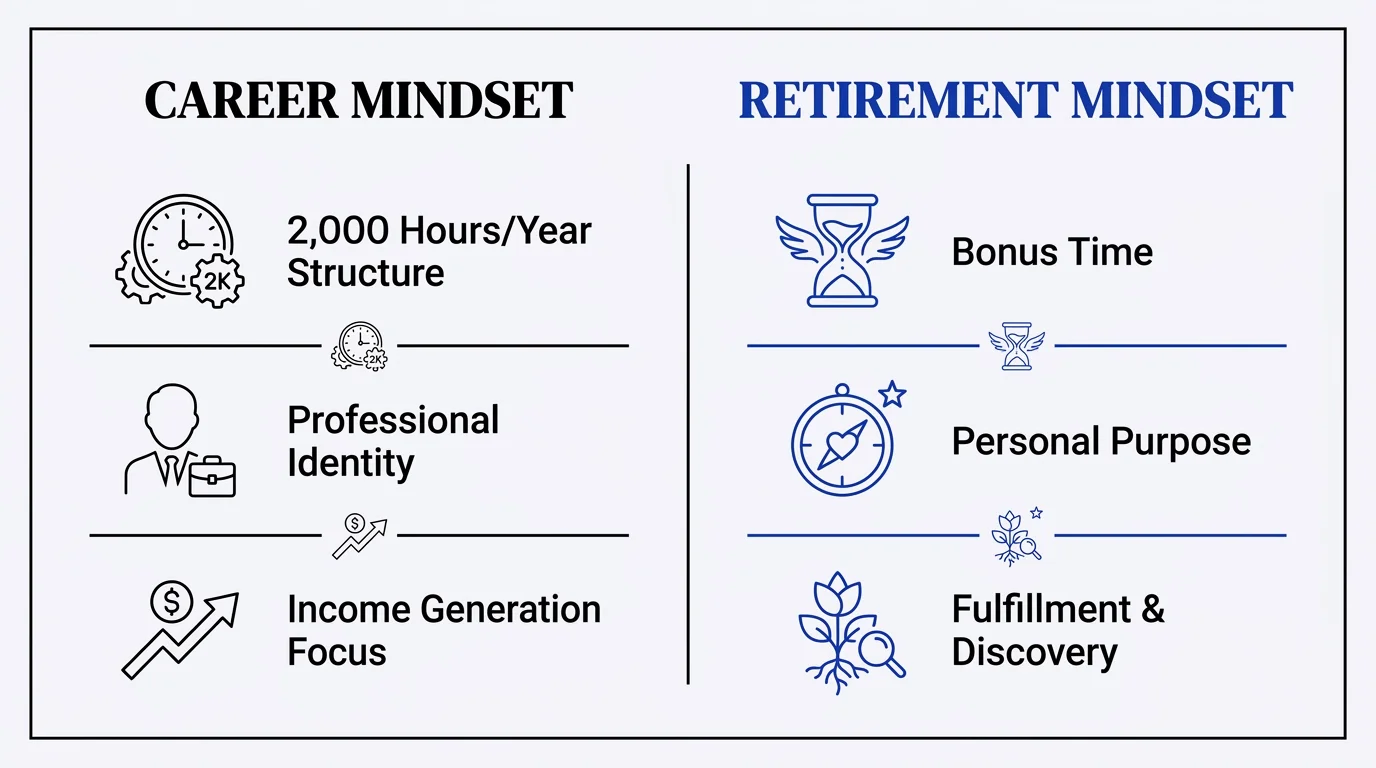
Comparing Mindsets: The Shift to Retirement
Understanding the difference between how you operate now and how you will need to operate in the future can help you gauge your readiness. Review how your mindset must evolve across different areas of life:
| Area of Life | Career Mindset | Retirement Mindset |
|---|---|---|
| Time Management | Structured by an employer, client demands, and rigid deadlines. | Completely self-directed; requires proactive, intentional planning. |
| Social Connection | Built-in organically through daily office interactions and meetings. | Requires deliberate effort to seek out groups, clubs, and community. |
| Financial Focus | Accumulation: saving aggressively and maximizing earning potential. | Distribution: managing withdrawals efficiently and preserving capital. |
| Measurement of Value | Defined by job titles, salary increases, and industry recognition. | Defined by personal fulfillment, health, relationships, and giving back. |
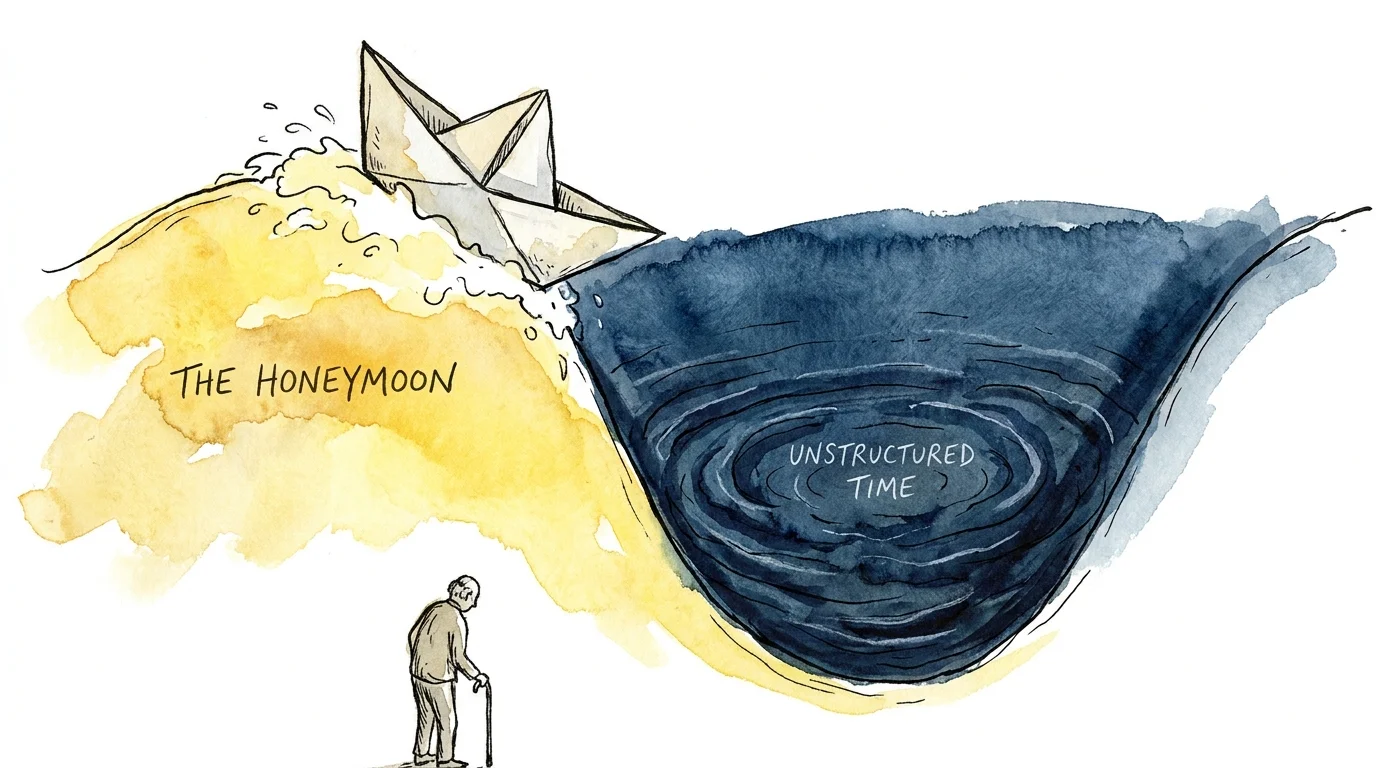
What Can Go Wrong: The “Honeymoon Phase” Crash
Behavioral experts often break retirement down into distinct psychological stages. The most dangerous transition occurs immediately after the initial “honeymoon phase.”
For the first six to twelve months, retirement feels like a glorious, extended weekend. You sleep in, tackle overdue home projects, and take that long-awaited trip. But eventually, the sheer novelty wears off. The house is organized, the trip is over, and you wake up on a random Tuesday with nothing to do.
If you have not prepared emotionally, this is the exact moment when feelings of isolation, insignificance, and depression creep in. Recognizing that this emotional dip is completely normal—and having a proactive plan to establish a routine that combats it—is crucial for your long-term happiness. You must push through the disenchantment phase to reach the final stage: building a sustainable, fulfilling retirement routine.

When to Consult a Professional
Sometimes, talking through this monumental transition with an expert is the best investment you can make. You should consider seeking professional guidance if:
- You feel paralyzed by the decision: If the thought of setting an official retirement date fills you with dread or anxiety rather than excitement, a licensed therapist or a certified retirement coach can help you unpack and address those fears.
- You and your spouse cannot agree: If your visions for retirement are wildly different—for example, you want to sell the house and travel in an RV, while your partner wants to stay near the grandchildren—a neutral third party can mediate the conversation.
- Your financial anxiety is disproportionate to your wealth: If a fiduciary financial advisor confirms you have more than enough money, but you still feel physically terrified to spend it, you may need help adjusting your psychological “saver” mindset to a “spender” mindset. You can verify financial professionals through Investor.gov.
Frequently Asked Questions
What is the average age people actually retire in the U.S.?
Despite widespread expectations of working until age 65 or older, the median actual retirement age in the United States remains firmly around 61 to 62. Health issues, caregiving responsibilities, and corporate downsizing often force workers to step away earlier than they originally planned.
Is it normal to feel depressed after retiring?
Yes, it is incredibly common. Studies indicate that between 28% and 40% of retirees experience some form of depression during the transition. Losing the daily structure, sense of purpose, and built-in social network of a long-term career qualifies as a major psychological life event.
How can I ease the emotional transition into retirement?
Consider negotiating a phased retirement with your current employer. Instead of stopping abruptly on a Friday, gradually reduce your hours to three days a week, or transition into a part-time consulting role. This strategy allows you to slowly adjust to having more free time while maintaining a sense of professional purpose and income.
Stepping Confidently into Your Future
Retiring is one of the most profound transitions you will ever navigate. It is entirely normal to feel a complex mix of intense excitement, lingering apprehension, and even a profound sense of grief as you close the door on your working years. By evaluating your emotional readiness with the same scrutiny you apply to your financial spreadsheets, you give yourself the best possible chance to thrive.
Take the time to dream vividly, plan realistically, and communicate openly with your loved ones. Your future self will thank you for laying a holistic foundation that supports not just your bank account, but your mental and emotional well-being for decades to come.
The information in this guide is meant for educational purposes. Your specific circumstances—including income, savings, health coverage, and goals—may require different approaches. When in doubt, consult a licensed professional. Last updated: April 2026. Retirement benefits, tax laws, and healthcare costs change frequently—verify current details with official sources.