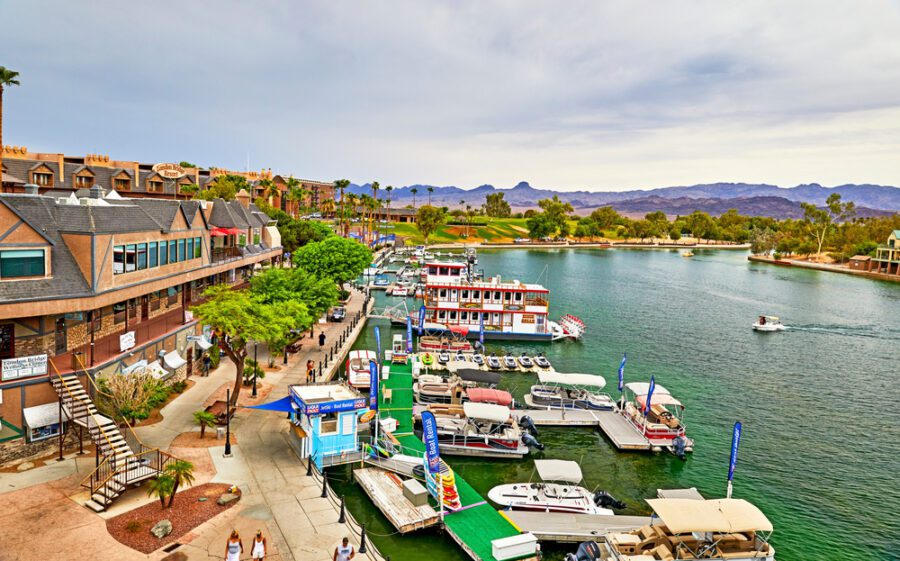
Retirement gives you the rarest commodity of all: uninterrupted time on the water. Choosing the right town lets you trade long commutes for sunrise casts, lower your living expenses, and target world-class fish right in your backyard.
A premier angling retirement destination must deliver more than great fishing spots. You also need affordable housing, retiree-friendly tax laws, accessible healthcare, and low-cost senior fishing licenses.
Here are ten exceptional retirement towns across the United States where you can cast a line every single week without wrecking your nest egg.
Key Factors When Choosing a Fishing Retirement Community
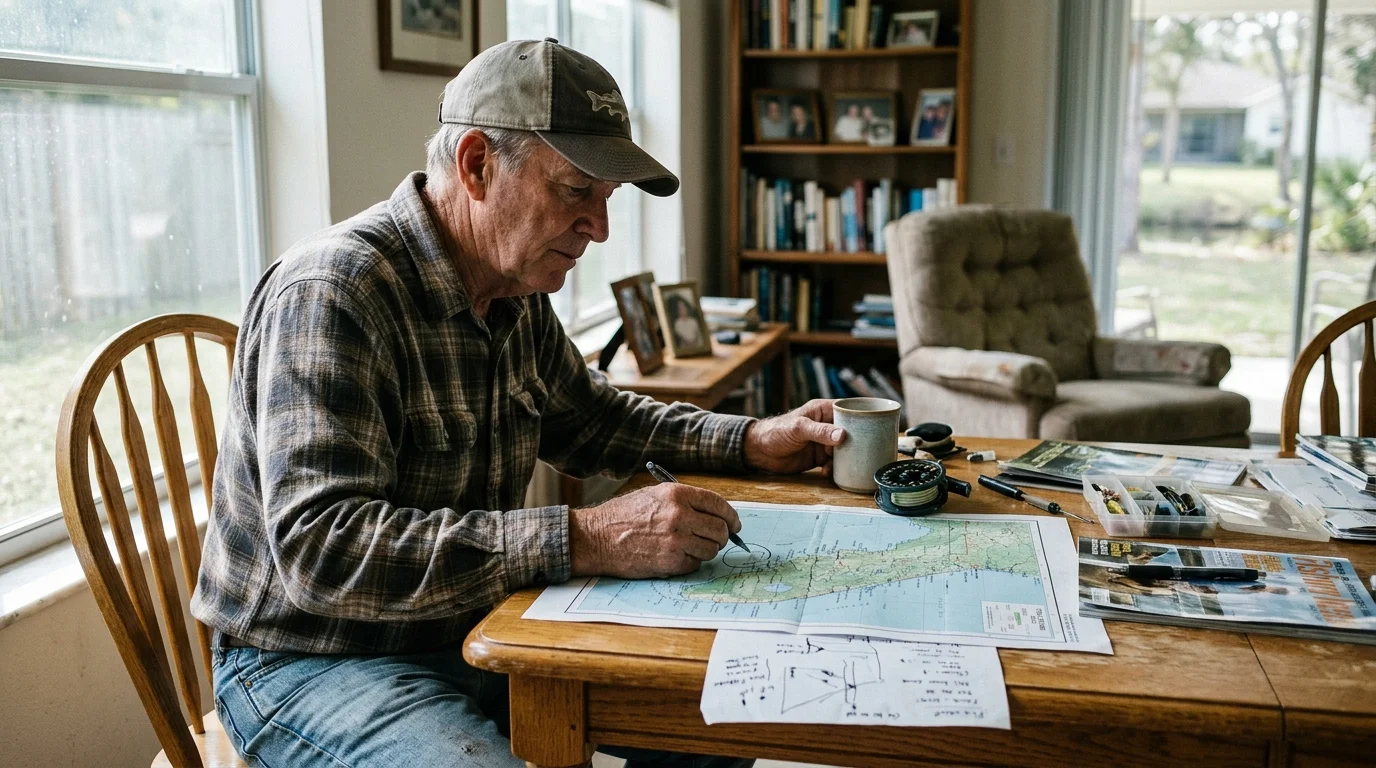
Relocating during retirement involves more than just finding a scenic lake or a coastal pier. To sustain a high quality of life, you must evaluate how a prospective town supports your overall retirement security and daily lifestyle. When evaluating potential fishing retirement towns, keep these vital considerations in mind:
- Water Diversity and Accessibility: Look for towns with abundant public boat ramps, easily accessible bank-fishing spots, and varied fisheries. Having multiple bodies of water nearby protects your fishing schedule when seasonal weather or water levels fluctuate on your primary lake or river.
- Senior Licensing Perks: Fishing license costs vary dramatically by state. Several angler-friendly states offer free licenses or heavily discounted lifetime permits for resident seniors, saving you money year after year.
- State Tax Environment: States with zero income tax—such as Florida, Tennessee, and Texas—allow you to keep more of your pension, traditional 401(k), or IRA withdrawals. Alternatively, states with no sales tax, like Oregon, make big-ticket angling investments such as boats, motors, and electronics much more affordable.
- Healthcare Infrastructure: Regular access to specialized medical care becomes essential as you age. The best retirement locations keep you within a 30-to-45-minute drive of regional hospital networks and comprehensive specialty clinics.
- Cost of Living and Marina Fees: Waterfront real estate carries a premium. Consider living 10 to 15 minutes inland to secure lower property taxes and utility costs while keeping public boat launches within easy reach.
“Retirement is not the end of the road. It is the beginning of the open highway. Spending your money on experiences that bring you daily joy is the true return on your life’s work.” — Jean Chatzky, Financial Educator and Author
1. Punta Gorda & Charlotte Harbor, Florida
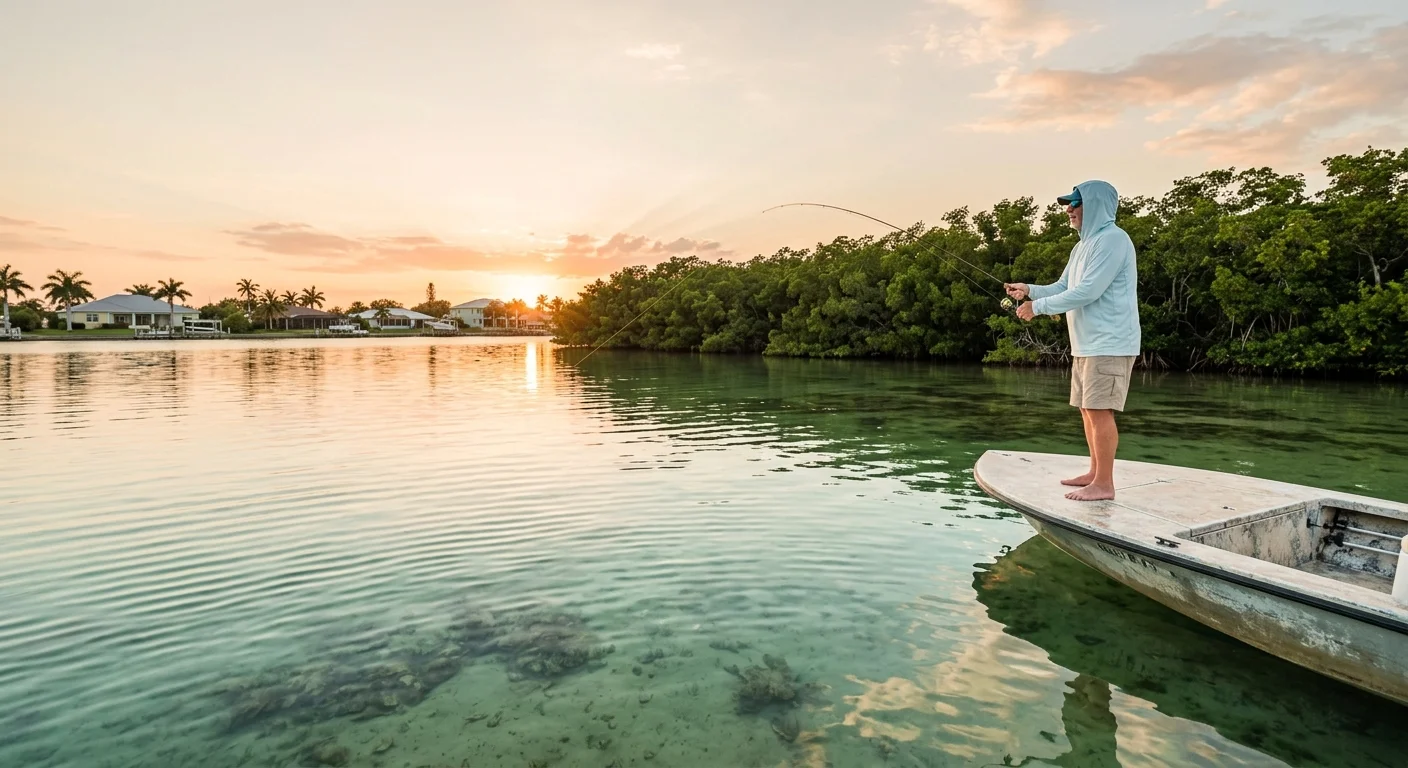
If your retirement vision involves year-round warmth and unmatched inshore saltwater action, Punta Gorda sits right at the epicenter of Florida’s premier estuary. Charlotte Harbor spans over 270 square miles, making it Florida’s second-largest open water estuary. Because barrier islands shelter the harbor, you can target trophy snook, red drum, spotted seatrout, and tarpon in calm waters without dealing with rough open-ocean swells.
Punta Gorda offers extensive canal-front housing developments, such as Punta Gorda Isles, where many homes feature private docks and direct sailboat access to the harbor. Beyond the water, the town features historic brick streets, vibrant waterfront dining along Fishermen’s Village, and rapid access to ShorePoint Health systems.
Financial Advantage for Anglers: Florida levies 0% state individual income tax, shielding your retirement distributions and Social Security income. Furthermore, Florida residents aged 65 and older are completely exempt from purchasing recreational freshwater and saltwater fishing licenses, as well as snook and spiny lobster permits. You simply carry proof of your Florida residency and age while on the water.
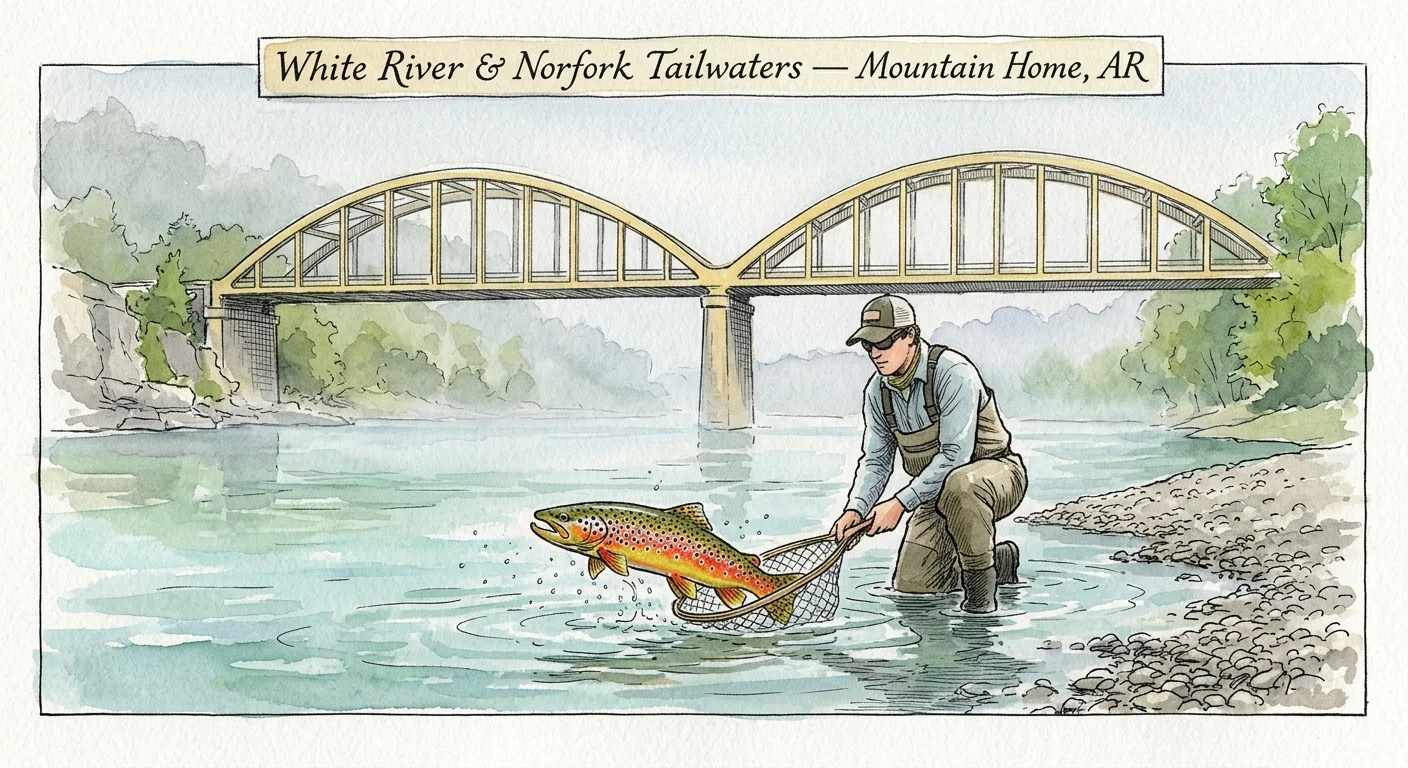
2. Mountain Home & Cotter, Arkansas
Nestled in the heart of the Ozark Mountains, the twin towns of Mountain Home and Cotter form one of the finest freshwater retirement hubs in North America. Cotter proudly calls itself “Trout Town USA,” perched along the banks of the cold White River tailwaters and North Fork River. These rivers hold multiple world-record brown and rainbow trout. Just a short drive north and east puts you on Bull Shoals Lake (over 45,000 acres) and Lake Norfork (22,000 acres), both teeming with largemouth bass, walleye, crappie, and stripers.
Mountain Home serves as the regional commercial and medical center, anchored by the Baxter Regional Medical Center. The local cost of living sits well below the national average, allowing retirees to purchase single-family homes or acreage at attractive price points.
Financial Advantage for Anglers: The Arkansas Game and Fish Commission (AGFC) rewards long-term resident seniors with exceptional license rates. Arkansas residents aged 65 and older who have lived in the state for at least one year qualify for a $10.50 65-Plus Lifetime Fishing License and a $10.00 65-Plus Lifetime Trout Permit, eliminating annual licensing fees entirely.
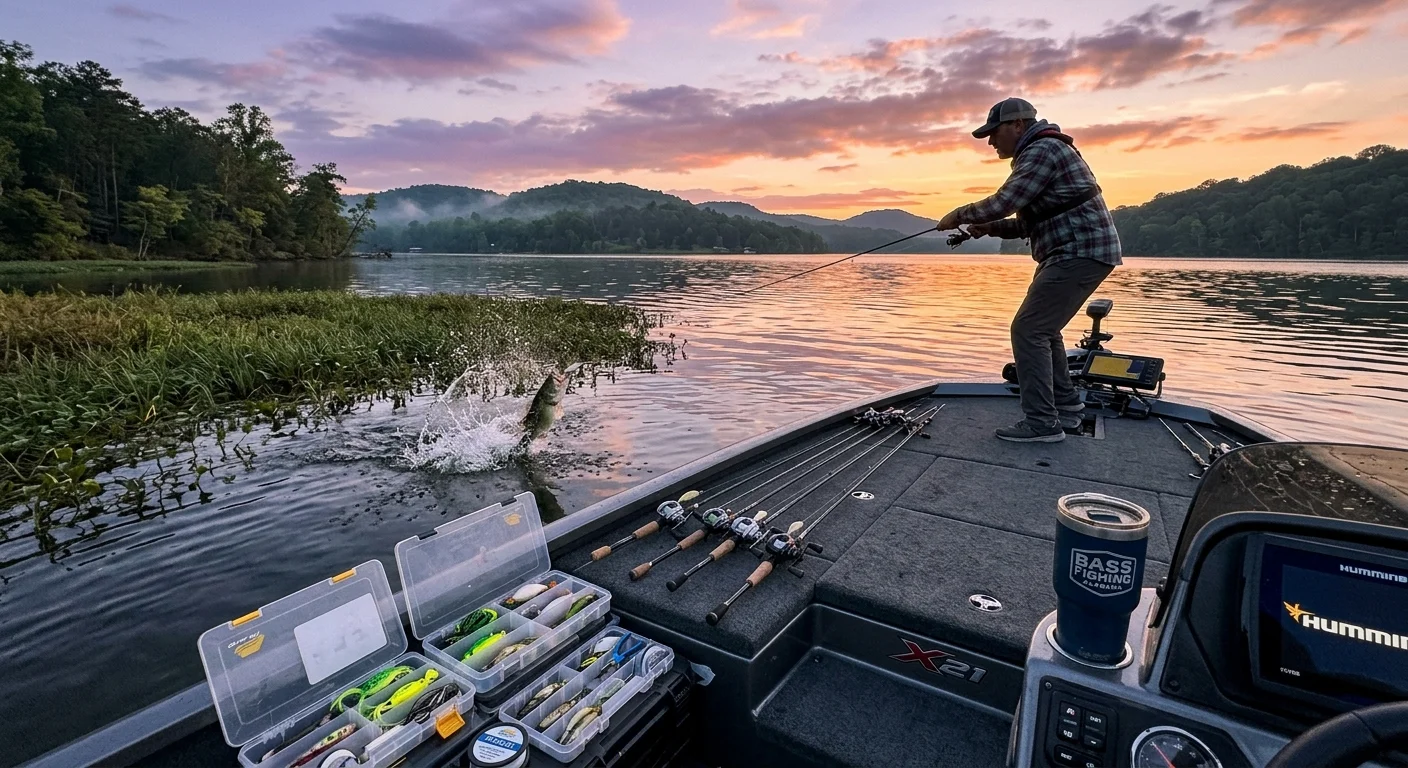
3. Guntersville, Alabama
Lake Guntersville is Alabama’s crown jewel for freshwater anglers. Spanning 69,100 acres with 949 miles of shoreline along the Tennessee River, this massive reservoir consistently ranks as one of the best largemouth bass fisheries in the world. The state enforces a 15-inch minimum length limit for black bass, preserving a healthy population of trophy-sized fish alongside robust stocks of black crappie, bluegill, and channel catfish.
The city of Guntersville sits on a peninsula surrounded by water, giving nearly every neighborhood quick access to the lake. The cost of living is approximately 10% lower than the national average, and Alabama boasts some of the lowest median property tax rates in the country. Marshall Medical Center North and South provide dependable healthcare close to home, while Huntsville’s world-class medical facilities sit just 45 minutes to the northwest.
Financial Advantage for Anglers: Alabama exempts all traditional defined-benefit pensions and Social Security benefits from state income taxation. Alabama resident seniors aged 65 and older can purchase an inexpensive senior lifetime freshwater fishing license, ensuring virtually cost-free angling for life.
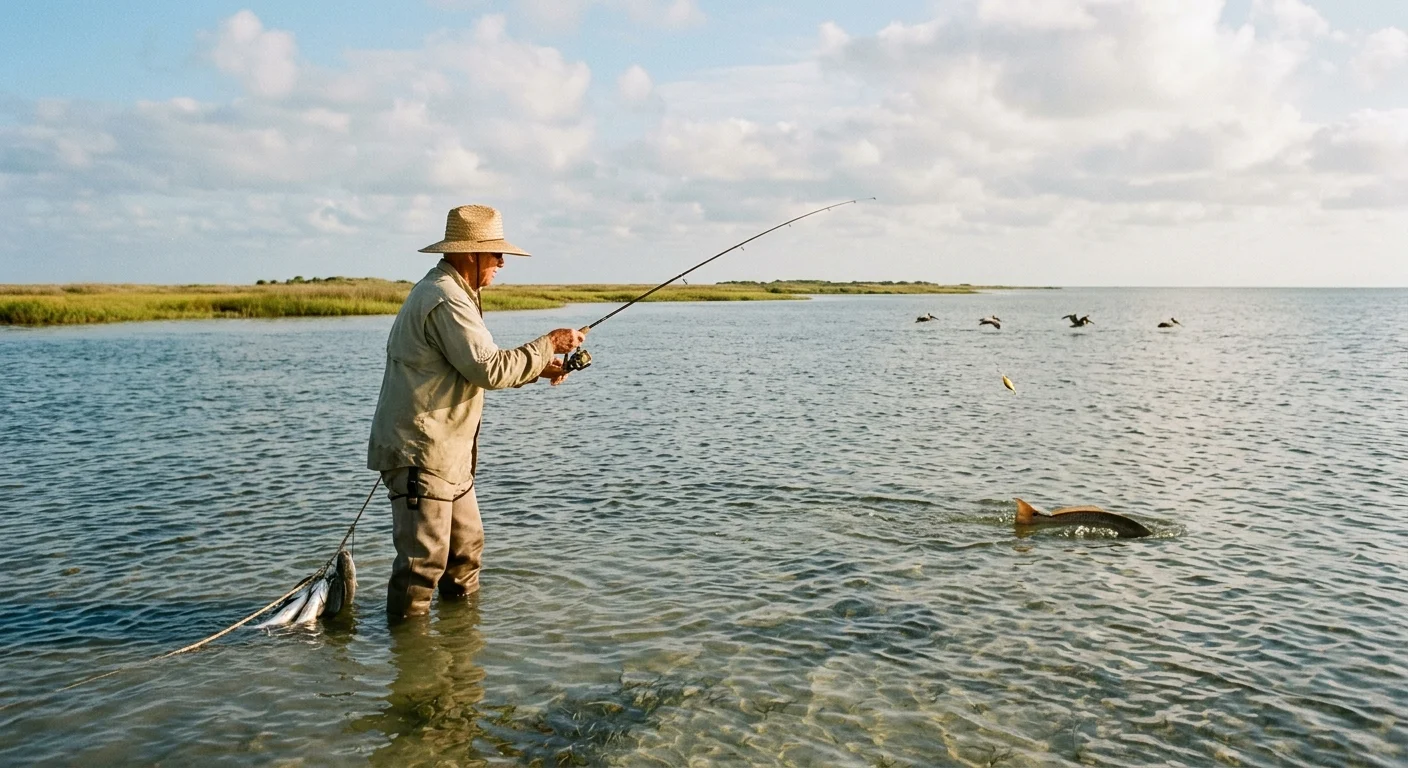
4. Port Aransas & Rockport, Texas
Retirees seeking coastal Texas charm gravitate toward the neighboring barrier-island and coastal communities of Port Aransas and Rockport. Situated along the Aransas and Corpus Christi bays, these towns offer immediate access to shallow grass flats, channels, and the Gulf of Mexico. Anglers routinely limit out on red drum, black drum, speckled seatrout, and flounder, while offshore charters depart daily for snapper, mahi-mahi, and yellowfin tuna.
Rockport delivers a tranquil, arts-focused community vibe, while Port Aransas offers golf-cart-friendly streets and beachfront living. Major medical facilities and regional airports are readily accessible across the bay in Corpus Christi.
Financial Advantage for Anglers: Texas imposes no personal income tax on wages, pensions, or retirement account withdrawals. The Texas Parks and Wildlife Department offers discounted senior packages for residents aged 65 and older: $12 for a Senior Freshwater package, $17 for a Senior Saltwater package, and $22 for a Senior All-Water package.
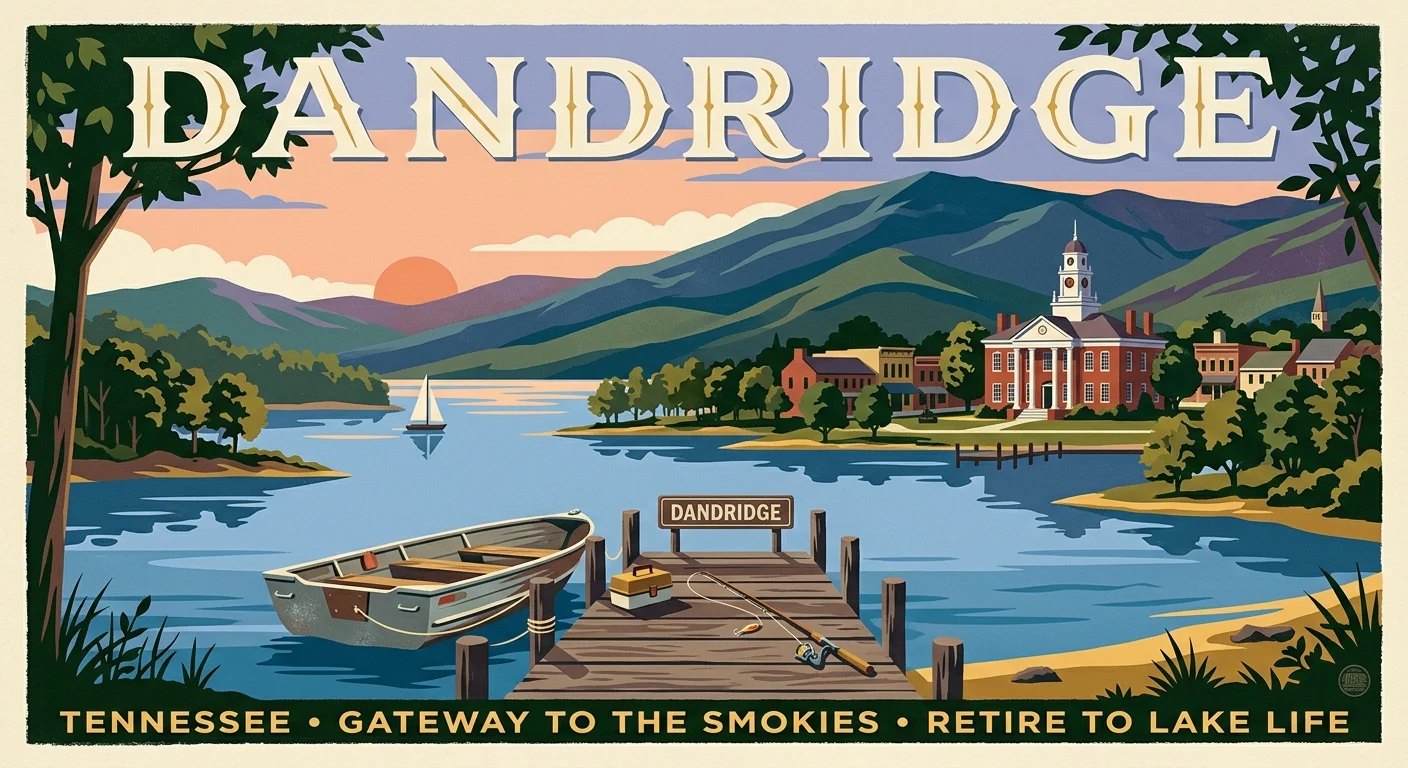
5. Dandridge & Douglas Lake, Tennessee
Dandridge is Tennessee’s second-oldest town, resting along the northern shores of Douglas Lake against the dramatic backdrop of the Great Smoky Mountains. Douglas Lake covers 30,400 acres and provides world-class largemouth bass, sauger, and spring black crappie fishing. The nearby French Broad River adds dynamic river-angling opportunities for smallmouth bass and muskie.
Retirees in Dandridge enjoy a quiet, historic atmosphere without sacrificing urban convenience. Knoxville sits only 30 miles to the west, providing access to major healthcare systems such as the University of Tennessee Medical Center. Housing costs in Jefferson County remain competitive, and lake-access properties are far more accessible than in many other mountain destinations.
Financial Advantage for Anglers: Tennessee features zero state income tax, allowing you to withdraw from your tax-deferred retirement accounts without state deductions. For resident seniors aged 65 and older, the Tennessee Wildlife Resources Agency (TWRA) offers a $4.00 annual Senior Hunt/Fish/Trap license (Type 166) or a $49.00 permanent lifetime Senior Sportsman license that covers all state supplemental permits.
6. Brainerd Lakes Area, Minnesota
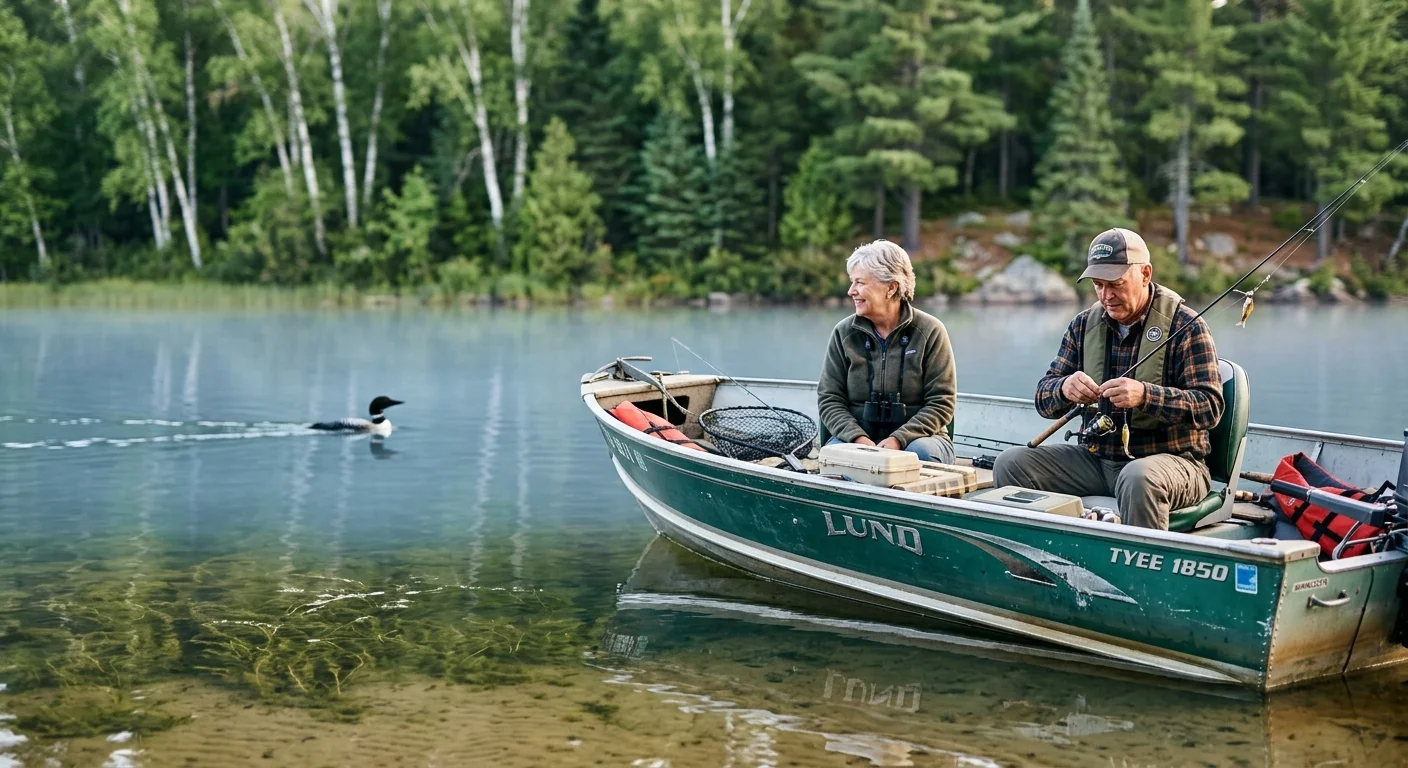
For those who love classic Northwoods scenery and multi-species action, central Minnesota’s Brainerd Lakes area is hard to beat. The region encompasses more than 460 lakes within a 30-mile radius, headlined by the 38,000-acre Gull Lake chain, Crosslake’s Whitefish Chain, and nearby Lake Mille Lacs (128,000 acres). Anglers can chase trophy walleye, northern pike, largemouth bass, and jumbo yellow perch during the warm months, then shift directly into a thriving winter ice-fishing season.
Brainerd and its sister city, Baxter, provide modern suburban infrastructure, including the Essentia Health-St. Joseph’s Medical Center. While winters are cold, the regional culture embraces all four seasons, featuring extensive snowmobile trails, cross-country skiing, and heated ice houses that keep anglers comfortable all winter.
Financial Advantage for Anglers: Minnesota offers substantial state tax subtractions for Social Security benefits up to certain income thresholds. Anglers aged 65 and older also receive discounted annual resident angling licenses from the Minnesota Department of Natural Resources.
7. Branson & Table Rock Lake / Lake Taneycomo, Missouri
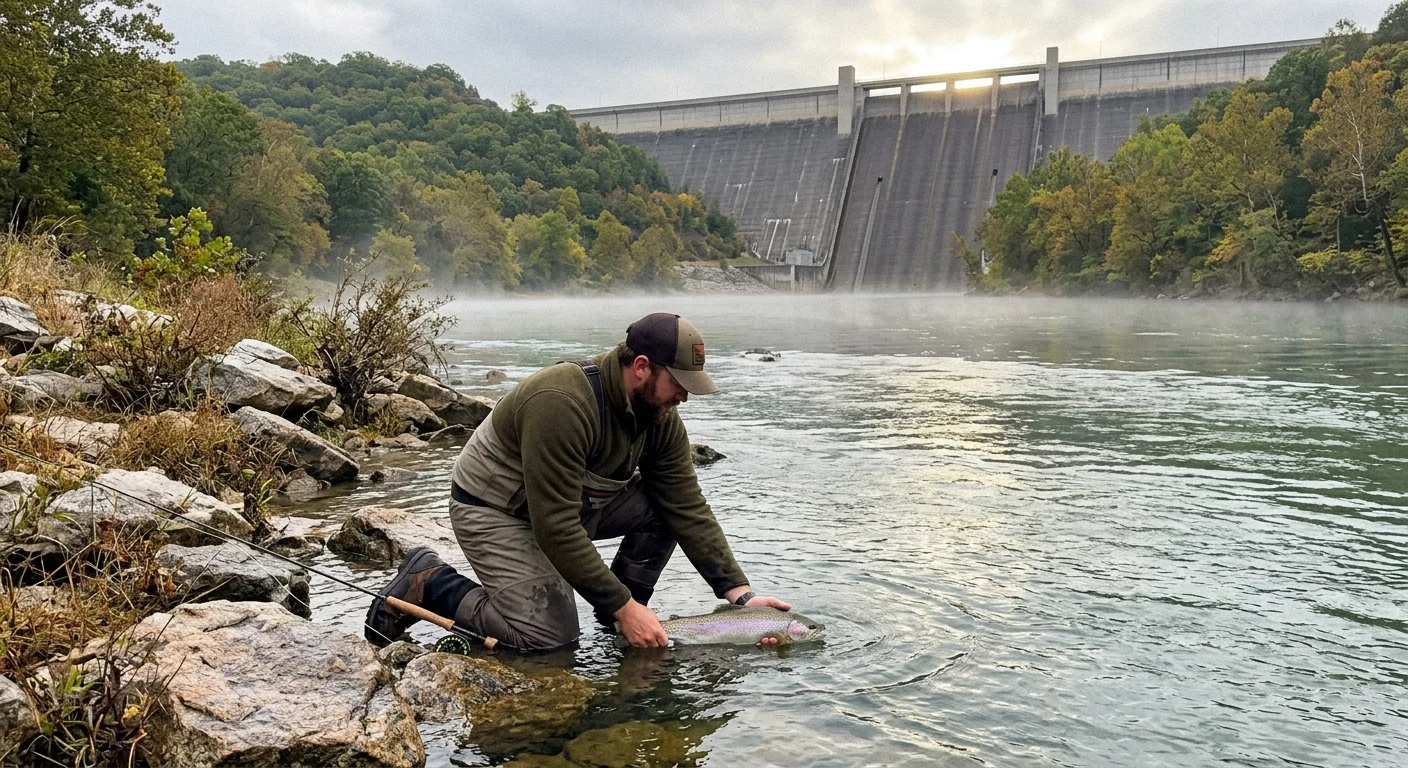
The Branson area in southwestern Missouri presents a rare angling dynamic: two distinct world-class fisheries located within five minutes of each other. Table Rock Lake covers 43,000 to 52,000 acres of deep, clear warm water known for trophy largemouth, smallmouth, and spotted bass. Just below the Table Rock Dam sits Lake Taneycomo, a cold-water tailrace stocked with over 600,000 rainbow and brown trout annually by the Shepherd of the Hills Fish Hatchery.
Branson offers rich entertainment, golf courses, and an exceptionally low overall cost of living. Healthcare is robust, with Cox Medical Center Branson serving the community alongside the extensive medical hubs in nearby Springfield.
Financial Advantage for Anglers: Missouri fully exempts Social Security benefits from state income tax for most retirees and offers a generous pension income deduction. The Missouri Department of Conservation provides low-cost resident annual fishing permits and deeply discounted lifetime licenses for senior anglers.
8. Bozeman & Ennis, Montana
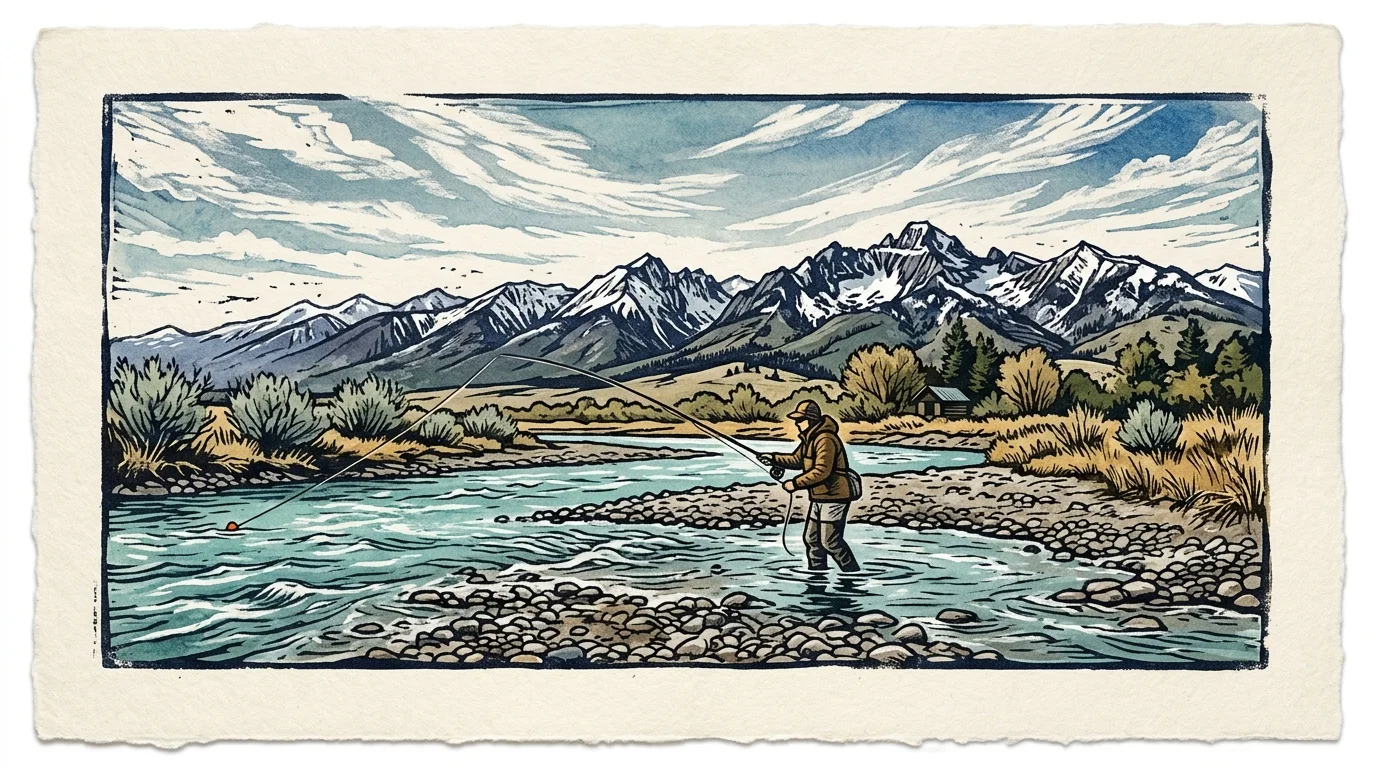
If your heart belongs to fly fishing and cold mountain freestone rivers, southwestern Montana represents the gold standard. Ennis sits directly on the banks of the world-famous Madison River, while nearby Bozeman gives you immediate access to the Gallatin, Yellowstone, and Jefferson rivers. These blue-ribbon waters offer exceptional dry-fly and nymph action for wild brown, rainbow, and cutthroat trout.
Bozeman provides cultural amenities, Montana State University lectures, a thriving culinary scene, and top-rated healthcare at Bozeman Health Deaconess Hospital. While Bozeman real estate carries a premium, surrounding communities like Ennis and Belgrade offer more manageable housing options for active retirees.
Financial Advantage for Anglers: Montana begins its senior licensing discounts earlier than most states, setting the qualifying age at 62. Resident anglers aged 62 and older can secure a $4.00 Conservation License and a $10.50 full-season Base Fishing License (plus a $2.00 Aquatic Invasive Species Prevention Pass), making daily river access very affordable.
9. Brookings & Gold Beach, Oregon
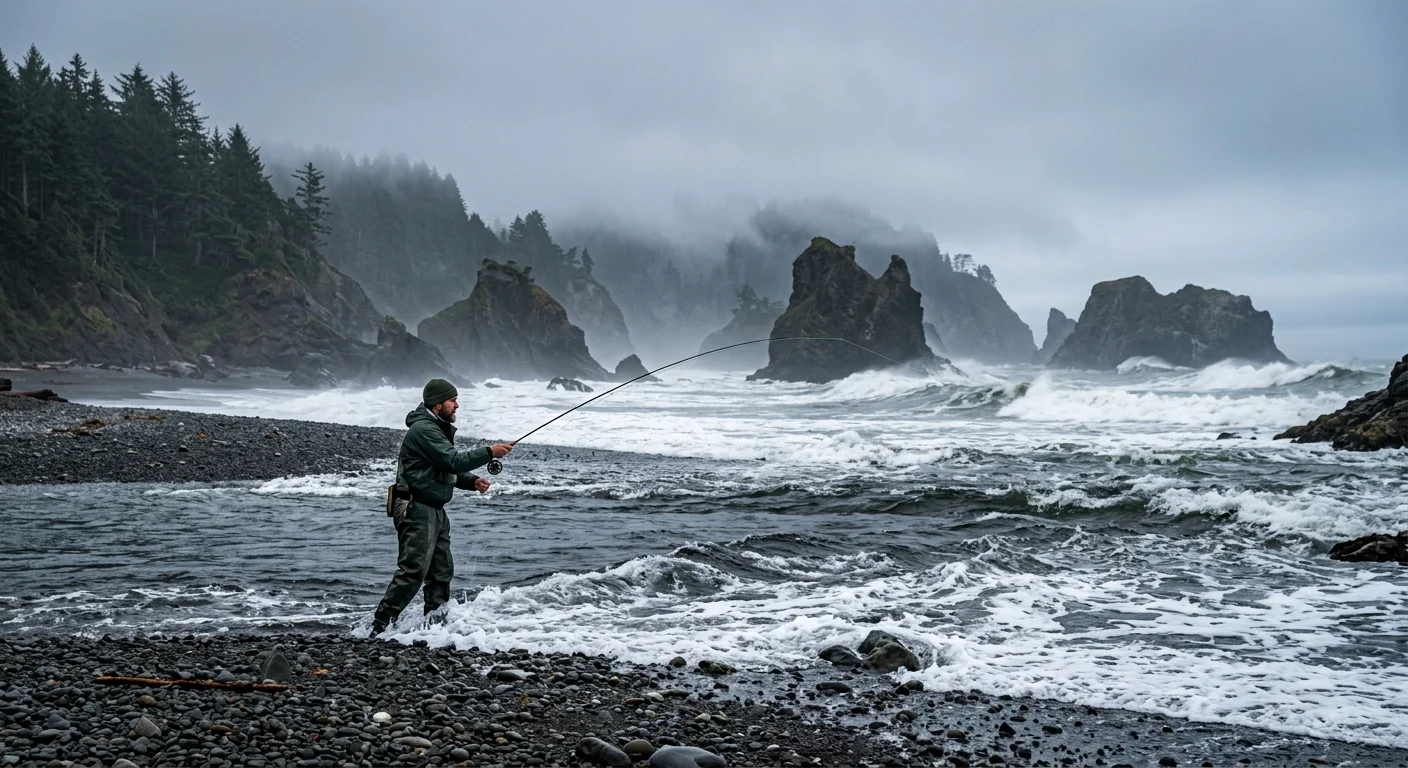
Located on the “Banana Belt” of the southern Oregon coast, Brookings and Gold Beach offer a mild maritime climate where winter temperatures rarely drop below freezing. This region puts you at the mouth of the legendary Rogue and Chetco rivers. Here, retirees can target ocean-run Chinook salmon and steelhead before switching gears to ocean bottom-fishing for lingcod, rockfish, and Pacific Dungeness crab.
The rugged coastline offers uncrowded beaches, spectacular ocean vistas, and a peaceful, small-town atmosphere. Curry General Hospital in Gold Beach and Sutter Coast Hospital just across the California border provide dependable local medical coverage.
Financial Advantage for Anglers: Oregon levies 0% state sales tax. When you buy expensive marine electronics, outboard motors, tackle, or a new boat and trailer, you pay zero state sales tax at the counter, saving you thousands of dollars. Oregon also offers a discounted Senior Angling License for residents aged 70 and older who have lived in the state for at least five years.
10. Clemson & Lake Hartwell, South Carolina
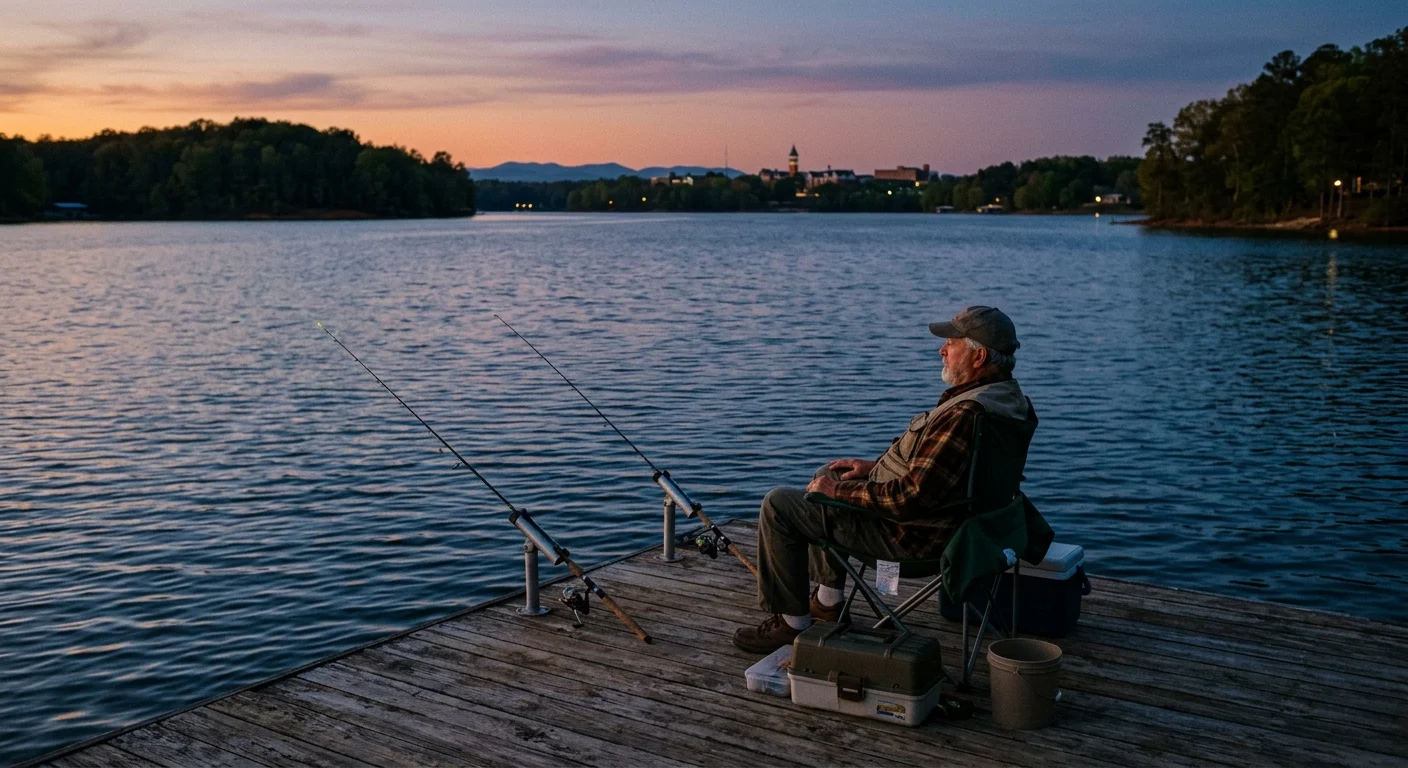
The upstate South Carolina region around Clemson, Anderson, and Seneca offers a balanced climate, picturesque rolling hills, and easy access to Lake Hartwell. Covering nearly 56,000 acres with 962 miles of shoreline, Lake Hartwell is a renowned fishery for striped bass, hybrid bass, largemouth bass, and crappie. The nearby mountain streams of the Jocassee Gorges also provide excellent cold-water trout fishing within a 45-minute drive.
Clemson brings university-town energy, cultural events, and lifelong learning courses for seniors. The area features low property taxes and is supported by major hospital networks, including AnMed Health in Anderson and the Prisma Health system in nearby Greenville.
Financial Advantage for Anglers: South Carolina is exceptionally tax-friendly for retirees, completely exempting Social Security benefits and providing generous retirement-income exclusions for seniors 65 and older. South Carolina resident seniors can obtain a deeply discounted three-year or lifetime recreational fishing license from the South Carolina Department of Natural Resources.
Comparing Top Angling Retirement Locations
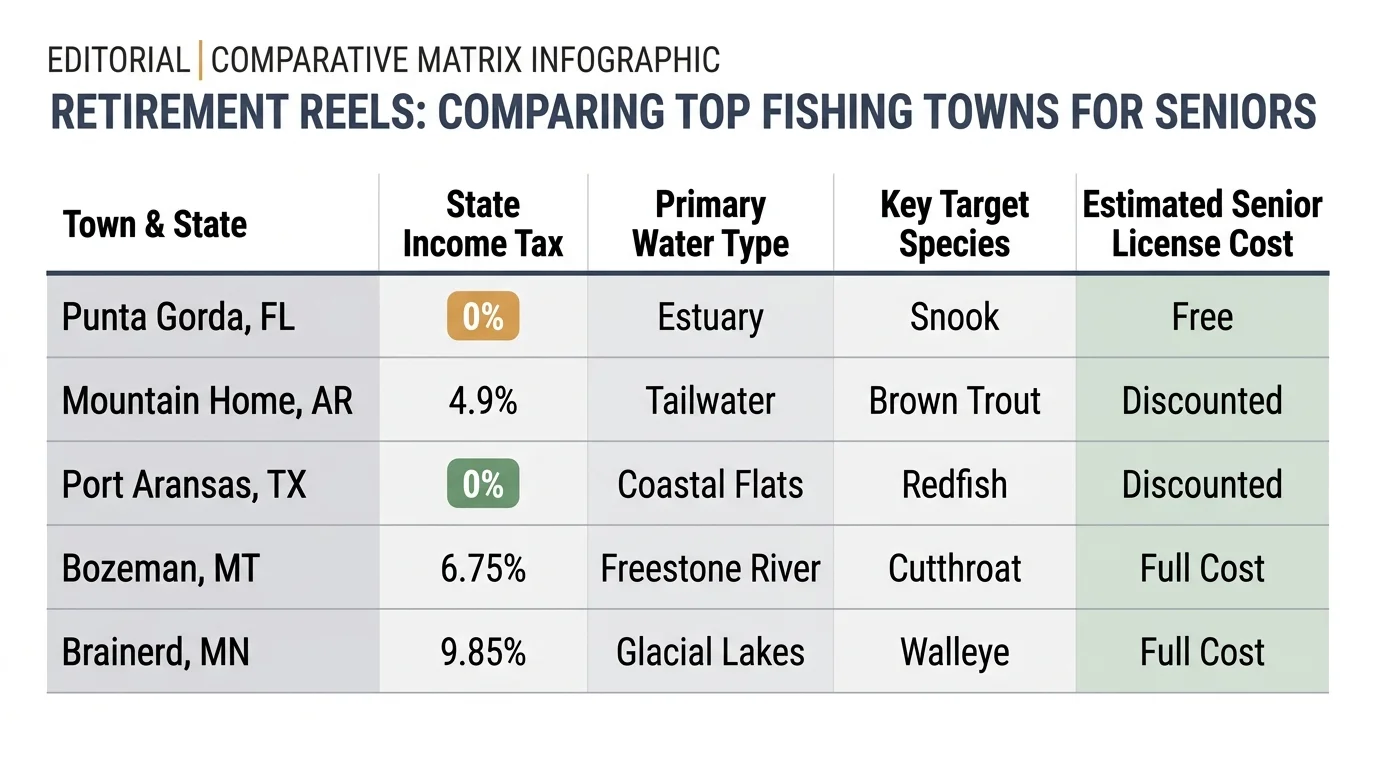
To help you weigh your options, the table below compares water types, primary gamefish, senior licensing benefits, and state income tax policies across all ten destinations.
| Destination | Water Type | Primary Target Species | Senior License Perks (Resident) | State Income Tax |
|---|---|---|---|---|
| Punta Gorda, FL | Saltwater Estuary & Canals | Snook, Tarpon, Redfish | 100% Free (Age 65+) | 0% |
| Mountain Home, AR | Tailwater Rivers & Deep Lakes | Trout, Largemouth Bass, Walleye | $10.50 Lifetime (Age 65+) | Graduated (Low) |
| Guntersville, AL | Large River Reservoir | Trophy Largemouth Bass, Crappie | Low-Cost Lifetime Senior Permit | Pensions Exempt |
| Port Aransas, TX | Coastal Bays & Gulf of Mexico | Red Drum, Speckled Trout, Flounder | $12–$22 Senior Packages (Age 65+) | 0% |
| Dandridge, TN | Mountain Reservoir & River | Black Crappie, Largemouth, Smallmouth | $4/year or $49 Lifetime (Age 65+) | 0% |
| Brainerd Lakes, MN | Natural Glacial Lakes | Walleye, Northern Pike, Smallmouth | Discounted Senior Resident License | Moderate / Exemptions apply |
| Branson, MO | Warm Reservoir & Cold Tailrace | Rainbow/Brown Trout, Bass | Low-Cost Senior Lifetime Options | Social Security Exempt |
| Bozeman, MT | Freestone Trout Rivers | Wild Brown, Rainbow & Cutthroat Trout | $10.50 Base License (Age 62+) | Graduated |
| Brookings, OR | Pacific Ocean & Coastal Rivers | King Salmon, Steelhead, Lingcod | 0% Sales Tax on Gear; Senior Discounts | Graduated (No Sales Tax) |
| Clemson, SC | Piedmont Reservoir & Streams | Striped Bass, Largemouth, Trout | Low-Cost 3-Year / Lifetime Options | Social Security Exempt |
Financial and Practical Steps for Your Fishing Relocation
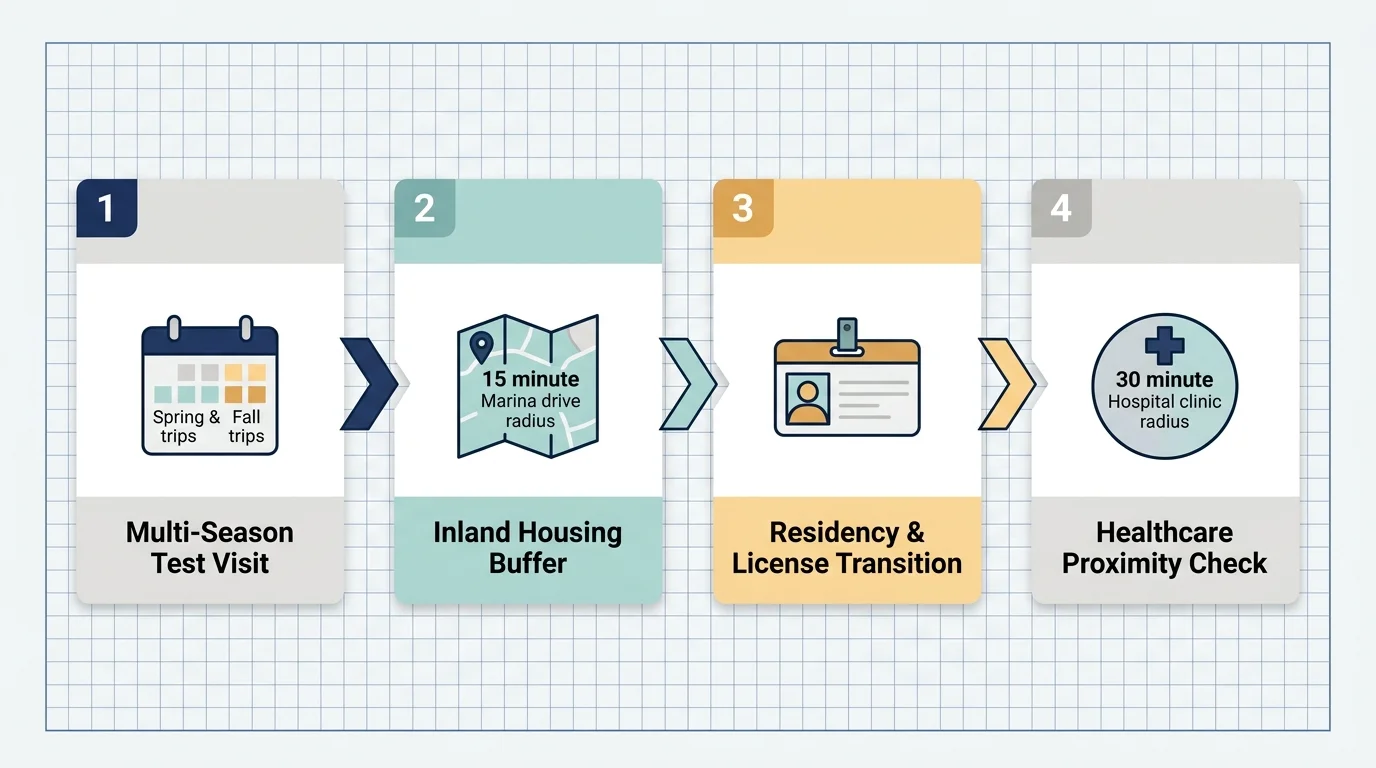
Turning an angling dream into a practical retirement plan requires careful coordination between your lifestyle goals and financial realities. Before putting down a deposit on a waterfront property or packing your tackle boxes, work through these essential steps:
- Test the Waters in Multiple Seasons: Rent an extended-stay property for a few weeks in the summer and winter. A lake town that feels vibrant in July may feel isolated in January, and shallow bays can become difficult to navigate during low-water seasons.
- Budget for Boat Ownership and Slips: Owning a boat involves insurance, annual registration, hull maintenance, and winterization costs. Wet slips and marina dry-storage fees have risen nationwide; confirm current dockage rates before purchasing real estate without a private launch or dock.
- Review Your Withdrawal Strategy: Relocating to a zero-income-tax state like Florida, Texas, or Tennessee can stretch your retirement savings. Consult the Internal Revenue Service (IRS) rules on Required Minimum Distributions (RMDs) and model your state-by-state tax exposure before making a final decision.
- Assess Proximity to Specialty Care: If you enjoy fishing remote waters, make sure your everyday residence is within reasonable driving distance of comprehensive medical facilities. For health coverage details when moving to a new state or county, review options on Medicare.gov to ensure your supplemental or Advantage plan transfers smoothly.
- Consult an Independent Financial Advisor: Work with a certified professional through the Certified Financial Planner Board to ensure your housing budget, relocation expenses, and leisure spending align with your long-term nest egg sustainability.
Frequently Asked Questions
Which state offers the cheapest fishing license for resident retirees?
Florida offers one of the most generous senior licensing programs in the nation. Florida residents aged 65 and older do not pay for freshwater or saltwater recreational fishing licenses, nor do they need to pay for snook or lobster permits. Arkansas and Tennessee also offer exceptional value through permanent senior lifetime licenses for under $50.
Is it better to buy a waterfront home or live inland near a boat ramp?
Living 10 to 15 minutes inland often makes better financial sense for retirees. Direct waterfront homes carry significantly higher property tax assessments, higher insurance premiums, and constant seawall or dock maintenance costs. An inland home with dedicated boat or RV parking lets you save substantial capital while launching your boat easily at public ramps.
Can I use my current Medicare plan if I move to another state?
Original Medicare (Part A and Part B) works nationwide with any healthcare provider who accepts Medicare. However, if you have a Medicare Advantage (Part C) plan or a Part D prescription drug plan, you will generally need to switch to a plan offered in your new service area upon moving. For guidance on senior lifestyle adjustments, explore resources provided by AARP.
Next Steps for Planning Your Fishing Retirement
Fishing more often in retirement is about maximizing freedom, health, and outdoor enjoyment. Start by selecting your top three destinations from this list based on your preferred species and climate preference. Plan scouting trips that combine time on the water with visits to local grocery stores, medical centers, and residential neighborhoods.
This article provides general retirement education and information only. Everyone’s financial situation is unique—what works for others may not work for you. For personalized advice, consider consulting a qualified financial professional such as a CFP or CPA.
Last updated: February 2026. Retirement benefits, tax laws, and healthcare costs change frequently—verify current details with official sources.