A stolen Social Security number can disrupt your retirement benefits and compromise your financial security overnight. Fortunately, new federal legislation now guarantees you direct, streamlined support from dedicated federal caseworkers when fraud strikes.
The newly enacted law eliminates the bureaucratic maze that previously forced victims to repeat their stories to dozens of different agency representatives. You now gain access to a coordinated resolution process that protects your monthly checks.
Here is what the updated law means for your identity protection, your benefits, and the exact steps you must take to secure your records today.
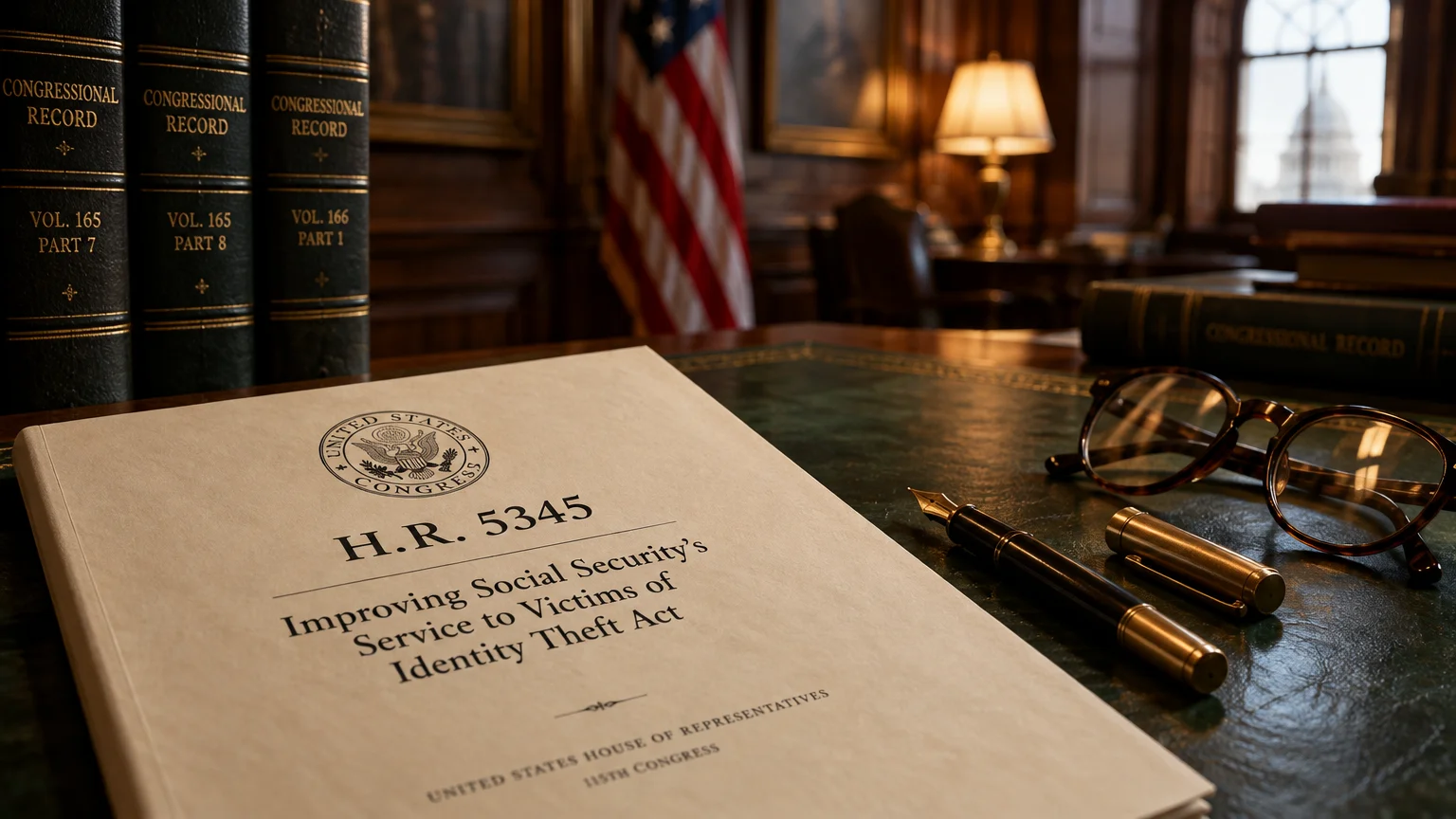
The Improving Social Security’s Service to Victims of Identity Theft Act
Navigating identity fraud within federal agencies has long tested the patience of American retirees. Fraud victims routinely faced disjointed phone transfers, lost paperwork, and contradictory guidance from regional offices.
Congress intervened by passing the Improving Social Security’s Service to Victims of Identity Theft Act (H.R. 5345). President Donald Trump signed the bipartisan measure into law on October 7, 2026.
Representative David Kustoff (R-TN) first introduced the legislation on September 15, 2025. The measure secured broad support, passing the House of Representatives on December 1, 2025.
Senators Chuck Grassley (R-IA) and Maggie Hassan (D-NH) spearheaded companion efforts in the Senate. Their push culminated in unanimous Senate passage on September 17, 2026.
Major advocacy organizations strongly backed the bill throughout its legislative journey. The measure earned formal endorsements from AARP, the Association of Mature American Citizens (AMAC), and the National Committee to Preserve Social Security and Medicare.
The statutory reforms become fully enforceable 180 days after enactment, taking effect in early April 2027. This window gives the agency time to train specialized personnel and overhaul internal systems.
The Identity Theft Crisis Facing Older Americans
Stolen identification credentials represent one of the fastest-growing threats to personal retirement security. Criminal networks aggressively target older Americans for their steady incomes and established credit histories.
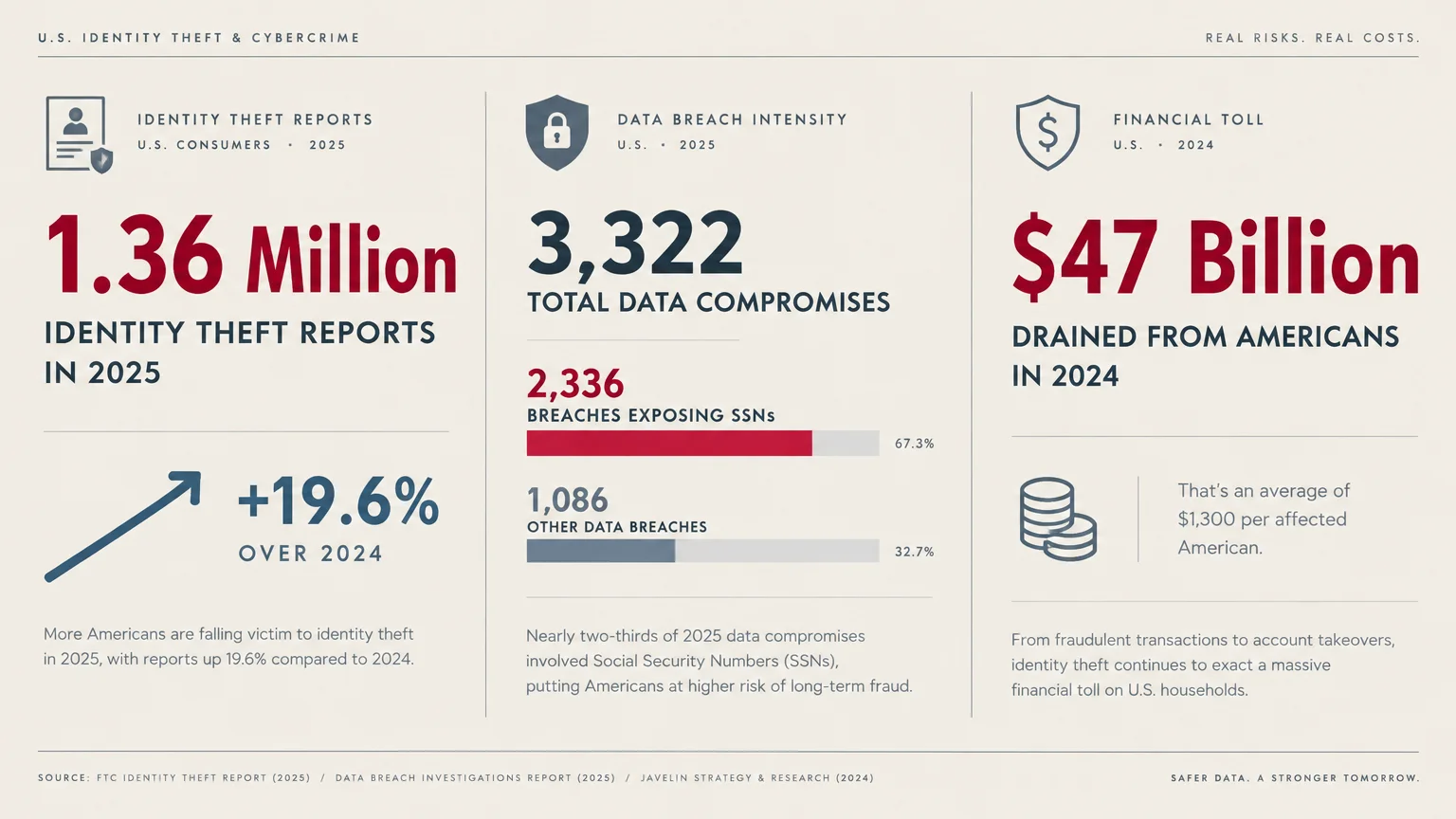
Federal Trade Commission data highlights the staggering scale of this problem. The FTC recorded 1.36 million identity theft reports in 2025 alone, marking a 19.6% jump over 2024 levels.
Widespread corporate data breaches continue to expose sensitive personal credentials. According to the Identity Theft Resource Center’s 2025 Annual Data Breach Report, the country endured a record 3,322 data compromises in 2025.
More alarmingly, 2,236 of those 2025 breaches specifically exposed Social Security numbers. Criminals frequently bundle and sell these compromised numbers on dark-web forums within minutes of a breach.
The overall financial toll on consumers remains staggering. During congressional debate, the House Ways and Means Committee noted that identity theft drained an estimated $47 billion from Americans in 2024.
“Identity theft is a real threat, and it can take years to recover your credit and peace of mind. Taking preventive steps now is the greatest gift you can give your future self.” — Suze Orman, Personal Finance Author and Host
Retirees face unique vulnerabilities when criminals compromise their nine-digit identifiers. Fraudulent actors can divert direct deposits, open bogus financial accounts, or file fraudulent tax returns in your name.
How the Single Point of Contact System Works
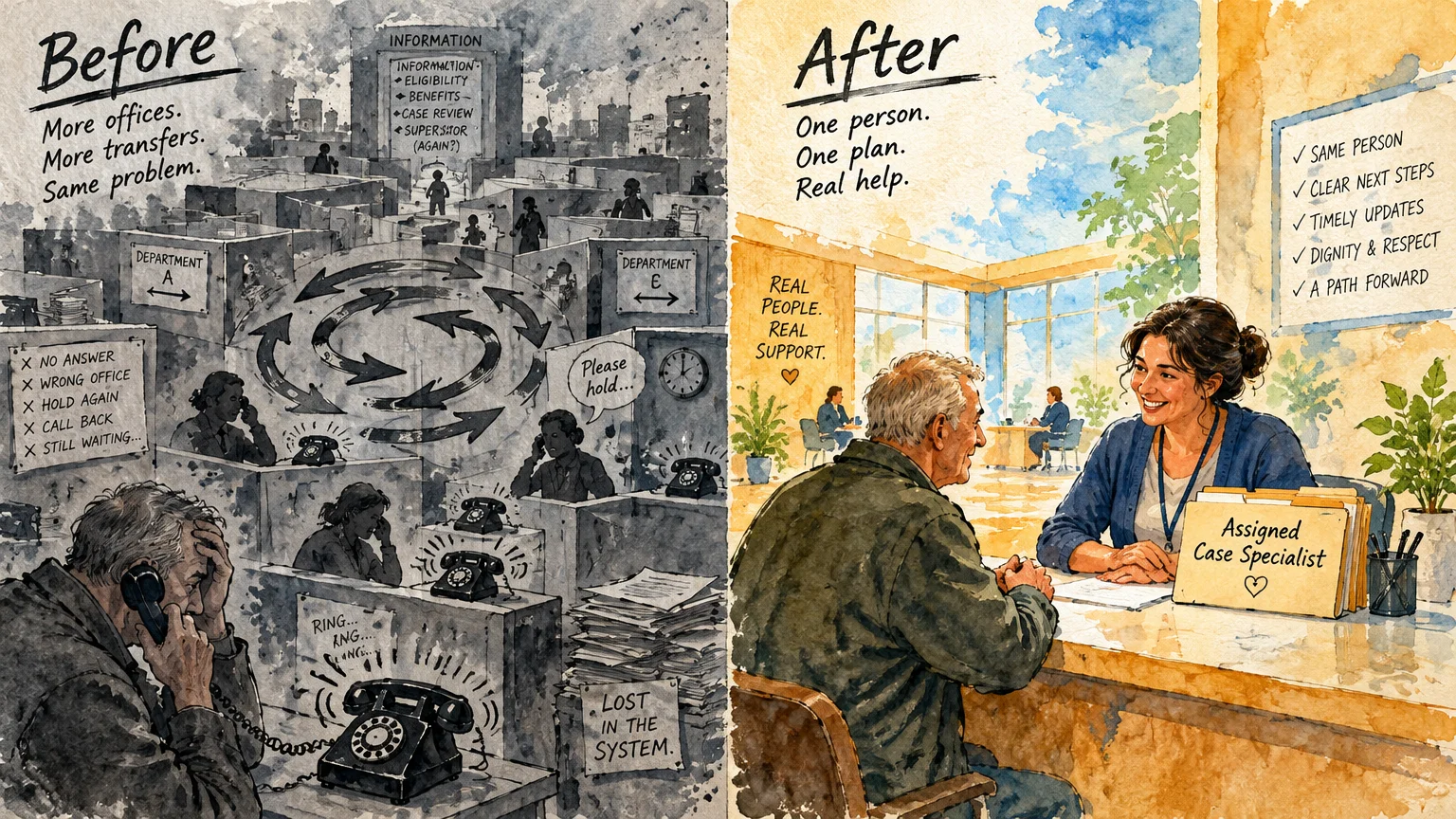
The centerpiece of the 2026 law requires the Social Security Administration Commissioner to establish a single point of contact for victims. This structural reform fundamentally alters how the agency handles fraud claims.
Instead of bouncing between customer service tiers, you receive an assigned contact team. This team consists of specially trained personnel who handle complex identity theft cases exclusively.
Your dedicated team must track your case from start to finish. They manage investigative inquiries, coordinate with records processors, and communicate status updates directly to you.
The statute establishes strict internal accountability across agency departments. The assigned personnel must maintain complete case records so transitions between agency staff never force you to restart your claim.
The legislation guarantees single-point-of-contact support if your situation meets any of these four criteria:
- Misuse of your Social Security number to fraudulently claim or redirect agency retirement, disability, or survivor benefits.
- Unauthorized alterations or fraudulent earnings reports corrupting your official SSA earnings and benefits history.
- Substantiated fraud severe enough to force you to apply for a brand-new Social Security number.
- Official replacement Social Security cards lost or intercepted in postal mail transit.
This coordinated structure prevents bureaucratic finger-pointing between field offices and payment processing centers. You get a single accountable team focused on restoring your financial identity.

Immediate Steps to Take if Your SSN Is Compromised
Discovering that someone has misused your Social Security number demands prompt action. Taking swift, deliberate measures limits financial damage and establishes a formal evidentiary paper trail.
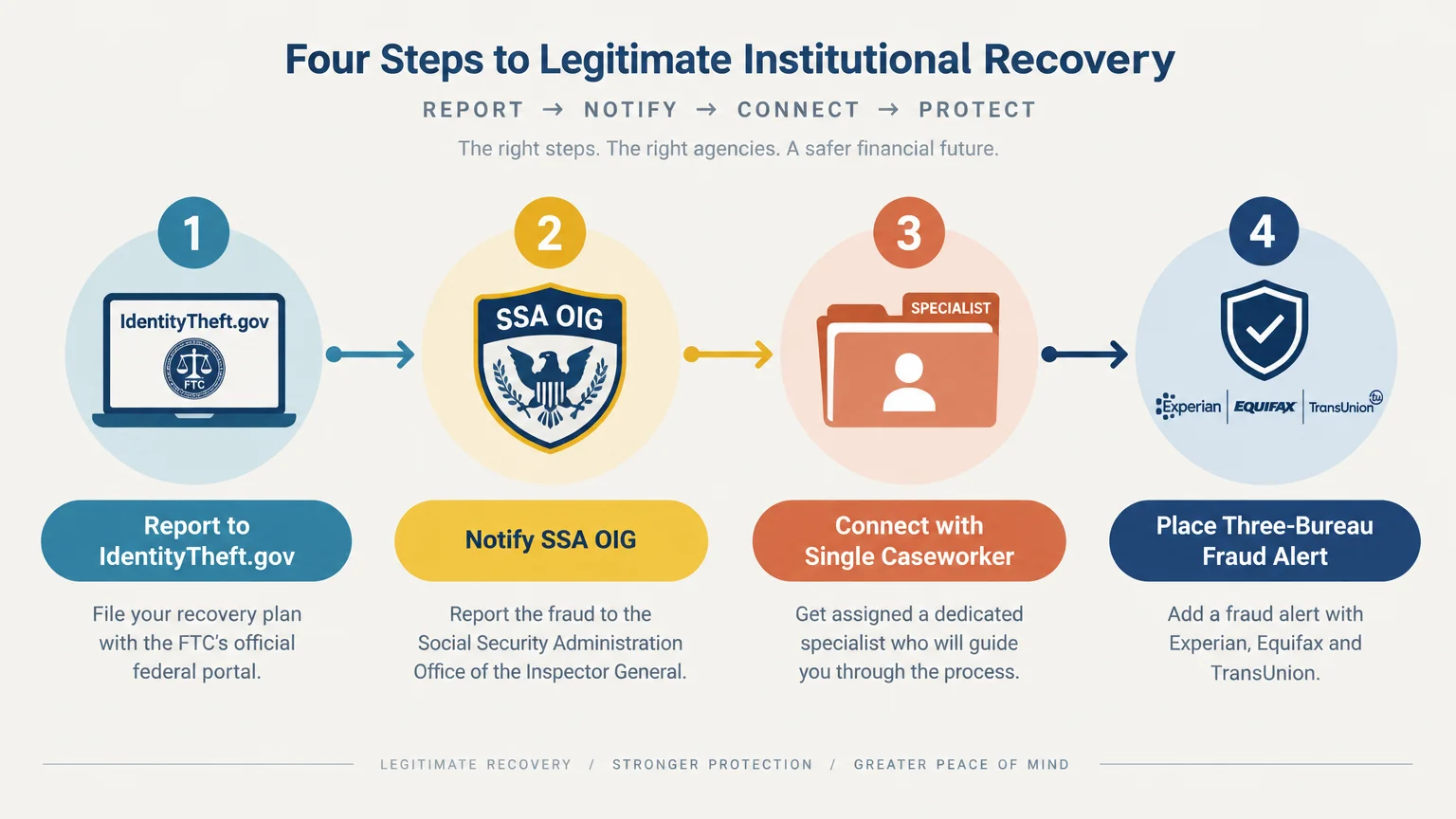
Begin by contacting the Social Security Administration’s Office of the Inspector General (OIG). The OIG investigates criminal impersonation, fraudulent benefit diversions, and payroll identity theft.
You can file an official fraud report online through the OIG website at oig.ssa.gov. Alternatively, call the SSA Fraud Hotline at 1-800-269-0271 (TTY: 1-866-501-2101), operating Monday through Friday from 10:00 a.m. to 4:00 p.m. Eastern Time.
For general inquiries or to replace a compromised card, contact the primary SSA hotline at 1-800-772-1213. Phone lines remain open Monday through Friday between 8:00 a.m. and 7:00 p.m. local time.
Next, file an official identity theft report with the federal government at IdentityTheft.gov. This Federal Trade Commission portal generates an official recovery plan and pre-filled affidavits for creditors.
Notify the major nationwide credit reporting agencies immediately to place fraud alerts on your files. You can contact Equifax, Experian, or TransUnion; each agency must legally notify the other two.
You should also inform the Internal Revenue Service to prevent tax-related identity theft. Requesting an IRS Identity Protection PIN ensures no criminal can file a fraudulent tax return under your number.
Review the security settings on your personal “my Social Security” online account immediately. If you suspect an intruder accessed your portal, request an administrative Block of Electronic Access from agency staff.
Finally, protect yourself against unauthorized workplace fraud using the federal government’s myE-Verify Self Lock service. This free tool prevents criminals from using your credentials to pass employment background checks.
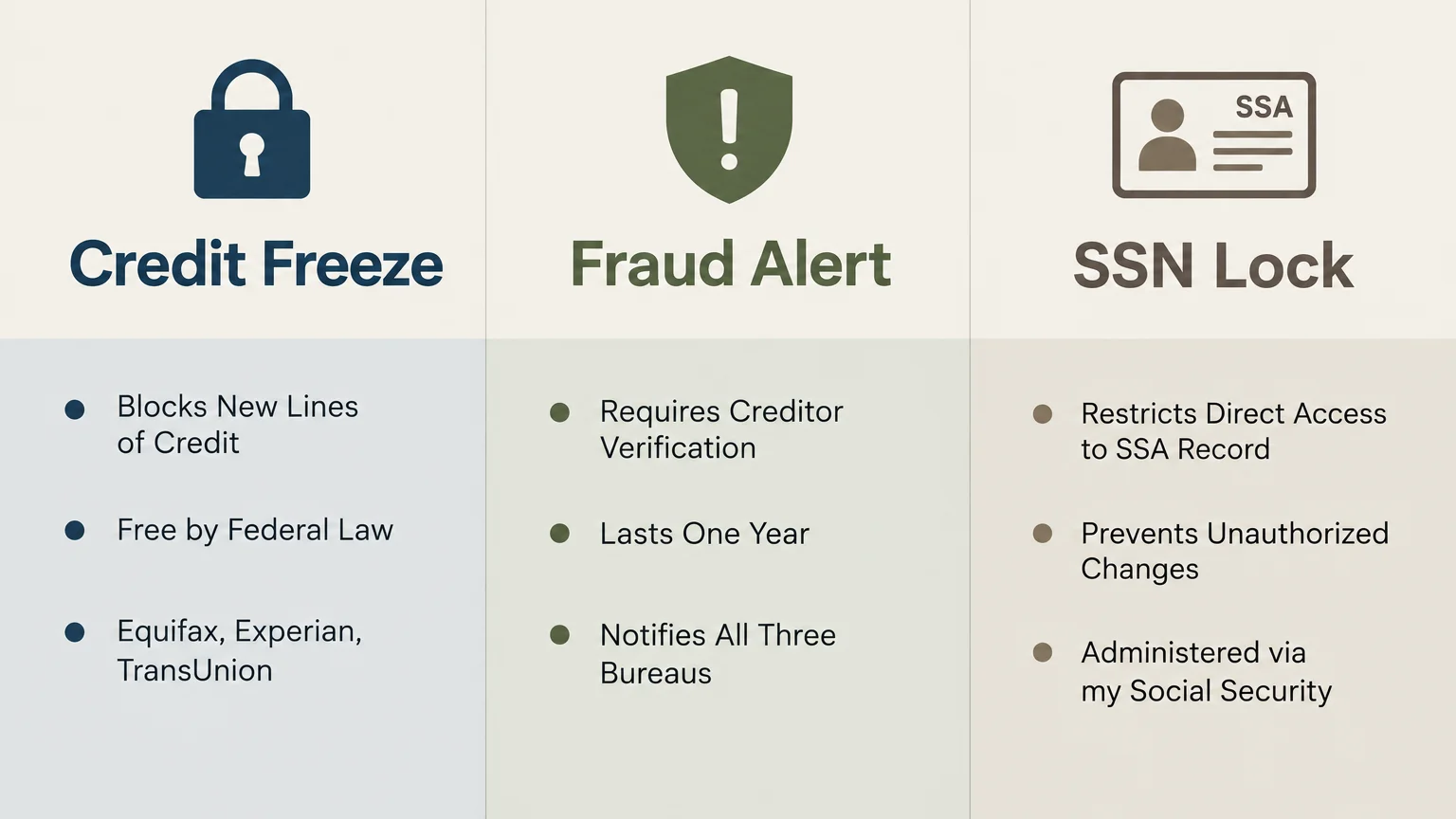
Comparing Protective Measures: Credit Freezes, Fraud Alerts, and SSN Locks
Understanding your defensive options helps you select the right protection for your specific circumstances. Different security tools protect different segments of your financial profile.
The table below summarizes the key identity protection measures available to consumers today:
| Security Tool | Protection Offered | Cost | Duration | Issuing Authority |
|---|---|---|---|---|
| Credit Freeze | Blocks lenders from pulling credit reports to open new accounts. | Free | Indefinite (until lifted) | Credit Bureaus (Equifax, Experian, TransUnion) |
| Initial Fraud Alert | Requires lenders to verify your identity before granting credit. | Free | 1 Year | Credit Bureaus |
| Extended Fraud Alert | Enhanced identity verification requiring formal identity theft reports. | Free | 7 Years | Credit Bureaus |
| SSA Electronic Block | Prevents unauthorized online access to your SSA benefits account. | Free | Indefinite (until unblocked) | Social Security Administration |
| myE-Verify Self Lock | Blocks fraudulent electronic employment eligibility verification. | Free | 1 Year (renewable) | Department of Homeland Security |
| IRS Identity PIN | Requires a 6-digit annual code to process federal tax filings. | Free | 1 Calendar Year (renewed annually) | Internal Revenue Service |
Combining these tools creates overlapping security layers around your identity. Deploying multiple defenses ensures that a breach in one financial sector does not compromise your overall retirement.
If you encounter unauthorized charges on bank accounts, review your rights with the Consumer Financial Protection Bureau. Federal rules strictly limit your liability when you report fraudulent transactions promptly.
Can You Get a Brand-New Social Security Number?
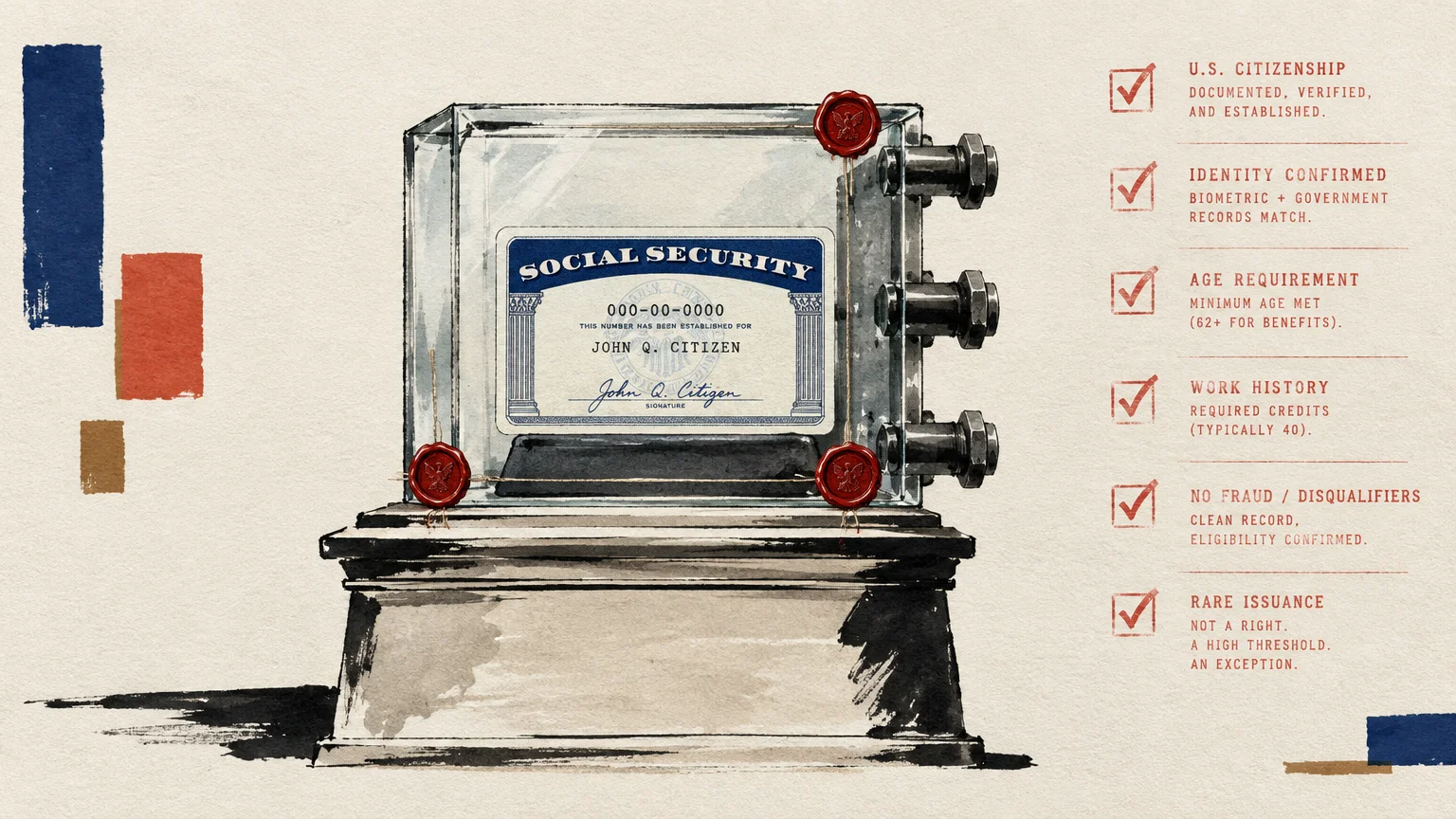
Many fraud victims assume that obtaining a brand-new Social Security number provides the simplest fix. In reality, the federal government treats the issuance of a new number as an extreme last resort.
The 2026 legislation does not alter the fundamental criteria for granting a new nine-digit number. The agency only issues a new number when severe, documented fraud produces ongoing harm that conventional remedies cannot resolve.
To qualify, you must demonstrate that a perpetrator continues to misuse your credentials despite exhaustive corrective measures. You must provide extensive documentation, including police reports, tax notices, and credit correspondence.
Changing your Social Security number presents substantial logistical drawbacks for retirees. A new number wipes away your established credit history, complicating future loan applications, mortgages, or credit card approvals.
Furthermore, transitioning your lifetime earnings record to a new number requires meticulous manual auditing. Any administrative error during that transfer could delay or lower your future monthly benefit disbursements.
Most individuals simply need an official replacement card rather than an entirely new number. However, federal regulations strictly limit how many replacement cards you may receive.
Under the agency’s “3-and-10 rule,” individuals are limited to three replacement Social Security cards in a single calendar year. You are also limited to a maximum of ten replacement cards throughout your entire lifetime.
Certain administrative exceptions do not count toward these limits. For example, replacing a card due to a legal name change does not count against your annual or lifetime caps.
Similarly, updates to immigration statuses or changes in work-authorization legends do not penalize your lifetime balance. Keep physical cards locked away securely to avoid exhausting your allowable replacements.
Pitfalls to Watch For
Victims of identity theft often make understandable missteps when attempting to resolve complex fraud cases. Knowing what pitfalls to avoid saves valuable time and preserves your legal rights.
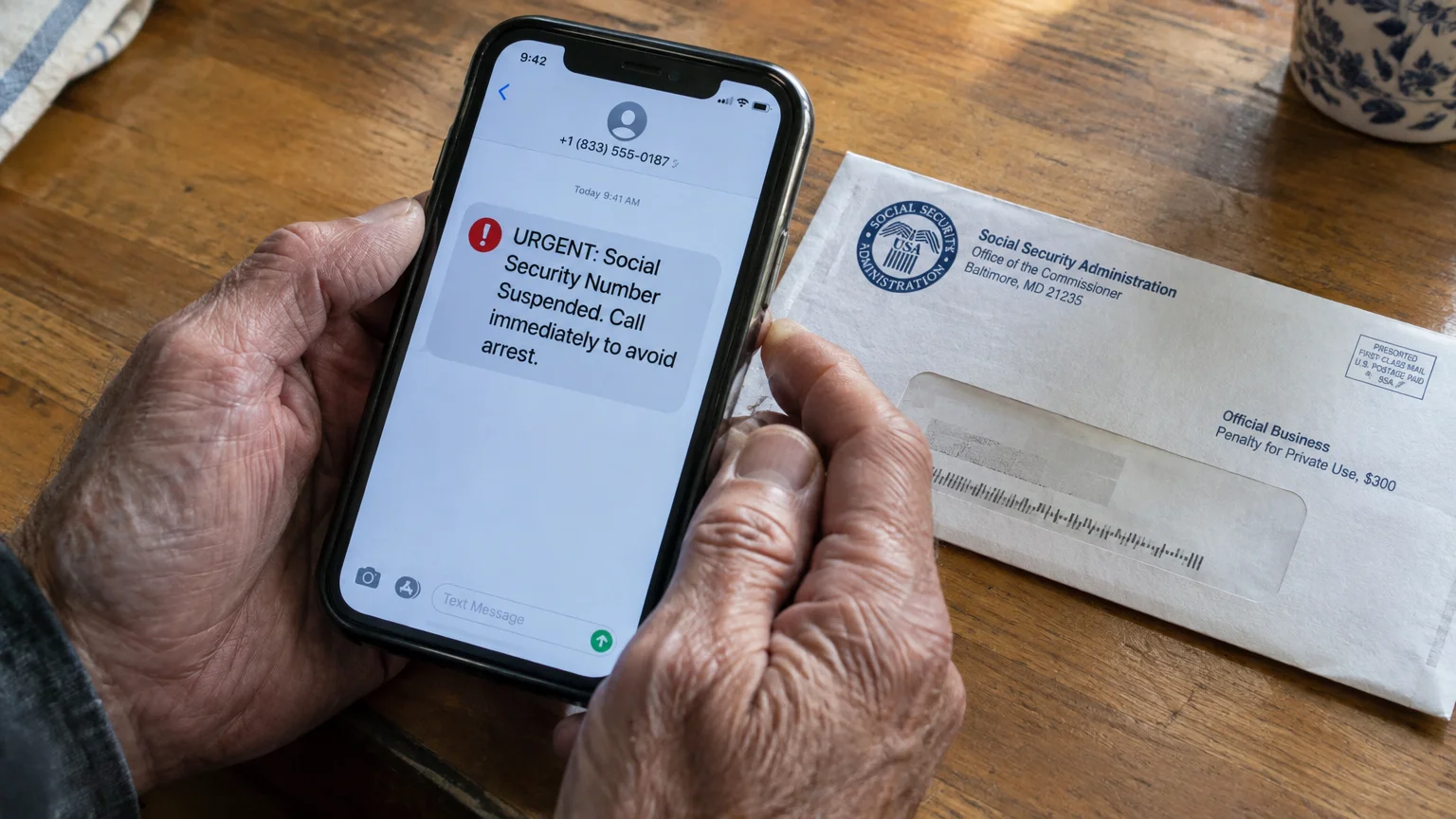
One major danger involves falling for aggressive imposter telephone scams. Scammers routinely impersonate agency staff, claiming your Social Security number has been suspended due to criminal activity.
The federal government will never call you demanding immediate payment by wire transfer, gift card, or cryptocurrency. Agency officials never threaten arrest or benefit termination over the telephone.
Another common mistake is neglecting to register your personal “my Social Security” account. Leaving your online account uncreated allows criminals to establish it using your stolen credentials.
Once inside, thieves can change your mailing address and redirect your direct-deposit benefit payments to fraudulent bank accounts. Establishing your verified online account locks out unauthorized pretenders.
Failing to maintain a thorough paper trail represents another widespread pitfall. Always record the date, time, agent identification number, and specific guidance provided during every agency interaction.
Do not assume that placing a credit freeze fully shields your federal benefits. Credit bureaus manage loan reporting, but they share no operational data with government benefit processors.
Finally, never ignore correspondence from the Internal Revenue Service. If you receive an IRS notice regarding unreported income from an unknown employer, someone may be working under your number.
Getting Expert Help
While the new legislation streamlines agency assistance, certain complex situations warrant professional guidance. Knowing when to hire outside experts ensures your retirement assets remain fully protected.
Consider engaging professional help in the following four scenarios:
- Fraudulent Benefit Claims Filed in Your Name: If a criminal successfully redirects your retirement benefits, an elder law attorney can assist in expediting benefit restoration and handling formal appeals.
- Persistent Tax Audits and Wage Discrepancies: When someone uses your number for employment, the IRS may assess back taxes on income you never earned; a Certified Public Accountant (CPA) can file specialized identity theft affidavits.
- Severe Financial Account Mixing: If credit bureaus merge your credit file with a criminal’s record, a consumer rights attorney can compel corrections under the Fair Credit Reporting Act.
- Estate and Trust Complications: If thieves compromise credentials tied to family trusts or inheritance distributions, an estate planning attorney must verify that fiduciary accounts remain secure.
Securing experienced professional support prevents costly administrative delays. Specialized advisors understand federal agency procedures and can enforce statutory protections on your behalf.
Frequently Asked Questions About Stolen SSNs
Can someone steal my retirement benefits using just my SSN?
A thief needs additional personal information, but a stolen number provides the primary key to access your records. Criminals combine your number with your date of birth to open fraudulent accounts or alter direct deposits.
How do I know if someone is working under my Social Security number?
Review your annual Social Security Statement online to check your recorded earnings history. If you notice unexpected earnings spikes or receive IRS notices for unreported wage income, someone is likely using your credentials.
When does the single point of contact law officially start taking cases?
The law takes effect 180 days after its October 7, 2026 enactment, which places implementation in early April 2027. The agency will assign specialized teams to eligible identity theft victims once that operational window opens.
Will a credit freeze stop thieves from accessing my Social Security account?
No, a credit freeze only stops commercial lenders from pulling your consumer credit files. You must secure your Social Security portal separately by managing your online credentials or requesting an electronic access block.
How much does it cost to request assistance under the new law?
The service is entirely free. The federal government never charges fees for fraud casework, replacement cards, or single-point-of-contact services provided by agency staff.
Protecting Your Retirement Future
A stolen Social Security number introduces unwelcome stress, but recent legislative victories give retirees powerful new safeguards. The creation of a dedicated point of contact ensures you no longer face the agency’s bureaucracy alone.
Take charge of your security today by checking your earnings records, activating account alerts, and reporting suspicious activity immediately. Proactive vigilance remains your best defense against evolving identity schemes.
This article provides general retirement education and information only. Everyone’s financial situation is unique—what works for others may not work for you. For personalized advice, consider consulting a qualified financial professional such as a CFP or CPA.
Last updated: October 2026. Retirement benefits, tax laws, and healthcare costs change frequently—verify current details with official sources.