
Stepping away from a 40-hour workweek frees your calendar, but it can also leave an unexpected social void. You can easily replace that daily camaraderie by turning your conversational skills into extra income.
The ideal retirement side hustle pays you to share stories, assist neighbors, and meet new people on your own terms. It protects your nest egg while keeping your daily routine active and engaging.
These ten rewarding opportunities let you connect with your community, set your own schedule, and earn solid hourly pay.

The Power of Staying Social in Retirement
Leaving the workplace changes your social circle overnight. Regular conversation does more than pass the time; it supports long-term cognitive health and emotional vitality.
Interacting with diverse groups keeps your memory sharp and reduces the risk of isolation. Meaningful conversations also provide a reliable sense of purpose each morning.
A sociable side gig lets you choose when and how you engage. You gain the joy of lively interaction without the pressures of a corporate career.
Earning supplemental cash also creates a cushion for leisure, travel, or everyday household expenses. You control your hours so work never interferes with family plans.
“Retirement isn’t the end of your working life; it is an opportunity to design work that gives you purpose and connection without the grind.” — Jean Chatzky, Financial Journalist and Author

1. Local Tour Guide or Historical Docent
If you love local history and enjoy storytelling, guiding tours is an exceptional fit. You spend your shifts walking through historic districts, museums, botanical gardens, or architectural landmarks.
Visitors arrive eager to learn and ask questions. Your life experience and neighborhood knowledge bring historical facts to life in ways script memorization cannot match.
According to the U.S. Bureau of Labor Statistics, tour and travel guides earn a median wage of $18.33 per hour. Many independent guides in high-tourism cities earn even higher rates through gratuities.
Most walking tours run between 60 and 90 minutes. This structure offers healthy, low-impact exercise while you chat with visitors from around the world.
Reach out to local historical societies, preservation boards, or harbor cruise companies to locate openings. You can also design your own specialty walking tours through boutique travel platforms.

2. Remote or In-Person Customer Service Specialist
Modern customer support roles prioritize patience, empathy, and clear spoken communication. These are strengths that older adults bring to the table in abundance.
Many customer service side jobs now operate entirely from home. You answer incoming calls, resolve account issues, and reassure frustrated customers using a headset and computer.
Federal wage data from the U.S. Bureau of Labor Statistics lists the median pay for customer service representatives at $21.53 per hour. Specialized technical or billing lines often offer higher starting rates.
If you prefer face-to-face interaction, look for community positions at credit unions or civic theaters. These roles provide predictable desk hours in welcoming environments.
Most employers supply software training and equipment for remote agents. You provide a quiet workspace, a steady internet connection, and a friendly, problem-solving voice.

3. Academic Tutor or Conversational Language Coach
Tutoring lets you share your career expertise or language skills with eager learners. The work focuses almost entirely on dialogue, encouragement, and collaborative learning.
You can mentor neighborhood students in reading and math or assist adult immigrants seeking English conversational practice. In conversational language coaching, your primary duty is simply engaging in relaxed dialogue.
The national median wage for tutors stands at $20.84 per hour, with private subject tutors frequently commanding $30 to $50 an hour. You can teach in person at neighborhood libraries or online from home.
Online language platforms connect you directly with international students. These sessions emphasize cultural exchanges, daily vocabulary, and casual discussions on global current events.
You do not need a teaching certificate for most conversational coaching roles. A patient demeanor, natural curiosity, and good listening habits make you an effective mentor.

4. Part-Time Retail Associate at a Specialty Shop
Working in retail does not require managing chaotic big-box department store floors during the holidays. Specialty shops offer a far more pleasant, conversational atmosphere.
Independent bookstores, hobby shops, kitchen boutiques, and local hardware stores thrive on personalized customer service. Shoppers visit these locations specifically to seek advice and chat with knowledgeable staff.
The national median wage for retail salespersons is $17.03 per hour. Many stores also provide employee merchandise discounts ranging from 15% to 40%.
Staff discounts can significantly lower your personal spending on books, gardening supplies, or craft materials. The physical routine keeps you moving on your feet without requiring heavy lifting.
Ask shop managers directly about ten- to fifteen-hour weekly shifts. Most boutique owners appreciate mature workers who demonstrate reliable attendance and warm interpersonal manners.

5. Medical Office or Community Receptionist
A warm welcome sets the tone for anxious patients arriving at medical, dental, and wellness clinics. An experienced receptionist provides reassuring human comfort right at the front door.
You greet visitors, confirm check-in details, answer basic administrative questions, and coordinate appointments. The flow of daily visitors keeps your morning or afternoon hours lively.
The median wage for receptionists and information clerks is $18.27 per hour. Private specialty clinics and physical therapy centers often offer quiet, professional, and supportive working environments.
If you prefer cultural venues, consider applying at civic recreation centers, art studios, or senior centers. These reception desks focus entirely on community hospitality and program registrations.
These roles typically feature regular daytime schedules with zero evening or holiday commitments. You enjoy structured social interaction without taking any work responsibilities home.

6. Event Greeter, Ticket Usher, or Stadium Host
Retirees who enjoy live sports, symphony concerts, and performing arts can turn their enthusiasm into paid fun. Performing arts venues and sports arenas routinely hire seasonal greeters.
Your responsibilities include scanning tickets, helping patrons locate their seats, and answering venue questions. In between seating rushes, you can usually watch world-class performances or exciting games.
Compensation generally aligns with local minimum wages or ranges up to $18 per hour. The primary appeal lies in camaraderie with fellow fans and access to premium entertainment.
Work schedules depend on venue event calendars, giving you long stretches of free time during off-weeks. You can choose shifts that fit your personal social schedule.
Check the employment pages of local universities, civic auditoriums, and minor-league baseball teams. Spring training facilities and community amphitheaters also hire heavily ahead of warm weather seasons.

7. Senior Rideshare Driver or Medical Transport Companion
If you enjoy one-on-one conversations and maintain a reliable vehicle, personal transportation provides great flexibility. You pick your driving windows and converse with passengers as you travel.
Traditional app-based driving lets you turn the passenger app on or off at will. Many retirees prefer driving during weekday mornings when airport commuters and business travelers need quiet, courteous service.
Alternatively, specialized non-emergency medical transit services hire retirees to drive local seniors to clinic appointments. These riders appreciate a helping hand and patient conversation.
When tracking your driving expenses, vehicle mileage deductions provide valuable tax savings. The Internal Revenue Service established the standard business mileage rate at 72.5 cents per mile for early 2026, rising to 76 cents per mile for the second half of 2026.
Tracking your actual business miles protects your net earnings from unnecessary taxation. You enjoy open-road mobility, meet travelers from all walks of life, and control your calendar.

8. Focus Group Participant or Paid Mock Juror
Attorneys and consumer research firms frequently pay everyday citizens to share their unvarnished opinions. These roles are built entirely around group conversation, debate, and personal feedback.
Law firms hire mock jurors to test courtroom arguments before high-stakes trials begin. You listen to evidence, deliberate with other jurors in a conference room, and explain how you view the dispute.
Mock juror sessions commonly pay flat fees ranging from $100 to $300 for a single afternoon or full day. Consumer focus groups pay similar stipends for 90 minutes of guided product discussion.
These sessions require zero preparation or specialized legal knowledge. Market researchers seek everyday consumer perspectives across different age demographics, making retirees highly sought after.
Look for legitimate focus group recruiting agencies in your nearest metropolitan area. Reputable firms never charge fees to join their research participant registries.

9. Garden Center Advisor or Plant Nursery Assistant
Gardening enthusiasts can share their green-thumb wisdom with local homeowners who need seasonal advice. Plant nurseries offer vibrant outdoor work environments surrounded by flowers, foliage, and fellow gardeners.
You spend your days advising shoppers on soil preparation, perennial selection, and pest control. Customers view nursery workers as trusted mentors and enjoy discussing their home landscaping plans.
Wages generally range between $16 and $19 per hour, often accompanied by generous plant discounts. The role offers light physical activity, clean outdoor air, and continuous social engagement.
Peak hiring occurs during the spring planting season, tapering off cleanly by mid-summer. This rhythm leaves your late summer and winter calendars completely free for travel.
Independent garden centers value older applicants who possess years of hands-on gardening trial and error. Your personal gardening lessons translate directly into helpful customer guidance.

10. Wedding Officiant or Independent Celebrant
If you possess public speaking confidence and enjoy celebrating life milestones, officiating weddings is deeply fulfilling. You work closely with couples to design and deliver meaningful ceremonies.
The role involves multiple conversations to learn the couple’s personal history, values, and ceremony preferences. You then write a custom script and deliver it before their gathered family and friends.
Independent celebrants typically charge between $200 and $600 per ceremony, depending on location and rehearsal attendance. Most ceremonies take place on Friday evenings or weekend afternoons.
Securing legal credentials is straightforward in most jurisdictions through civil registration or non-denominational ordination. You can accept as few or as many weddings each year as your schedule allows.
You bring calm composure, stage presence, and warmth to one of the most emotional days in a family’s life. It offers high financial reward for relatively few working hours.
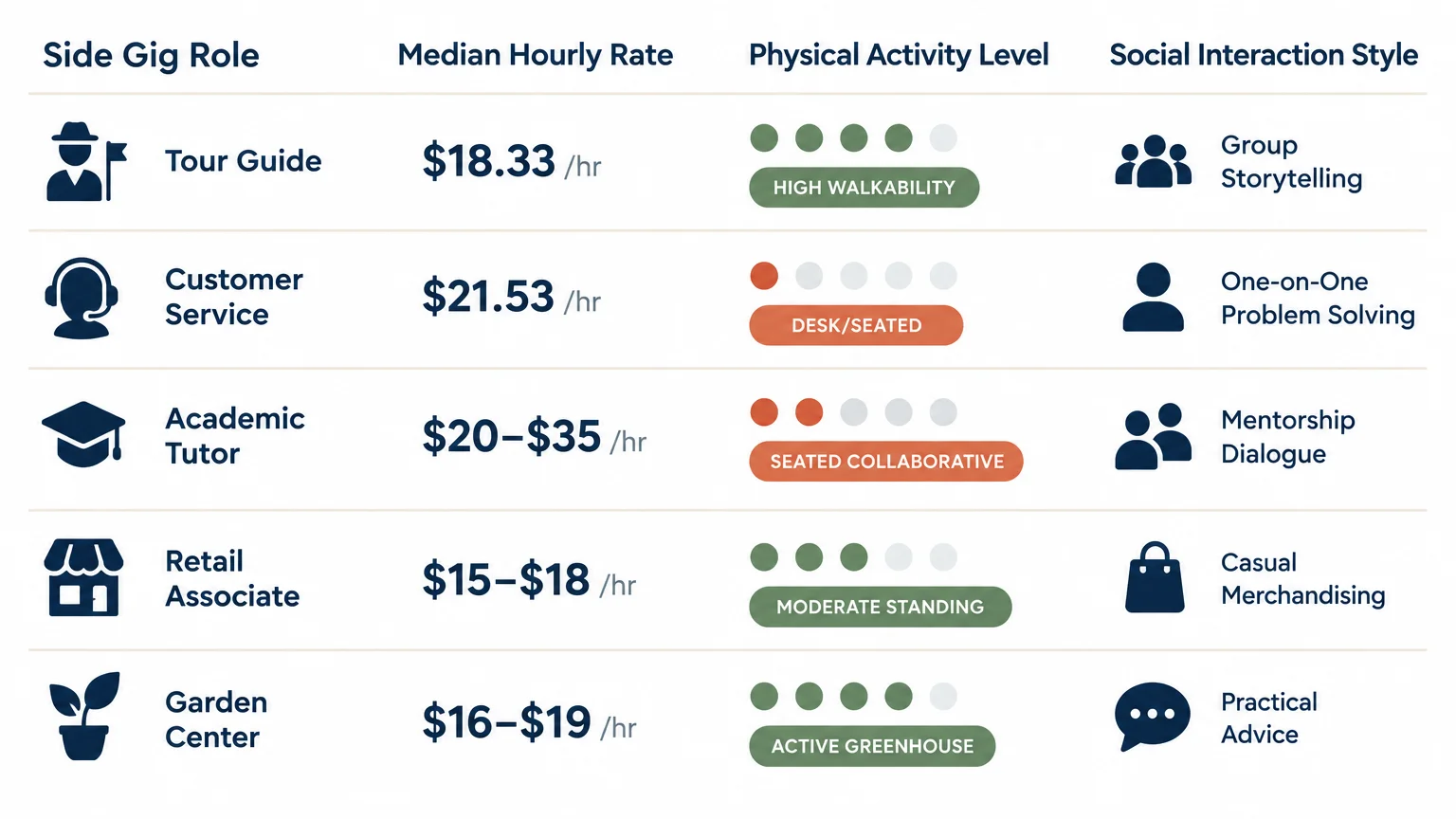
Comparing Popular Social Side Gigs
Choosing the right gig depends on how much physical activity, scheduling flexibility, and hourly income you desire. The following comparison highlights key features across these ten roles.
| Side Gig | Primary Interaction Style | Physical Demands | Schedule Flexibility | Typical Pay Benchmark |
|---|---|---|---|---|
| Tour Guide | Group storytelling & presentations | Moderate (walking/standing) | Moderate (set tour times) | $18.33 / hour (BLS median) |
| Customer Service | One-on-one phone or digital support | Low (seated desk work) | High (especially remote shifts) | $21.53 / hour (BLS median) |
| Tutor / Language Coach | Individual mentoring & casual dialogue | Low (seated) | Very High (client coordinated) | $20.84 / hour (BLS median) |
| Specialty Retail | In-person retail assistance & advice | Moderate (standing/walking) | Moderate (store shifts) | $17.03 / hour (BLS median) |
| Clinic Receptionist | In-person welcoming & phone intake | Low (desk work) | Fixed daytime shifts | $18.27 / hour (BLS median) |
| Event Usher / Host | Brief crowd greetings & directions | Moderate (stairs/standing) | High (event-by-event) | $14.00 – $18.00 / hour |
| Rideshare Driver | One-on-one travel conversations | Low to moderate (driving) | Maximum (on-demand) | Varies by platform & mileage |
| Mock Juror / Focus Groups | Group debates & opinion sharing | Low (seated conference room) | Occasional (as selected) | $100 – $300 per session |
| Garden Nursery Advisor | Consultative lawn & garden advice | Moderate (outdoor walking) | Seasonal (spring peak) | $16.00 – $19.00 / hour |
| Wedding Officiant | Public speaking & family coordination | Low (standing during ceremonies) | High (custom weekend bookings) | $200 – $600 per ceremony |
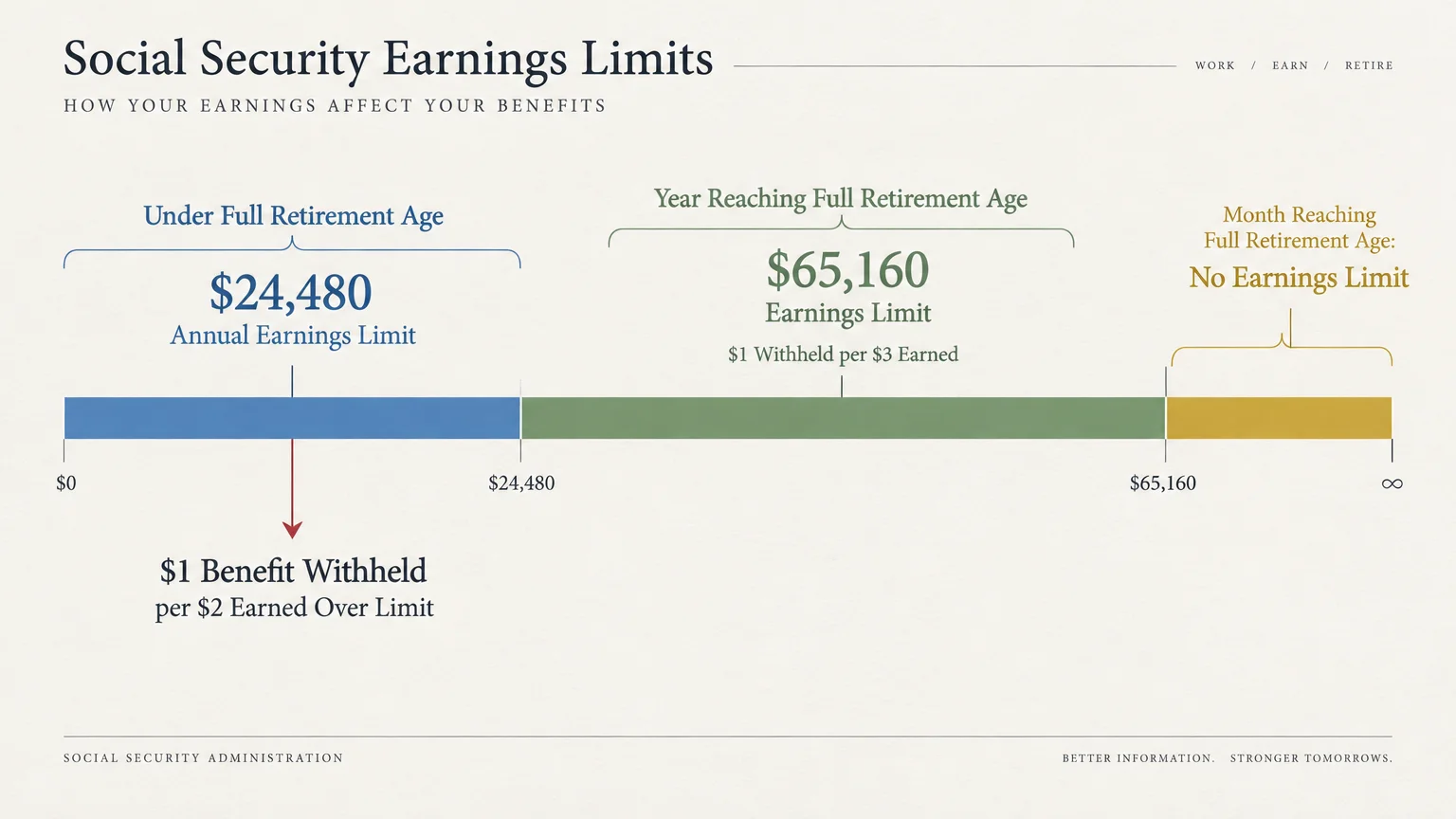
Social Security Earnings Limits to Monitor
Before launching a side gig, review how your extra earnings might affect your monthly benefits. The rules depend entirely on whether you have reached your official full retirement age.
Under federal guidelines from the Social Security Administration, full retirement age is 67 for anyone born on January 2, 1960, or later. Once you reach full retirement age, you can earn unlimited income without any benefit withholding.
If you claim retirement benefits before reaching age 67, an annual earnings limitation applies. For 2026, the earnings test limit for retirees who are under full retirement age all year is $24,480 ($2,040 per month).
If you earn more than $24,480 in 2026, the agency deducts $1 from your benefit payments for every $2 earned above that threshold. This withholding is temporary, but it impacts your immediate cash flow.
For retirees reaching full retirement age in 2026, the earnings cap rises significantly to $65,160 ($5,430 per month) for the months leading up to your birthday. In that phase, only $1 is deducted for every $3 earned above the limit.
Tracking your gross earnings prevents unexpected benefit withholdings. Keeping your side hustle part-time ensures you stay comfortably below the earnings test ceiling.
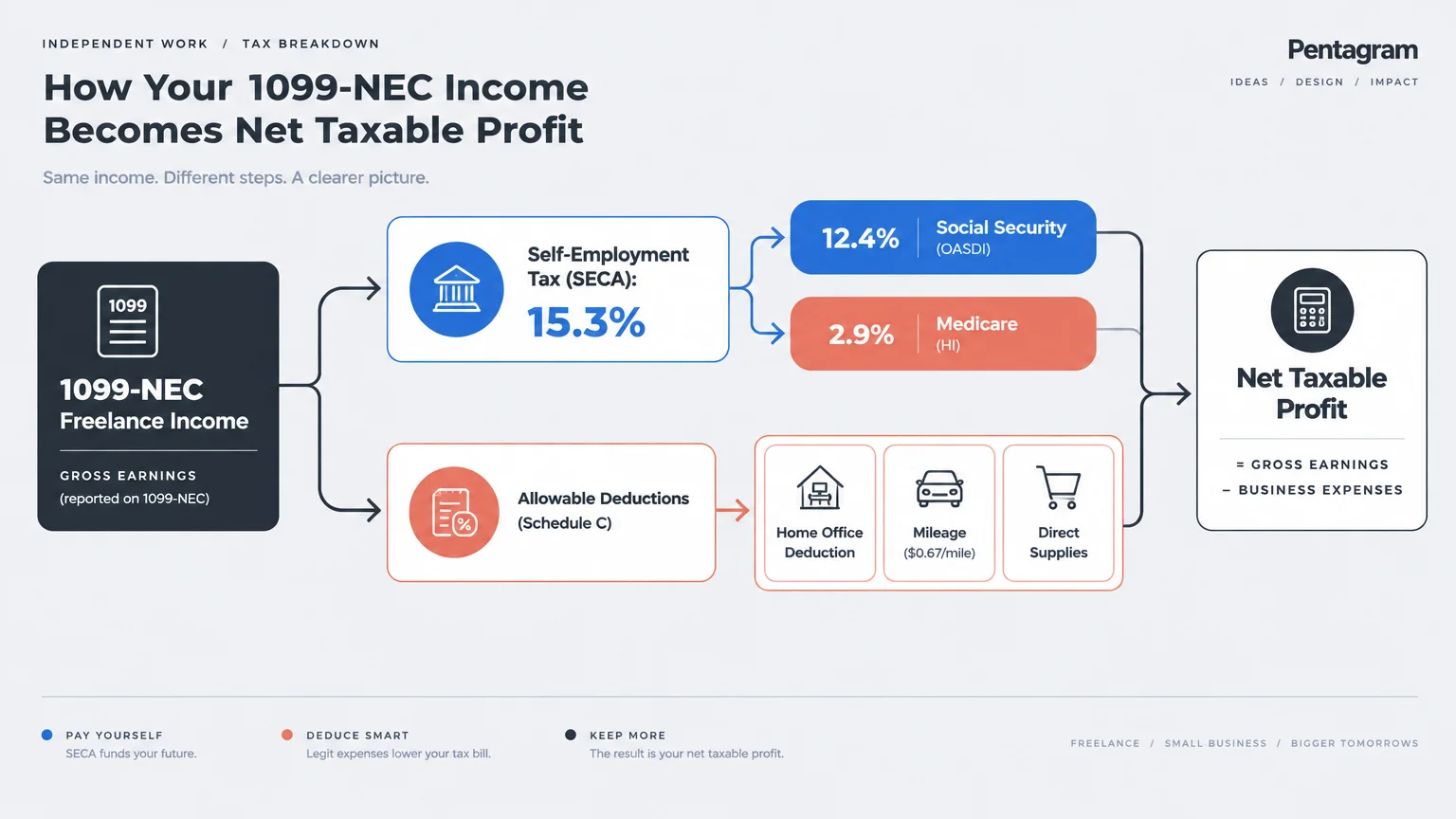
Tax Rules for Freelance and Independent Work
Earning gig money changes your tax reporting obligations. Knowing the reporting rules helps you set aside appropriate reserves and avoid surprise penalties.
When working as an independent contractor, you report your business income and deduct legitimate expenses. This structure applies to rideshare driving, wedding officiating, and private tutoring.
Federal reporting thresholds recently saw major updates under the One Big Beautiful Bill Act passed in mid-2025. The Form 1099-NEC reporting threshold for businesses paying independent contractors increased to $2,000 for the 2026 tax year.
If an organization pays you less than $2,000, they might not issue a 1099-NEC form. However, you must still legally report all taxable earnings on your return.
The reporting threshold for payment apps and gig marketplaces under Form 1099-K stands at more than $20,000 in gross payments and more than 200 transactions. This keeps casual side income free from confusing payment platform tax forms.
Remember that independent contractor income incurs federal self-employment taxes for Medicare and Social Security. Setting aside 20% to 25% of your net gig earnings into a separate savings account keeps you prepared.

Pitfalls to Watch For
Side hustles should enhance your retirement lifestyle, not add unnecessary stress. Watching out for common traps ensures your new venture remains enjoyable and financially sound.
- Overcommitting your calendar: Taking on too many shifts can leave you feeling as rushed as you did during your full-time career. Limit your commitment to two or three short shifts weekly.
- Ignoring physical strain: Retail and tour guiding require hours of standing on hard floors. Invest in supportive footwear and take mandatory sitting breaks to protect your joints.
- Overlooking quarterly estimated taxes: If you earn substantial independent gig income, make quarterly estimated tax payments to prevent late-payment penalties from the IRS.
- Falling for work-from-home scams: Avoid any role requiring upfront payments for starter kits or asking you to cash checks. Review trusted consumer resources from AARP to spot common employment fraud schemes.
- Letting earnings jeopardize benefits: If you collect benefits before full retirement age, monitor your gross earnings monthly to stay below the $24,480 cap.
Frequently Asked Questions
Can I work a side gig while receiving Medicare?
Yes, working a side job does not disrupt your Medicare coverage or eligibility. However, higher earnings could eventually trigger income-related monthly adjustment amounts (IRMAA) if your total income exceeds federal surcharge thresholds.
Do I have to pay self-employment tax on my side gig earnings?
If you earn more than $400 in net self-employment earnings, you must pay self-employment tax. This covers your contributions to Social Security and Medicare as an independent operator.
What is the best way to explain my retirement gap on an application?
Emphasize your extensive work history, reliability, and emotional maturity. Employers hiring customer-facing workers prize dependable communication skills over recent corporate ladder climbing.
Will side gig work permanently reduce my Social Security benefits?
No, benefit withholdings under the earnings test are not lost forever. Once you reach full retirement age, the Social Security Administration recalculates your monthly benefit upward to credit you for withheld amounts.
Choosing a social side gig allows you to stay connected to your community while enjoying extra spending money. Find a role that matches your favorite conversational style, set firm boundaries around your personal calendar, and have fun sharing your time with others.
This is educational content based on general retirement planning principles. Individual results vary based on your situation. Always verify current benefit amounts, tax laws, and eligibility with official sources.
Last updated: October 2026. Retirement benefits, tax laws, and healthcare costs change frequently—verify current details with official sources.