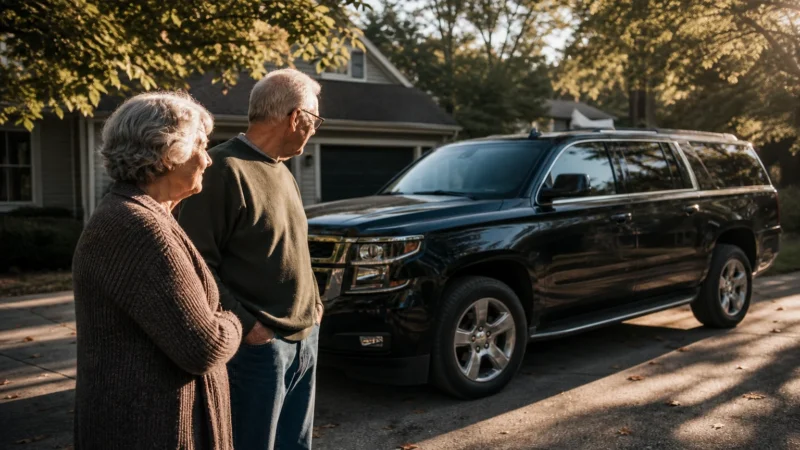
Renting in retirement gives you freedom from property taxes and home maintenance, but surging housing costs can rapidly drain your nest egg. Today, typical monthly rents in premier metropolitan areas easily exceed $2,000, forcing retirees to budget carefully.
A monthly payment of $2,000 consumes nearly the entire average Social Security benefit. Understanding where prices stand helps you safeguard your cash flow before signing a long-term lease.
Knowing which cities demand top-tier rents allows you to adjust your retirement timeline and secure financial independence. Here is what you need to know about navigating these expensive rental markets.
The Impact of $2,000 Rents on Fixed Retirement Incomes
Shelter costs form the foundation of your monthly retirement spending. When housing prices surge, they reduce the discretionary funds you need for healthcare, travel, and everyday living.
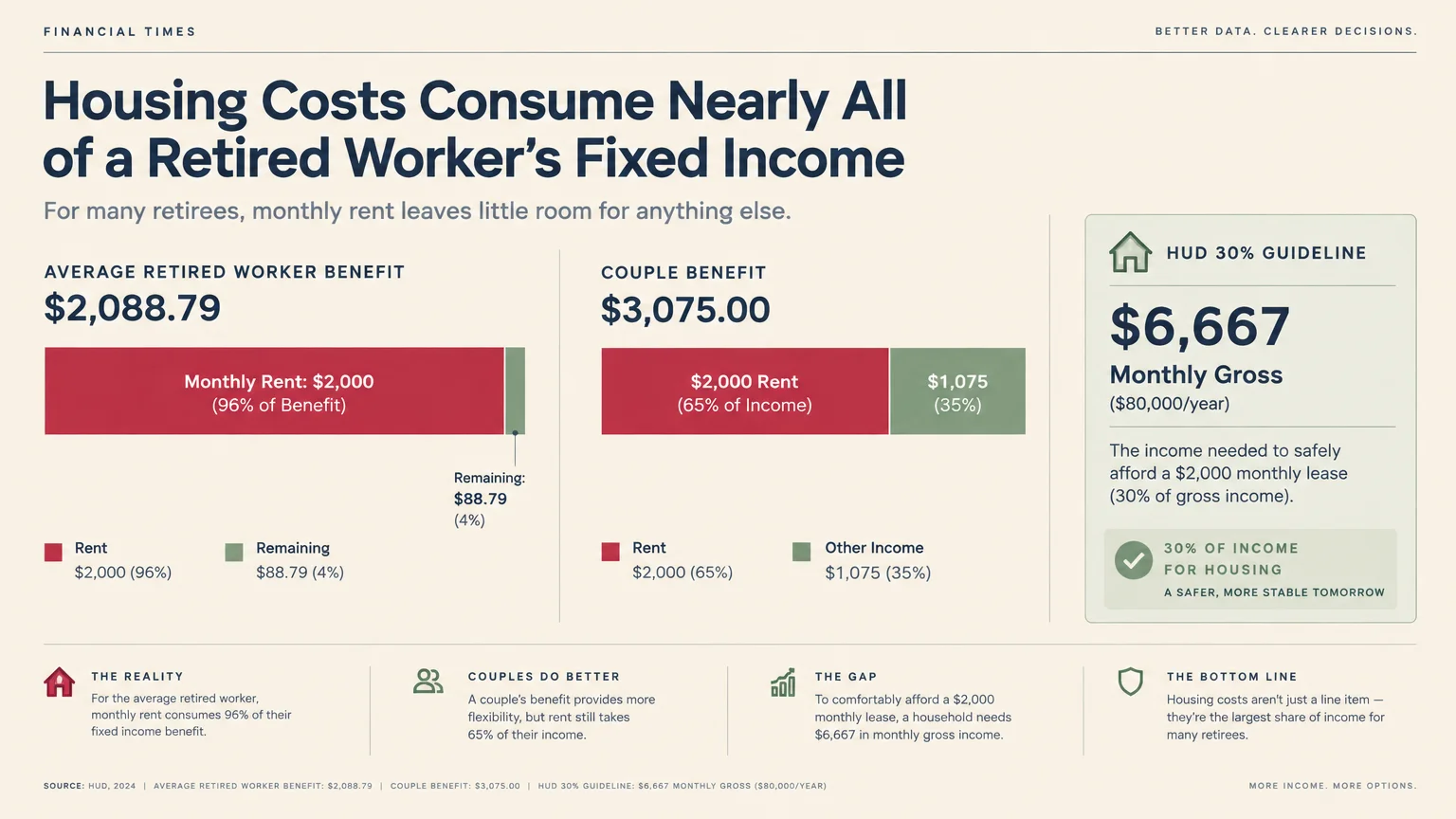
The U.S. Department of Housing and Urban Development defines cost-burdened households as those paying more than 30% of gross income toward shelter. Exceeding this threshold leaves you vulnerable to unexpected financial shocks.
To comfortably cover a $2,000 monthly rent under the 30% rule, your household requires an annual gross income of $80,000. That demands $6,667 in dependable monthly income from your retirement resources.
Meeting that threshold presents a challenge if you rely primarily on public benefits. According to Social Security Administration data from September 2026, the average monthly benefit for a retired worker is $2,088.79.
A single retiree spending $2,000 on rent would dedicate roughly 96% of that typical benefit check to shelter alone. This leaves virtually nothing for utilities, food, or supplemental healthcare coverage.
Spousal benefits help married couples manage these costs more effectively. With spouses receiving an average of $986.68 per month, a single-earner couple collects approximately $3,075 each month.
Even with two benefit checks, a $2,000 lease consumes almost two-thirds of that household income. That allocation still sits far above recommended financial guidelines.
Inflation adjustments provide modest ongoing relief for retirees. Beneficiaries received a 2.8% cost-of-living adjustment (COLA) in 2026, with an announced 3.6% COLA beginning in January 2027.
That 2027 increase adds approximately $75 per month to the typical retired worker’s benefit check. Unfortunately, escalating rental market rates often absorb those yearly gains immediately.
According to the Bureau of Labor Statistics Consumer Expenditure Survey, households headed by adults age 65 or older spend an average of $61,432 per year. Housing remains the largest expense, claiming $22,193 annually.
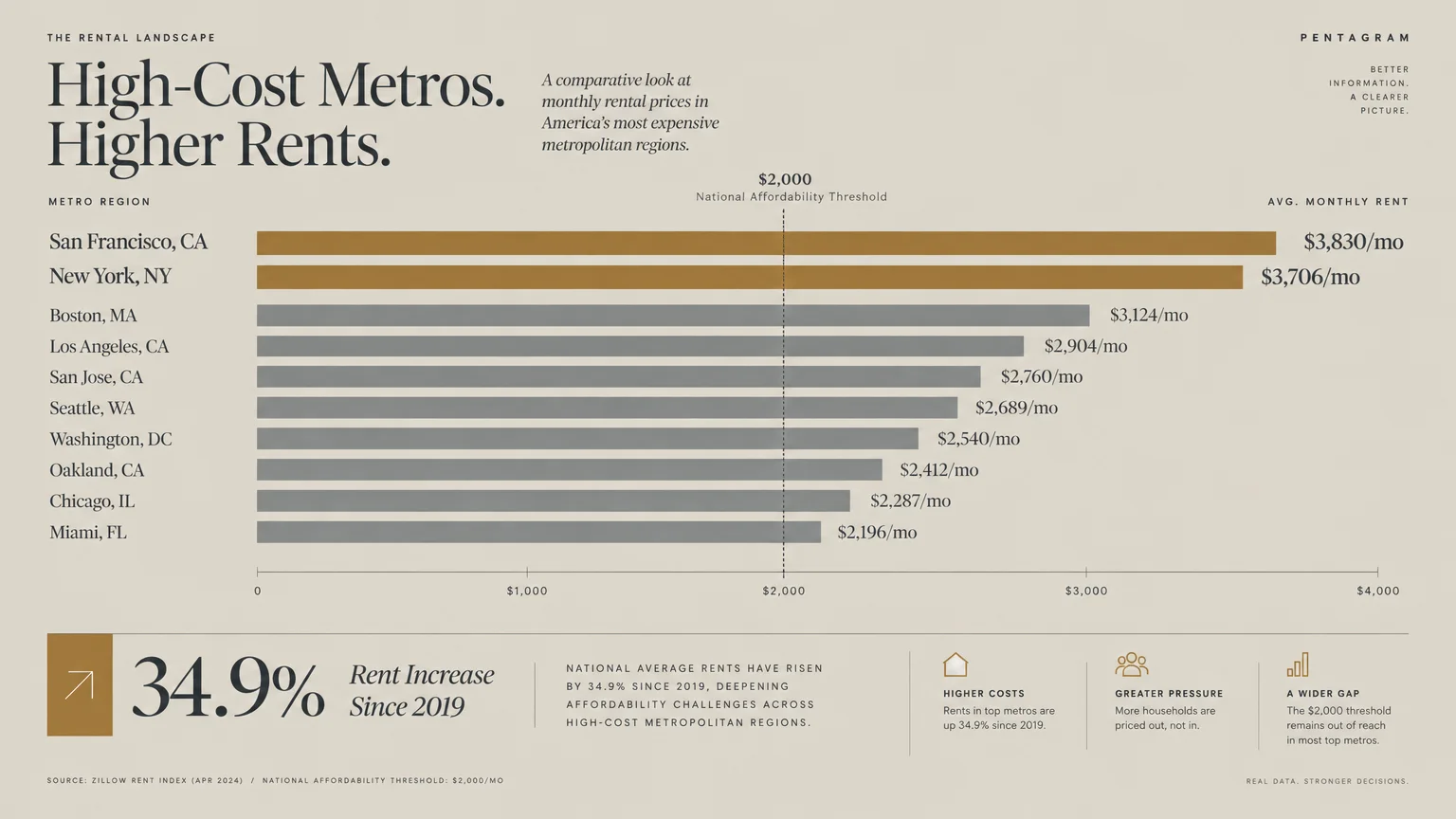
Rent inflation continues to outpace broader economic cooling trends. Bureau of Labor Statistics data shows rents rose 2.8% year-over-year in September 2026 and jumped 34.9% compared to September 2019.
15 US Cities Where Rent Tops $2,000 a Month
Data from the Zillow Observed Rent Index highlights major metropolitan areas where asking rents now comfortably surpass the $2,000 threshold. Here is a breakdown of 15 expensive rental markets across the nation.
1. San Francisco, California ($3,830/month)
San Francisco commands the highest rental rates in the country, posting an average asking rent of $3,830 per month across all residential properties. Severe geographic boundaries and intense tech sector employment continually restrict available housing inventory.
Retirees enjoy convenient transit access, vibrant cultural institutions, and world-class healthcare centers. However, paying nearly $46,000 annually for rent requires substantial liquid savings or significant taxable investment withdrawals.
2. New York, New York ($3,706/month)
New York City ranks among the most expensive global destinations, with typical residential rents reaching $3,706 per month. Strong tenant competition across Manhattan, Brooklyn, and Queens keeps vacancy rates exceptionally low.
The city delivers unmatched walkability, allowing many retirees to eliminate vehicle maintenance and insurance costs entirely. If you move here, explore rent-stabilized properties to protect yourself against sudden lease spikes.
3. Boston, Massachusetts ($3,510/month)
Boston posts an average monthly asking rent of $3,510 across residential units. World-renowned academic institutions, hospitals, and biotech firms generate high competition for apartments in historic urban neighborhoods.
You gain direct access to premier medical facilities like Massachusetts General Hospital. To reduce living expenses, consider adjacent communities connected by commuter rail rather than leasing directly in the city center.
4. Irvine, California ($3,361/month)
Located in the heart of Orange County, Irvine features an average residential rent of $3,361 per month. Master-planned neighborhoods, exceptional public safety, and pristine community parks make this city immensely popular.
Retirees benefit from mild Mediterranean weather and easy proximity to Pacific beaches. However, everyday goods, dining, and local services carry significant markups that require a robust monthly spending plan.
5. San Jose, California ($3,222/month)
San Jose records an average asking rent of $3,222 per month. As the economic capital of Silicon Valley, lucrative technology compensation keeps rental housing demand consistently strong.
The city offers dependable sunshine and extensive municipal parks. Coping with these rental costs requires disciplined distributions from qualified retirement plans to avoid draining your core investment capital.
6. Jersey City, New Jersey ($3,048/month)
Jersey City commands an average rent of $3,048 per month for residential properties. Situated right across the Hudson River, it serves as a primary alternative for renters working in New York City.
Downsizing retirees can find modern high-rise apartments with luxury amenities and rapid transit connections. Always examine New Jersey state income tax rules before moving to ensure your pensions remain tax-efficient.
7. Miami, Florida ($2,964/month)
Miami averages $2,964 per month in residential rent across its metropolitan footprint. Surging corporate relocations, international wealth, and domestic migration have combined to drive up housing costs sharply.
Florida does not tax individual retirement income, which provides valuable relief to seniors. However, high property insurance costs have pushed landlords to increase base rents and related administrative tenant charges.
8. San Diego, California ($2,893/month)
San Diego features an average asking rent of $2,893 per month. Consistently mild year-round temperatures and premier coastal recreation make this Southern California market highly desirable for active adults.
Elevated state income taxes and expensive utility bills expand your shelter budget beyond monthly rent. Looking eastward toward suburban communities like La Mesa often provides relief from peak coastal pricing.
9. Los Angeles, California ($2,742/month)
Los Angeles records an average rental cost of $2,742 per month. Persistent housing deficits across surrounding neighborhoods give property owners tremendous pricing leverage over prospective tenants.
Retirees enjoy rich cultural venues, renowned culinary diversity, and access to top academic hospitals. You will almost certainly need a personal vehicle, adding maintenance and fuel costs to your monthly shelter overhead.
10. Naples, Florida ($2,677/month)
Naples reports an average monthly rent of $2,677 across residential properties. This Gulf Coast paradise attracts affluent seniors seeking pristine beaches, championship golf courses, and upscale commercial districts.
Intense winter seasonal demand can complicate rental searches and drive rates higher during peak months. Negotiating a multi-year lease during the summer lull can help you lock in stable housing payments.
11. Honolulu, Hawaii ($2,548/month)
Honolulu averages $2,548 per month for typical residential rentals. Geographic isolation and high shipping expenses create an elevated pricing baseline across the local housing and consumer markets.
Retirees enjoy majestic mountain vistas, warm ocean breezes, and an active outdoor culture. You must budget generously for imported groceries and residential electricity alongside your monthly lease obligation.
12. Oakland, California ($2,527/month)
Oakland posts an average asking rent of $2,527 per month. Its central East Bay location provides a relatively lower-cost alternative to neighboring San Francisco.
The city offers mild coastal weather, diverse neighborhoods, and accessible regional train connections. Strong local tenant ordinances help older residents protect against excessive annual rent hikes once established.
13. Washington, D.C. ($2,406/month)
Washington, D.C. features an average residential rent of $2,406 per month. Ongoing federal employment, government contractors, and international organizations create steady demand for city apartments.
Seniors benefit from walkable streets, comprehensive metro transit, and free admission to Smithsonian museums. Renting in older, established residential neighborhoods often yields better value than newly constructed luxury buildings.
14. Chicago, Illinois ($2,292/month)
Chicago records an average asking rent of $2,292 per month across its metropolitan footprint. Attractive lakefront parks, historic architecture, and diverse dining choices sustain vibrant neighborhood demand.
Illinois exempts retirement income, pensions, and Social Security benefits from state income taxation. This favorable tax treatment helps offset rental overhead, though cold winter months require careful consideration.
15. Seattle, Washington ($2,187/month)
Seattle rounds out the list with an average monthly rent of $2,187. Prominent aerospace, retail, and tech employers have driven population expansion and increased apartment values over the past decade.
Washington levies no personal state income tax, shielding your retirement account withdrawals from state tax reductions. The Pacific Northwest environment offers stunning evergreen landscapes, scenic waterways, and renowned healthcare facilities.
Renting vs. Buying in High-Cost Markets
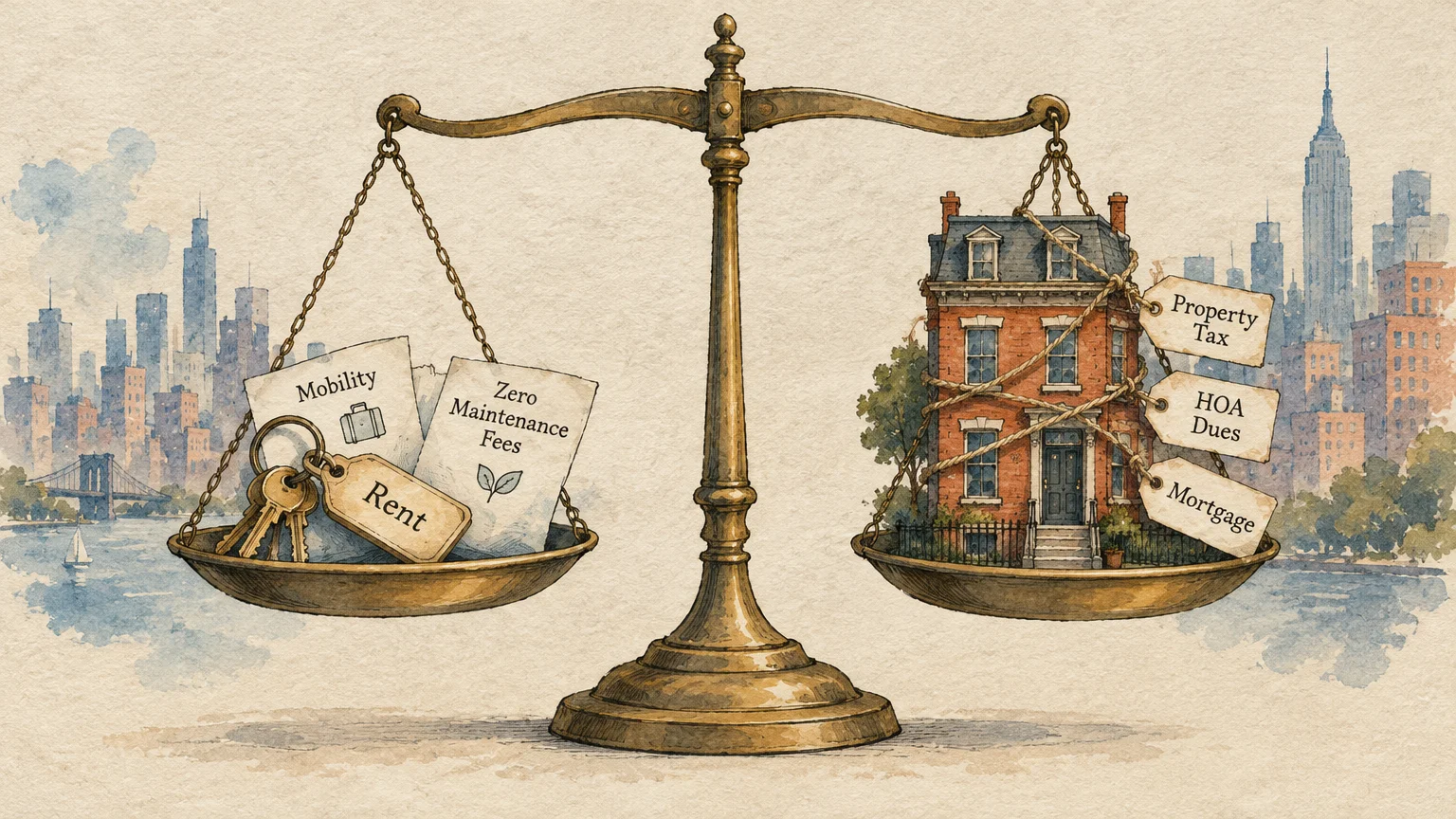
Elevated mortgage rates have changed the financial equation between renting and homeownership. In many expensive cities, renting now offers significant monthly savings compared to buying a comparable property.
Data from the Zillow Observed Rent Index shows the typical national asking rent was $1,948 per month in August 2026. Across the 100 largest U.S. cities, typical rents averaged $1,843 per month.
By comparison, buying a typical home requires a monthly payment of $3,014, including principal, interest, taxes, and insurance. Renting saves the average household $1,066 per month, or $12,792 annually.
Affording a typical mortgage requires nearly $99,800 in annual household income. In contrast, you can comfortably rent a typical property with $78,488 in annual gross income.
For seniors, renting preserves critical liquidity. You avoid locking up hundreds of thousands of dollars in home equity while eliminating unexpected roof replacements or plumbing repair bills.
The table below illustrates how renting compares directly to purchasing a home under current market conditions.
| Financial Factor | Renting a Home | Buying a Home |
|---|---|---|
| Typical Monthly Housing Outlay | $1,948 per month | $3,014 per month (PITI) |
| Monthly Cost Difference | Saves $1,066 per month | Costs $1,066 more per month |
| Annual Housing Outlay | $23,376 per year | $36,168 per year |
| Annual Household Income Needed | $78,488 per year | $99,800 per year |
| Maintenance Responsibility | Covered directly by property owner | Paid out of pocket by homeowner |
| Upfront Capital Required | Modest refundable security deposit | Substantial down payment and closing costs |
“Housing is the single largest expense in most retirement budgets. When you control your shelter costs, you unlock the flexibility to enjoy your retirement years on your own terms.” — Jean Chatzky, Financial Journalist and Author
Four Actionable Strategies to Protect Your Housing Budget
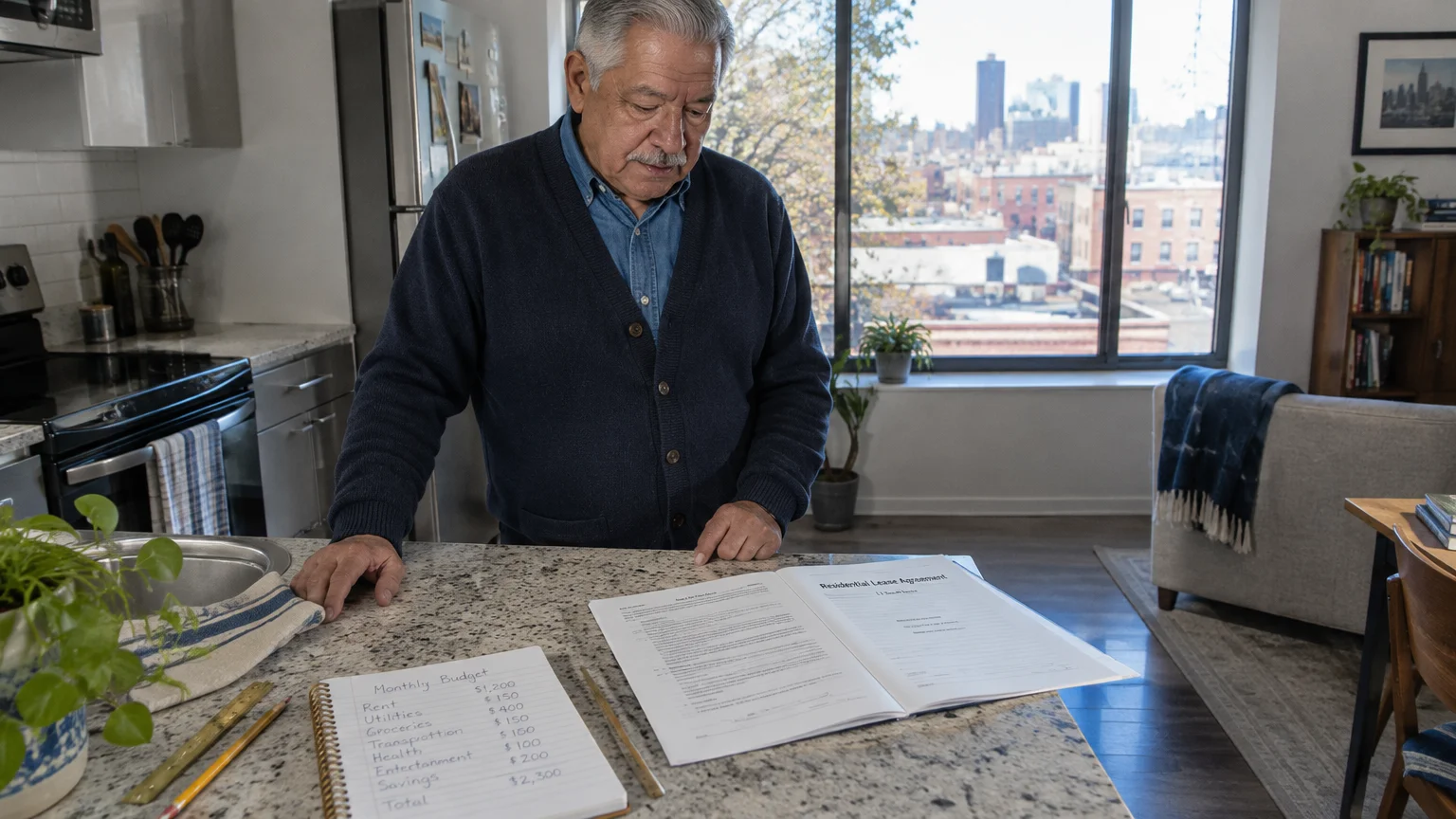
Living in or near a desirable city does not have to deplete your retirement savings. Implementing proven financial habits allows you to maintain urban conveniences while keeping your housing costs manageable.
1. Downsize Your Living Space
Reducing square footage produces immediate recurring savings. RentCafe data shows national apartment rents average $1,773 per month for 911 square feet of living space.
Apartments.com data reveals that one-bedroom rentals average $1,665 per month, while two-bedroom units average $1,932. Downsizing to a one-bedroom apartment saves you approximately $267 every month.
2. Target Outer Transit Corridors
Leasing an apartment five to ten miles outside a central downtown core dramatically reduces your base rent. Suburban communities with light rail or bus access preserve your mobility while cutting housing costs.
This approach gives you regular access to premier urban cultural centers and specialized medical clinics. At the same time, you avoid paying inflated downtown residential premiums.
3. Leverage Senior Tenant Protections
Many municipalities enforce rent-stabilization ordinances specifically designed to safeguard older adults on fixed incomes. Research your municipal housing authority to determine whether local laws cap annual rent escalations for seniors.
Organizations like AARP provide valuable educational resources regarding local tenant rights and senior housing advocacy. Understanding these protections helps you avoid predatory lease terms.
4. Maintain an Automated Housing Reserve
Rents can adjust upward when your lease term expires. Stashing 6 to 12 months of housing payments inside a high-yield savings account protects you against unexpected rent increases.
Automating your savings ensures you never scramble to cover cost adjustments. Resources from the Consumer Financial Protection Bureau can help you build structured emergency cash reserves.

Professional vs. Self-Guided Housing Decisions
Deciding where and how to rent involves complex tradeoffs between cash liquidity, tax efficiency, and long-term spending needs. Here is how to determine whether you need professional advice or can manage the transition yourself.
Scenario 1: Relocating across state lines with substantial home equity. You should partner with a Certified Financial Planner and a CPA. They will help you invest sale proceeds, manage state tax differences, and generate reliable income.
Scenario 2: Moving locally on a fixed Social Security budget. A self-guided approach works effectively here. You can utilize municipal housing databases, compare neighborhood listings online, and negotiate lease incentives directly with property managers.
Scenario 3: Balancing substantial healthcare needs with urban living. Seek professional assistance from a geriatric care manager or elder law specialist. They ensure your rental community provides adequate accessibility, transit access, and proximity to specialized medical networks.
Common Mistakes Retirees Make When Renting
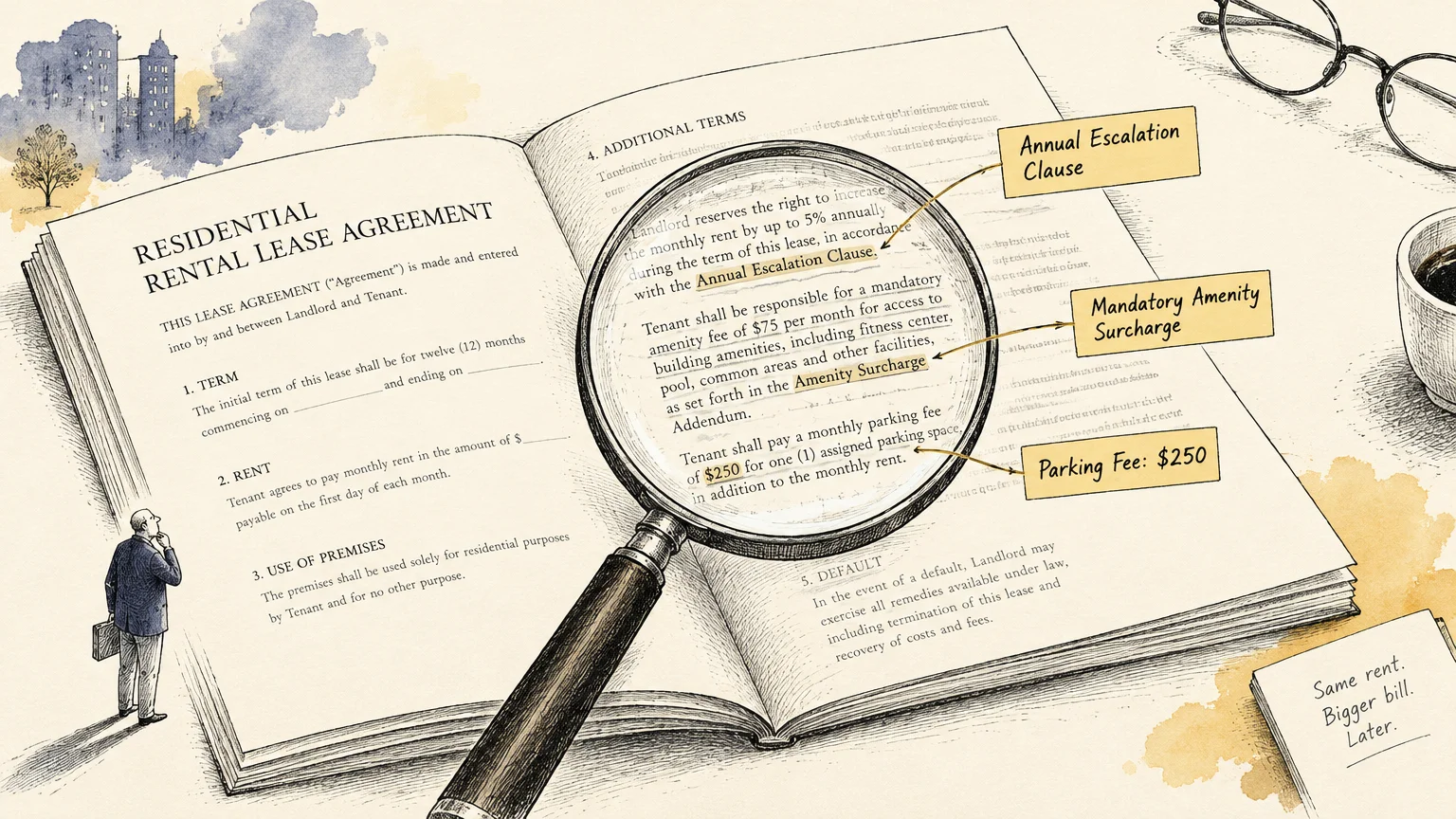
Renting offers tremendous flexibility, but simple oversights can compromise your financial independence. Review these common pitfalls before committing to a new lease agreement.
- Underestimating Long-Term Rent Inflation: Rent increases can outpace broader consumer inflation. Bureau of Labor Statistics data indicates U.S. rents surged 34.9% between September 2019 and September 2026. Failing to budget for compounding rent hikes can slowly erode your monthly margins.
- Ignoring Hidden Administrative Fees: Base rent rarely reflects total monthly shelter obligations. Many communities charge mandatory fees for parking stalls, trash valet, storage lockers, and building amenities. Always request an itemized fee breakdown before signing.
- Overlooking Physical Accessibility: Multi-story buildings without reliable elevators create severe mobility challenges. Inspect doorways, thresholds, bathroom grab bars, and walking distances to parking areas to ensure the unit accommodates your changing needs.
- Skipping Renters Insurance: Landlord insurance policies protect only the physical building structure, not your personal furnishings or liabilities. Securing an inexpensive policy safeguards your possessions against theft, fire, or accidental damage.
Frequently Asked Questions
How much income do I need to afford a $2,000 monthly rent in retirement?
Under standard financial guidelines, you should spend no more than 30% of your gross monthly income on rent. Comfortably affording a $2,000 monthly lease requires an annual gross income of $80,000, or $6,667 per month.
Can Social Security alone cover rent in high-cost cities?
Social Security rarely covers rent in major metropolitan areas without additional income. With the average retired worker benefit at $2,088.79 per month, a $2,000 rent payment consumes 96% of your monthly check.
Why is renting often considered more affordable than buying right now?
Elevated mortgage rates and high home prices make renting significantly cheaper on a monthly basis. Across the nation, renting saves the typical household $1,066 each month compared to purchasing an equivalent home.
What rental vacancy rate should I expect when searching for an apartment?
National rental vacancy rates stood at 7.8% in September 2026 according to Apartments.com data. However, premier urban markets like New York and San Francisco experience much tighter vacancy levels, requiring quicker leasing decisions.
Planning Your Next Steps
Securing an enjoyable, affordable retirement in a major metropolitan area requires deliberate budgeting and honest assessments of your resources. Evaluate your target neighborhood carefully, project long-term rent increases, and protect your liquid cash reserves.
This is educational content based on general retirement planning principles. Individual results vary based on your situation. Always verify current benefit amounts, tax laws, and eligibility with official sources.
Last updated: October 2026. Retirement benefits, tax laws, and healthcare costs change frequently—verify current details with official sources.