Between the grocery store checkout line and the local gas station, your retirement budget has likely faced relentless pressure over the past few months. Following military conflicts and the closure of the Strait of Hormuz in early 2026, crude oil prices spiked drastically, pushing average national gas prices past $4.00 a gallon. For retirees managing a strict monthly budget, this sudden surge in transportation costs felt like a penalty on everyday life.
The geopolitical landscape shifted abruptly in mid-June 2026 when President Donald Trump announced an interim peace agreement with Iran designed to reopen vital trade routes. Financial markets reacted immediately; international benchmark oil prices plunged from their wartime highs down to roughly $83 a barrel.
If you are wondering when this global diplomatic breakthrough will actually lower the cost of filling up your sedan or SUV, you must look closely at how the energy supply chain works. Understanding the timeline of oil pricing—and how it directly interacts with your fixed income—allows you to make strategic adjustments to your retirement budget right now.
The Essentials
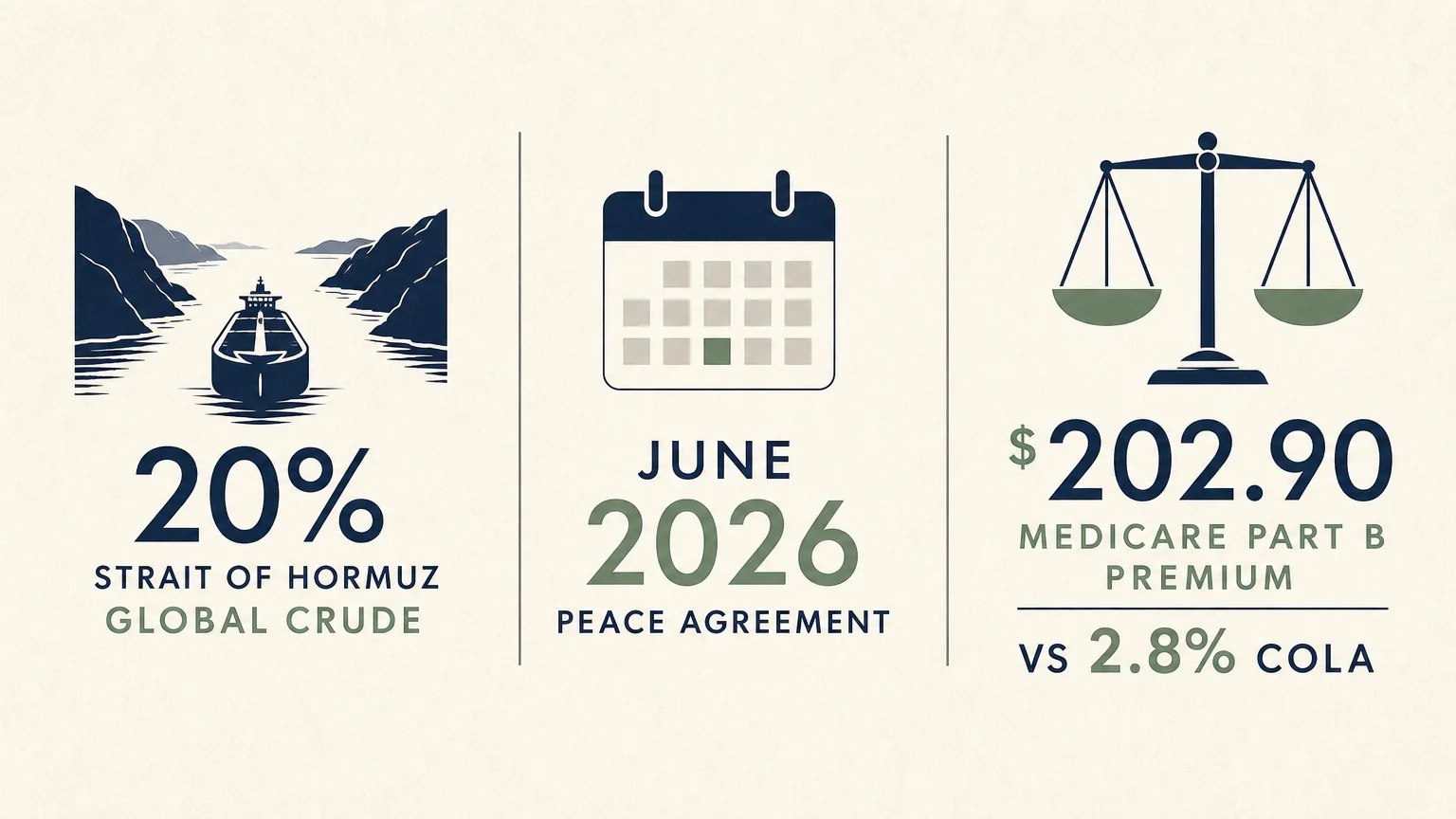
- The Core Conflict: The closure of the Strait of Hormuz—a waterway handling 20% of global crude—drove oil past $120 a barrel earlier this year.
- The Relief Timeline: While crude oil prices dropped immediately following the June 2026 diplomatic agreement, it typically takes several weeks for local gas stations to reflect those savings.
- Budget Squeeze: The 2026 Social Security COLA of 2.8% helps offset general inflation, but the simultaneous Medicare Part B premium increase to $202.90 makes lowering your fuel costs critical.
- Immediate Action: You can optimize your cash flow immediately by utilizing fuel rewards programs, leveraging warehouse club memberships, and recalculating auto insurance based on your actual retirement mileage.

The Geopolitics Behind the Pump: Why Prices Spiked
The global energy market operates on a delicate balance of supply and demand, and few regions are as critical to that balance as the Middle East. The Strait of Hormuz serves as the world’s most vital chokepoint for energy supplies. When military conflicts escalate and commercial shipping halts, the entire global supply chain constricts.
Earlier in 2026, the temporary closure of this route sparked immediate panic in the commodities market. Refineries faced sudden shortages, speculators drove up futures contracts, and the cost of raw crude oil skyrocketed. Because the cost of crude oil accounts for roughly half the price of a gallon of gasoline, drivers absorbed the impact almost immediately.
The recent memorandum of understanding announced by the Trump administration aims to permanently lift blockades and resume normal maritime traffic. Markets thrive on certainty. Just the news of an impending resolution caused traders to sell off their expensive positions, sending the price of Brent crude back down to levels not seen since the conflict began. However, global diplomacy does not instantaneously change the numbers on the digital sign at your neighborhood gas station.

The Lag Effect: Why Gas Prices Take Time to Fall
You have likely observed a frustrating economic reality: when crude oil goes up, gas prices shoot up like a rocket; when crude oil drops, gas prices drift down like a feather. Economists refer to this exact phenomenon as the “rockets and feathers” effect.
Retail gas stations and massive regional refineries operate on futures contracts. The gasoline arriving in underground storage tanks today was refined from crude oil purchased a month or more ago, right when prices were at their absolute peak. Refiners and retailers must recoup the costs of that expensive inventory before they can afford to pass the newly discounted prices on to you.
Furthermore, local competition plays a massive role. Unless the gas station across the street lowers its prices, a retailer has very little incentive to slash their own prices quickly. Energy analysts project that while the diplomatic deal sets a strong floor for lower costs, it will take several weeks to a few months for the global oil price drop to fully materialize at local pumps.
The Squeeze on Fixed Incomes in 2026
Volatile energy prices are aggravating for the general workforce, but they are uniquely punishing for retirees. When you are no longer drawing a biweekly salary that can scale with inflation, every dollar spent at the pump is a dollar pulled away from savings, groceries, or healthcare.
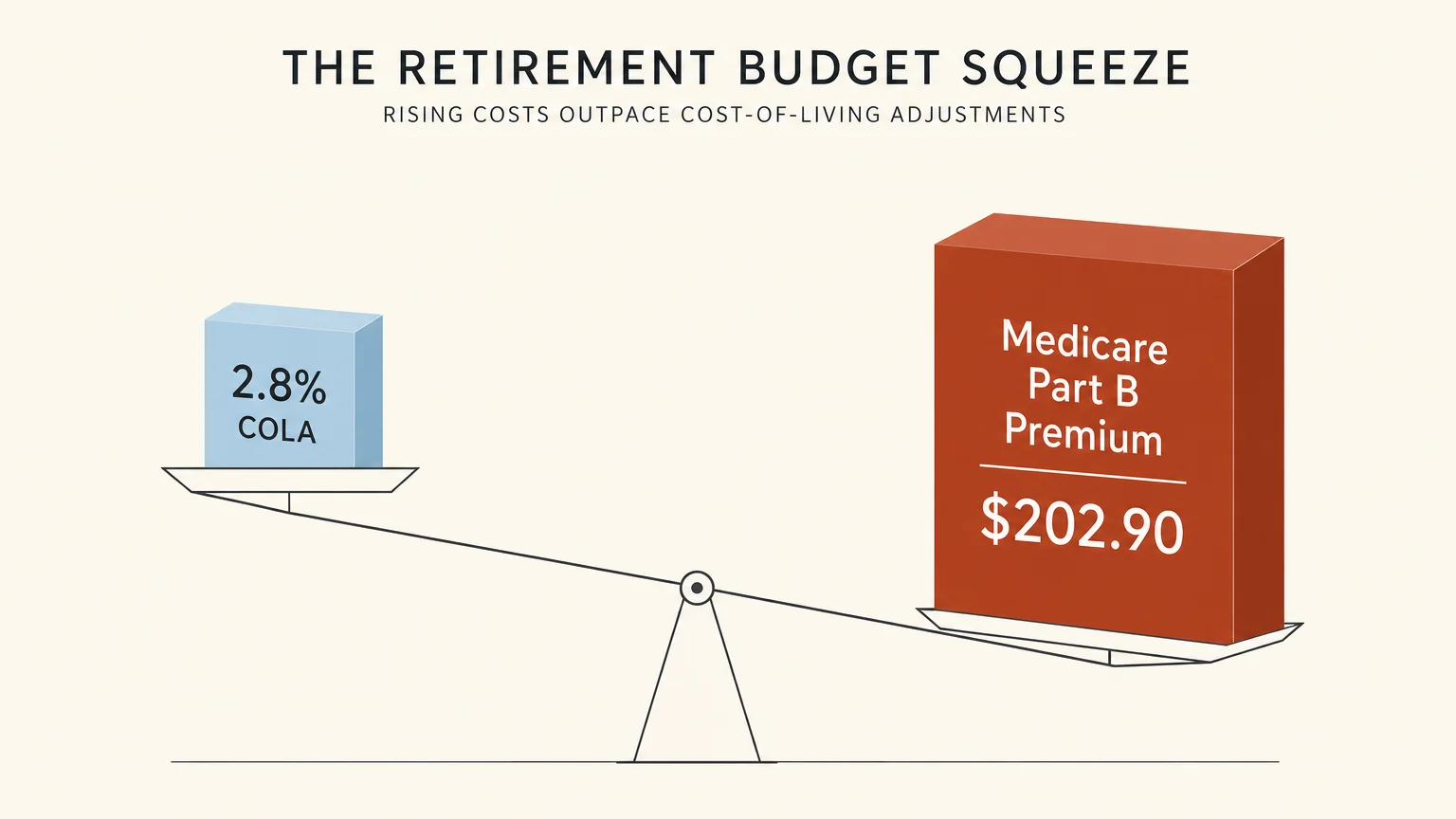
Let’s look at the financial reality of 2026. The Social Security Administration implemented a 2.8% Cost-of-Living Adjustment (COLA) this year, providing a modest bump to your monthly benefits. Unfortunately, healthcare costs continue to outpace general inflation. The standard Medicare Part B premium increased to $202.90 per month in 2026 (up from $185 in 2025), and the annual Part B deductible rose to $283. For many seniors, the bulk of their COLA raise vanished before the money even hit their bank accounts.
When you combine these rising baseline costs with a sudden spike in transportation expenses, your monthly budget margin shrinks dramatically. This is why a drop in gas prices provides more than just a cheaper commute—it provides essential breathing room for your broader financial health.
“Inflation is a far more devastating tax than anything that has been enacted by our legislatures. The inflation tax has a fantastic ability to simply consume capital.” — Warren Buffett, Chairman and CEO of Berkshire Hathaway
Actionable Fuel-Saving Strategies for Retirees
You cannot control global diplomacy or the commodities market, but you retain complete control over how you consume fuel and navigate your local economy. While waiting for the macro-level price drops to reach your neighborhood, implement these immediate strategies to protect your cash flow:
- Optimize Your Auto Insurance: If you recently retired, you are no longer commuting daily. Call your insurance provider and update your annual mileage estimate. Many carriers offer substantial “low-mileage” discounts for drivers who log fewer than 7,500 miles a year. Additionally, taking a defensive driving course through organizations like AARP can yield further premium reductions.
- Leverage Warehouse Club Memberships: Retailers like Costco and Sam’s Club consistently price their gasoline 10 to 30 cents cheaper per gallon than traditional stations. If you live near one, coordinating your grocery runs with your fill-ups can cover the cost of the annual membership in just a few months.
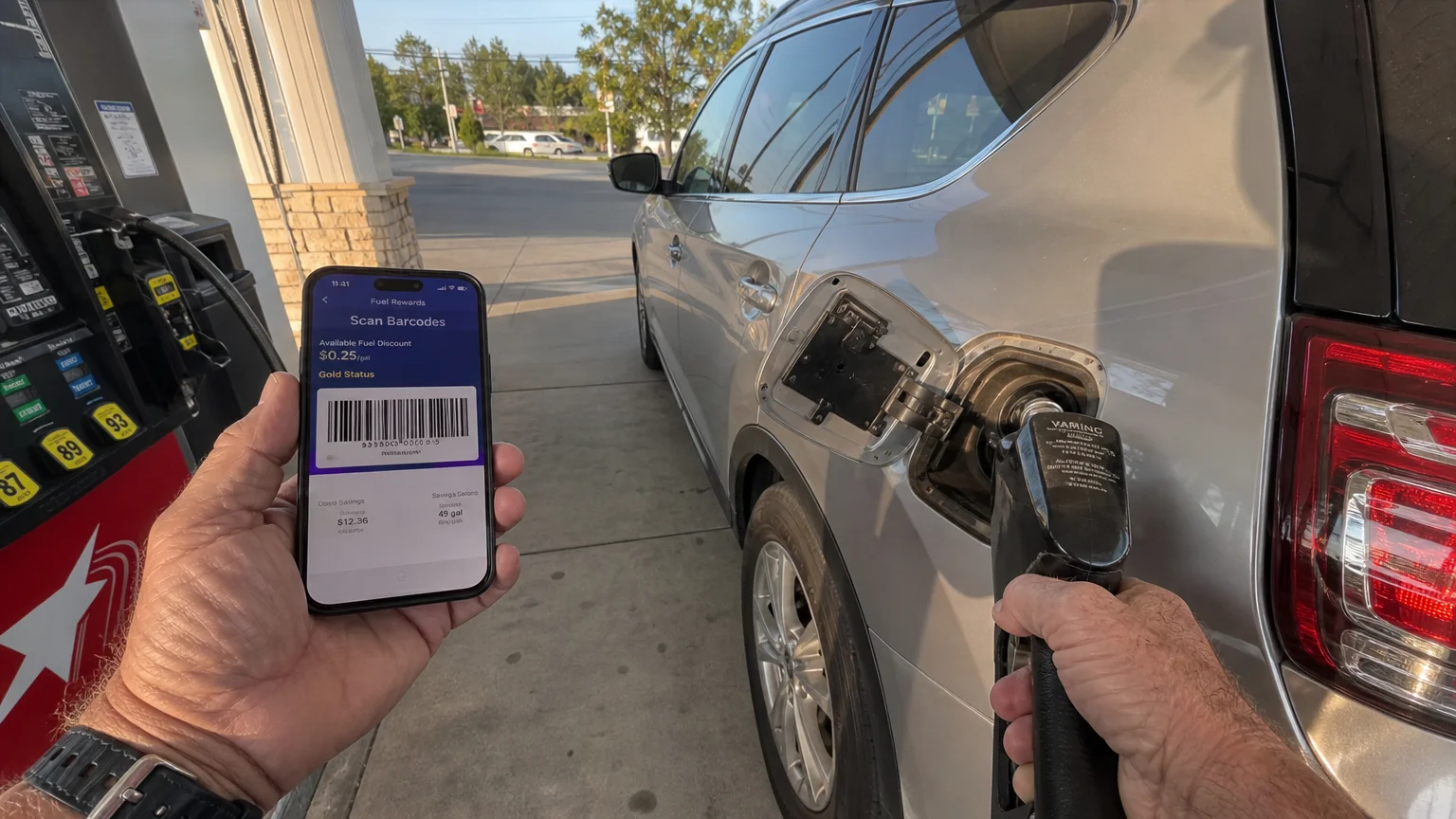
- Utilize Technology and Fuel Programs: Smartphone apps like GasBuddy or Upside help you identify the cheapest stations in your zip code and can provide cash back on every gallon. Furthermore, nearly every major grocery chain offers a fuel rewards program; ensuring you scan your loyalty card every time you buy household goods translates directly to savings at the pump.
- Consolidate Trips and Routine Maintenance: Cold engines consume significantly more fuel than warm ones. Combine your errands into a single loop rather than making multiple trips throughout the week. Meanwhile, ensure your tires are properly inflated. According to the Department of Energy, under-inflated tires can lower your gas mileage by up to 3%.
Understanding Your Financial Cushion: 2026 Limits and Strategies
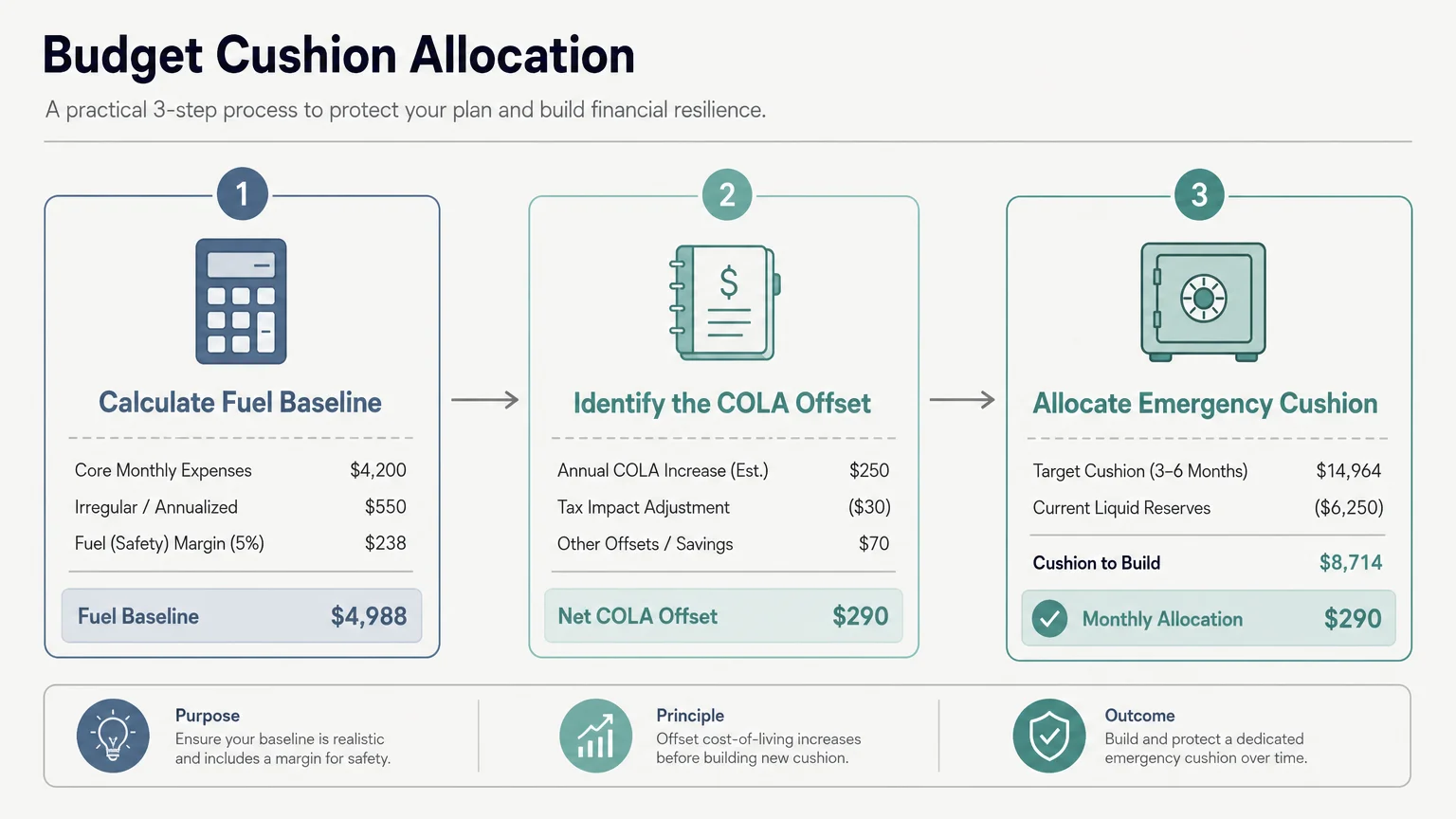
Defending your purchasing power extends beyond the gas pump. Persistent inflation requires a proactive approach to your retirement accounts. If you are still working part-time, consulting, or have any earned income in retirement, you should utilize tax-advantaged accounts to shield your money.
For 2026, the Internal Revenue Service set the individual retirement account (IRA) contribution limit at $7,500 for those under age 50. Crucially, the catch-up contribution provision allows anyone aged 50 and older to contribute up to $8,600 for the year. By maximizing these contributions, you reduce your taxable income today or secure tax-free growth for the future, building a stronger buffer against unexpected commodity spikes.
Consider re-evaluating where you hold your emergency cash. If you keep a hefty cash reserve in a traditional checking account earning zero interest, you are losing purchasing power daily. High-yield savings accounts, short-term Treasury bills, or money market funds offer a safer harbor for liquid cash while paying interest rates that help neutralize the sting of inflation. You can learn more about safe yield vehicles through authoritative government resources like Investor.gov.
What Can Go Wrong: Avoiding Common Budgeting Mistakes
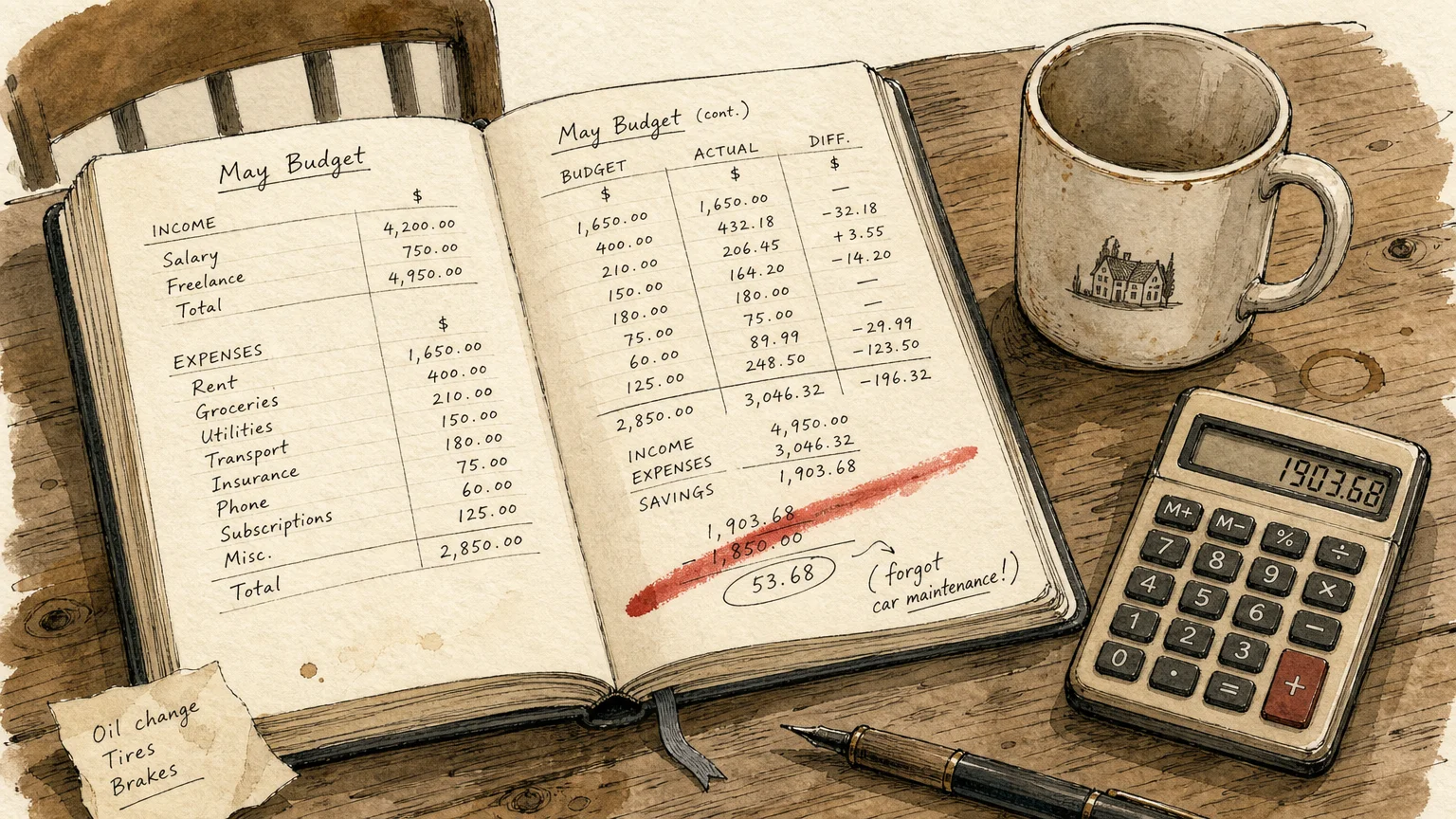
During periods of economic turbulence, emotional decisions often lead to permanent financial damage. Avoid these common pitfalls when navigating high inflation:
- Over-Withdrawing from Portfolios: When daily expenses surge, the temptation is to pull extra cash from your retirement accounts. Doing this during a market dip locks in your losses. Stick to a sustainable withdrawal rate—historically around 4%—and cut discretionary spending before touching your principal.
- Locking into High-Interest Auto Loans: If high gas prices tempt you to trade in an older, paid-off vehicle for a highly efficient hybrid, run the math carefully. The cost of financing a new vehicle at today’s interest rates will likely dwarf the savings you gain at the pump over the next five years.
- Ignoring Alternative Transit: Many retirees overlook the benefits provided by their local municipalities. Check with your city’s local transit authority or the Administration for Community Living (ACL) to see if you qualify for free or heavily subsidized senior transit programs.

When to Consult a Professional
While minor budget adjustments are straightforward, prolonged inflation might require an expert’s perspective. It is time to speak with a fiduciary financial advisor if:
- You find yourself regularly relying on credit cards to cover essential expenses like utilities, food, and fuel.
- Your portfolio withdrawal rate has crept past 5% just to maintain your baseline standard of living.
- You are considering selling off significant investment assets to hold cash out of fear of market volatility.
A licensed professional can help you stress-test your portfolio against current 2026 economic conditions, ensuring your money outlasts your retirement.
Frequently Asked Questions
Why do gas prices fall slower than they rise?
Refineries and retail stations purchase oil on futures contracts. When global prices drop, they are still holding inventory that they purchased at peak prices. They must sell through this expensive inventory before passing the savings along to the consumer.
How does the 2026 Medicare premium increase affect my budget alongside fuel costs?
The standard Part B premium increased to $202.90 in 2026, which absorbs a large portion of the 2.8% Social Security COLA. With less net income arriving from Social Security, finding savings in your transportation and grocery budgets becomes vital to maintaining your lifestyle.
Are there special senior transit programs to help offset driving?
Yes. Most municipal transit systems offer steeply discounted or free fares for residents over age 65. Additionally, many communities provide specialized shuttle services for medical appointments and grocery runs. Check with your local Area Agency on Aging for specific programs in your region.
Watching global diplomacy unfold on the news can feel entirely disconnected from your daily life, but the energy markets eventually dictate the price you pay at the local pump. While the recent interim deal signals long-term relief, patience and proactive budgeting are required in the short term. By adjusting your driving habits, leveraging senior discounts, and protecting your portfolio from inflation, you can navigate this economic cycle with confidence and security.
The information in this guide is meant for educational purposes. Your specific circumstances—including income, savings, health coverage, and goals—may require different approaches. When in doubt, consult a licensed professional. Last updated: June 2026. Retirement benefits, tax laws, and healthcare costs change frequently—verify current details with official sources such as SSA.gov and Medicare.gov.