
Navigating tax preparation in retirement does not require spending hundreds of dollars on commercial software or certified public accountants. Several federally supported and non-profit tax programs offer completely free tax preparation and filing services to older adults, regardless of how much money you earn or hold in retirement savings. By tapping into IRS-backed initiatives, veteran networks, and community services tailored for seniors, you can ensure accurate filing while keeping your hard-earned money in your pocket. These trusted tax assistance programs connect you with IRS-certified volunteers who specialize in retirement tax rules, Social Security taxation, required minimum distributions, and pension income without requiring any income testing or high fee structures.
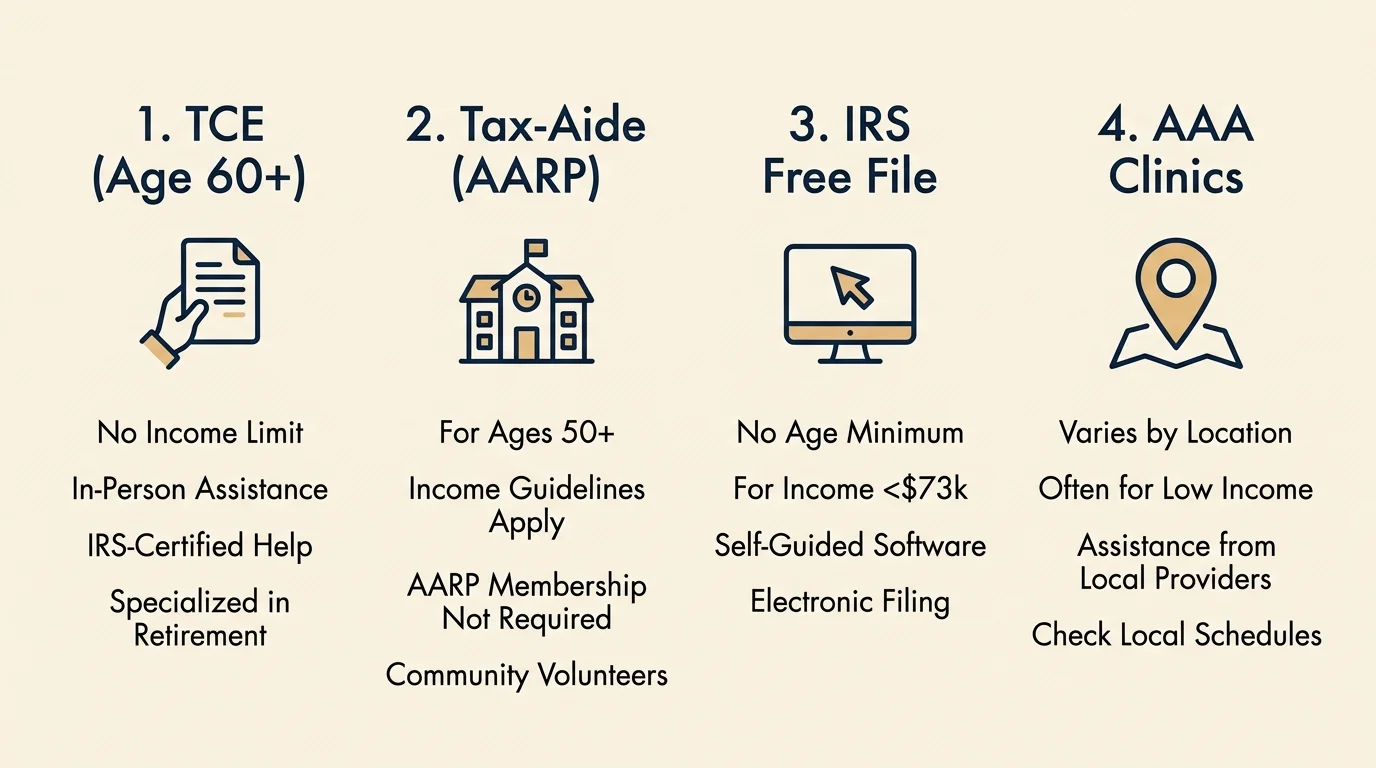
At a Glance: Top Free Tax Assistance Resources for Older Adults
Tax preparation fees can quietly eat into your retirement budget, especially when commercial tax software companies push paid upgrades for simple schedules like pension disclosures or Social Security reporting. Fortunately, tax assistance programs regardless of income provide robust support tailored specifically to older filers. Whether you are fully retired, working part-time, receiving private pensions, or managing required minimum distributions (RMDs), specialized volunteer networks stand ready to assist you.
The federal government and national non-profit organizations fund dedicated tax clinics across the United States. Many retirees assume that free tax help programs for seniors carry strict financial caps, similar to traditional welfare or Medicaid benefits; however, several major programs intentionally drop income restrictions for older taxpayers. Understanding which programs offer zero-income-ceiling policies allows you to get expert guidance without paying out-of-pocket fees.

1. Tax Counseling for the Elderly (TCE)
The Tax Counseling for the Elderly (TCE) program is a specialized federal initiative funded through grants administered by the Internal Revenue Service (IRS). Established specifically to assist older Americans, TCE provides completely free tax return preparation to taxpayers who are 60 years of age or older. Crucially, the IRS does not establish any maximum income cap for TCE eligibility; you qualify for free assistance regardless of whether your annual income is $20,000 or $200,000.
TCE volunteers undergo rigorous annual training and certification through the IRS to handle tax matters unique to older adults. Volunteers specialize in complex senior tax scenarios, including:
- Determining the taxable portion of Social Security and Railroad Retirement benefits
- Calculating taxable distributions from traditional IRAs, 401(k) plans, and private pensions
- Reporting Required Minimum Distributions (RMDs) under current SECURE 2.0 Act regulations
- Applying the higher standard deduction available to individuals age 65 and older
- Processing capital gains and dividend income from basic investment portfolios
Because TCE focuses exclusively on seniors, volunteers understand the emotional and practical nuances of transitioning into retirement. Most TCE sites operate out of local senior centers, community libraries, public housing facilities, and town halls during the core filing season from late January through April 15. You can locate a local TCE facility by using the online IRS Site Locator tool or contacting local municipal senior services.

2. AARP Foundation Tax-Aide
As the nation’s largest volunteer-run tax preparation program, AARP Foundation Tax-Aide operates thousands of community sites across all 50 states and the District of Columbia. Although affiliated with AARP, this service is open to any individual regardless of whether you are an AARP member. While Tax-Aide gives primary attention to filers who are 50 and older, in-person tax assistance carries no income ceiling whatsoever.
AARP Foundation Tax-Aide volunteers are IRS-certified tax preparers who manage millions of returns each year. If you visit a Tax-Aide site for in-person service, volunteers will sit down with you, review your financial tax documents, enter your information into secure tax software, and electronically file both your federal and state tax returns at zero cost.
“Tax planning does not end when you retire—it simply shifts focus from accumulation to strategic distribution. Using knowledgeable assistance ensures you never overpay on your hard-earned savings.” — Ed Slott, Certified Financial Planner and Tax Expert
It is important to note a key operational distinction within AARP Tax-Aide’s service models:
- In-Person and Drop-Off Service: Completely free for older taxpayers with no income cap.
- Self-Preparation Software Online: If you choose to use AARP Tax-Aide’s software to prepare your own tax return online independently, the third-party software provider imposes an Adjusted Gross Income (AGI) cap of $89,000 or less.
For most seniors seeking full hands-on assistance, visiting an in-person Tax-Aide location eliminates any income restriction entirely, making it one of the premier free tax filing help for older adults in the country.

3. IRS Free File Fillable Forms
For comfortable online filers who want to bypass commercial software costs without waiting in line at a physical clinic, the IRS offers Free File Fillable Forms. Unlike guided commercial software packages that charge fees once your income exceeds specific limits, Free File Fillable Forms carry no income limit. Taxpayers at any earnings level can draft and submit their federal tax returns electronically without paying a dime.
Free File Fillable Forms function as digital versions of paper IRS tax documents. The system provides basic math calculations, but it does not offer interactive, question-by-question interview guidance. This tool works exceptionally well if you have a straightforward tax situation—such as fixed pension income, Social Security, and simple interest—and feel confident choosing and completing tax schedules independently.
Key advantages of IRS Free File Fillable Forms include:
- Direct submission to the IRS electronic system for rapid refund processing
- Complete availability for high-income seniors who exceed software income thresholds
- Access to standard tax schedules, including Schedule A (Itemized Deductions) and Schedule B (Interest and Dividends)

4. MilTax (Department of Defense Military OneSource)
If you are a retired member of the United States Armed Forces, a surviving spouse, or an eligible veteran, you have access to MilTax—a specialized tax service provided directly by the Department of Defense through Military OneSource. MilTax offers free electronic tax preparation and filing software along with personalized phone consultations from tax experts trained in military-specific tax laws.
MilTax does not impose any income ceiling or income testing on military retirees. Retired service members frequently face unique tax scenarios that commercial software or general tax preparers misinterpret, such as:
- Distinguishing between taxable military retirement pay and non-taxable VA disability compensation
- Managing combat-zone tax exclusions that apply to retroactive adjustments
- Navigating state-level tax exemptions for military pensions across different jurisdictions
Eligible veterans and retirees can complete both their federal return and up to nine state tax returns for free using MilTax e-filing software, backed by one-on-one assistance from military tax consultants available year-round.
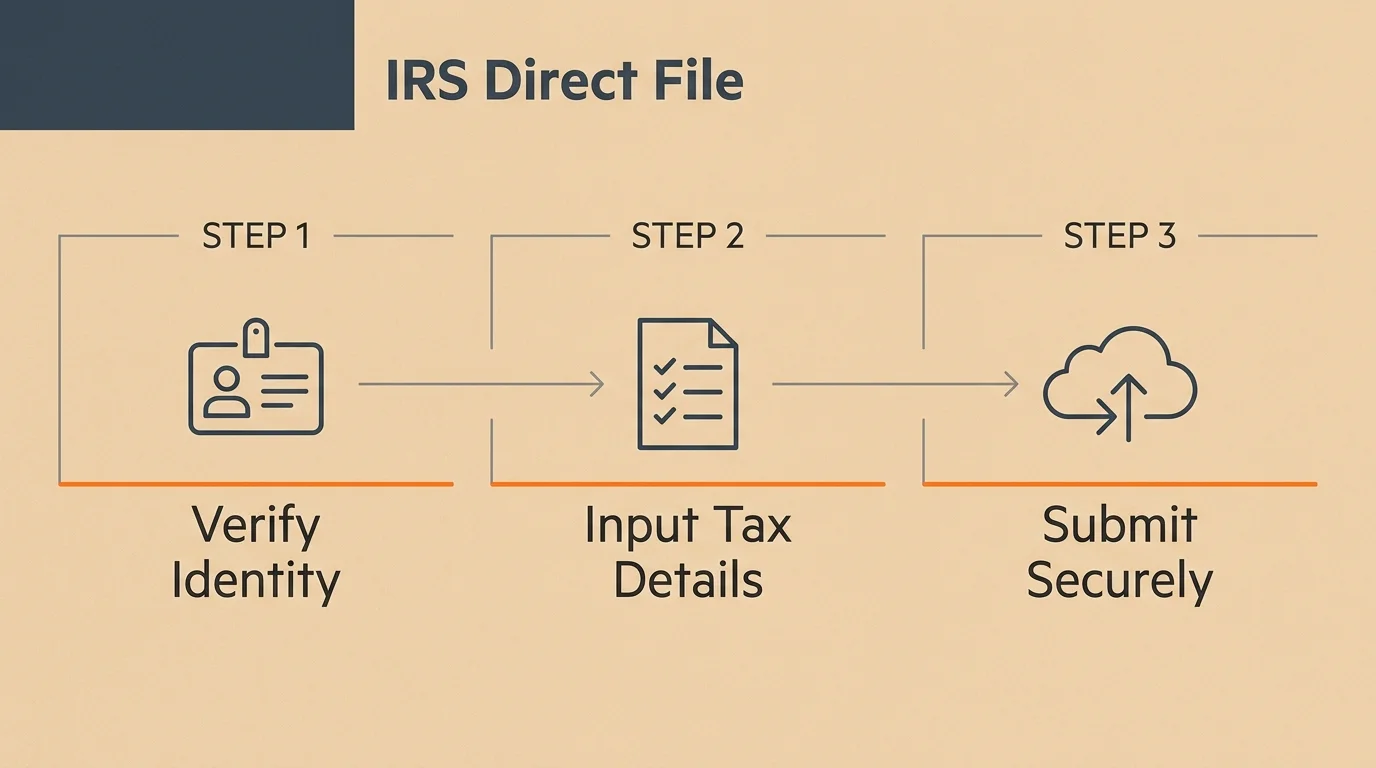
5. IRS Direct File Program
The IRS Direct File program represents an innovative federal step toward simplified direct filing. Direct File allows eligible taxpayers to file their federal tax returns directly with the IRS online for free, using a mobile-friendly, step-by-step interview tool. The IRS operates Direct File across 25 participating states, offering a seamless, cost-free alternative to private commercial tax software.
IRS Direct File does not enforce narrow income caps for standard tax filers. The program accommodates common retirement income sources, including Form W-2 wages from partial employment, Form 1099-INT interest income, Form 1099-MISC, and standard Social Security benefits reported on Form SSA-1099. Older adults living in participating states can complete federal returns smoothly and transition directly into their state’s tax portal to finish state tax returns at no additional charge.

6. Local Area Agencies on Aging (AAA) Community Clinics
The federal Administration for Community Living (ACL) oversees a national network of local Area Agencies on Aging (AAA). These regional agencies coordinate social services, health wellness programs, and legal aid for older adults. Every winter, local AAAs partner with community centers, regional libraries, and municipal offices to host localized tax preparation assistance clinics.
Because Area Agencies on Aging focus on supporting senior welfare, their tax clinics prioritize older adults regardless of financial status. Many AAA sites host visiting TCE or certified volunteer tax attorneys who assist seniors with both state and federal tax paperwork. Connecting with your regional Area Agency on Aging provides direct access to localized senior tax preparation assistance, including transportation support if you have mobility challenges.

7. State Tax Department Senior Tax Assistance Programs
While federal tax obligations receive significant national attention, state income tax filings can prove equally challenging for retirees. Recognizing this burden, several state departments of revenue establish dedicated senior tax help initiatives. These state-run programs offer free direct tax filing and specialized counselor support to older residents without enforcing strict income tests.
State-level tax assistance programs focus on helping seniors claim local property tax credits, renter relief rebates, and senior-specific state tax deductions. For example, states like Pennsylvania, New Jersey, and Missouri offer property tax and rent rebate programs tailored specifically for senior citizens, regardless of whether you owe state income tax. State tax representatives help filers complete these state-specific schedules accurately so you receive every local benefit available.

8. University Accounting & Law School Pro Bono Tax Clinics
Higher education institutions across the country operate pro bono tax clinics through their accounting departments and law schools. Under the direct supervision of Certified Public Accountants (CPAs) and experienced tax attorneys, advanced accounting and law students offer free tax preparation services to community members.
While many general law school tax clinics focus on low-income dispute resolution, university community outreach programs routinely hold specialized senior tax workshops. These clinics welcome older local residents without imposing complex income tests. Participating in a university-hosted clinic gives you access to high-level academic expertise, making it an excellent resource if your retirement filing involves nuanced capital gains, charitable gift annuities, or complex multi-state retirement assets.
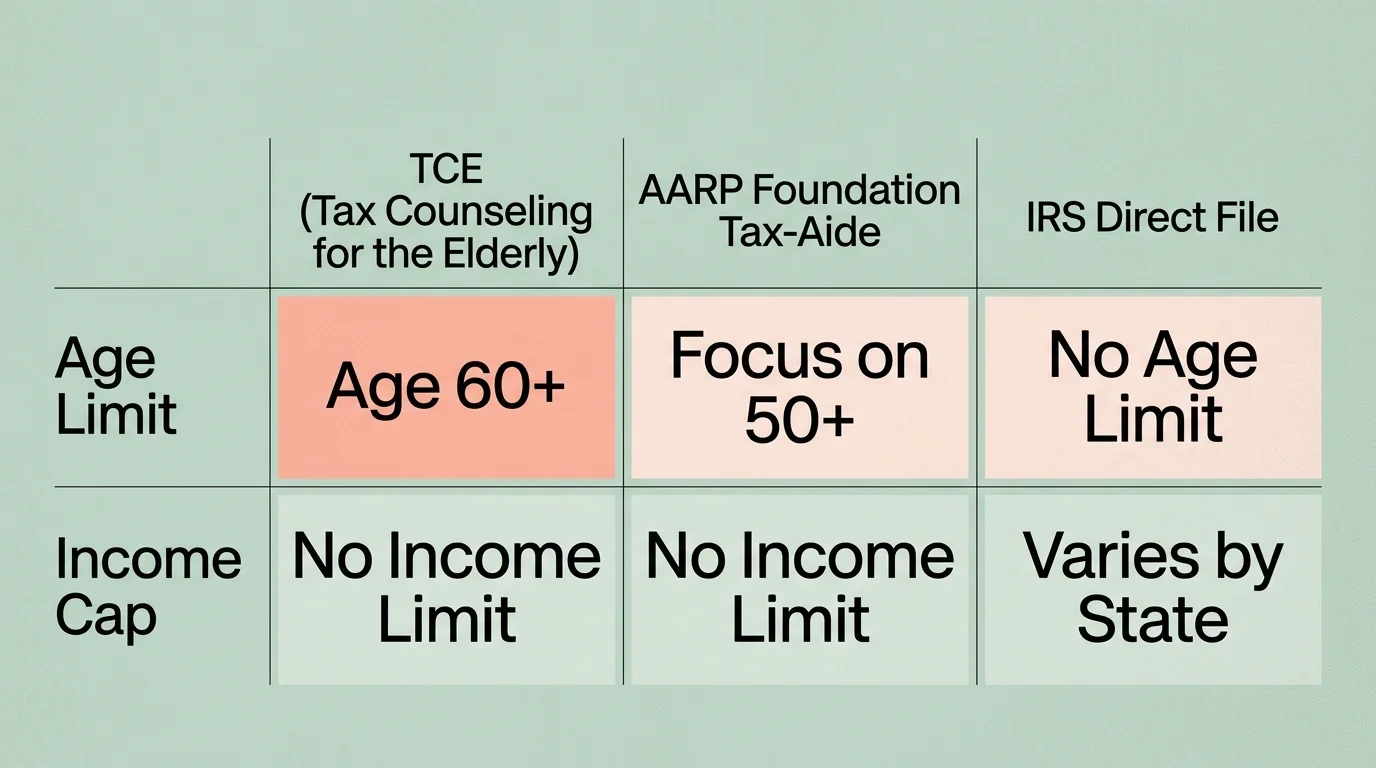
Comparing Free Senior Tax Assistance Programs
To help you choose the ideal option for your filing needs, the following comparison table outlines the core features, eligibility rules, and delivery methods of these key programs:
| Program Name | Primary Age / Target Group | Income Ceiling Rule | Service Delivery Method | Best Suited For |
|---|---|---|---|---|
| Tax Counseling for the Elderly (TCE) | Age 60 and older | No Income Cap | In-person at community sites | Seniors with retirement income, pensions, and RMD questions |
| AARP Foundation Tax-Aide | Age 50+ (Open to all ages) | No Income Cap (In-person) | In-person, drop-off, or online | Older adults wanting full hands-on return preparation |
| IRS Free File Fillable Forms | All ages | No Income Cap | Online self-preparation | Tech-savvy seniors confident in doing their own tax math |
| MilTax (Military OneSource) | Military retirees & veterans | No Income Cap | Online software & phone support | Veterans and retired service members with military pensions |
| IRS Direct File | Residents in 25 pilot states | No Strict Income Cap | Online guided portal | Seniors in participating states with standard retirement income |
| Area Agencies on Aging (AAA) | Age 60 and older | No Income Cap | Local community center clinics | Seniors seeking local community resources and transport help |
| State Department Tax Help | Senior state residents | Varies by state (Usually none) | State office or online portal | Claiming senior property tax rebates and state deductions |
| University Pro Bono Clinics | Seniors & local residents | Flexible / No strict cap | In-person university sessions | Seniors with moderate complexity seeking detailed review |
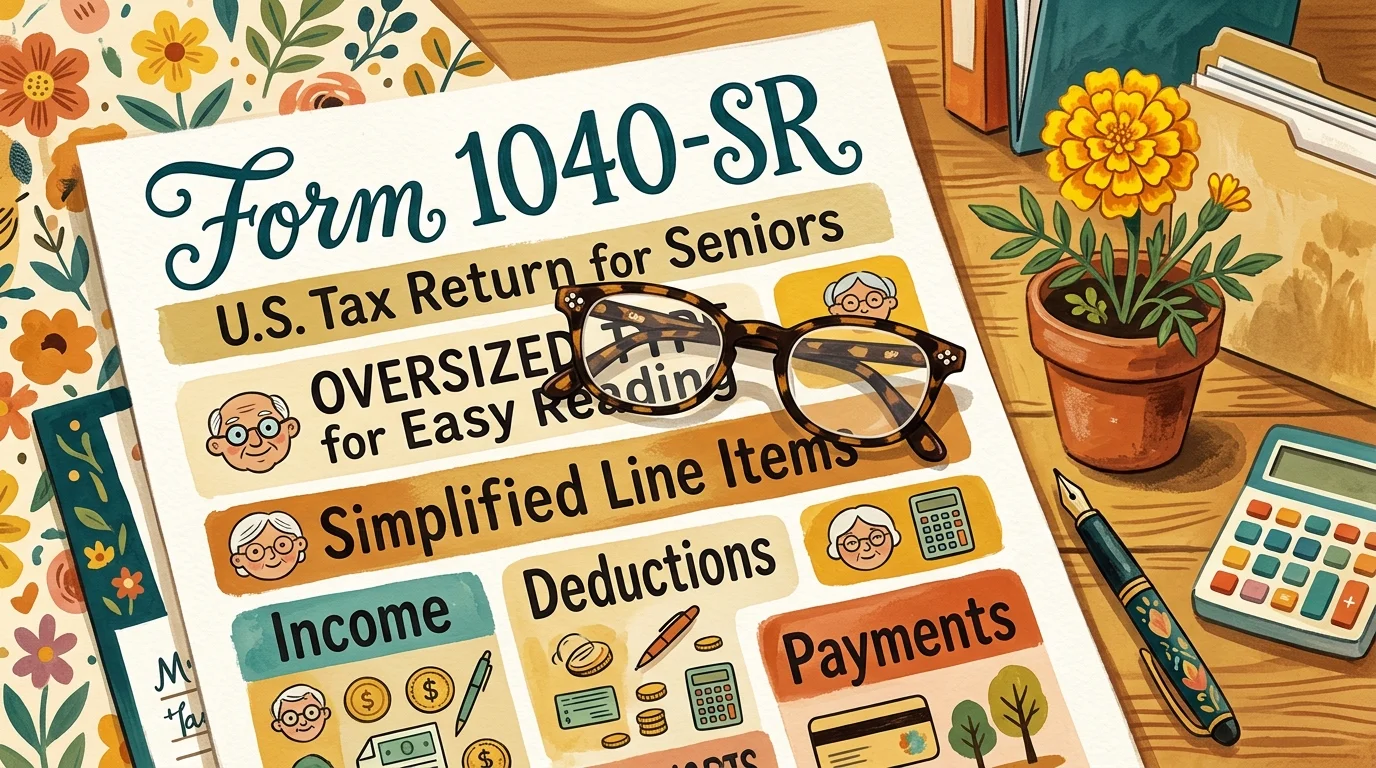
Understanding Senior-Specific Tax Rules and Form 1040-SR
When seeking tax help, you should familiarize yourself with tools designed to streamline filing for older adults. One major development from the IRS is Form 1040-SR, U.S. Tax Return for Seniors. Created under the Bipartisan Budget Act, Form 1040-SR is an alternative filing option available to taxpayers who are age 65 or older by the end of the tax year.
Form 1040-SR mirrors the standard Form 1040 in terms of tax calculations and schedules, but offers key senior-friendly features:
- Large, Easy-to-Read Print: Features larger font sizes and wider line spacing to improve readability for older eyes.
- Prominent Standard Deduction Table: Displays a clear, built-in chart highlighting the extra standard deduction amounts available to filers age 65+ or those who are legally blind.
- Simplified Layout: Simplifies reporting for Social Security income, IRA distributions, pensions, and annuities.
In addition to Form 1040-SR, seniors benefit from an increased standard deduction. According to the Internal Revenue Service, filers age 65 and older receive an additional standard deduction amount added onto the base standard deduction. For the 2025 tax year (filed in early 2026), single filers or heads of household age 65+ receive an extra $2,000 allowance, while married taxpayers filing jointly receive an additional $1,600 per qualifying spouse. Using qualified volunteer assistance ensures you claim these extra standard deduction amounts correctly.
“In investing and tax management, you get what you don’t pay for. Lowering unnecessary tax preparation fees compounds your total retirement savings.” — John Bogle, Founder of The Vanguard Group
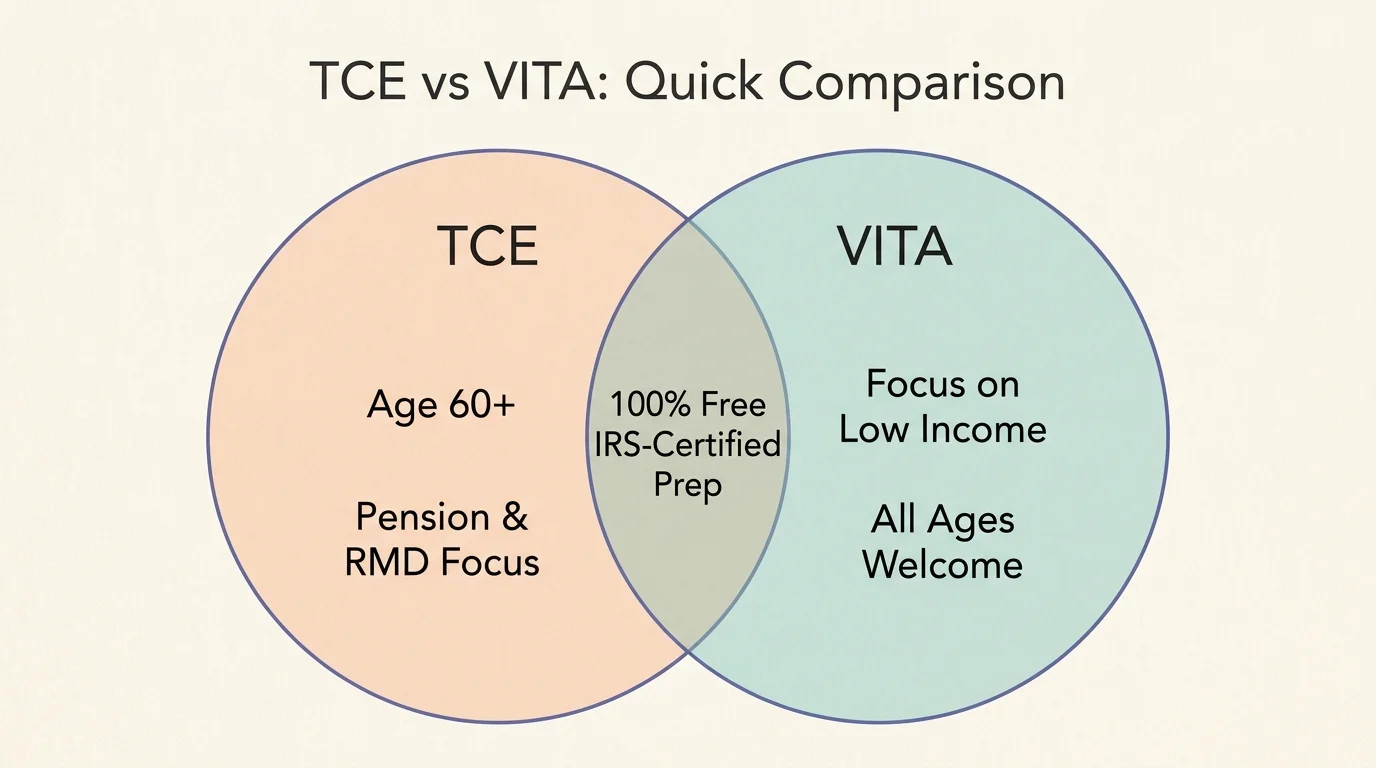
Crucial Context: How TCE Differs from VITA
When searching for free tax help, you will frequently see the terms TCE and VITA paired together. While both programs are overseen by the IRS, understanding the distinction between VITA and tax counseling for seniors prevents unexpected eligibility surprises.
The Volunteer Income Tax Assistance (VITA) program primarily serves low-to-moderate-income individuals, persons with disabilities, and limited-English-speaking taxpayers. For general VITA sites, the IRS sets a strict income ceiling—typically capping eligibility for taxpayers earning $67,000 to $69,000 or less per year.
In contrast, Tax Counseling for the Elderly (TCE) is designed specifically for seniors age 60 and older without an income cap. If your retirement income exceeds standard VITA caps because of IRA withdrawals, real estate sales, or pension payouts, you can confidently turn to TCE or AARP Tax-Aide sites, where age replaces income as the primary qualifying criteria.
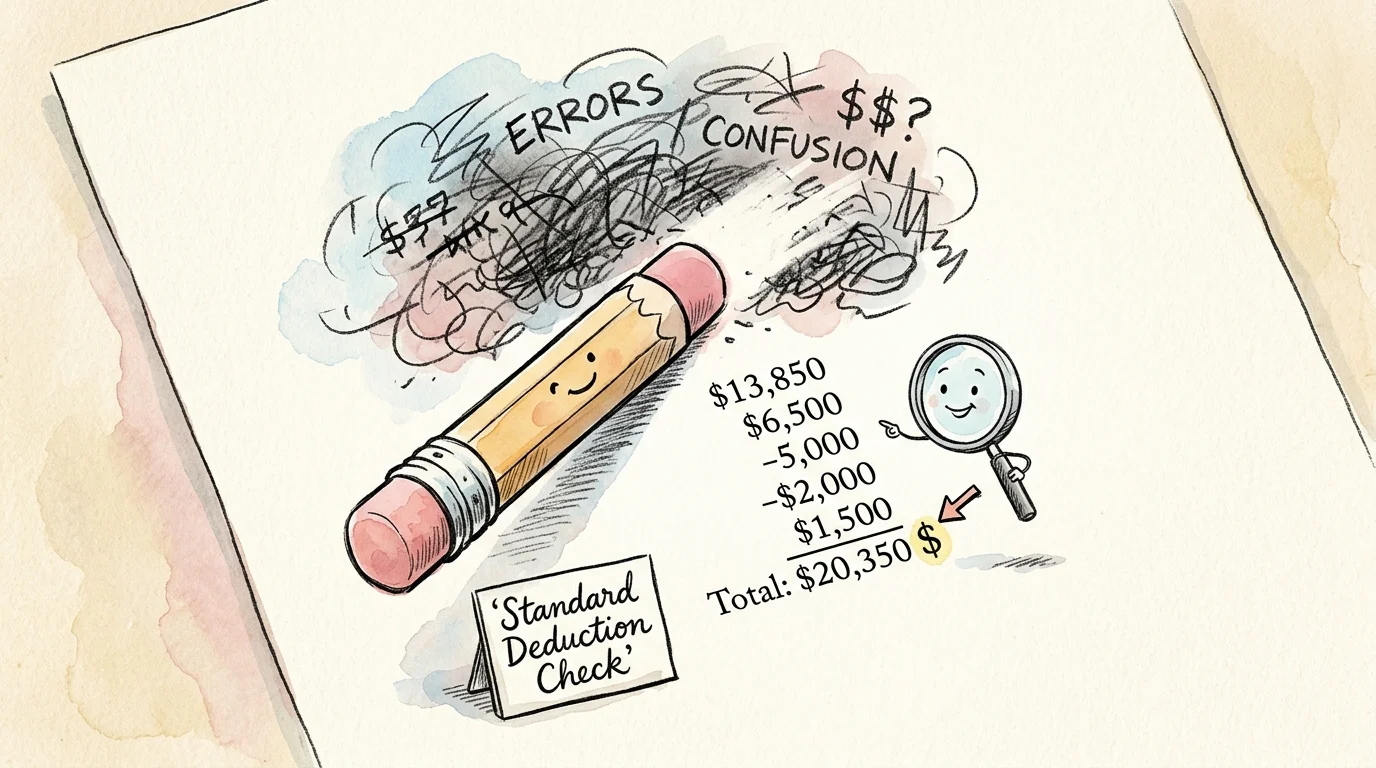
Avoiding Common Errors on Senior Tax Returns
Even simple tax returns can fall victim to costly mistakes. Certified volunteers in senior tax preparation assistance programs pay close attention to several recurring filing errors that affect older filers:
- Misinterpreting Social Security Taxability: Social Security benefits are not automatically federal-tax-free. Depending on your combined income (adjusted gross income + non-taxable interest + half of your Social Security benefits), up to 50% or 85% of your Social Security payments may become subject to federal income tax.
- Missing Required Minimum Distributions (RMDs): Under current SECURE 2.0 Act laws, account owners must begin taking RMDs from traditional IRAs and 401(k)s upon reaching age 73 (rising to age 75 for individuals reaching age 74 after December 31, 2032). Failing to withdraw your full RMD can trigger an excise tax penalty of up to 25% on the unwithdrawn amount.
- Forgetting Non-Taxable Interest Reporting: Municipal bond interest is generally exempt from federal income tax, but you must still report it on Form 1040 Line 2a. The IRS factors non-taxable interest into the formula that determines how much of your Social Security income is taxed.
- Overlooking Senior Tax Credits: Seniors frequently miss out on state-level credit programs, such as senior circuit-breaker property tax credits or local prescription drug deductions.

When DIY Isn’t Enough: Scenarios Requiring a Paid CPA
While volunteer tax programs and direct filing tools handle the vast majority of senior tax returns, free programs operate under strict IRS scope-of-service rules. Volunteer tax preparers cannot complete returns that involve complex financial structures. You should consider hiring a credentialed Certified Public Accountant (CPA) or Enrolled Agent (EA) if you face any of the following four scenarios:
- Complex Business or Partnership Income: Holding active partnership stakes, S-Corporation ownership, or intricate Schedule K-1 forms with multi-state income allocations.
- Commercial Real Estate Transactions: Selling commercial rental properties involving complex depreciation recapture or executing 1031 tax-deferred exchanges.
- Fiduciary Estate or Trust Filings: Managing complex trust distributions requiring IRS Form 1041 or dealing with large federal estate tax returns.
- Foreign Financial Assets and FBAR Compliance: Holding significant foreign bank accounts, offshore trusts, or foreign pensions that require FinCEN Form 114 (FBAR) and Form 8938 reporting.
Frequently Asked Questions
Do I need to belong to AARP to use AARP Foundation Tax-Aide?
No. AARP Foundation Tax-Aide is completely free and open to anyone who qualifies based on program scope. You do not need to be an AARP member, nor do you need to purchase any insurance products or memberships to receive tax assistance.
What financial documents must I bring to a free senior tax site?
You should bring a valid government-issued photo ID, Social Security cards (or SSA documentation) for yourself and dependents, a copy of last year’s federal and state tax returns, all Form 1099s (1099-INT, 1099-DIV, 1099-R for pensions/IRAs, SSA-1099 for Social Security), Form W-2s if you worked, and direct deposit information (a canceled check).
Is my Social Security income taxable if it is my only source of money?
If Social Security is your sole source of income for the year, your benefits are generally not taxable at the federal level, and you may not even be required to file a federal return. However, filing a return may still be necessary to claim refundable state credits or property tax rebates.
Can volunteer tax preparers file my state tax return as well as my federal return?
Yes. Certified volunteers at TCE and AARP Tax-Aide sites prepare and electronically file both your federal and state tax returns together at no charge, provided your state levies an income tax.
Taking Next Steps to Secure Free Tax Help
Taking advantage of free tax help programs for seniors allows you to maintain total control over your retirement finances while avoiding costly tax software fees. Start by gathering your tax documents as they arrive in your mail during January and February. Organize your Form SSA-1099s, pension 1099-Rs, brokerage statements, and healthcare coverage records into a dedicated folder.
Next, search for convenient site locations near you. Visit the official IRS Site Locator or the AARP Foundation Tax-Aide locator tool in early January to find nearby senior centers, public libraries, or town halls hosting tax clinics. Many popular sites fill up quickly, so calling early to schedule an appointment ensures you receive dedicated, unhurried guidance from certified tax volunteers.
The information in this guide is meant for educational purposes. Your specific circumstances—including income, savings, health coverage, and goals—may require different approaches. When in doubt, consult a licensed professional.
Last updated: February 2026. Retirement benefits, tax laws, and healthcare costs change frequently—verify current details with official sources.