
Moving to Florida can transform your retirement with warm sunshine, active communities, and zero state income tax. Yet relocating to the Sunshine State often brings sudden financial shocks that catch retirees off guard.
Beneath the idyllic coastal breeze lies an expensive web of surging homeowners insurance premiums, changing property tax caps, and strict condominium structural mandates.
A successful move requires careful preparation and realistic budgeting. Understanding these vital legal and economic realities will protect your hard-earned nest egg and ensure a seamless transition to your dream retirement.
1. Florida Has No State Income Tax, But Other Costs Compensate
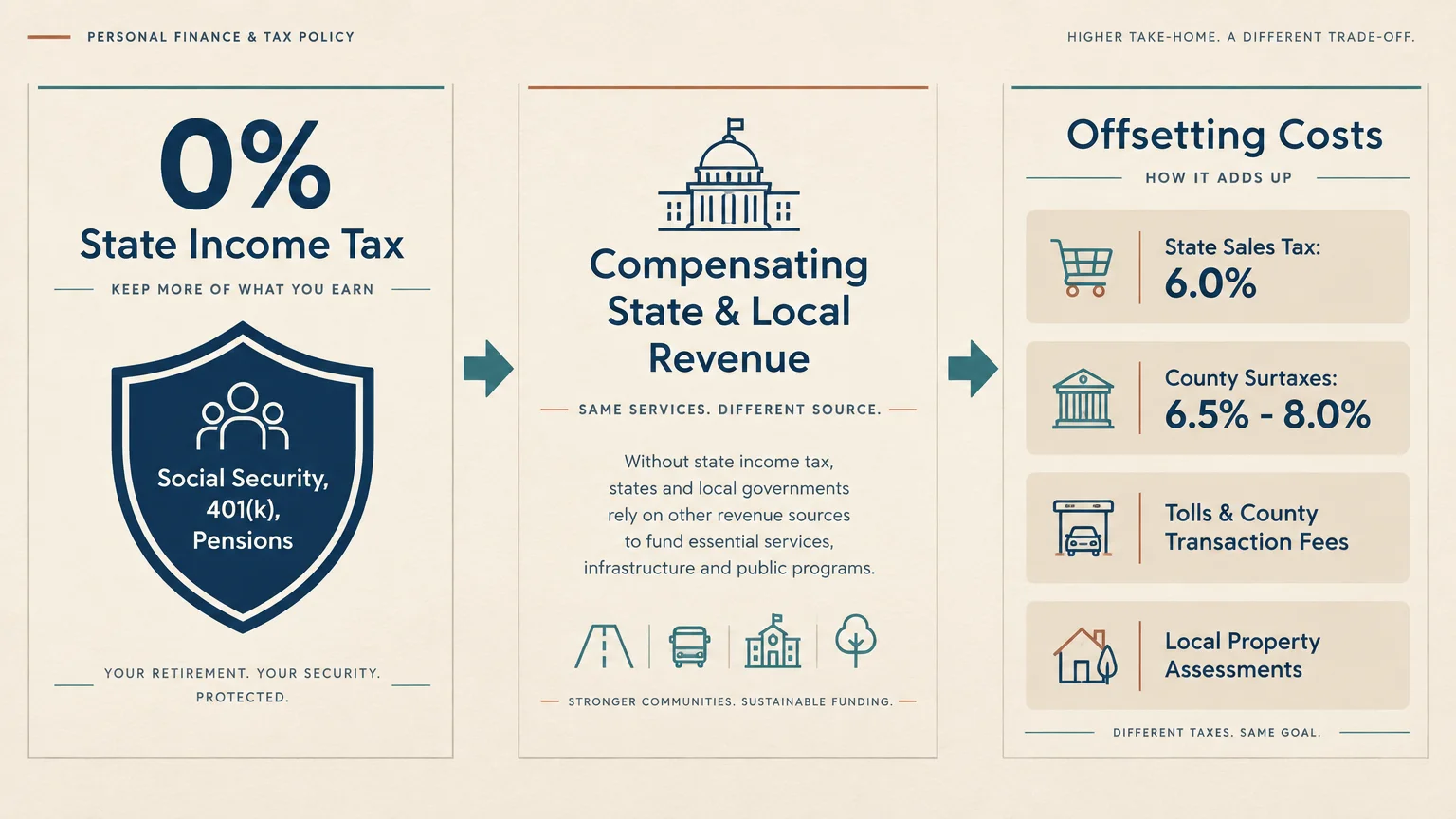
Florida does not levy an individual state income tax under Article VII, Section 5 of the Florida Constitution. This constitutional ban permanently protects your retirement cash flow from state-level tax erosion.
Your Social Security benefits, private pensions, 401(k) withdrawals, and traditional IRA distributions remain completely exempt from state taxes. You will only pay federal income taxes as administered by the Internal Revenue Service (IRS).
Municipalities recover this revenue through alternative mechanisms. Florida charges a baseline 6.0% state sales tax; local county discretionary surtaxes push the effective rate to between 6.5% and 8.0%.
Higher transaction fees, toll roads, and property assessments also offset the zero-tax benefit. You must account for these ongoing operational costs when establishing your monthly retirement budget.
2. Homeowners Insurance Rates Are Among the Highest in the Nation
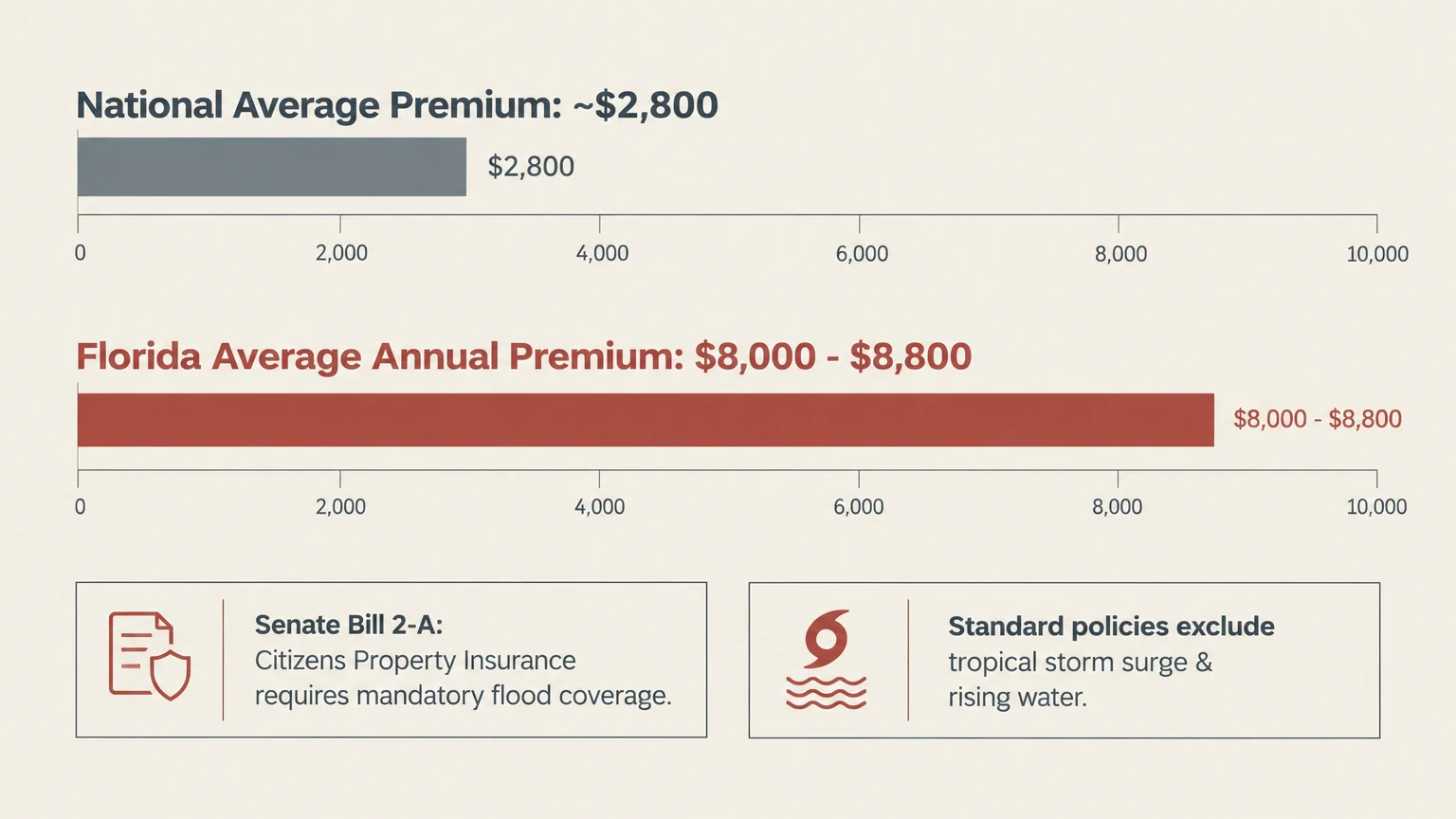
Florida property insurance represents one of the steepest ongoing expenses for arriving homeowners. The average annual insurance premium for a Florida home ranges between $8,000 and $8,800, which is roughly three times the national average.
Standard property policies exclude damage caused by rising water and tropical storm surge. You must secure a separate flood policy through the National Flood Insurance Program or private underwriters.
Under Florida Senate Bill 2-A, property owners insured through Citizens Property Insurance Corporation must purchase flood insurance regardless of whether their home sits in a designated flood zone.
“A home should be a blessing, not a financial curse. You must budget for the true total cost of ownership, including skyrocketing insurance and maintenance fees.” — Suze Orman, Personal Finance Author and Host
3. Condominiums Face Massive Special Assessments and Reserve Mandates
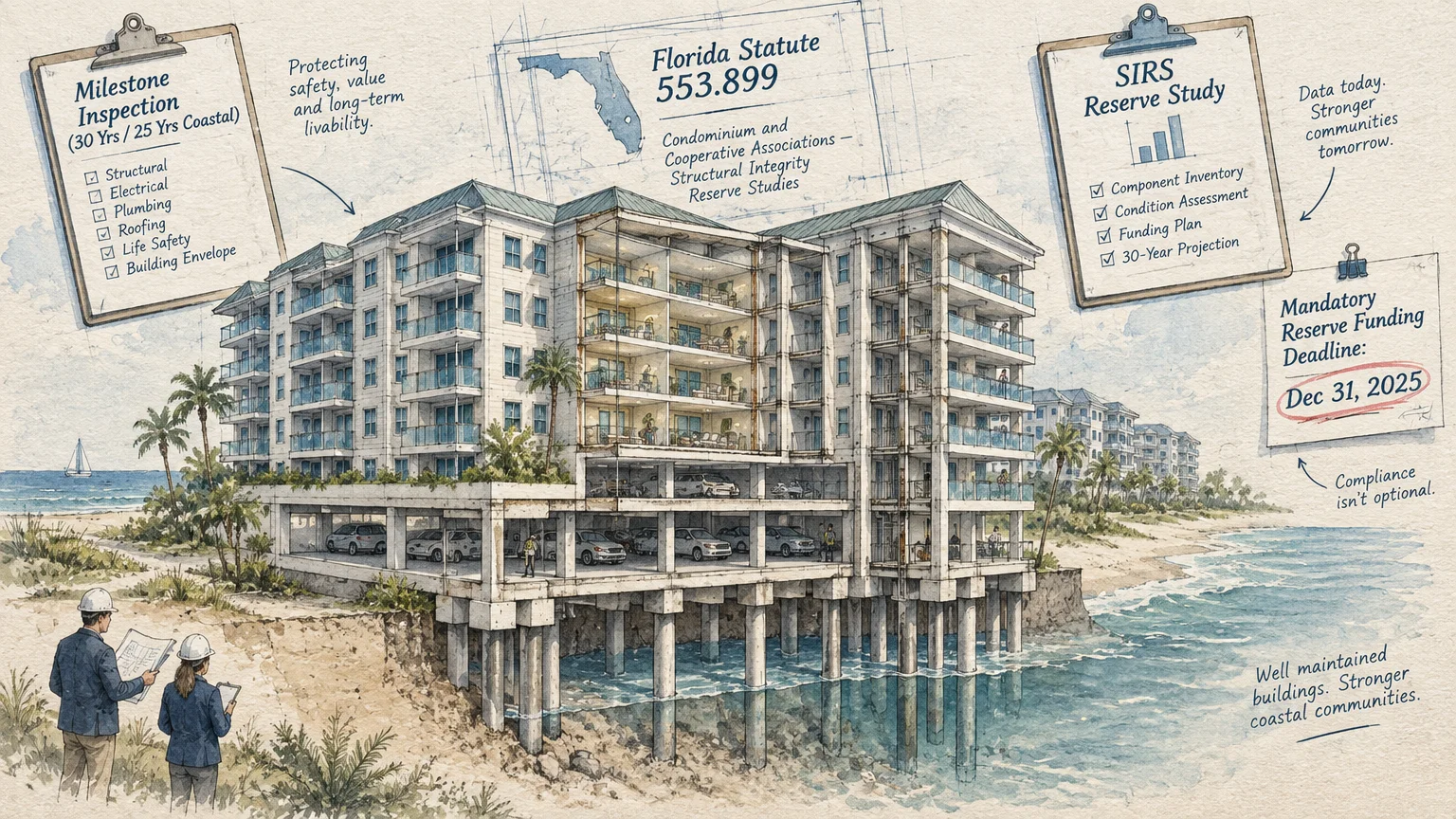
Purchasing a Florida condominium requires intense financial scrutiny. Following structural safety reforms, Florida Statute 553.899 requires milestone inspections for buildings reaching 30 years of age, or 25 years if located within three miles of the coastline.
Licensed engineers must re-inspect these qualifying buildings every 10 years to certify structural stability. Condominium boards must publish these inspection findings to all current and prospective unit owners.
Florida Statute 718.112 also mandates that condominium associations complete a Structural Integrity Reserve Study (SIRS). This engineering study details the reserve funds required to maintain structural elements like roofs, load-bearing walls, and electrical systems.
Under Florida House Bill 913, condo associations must meet these reserve standards by December 31, 2025. Condominium boards can no longer waive or underfund structural reserve accounts.
These strict safety regulations have forced aging buildings to issue five-figure special assessments to individual owners. Monthly association dues have doubled or tripled in many communities to satisfy mandatory reserve thresholds.
4. Property Tax Protections Require Action and Proper Timing
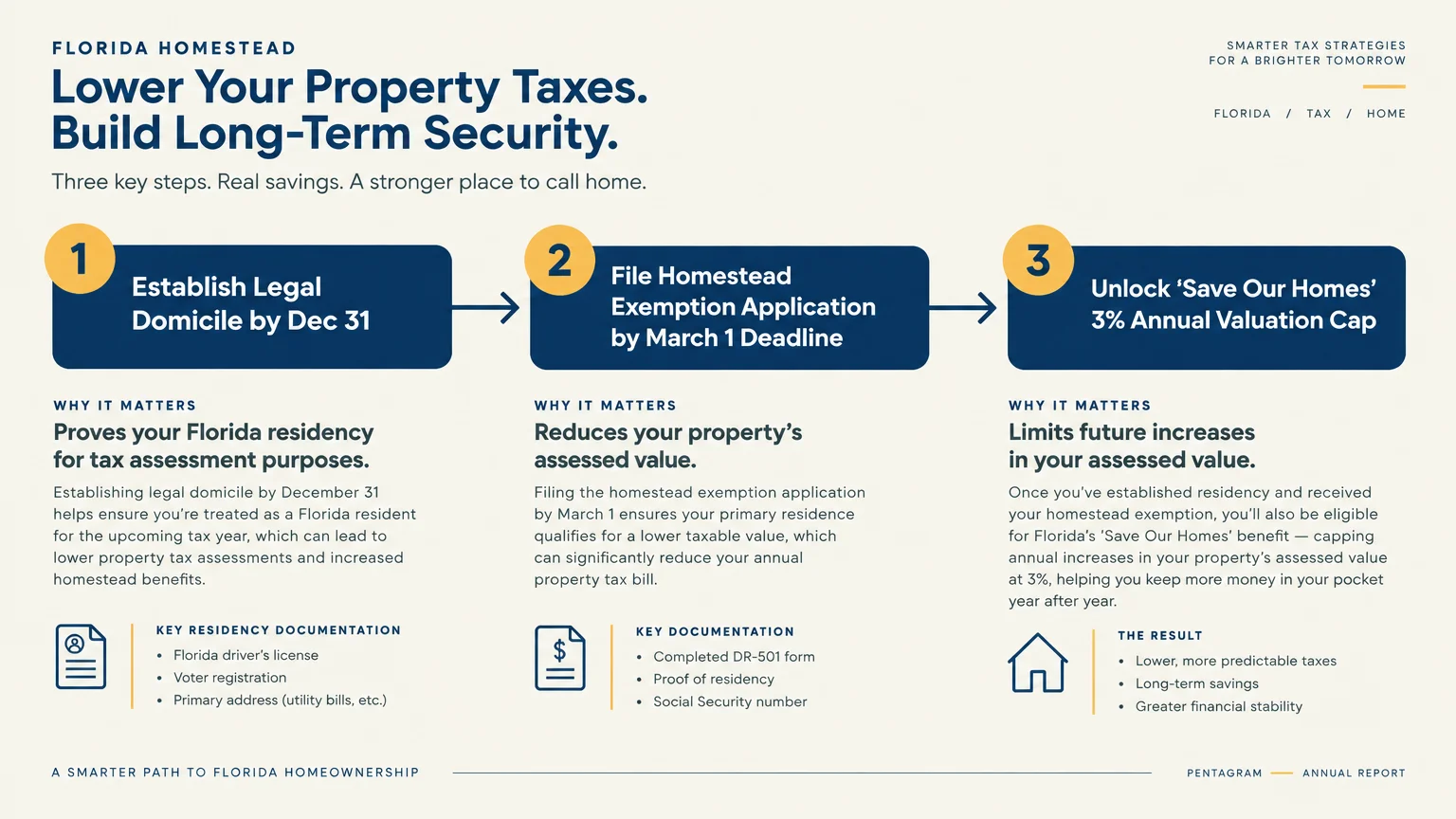
Florida offers generous property tax relief, but you must apply manually to secure these savings. The Florida homestead exemption removes up to $50,000 of assessed value from your permanent primary residence.
The first $25,000 exemption applies to all taxing authorities. An additional $25,000 exemption applies to non-school taxes on assessed values between $50,000 and $75,000; Florida Amendment 5 indexes this second exemption to inflation.
The state Save Our Homes (SOH) assessment cap limits annual taxable value increases on homestead properties to 3% or the Consumer Price Index, whichever is lower. In 2025, that rule capped assessment increases at 2.9%.
You must establish legal ownership and residency by January 1. You must then submit your official homestead application to your county property appraiser by March 1 of that tax year.
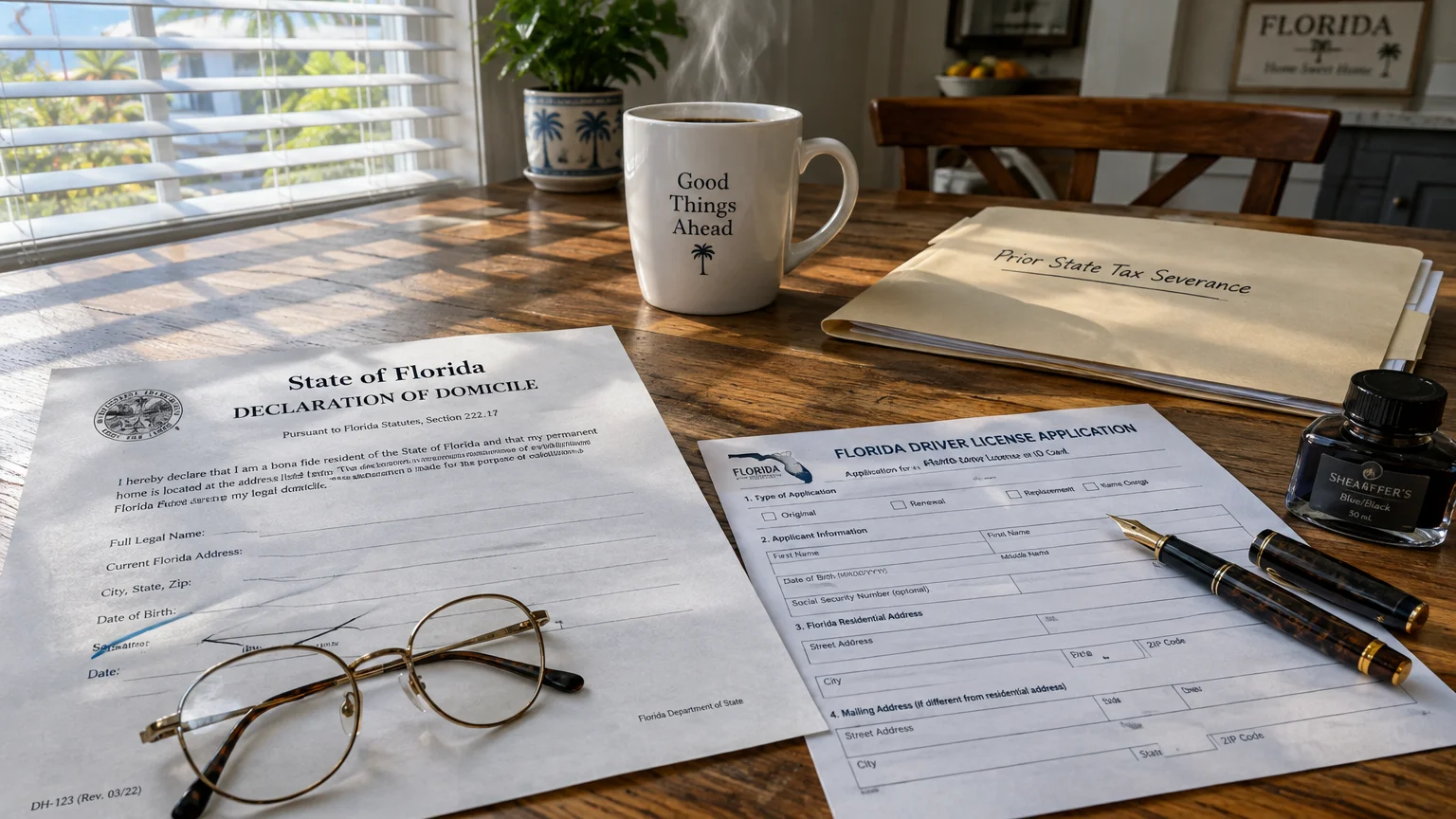
5. You Must Formally Sever Ties to Establish Legal Domicile
Purchasing a Florida property does not automatically exempt you from taxation in your former home state. High-tax states like New York, New Jersey, and California aggressively audit former residents who attempt to claim relocation.
You must establish a clear paper trail proving Florida represents your primary legal domicile. Spend at least 183 days per calendar year in Florida to defeat statutory residency challenges from your previous state.
File an official Declaration of Domicile with the local Florida County Clerk of Court. This sworn document legally registers your intent to make Florida your permanent home.
Transfer your primary banking relationships, register to vote in Florida, and update your passport address. You should also rewrite your wills, healthcare directives, and revocable trusts under Florida statutes.
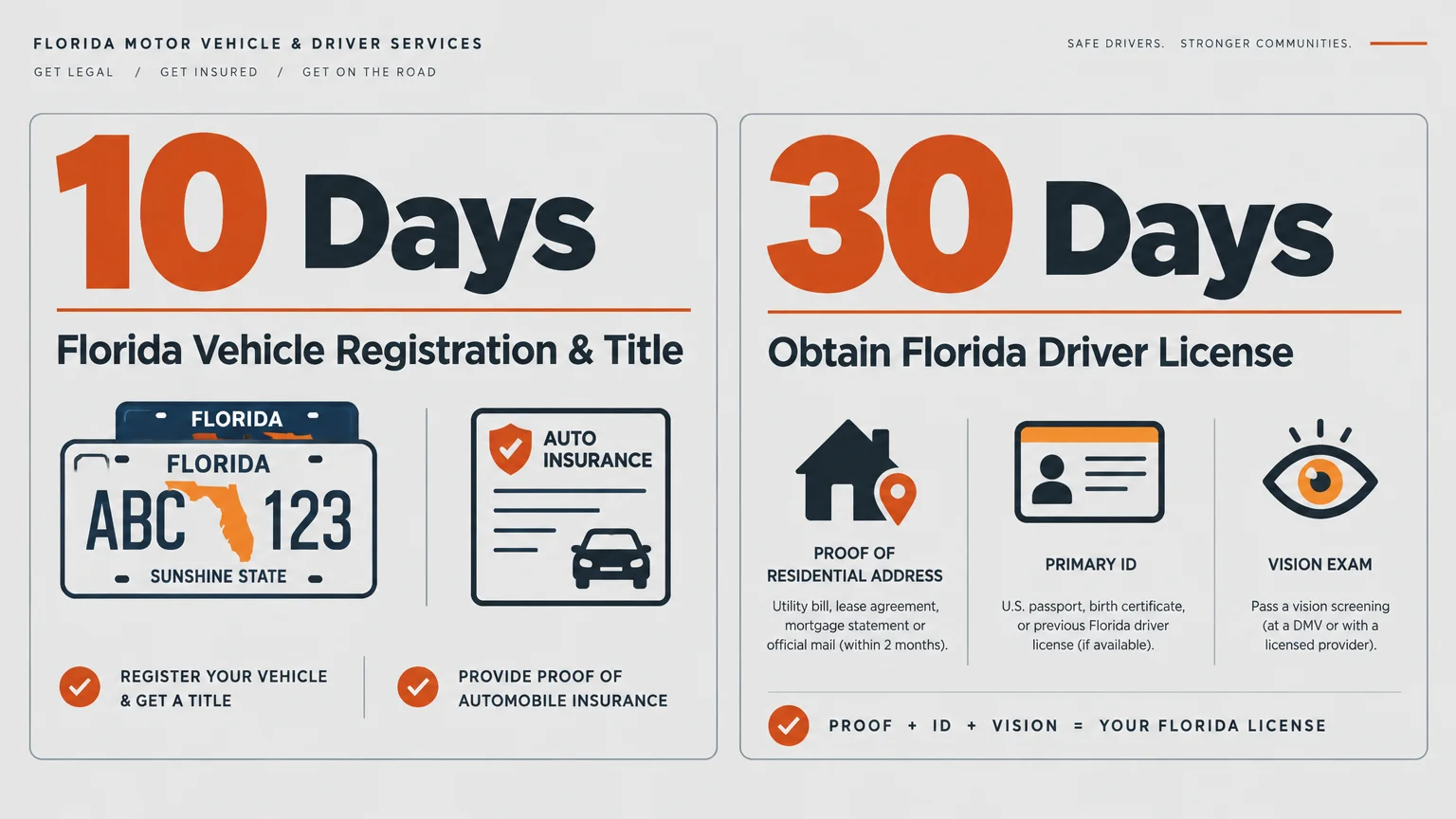
6. Florida Enforces Rapid Deadlines for Vehicle Registration and Licensing
Florida imposes immediate statutory requirements on arriving motor vehicles. Under Florida Statute 320.072, you must register your out-of-state vehicle within 10 days of establishing residency or taking up local employment.
You will pay a one-time $225 Initial Registration Fee per vehicle if you do not have an existing Florida license plate to transfer. Titling fees add roughly $85, alongside annual registration charges based on vehicle weight.
You must also secure a Florida driver’s license within 30 days of establishing residency. The Florida Department of Highway Safety and Motor Vehicles requires proof of residential address, Social Security identification, and certified proof of citizenship.
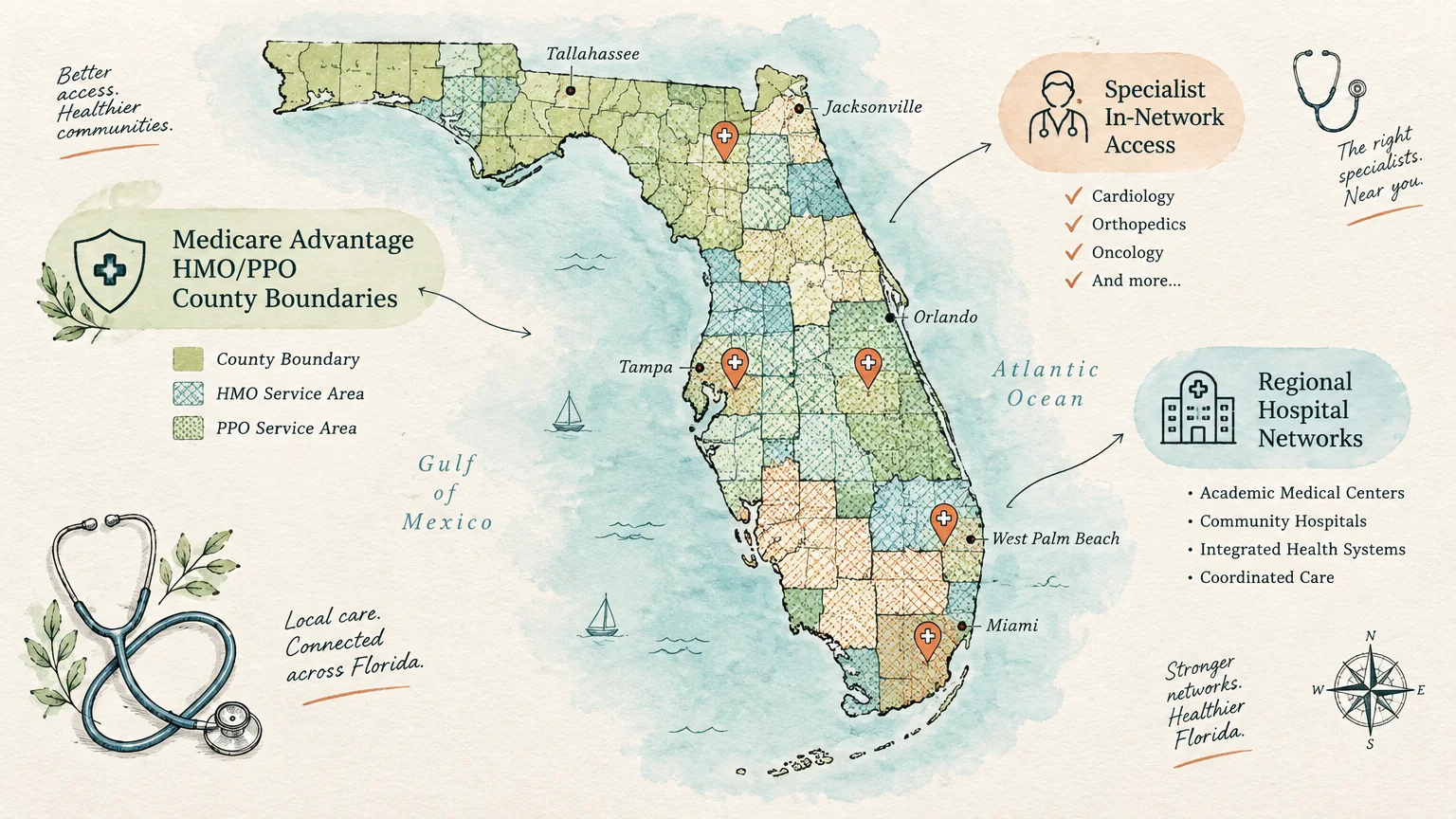
7. Healthcare Networks and Medicare Advantage Plans Differ Drastically
Relocating across state lines directly impacts your healthcare access and insurance network coverage. If you use a Medicare Advantage (Part C) plan, your network benefits are tied to your specific county.
Moving outside your plan service territory creates a Special Enrollment Period through Medicare.gov. You can use this window to select a regional Florida Advantage plan or return to Original Medicare.
Florida attracts millions of retirees, creating unprecedented demand for specialized geriatric medical care. In high-density retirement corridors, new patients often encounter multi-month appointment delays for specialized medical care.
Before purchasing a home, call regional healthcare networks to confirm whether premier local hospitals and specialists accept your insurance coverage. Research primary care physicians who are actively accepting new Medicare patients.
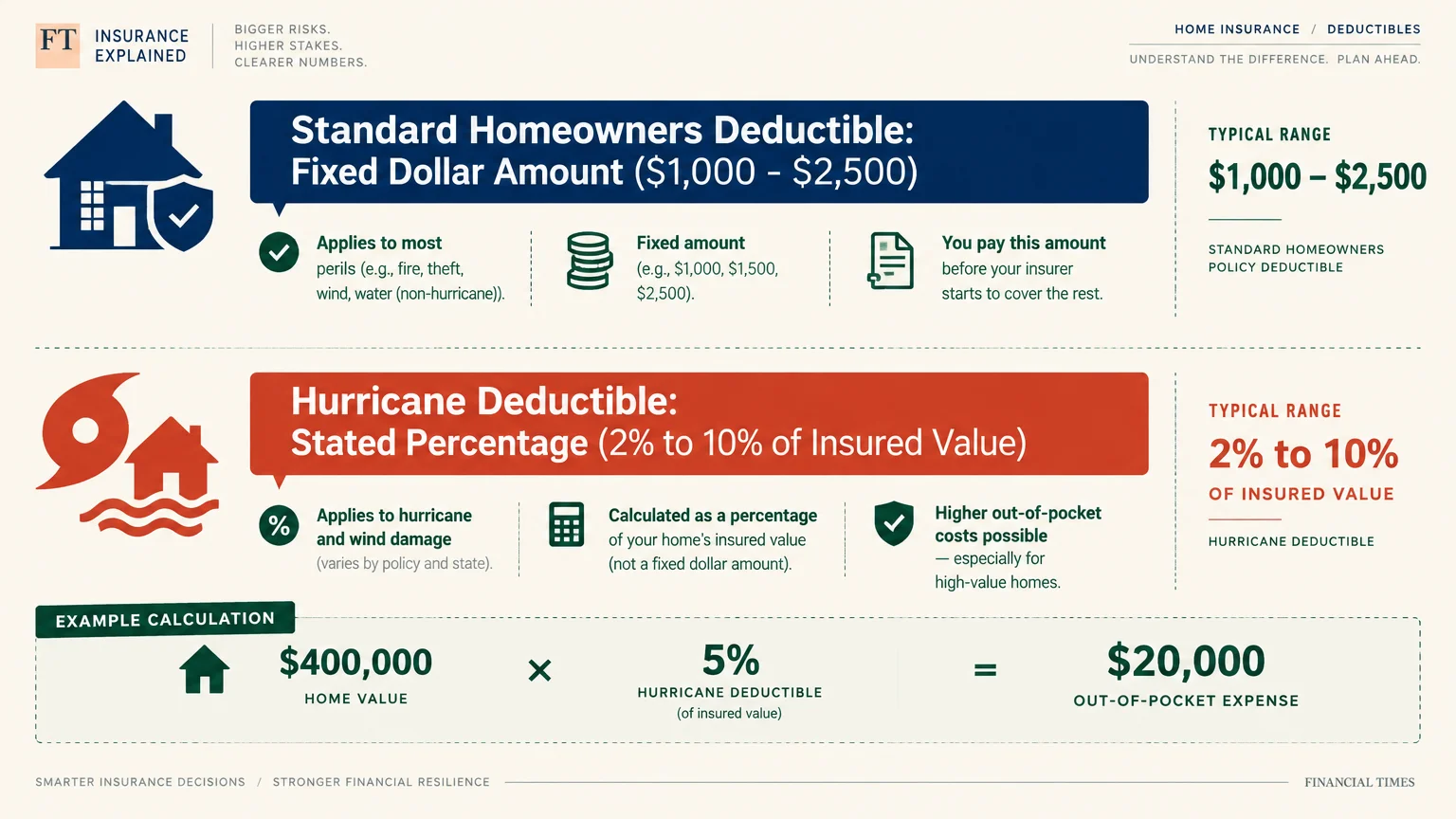
8. Hurricane Season Brings Significant Percentage Deductibles
The Atlantic hurricane season runs annually from June 1 through November 30. Living along the Florida peninsula requires physical and financial readiness for severe weather events.
Standard Florida homeowners insurance contracts utilize percentage-based hurricane deductibles rather than flat dollar amounts. These storm deductibles typically range between 2% and 10% of your total insured dwelling value.
If your policy covers a $500,000 structure with a 5% hurricane deductible, you must pay $25,000 out-of-pocket before insurance benefits activate. You must maintain liquid cash reserves to satisfy this deductible if a named storm damages your property.
Physical storm preparation also requires ongoing capital investments. You should budget for impact-resistant windows, aluminum storm shutters, and heavy-duty portable generators to navigate summer power outages.

9. The Summer Climate and Seasonal Crowds Alter Daily Living
Florida winters deliver pleasant sunshine and dry breezes, but the extended summer climate demands significant physical endurance. Subtropical heat and excessive humidity combine to create heat index readings exceeding 100°F from June through September.
Your residential electric bills will climb sharply during these scorching summer months. Central air conditioning units must run constantly to cool living spaces and prevent mold accumulation.
Seasonal demographics also transform coastal and retirement communities during the winter months. An influx of part-time residents swells local traffic, crowds area healthcare clinics, and increases restaurant wait times from November through April.
10. Florida Cost of Living Comparison for Retirees
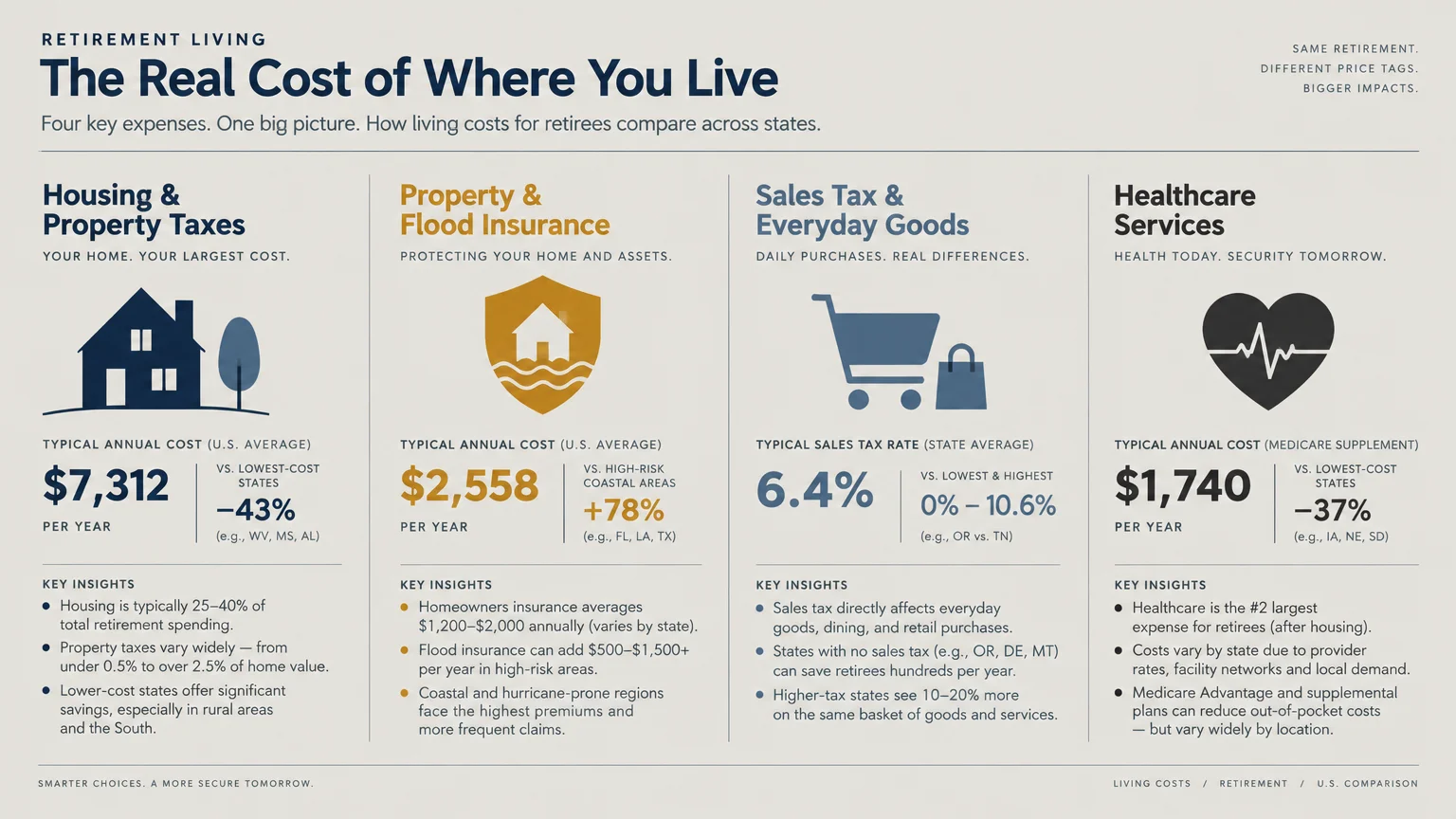
Carefully balance tax exemptions against local living costs before deciding to relocate. The table below outlines standard financial shifts experienced by retirees moving to Florida from traditional northern states.
| Expense Category | Traditional High-Tax State | Florida Financial Reality |
|---|---|---|
| State Income Tax | 4.0% to 10.0%+ on pensions, IRAs, and investments | 0.0% codified in the Florida Constitution |
| Average Homeowners Insurance | $1,800 to $2,800 annually | $8,000 to $8,800 annually (national high) |
| Property Assessment Growth | Often uncapped; adjusts directly with market sales | Capped at 3% or CPI under Save Our Homes (2.9% in 2025) |
| Flood Insurance Mandate | Only required in federally designated high-risk flood zones | Mandatory for Citizens policyholders regardless of flood zone |
| Vehicle Entry Surcharge | Standard title and plate transfer fees ($50 to $150) | $225 Initial Registration Fee plus titling and weight fees |
For additional financial planning resources, consult consumer budgeting tools from the Consumer Financial Protection Bureau (CFPB). Sound retirement strategies account for total housing and living expenditures rather than tax rates alone.
Coordinate your relocation timeline with your long-term income strategy. You can review current benefit distributions and lifetime claiming rules through the Social Security Administration (SSA).
What Can Go Wrong: Costly Florida Relocation Mistakes
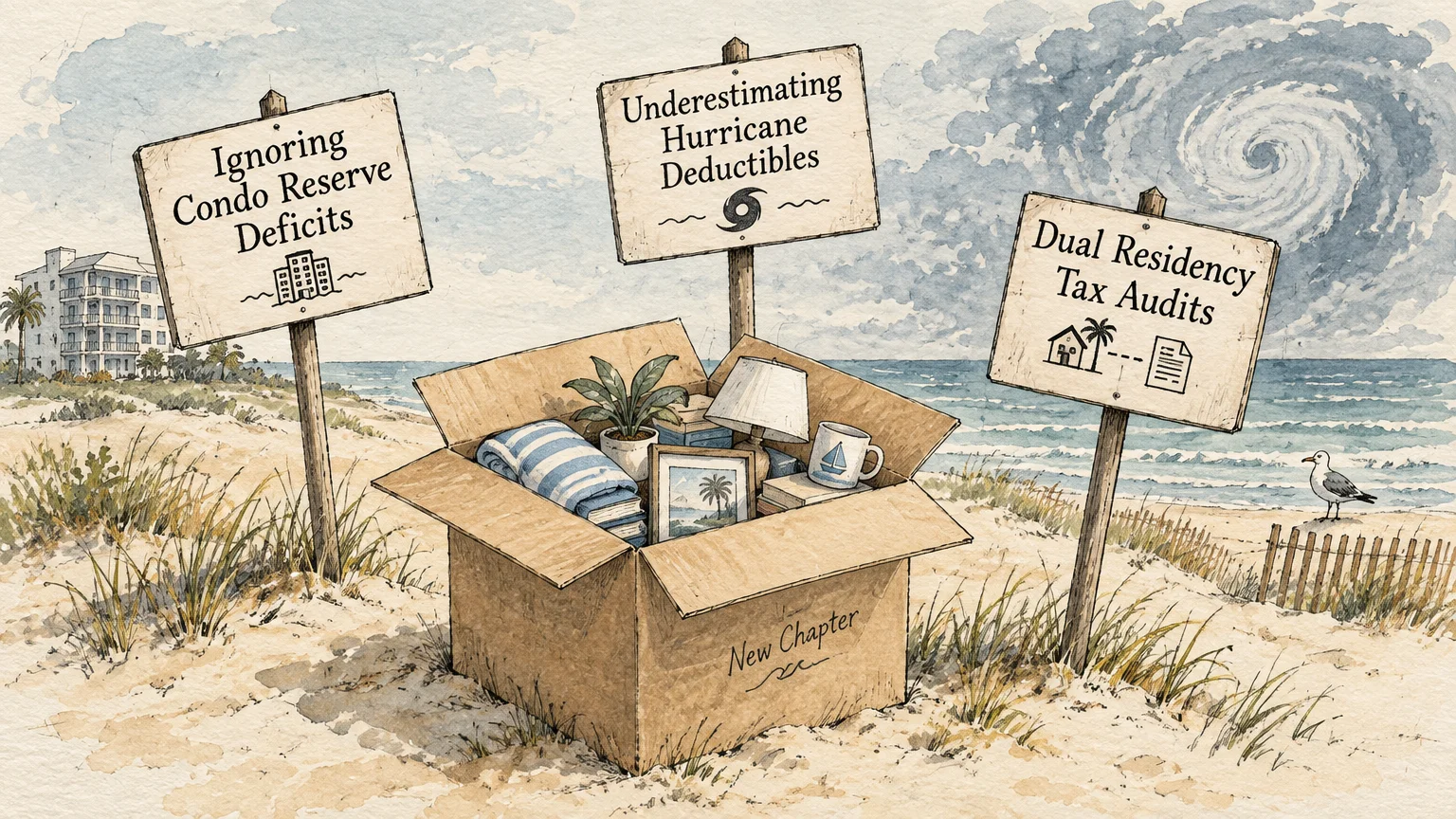
Purchasing an older condominium without reviewing its Structural Integrity Reserve Study can destroy your financial security. An unexpected $50,000 structural assessment can exhaust your emergency fund overnight.
Missing the March 1 homestead application deadline will forfeit your property tax exemption for an entire calendar year. This mistake also delays your entry into the protective Save Our Homes assessment cap.
Failing to establish a dedicated deductible reserve fund leaves you vulnerable during hurricane season. A major storm can force you into high-interest debt simply to clear your insurance deductible.
When to Consult a Professional
Consult licensed professionals under these specific relocation circumstances:
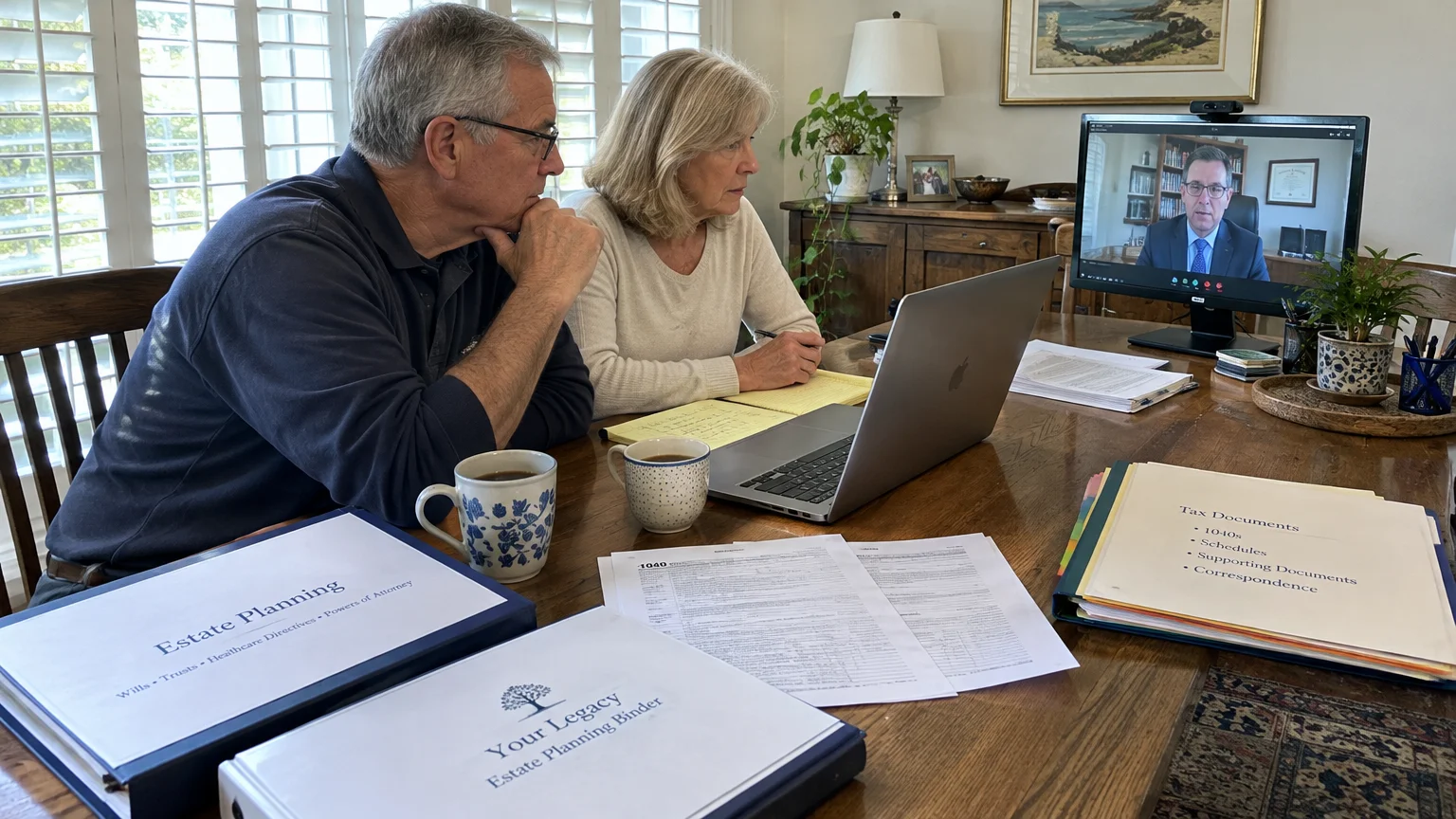
- Dual-State Residency Audits: Work with a Certified Public Accountant (CPA) if you retain real estate in your prior state to navigate statutory residency rules.
- Condominium Document Reviews: Retain a Florida real estate attorney to analyze condominium association balance sheets, milestone inspection reports, and SIRS reserve allocations before signing a purchase contract.
- Estate Plan Updates: Hire an estate planning attorney licensed in Florida to re-execute your durable powers of attorney, living wills, and healthcare surrogate designations under Florida law.
- Medicare Network Optimization: Consult an independent health insurance broker to evaluate whether local doctors accept regional Medicare Advantage or Medicare Supplement (Medigap) plans.
Frequently Asked Questions About Retiring to Florida
Does Florida tax pensions, 401(k) plans, or Social Security?
No. Florida imposes no individual state income tax. All retirement distributions, Social Security benefits, public or private pensions, and investment capital gains are completely exempt from state taxes.
What is the Save Our Homes assessment cap?
The Save Our Homes provision limits annual increases in the assessed value of homesteaded property to 3% or the Consumer Price Index (CPI), whichever is lower. In 2025, that cap restricted property assessment growth to 2.9%.
How many days must I live in Florida to claim residency?
You must generally reside in Florida for at least 183 days per calendar year. You must also file a Declaration of Domicile to prove that Florida serves as your primary legal residence.
Why are Florida condominium HOA fees increasing so quickly?
Under post-Surfside safety legislation, condo associations can no longer waive or underfund structural reserves. Condominiums must fund reserve accounts to repair structural components, driving up monthly maintenance dues.
Final Steps for Your Florida Move
Moving to Florida offers incredible lifestyle benefits, provided you plan around the true costs of living in paradise. Take proactive steps today to inspect prospective properties, calculate total carrying costs, and establish legal residency properly.
This is educational content based on general retirement planning principles. Individual results vary based on your situation. Always verify current benefit amounts, tax laws, and eligibility with official sources.
Last updated: February 2026. Retirement benefits, tax laws, and healthcare costs change frequently—verify current details with official sources.