
Retiring near the ocean sounds like paradise, but soaring insurance premiums and hidden local taxes can quickly turn your coastal dream into a financial nightmare. Choosing the wrong seaside town can drain your fixed income faster than you anticipate.
Between surging special assessments on aging condominiums and understaffed regional healthcare systems, several famous coastal destinations present major hazards for older adults. You must evaluate the true costs before packing your bags.
Here are fourteen beach towns where high crime, prohibitive living costs, and environmental volatility outweigh the scenic ocean views.
The Hidden Financial Traps of Coastal Retirement
Sun-drenched boardwalks and soothing ocean waves often distract retirees from critical community realities.
Living along the coastline involves unique financial liabilities that inland towns never experience.
Homeowners insurance along vulnerable shorelines has reached historic crisis levels.
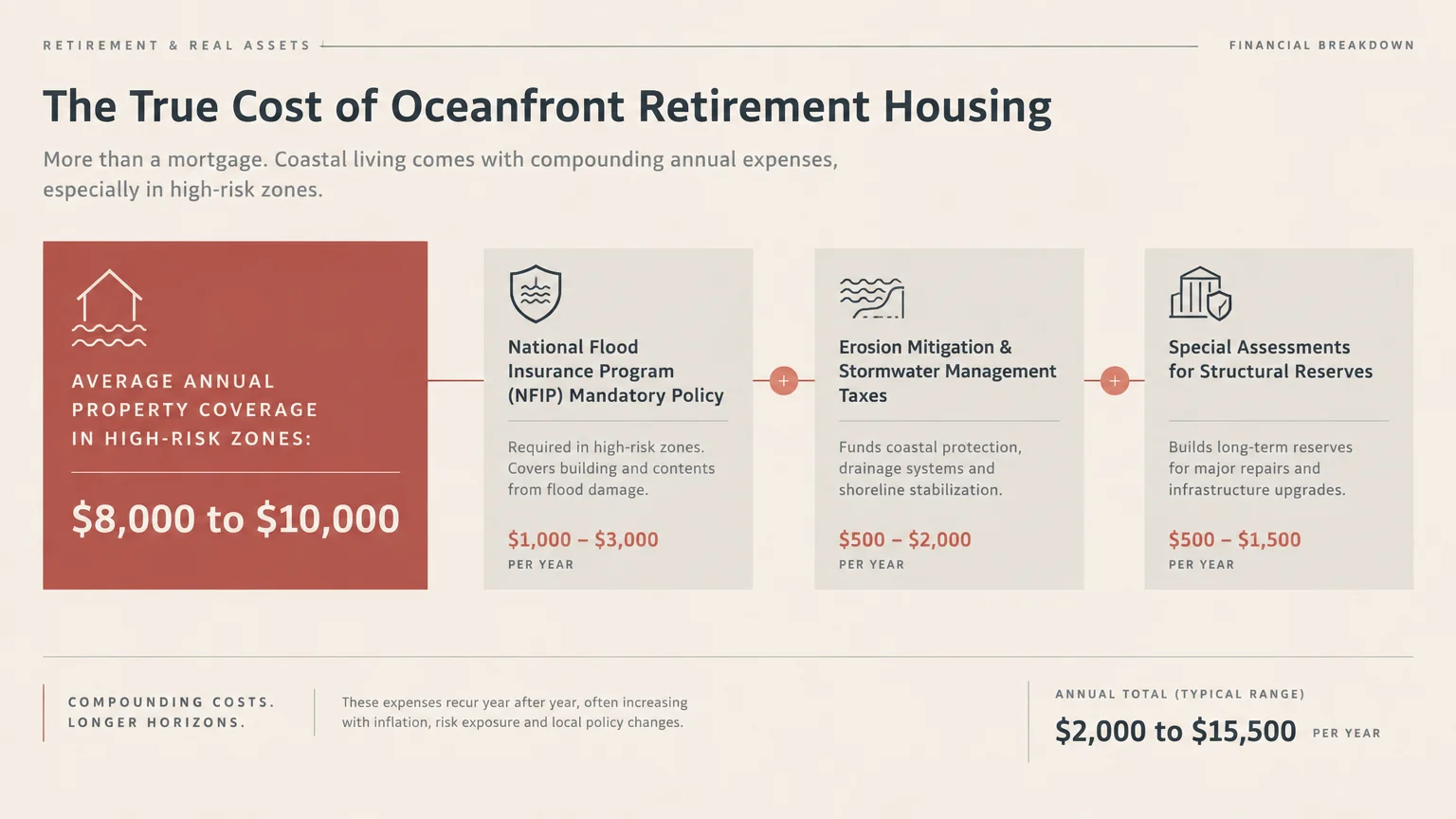
According to recent industry data, average annual property coverage in high-risk zones frequently tops $8,000 to $10,000 per year.
Furthermore, coastal states often charge steep real estate taxes to fund ongoing erosion mitigation and stormwater management.
When you add mandatory flood coverage through the National Flood Insurance Program, your monthly housing budget can easily double.
You can review regional housing assistance and property guidelines through the U.S. Department of Housing and Urban Development (HUD) before making any relocation decisions.
14 Beach Cities Retirees Should Cross Off Their List
Each of the following coastal cities brings specific risks that threaten fixed retirement incomes and personal security.
1. Miami Beach, Florida
Miami Beach condominiums carry unprecedented financial hazards due to strict state safety laws.
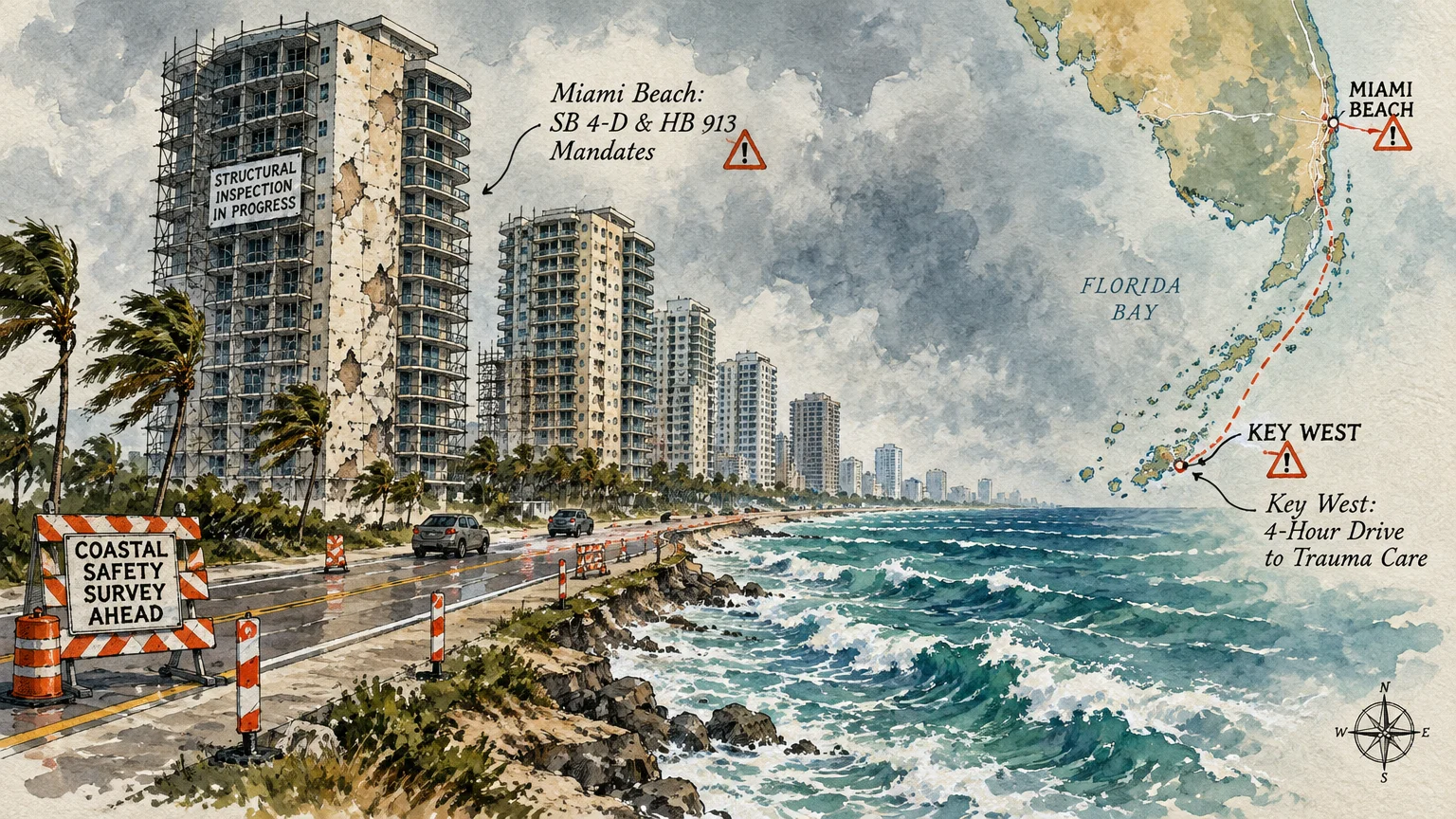
Florida Senate Bill 4-D and House Bill 913 mandate milestone structural inspections at thirty years of age, or twenty-five years for coastal buildings.
Crucially, condo boards can no longer waive mandatory reserve funding for structural repairs.
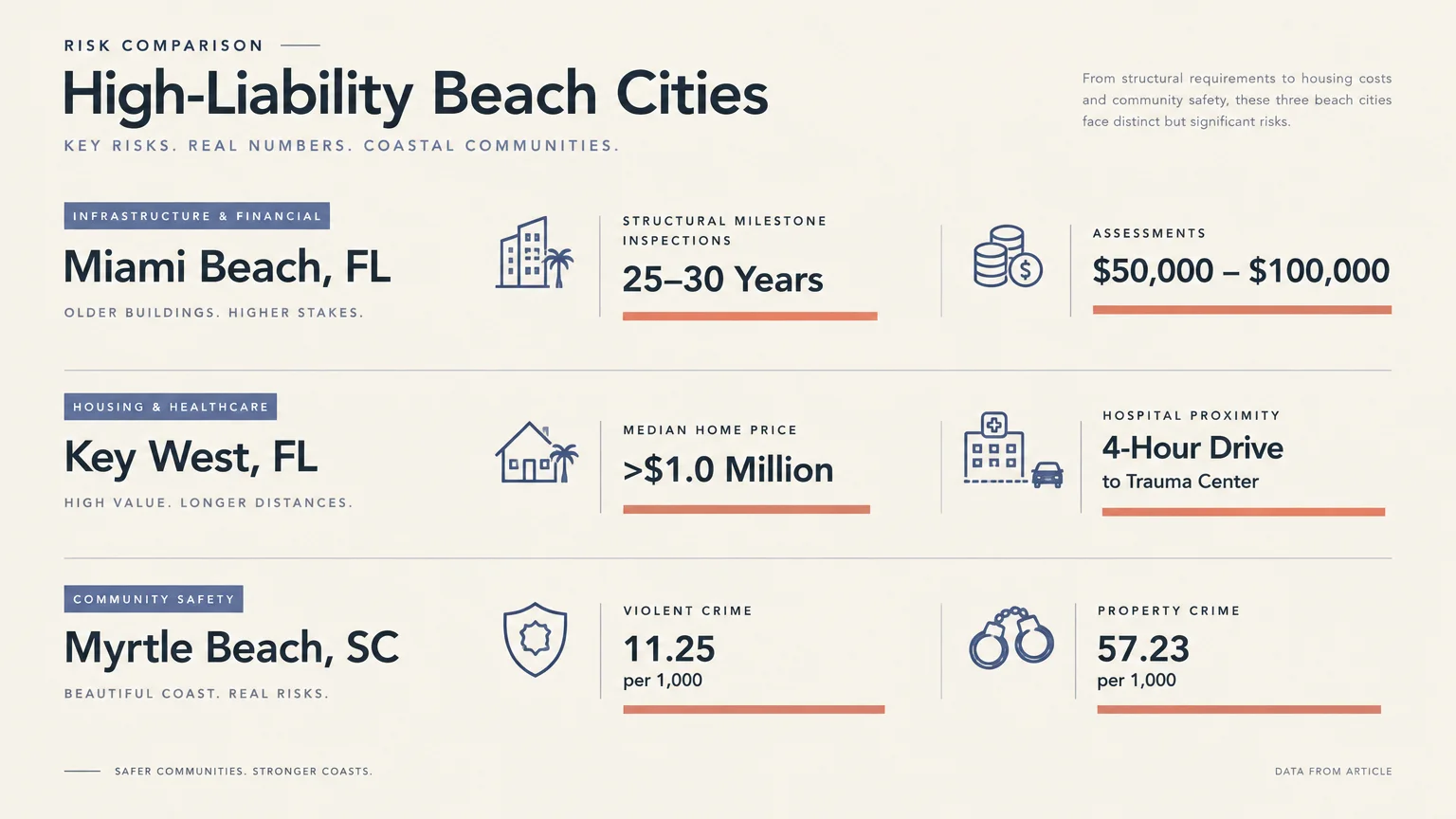
Older buyers frequently face sudden special assessments exceeding $50,000 to $100,000 per unit to fund delayed maintenance.
Combined with private insurer insolvencies and dependence on Citizens Property Insurance, recurring condo fees can decimate your retirement budget.
2. Key West, Florida
Key West offers stunning tropical scenery, but the island presents serious logistical and medical liabilities.
The median home price consistently exceeds $1.0 million, creating an exceptionally high barrier to entry.
Monroe County lacks Level 1 and Level 2 trauma centers.
Severe cardiac events, stroke treatment, and advanced oncology care require an emergency air ambulance or a four-hour drive along the Overseas Highway to mainland Miami.
Relying on a single two-lane highway creates severe risk during hurricane evacuations and emergency hospital transfers.
3. Daytona Beach, Florida
Daytona Beach appears budget-friendly on paper, but low home prices mask persistent community challenges.
The city regularly reports violent and property crime rates well above the national median.
Aging oceanfront high-rises along the shoreline face the same crushing structural reserve mandates that plague South Florida.
Additionally, annual events like Bike Week and Spring Break bring heavy crowds, noise pollution, and intense traffic that disrupt quiet senior living.
4. Myrtle Beach, South Carolina
Myrtle Beach is frequently marketed as a cheap retirement haven, but the reality on the ground tells a different story.
The city records a violent crime rate of 11.25 per 1,000 residents, alongside a staggering property crime rate of 57.23 per 1,000.
These figures far exceed the national averages for suburban and coastal retirement communities.
During peak tourism season, local roads experience severe gridlock that delays emergency response times and complicates routine trips to medical clinics.
Before moving for tax benefits, retirees should review neighborhood consumer protections through the Consumer Financial Protection Bureau (CFPB).
5. Atlantic City, New Jersey
Atlantic City lures buyers with cheap boardwalk condominiums, but the surrounding municipality faces severe fiscal distress.
New Jersey maintains the highest effective property tax rate in the country, averaging approximately 2.23% statewide.
Outside the casino resort district, Atlantic City suffers from high violent crime rates and an underfunded healthcare network.
The harsh winter climate also brings bitter coastal storms and street flooding, leaving oceanfront properties vulnerable to costly salt and wind damage.
6. Santa Monica, California
Santa Monica boasts year-round Mediterranean weather, but the fiscal environment punishes traditional retirees.
Median home prices surpass $1.5 million, while rental rates remain among the highest in the United States.
California imposes a top marginal state income tax rate of 13.3% and does not exempt private pensions or traditional IRA and 401(k) withdrawals.
Los Angeles County also levies sales taxes exceeding 9.5%, steadily chipping away at your purchasing power.
Retirees seeking sensible financial advice can explore cost-management resources at AARP.
7. Malibu, California
Malibu offers dramatic coastal bluffs, but environmental hazards make it one of the most perilous places to retire.
Median real estate prices top $3.5 million, yet property ownership provides little peace of mind.
Catastrophic wildfires, hillside mudslides, and severe coastal erosion threaten the area almost every year.
Major insurance underwriters have ceased writing new homeowners policies throughout the region, forcing owners into costly state-run FAIR plans.
Furthermore, Pacific Coast Highway is prone to frequent closures, leaving residents trapped without access to emergency services.
8. Honolulu, Hawaii
Honolulu delivers incredible natural beauty, but Hawaii consistently records the highest Cost of Living Index in the nation, scoring between 180 and 195.
Because island retailers must ship goods across the Pacific Ocean, grocery and utility expenses run 50% to 100% higher than mainland benchmarks.
Electricity rates are the highest in the country due to heavy reliance on imported petroleum.
Seniors on fixed incomes frequently find their purchasing power eroded within a few short years of relocating.
9. Lahaina and West Maui, Hawaii
The devastating wildfires in Lahaina highlighted the severe environmental and infrastructural fragilities of West Maui.
The region faces acute housing shortages and unprecedented construction costs during ongoing recovery efforts.
Property insurance premiums across the island have escalated dramatically as underwriters reassess wind and wildfire hazards.
Specialized medical care remains limited, meaning retirees must take inter-island flights to Honolulu for complex treatments.
10. Galveston, Texas
Galveston provides access to the Gulf of Mexico, but the financial mechanics of Texas coastal property often shock newcomers.
While Texas levies no state personal income tax, local property tax rates rank among the highest in the nation, averaging 1.6% to 2.1%.
Galveston property owners must also purchase windstorm insurance through the Texas Windstorm Insurance Association (TWIA), which regularly files for rate hikes.
The barrier island sits directly in the path of severe Gulf storms, requiring repeated evacuation preparations that exhaust older residents.
11. Corpus Christi, Texas
Corpus Christi features lower home sticker prices than many seaside communities, but serious environmental concerns exist.
The city houses a massive industrial ship channel and petrochemical refining corridor, causing air-quality concerns for seniors with respiratory vulnerabilities.
Like Galveston, homeowners face steep property taxes and escalating TWIA windstorm assessments.
Tidal flooding during tropical depressions frequently cuts off coastal thoroughfares, making everyday travel difficult.
12. Ocean City, Maryland
Ocean City thrives during the summer, but the resort town transforms into an isolated coastal enclave each winter.
The sharp off-season population drop causes many primary medical offices, specialty clinics, and retail pharmacies to reduce hours or close.
Harsh nor’easters bring biting winds and coastal flooding that damage ocean-facing infrastructure.
Retirees often experience profound social isolation during long, quiet winter months when seasonal neighbors depart.
13. Virginia Beach, Virginia
Virginia Beach offers long sandy shores, but persistent sea-level rise creates ongoing headaches for local homeowners.
Low-lying neighborhoods experience recurrent “sunny-day” tidal flooding that damages vehicles and blocks driveways even without rainfall.
Local real estate assessments and stormwater fees continue to climb as the city funds massive seawall and pumping projects.
Additionally, jet noise corridors surrounding Naval Air Station Oceana produce intense daily decibel levels that disrupt quiet residential life.
14. Gulf Shores, Alabama
Gulf Shores provides white sand beaches, but the northern Gulf Coast is an active landing zone for destructive tropical systems.
Frequent hurricane landfalls have driven private property insurers out of the coastal Alabama marketplace.
Homeowners must rely on costly secondary market policies and the state insurance underwriting association.
Summer tourist traffic also overburdens the few bridges connecting the barrier island to the mainland, threatening timely emergency medical evacuations.
Key Financial and Safety Metrics Compared
Evaluating coastal locations requires comparing objective data points rather than relying on vacation memories.
The table below summarizes the primary financial and logistical risks associated with notable beach towns.
| City & State | Primary Risk Factor | Tax or Insurance Hurdle | Healthcare Access Profile |
|---|---|---|---|
| Miami Beach, FL | Condo reserve mandates & special assessments | Average insurance: $8,200+ annually | Excellent urban trauma centers |
| Key West, FL | Geographic isolation & high home prices | Median home price: $1.0M+ | No Level 1/2 trauma center |
| Myrtle Beach, SC | High violent and property crime rates | Property crime: 57.2 per 1,000 | Seasonal clinic congestion |
| Atlantic City, NJ | Economic distress & local crime | Property tax rate: ~2.23% | Limited regional specialists |
| Santa Monica, CA | Extreme cost of living & home prices | Top state income tax: 13.3% | Top-tier metropolitan hospitals |
| Honolulu, HI | Shipping inflation & utility costs | Cost of living index: 180–195 | Specialized care on Oahu only |
| Galveston, TX | Hurricane risk & windstorm pools | Property tax rate: 1.6%–2.1% | Regional university medical branch |
Expert Perspectives on Relocation Risks
Financial planners repeatedly warn retirees against confusing pleasant vacation spots with sustainable residential communities.
Lifestyle costs change radically once you transition from a temporary visitor to a permanent property owner responsible for ongoing maintenance.
“You must never buy a home based solely on the scenery while ignoring the recurring costs of ownership.” — Suze Orman, Personal Finance Author
Orman’s guidance applies directly to the coastal real estate market, where carrying costs often eclipse mortgage principal payments.
You can learn more about managing retirement budgets and real estate risks through educational guides on Investopedia.
Common Mistakes to Avoid When Choosing a Beach Town
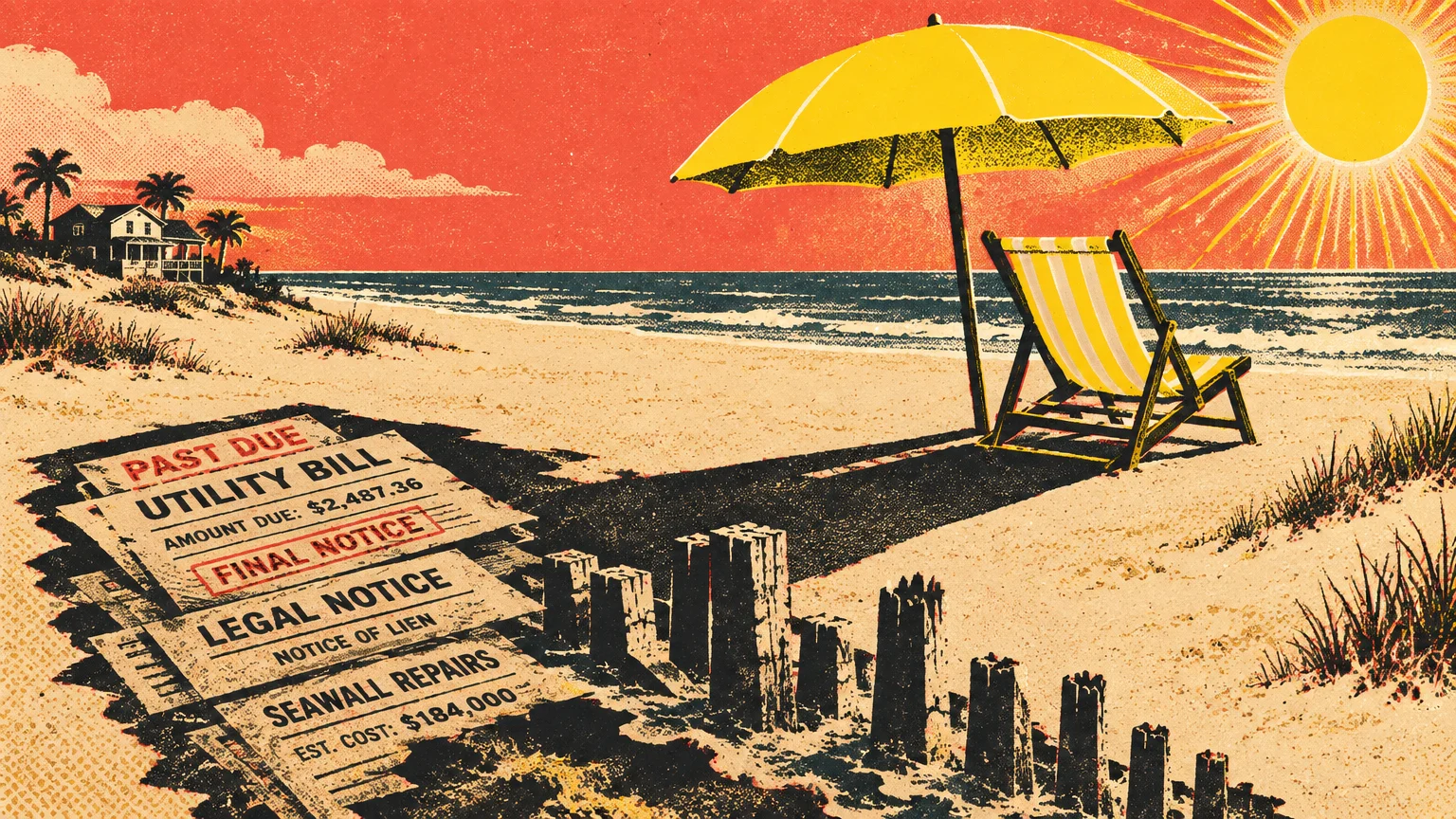
Avoiding a retirement relocation disaster requires understanding the common pitfalls that trap unsuspecting buyers.
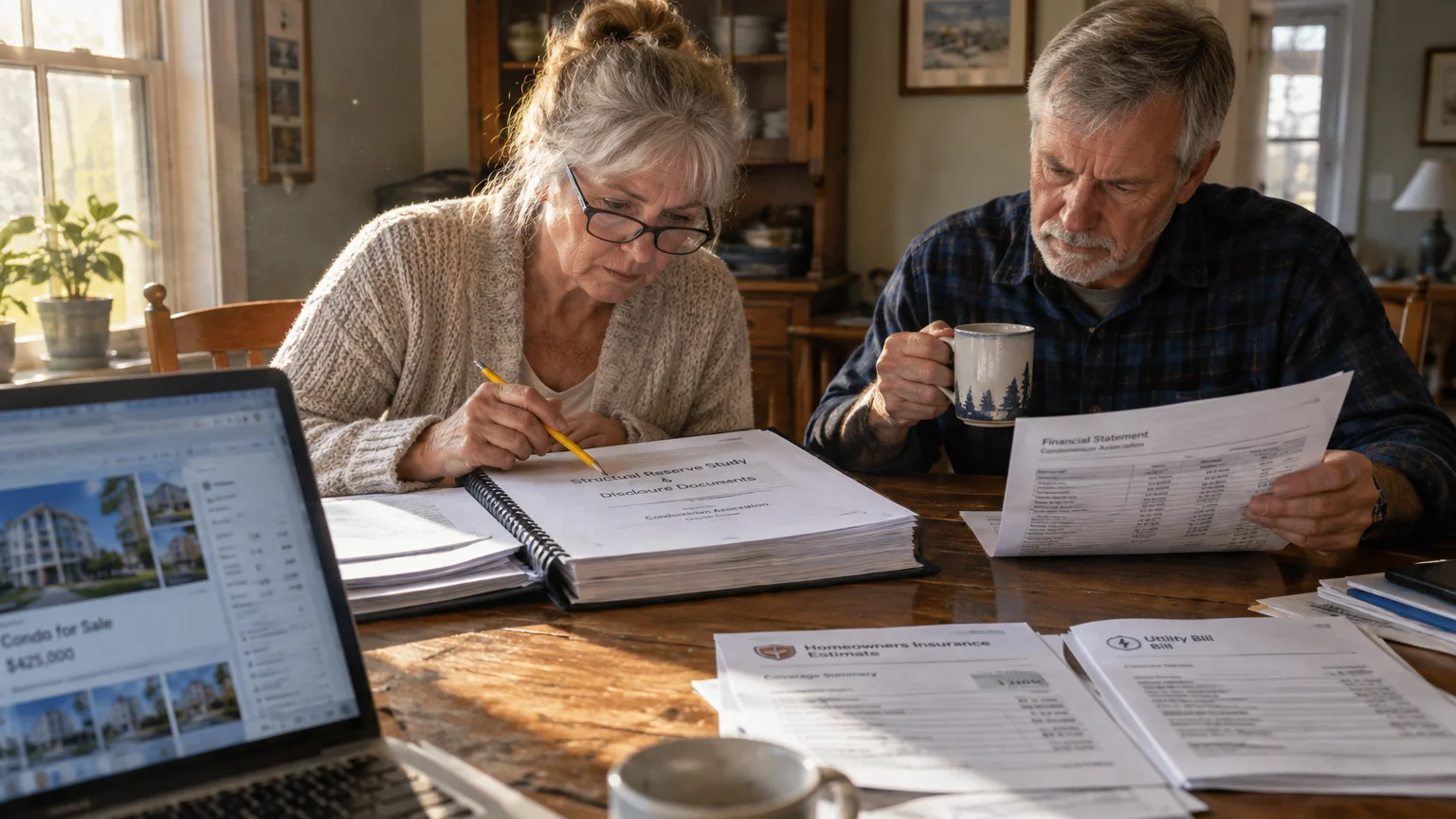
- Ignoring condo reserve funding levels: Never purchase a condominium without reviewing its Structural Integrity Reserve Study and checking for pending special assessments.
- Overlooking separate hazard policies: Standard homeowners insurance policies exclude flood and hurricane wind damage, requiring expensive standalone coverage.
- Visiting only during peak season: Spending a week in July will not reveal winter closures, off-season isolation, or cold coastal weather patterns.
- Discounting travel times to specialty hospitals: Chronic conditions require routine appointments with medical specialists who may not practice in isolated beach towns.
- Failing to account for salt-air corrosion: Coastal humidity and ocean salt accelerate wear on air-conditioning systems, roofs, and vehicles, driving up maintenance bills.
How to Vet a Coastal Community Before Buying
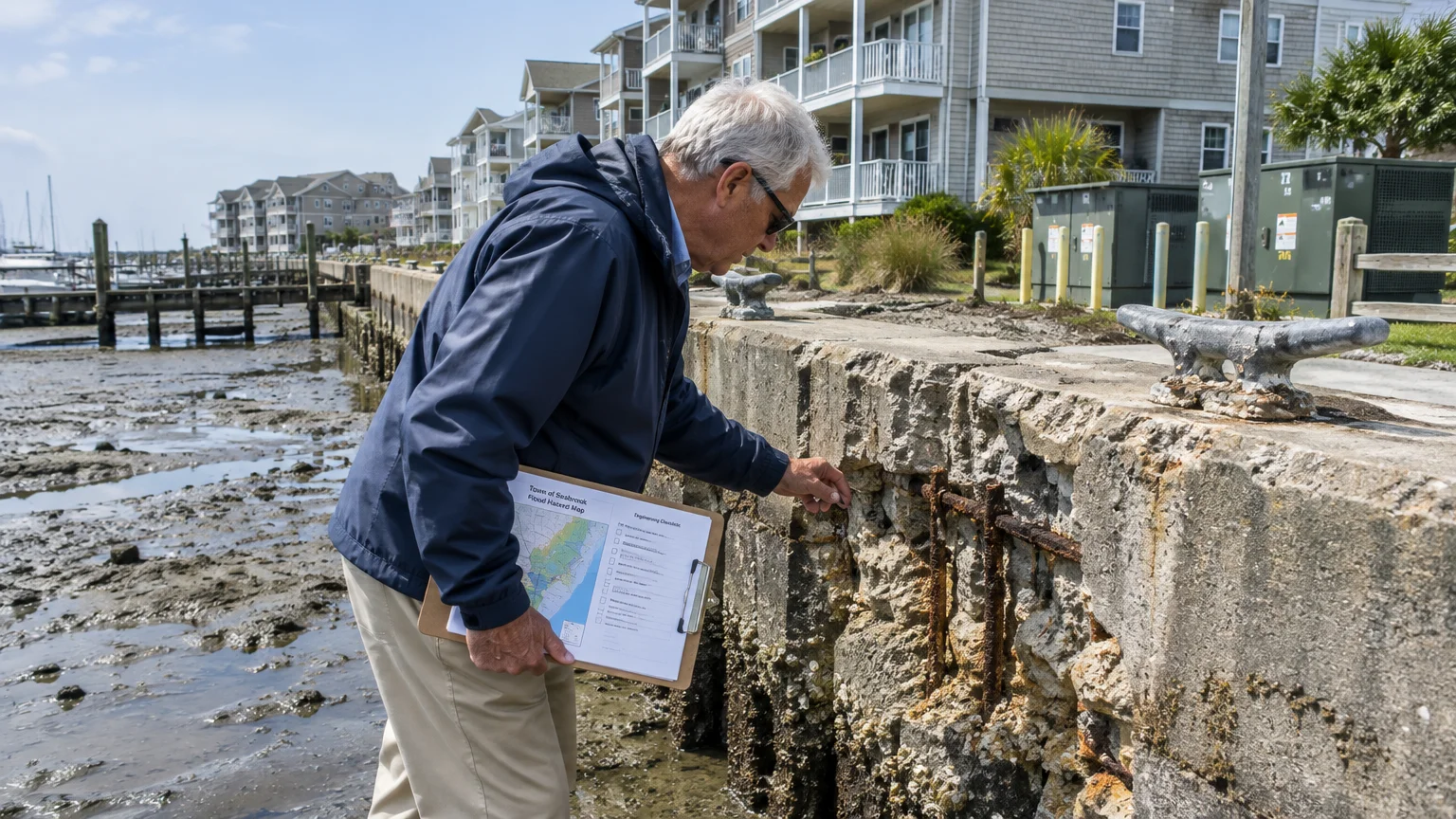
Take proactive measures to protect your savings before signing a purchase contract in any shoreline community.
Begin by renting a home for at least six to nine months across both peak and off-peak seasons.
Renting lets you experience real-world traffic patterns, noise levels, and seasonal business shutdowns without capital exposure.
Next, contact local independent insurance brokers to request realistic quotes on homeowners, windstorm, and flood insurance for specific addresses.
Review the Federal Emergency Management Agency flood maps to determine the base flood elevation of your prospective neighborhood.
Finally, visit local medical facilities during weekdays to assess wait times and emergency room capacity firsthand.
Frequently Asked Questions
Why are Florida coastal condos becoming so expensive for retirees?
Florida legislation mandates structural inspections and fully funded reserves for older condominiums, preventing boards from delaying repairs. These mandates force associations to levy massive special assessments and sharply raise monthly maintenance fees.
Does Medicare cover medical evacuation from remote beach towns?
Medicare Part B covers emergency ground and air ambulance transportation only when travel in any other vehicle endangers your health and takes you to the nearest medically appropriate facility. It does not pay for non-emergency transport or elective transfers back home.
Can a town with low home prices still be bad for retirement?
Yes. Low initial home prices often reflect poor local infrastructure, elevated crime rates, failing public services, and exorbitant wind or flood insurance premiums that make long-term residency expensive.
How can I verify a beach town’s true crime rate?
Review official municipal police department annual reports and FBI Uniform Crime Reporting statistics rather than relying solely on real estate marketing websites.
Final Considerations for Your Coastal Retirement
A rewarding coastal retirement requires balancing scenic benefits against the practical realities of your monthly budget and health needs.
By avoiding communities burdened by high crime, extreme taxation, and insurance instability, you can safeguard your nest egg and enjoy a secure retirement.
This is educational content based on general retirement planning principles. Individual results vary based on your situation. Always verify current benefit amounts, tax laws, and eligibility with official sources.
Last updated: February 2026. Retirement benefits, tax laws, and healthcare costs change frequently—verify current details with official sources.