
Moving in with adult children or extended family often promises financial relief and warm companionship, but hidden boundary strains can quickly derail your peace of mind in retirement. Recognizing the early warning signs that a shared household isn’t working gives you the power to protect both your financial independence and your family relationships before lasting resentment sets in. Over 59 million Americans live in multigenerational households today, yet many seniors find that shared living sacrifices their personal autonomy and privacy. Identifying whether daily friction stems from minor growing pains or deep systemic misalignment allows you to make clear, proactive choices about your housing future.
The Rising Reality of Multigenerational Retirement
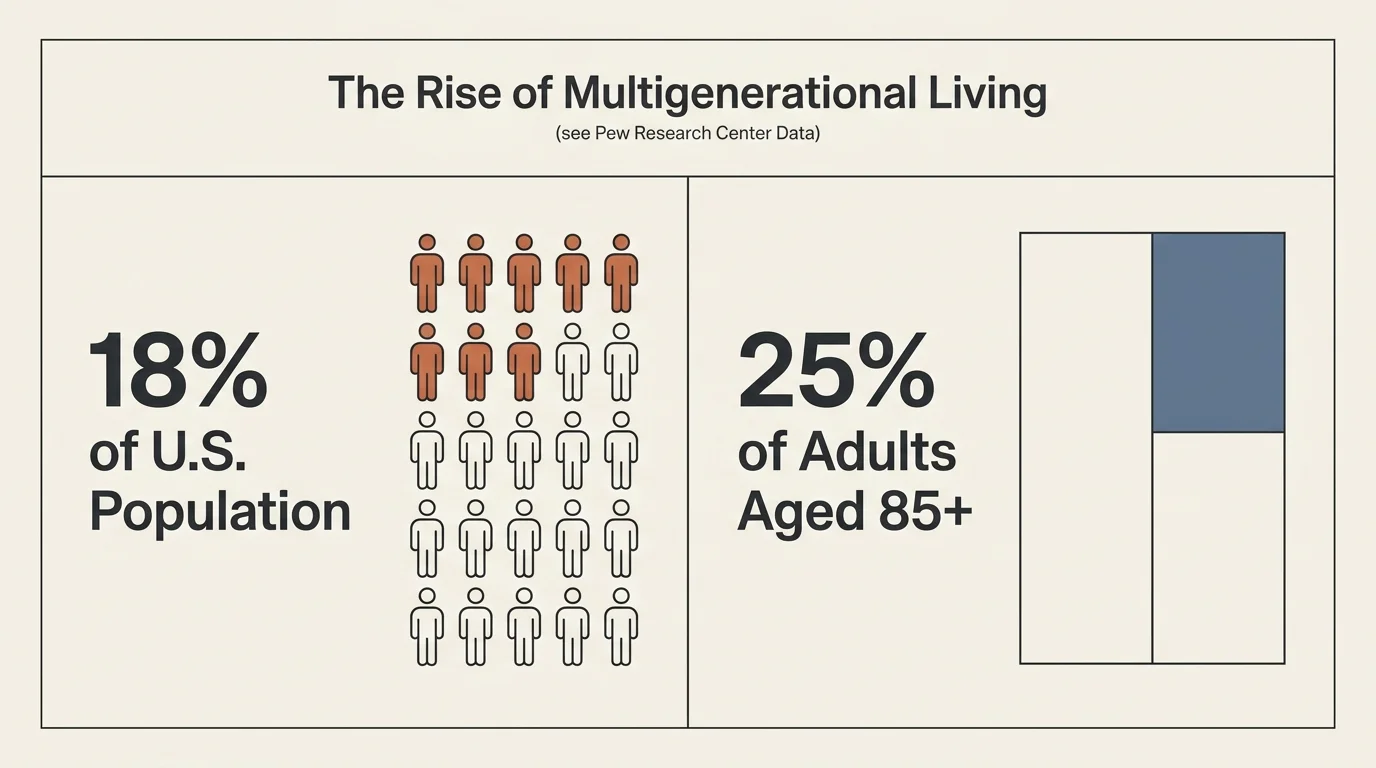
Multigenerational households have expanded significantly across the United States over the past two decades. Data from the Pew Research Center indicates that approximately 59.7 million U.S. residents—representing 18% of the total population—live in households containing two or more adult generations. For older adults, this trend is even more pronounced: roughly 25% of Americans aged 85 and older reside in multigenerational homes. Rising housing expenses, inflation, and the desire for family connection frequently motivate this choice.
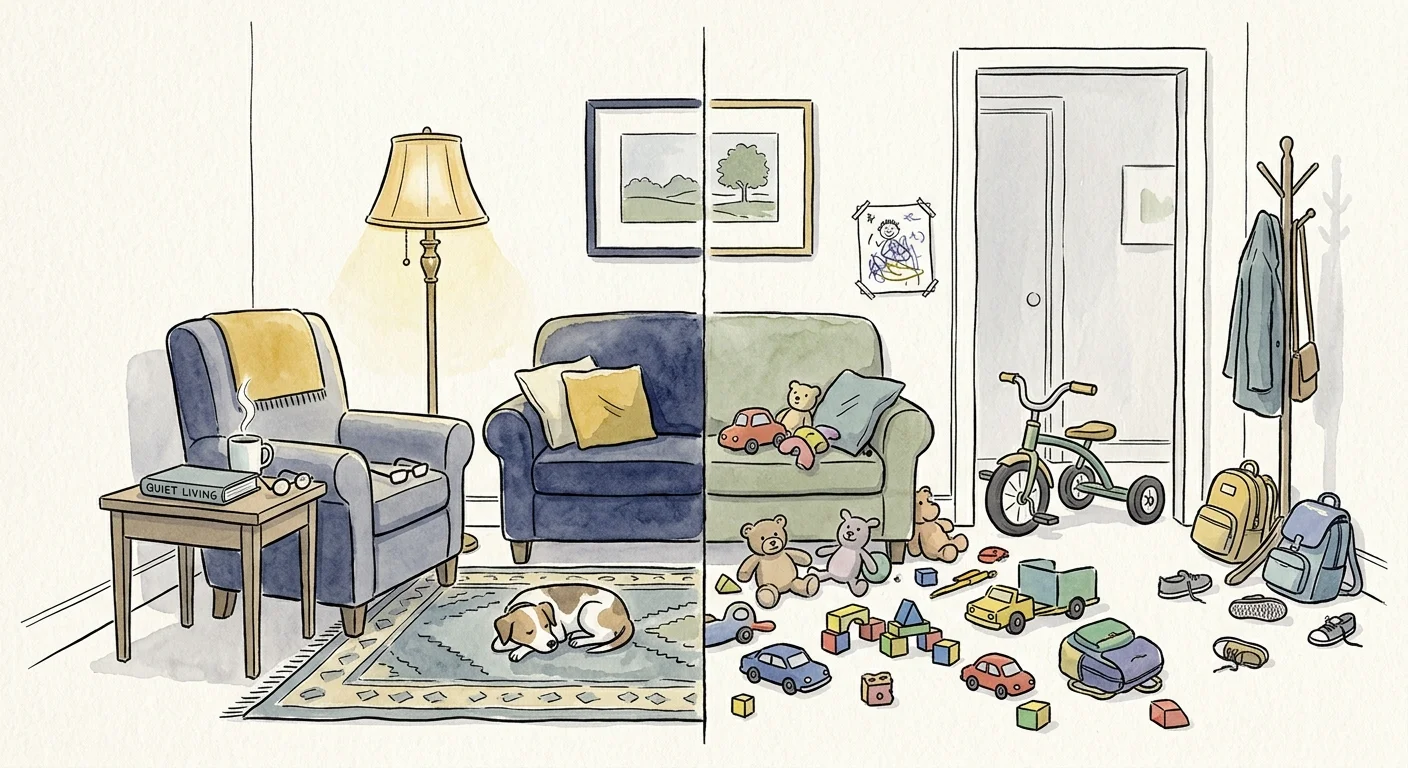
However, sharing a living space with adult children, in-laws, or grandchildren requires a delicate balance. While the arrangement offers built-in companionship and shared utility expenses, it also merges distinct adult routines, parenting philosophies, and financial habits under a single roof. When household expectations remain unspoken or boundaries begin to blur, the living arrangement can turn from a supportive sanctuary into a major source of chronic stress.
8 Signs Living With Family Isn’t Working
If you currently share a home with family members, pay attention to daily patterns and emotional shifts. The following eight warning signs indicate that your multigenerational arrangement may be harming your well-being, finances, or family relationships.
1. Your Financial Contributions Are Ambiguous or Driving Resentment
Financial friction represents one of the most common causes of household breakdown. Misunderstandings quickly arise when family members fail to establish explicit agreements regarding rent, groceries, utility bills, and unexpected home maintenance costs. You may feel that you pay far more than your fair share, effectively subsidizing your adult children’s lifestyle. Alternatively, your family might refuse your financial contributions entirely, leaving you feeling indebted or lacking a say in household decisions.
Financial clarity preserves healthy family dynamics. According to guidance from the Consumer Financial Protection Bureau (CFPB), transparent discussions and written agreements prevent financial exploitation and misunderstandings among family members.
“Clarity creates peace, while ambiguity breeds resentment, especially when mixing money with family.” — Suze Orman, Personal Finance Author
2. You Have Lost Your Personal Autonomy and Privacy
Retirement should offer you control over your personal time and daily choices. If you feel monitored regarding when you wake up, what you eat, where you travel, or how you spend your afternoons, your independence has eroded. Living in a home where you lack a private, comfortable space—such as a dedicated sitting area or private bedroom suite—forces you into constant public interaction within the household.
True personal space allows you to retreat, recharge, and entertain visitors without feeling like you need permission from primary home owners. When you consistently feel self-conscious or policed in your daily habits, the arrangement restricts your fundamental personal freedom.
3. Unpaid Caregiving and Household Labor Have Overtaken Your Schedule
Many retirees look forward to spending quality time with grandchildren. However, a major red flag appears when family members assume you serve as a full-time, unpaid babysitter, housekeeper, cook, or pet sitter. While helping out occasionally enriches family life, being drafted into regular shift work without your explicit agreement drains your energy and steals time from your personal goals.
If your daily schedule mirrors a demanding full-time job rather than a rewarding retirement, you must re-establish firm boundaries. Your time remains valuable, and family assistance must remain voluntary rather than assumed.
4. You Feel Like a Guest or a Burden in the Home
Belonging requires feeling relaxed in your environment. If you find yourself hesitating to use the kitchen, walking on eggshells around work-from-home family schedules, or constantly apologizing for occupying shared spaces, you live as a permanent guest rather than a full household member.
Feeling like an intrusion creates chronic stress. You might notice family members displaying subtle annoyance when you enter common living areas, or you may find yourself retreating to your bedroom simply to avoid causing inconvenience. Over time, this dynamic erodes self-esteem and emotional security.
5. Daily Routines and Lifestyle Clashes Are Escalating
Generational differences in sleep schedules, television volume, dining preferences, and household cleanliness frequently generate friction. Grandchildren playing loudly during late hours, teenagers hosting friends without notice, or family members staying up late while you prefer quiet evenings can disturb your rest and peace.
While minor compromises are natural in any shared living arrangement, constant clashes over basic daily routines signal a fundamental lifestyle mismatch. When you consistently sacrifice your need for quiet, order, or restful sleep to accommodate others, your physical health suffers.
6. Communication Has Become Passive-Aggressive or Nonexistent
Healthy households address disagreements through direct, polite conversation. If small disputes over chores, noise, or property maintenance degenerate into silent treatments, eye-rolling, heavy sighs, or venting to outside relatives, internal communication has failed.
Passive-aggressive behavior indicates deep emotional tension. When household members stop speaking openly about expectations, minor misunderstandings snowball into toxic resentment that damages long-term family bonds.
7. The Physical Home No Longer Meets Your Health or Mobility Needs
As health needs evolve, physical home environments must adapt. Living in a two-story home with steep stairs, narrow doorways, or unsafe bathrooms increases fall risks and restricts mobility. If adult children resist installing grab bars, ramps, or zero-step entries due to aesthetic preferences, your safety is compromised.
Data from the Administration for Community Living (ACL) highlights that home modification and accessible infrastructure remain critical components for maintaining senior health and independence. If your physical surroundings restrict your mobility or endanger your safety, the home no longer serves your needs.
8. You Have Stopped Pursuing Your Own Hobbies and Social Circle
A fulfilling retirement depends on strong social ties outside your immediate family. If living with relatives has caused you to abandon senior center activities, volunteer positions, travel, or regular outings with long-time friends, you face social isolation.
Relying exclusively on family members for your emotional and social fulfillment places excessive pressure on those relationships. If lack of transportation, geographic distance from your peers, or household duties isolate you from the broader community, moving to an independent environment could restore your active social life.
“Retirement is your opportunity to design your life on your terms, not a compromise where you lose your independence.” — Jean Chatzky, Financial Journalist and Author
Comparing Housing Alternatives and Associated Costs
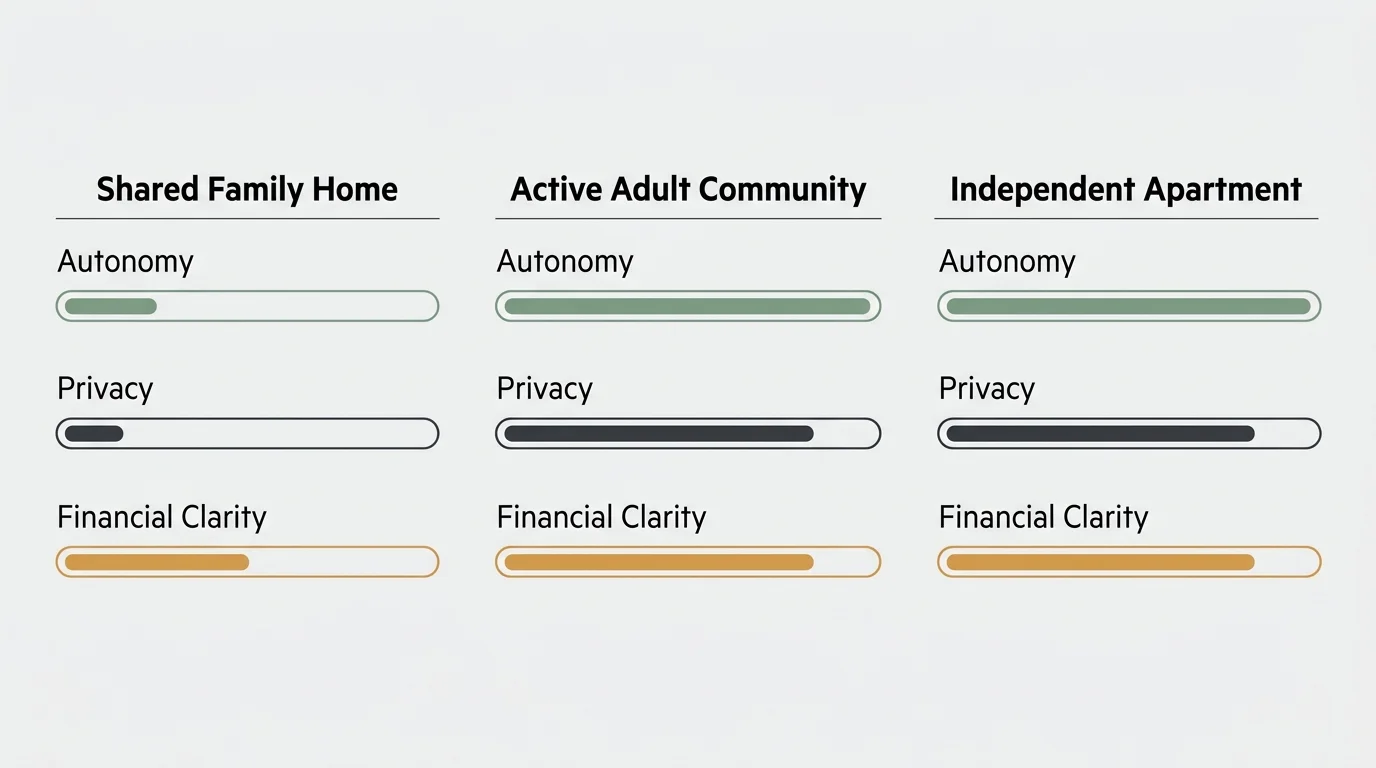
If living with family is no longer viable, evaluating alternative housing options helps you plot a practical path forward. The table below outlines standard senior housing arrangements, along with their estimated monthly costs and autonomy levels based on national market figures.
| Housing Option | Estimated Monthly Cost (2025–2026) | Level of Autonomy | Key Considerations |
|---|---|---|---|
| Independent Senior Apartments | $2,800 – $4,800 / month | High | Offers full privacy, maintenance-free living, age-restricted community socializing, and safety features. |
| Assisted Living Community | $5,900 / month (National Median) | Moderate | Includes private apartment, personal care assistance, meals, housekeeping, and group activities. Costs vary by level of care required. |
| In-Home Caregiver (Own Apartment/Home) | $35 / hour (~$3,000 – $5,600 / month part-time) | High | Allows you to rent or own your independent living space while hiring non-medical caregivers for specific daily needs. |
| Subsidized Senior Housing (HUD Section 202) | 30% of adjusted gross income | High | Designed for lower-income seniors. Waitlists are common; offers full independent apartments with reduced rental burdens. |
Cost figures reflect national averages from recent industry surveys, including the Genworth Cost of Care report. To explore federal and state housing assistance options tailored to seniors, consult the official resources provided by the U.S. Department of Housing and Urban Development (HUD).

Pitfalls to Watch For When Navigating Household Transitions
Moving out of a family home requires diplomatic communication and financial caution. Avoid these common mistakes during the transition process:
- Making Unplanned Financial Commitments: Do not spend large sums funding structural renovations on your child’s home unless you hold a formal contract or legal life estate. If the living arrangement fails, recovering those funds proves extremely difficult.
- Delaying Conversations Due to Guilt: Remaining in an unhealthy living situation out of guilt or fear of disappointing family members damages your mental health and worsens household resentment.
- Ignoring Long-Term Medicaid and Healthcare Rules: Transferring assets or gifting large amounts of cash to adult children as “rent payment” without documented lease agreements can trigger penalty periods for Medicaid long-term care eligibility later.
- Waiting for an Emergency Crisis: Planning a relocation proactively allows you to choose your housing preference calmly rather than making rushed decisions after a fall or emotional breakdown.

Getting Expert Help to Transition Smoothly
You do not need to navigate complex family housing transitions alone. Professional specialists offer objective guidance and structural solutions tailored to your situation.
Consider seeking assistance in the following scenarios:
- Family Communication Breakdown: Hire an eldercare mediator or family counselor. These neutral professionals facilitate productive, non-confrontational meetings to establish boundaries, financial terms, or exit plans.
- Finding Affordable Senior Housing: Contact a HUD-certified housing counselor or reach out to your local Area Agency on Aging through the National Council on Aging (NCOA) to evaluate local income-qualified options and waitlists.
- Financial Structuring and Asset Protection: Consult a Fee-Only Certified Financial Planner (CFP) to ensure that paying for independent housing or assisted living will not prematurely deplete your retirement accounts.
- Assessing Physical Safety Needs: Request a home safety and functional assessment from a licensed Occupational Therapist or Aging-in-Place Specialist via Medicare to identify necessary safety accommodations.
Frequently Asked Questions
How do I tell my adult children I want to move out without hurting their feelings?
Frame the conversation around your personal goals and desire for autonomy rather than criticizing their home or lifestyle. Express genuine gratitude for their support, and emphasize that living independently will strengthen your long-term family relationship by removing daily household friction.
What should I do if living with family is draining my retirement funds?
Schedule a formal sit-down meeting to review household costs. Create a transparent budget outlining clear, fixed contribution limits based on current rental market rates. If expenses remain unsustainable, consult a financial planner to review affordable alternative living arrangements immediately.
Can living with family affect my eligibility for Medicaid or government benefits?
Yes. If you pay informal cash payments to family members without a formal, written rental contract, state Medicaid agencies may treat those transfers as uncompensated gifts during the 5-year look-back period. Always draft formal written agreements when paying rent to relatives.
What is the most affordable alternative if private independent living is out of budget?
Explore subsidized senior housing programs, such as HUD Section 202 developments, which cap rent payments at 30% of your adjusted gross income. Additionally, shared senior housing developments or living with a same-age peer roommate can dramatically cut living expenses while preserving independent lifestyle choices.
Taking Control of Your Retirement Living Arrangement
A successful retirement requires an environment that protects your physical safety, financial security, and personal dignity. While living with family offers many genuine benefits, recognizing when an arrangement has run its course allows you to make necessary adjustments before relationships suffer permanent damage.
Take time to assess your living situation objectively. Reach out to local senior resources, review your retirement budget, and engage in open, direct conversations with your family. Choosing an independent living path that respects your personal boundaries ensures that your retirement years remain rewarding, comfortable, and autonomous.
This is educational content based on general retirement planning principles. Individual results vary based on your situation. Always verify current benefit amounts, tax laws, and eligibility with official sources.
Last updated: February 2026. Retirement benefits, tax laws, and healthcare costs change frequently—verify current details with official sources.