
Transitioning into retirement shifts your daily social routines, yet connecting with like-minded peers has never been easier or more accessible online. Research from the Pew Research Center (2024) shows that 90% of U.S. adults aged 65 and older now actively use the internet, creating vibrant online spaces where retirees build genuine friendships across shared hobbies, travel interests, and local meetups. Navigating digital communities allows you to rediscover old passions and meet companionable peers right from your home. This guide highlights nine safe, engaging, and welcoming online communities tailored specifically for retirees looking to expand their social circles, share experiences, and foster meaningful connections in this new chapter of life.
Why Social Connection Matters More Than Ever in Retirement
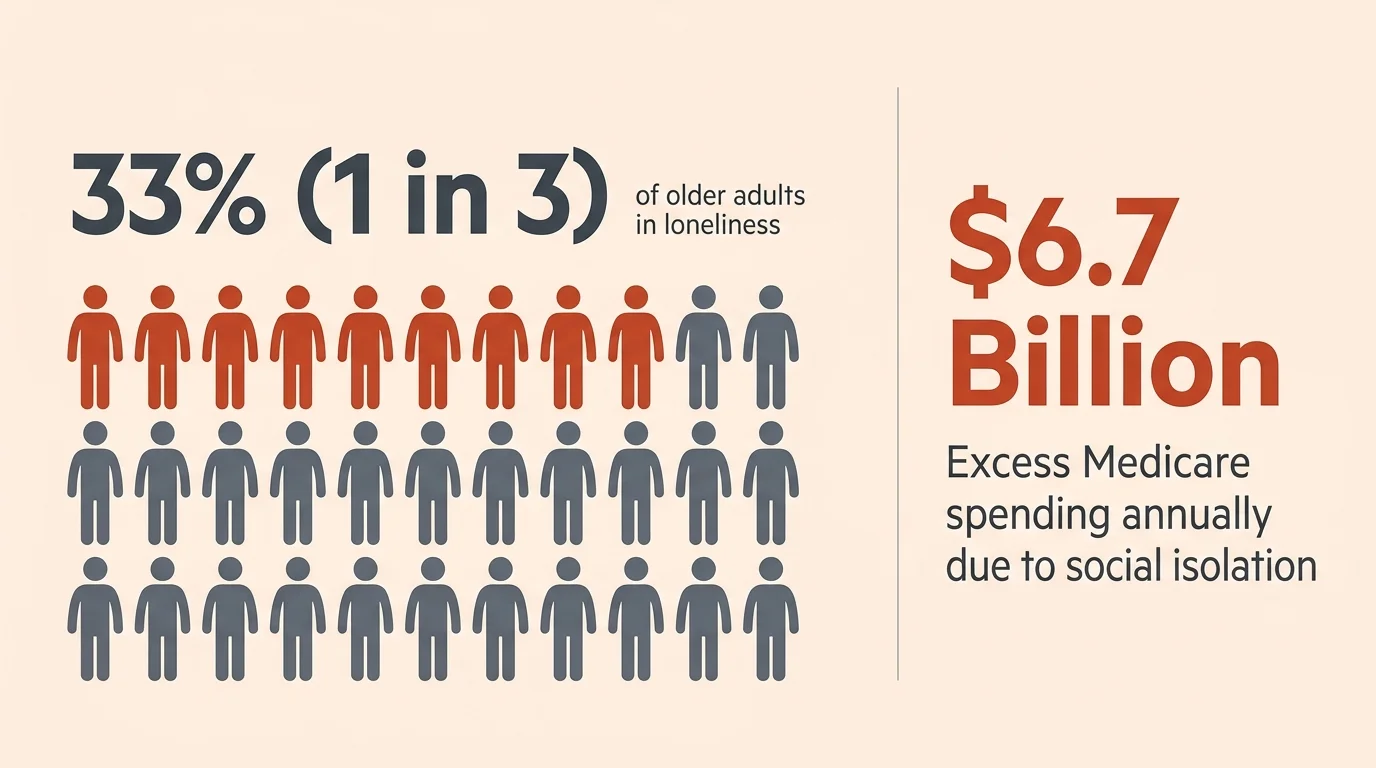
Leaving the workplace offers liberation from rigid schedules, but it also removes an automatic source of daily human interaction. Maintaining strong personal relationships directly impacts your physical health, cognitive sharpness, and emotional well-being. According to the U.S. Surgeon General’s Advisory (2023) and data from the University of Michigan National Poll on Healthy Aging (2024), roughly 33%—or one in three—older adults experience regular feelings of loneliness and isolation. Furthermore, research compiled by the Administration for Community Living (ACL) indicates that social isolation among older Americans contributes to an estimated $6.7 billion in excess Medicare spending annually, driven largely by increased rates of chronic stress, heart conditions, and depression.
Fortunately, modern technology offers accessible tools to bridge this gap. The AARP Tech Trends (2025) report highlights that 91% of adults aged 50 and older now own a smartphone, making digital interaction more seamless than ever before. Whether you want to discuss literary classics, find a hiking partner, or trade travel tips, virtual spaces allow you to connect with people who share your specific interests regardless of geographic boundaries.
“Investing in your social network is just as vital as managing your financial portfolio because a rich retirement requires both capital and connection.” — Jean Chatzky, Financial Journalist and Author
1. Stitch: A Secure Social Network Built Exclusively for Adults 50+
Stitch (stitch.net) stands out as a peer-to-peer social network designed specifically for mature adults seeking friendship, travel companions, and interest-based gatherings. Unlike traditional dating platforms, Stitch prioritizes companionship and community building, welcoming both single individuals and married couples who simply want to expand their social networks.
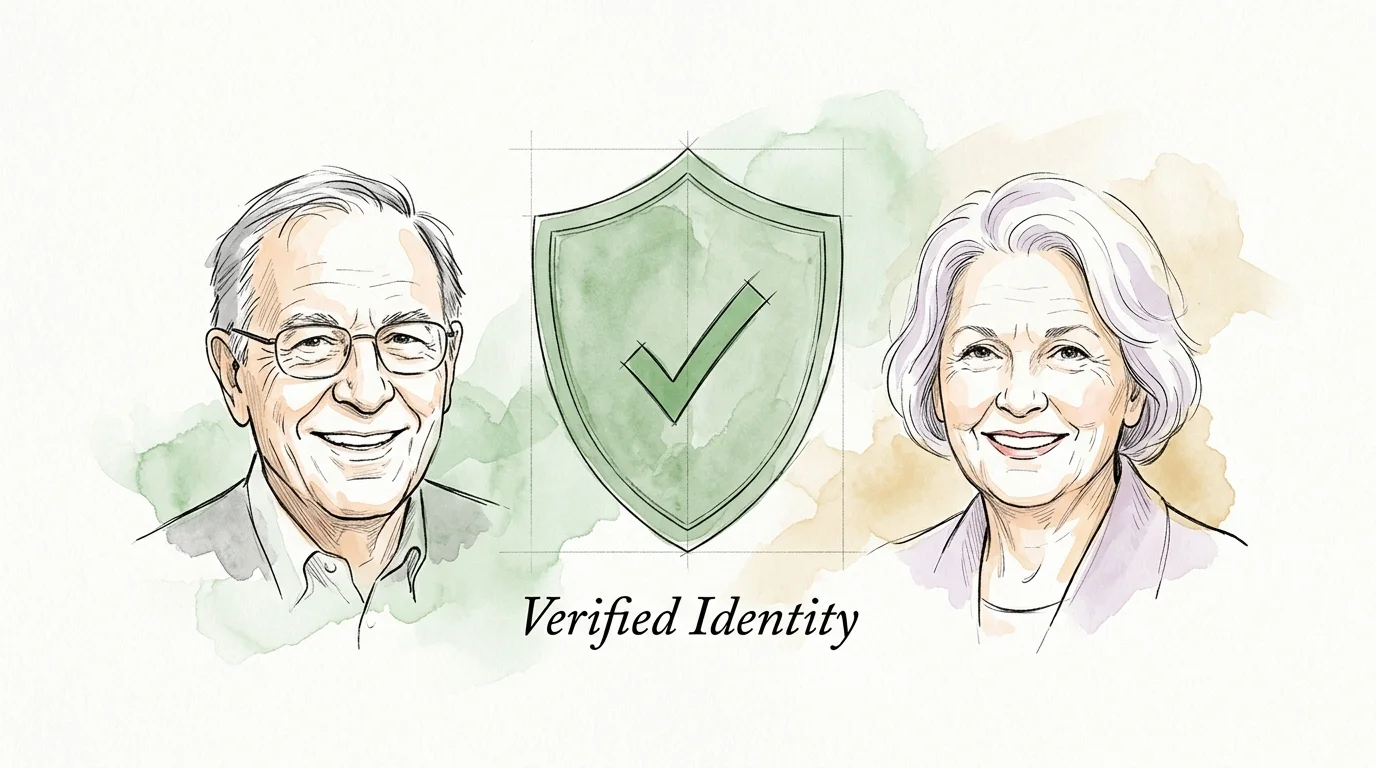
Safety forms the core of the Stitch framework. The platform mandates identity verification for every member, which significantly reduces the presence of fake profiles or online scammers. Once verified, you can participate in online discussion boards, attend virtual events, or organize face-to-face meetups in your local community.
Stitch operates under a freemium pricing structure. The free “Limited” membership allows you to browse public forums and participate in basic community discussions. If you wish to organize your own events, private-message other members, or access unlimited group activities, Stitch offers a paid “Full” membership subscription tier. For retirees seeking a monitored environment with robust identity checks, Stitch provides peace of mind alongside rich social opportunities.

2. Senior Planet from AARP: Learning, Fitness, and Tech-Driven Connection
Operated by Older Adults Technology Services (OATS) from AARP, Senior Planet focuses on empowering adults aged 60 and older through digital literacy, wellness classes, and social engagement. If you enjoy interactive group learning and shared personal development, this platform offers an ideal environment.
Senior Planet hosts dozens of live, interactive Zoom sessions every week—all free of charge. You can take morning exercise classes, participate in technology workshops, discuss current events, or join specialized interest clubs centered on creative writing and photography. These live classes act as natural conversation starters, allowing participants to chat before and after sessions.
The platform also features an online social space called Senior Planet Community. This member platform allows you to create a personal profile, post updates, start discussion threads, and direct-message fellow participants who share your goals. Because all programming is free, Senior Planet represents one of the most accessible starting points for digital friendship.

3. AARP Online Community: Broad Discussion Forums for Every Interest
You do not need a paid membership to take advantage of the broad social network offered by AARP. While a standard paid AARP membership costs $16 per year (often discounted to $12–$15 annually through multi-year or auto-renew promotions), access to the AARP Online Community forums remains entirely free and open to the public.
The AARP Online Community functions as an expansive message board divided into tailored interest hubs. Popular discussion categories include:
- Travel & Leisure: Swap itineraries, find travel buddies, and get honest reviews on senior-friendly destinations.
- Hobbies & Crafts: Share gardening photos, exchange recipes, showcase woodworking projects, and discuss needlework.
- Life After Work: Discuss the psychological adjustments of leaving a career, managing free time, and establishing new daily routines.
- Caregiving & Family: Find compassionate peer support from fellow retirees navigating grand-parenting or caring for elderly parents.
Because millions of visitors browse these message boards, you can easily post a question or comment and receive thoughtful responses from peers across the country within hours.

4. Reddit Retiree Communities: Organic Peer-to-Peer Discussions
While younger generations initially popularized Reddit, the platform hosts several thriving, mature communities moderated by and for older adults. Reddit operates around topic-specific message boards known as “subreddits.” You can join discussions anonymously, making it a comfortable space to ask candid questions about lifestyle changes, personal finance, or health.
Key subreddits for retirees include:
- r/retirement: A well-moderated hub focused on the practical, emotional, and social aspects of retirement living.
- r/AskSeniorCitizens: A warm community where older adults exchange life lessons, historical memories, and personal anecdotes.
- r/Seniors: A general discussion space for older adults to converse about daily life, hobbies, and staying active.
Reddit costs nothing to use. You can read discussions freely without an account, or create a free profile to comment, share photos, and send direct messages to individual members with whom you hit it off.
5. Meetup: Bridging Virtual Interest Groups with Local Senior Gatherings
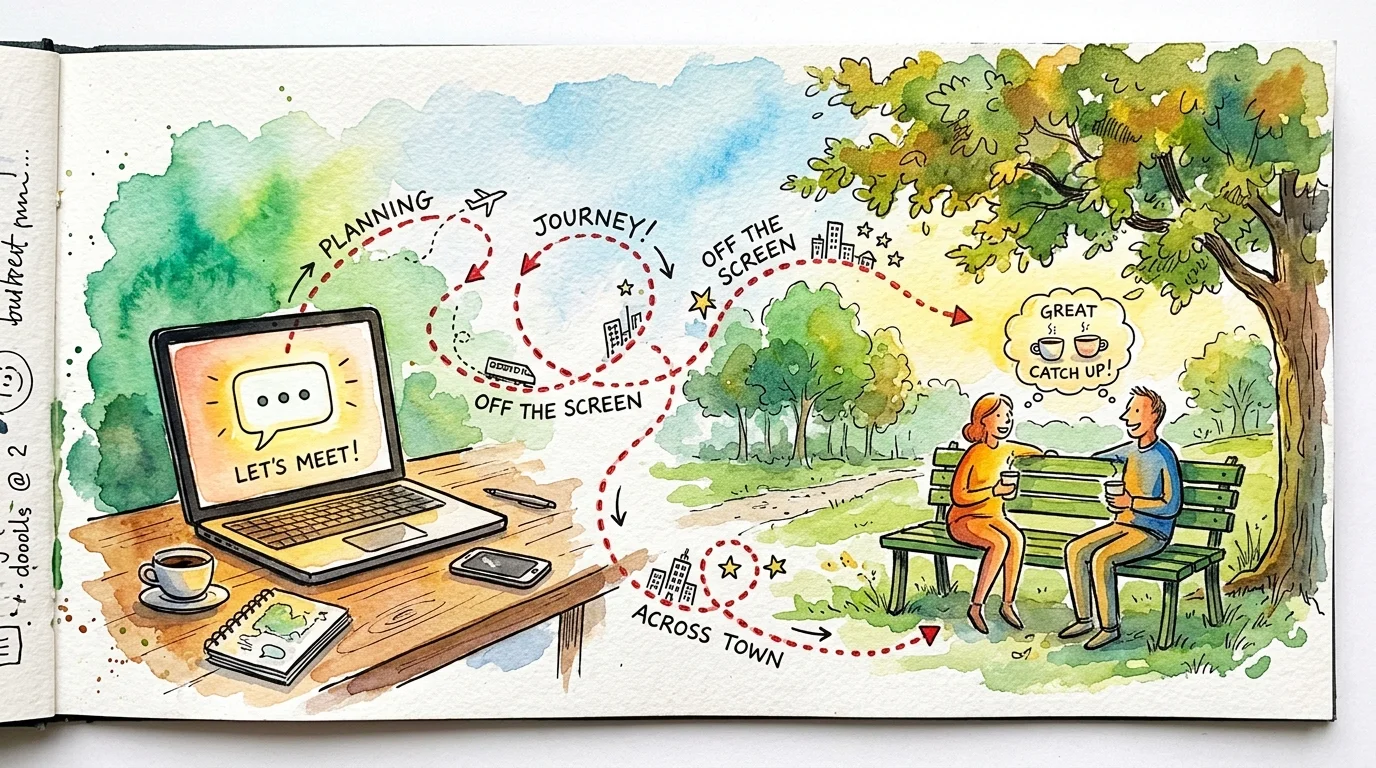
If your primary goal involves turning digital acquaintances into local, in-person friends, Meetup is an indispensable resource. Meetup hosts thousands of organizer-led groups based around geography and specific interests, ranging from walking clubs to foreign language conversation circles.
You can use search filters to locate groups specifically tagged for “Seniors,” “Over 50s,” or “Active Retirees” in your ZIP code. Many groups host virtual Zoom discussions alongside local face-to-face meetups—such as coffee socials, museum tours, or board game nights. Participating in a group’s online message board before attending an in-person gathering helps ease social anxiety and establishes familiarity before you walk into a room of new faces.

6. Road Scholar Discussion Groups & Alumni Clubs: Connection for Lifelong Learners
For retirees with a passion for educational travel and exploration, Road Scholar offers an exceptional social ecosystem. Known for educational tours tailored to older adults, Road Scholar maintains vibrant online discussion boards and virtual lectures where participants gather year-round.
Through the Road Scholar message boards, prospective travelers connect before departure dates to introduce themselves, arrange pre-trip dinners, or coordinate room shares. After trips end, participants stay in touch through online alumni groups, sharing photos and planning future journeys together. Even if you aren’t currently booked on a trip, participating in their free virtual lectures and travel forums provides direct access to curious, adventurous peers who value lifelong learning.

7. Virtual Book Clubs and Literary Communities
If you love reading, joining a virtual book club offers a structured, engaging way to make fast friends. Web-based literary communities like Goodreads and Reader’s Circle allow you to join or create niche online reading groups dedicated to historical fiction, biographies, mysteries, or non-fiction history.
Many virtual book clubs hold monthly video discussions via Zoom or Skype, allowing you to converse face-to-face from your living room. Discussing themes, characters, and plot twists naturally encourages participants to share personal experiences, quickly turning literary debates into genuine personal connections.
8. Specialized Facebook Groups for Active Seniors
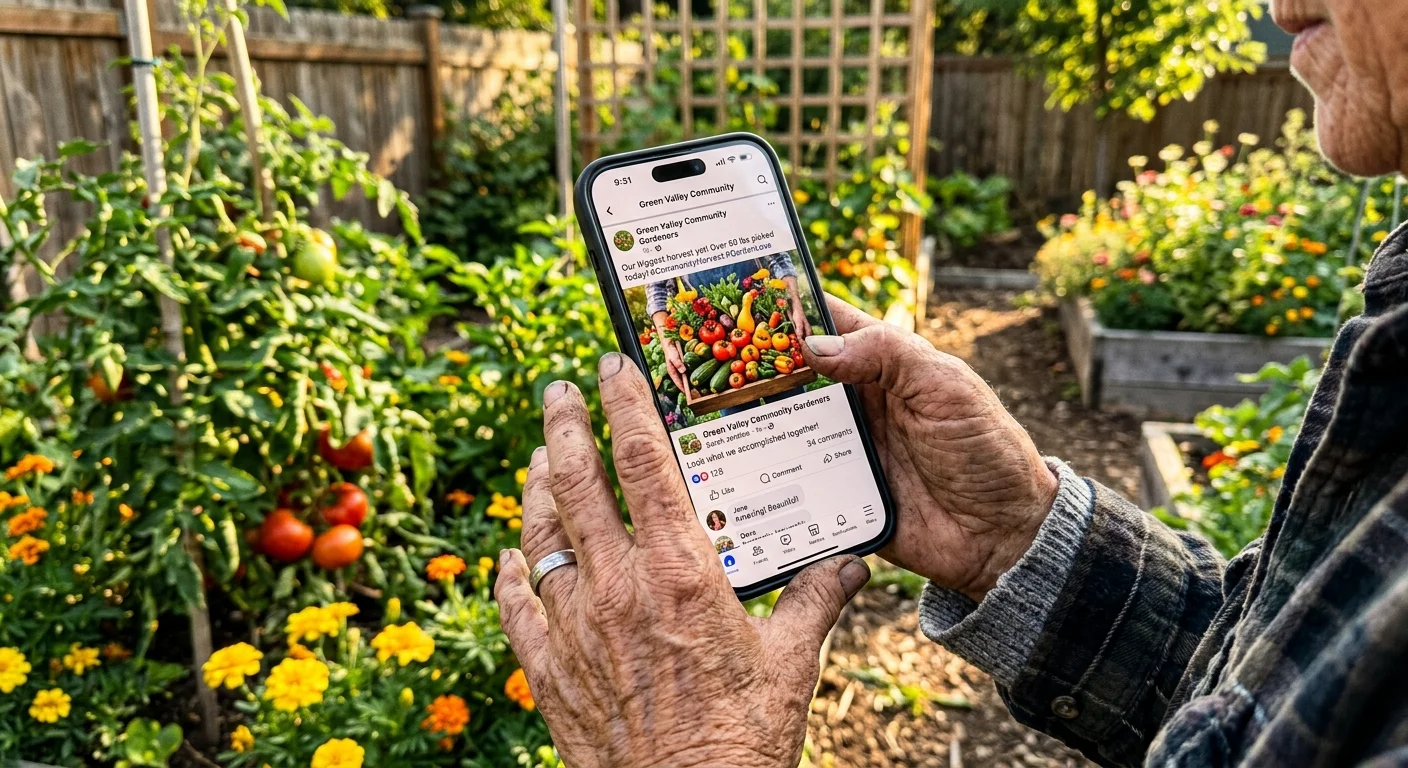
Facebook remains one of the most widely used social media platforms among older demographics, making its specialized “Facebook Groups” feature a hotbed for retiree social activity. Unlike public status updates, private Facebook groups require an admin’s approval to join, creating a moderated environment for discussions.
Search Facebook’s group directory using targeted phrases based on your lifestyle, such as “Solo Retirees,” “Senior RV Travelers,” “Grandparents Raising Grandkids,” or “Gardening Over 60.” Many of these groups boast thousands of active members who offer advice, post daily photos, and organize regional lunch meetups. To keep your experience positive, select groups with active moderators who enforce clear rules against spam, political hostility, and disrespectful behavior.
9. Volunteer Networks and Purpose-Driven Groups
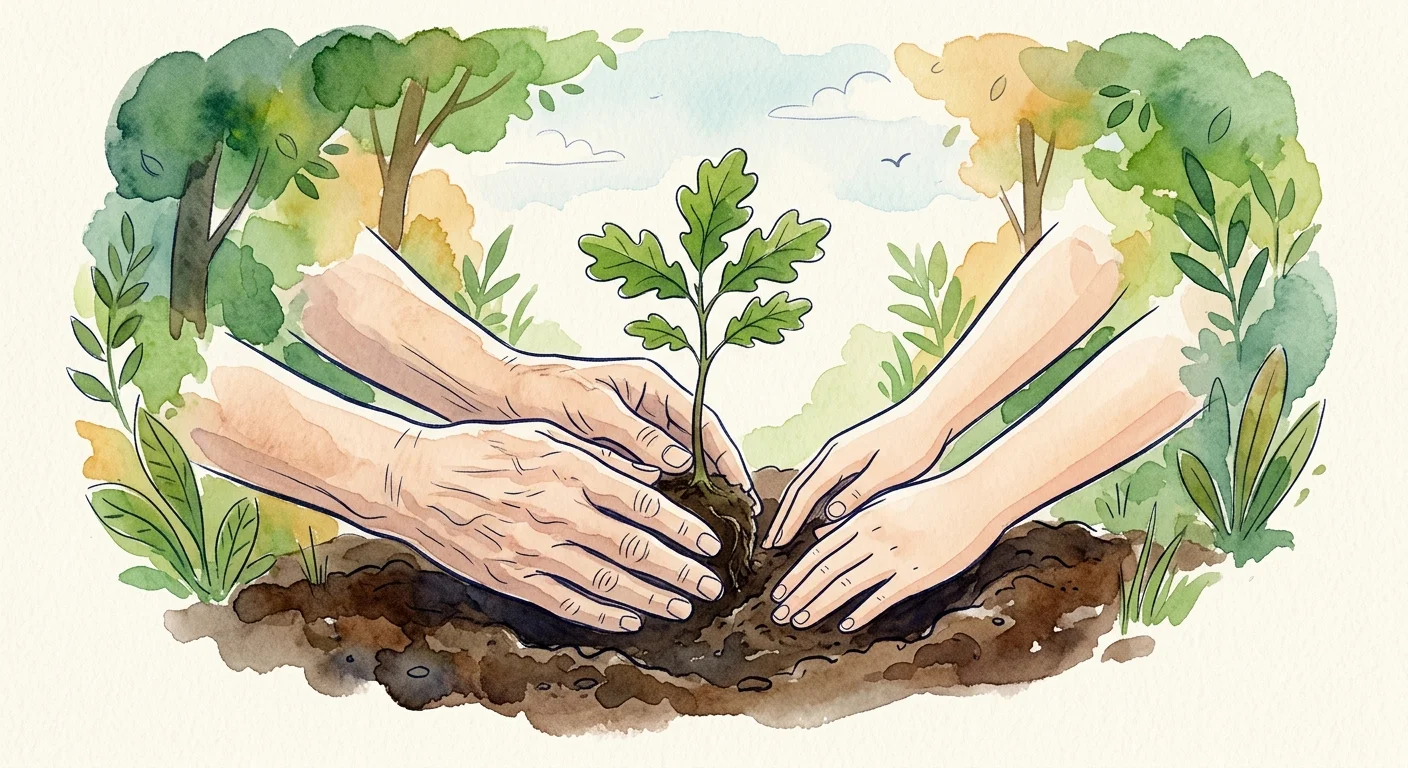
Forming friendships through shared values and volunteer service often produces some of the most enduring bonds. Digital platforms like VolunteerMatch and AARP’s Create the Good connect you with non-profit organizations seeking virtual and local volunteer help.
Resourceful organizations like the National Council on Aging (NCOA) highlight that volunteer work in retirement improves psychological well-being while fostering community ties. Through virtual volunteering, you might mentor college students online, tutor non-native English speakers, provide peer support for fellow seniors, or assist non-profits with administrative tasks. Collaborating on a meaningful cause alongside other volunteers creates an automatic sense of teamwork, trust, and shared purpose.
Comparing the Top Online Retiree Communities
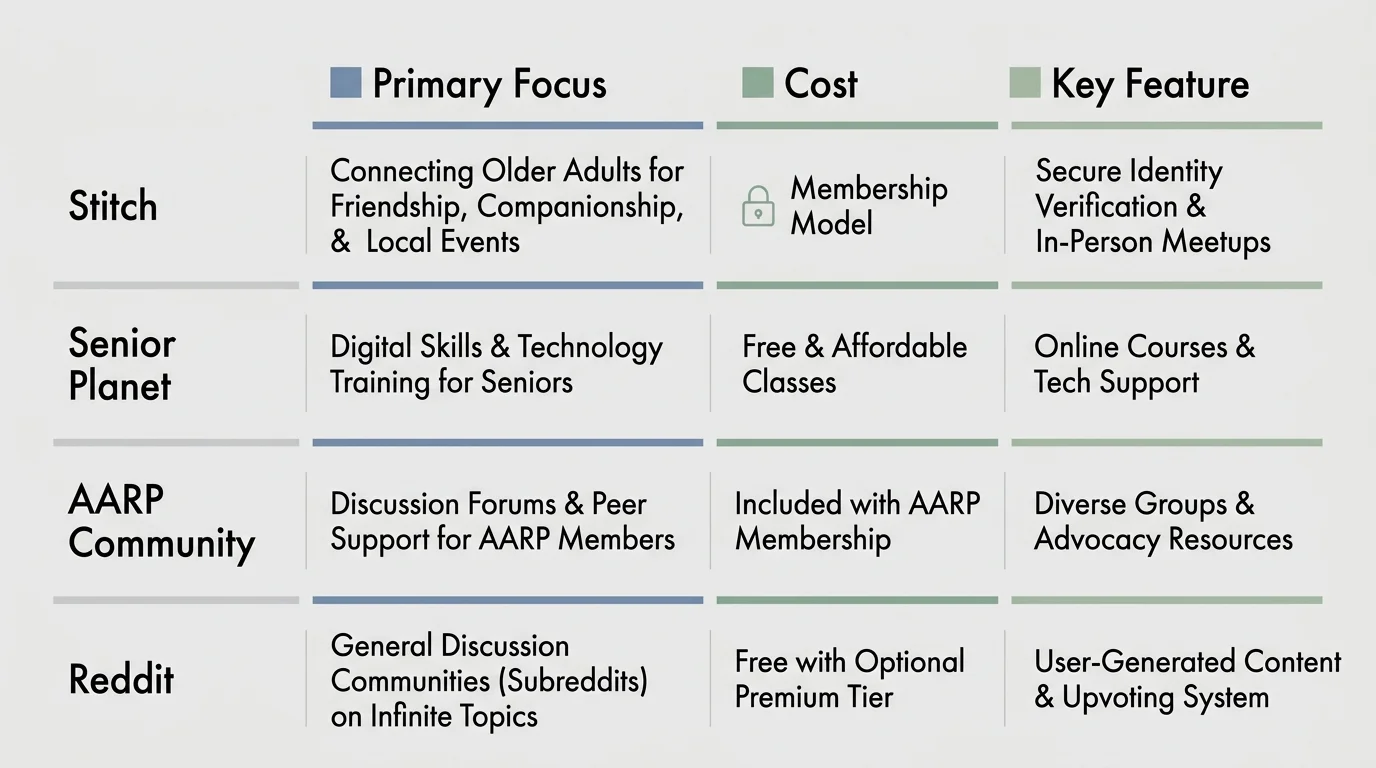
To help you decide which digital platform fits your personal comfort level and social goals, review the summary comparison below:
| Community Platform | Target Demographic | Primary Focus | Cost & Access Structure |
|---|---|---|---|
| Stitch | Adults 50+ | Companionship, interest groups, verified meetups | Freemium (Free basic limited access; paid full subscription) |
| Senior Planet | Adults 60+ | Interactive Zoom classes, tech training, wellness | 100% Free |
| AARP Community Forums | Adults 50+ | Broad topic discussions, hobbies, caregiving | Free forum access (No paid membership required) |
| Reddit (r/retirement) | All retirees & pre-retirees | Anonymous peer-to-peer advice and lifestyle discussion | 100% Free |
| Meetup | All ages (filters for 50+/60+) | Connecting online groups to local in-person events | Free for members (Group organizers pay fees) |
| Road Scholar Forums | Lifelong learners 50+ | Educational travel, virtual lectures, travel buddies | Free forums; paid travel programs |
| Goodreads Groups | Book enthusiasts of all ages | Virtual book clubs, literary discussion threads | 100% Free |
| Facebook Private Groups | All ages (filters for seniors) | Niche hobby networking and active lifestyle groups | Free (Requires a Facebook account) |
| VolunteerMatch | Purpose-driven individuals | Virtual volunteering, mentoring, civic service | 100% Free |
How to Stay Safe and Build Genuine Friendships Online
While exploring senior online communities opens up rewarding social avenues, maintaining digital safety is essential. Practicing good digital security protects your privacy and financial security while ensuring your online social interactions stay positive.
Keep these practical safety rules in mind whenever you join a new online group:
- Protect Sensitive Personal Data: Never share your home address, financial details, Social Security number, or specific daily routines on public message boards.
- Keep Financial Transactions Off Platforms: Legitimate friends made in online communities will not ask you for money, gift cards, or wire transfers. If anyone requests financial help, report their profile immediately to group administrators.
- Verify Identities Before Meeting In Person: If you plan to meet an online acquaintance offline, schedule a quick video call first via Zoom, FaceTime, or Skype to confirm their identity. Always choose a bright, public location—such as a coffee shop or community center—for your initial face-to-face meeting.
- Use Strong, Unique Passwords: Protect your user accounts by using distinct passwords for each community site, and enable two-factor authentication whenever available.
- Pace Your Interactions Naturally: Building deep friendships takes time. Engage consistently in forum threads, contribute positive commentary, and let mutual trust develop organically over several weeks before sharing personal contact details.
Frequently Asked Questions About Senior Online Communities
Are online senior communities safe for beginners who aren’t tech-savvy?
Yes, many senior-focused platforms—especially Senior Planet from AARP—are explicitly designed for individuals with varying levels of tech experience. Platforms like Senior Planet offer step-by-step technical guides and live phone support to help you learn how to navigate video calls and discussion boards safely.
Do I need to pay money to join high-quality retiree social groups?
In most cases, no. Excellent platforms like Senior Planet, AARP Discussion Boards, Reddit, Goodreads, and VolunteerMatch are entirely free to use. While platforms like Stitch offer paid upgrades for expanded features, you can easily build a rich digital social life relying entirely on free, vetted communities.
How can I transition an online friendship into an offline relationship?
Start by participating in group activities or shared video chats first. If you discover a member who lives in your general geographic area, suggest attending a structured public event together, such as a local lecture, museum exhibit, or Meetup group gathering. Keeping the first few outings in public, group settings ensures comfort and safety for both parties.
Next Steps for Expanding Your Social Horizons
Retirement offers a remarkable opportunity to redefine your weekly routines, explore forgotten hobbies, and cultivate meaningful friendships with peers across the globe. You do not need to join every platform at once; choose one or two options from this list that align with your core interests. Whether you enroll in a free online class at Senior Planet, introduce yourself on the AARP travel boards, or join a local Meetup group, taking that first digital step can open the door to a connected, fulfilling retirement chapter.
The information in this guide is meant for educational purposes. Your specific circumstances—including income, savings, health coverage, and goals—may require different approaches. When in doubt, consult a licensed professional.
Last updated: February 2026. Retirement benefits, tax laws, and healthcare costs change frequently—verify current details with official sources.