
If you’ve seen headlines about a $5,000 “Trump dividend,” it’s natural to wonder whether that money is actually coming — and whether it’s worth factoring into your budget. Before you do, it helps to know two things: what was actually promised, and how many similar promises have come before it without a single check going out.
What Was Just Promised
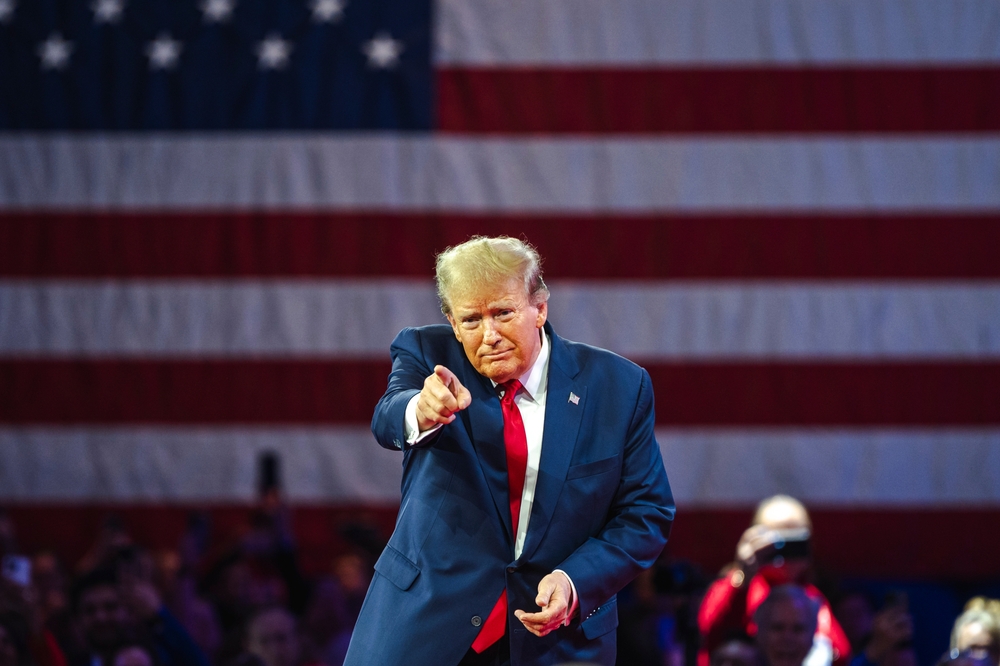
At the Republican Party’s first-ever midterm convention in Dallas on September 9, President Trump pledged that if Republicans keep control of the House and Senate in the November midterms, every adult U.S. citizen would receive a $5,000 “dividend,” which he compared to a company paying out cash to its shareholders. He added that the money would need to be spent inside the United States, though he gave no detail on how that would be enforced, and he offered no funding mechanism, no distribution timeline, and no agency responsible for sending the money.
Vice President JD Vance narrowed the scope within the hour, suggesting wealthy Americans wouldn’t qualify and floating tariff revenue as a possible funding source. The math doesn’t support that: the government collected somewhere between $154.5 billion and $195 billion in tariff revenue in fiscal 2025, while paying $5,000 to an estimated 240–270 million adults would cost roughly $1.2–$1.35 trillion — several times more than the government has actually taken in from tariffs in any year to date.









promises,promises!
Your an idiot trump is who is keeping this country from being turned Communist from the Marxist liberal Democrats trying to take control and take your rights trying to take your guns etc etc changing history from what actually took place to fake history that never happened taking down all the confederate statues because idiots are offended over history and of who really built the United States not the made up bull that kids are being taught now
This country need to see what is really happening, Trump is trying to align this country with Russia. Where the wealthy rule even if it cost the democracy. Intentionally destroying this economy as his family gains. The US is no longer a leader in the World and will never get back to where it was before Trump. Wars have mostly started with a Republican agenda. Make America Great Again means only the wealthy control not the people. Talk about communism what is worse outside or inside destruction by its own elected leaders. Since Trump has been in office the debt for main street workers has been in the Billions for Tax payers. Most all American military bases destroyed in the middle east while he continues to lie. Americas strength is it diverse culture, this is what Trump and Putin are using to weaken this country. We know what is in the Espstine files but sadly our values have fallen.