
Many hard-working Americans default to waiting until age 65 or 67 to retire without realizing their financial reality already supports an earlier exit. If you have systematically built your savings, minimized high-interest debt, and mapped out a clear healthcare strategy, working additional years may add stress rather than meaningful wealth. According to research from the Employee Benefit Research Institute, 46 percent of retirees actually leave the workforce earlier than planned, often due to sudden health shifts or workplace changes. Recognizing when you are financially and mentally ready allows you to reclaim your time, pursue personal passions, and enjoy your golden years while in peak physical health.
Sign 1: Your Safe Withdrawal Rate and Net Worth Exceed Your Floor
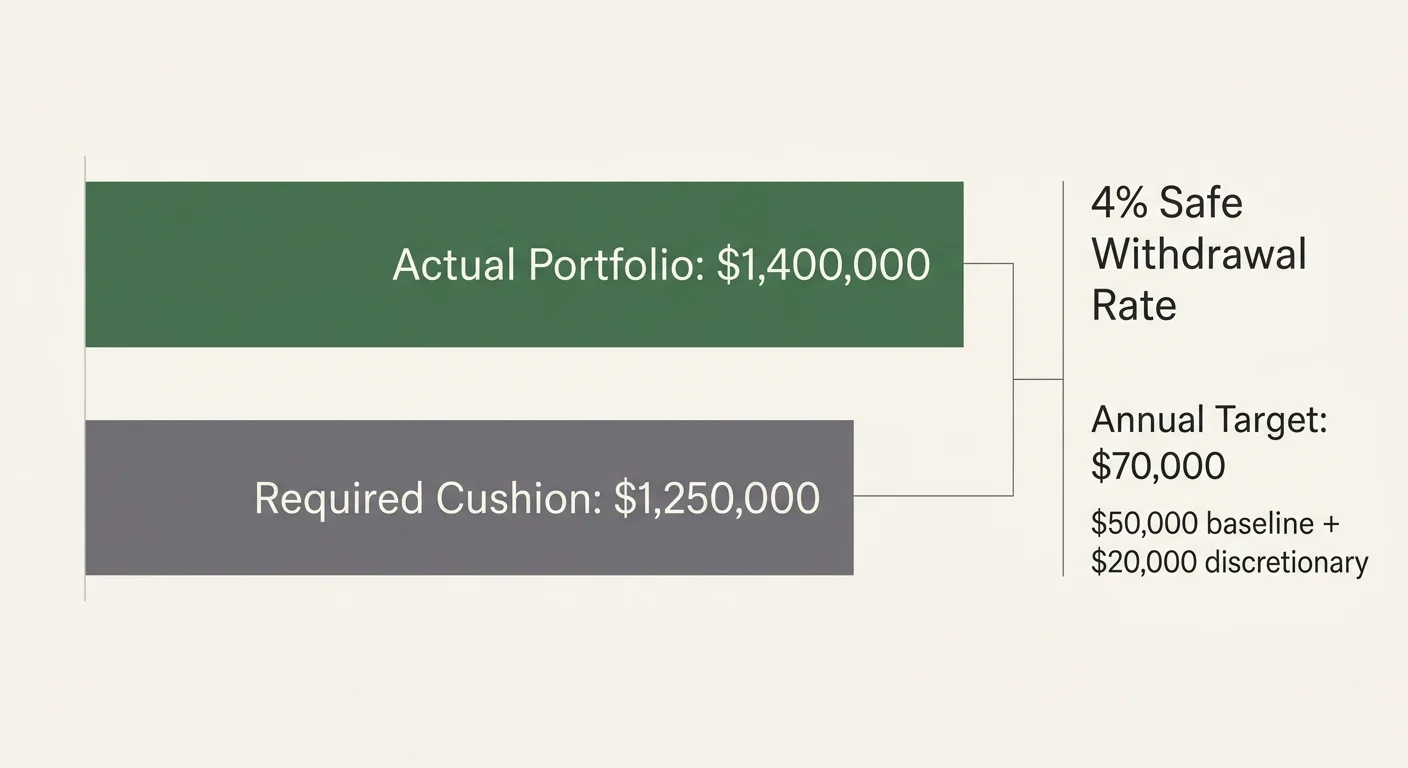
The most reliable indicator that you can move up your retirement date is financial math. For decades, financial planners relied on the 4 percent rule—a benchmark established by William Bengen in 1994—which suggests you can safely withdraw 4 percent of your initial portfolio value in year one of retirement and adjust that dollar amount for inflation each subsequent year for 30 years. If your total liquid portfolio allows for a withdrawal rate below 4 percent while still covering all essential overhead, your money is likely ready for your departure from work.
To evaluate your readiness, separate your projected retirement spending into mandatory expenses and discretionary spending. Mandatory expenses include housing, utilities, food, insurance, and taxes. Discretionary spending covers travel, hobbies, dining out, and entertainment. When your guaranteed lifetime income sources—such as pensions or annuity payouts—cover your baseline expenses, your investment portfolio only needs to fund your discretionary lifestyle.
Consider a practical example. Imagine your baseline living expenses equal $50,000 per year, and you want another $20,000 for travel and leisure, bringing your total annual income target to $70,000. If you receive a pension of $20,000 annually, your investment portfolio must generate the remaining $50,000. At a conservative 4 percent withdrawal rate, you need a portfolio of $1,250,000. If your investment balances across taxable accounts, IRAs, and 401(k) plans have reached $1,400,000, you possess a substantial financial cushion. Running Monte Carlo simulations through tools provided by major brokerages can further validate whether your portfolio can sustain market fluctuations over a 30- to 35-year retirement span.
Sign 2: You Have a Viable Health Insurance Bridge Before Age 65
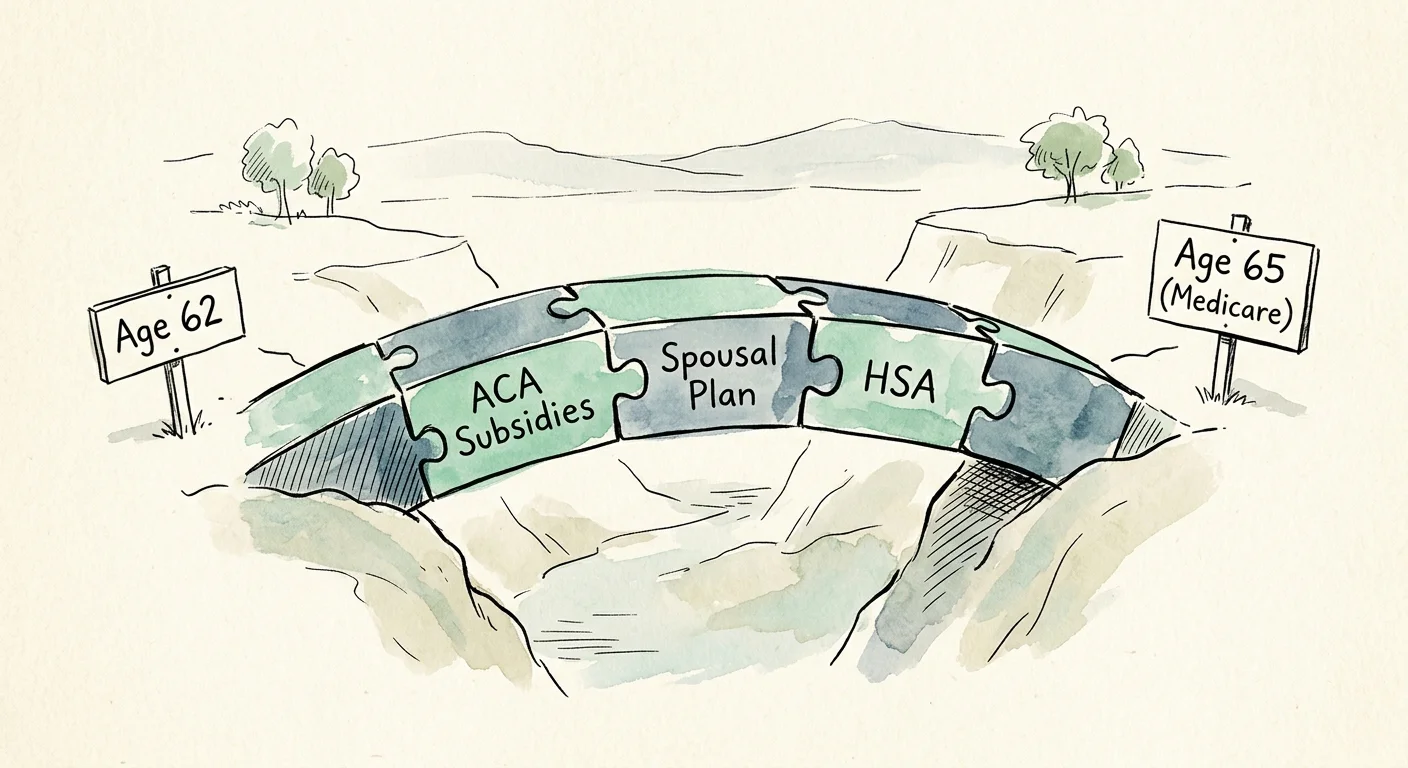
Healthcare costs scare many pre-retirees into staying at their jobs far longer than necessary. Because standard Medicare eligibility begins at age 65, individuals who dream of early retirement must establish a reliable healthcare bridge to cover the gap. If you have secured a viable, budget-friendly health insurance plan prior to age 65, you have eliminated one of the largest hurdles to early retirement.
You can build an effective health bridge using several proven paths:
- Affordable Care Act (ACA) Marketplace Plans: You can purchase comprehensive coverage through ACA exchanges. Because premium tax credits depend on your modified adjusted gross income (MAGI) rather than your net worth, you can strategically structure taxable income withdrawals in early retirement to qualify for significant monthly subsidies.
- Spousal Group Plans: If your spouse intends to continue working, joining their employer-sponsored health coverage provides continuous, high-quality care at lower group rates.
- Health Savings Accounts (HSAs): Accumulating funds in a tax-advantaged HSA during your working years gives you a tax-free pool of capital specifically designated for qualified medical expenses, deductibles, and co-pays.
- COBRA Continuation: Federal COBRA rules allow you to maintain your former employer’s health plan for up to 18 months, offering a reliable short-term bridge if you retire after age 63 and a half.
By reviewing available plans on Medicare.gov and HealthCare.gov well ahead of time, you can calculate your exact out-of-pocket health costs and build them directly into your retirement spending cash flow.
Sign 3: You Can Leverage Strategic Tax Rules Like the Rule of 55
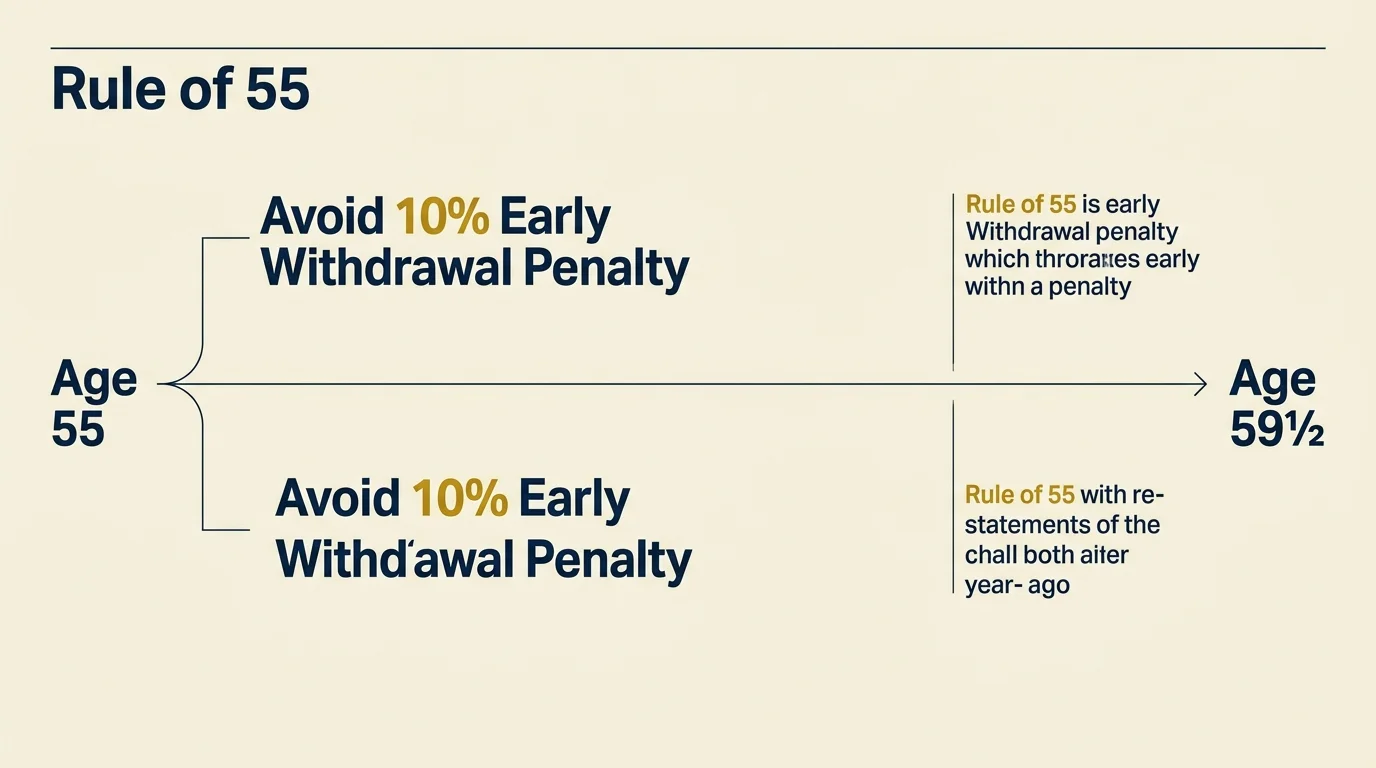
Many pre-retirees assume that accessing retirement funds before age 59½ triggers mandatory 10 percent early withdrawal tax penalties. However, smart utilization of internal IRS regulations can grant you early, penalty-free access to your wealth, serving as a powerful sign that moving up your retirement date is entirely doable.
One of the most valuable tools for early retirees is the IRS Rule of 55. Under IRS tax regulations, if you separate from service with your employer in or after the calendar year in which you turn age 55 (or age 50 for qualified public safety workers), you can take penalty-free distributions from that current employer’s 401(k) or 403(b) plan. While you still pay standard income tax on traditional retirement distributions, you completely bypass the standard 10 percent early withdrawal penalty. Note that this rule applies exclusively to the plan associated with the employer you leave at age 55 or later, not to IRAs or 401(k) accounts from previous jobs.
“The real value of money is to give you control over your time.” — John Bogle, Founder of Vanguard
Additionally, you can withdraw original contributions from a Roth IRA tax-free and penalty-free at any age, because you already paid income taxes on those contributions. Another option includes establishing Substantially Equal Periodic Payments (SEPP) under IRS Section 72(t), which allows penalty-free withdrawals from IRAs at any age based on your life expectancy. Recognizing these flexible distribution avenues eliminates the arbitrary hurdle of waiting for age 59½ or age 62.

Sign 4: Your Job Is Taking a Severe Toll on Your Health and Well-Being
Retirement planning involves far more than financial spreadsheets; physical health and mental well-being represent irreplaceable assets. Chronic work stress elevates cortisol levels, accelerates physical exhaustion, and contributes to cardiovascular issues. Staying in a soul-crushing job simply to add extra digits to an already sufficient savings balance trades your healthiest years for unnecessary capital.
Data gathered by the Social Security Administration and health organizations demonstrates that physical vitality gradually declines as we age. Your 60s often represent your prime “go-go” retirement years—the period when you have both the physical health and mobility to travel, pursue active hobbies, and spend quality time with grandchildren. Waiting until age 67 or 70 to maximize a monthly check may compromise your ability to enjoy those active experiences.
According to research tracking actual retiree patterns, 46 percent of Americans leave the workforce earlier than planned. In most cases, unexpected health changes, caregiving duties, or corporate reorganizations force an early exit. Recognizing acute workplace fatigue or declining physical health as a signal to retire allows you to make a proactive, dignified exit on your own terms rather than enduring a medical crisis that forces your retirement.
Sign 5: Your Fixed Expenses and Debt Are Completely Under Control
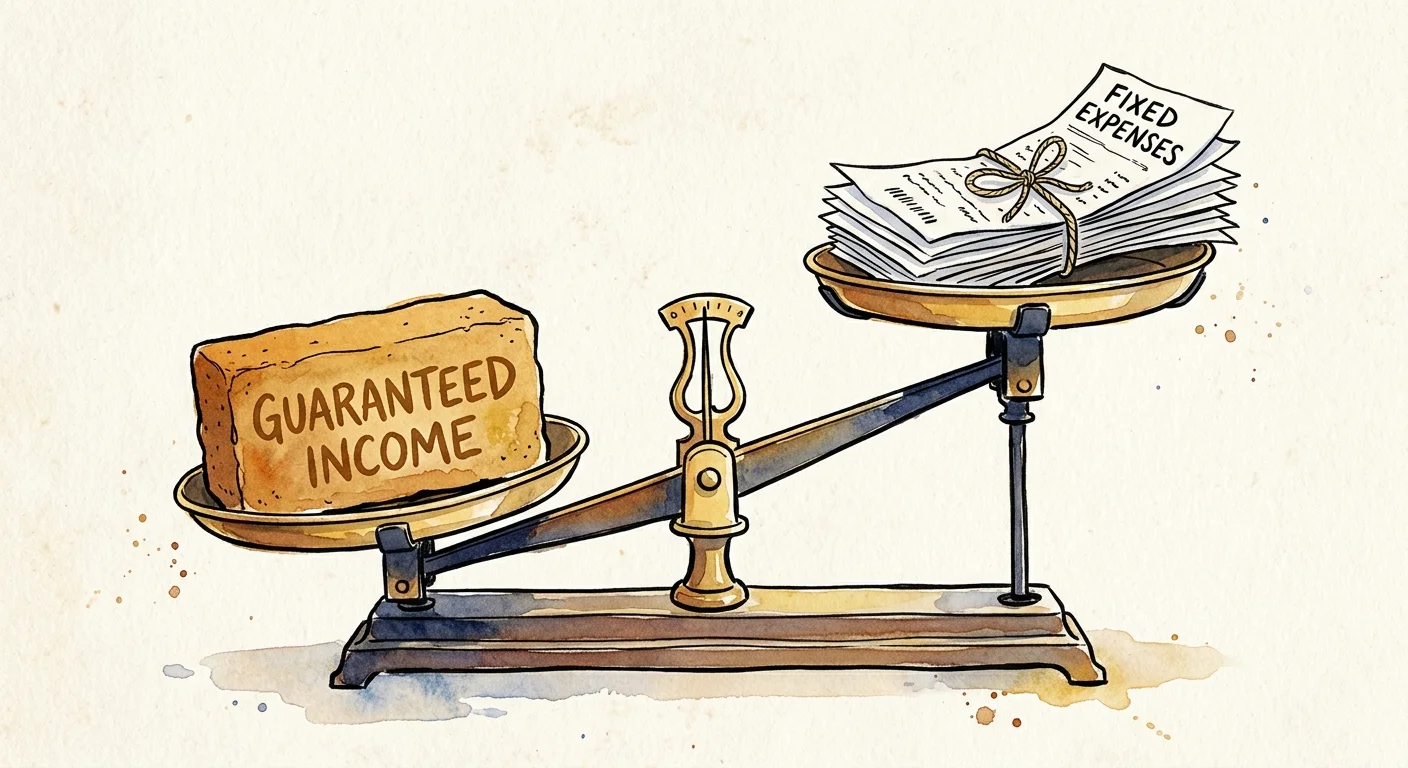
Your mandatory monthly overhead directly dictates the size of the portfolio required to sustain your lifestyle. When you eliminate major debts—such as paying off your primary mortgage, eliminating auto loans, and clearing all credit card balances—your required monthly baseline income drops dramatically. Lower fixed overhead reduces the pressure on your investment accounts and shifts early retirement from a risky prospect into an easily attainable goal.
Consider how drastically debt elimination alters your financial requirement:
| Financial Factor | Scenario A: Mortgage & Debt Pending | Scenario B: Debt-Free Lifestyle |
|---|---|---|
| Monthly Mandatory Overhead | $6,500 per month ($78,000/year) | $3,500 per month ($42,000/year) |
| Annual Income Gap (After Taxes) | $78,000 | $42,000 |
| Required Portfolio (4% Rule) | $1,950,000 | $1,050,000 |
| Sequence of Returns Risk | High (requires large asset liquidations) | Low (requires minimal asset liquidations) |
As illustrated above, eliminating a $3,000 monthly mortgage requirement reduces the portfolio size needed to retire comfortably by nearly $900,000. If you have achieved a low-overhead lifestyle, your retirement timeline can accelerate by several years.

Sign 6: You Have a Tested Non-Financial Plan for Daily Life
Successful retirement requires retiring to something, not just running away from a job. Individuals who retire early without a clear routine or daily purpose often suffer from boredom, social isolation, and loss of identity. If you have built active interests outside of work, your psychological readiness may signal that it is time to move your date forward.
Ask yourself if you possess the following critical lifestyle pillars:
- A Strong Social Network: You maintain meaningful friendships and social connections outside of work colleagues.
- Engaging Hobbies and Projects: You have clear daily activities—such as volunteering, woodworking, gardening, writing, or athletic pursuits—that naturally fill an 8-hour workday.
- Aligned Partner Expectations: If you are married or in a relationship, you and your partner share a unified vision regarding home routines, travel plans, and division of household duties.
- A Daily Routine: You thrive on autonomy and enjoy structuring your own day without needing an external employer to provide direction.
When your life outside the workplace feels richer and more compelling than your career, continuing to work simply out of habit wastes valuable time. A well-prepared emotional foundation is just as essential as financial security when deciding to step away early.

Sign 7: Pension Rules or Market Conditions Favor an Immediate Exit
Macroeconomic realities and corporate benefit structures periodically create optimal windows for stepping away from the workforce. Failing to capitalize on these specific economic timing windows can cost you tens of thousands of dollars.
For example, if you hold a traditional defined-benefit corporate pension that offers a lump-sum payout, changes in interest rates directly impact your payout size. Corporate pension lump sums are calculated using prevailing interest rates. When interest rates rise, pension lump sums decrease; when interest rates fall or peak, lump sum valuations increase significantly. Securing your pension calculation at an optimal rate threshold can boost your lifetime payout.
Similarly, strong financial markets over consecutive years may have pushed your investment holdings past your long-term goal early. If a market rally has expanded your net worth well beyond your required retirement target, rebalancing out of equities into cash equivalents or short-term bonds locks in those gains. Securing your financial win and moving up your exit date prevents market volatility from eroding your hard-earned progress.
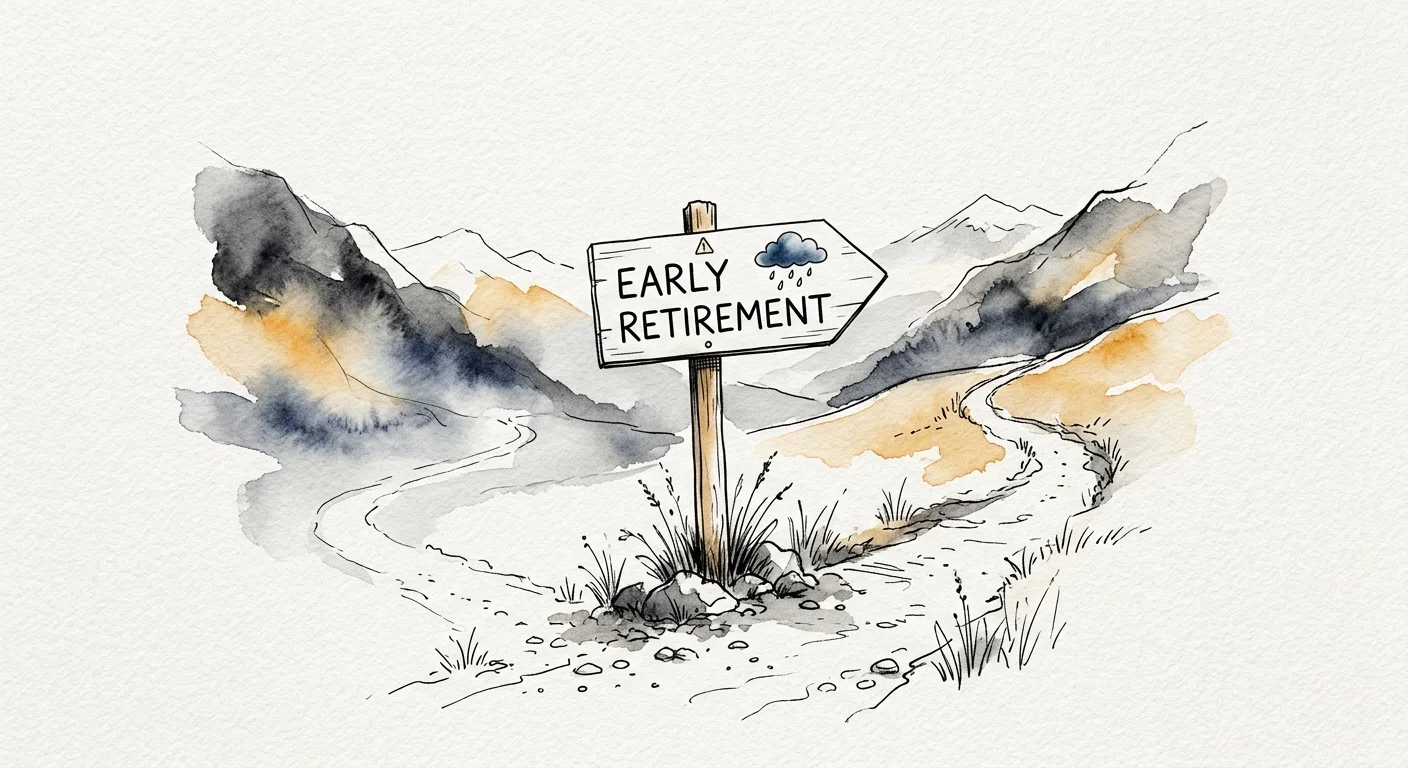
Pitfalls to Watch For Before Shifting Your Retirement Date
While moving up your retirement date offers immense freedom, jumping into early retirement without addressing critical financial risks can derail your long-term security. Pay close attention to these three primary threats:
- Sequence of Returns Risk: Experiencing a severe stock market downturn during the first three to five years of early retirement can permanently damage your portfolio’s longevity. To mitigate this risk, maintain a “cash buffer” containing 12 to 24 months of cash equivalents to avoid selling depreciated equities during a market drop.
- Social Security Claiming Math: You can claim early Social Security retirement benefits starting at age 62. However, according to the Social Security Administration, claiming at age 62 permanently reduces your monthly benefit check by 30 percent compared to your Full Retirement Age (FRA) of 67 for those born in 1960 or later. Run benefit projections to ensure early claiming fits your long-term plan.
- Underestimating Long-Term Care and Inflation: Over a 30-year retirement, inflation erodes purchasing power, while medical costs generally outpace standard inflation. Ensure your financial modeling includes a realistic annual inflation multiplier of 3 percent and accounts for potential long-term care needs late in life.
“Rule No. 1: Never lose money. Rule No. 2: Never forget rule No. 1.” — Warren Buffett, CEO of Berkshire Hathaway

Getting Expert Help
Deciding to move up your retirement date represents one of the largest financial decisions of your lifetime. While self-planning tools provide a great start, consulting an experienced professional provides objective verification. You should seek professional advice in the following specific scenarios:
- Executing Multi-Year Roth Conversions: A Certified Financial Planner (CFP) or CPA can help you design a Roth conversion ladder during lower-income retirement gap years, filling low tax brackets while avoiding spikes in Medicare Part B premiums later.
- Choosing Pension Payout Options: An advisor can help you evaluate single-life annuity versus joint-and-survivor options or determine whether taking a lump-sum payout outweighs guaranteed lifetime monthly income.
- Managing ACA Subsidies and Taxable Income: Working with a tax professional ensures your annual withdrawals keep your modified adjusted gross income within optimal target brackets to maximize health insurance subsidies.
- Modeling Complex Withdrawal Strategies: A fiduciary financial advisor can conduct stress-test simulations on your liquid assets to account for inflation, variable investment returns, and healthcare expenses.
Resources provided by the Consumer Financial Protection Bureau can help you evaluate fee-only, fiduciary advisors who are legally obligated to put your interests first.
Frequently Asked Questions About Moving Up Your Retirement Date
Can I access my 401(k) funds at age 55 without paying an early withdrawal penalty?
Yes, provided you qualify under the IRS Rule of 55. If you leave your job in or after the calendar year you turn 55, you can make penalty-free withdrawals from the 401(k) or 403(b) plan managed by that specific current employer. You will pay regular federal and state income taxes on those withdrawals, but you will not owe the standard 10 percent early withdrawal penalty.
How does claiming Social Security at age 62 affect my lifetime benefit?
If your Full Retirement Age (FRA) is 67, claiming benefits at age 62 results in a permanent 30 percent reduction in your monthly payment. For example, if your full monthly benefit at age 67 would be $2,000, claiming at age 62 permanently reduces your check to $1,400 per month. If you decide to retire early, you can choose to live off portfolio withdrawals first and delay claiming Social Security to allow your monthly benefit to grow.
What should I do for health insurance if I retire before turning 65?
If you retire prior to age 65, you can purchase health insurance through the ACA Marketplace (HealthCare.gov), enroll in COBRA coverage through your former employer for up to 18 months, or join your spouse’s group health plan. By carefully managing your taxable income during retirement, you can often qualify for ACA premium tax credits that lower your monthly cost.
How much can I safely withdraw from my investment portfolio each year?
A classic starting benchmark is the 4 percent rule, which suggests withdrawing 4 percent of your portfolio balance in your first year of retirement and adjusting that amount for inflation each year after. However, early retirees retiring in their 50s or early 60s often target a slightly more conservative withdrawal rate of 3.25 percent to 3.5 percent to account for a longer horizon.
Taking Your Next Steps
If you recognize several of these seven signs in your financial and personal life, your dream retirement date may be closer than you think. Start by reviewing your total annual household spending, listing your liquid investment balances, and evaluating your bridge healthcare options before age 65. Running updated cash flow projections with actual numbers will give you the confidence needed to make a seamless transition away from work.
Reclaiming your time allows you to spend your healthiest years pursuing passions, traveling, and creating memories with loved ones. Review your numbers today, schedule a consultation with a fiduciary financial advisor, and take control of your retirement timeline.
This article provides general retirement education and information only. Everyone’s financial situation is unique—what works for others may not work for you. For personalized advice, consider consulting a qualified financial professional such as a CFP or CPA.
Last updated: February 2026. Retirement benefits, tax laws, and healthcare costs change frequently—verify current details with official sources.