
When your personalized Social Security Cost-of-Living Adjustment (COLA) notice arrives in December, it reveals your exact take-home pay for the upcoming year. Taking twenty minutes to review this document helps you prevent unexpected tax bills and cash-flow surprises.
The Social Security Administration automatically calculates your raise, but errors and unadjusted deductions can easily derail your retirement budget.
Following a clear checklist the day your notice arrives ensures your Medicare deductions, voluntary tax withholdings, and monthly direct deposits are completely accurate.

The Essentials: What Your December COLA Notice Shows
Each December, the Social Security Administration issues a standardized, one-page notice detailing your updated monthly benefit. You can view this notice digitally in your personal my Social Security Message Center or receive it by mail.
This simplified document breaks down your gross benefit, automatic deductions, voluntary tax withholdings, and final net payment. Reviewing these figures immediately allows you to calibrate your household finances before the new payment cycle begins.
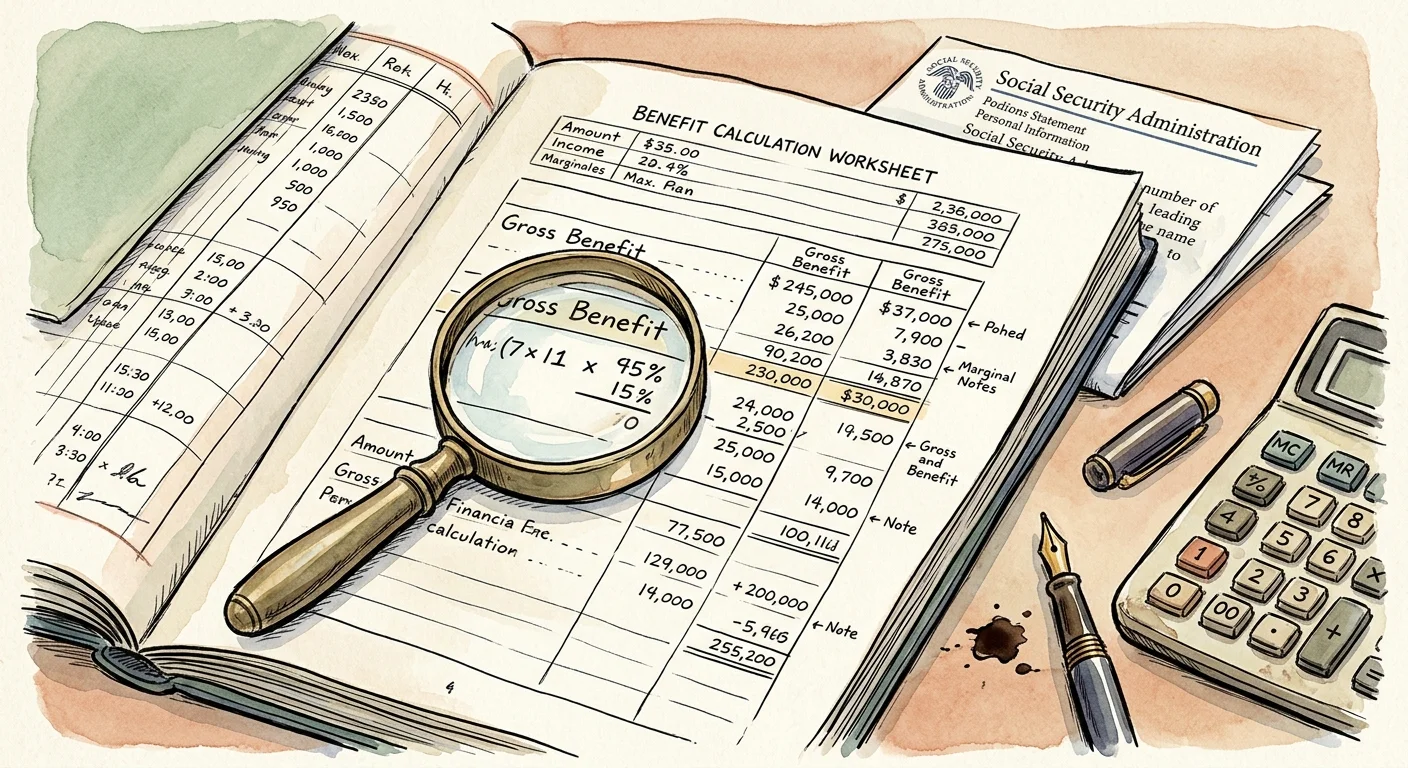
Step 1: Verify Your Gross Benefit Calculation
Your gross monthly benefit represents your total Social Security entitlement before any mandatory or voluntary deductions. You should verify that the agency applied the announced annual cost-of-living percentage correctly to your previous baseline benefit.
You can check your historical earnings record and benefit amounts directly through the Social Security Administration website. If the gross math does not match your records, contact the agency promptly to request a formal review.
Step 2: Audit Your Medicare Part B and IRMAA Deductions
For most retirees, Medicare Part B premiums represent the largest deduction taken directly from Social Security benefits. The standard monthly premium changes annually, directly altering your net take-home cash.
If your modified adjusted gross income exceeded federal thresholds from two tax years prior, you will see an Income-Related Monthly Adjustment Amount (IRMAA) surcharge. You can review current premium and surcharge tables at Medicare.gov.
An unexpected IRMAA surcharge significantly reduces your net benefit increase. If you experienced a qualifying life-changing event such as retirement, work reduction, or divorce, you can file an appeal using Form SSA-44.
| Notice Line Item | What It Represents | Your Action Item |
|---|---|---|
| Gross Benefit | Your total monthly benefit after the annual COLA is applied. | Verify the percentage increase against your previous monthly base. |
| Medicare Part B Premium | Standard monthly health insurance premium deduction. | Confirm standard deduction rate matches the newly published CMS baseline. |
| Medicare IRMAA (if applicable) | Income-based surcharge for higher-income retirees. | Check two-year-old tax return; file Form SSA-44 if eligible for an appeal. |
| Voluntary Tax Withholding | Federal income tax withheld via Form W-4V. | Recalculate provisional income to avoid an underpayment penalty. |
| Net Monthly Payment | Actual direct deposit amount sent to your bank account. | Update your household cash-flow budget and automated bill schedules. |

Step 3: Recalculate Your Provisional Income and Tax Withholding
A higher gross Social Security benefit can unintentionally push your combined income into taxable territory. The Internal Revenue Service calculates your tax liability using a specific formula known as provisional income.
If your combined provisional income exceeds $25,000 for single filers or $32,000 for married couples filing jointly, up to 50% of your benefits become taxable. Earning over $34,000 single or $44,000 married triggers taxation on up to 85%.
To prevent an unexpected tax bill in April, you can adjust your voluntary federal tax withholding. Submit Form W-4V to select a flat withholding rate of 7%, 10%, 12%, or 22% from your monthly benefit.
You can access official withholding worksheets and instructions at IRS.gov to ensure your deductions match your total retirement income.
“Taxes are often the single largest expense you will face in retirement, and failing to manage your Social Security withholding can trigger unnecessary penalties.” — Ed Slott, CPA and Retirement Distribution Specialist

Step 4: Check the Retirement Earnings Test (If Working Under Full Retirement Age)
If you collect Social Security retirement benefits before reaching Full Retirement Age (FRA) and continue to work, annual earnings limits apply. Exceeding these limits causes the agency to temporarily withhold a portion of your benefits.
The agency withholds $1 in benefits for every $2 earned above the annual limit if you are under FRA all year. In the year you reach FRA, the deduction drops to $1 for every $3 above a higher limit.
Compare your projected wage income against the updated earnings thresholds listed in your December notice. Notify the SSA if your anticipated work earnings change significantly to avoid future overpayment demands.
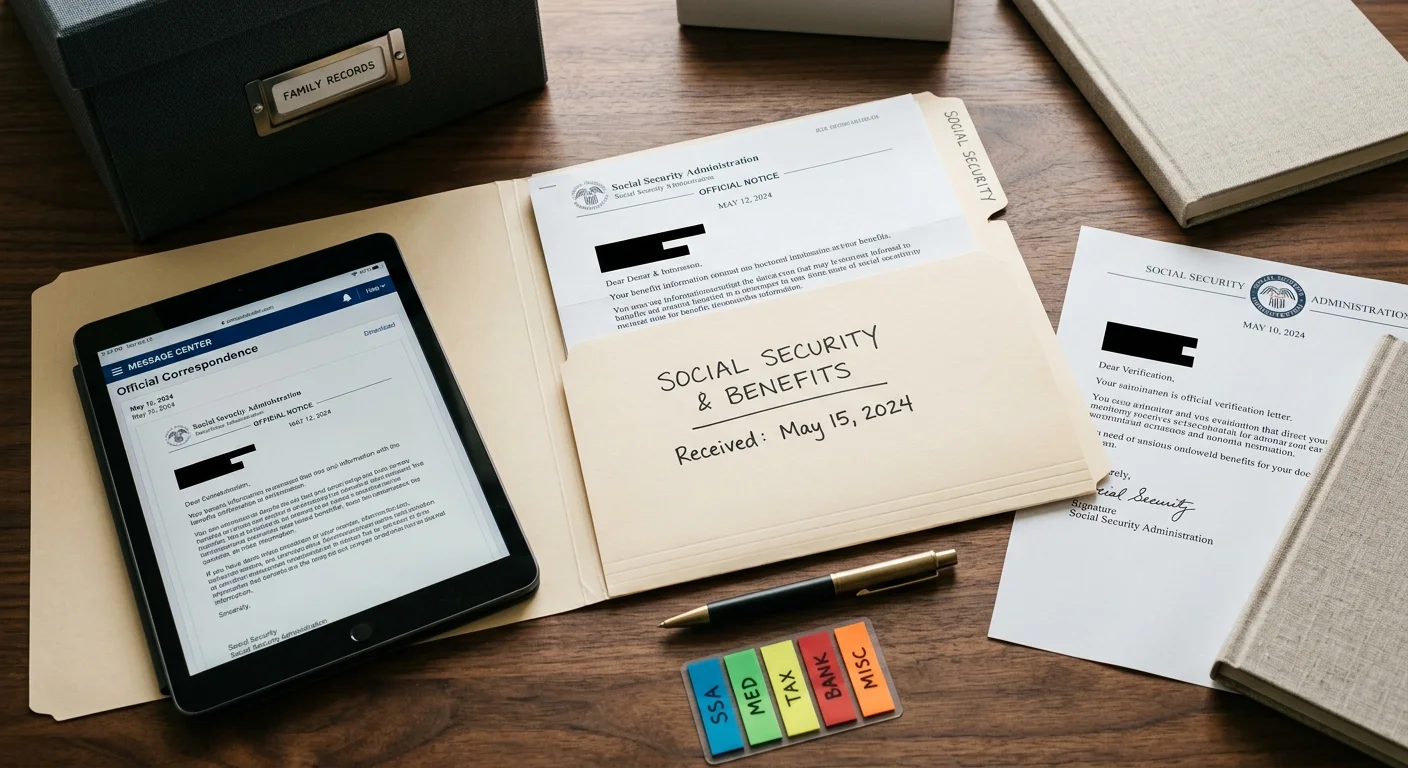
Step 5: Save Your Notice for Senior Assistance and Income Verification
Your December COLA letter serves as your official Benefit Verification Letter for the entire upcoming calendar year. Many state and local agencies require this exact document to verify your gross income.
Lenders, landlords, property tax relief programs, and Supplemental Nutrition Assistance Program (SNAP) administrators require gross benefit documentation. Download a digital PDF copy from your online account and store it securely in your personal financial records.
Review comprehensive consumer guidance on financial planning documents through the Consumer Financial Protection Bureau. Having verified documentation on hand accelerates any public benefit or housing application.
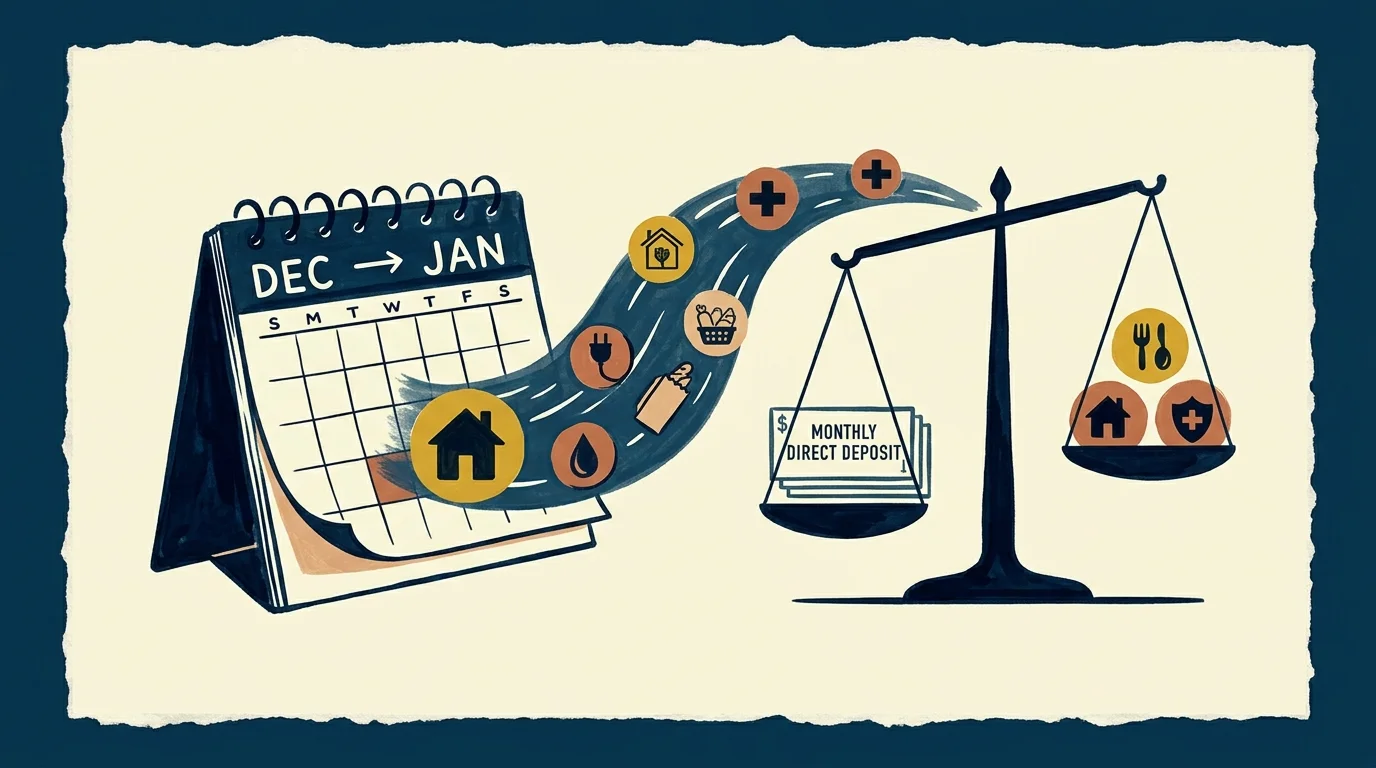
Step 6: Update Your Household Budget and Payment Schedule
Once you establish your net monthly payout, update your bank account transfers and household budget. Your first payment reflecting the cost-of-living adjustment arrives according to your regular monthly payment schedule.
Social Security retirement, survivor, and disability benefits arrive on the second, third, or fourth Wednesday of January based on your birth date. SSI recipients receive their increased payment on December 31.
Adjust your automated bill payments and monthly retirement account withdrawals to match your new deposit amount. Aligning your fixed expenses with your updated deposit prevents overdrafts and unnecessary credit card balances.
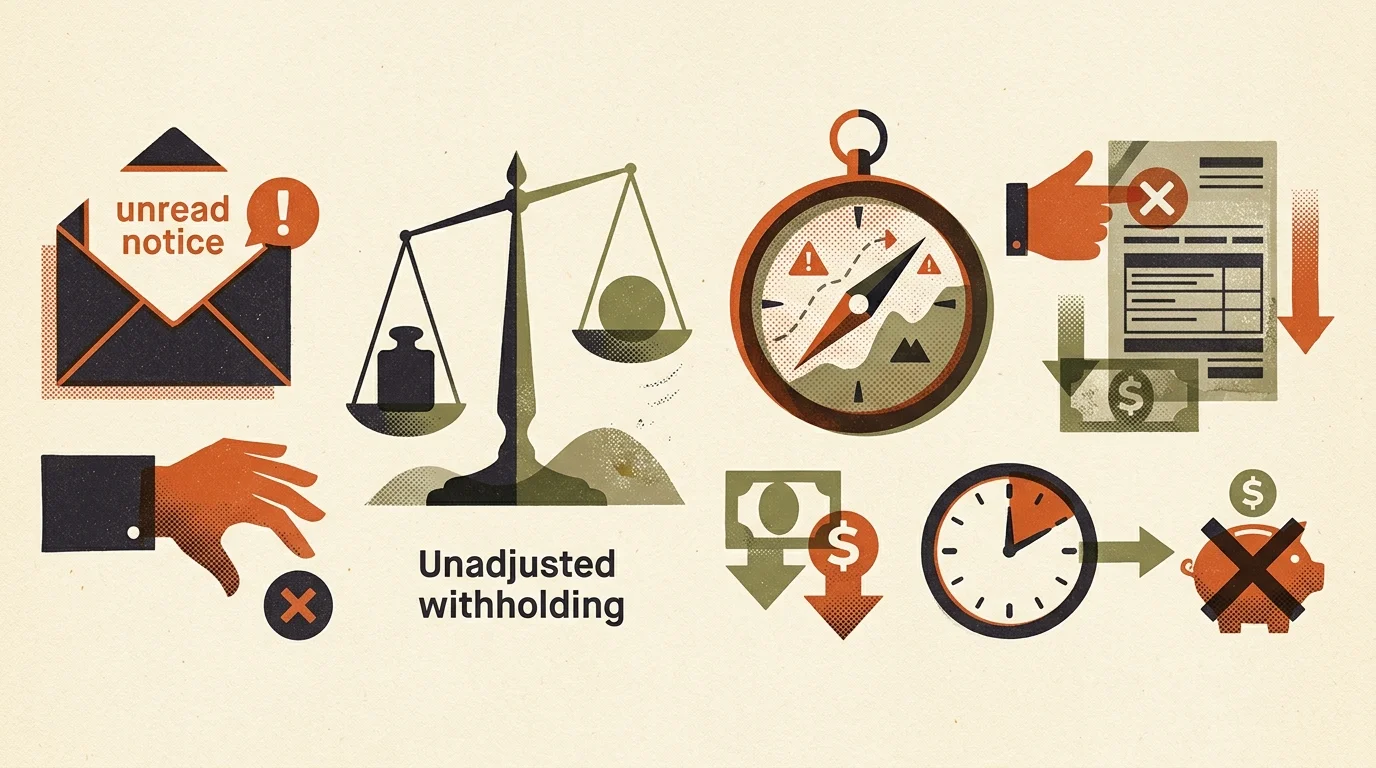
What Can Go Wrong: Pitfalls to Avoid
Many retirees assume that a higher gross benefit translates entirely into more spending money. Overlooking increased Medicare premiums, IRMAA brackets, or tax withholdings leads to severe budgeting shortfalls.
Beware of fraudulent communications regarding your COLA notice. The Social Security Administration applies all cost-of-living adjustments automatically without requiring applications, activation fees, or personal verification.
Never share your Social Security number, banking details, or login credentials with callers or texters claiming to unlock your raise. Scammers frequently exploit the December notice period to target unsuspecting retirees.

When to Consult a Professional
Reviewing your December notice is straightforward, but certain complex scenarios warrant expert guidance from a Certified Financial Planner or tax professional:
- Your new benefit pushes your provisional income over the 85% taxation threshold, requiring comprehensive tax-bracket management.
- You experienced a recent reduction in income (such as retirement or the loss of a spouse) and need to appeal an unfair Medicare IRMAA surcharge using Form SSA-44.
- You work while receiving early benefits and need to model the combined tax and withholding impact of the Retirement Earnings Test.
- You need to balance Social Security cash flow with required minimum distributions (RMDs) from traditional IRAs and 401(k) plans.
Frequently Asked Questions
When should I expect to receive my December COLA notice?
You can access your notice online in late November or early December through your personal my Social Security account. Paper notices are mailed throughout December; the SSA recommends waiting until January before calling if your letter has not arrived.
Why is my net payment increase smaller than the official COLA percentage?
Increases in Medicare Part B premiums, voluntary federal tax withholdings, or IRMAA surcharges are deducted directly from your gross benefit before disbursement. These deductions reduce your final take-home deposit.
Do I need to contact the SSA to activate my benefit increase?
No. The Social Security Administration applies your annual cost-of-living adjustment 100% automatically. Any message requesting personal data or fees to process your raise is a scam.
What should I do if my mailed COLA notice does not arrive by January?
Log in to your my Social Security account online to instantly view and print your personalized notice. If you cannot access your digital account, call the Social Security Administration in January to request a replacement copy.
Reviewing your personalized COLA notice on the day it arrives puts you in complete control of your retirement income. Taking proactive steps today ensures a stable, stress-free financial year ahead.
The information in this guide is meant for educational purposes. Your specific circumstances—including income, savings, health coverage, and goals—may require different approaches. When in doubt, consult a licensed professional.
Last updated: February 2026. Retirement benefits, tax laws, and healthcare costs change frequently—verify current details with official sources.