
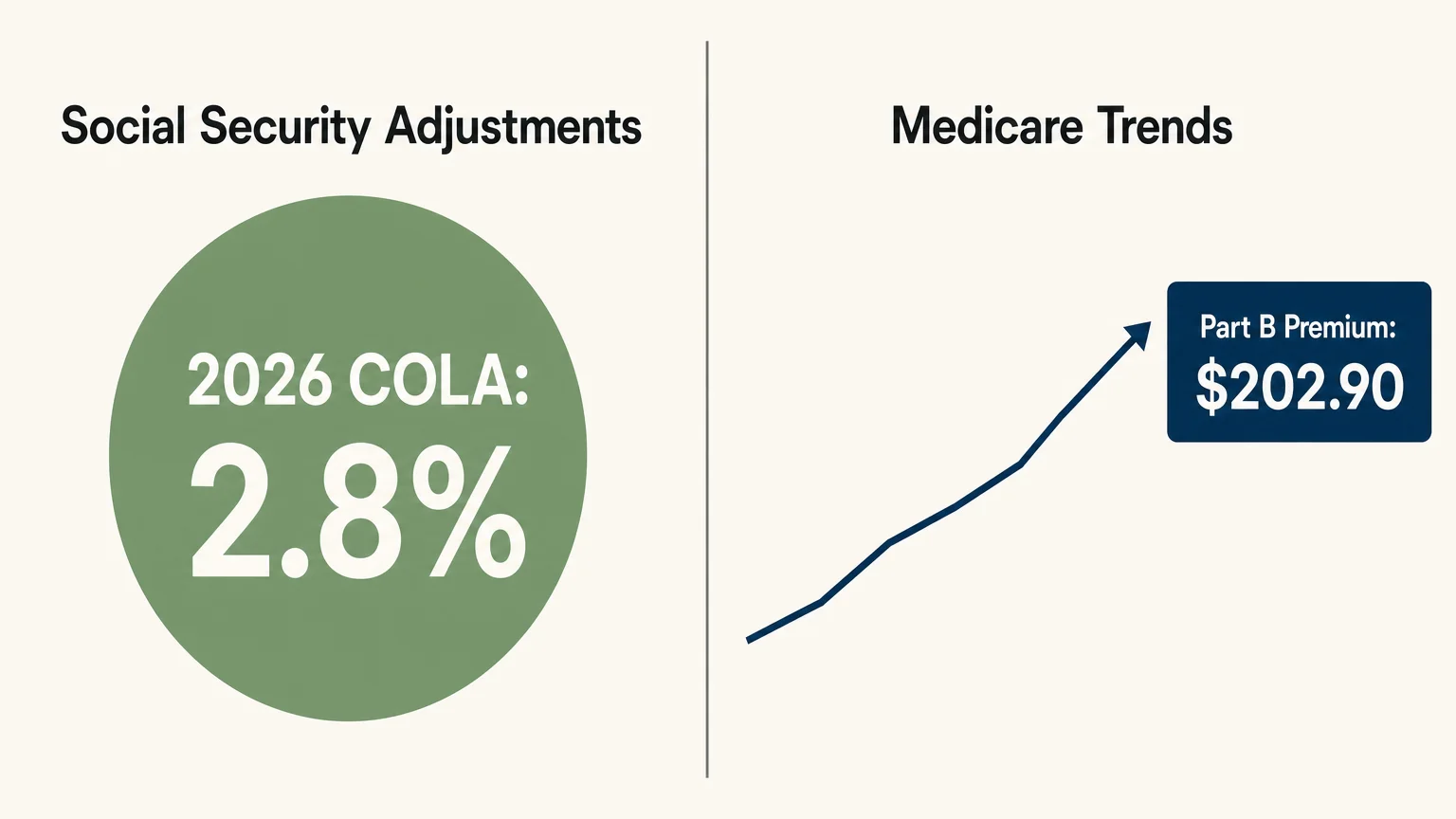
Finding the right retirement destination means balancing lifestyle goals with financial realities. With the 2026 Social Security COLA at 2.8% and Medicare Part B premiums rising to $202.90, stretching your retirement dollar on the East Coast requires strategic planning. Whether you want a walkable historic district or a tax-friendly beach community, the Atlantic seaboard offers options that cater to every budget. We analyzed recent census data, state tax policies, and healthcare access to compile a definitive list of 50 East Coast towns attracting a record number of retirees. Use this guide to explore your options, compare regional benefits, and find a community that protects your savings while delivering the lifestyle you deserve.

Florida: The Tax-Free Southern Haven
Florida remains the undisputed heavy hitter for retirees looking to maximize their fixed incomes. The state levies no personal income tax, meaning your Social Security benefits, pension payouts, and IRA withdrawals remain fully intact at the state level. Recent demographic shifts show seniors flocking not just to the coasts, but to central lake towns that offer tremendous value.
- Leesburg, Florida: According to recent census analysis, Leesburg’s senior population surged by nearly 55% over a five-year period. This central Florida gem provides affordable lakeside housing and immediate access to regional medical centers.
- Naples, Florida: Consistently taking the top spot on national retirement rankings, Naples delivers pristine Gulf Coast beaches, luxury shopping, and world-class golf. Though housing costs track higher here, the lifestyle amenities are unmatched.
- Sarasota, Florida: Blending beach life with a thriving arts district, Sarasota appeals to cultured retirees. The John and Mable Ringling Museum of Art and excellent local healthcare facilities make it a perennial favorite.
- Edgewater, Florida: Situated along the Indian River, Edgewater boasts a rapidly growing population of seniors seeking laid-back, waterfront living. It provides a quieter alternative to the bustling tourist hubs nearby.
- Tavares, Florida: Known as America’s Seaplane City, Tavares sits on Lake Dora and offers retirees an active, water-centric lifestyle with a highly walkable downtown entertainment district.
- Fort Pierce, Florida: Deep-sea fishing and historic downtown charm define Fort Pierce. Retirees appreciate the lower cost of living compared to South Florida’s more densely populated counties.
- Clermont, Florida: Characterized by rolling hills—a rarity in Florida—Clermont attracts active adults who enjoy cycling, hiking, and access to pristine chain lakes just outside Orlando.
- Port St. Lucie, Florida: This Atlantic coast city balances master-planned 55+ communities with easy access to nature reserves. Golfers flock here for the PGA Village and numerous championship courses.
- Winter Springs, Florida: Tucked away in Seminole County, Winter Springs offers retirees a suburban feel with highly rated parks, paved walking trails, and quick access to Orlando’s international airport.
- Pensacola, Florida: Rich in naval history and featuring sugar-white sand beaches, Pensacola provides a distinct Panhandle culture. The cost of living remains notably lower than in the southern half of the state.
- Cape Coral, Florida: Featuring more than 400 miles of navigable waterways, Cape Coral is a boater’s paradise. Retirees love the direct Gulf access and the abundance of waterfront dining.
- West Palm Beach, Florida: For those who desire upscale amenities, West Palm Beach pairs a vibrant downtown cultural scene with easy access to premier medical specialists.
- Palm Coast, Florida: Straddling saltwater canals and the Atlantic Ocean, Palm Coast offers quiet golf resort communities and miles of uncrowded shoreline.
- Ormond Beach, Florida: Just north of Daytona, Ormond Beach provides a tranquil environment with historical roots. Retirees enjoy the scenic loop, state parks, and a relaxed driving beach.
- St. Augustine, Florida: As the oldest city in the country, St. Augustine draws retirees who want rich architecture, cobblestone streets, and a walkable historic district.

The Carolinas and Georgia: Mild Winters and Southern Charm
If you want four distinct seasons without the harsh northern blizzards, the Carolinas and Georgia offer a compelling middle ground. These states feature moderate property taxes and vibrant economies that support robust healthcare networks.
- Greenville, South Carolina: Nestled in the foothills of the Blue Ridge Mountains, Greenville features a spectacular downtown anchored by a natural waterfall. Forbes recently highlighted the city for its median home price sitting well below the national average.
- Charleston, South Carolina: History buffs and foodies gravitate toward Charleston. The city offers cobblestone charm, award-winning culinary scenes, and excellent healthcare through the Medical University of South Carolina.
- Beaufort, South Carolina: This atmospheric Lowcountry town drips with Spanish moss and antebellum architecture. It serves as a budget-friendly alternative to the larger coastal cities.
- Myrtle Beach, South Carolina: Famous for its 60-mile string of beaches and endless golf courses, Myrtle Beach remains a magnet for budget-conscious retirees seeking an active coastal lifestyle.
- Hilton Head Island, South Carolina: Built with preservation in mind, Hilton Head offers miles of paved biking trails, pristine golf links, and strict zoning laws that maintain its natural canopy.
- Asheville, North Carolina: For nature lovers and artists, Asheville provides breathtaking Blue Ridge Mountain views, a thriving craft beverage scene, and a strong sense of community.
- Wilmington, North Carolina: Blending a historic riverfront with nearby Atlantic beaches, Wilmington attracts retirees who want the best of both water-centric worlds.
- New Bern, North Carolina: Situated at the confluence of two rivers, the birthplace of Pepsi offers colonial history, affordable waterfront living, and a highly active retiree demographic.
- Winston-Salem, North Carolina: Innovation and history meet in Winston-Salem. The city boasts excellent medical care via Wake Forest Baptist Medical Center and a relatively low cost of living.
- Pinehurst, North Carolina: Known globally as the cradle of American golf, Pinehurst is a quaint New England-style village transplanted into the mild climate of the Sandhills.
- Savannah, Georgia: Retirees are drawn to Savannah’s 22 historic squares, coastal access, and the fact that Georgia does not tax Social Security income.
- St. Simons Island, Georgia: This barrier island features centuries-old live oaks, uncrowded beaches, and a walkable village center that feels entirely removed from the mainland hustle.
- Augusta, Georgia: Beyond the Masters tournament, Augusta offers affordable housing along the Savannah River and top-tier healthcare facilities catering to an aging demographic.
- Athens, Georgia: College towns make excellent retirement destinations. Athens provides lifelong learning opportunities, SEC sports, and a vibrant cultural scene driven by the University of Georgia.
- Brunswick, Georgia: Serving as the mainland gateway to the Golden Isles, Brunswick features historic Victorian architecture and a lower price point for retirees wanting coastal proximity.

The Mid-Atlantic: Historic Roots and Financial Advantages
The Mid-Atlantic region strikes a balance for retirees who want to stay close to northern family members while shedding heavy tax burdens. Pennsylvania and Delaware stand out prominently for their retiree-friendly fiscal policies.
- Virginia Beach, Virginia: Ranked near the top of national retirement indexes, Virginia Beach offers miles of shoreline, a massive military retiree community, and a surprisingly relaxed pace of life.
- Williamsburg, Virginia: Step back in time in Williamsburg, where retirees enjoy living adjacent to a living history museum, upscale shopping, and top-rated golf courses.
- Lynchburg, Virginia: Set against the backdrop of the Blue Ridge Mountains, Lynchburg is praised for its extremely low cost of living, historic districts, and access to nature.
- Charlottesville, Virginia: Home to the University of Virginia, this town offers spectacular vineyard landscapes, intellectual stimulation, and world-class medical facilities.
- Annapolis, Maryland: The sailing capital of the world provides maritime charm, colonial history, and proximity to the cultural amenities of both Baltimore and Washington, D.C.
- Easton, Maryland: Located on the Eastern Shore, Easton attracts retirees seeking a slower pace, boutique shopping, and easy access to Chesapeake Bay boating.
- Lewes, Delaware: Situated where the Delaware Bay meets the Atlantic, Lewes offers walkable streets, boutique shops, and direct access to Cape Henlopen State Park.
- Rehoboth Beach, Delaware: Known as the Nation’s Summer Capital, Rehoboth transforms into a quiet, tight-knit community for full-time retirees during the off-season.
- Wilmington, Delaware: Providing urban amenities without the massive crowds, Wilmington features revitalized riverfronts and easy train access to Philadelphia and New York.
- Pittsburgh, Pennsylvania: Evolving from its steel roots into a medical and tech hub, Pittsburgh offers affordable housing options and a rich cultural scene featuring world-class museums.
- Lancaster, Pennsylvania: Rolling farmland meets a surprisingly vibrant downtown in Lancaster. Retirees here benefit from Pennsylvania’s total exemption of retirement income from state taxes.
- Cape May, New Jersey: America’s oldest seaside resort features stunning Victorian architecture. While New Jersey taxes are notoriously high, Cape May’s unique charm keeps it highly desirable for discerning retirees.

New England: Coastal Living and World-Class Healthcare
For those who prefer crisp autumns and don’t mind a traditional winter, New England offers unparalleled historical charm and access to some of the nation’s best hospitals. Several states in this region have aggressively updated their tax codes to keep seniors from moving south.
- Belfast, Maine: Located on Penobscot Bay, Belfast features an active senior college, year-round farmers markets, and a local hospital right in town. Furthermore, Maine does not tax Social Security income.
- Bar Harbor, Maine: Acting as the gateway to Acadia National Park, Bar Harbor offers stunning rocky coastlines and endless outdoor recreation for highly active retirees.
- Kennebunkport, Maine: Beyond its presidential ties, Kennebunkport delivers classic New England coastal living with upscale dining, quiet beaches, and excellent local services.
- Portsmouth, New Hampshire: This historic seaport town sits right on the Maine border. New Hampshire fully repealed its interest and dividends tax effective January 2025, leaving the state with no income tax on wages or investments.
- Exeter, New Hampshire: Rich in colonial history, Exeter features a quaint downtown, a winding river, and a short drive to both the seacoast and Boston’s medical hubs.
- Barnstable (Cape Cod), Massachusetts: Comprising several distinct villages, Barnstable gives retirees access to legendary beaches, maritime history, and top-tier medical networks extending from Boston.
- Newport, Rhode Island: Famous for its Gilded Age mansions and sailing culture, Newport offers a sophisticated coastal lifestyle with highly walkable neighborhoods.
- Mystic, Connecticut: Boasting a rich seafaring history, Mystic provides retirees with a scenic riverfront, excellent seafood, and a tight-knit community feel.
Critical Financial Considerations for Your Relocation
Moving across state lines impacts your monthly cash flow in ways you might not anticipate. Before you hire movers, review how your new zip code affects your healthcare and tax liabilities.
| State | Social Security Tax | Pension/IRA Tax Treatment | State Sales Tax Rate |
|---|---|---|---|
| Florida | Exempt | Fully Exempt | 6.00% |
| Pennsylvania | Exempt | Exempt (if age 59.5+) | 6.00% |
| Delaware | Exempt | Up to $12,500 excluded (age 60+) | 0.00% |
- Healthcare Costs: The standard Medicare Part B premium reached $202.90 in 2026, accompanied by an annual deductible of $283. While Original Medicare travels with you nationwide, Medicare Advantage and Part D prescription plans operate on regional networks. Relocating often triggers a Special Enrollment Period, requiring you to select new coverage on Medicare.gov.
- Social Security Taxes: The Social Security Administration implemented a 2.8% cost-of-living adjustment (COLA) for 2026. Depending on where you move, state governments may take a cut of that increase. Fortunately, many East Coast states, including Florida and Pennsylvania, do not tax Social Security benefits at the state level.
- Property and Sales Taxes: A zero-income-tax state does not guarantee a low cost of living. States without income tax often offset the revenue gap through higher property taxes or sales taxes. Delaware bucks this trend by offering a 0% sales tax and excluding up to $12,500 of eligible pension income for residents aged 60 and older. You can research specific state burdens through resources like AARP.
“Retirement is not an age; it’s a financial number.” — Dave Ramsey, Personal Finance Expert

What Can Go Wrong: Common Relocation Mistakes
Even with careful financial planning, relocating in retirement carries distinct lifestyle risks. Avoid these common pitfalls when choosing your new hometown:
- Skipping the trial run: Visiting a coastal town in October feels vastly different from enduring a humid July or a freezing January. Rent a short-term property during the area’s worst weather season before committing to a purchase.
- Underestimating HOA fees: Many 55+ communities charge substantial homeowner association fees that rise annually to cover landscaping, pools, and clubhouses. Factor these escalating costs into your fixed-income budget.
- Ignoring healthcare access: A secluded mountain cabin offers peace and quiet but becomes a liability if you face a medical emergency. Ensure your chosen town has a reputable hospital or specialized medical center within a 30-minute drive.
- Underestimating distance from family: Moving 1,000 miles away sounds like an adventure until the grandkids have a school play you cannot attend. Factor in the cost and physical toll of annual air travel when moving out of state.

When to Consult a Professional
Relocating for retirement involves more than packing boxes; it alters your entire financial ecosystem. You should consult a fiduciary financial advisor or tax professional in the following scenarios:
- Selling a primary residence: If you are downsizing and selling a home you have owned for decades, you need a strategy to manage capital gains taxes. You can find guidance on home sale exclusions via the IRS.
- Updating estate plans: Wills, trusts, and advance directives are governed by state law. An estate plan drafted in New York may not operate exactly as intended if you establish permanent residency in Florida.
- Managing Required Minimum Distributions (RMDs): If your relocation coincides with the age you must begin taking RMDs from your retirement accounts, a tax professional can help you time your withdrawals to minimize the impact of your new state’s tax brackets.
Your retirement years represent the reward for decades of hard work. By carefully evaluating the tax policies, healthcare networks, and lifestyle amenities of these 50 East Coast towns, you position yourself to maximize both your wealth and your well-being. Take your time, crunch the numbers, and plan a visit to the communities that catch your eye.
This is educational content based on general retirement planning principles. Individual results vary based on your situation. Always verify current benefit amounts, tax laws, and eligibility with official sources.