
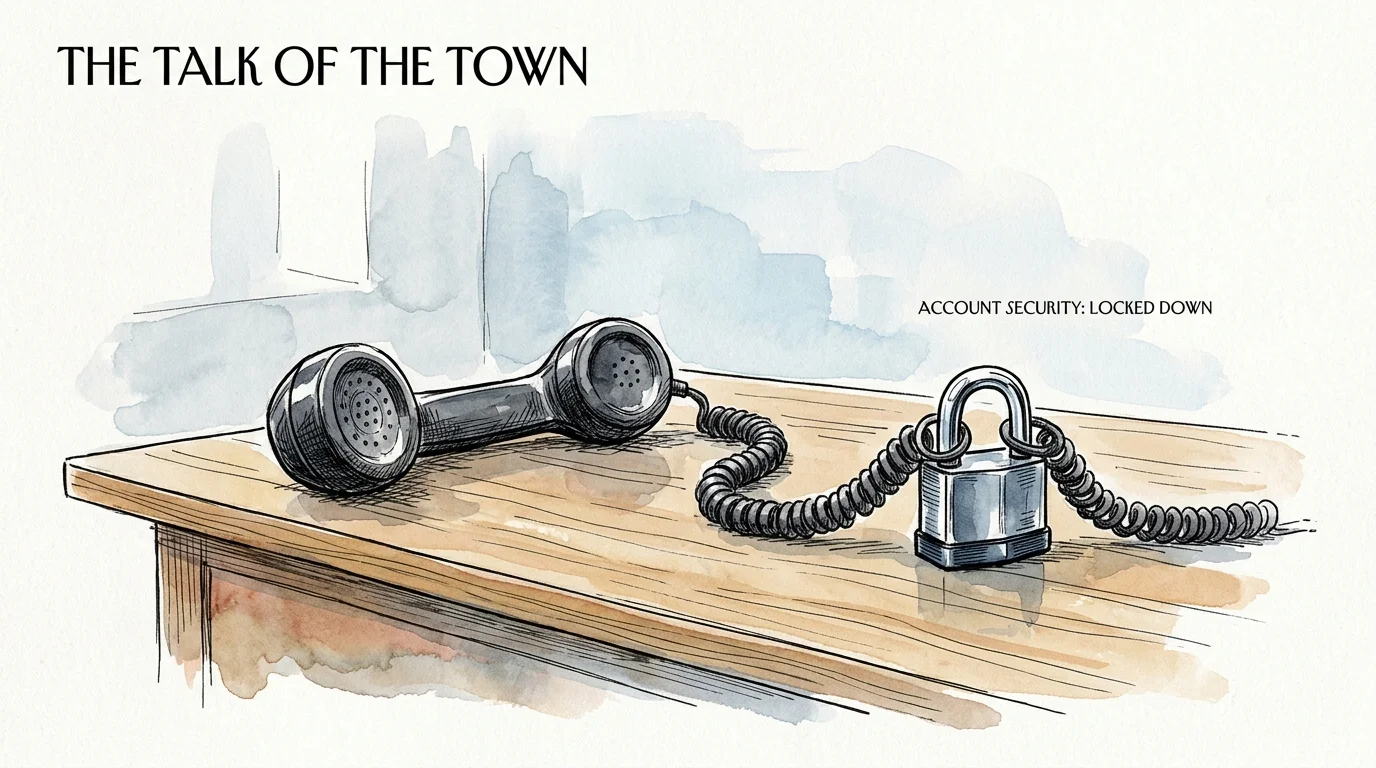
Mandatory Banking Changes and Anti-Fraud Rules
In recent years, security breaches and phone-based impersonation scams compromised thousands of retirement accounts across the country. The Social Security Administration (SSA) discovered that roughly 40% of fraudulent direct deposit redirection attempts originated from unauthorized telephone requests. Fraudsters frequently used stolen personal information to call agency representatives, convincing them to route monthly benefits to unverified offshore or prepaid debit accounts. To permanently close this vulnerability, federal regulations now prohibit SSA employees from changing bank routing or account details over the phone.
This security enforcement works alongside Executive Order 14247 and broader Treasury mandates phasing out physical paper checks. Operating a paper-based payment system imposed heavy burdens on taxpayers and seniors alike. According to official SSA disclosures, paper benefit checks cost $3.07 each to print and distribute, whereas automated electronic deposits cost only pennies. Furthermore, government records revealed that paper checks were 16 times more likely to be lost, stolen, or altered during transit compared to electronic fund transfers.
Adopting strict social security direct deposit rules protects your monthly cash flow from sophisticated bad actors. While restricting phone-based updates requires a minor adjustment in how you handle account maintenance, it virtually eliminates the risk of a unauthorized criminal stealing your monthly check over a phone call.







question : for a 69 yr old employee preparing to retire in Jan.2027 how long will it take to
receive social security payments and how to request them