
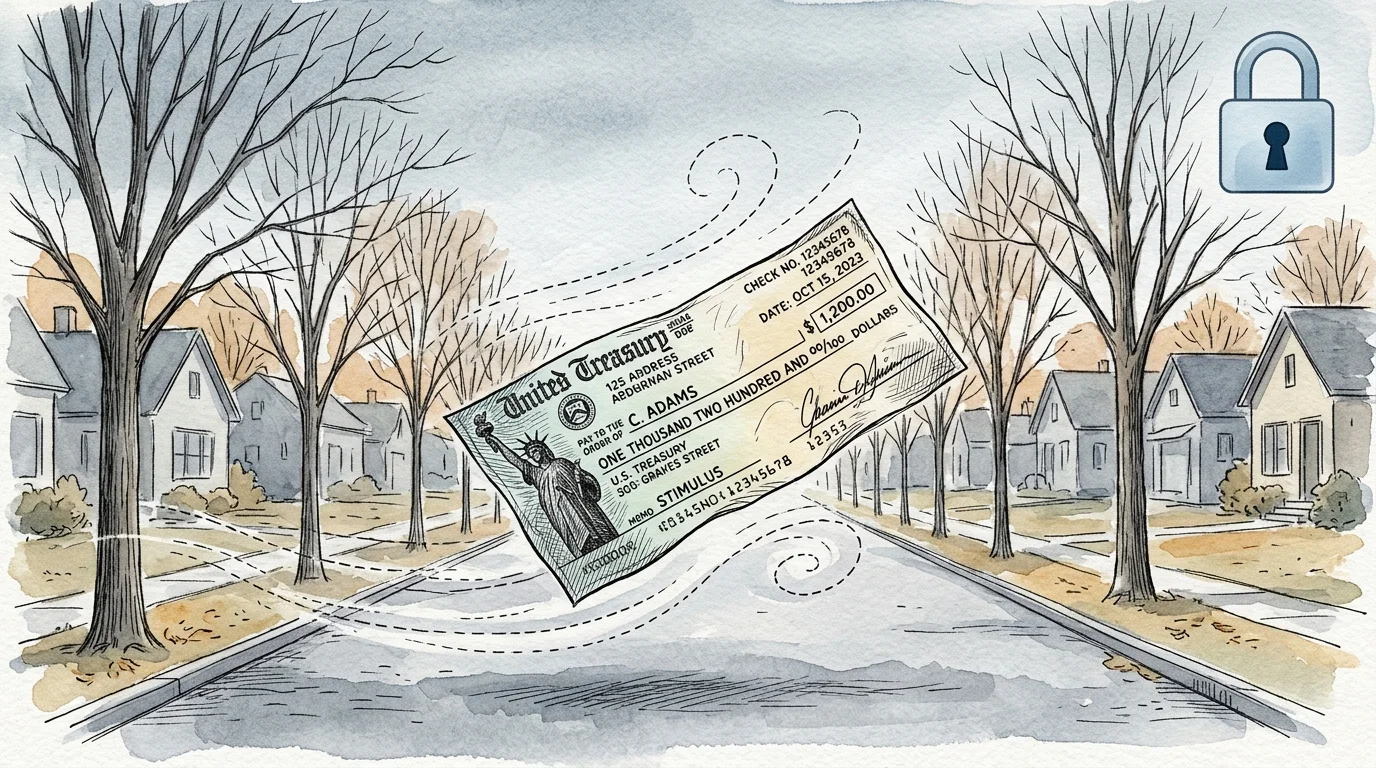
What Can Go Wrong
Even small oversight errors during account transitions can derail your monthly finances. Staying proactive keeps your payment pipeline clear and protects your income stream.
Closing an old bank account prematurely ranks among the most frequent mistakes retirees make. Although online system changes process in as little as one business day, banking clearinghouse cycles may require additional buffer time depending on when you submit the request. If you close your old account before the modern routing updates finalize, the Treasury’s electronic transfer will bounce back to the government, triggering a manual reconciliation process that can hold up your money for weeks. Always leave your old account open until your direct deposit clears inside your new bank account.
Beware of fraudulent phone calls from scammers pretending to work for the Social Security Administration. Fraudsters often threaten to freeze monthly benefits unless you verify or change your bank account numbers over the telephone. Remember: official agency representatives will never call you out of the blue demanding your financial details or requesting direct deposit modifications. Hang up immediately on anyone soliciting banking updates over the phone.
Name discrepancies between your bank account records and Social Security documentation also cause unexpected payment rejections. If your bank account carries a formal married name, suffix, or hyphenated surname that does not match your official Social Security records exactly, automated security filters may flag and reject incoming electronic deposits.






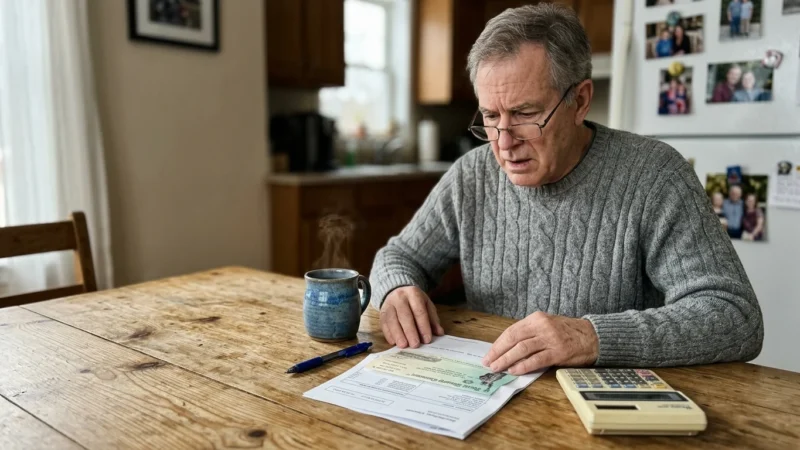


question : for a 69 yr old employee preparing to retire in Jan.2027 how long will it take to
receive social security payments and how to request them