
Paying life insurance premiums for thirty or forty years creates a deep financial habit, but holding onto that coverage into retirement often drains cash flow without providing real value. While roughly 59% of American adults hold life insurance coverage, the financial purpose of insurance is to replace lost income and protect dependents during your working years. Once your children start their own careers, your mortgage vanishes, and your retirement portfolio can support your spouse, keeping an expensive policy becomes unnecessary. Evaluating whether you still need life insurance in retirement lets you redirect thousands of dollars toward living expenses, travel, or long-term care needs instead of paying for protection you have outgrown.

1. Your Children Are Financially Independent Adults
When you first purchased your life insurance policy thirty years ago, your primary goal was likely protecting your young children. If you had passed away unexpectedly during your peak earning years, that death benefit would have paid for groceries, housing, health insurance, and college tuition. Today, that risk landscape looks entirely different.
If your children have finished their education, established their own careers, and managed their own households, they no longer rely on your monthly income to survive. Leaving a financial legacy for your adult children is a noble goal; however, using life insurance to achieve it in retirement often compromises your current cash flow. If your passing will not cause direct financial hardship to any dependent, the primary core purpose of income-replacement life insurance has effectively vanished.

2. Your Mortgage and Major Debts Are Completely Paid Off
In your 30s and 40s, outstanding consumer debt represents a massive financial liability for a surviving spouse. A $300,000 mortgage balance, auto loans, and personal debt can easily overwhelm a single household income if one partner passes away unexpectedly. Financial planners routinely recommend holding large term life insurance policies specifically to clear these liabilities.
Entering retirement debt-free fundamentally changes your financial balance sheet. If you have paid off your mortgage and settled all outstanding consumer loans, your surviving spouse will only need enough income to cover recurring operational costs—such as property taxes, home insurance, utilities, and daily living expenses. Managing debt during your working years was crucial; now that you own your home outright, maintaining an expensive policy solely to pay off non-existent debt drains resources you could use elsewhere. You can review debt-reduction strategies and consumer protections through the Consumer Financial Protection Bureau.
3. You Have Successfully Become “Self-Insured”
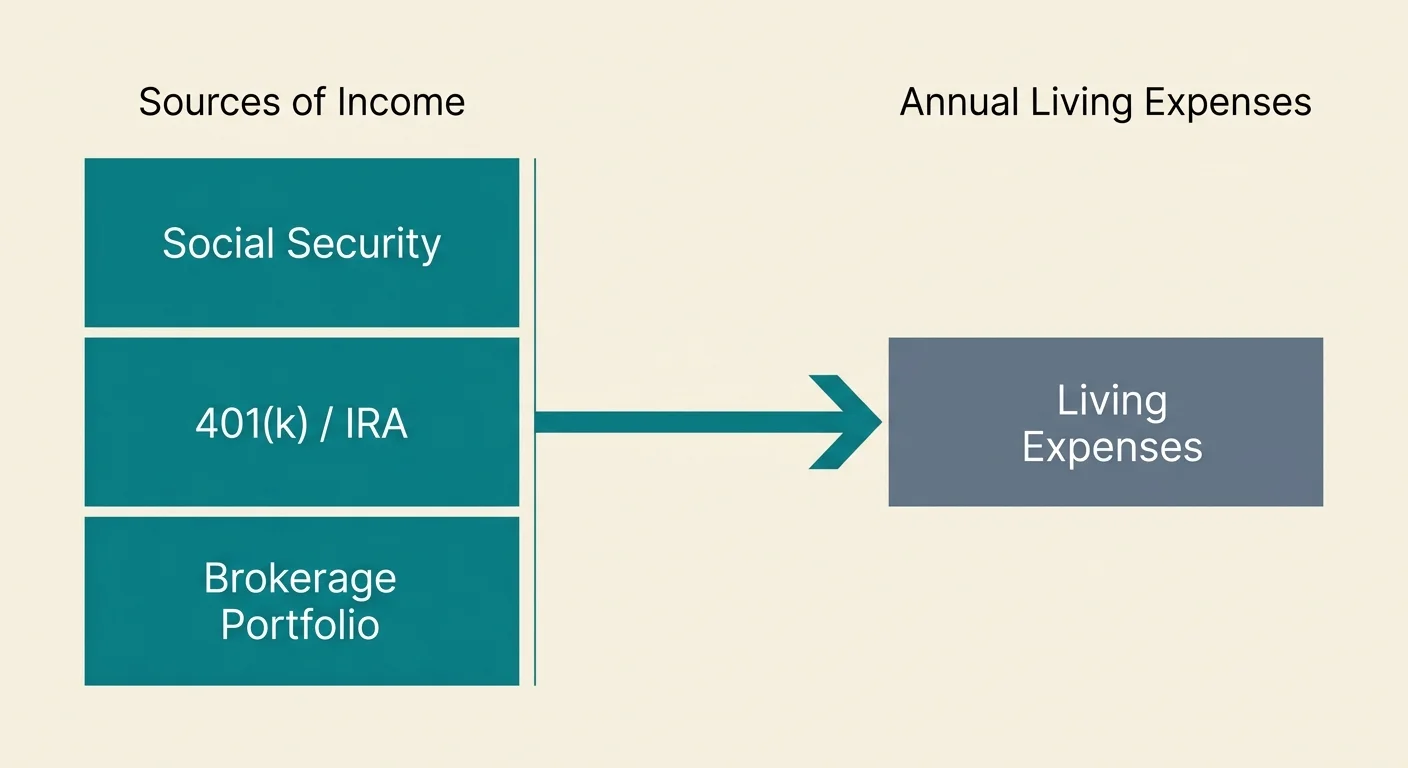
The ultimate goal of long-term retirement planning is reaching the point of being “self-insured.” You become self-insured when your accumulated liquid assets—including IRAs, 401(k) accounts, taxable brokerage portfolios, high-yield savings, and real estate holdings—generate sufficient income to support your household indefinitely.
To determine if you are self-insured, calculate your household’s annual living expenses against your passive income streams. If your combined retirement portfolio, paired with Social Security survivor benefits, easily covers your surviving spouse’s lifestyle needs, your investments have replaced your life insurance policy. Your saved capital now acts as its own safety net. Continuing to pay monthly insurance premiums when you already have substantial wealth is akin to purchasing collision coverage for a vehicle you keep parked in the garage.
4. Your Estate Falls Well Below the Federal Estate Tax Exemption
Decades ago, wealthy families regularly purchased permanent whole life or universal life policies inside specialized trusts (such as Irrevocable Life Insurance Trusts, or ILITs) to provide liquidity for federal estate tax liabilities. Because estate tax rates reached up to 55%, heirs often had to liquidate family farms or private businesses to pay the IRS within nine months of a policyholder’s death.
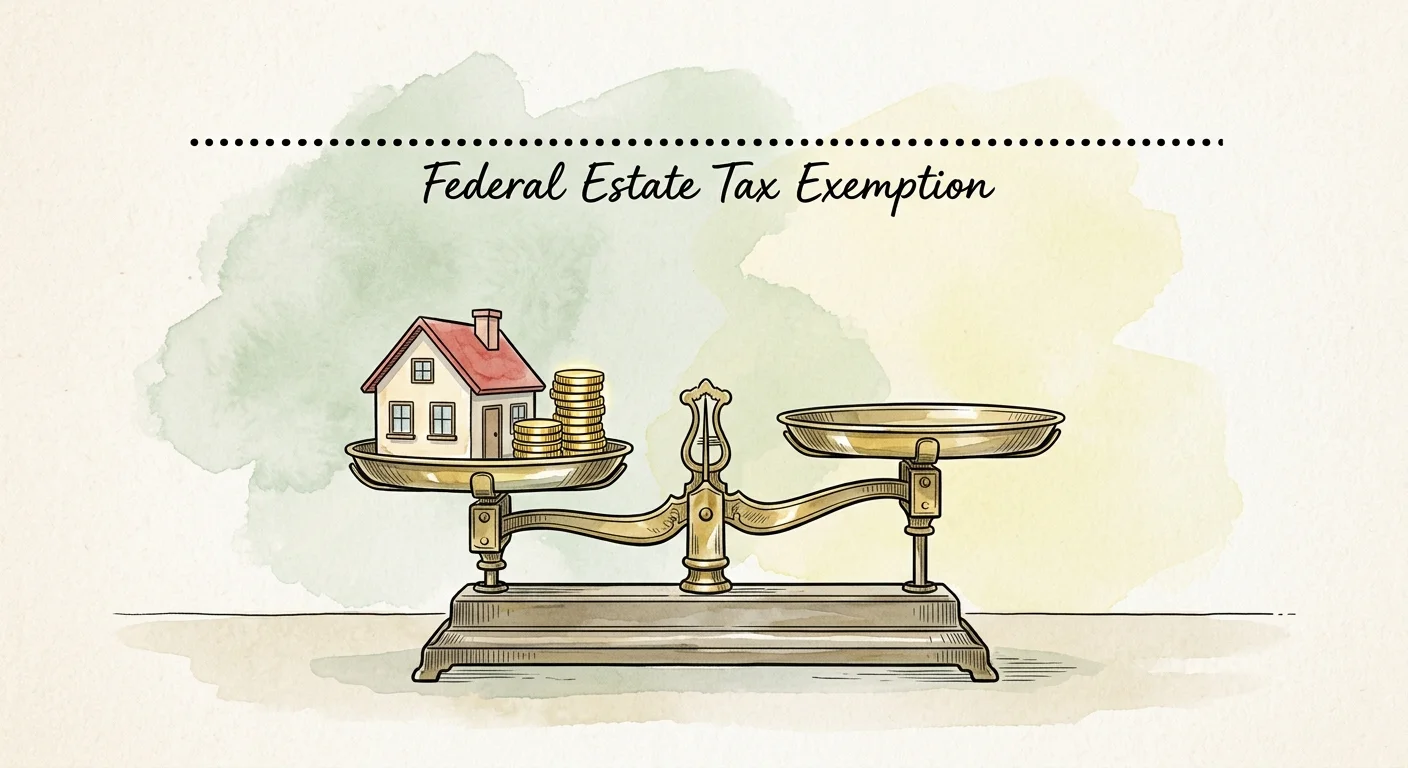
Tax legislation has fundamentally altered this strategy. According to federal tax laws, the individual federal estate tax exemption threshold stands at $15 million per individual ($30 million for married couples). Because fewer than 0.1% of American estates exceed this exemption threshold, virtually all retirees no longer require a life insurance death benefit to satisfy federal estate tax obligations. Unless you hold tens of millions in real estate or private enterprise, maintaining a policy for federal tax liquidity offers zero utility. You can read current tax threshold guidelines directly on the Internal Revenue Service (IRS) website.

5. Surging Premiums Are Eating Into Your Fixed Retirement Income
Many retirees holding permanent life policies—such as Universal Life (UL) or Variable Universal Life (VUL)—face a disturbing financial surprise in their 70s. These policies rely on internal cash values to offset the rising cost of insurance as you age. If historic interest rates fell below original projections, the internal cash value erodes, forcing the insurance company to demand dramatically higher premium payments to keep the policy active.
Similarly, if you hold a term life policy approaching the end of its 20- or 30-year term, renewing it on an annual basis causes rates to jump by 500% to 1,000% almost overnight. Paying $500 to $1,500 per month out of your fixed pension and investment withdrawals just to maintain a policy severely degrades your daily quality of life. Canceling old life insurance policy structures or restructuring them frees up critical budget space for medical expenses, home maintenance, and travel.

6. Your Spouse Has Dedicated Pension or Independent Financial Support
A primary reason married couples retain life insurance into retirement is fear that the surviving spouse will suffer a sharp income cliff when the first spouse dies. When a spouse passes, the surviving partner generally retains the larger of the two Social Security payments while losing the smaller one. You can verify how survivor benefits operate by reviewing official guidance at the Social Security Administration.
However, if your spouse possesses independent financial strength, this income drop presents little danger. For example, if your pension includes a 100% Joint and Survivor Annuity payout, or if your spouse holds an independent pension, personal IRA, or commercial annuity that covers their baseline expenses, the financial argument for keeping life insurance collapses. When non-work income streams continue uninterrupted after your death, life insurance becomes an redundant expense.
7. The Original Business or Contractual Obligations Have Ended
Mid-career professionals frequently buy life insurance policies to satisfy commercial contracts, secure small business loans, or backstop buy-sell agreements between business partners. Similarly, divorce decrees often mandate that one ex-spouse maintain a life insurance policy to guarantee alimony or child support payments until minor children reach adulthood.
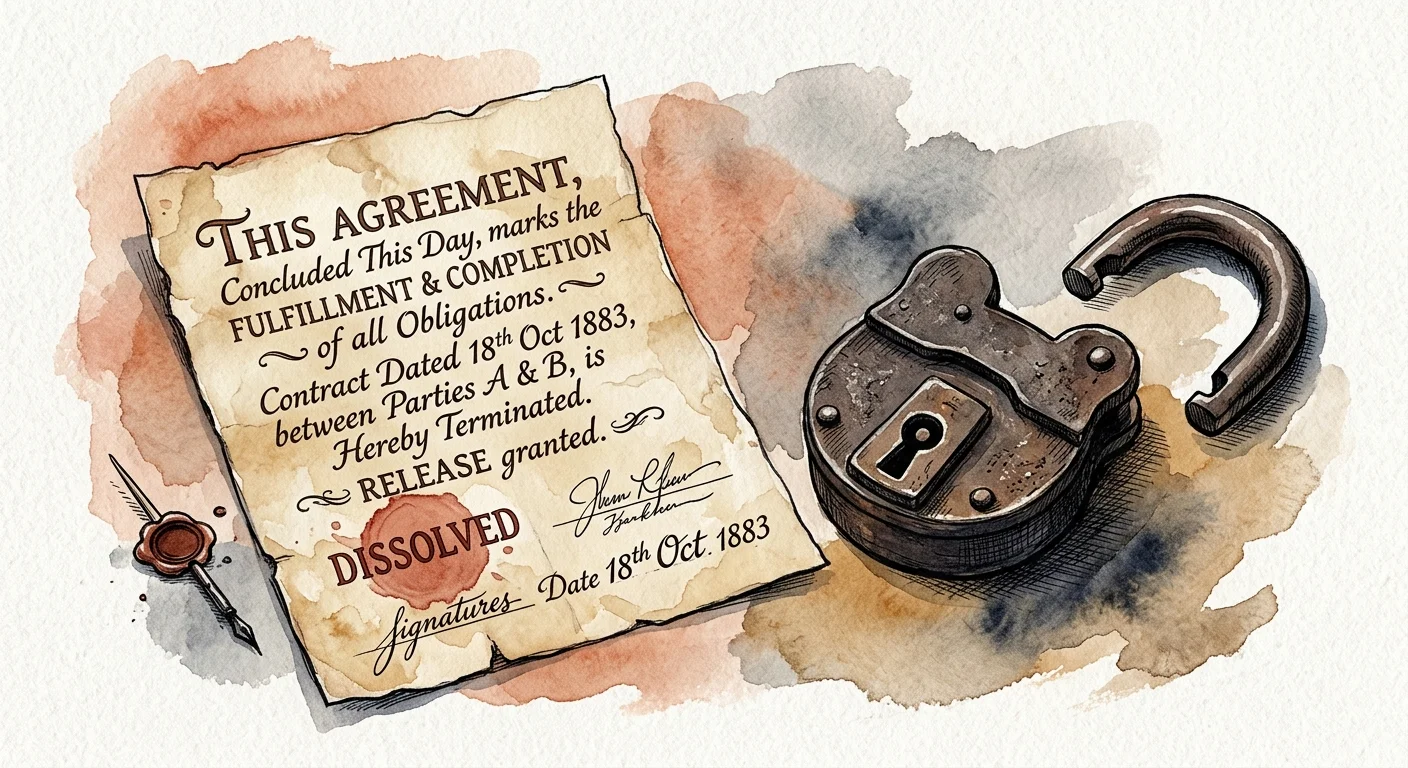
Once you sell your business, fully repay commercial debts, or fulfill your court-mandated alimony obligations, the legal requirement for that insurance vanishes entirely. Many retirees continue writing checks for policies tied to entities or contracts that dissolved ten or twenty years ago simply because they forgot to review their policy documentation. Auditing your original reasons for buying coverage helps identify contracts that no longer serve an active purpose.
8. Your Financial Priority Has Shifted to Healthcare and Long-Term Care
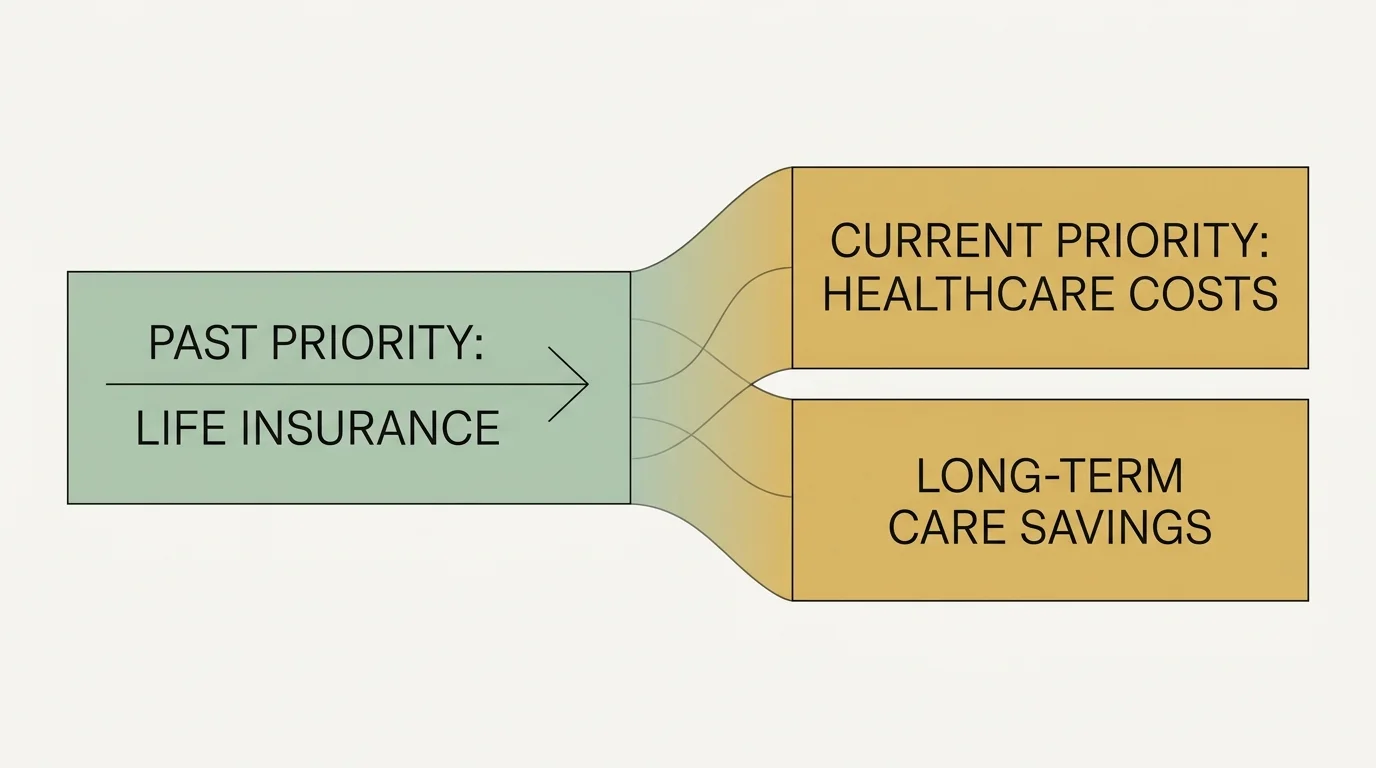
As you navigate your 70s and 80s, your primary financial risk transitions from premature death to surviving with chronic illness or physical disability. A massive death benefit paid out after you pass away does nothing to support your quality of life if you are currently struggling to afford home health aides, assisted living fees, or memory care expenses.
If your policy carries a substantial cash surrender value, tying up that money inside an unnecessary death benefit prevents you from deploying those funds toward real-time healthcare needs. Modern financial planning prioritizes “living benefits”—ensuring you have access to liquid capital during your retirement years rather than leaving a tax-free payout behind while suffering medical cash crunches today.
“Life insurance has one job: replacing lost income if someone depends on you. Once you’re retired, debt-free, and your savings can support your family, you’re self-insured. You don’t need to keep paying premiums for a risk you’ve already defeated.” — Dave Ramsey, Personal Finance Author & Broadcaster

What to Do With Your Policy Instead of Letting It Lapse
If you identify with the signs above, do not simply walk away or stop paying your premiums without evaluating your options. Letting a permanent life policy lapse without an audit can cause you to forfeit thousands of dollars in built-up equity. Depending on your health, age, and policy type, four distinct financial strategies exist for transitioning out of an unneeded policy:
- Cash Value Surrender: You cancel the policy directly with the insurer and receive the accumulated cash surrender value minus any unpaid policy loans or surrender fees.
- IRS Section 1035 Exchange: Under Internal Revenue Code Section 1035, you can transfer the cash surrender value of an existing life insurance policy into a tax-deferred annuity or a qualified long-term care policy without triggering an immediate tax liability.
- Life Settlement Sale: You sell your life policy to an institutional buyer for an upfront cash payment that exceeds the cash surrender value, though it remains lower than the full death benefit. The buyer assumes all future premium payments and collects the benefit upon your passing.
- Reduced Paid-Up Insurance: You instruct the insurance company to freeze your policy’s cash value and convert it into a smaller, fully paid-up death benefit. You pay zero future premiums while maintaining a modest coverage amount for burial costs.
| Strategy | Primary Benefit | Tax Implications | Best Suited For |
|---|---|---|---|
| Cash Surrender | Immediate cash liquidity in your bank account. | Gains above total premiums paid (cost basis) are taxed as ordinary income. | Retirees needing immediate cash who have little taxable gain in the policy. |
| 1035 Exchange | Repurposes wealth into long-term care or annuity income tax-free. | Zero immediate income tax owed on built-up policy gains during transfer. | Retirees facing future healthcare costs or seeking guaranteed monthly income. |
| Life Settlement | Yields significantly higher payout than cash surrender value. | Gains up to cost basis are tax-free; excess gains are taxed as ordinary income or capital gains. | Seniors over age 65 with changed health status holding large policies ($100k+). |
| Reduced Paid-Up | Eliminates ongoing premium payments completely while preserving some death benefit. | No immediate tax liability created upon conversion. | Retirees who want zero monthly costs but wish to leave a modest sum for final expenses. |
Before entering into a life settlement contract, review consumer warnings and disclosures through FINRA Investor Education to ensure you receive fair market value and protect your personal privacy.

Common Mistakes to Avoid When Dropping Coverage
Canceling or restructuring long-held life insurance requires careful execution. Avoiding these frequent missteps protects your net worth and prevents unintended tax penalties:
- Ignoring the Tax Cost Basis: When surrendering a whole or universal life policy, the IRS taxes gains exceeding your total premiums paid into the policy as ordinary income rather than capital gains. Calculate your cost basis with your CPA before executing a surrender request.
- Canceling Before Evaluating Health Changes: If your health has declined severely, maintaining a policy—or pursuing a life settlement—may yield far greater net value to your estate than surrendering it for a small cash sum.
- Failing to Check Policy Riders: Many modern universal policies include free Accelerated Death Benefit riders, allowing you to access cash directly if you suffer a terminal or severe chronic illness. Surrendering the policy destroys these valuable living benefits.
- Lapsing Universal Life Unintentionally: Allowing a universal policy to collapse due to insufficient cash value can create a sudden phantom tax liability if policy loans exceed your cost basis.

Professional vs. Self-Guided Decision Making
Deciding when to drop life insurance depends heavily on policy complexity and cash balances. Consider these common retirement scenarios to determine your optimal path:
Scenario A: Simple Term Life Policy with Zero Cash Value
Path: Self-Guided. If you hold a basic term policy, owe no debt, and no longer have dependents relying on your income, you can comfortably cancel the policy or stop paying premiums without tax consequences or administrative friction.
Scenario B: Permanent Policy with Cash Value Exceeding $50,000
Path: Professional Guidance. Surrendering or transferring high-value whole life policies creates tax and income implications. Work with a fee-only Certified Financial Planner (CFP) or CPA to execute a Section 1035 exchange or structure cash surrenders around lower income brackets.
Scenario C: Seniors Over 70 in Declining Health
Path: Professional Guidance. If your health status has changed significantly since buying the policy, a life settlement provider may pay substantially more than the cash surrender value. Consult an independent insurance broker to solicit competing bids.
Scenario D: Policies Owned by Irrevocable Trusts (ILITs)
Path: Legal Guidance. Trust-owned policies involve fiduciary duties and specialized legal language. Work with an estate planning attorney to ensure proper trust dissolution or restructuring without violating state trust laws.
Frequently Asked Questions About Reviewing Life Insurance Needs
Will I owe taxes if I cancel my whole life insurance policy?
You will only owe taxes if your cash surrender value exceeds the total amount of premiums you paid into the policy over time (your cost basis). The IRS taxes these gains as ordinary income in the tax year you receive the payout. If your total cash value is less than your cost basis, you owe zero income tax.
What is the benefit of an IRS Section 1035 exchange for retirees?
A Section 1035 exchange lets you reposition accumulated policy gains into a tax-deferred annuity or a long-term care policy without recognizing immediate taxable income. This strategy preserves your capital while shifting your protection focus from premature death to living healthcare expenses.
Can I sell my life insurance policy if I am over 65?
Yes. Policyholders aged 65 and older can explore life settlements. Third-party institutional investors buy qualifying term, whole, or universal life policies for cash amounts higher than the policy’s surrender value, assuming all future premium payments until the death benefit pays out.
How do I calculate whether I am officially self-insured?
Add up your total liquid investment capital, real estate equity, guaranteed pension payouts, and Social Security survivor benefits. If these assets cover 100% of your household’s projected annual living costs for the remainder of your life expectancy, you are functionally self-insured and no longer require commercial life insurance.
Final Steps for Reviewing Your Policy
Reviewing life insurance needs represents a core milestone in transition planning. Gather your policy documents, request an up-to-date in-force illustration from your carrier, and verify your current cash surrender value. Comparing these numbers against your monthly retirement budget will show whether keeping that policy serves your future—or if redirecting those premiums toward daily living expenses offers better financial freedom. Educational resources from organizations like AARP provide additional guidance on senior financial planning and retirement security.
The information in this guide is meant for educational purposes. Your specific circumstances—including income, savings, health coverage, and goals—may require different approaches. When in doubt, consult a licensed professional.
Last updated: February 2026. Retirement benefits, tax laws, and healthcare costs change frequently—verify current details with official sources.