
Holding open conversations about your finances and future healthcare protects your family from painful guesswork. Proactive discussions preserve your wealth and ensure your wishes remain respected when life takes unexpected turns.
Too often, silence forces adult children to make agonizing choices during sudden medical crises or leads to bitter legal disputes. You can eliminate that stress by addressing key decisions before an emergency forces your hand.
Tackling these topics early keeps you in control of your retirement years. Here are the five essential family conversations you must initiate today to secure your dignity and safeguard your estate.
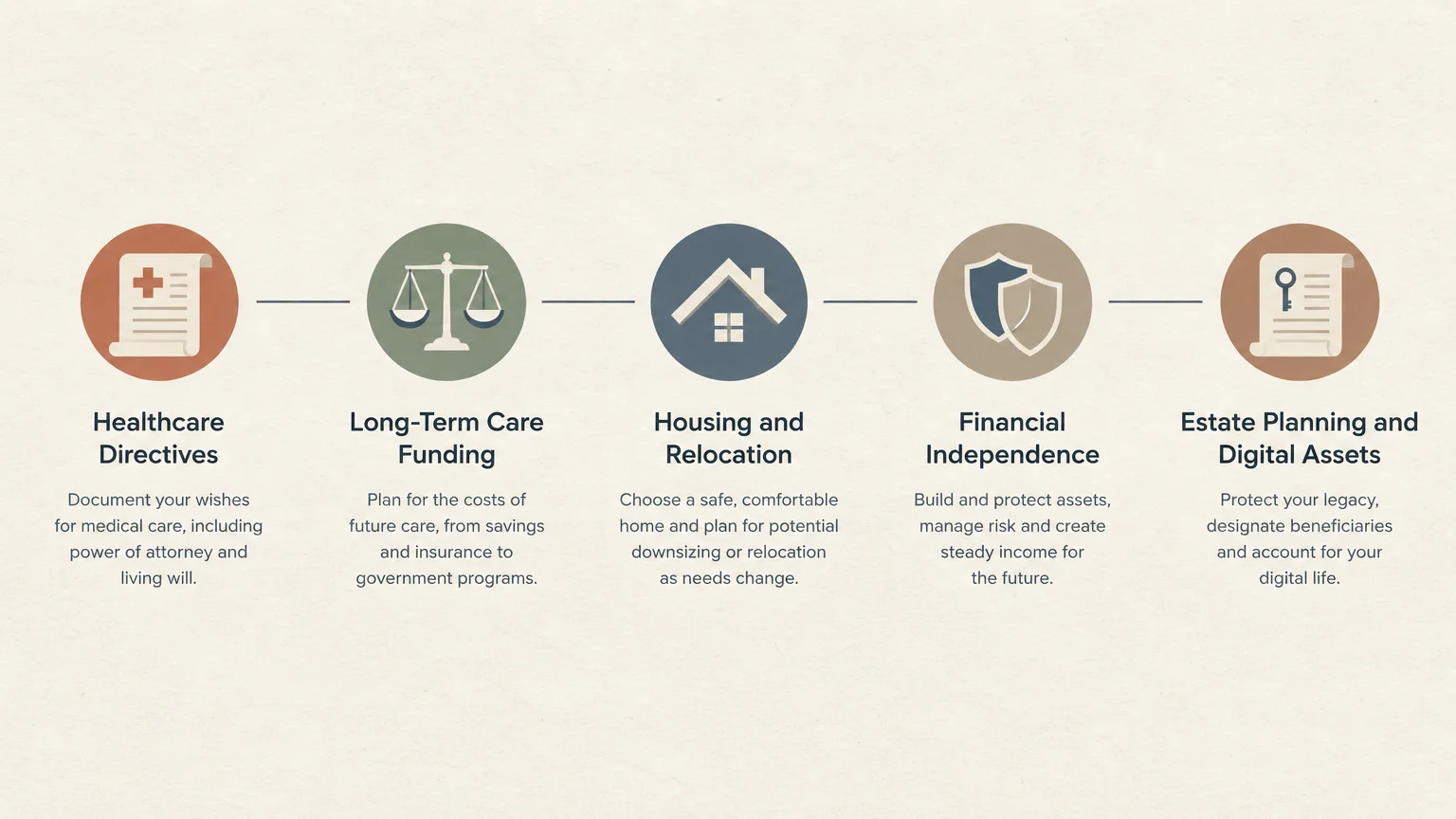
The Essentials: Key Family Conversations at a Glance
Opening a dialogue about aging requires patience and thoughtful preparation. Outlining your core priorities in advance helps keep your loved ones focused on practical solutions.
- Healthcare Directives: Appoint a surrogate and record your specific end-of-life medical preferences.
- Long-Term Care Funding: Clarify who provides care and how you will pay for professional assistance.
- Housing and Relocation: Establish boundaries for aging in place versus moving to a senior living community.
- Financial Independence: Set clear parameters around financial assistance to adult children to protect your savings.
- Estate Planning and Digital Assets: Organize your legal wills, trusts, account beneficiaries, and password registries.

1. Medical Directives and End-of-Life Care Wishes
A sudden medical crisis leaves little time for calm debate among family members. Documenting your healthcare preferences ensures doctors and relatives honor your personal values if you cannot speak for yourself.
A landmark study published in Health Affairs revealed that only 36.7% of American adults have completed an advance directive. This leaves nearly two out of three families without documented guidance during unexpected medical events.
Your healthcare plan must include a living will and a durable power of attorney for healthcare. These legal documents designate a proxy to make medical decisions and clarify your preferences regarding ventilators, feeding tubes, and resuscitation.
Sit down with your chosen proxy and adult children to explain your philosophical choices. Walking them through realistic medical scenarios prevents guilt and second-guessing if they ever need to make high-stakes decisions.
Store signed copies of your advance directives with your primary care physician and local hospital network. Give duplicate copies to your healthcare surrogate and keep an accessible electronic copy on your phone.
2. The Reality of Long-Term Care and Who Pays for It
Many retirees assume their adult children will easily step in as daily caregivers. In reality, informal caregiving demands immense emotional stamina, physical labor, and career disruption.
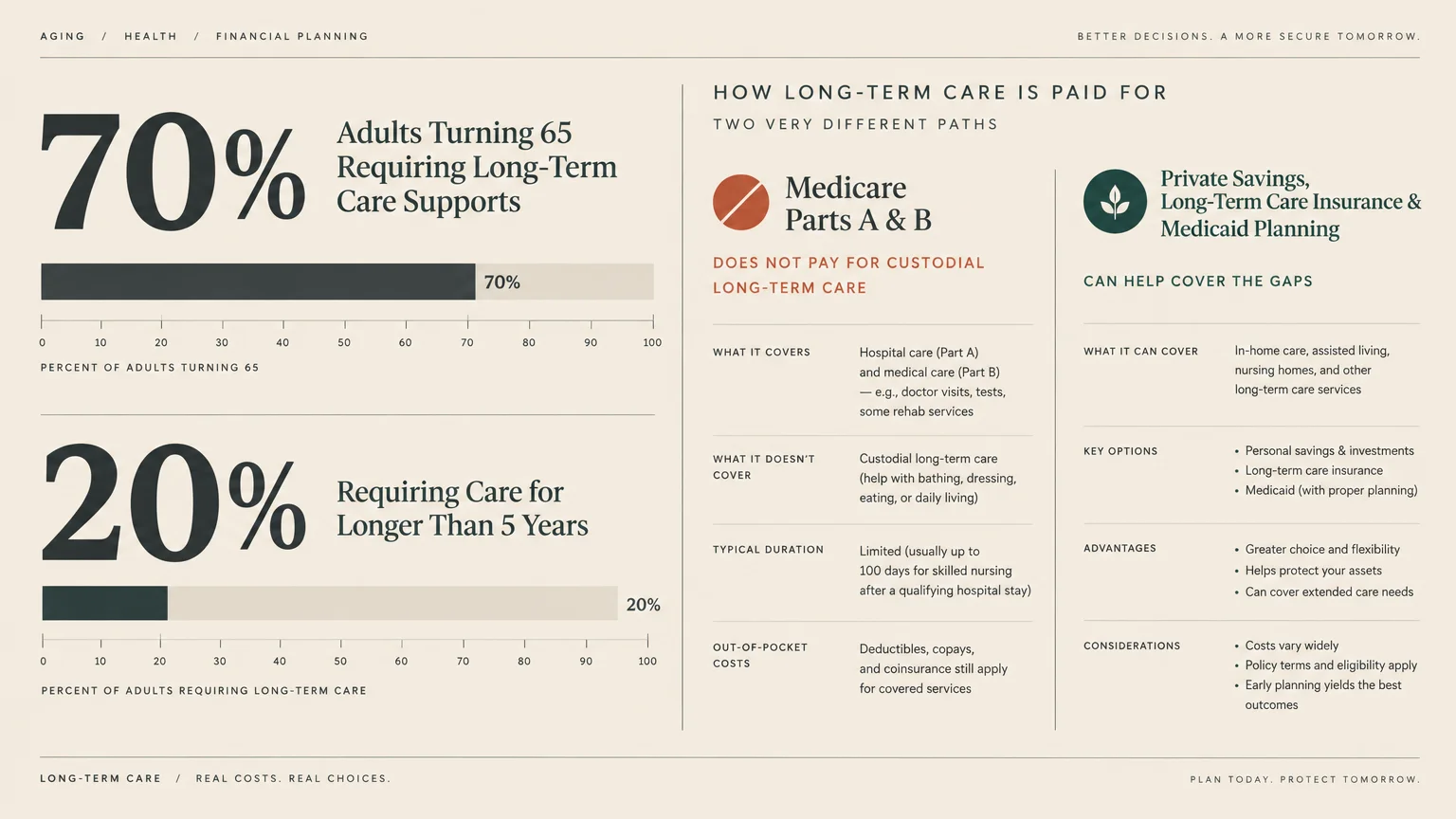
According to the Administration for Community Living, approximately 70% of adults turning age 65 today will require long-term care supports during their lifetimes. Furthermore, roughly 20% will require ongoing assistance for longer than five years.
You must dispel common healthcare misconceptions before chronic illness sets in. Standard Medicare Parts A and B do not pay for custodial long-term care when non-skilled assistance with bathing, dressing, or eating is all you require.
Discuss how your family will fund professional care if health declines occur. Review your private savings, dedicated long-term care insurance policies, or potential Medicaid spend-down strategies openly with your children.
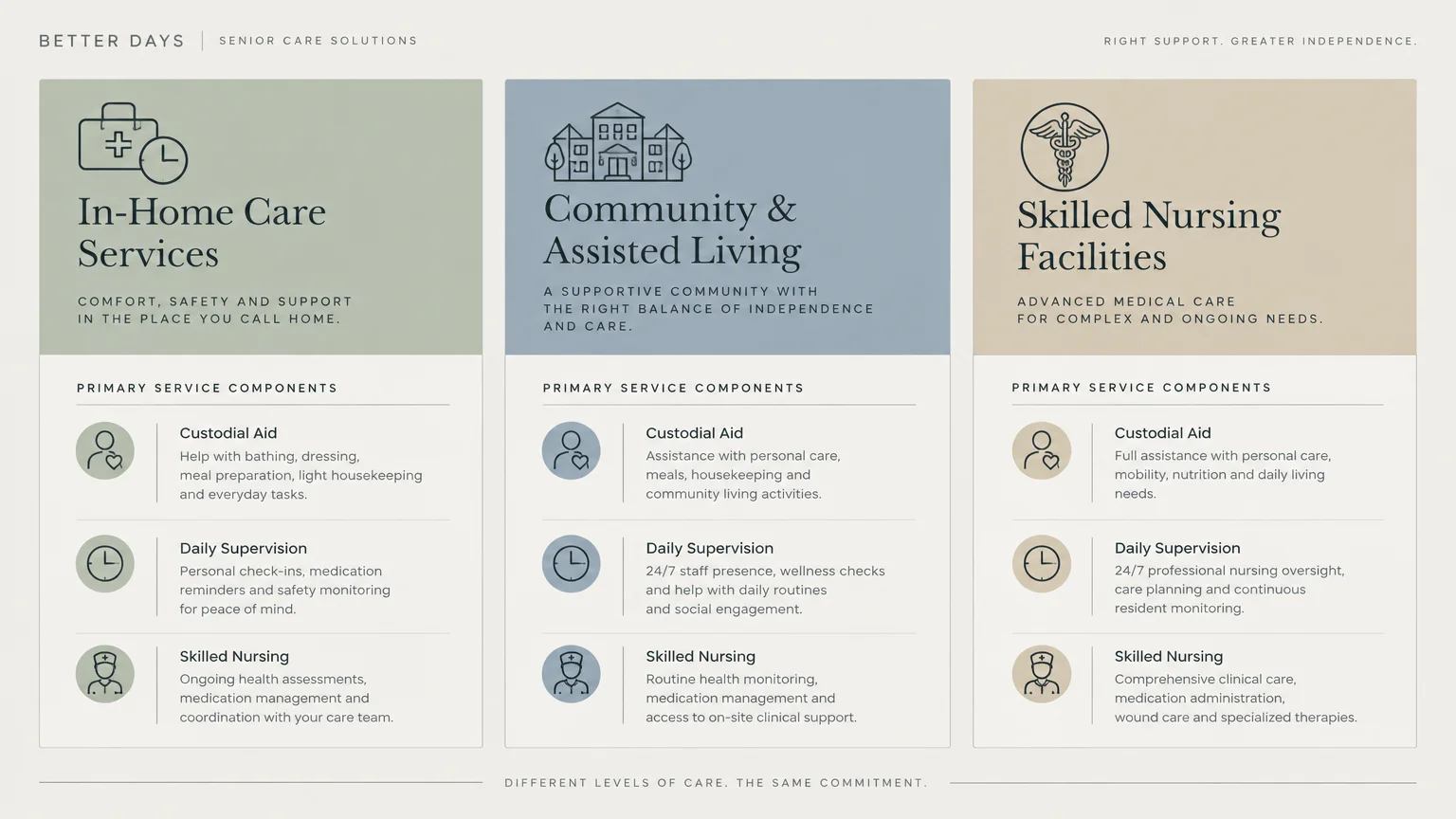
Long-Term Care Options and National Median Costs
Understanding the current marketplace helps your family build realistic financial projections. The following figures highlight median expenses across popular elder care arrangements based on recent industry surveys.
| Care Setting | National Median Annual Cost | Standard Medicare Coverage | Primary Family Impact |
|---|---|---|---|
| In-Home Health Aide (44 hours/week) | $77,792 | No coverage for custodial assistance | Allows aging in place but requires active family management and home upkeep. |
| Assisted Living Community (Private 1-bedroom) | $70,800 | No room-and-board coverage | Eliminates home maintenance while providing social engagement and meal services. |
| Nursing Home Facility (Semi-Private Room) | Exceeds $104,000 | Covers up to 100 days of skilled rehab only | Requires significant asset spend-down unless covered by private insurance or Medicaid. |
| Unpaid Family Caregiving | $0 out-of-pocket (labor) | Not applicable | Generates over $200,000 in economic strain through lost wages and career sacrifices. |

3. Housing Transitions and Aging-in-Place Boundaries
Most retirees prefer to remain in their family homes for as long as possible. However, maintaining a multi-story house can quickly become a safety hazard as physical mobility declines.
The U.S. Department of Health and Human Services estimates that unpaid family caregivers provide care valued at over $200,000 per older adult with significant disabilities. That hidden burden can easily strain your children’s financial security.
Walk through your living spaces together to assess accessibility needs. Point out potential safety hazards like steep staircases, narrow entryways, high bathtubs, or extensive yard maintenance requirements.
Establish clear, objective trigger points for when moving to a single-level layout or assisted living community becomes necessary. Agreeing on these milestones in advance prevents bitter emotional stalemates later.

4. Financial Independence and the “Bank of Mom and Dad”
Helping adult children navigate economic hurdles is a natural parental instinct. However, subsidizing adult family members indefinitely often undermines your own retirement stability.
Surveys from Savings.com indicate that between 47% and 50% of American parents provide regular financial support to their adult children. These supporting parents transfer an average of $1,474 monthly—over $17,500 every single year.
Nearly half of those parents report jeopardizing their own retirement security or delaying their planned retirement dates to provide financial aid. Remember that you cannot secure a student loan or mortgage for retirement.
Explore resources from the Consumer Financial Protection Bureau to help adult children develop sound budgeting and debt repayment skills. Transparently explain your fixed-income budget so everyone understands that parental financial support has clear limits.
“Talking about money with your adult children is not a burden; it is one of the greatest gifts of clarity you can give them.” — Jean Chatzky, Financial Educator

5. Estate Plans, Asset Distribution, and Account Access
Leaving a structured estate plan shields your loved ones from expensive probate delays and family disputes. Regrettably, most Americans avoid completing formal estate documents.
According to Caring.com’s Wills and Estate Planning Study, only 32% of American adults maintain an active will or living trust. The leading excuse cited by 40% of those without a plan is the false belief that they lack sufficient assets.
Under current regulations from the Internal Revenue Service, the federal estate tax exemption is $13.99 million per individual for 2025 and rises to $15.00 million for 2026. While federal estate taxes affect few families, state taxes and probate administrative delays impact millions.
Confirm that your primary beneficiary designations on retirement accounts, annuities, and life insurance policies match your current intentions. Beneficiary forms override written wills, making regular reviews essential after marriages, divorces, or births.
Assemble an emergency legacy binder that contains your legal deeds, account numbers, and insurance policies. Include an encrypted master password manager listing so your executor can access your online bank portals, utility accounts, and email files.

What Can Go Wrong When Families Avoid These Talks
Avoiding these topics might seem comfortable in the short term, but silence invites significant financial danger. Families regularly face preventable heartbreak when health setbacks strike without advance planning.
- Court Conservatorships: If you suffer sudden cognitive decline without financial powers of attorney, your family must pay thousands of dollars for court guardianship.
- Sibling Feuds: Ambiguous personal wishes often generate deep emotional resentment among siblings over caregiving duties and sentimental asset division.
- Drained Nest Eggs: Providing ongoing cash subsidies to adult children can exhaust your liquid savings right before costly health episodes emerge.
- Unintended Asset Transfers: Outdated beneficiary designations on old 401(k) plans or IRAs may deliver your life savings to an ex-spouse instead of your children.

When to Consult a Professional
While many family conversations start around your kitchen table, intricate legal and financial questions require qualified guidance. Seeking professional advice ensures your strategy holds up in court and aligns with state-specific statutes.
- Blended Family Dynamics: Consult an estate planning attorney to draft revocable or irrevocable trusts that protect biological children while supporting a surviving spouse.
- Cognitive or Chronic Health Diagnoses: Meet with a certified elder law attorney immediately upon receiving a progressive diagnosis to shield assets and explore Medicaid eligibility rules.
- Business and Real Estate Holdings: Engage a Certified Financial Planner (CFP) and CPA if your estate includes multi-state real estate, private businesses, or complex tax assets.
- Intense Family Conflict: Hire an accredited elder mediator if communication among siblings has deteriorated over caregiving roles or financial decisions.
Frequently Asked Questions
How do I start an estate planning talk without alarming my adult children?
Frame the discussion around life management rather than death. Explain that organizing your documents offers your family a roadmap and protects them from administrative burdens.
Does Medicare pay for assisted living or home aides?
Standard Medicare does not cover custodial care or monthly assisted living room-and-board charges. It only funds short-term rehabilitative care following a qualifying three-day inpatient hospital stay.
How often should our family review our estate plan and directives?
Review your estate plan every three to five years, or immediately following major life events such as a divorce, death, remarriage, or major tax law changes.
What is the difference between a living will and a durable power of attorney?
A living will records your written choices regarding end-of-life interventions. A durable healthcare power of attorney names a specific person to make medical choices if you become incapacitated.
Taking Action for Your Family’s Future
Initiating these conversations demands emotional vulnerability, but the lasting peace of mind they offer is unmatched. Pick one topic, set a comfortable date, and start this vital dialogue with your family today.
The information in this guide is meant for educational purposes. Your specific circumstances—including income, savings, health coverage, and goals—may require different approaches. When in doubt, consult a licensed professional.
Last updated: February 2026. Retirement benefits, tax laws, and healthcare costs change frequently—verify current details with official sources.