
Retailers aggressively push premium membership upgrades that promise massive savings. For most retirees living on fixed incomes, these expensive VIP tiers quietly drain cash reserves instead of preserving them.
Paying extra upfront requires heavy spending just to break even on basic annual fees. Unless you run a business or support a large household, standard tiers usually offer superior value.
Before renewing your subscriptions this year, examine the actual math behind these pricey store perks. Cutting unnecessary retail upgrades protects your monthly grocery budget without sacrificing convenience.

The Hidden Math Behind Retail Membership Upgrades
Subscription programs rely on a psychological tendency known as the sunk cost fallacy. Once you spend money on an upgraded tier, you feel compelled to shop more frequently to justify the initial expense.
Retailers count on what the industry calls breakage—benefits that consumers pay for but never actually redeem. The Consumer Financial Protection Bureau regularly warns consumers about recurring subscription fees that drain bank accounts unnoticed.
“Price is what you pay; value is what you get.” — Warren Buffett, Chairman and CEO of Berkshire Hathaway
Calculating your break-even point is simple arithmetic. Divide the additional annual upgrade fee by the reward percentage or discount rate to determine your required annual spending.
If your annual spending falls below that target threshold, you are losing money on the upgrade. Downsized households and solo retirees rarely reach the purchasing volume required to make top-tier programs profitable.

1. Costco Executive Membership
Effective September 1, 2024, Costco raised its annual membership fees across the board. Standard Gold Star memberships increased to $65 per year, while Executive memberships jumped to $130 annually.
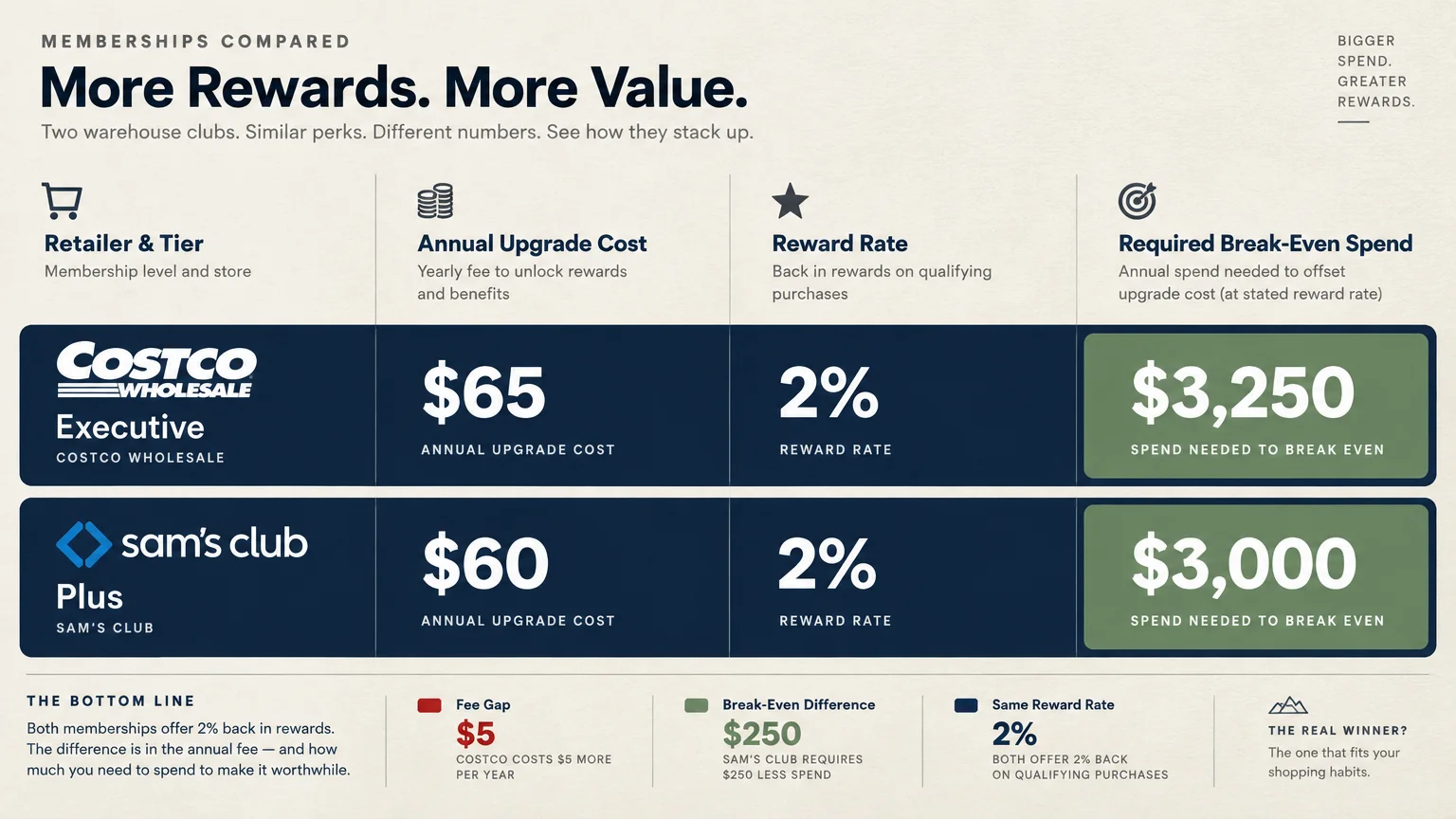
The price difference between the two tiers sits at an even $65. Executive members earn a 2% annual reward on qualified warehouse purchases, capped at $1,250 per year.
To recoup that $65 upgrade cost through cash back alone, you must spend at least $3,250 annually on eligible purchases. That translates to roughly $271 every single month.
Gasoline, postage stamps, and gift card purchases do not count toward your 2% reward balance. Retirees who no longer buy bulk groceries for growing families rarely hit that monthly threshold.
While Costco will refund the upgrade difference if you request it at the customer service desk, many members forget to ask. Sticking with the standard $65 Gold Star tier keeps your cash in your checking account immediately.
2. Sam’s Club Plus Membership
Sam’s Club charges $50 annually for its base Club membership. Upgrading to the premium Sam’s Club Plus tier costs $110 per year, creating a $60 price gap.
Plus members earn 2% back in “Sam’s Cash” on qualifying in-club purchases, with rewards capped at $500 annually. You must spend $3,000 each year—or $250 every month—just to break even on the upgrade fee.
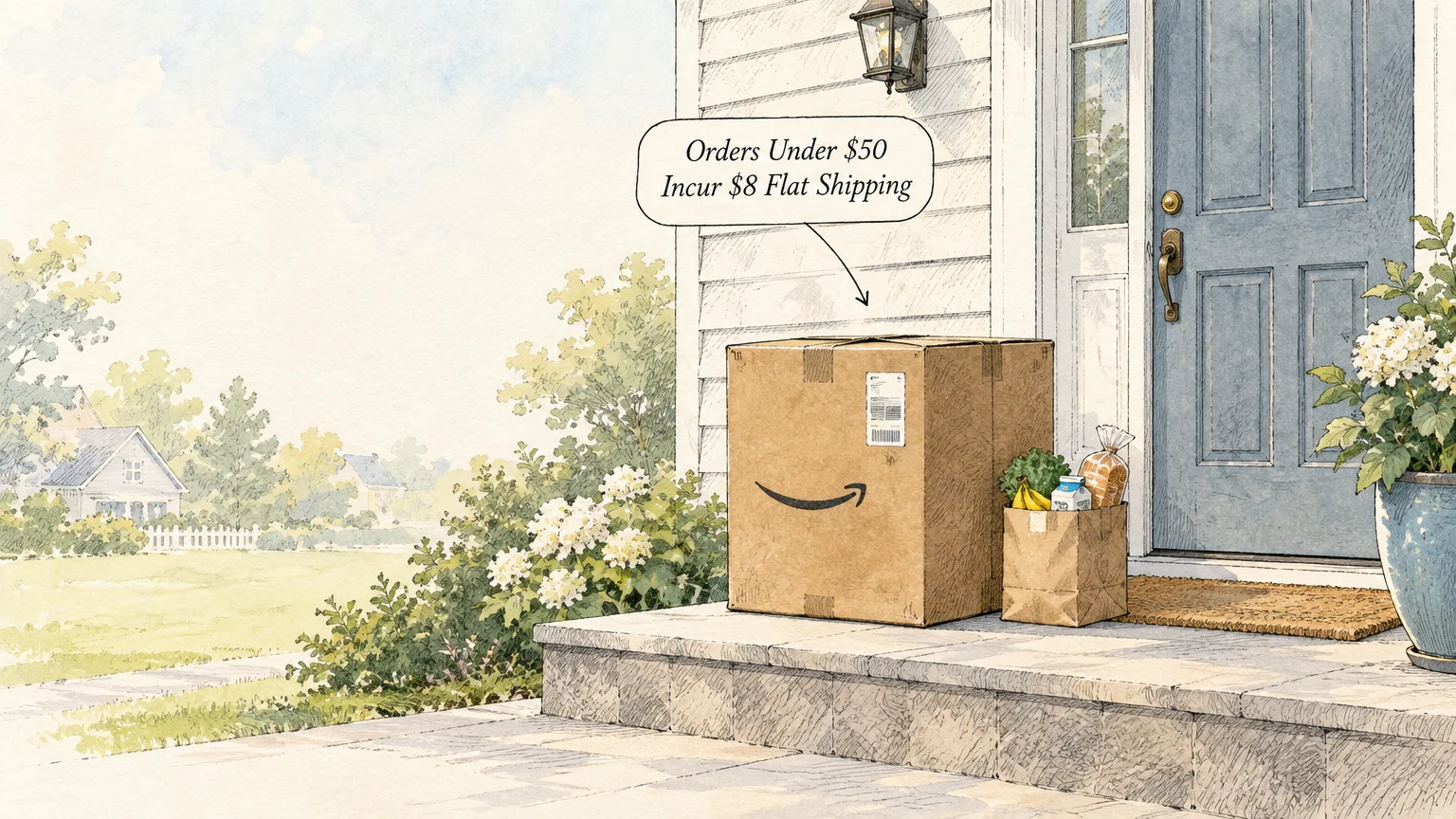
Sam’s Club also altered one of its primary Plus perks on August 19, 2024. The retailer instituted a strict $50 minimum cart requirement for free shipping and free same-day club delivery.
Any qualifying order under $50 now triggers an automatic $8 flat shipping fee. If you frequently order small, supplemental grocery orders, this fee policy significantly erodes your perceived membership savings.
Budget-conscious seniors can track daily expenses using resources from Kiplinger to see if bulk warehouse clubs genuinely fit their lifestyles.
3. BJ’s Wholesale Club: The Club+ Card
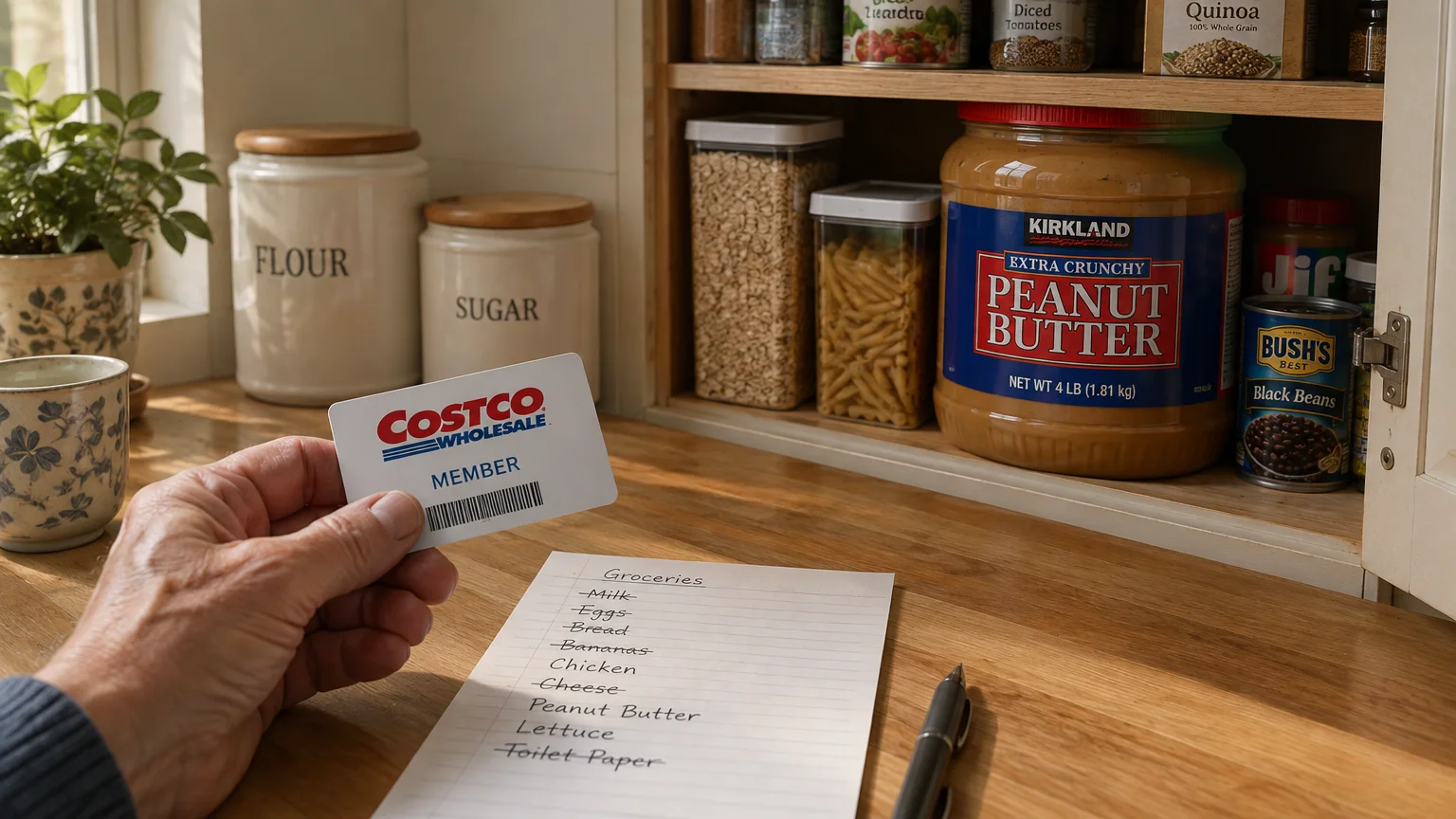
BJ’s Wholesale Club operates primarily along the East Coast, offering a standard membership called “The Club Card” for $55 per year. The upgraded tier, known as “The Club+ Card,” costs $110 annually.
Bridging that $55 price difference requires earning enough rewards to cover the higher annual dues. The Club+ Card grants members 2% back on eligible club purchases alongside minor fuel savings.
To offset the $55 upgrade fee, you must spend at least $2,750 per year on qualifying items. That requires spending roughly $230 each month at BJ’s warehouse registers.
Shoppers often find that base members already access the same product pricing and in-club coupon clipping. Paying double for the membership card rarely makes financial sense for one- or two-person households.

4. Target Circle 360
Target restructured its loyalty program on April 7, 2024, by launching a paid subscription tier called Target Circle 360. This premium membership costs $99 per year, or $49 annually for Target Circle Card holders.
The primary benefit of Circle 360 is unlimited same-day home delivery through Shipt on orders over $35. It also provides free two-day shipping and an extended 30-day return window.
Standard Target Circle accounts remain completely free for all shoppers. Standard members already receive personalized sales, automatic coupon clipping at checkout, and access to free drive-up curbside pickup.
Target will bring your items directly to your car trunk for zero delivery fees and zero membership costs. Paying $99 per year for doorstep delivery is an unnecessary expense when curbside pickup takes just two minutes.

5. My Best Buy Total
Best Buy revamped its loyalty program into three distinct tiers, topping out with My Best Buy Total at $179.99 per year. The mid-tier “Plus” plan costs between $29.99 and $49.99 annually, while the base tier remains free.
The $180 annual price tag includes 24/7 Geek Squad tech support and up to two years of product protection on eligible tech purchases. At first glance, bundled AppleCare+ and warranty coverage appear valuable.
A major catch lurks within the program terms: all product protection plans instantly terminate if you cancel your annual membership. You must keep paying $180 every year to maintain warranty coverage on older devices.
Many repair claims still carry separate service fees and deductibles. Seniors are usually better served buying standalone protection plans only for expensive items or paying for tech support as needed.

6. Barnes & Noble Premium Membership
Barnes & Noble offers a free digital rewards program alongside its paid Premium Membership tier, which costs $39.99 annually. The paid tier provides a 10% discount on eligible in-store and online purchases.
To break even on that $40 annual fee, you must spend at least $400 every year on eligible books, gifts, and cafe items. Discounted items, gift cards, and digital subscriptions do not count toward your totals.
Many seniors read voraciously during retirement, but paying for retail book discounts is rarely necessary. Public libraries offer vast catalogs of physical books, large-print editions, and digital audiobooks entirely free of charge.
Apps like Libby connect directly to your local library card, delivering bestselling books straight to your e-reader or tablet without spending a dime.

7. Kroger Boost (Same-Day Delivery Tier)
Kroger introduced its Boost membership program to compete directly with national delivery services. Boost offers two tiers: a next-day delivery tier for $59 to $69 per year, and a same-day delivery tier for $99 annually.
The same-day tier promises grocery delivery to your door in as little as two hours on orders over $35. Both tiers offer double fuel points on eligible grocery purchases.
Standard Kroger loyalty members already receive free curbside pickup on all grocery orders of $35 or more. Kroger store staff assemble your bags and load your trunk while you remain in your vehicle.
Retirees often enjoy greater scheduling flexibility than working professionals balancing rigid office hours. Choosing next-day delivery or free curbside pickup saves you $99 each year without compromising convenience.

8. Walmart+ InHome Delivery Add-On
A standard Walmart+ membership costs $98 per year or $12.95 per month. Walmart also offers an upgraded add-on called “InHome” for an extra $40 per year, raising your total cost to $138 annually.
The InHome upgrade allows vetted Walmart associates to enter your residence, garage, or kitchen to unpack groceries directly into your refrigerator. The perk eliminates employee tipping and waives standard delivery order minimums.
Standard Walmart+ already provides unlimited free grocery delivery to your front porch on orders over $35. For most homeowners, doorstep delivery provides all the assistance required.
Paying an extra $40 per year simply to have someone carry bags past your doorway is an avoidable luxury. Keeping the delivery drop-off at your front door also preserves your personal privacy and home security.

9. AAA Plus and Premier Roadside Tiers
The American Automobile Association (AAA) provides dependable roadside assistance, but its upgraded tiers often carry unnecessary premiums. Base Classic coverage runs roughly $60 per year, while AAA Plus costs $90 to $110, and Premier reaches $150.
Classic coverage includes up to four roadside service calls annually, but only covers towing up to five miles from the breakdown site. AAA Plus expands towing coverage to 100 miles, while Premier offers a single 200-mile tow.
The average American retiree drives approximately 40% fewer miles per year than working adults, according to federal highway data. Most senior driving occurs within a short radius of home, medical clinics, and local shopping centers.
Paying $100 or more each year for 100-mile towing protection rarely pays off for local drivers. Standard vehicle insurance policies offer roadside assistance riders that provide jump-starts, tire changes, and local towing for just $10 to $25 per year.
Organizations like AARP provide comprehensive lifestyle guides that help older Americans evaluate recurring transportation and insurance expenses.
Premium Retail Tiers Compared: Cost vs. Break-Even Reality
Comparing your actual household spending against annual membership fees reveals which upgrades waste money. The table below outlines the upgrade costs and required break-even spending for popular retail programs.
| Retail Program | Annual Upgrade Cost | Break-Even Spending Required | Primary Upgrade Perk | Smart Budget Alternative |
|---|---|---|---|---|
| Costco Executive | $65 upgrade ($130 total) | $3,250 per year ($271/month) | 2% annual reward (up to $1,250) | Gold Star tier ($65) |
| Sam’s Club Plus | $60 upgrade ($110 total) | $3,000 per year ($250/month) | 2% Sam’s Cash; free shipping ($50 min) | Base Club tier ($50) |
| BJ’s Club+ Card | $55 upgrade ($110 total) | $2,750 per year (~$230/month) | 2% cash-back rewards | The Club Card ($55) |
| Target Circle 360 | $99 per year | N/A (flat convenience fee) | Same-day delivery on $35+ orders | Free Target Circle curbside pickup |
| My Best Buy Total | $179.99 per year | N/A (flat warranty fee) | Geek Squad tech support & protection | Pay-as-you-go repair services |
| Barnes & Noble Premium | $39.99 per year | $400 per year on eligible books | 10% in-store and online discount | Free public library & Libby app |
| Kroger Boost Same-Day | $99 per year | N/A (flat delivery fee) | Same-day delivery within 2 hours | Free grocery pickup on $35+ orders |
| Walmart+ InHome | $40 upgrade ($138 total) | N/A (entryway service fee) | Delivery inside home or refrigerator | Standard Walmart+ porch delivery |
| AAA Plus / Premier | $30 to $90 upgrade | N/A (extended towing range) | 100 to 200 miles of towing coverage | Auto insurance roadside rider ($10–$25) |
Avoiding Common Errors When Managing Store Subscriptions
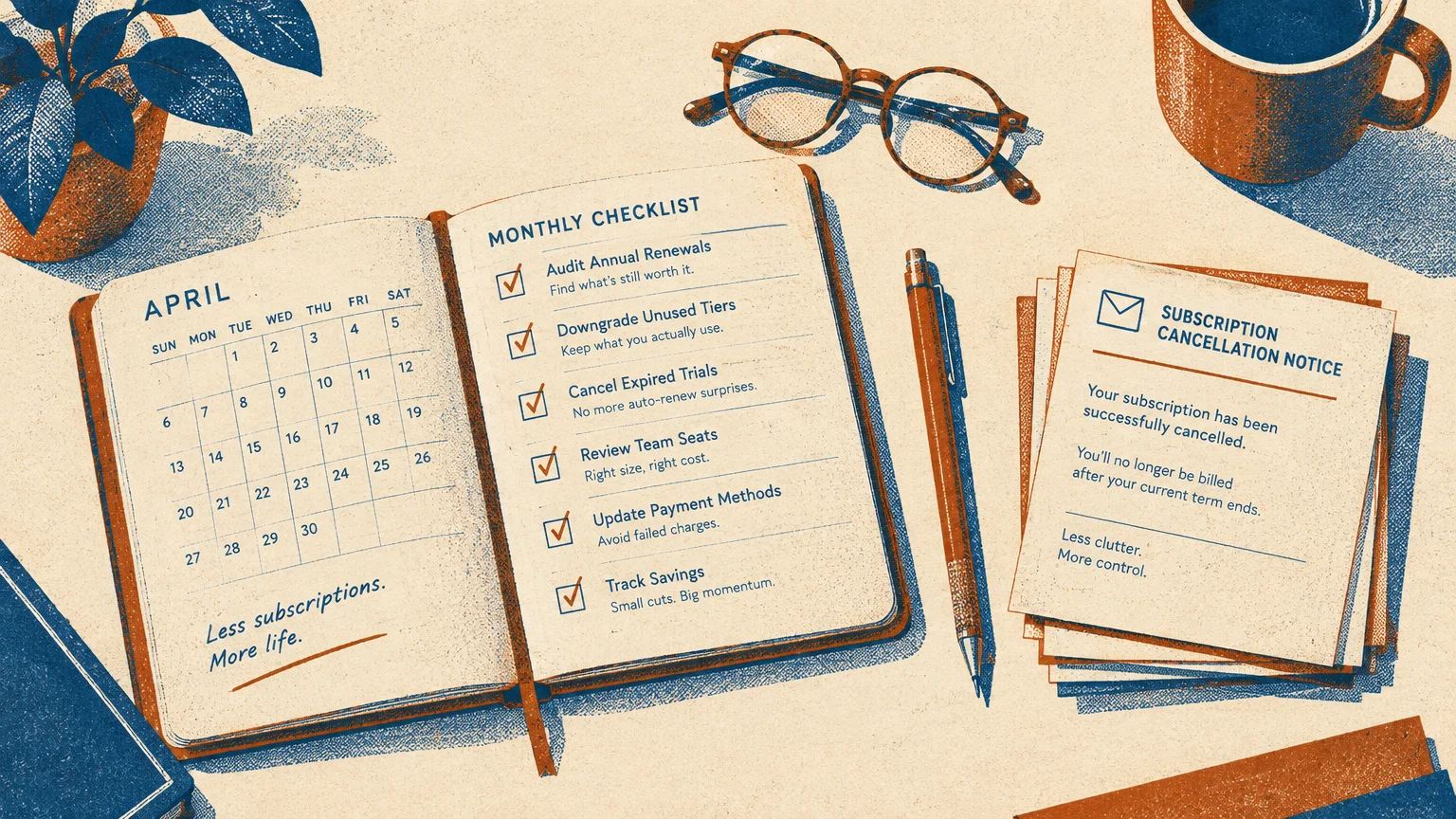
Subscription creep poses a subtle threat to retirement stability. Retailers make enrolling in premium tiers effortless, but cancelling or downgrading requires deliberate action.
One frequent mistake is allowing retail memberships to auto-renew without reviewing the previous year’s actual cash-back balance. Check your account statement before your renewal date to verify your total earnings.
Another error involves ignoring household transitions. Downsizing from a four-bedroom family home to a condominium dramatically reduces bulk cleaning supply and paper goods consumption.
“A budget is telling your money where to go instead of wondering where it went.” — Dave Ramsey, Personal Finance Author
Consumers also overlook credit card rewards that duplicate paid membership benefits. Independent financial analysis from NerdWallet highlights no-annual-fee credit cards that offer 2% to 5% cash back across all retail categories.
Using a flat-rate 2% cash-back credit card allows you to earn rewards everywhere without paying $60 to $130 in club membership fees. You can research credit fundamentals on Investopedia to maximize your daily purchasing power.
Frequently Asked Questions
Can you downgrade a warehouse membership mid-year?
Both Costco and Sam’s Club permit members to cancel or downgrade their memberships at any time. Costco will refund the prorated difference or issue a full refund on your membership fee under their satisfaction guarantee.
What happens to my accumulated rewards if I downgrade?
You must redeem your accumulated cash back or club certificates before processing a membership downgrade. If you cancel an upgraded account before cashing out your rewards, unissued balances could be forfeited under store terms.
Are retail store credit cards better than upgraded tiers?
Store-branded credit cards often deliver equal or superior cash-back rates without charging separate membership upgrade fees. As long as you pay your monthly balance in full, credit card rewards offer greater financial flexibility.
How often should retirees audit their annual retail subscriptions?
Review your bank and credit card statements every six months to identify recurring auto-renewal charges. Auditing your subscriptions twice a year prevents forgotten memberships from draining your fixed retirement income.
Protecting Your Retirement Cash Flow
Trimming unneeded membership tiers puts hundreds of dollars back into your pocket every single year. Take ten minutes this week to examine your club receipts and calculate your genuine break-even numbers.
Opting for free store tiers, curbside pickup, and local library services delivers maximum convenience without inflated annual fees. Managing everyday expenses wisely gives you complete control over your retirement budget.
This article provides general retirement education and information only. Everyone’s financial situation is unique—what works for others may not work for you. For personalized advice, consider consulting a qualified financial professional such as a CFP or CPA.
Last updated: February 2026. Retirement benefits, tax laws, and healthcare costs change frequently—verify current details with official sources.