A lot of people postpone thinking about preparing for retirement because it could seem extremely daunting. But there is this recently passed federal retirement legislation that addresses many important concerns that used to discourage individuals from saving money.
The Secure 2.0 Act, which was signed into law at the end of 2022, aims to assist a greater number of people in saving for retirement by extending the forgiveness of government incentive programs to those who require assistance catching up on their savings. This is a great initiative that makes saving a more achievable thing for most people.
Read on and find out how the Secure 2.0 Act can affect you and what the latest changes are.
1. Required minimum distributions
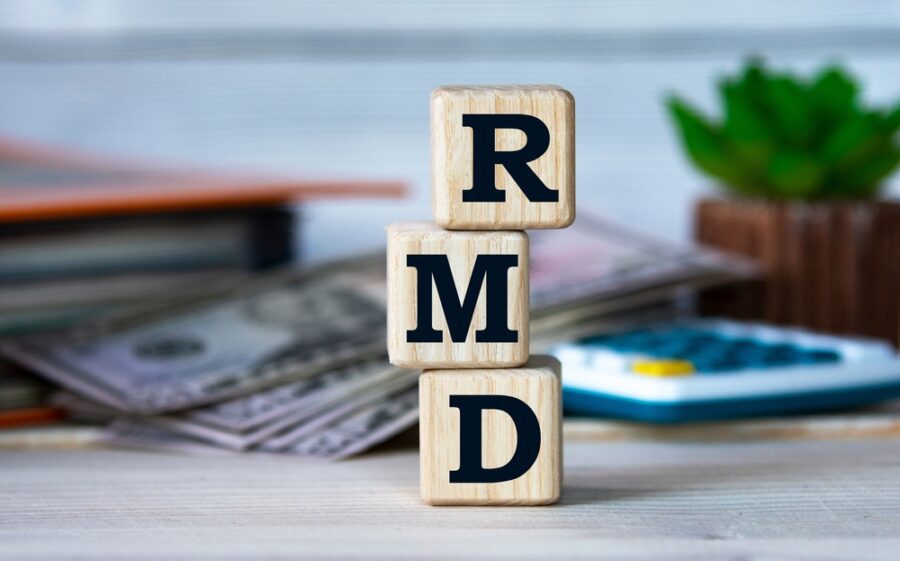
The regulations and penalties for mandatory minimum distributions were modified as part of the recently passed Secure 2.0 Act. The mandatory distribution age was adjusted from 72 to 73 for people turning 72 during or following 2023, and it will increase to 75 in 2033. People who reached 72 in 2022, on the other hand, weren’t impacted by this adjustment and were still required to receive their first payout by April 1, 2023.
Furthermore, the penalty for failing to take the necessary distributions will be reduced from 50% to 25% starting in 2023. If the negligence is addressed on time, the penalty is reduced to 10%. Required distributions from non-IRA Roth accounts, including Roth 401(k) plans, will be removed entirely beginning in 2024.
This change is a big one, and it will give people more time to plan and grow the money they planned to save for retirement. But if you do this and push back your retirement payouts, you will later need to be careful because you will have to withdraw more money in a shorter time.
2. Emergency funds
Creating an emergency fund is necessary for guaranteeing that you can cover any unexpected bills, but it can be difficult to get started when you have to deal with everyday living expenses and the extra duty of saving for retirement.
Employers who offer a capped-contribution retirement plan may additionally provide a pension-linked emergency savings account to all employees who are not very well compensated. This will start in 2024, and employees will automatically enroll at up to 3% of their pay, according to the new Secure 2.0 Act.
At first, the account total is capped at $2,500 or less, depending on employment restrictions, and contributions can be blocked or diverted to a Roth-defined contribution plan, if one is available, until the balance goes below the minimum amount allowed.
The first withdrawals from this account, or more precisely, the first four withdrawals, are free of charge. After the employees leave the company, they can receive the money in cash or roll it into a Roth-defined contribution plan, or IRA.
3. Catch up on your retirement contributions
Are you over 50 and worried that you will not be able to have some retirement funds? Hopefully, those who are 50 or older will have some additional alternatives to reach their retirement targets thanks to new measures in the Secure 2.0 Act.
The IRS allows seniors to put more money in their retirement accounts than the yearly maximum using catch-up contributions. This is a great way to make up for the opportunities you missed when you were younger.
Catch-up contribution limitations for retirement savings plans such as 401(k)s and IRA accounts will go up from $7,500 to $10,000 beginning in 2025. This happens because the upper limit will be adjusted for inflation.
The catch-up contribution ceiling for SIMPLE IRAs will be raised to $3,500 in 2023, instead of $3,000 in previous years. The catch-up contribution cap stays at $3,500 in 2024.
4. 401(k) and the automatic enrollment
If your company provides a plan for retirement, such as a 401(k) or 403(b), you must normally choose to take part in one of them, though certain companies may offer automatic enrollment.
There were many people who would not enroll in any of the retirement savings plans provided, but this will be no longer possible after December 31, 2023, because automatic enrollment will take care of it.
The very first contribution has to represent a minimum of 3% of pretax profits but no more than 10% of pretax earnings. Employees who do not wish to join their company’s retirement plan will be able to choose not to take part in this once this clause takes effect.
5. Emergency withdrawals
You are probably used to the idea that once you start a retirement savings account, you will not be able to withdraw any money without any consequences. This will be a thing of the past once the Secure 2.0 Act. becomes active.
You know that one disadvantage of saving for retirement is that you normally cannot access the funds until you reach retirement age without facing severe penalties and an additional 10% early withdrawal tax.
People with accounts will be allowed to make withdrawals from their 401(k) retirement savings plans or IRAs for unexpected expenditures without facing these penalties in 2024.
The rules are simple: only one $1,000 disbursement per year is permitted, and the money must be returned within three years. If the funds received are not repaid within three years, no further hardship withdrawals are permitted.
6. College savings
Parents who are making investments for their children’s college education will have more options through their 529 plans. After 15 years, funds taken out of the 529 plan can be transferred to the beneficiary’s Roth IRA account.
The amount deposited each year must not exceed the yearly IRA contribution maximum, up to a lifetime maximum of $35,000.
Those with student loans are able to take advantage of a new incentive under the Secure 2.0 Act to balance investing for retirement and paying student debt instead of selecting one or the other.
Once 2024 starts, if you make a student loan repayment, your employer may “match” the payment into your 401(k), 403(b), or SIMPLE IRA.

7. 529 plan rollovers
For 529 plans, there is a Roth rollover option. The Secure 2.0 Act modifies the requirements for 529 plans beginning in 2024.
Some people may be allowed to transfer a 529 plan that they have maintained for at least 15 years to a Roth IRA under certain conditions (for example, the Roth IRA account has to be in the name of the 529 plan beneficiary).
The yearly limitations for the rollover must be below the yearly contribution limit, and there is a lifetime limit of $35,000 on what may be rolled over to the Roth IRA.
All in all, the changes in the Secure 2.0 Act will definitely affect the way you save money for your retirement, and this is why you should know everything about them. As you can see, not all of these changes will take place in 2023 or 2024. Some of them will start to affect you later, but it is good to know this beforehand.
So, what do you think about these changes? Do you believe they will help you save more money for your retirement? Tell us in the comment section!
If you want to learn more about the retired minimum distribution, you might find this book helpful: Check Your Retirement: Portfolio Withdrawals Strategies, Types of Investment, Social Security Benefits, Required Minimum Distributions, Life Expectancy
You should also read: 6 Social Security Changes Coming in 2024