Getting Expert Help
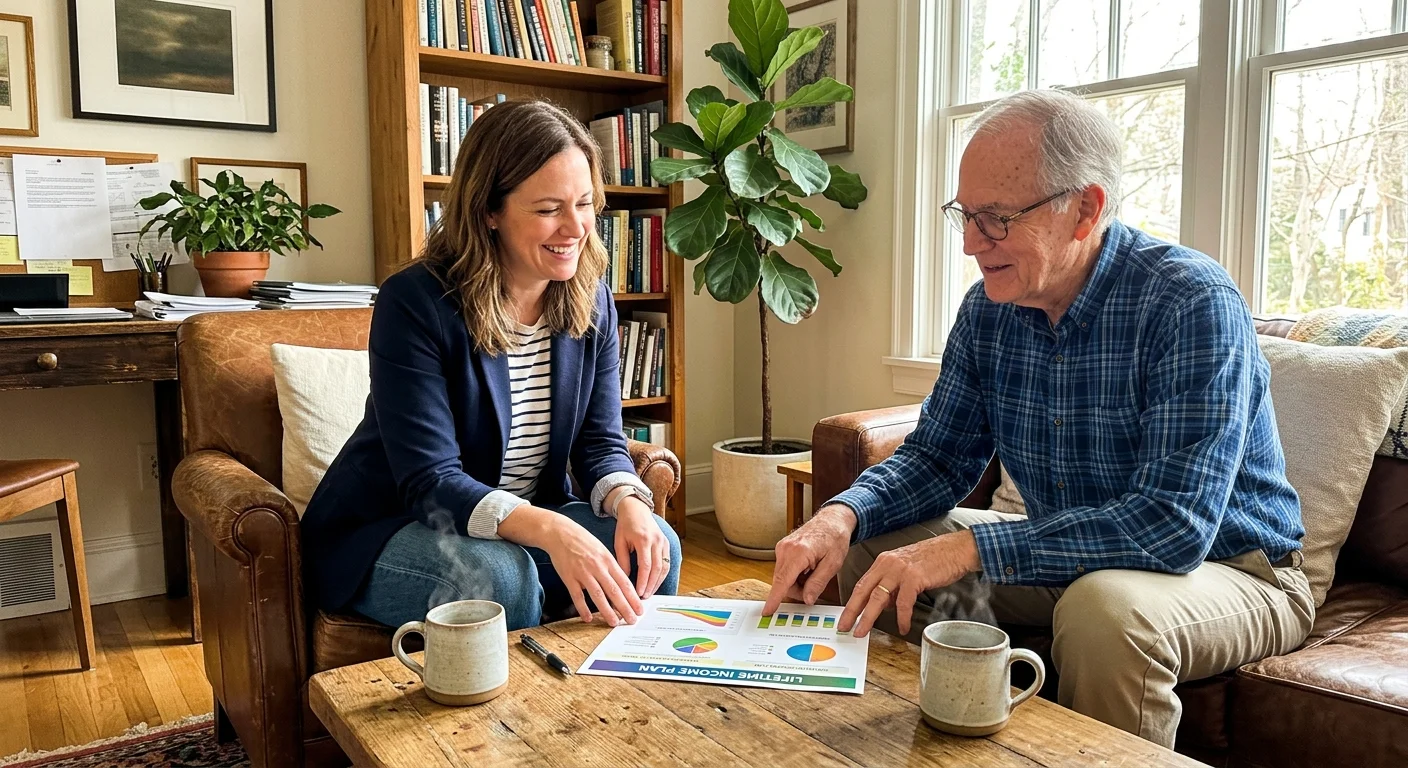
Managing forced distributions effectively involves complex tax modeling, healthcare expense coordination, and portfolio management. Seeking guidance from qualified financial professionals like Certified Financial Planners (CFPs) or Certified Public Accountants (CPAs) offers clear advantages in several specific scenarios:
- Large Tax-Deferred Balances: If you hold over $1,000,000 in pre-tax retirement accounts, future RMDs will generate substantial forced income. A CFP can design multi-year Roth conversion strategies and tax-bracket mapping to minimize long-term tax exposure.
- Complex Multi-Account Portfolios: If you hold several employer-sponsored plans, inherited IRAs, and active business investments, a tax specialist ensures you comply with specific aggregation rules and avoid costly penalty notices. You can verify advisor credentials through the CFP Board or monitor investment standards through FINRA.
- Substantial Charitable Intent: If you regularly donate to non-profit organizations, an advisor can help automate Qualified Charitable Distributions, ensuring donations satisfy your annual RMDs without adding to your taxable income.
- Active Business Owners or Continued Employment: If you plan to work past age 73, professional tax guidance ensures you correctly apply the “still-working exception” to your current plan while managing separate RMD requirements for outside accounts.